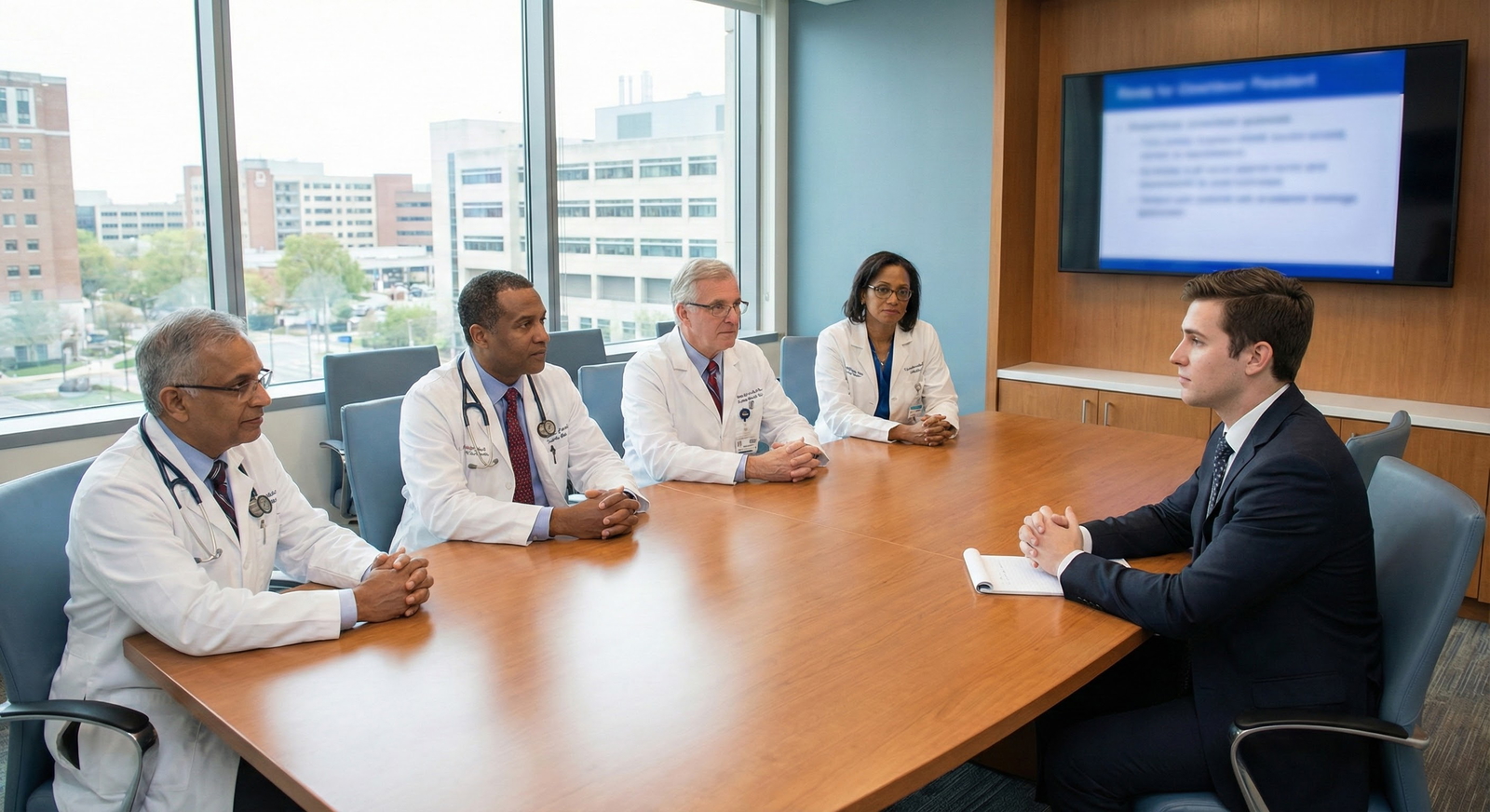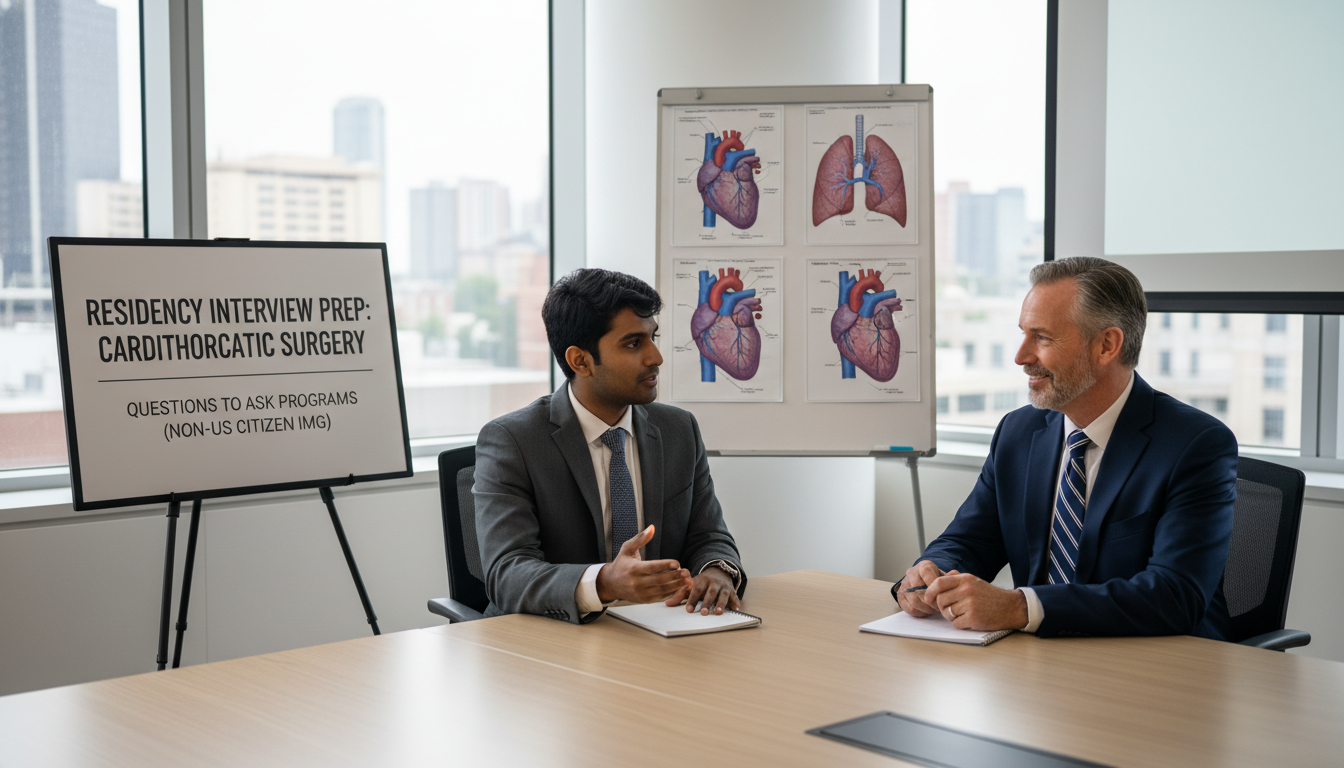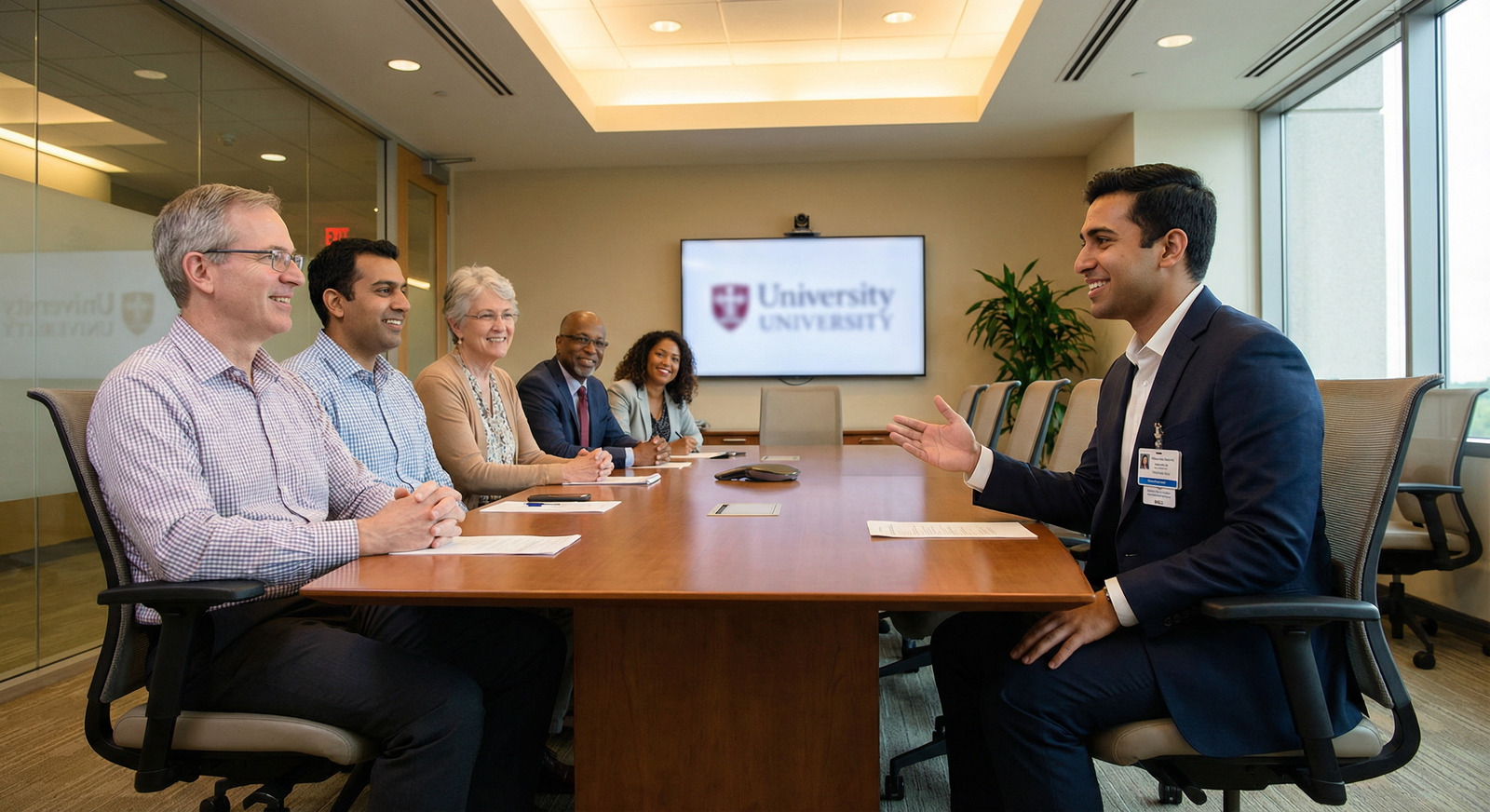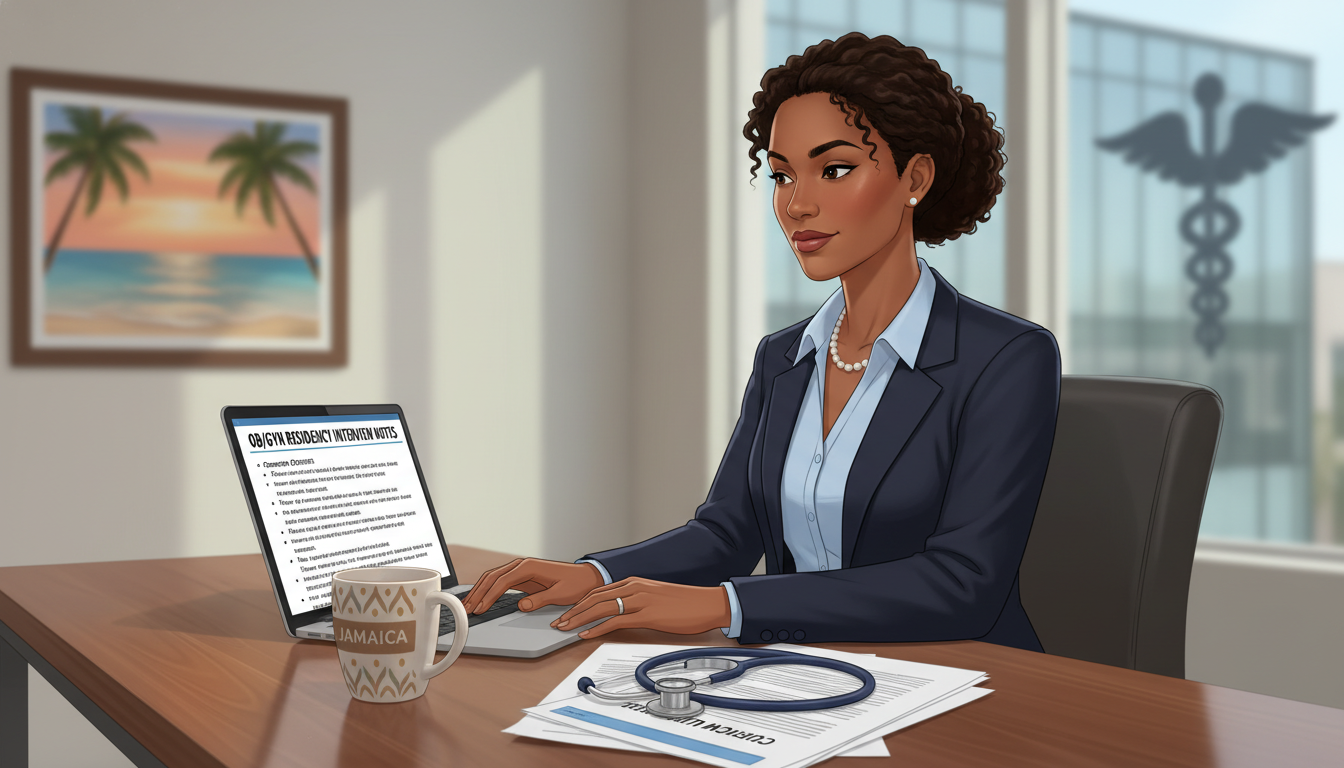
Understanding the OB GYN Residency Landscape as a Caribbean IMG
For a Caribbean medical school graduate, especially from programs like SGU, AUC, Ross, Saba, or others, pre-interview preparation for an OB GYN residency starts long before you schedule your first Zoom or in-person visit. To be competitive, you must understand both the specialty and the unique lens through which programs may view a Caribbean medical school residency applicant.
Why OB GYN Is Competitive for Caribbean IMGs
Obstetrics & Gynecology is a moderately competitive specialty in the U.S., and for IMGs (including Caribbean graduates), the bar is higher:
- Limited number of positions relative to applicants
- Strong priority for U.S. MD and DO applicants at many academic programs
- Preference for candidates with U.S. clinical experience in OB GYN
- Greater emphasis on communication skills, professionalism, and team fit given the specialty’s high-stress, team-based environment
This means that every part of your pre-interview preparation must be intentional. You’re not just “showing up” to interviews; you’re actively closing the perceived gap between you and U.S. grads.
How Programs Evaluate Caribbean IMGs
Before you practice interview questions, clarify how you’ll be evaluated. Program directors often look for:
- Board performance: USMLE/COMLEX scores and number of attempts
- Clinical performance in OB GYN: Grades, narrative comments, sub-internships, and U.S. OB GYN rotations
- Letters of recommendation: Especially from U.S.-based OB GYN attendings
- Communication and professionalism: Critical in labor and delivery and consult-heavy settings
- Consistency of your story: Why OB GYN, why now, and how your Caribbean background fits into your future as a U.S. resident
As a Caribbean IMG, you must be ready to proactively frame your background—not apologize for it. Your pre-interview preparation is about learning how to communicate your strengths clearly and confidently.
Clarifying Your Application Story Before Interviews
Step 1: Know Your Own File Better Than the Program
Before you can tackle residency interview preparation, you must deeply understand your own application:
- ERAS application
- Personal statement
- CV
- USMLE score reports
- Medical school transcript
- MSPE/Dean’s letter
- OB GYN-related experiences, electives, and sub-Is
Print your ERAS application and highlight:
- Every OB GYN-related experience
- Leadership, teaching, and advocacy roles
- Any red flags: exam failures, leaves of absence, gaps, low grades, or professionalism issues
For each highlighted item, prepare:
- 1–2 sentence summary of what you did
- What you learned and how it shaped you as a future OB GYN
- One concrete example or outcome
This becomes your personal “interview Bible” and will make you much more fluid when responding to behavioral and experience-based interview questions residency programs love to ask.
Step 2: Craft a Clear, Concise OB GYN “Why Story”
You will be asked some version of:
- “Why OB GYN?”
- “Why did you choose obstetrics and gynecology over other fields?”
As a Caribbean IMG, you must have a mature and specific answer that shows:
- You understand both obstetrics and gynecology, not just the delivery room
- You’ve been exposed to the real-life intensity of call, emergencies, and emotional challenges
- Your decision is informed and grounded, not purely idealistic
Structure your answer:
- Origin moment
- A specific patient, rotation, or event that sparked your interest.
- Exploration phase
- Electives, sub-Is, research, or case experiences that deepened your commitment.
- Integration
- Link your personality and strengths:
- Do you love continuity of care?
- Do you enjoy procedures and surgeries?
- Are you drawn to women’s health advocacy, health equity, or global health?
- Link your personality and strengths:
- Future vision
- A realistic, flexible statement about the type of OB GYN you hope to become (e.g., community OB GYN, academic, MFM interest, minimally invasive surgery).
Example (condensed):
“My interest in OB GYN began during my third-year core rotation when I cared for a patient with severe preeclampsia. Watching our team stabilize her and deliver a healthy baby revealed a field that combines acute care, longitudinal relationships, and surgery. I went on to do two OB GYN electives in the U.S., where I learned that I genuinely enjoy the pace of labor and delivery and the problem-solving in the OR. My strengths—communicating under pressure, working in teams, and advocating for patients—fit naturally into OB GYN, and I see myself as a future community OB GYN who remains involved in resident education and maternal health equity projects.”
Step 3: Anticipate and Rehearse Your “Caribbean IMG Narrative”
Programs may not ask directly, but they’re curious:
- Why Caribbean medical school?
- How did you adapt?
- What did you gain from that environment?
Your answer should be confident and non-defensive:
- State your decision briefly and honestly
- Emphasize what you gained: resilience, adaptability, cultural competence, exposure to diverse pathology
- Show how your Caribbean medical school residency path has prepared you for U.S. training
Example:
“I chose a Caribbean medical school because it offered a clear path toward U.S. clinical training. Studying in the Caribbean pushed me to become highly self-directed and resilient, and my clinical years in U.S. hospitals gave me exposure to a variety of patient populations and health systems. That combination—resourcefulness from the Caribbean and structured training in U.S. sites—has made me flexible and well-prepared for residency.”

Mastering OB GYN–Specific Content Before Interview Season
Residency interview preparation for OB GYN isn’t just about generic behavioral answers. You should sound like someone who has actually lived on OB floors and in the gynecology OR, not just read about them.
Core Clinical Topics You Should Be Able to Discuss
You won’t be pimped like on rounds, but you should be able to speak comfortably about:
- OB Concepts
- Prenatal care basics
- Management of common complications (preeclampsia, gestational diabetes, preterm labor)
- Understanding of labor stages, induction, and cesarean delivery indications
- GYN Concepts
- Evaluation of abnormal uterine bleeding
- Basics of cervical cancer screening and HPV vaccination
- Common benign conditions (fibroids, endometriosis, ovarian cysts)
You are not expected to be a resident yet, but if you say OB GYN is your passion, you should sound like you’ve engaged deeply with the field.
Prepare 3–4 Memorable Clinical Stories
Strong interviews often include vivid clinical narratives that show:
- How you think
- How you communicate
- How you handle pressure
- Your professionalism and empathy
Prepare stories around:
- A challenging patient interaction (e.g., language barrier, limited resources, sensitive topic like pregnancy loss or domestic violence).
- A time you managed stress or a busy call night.
- A case where you made a mistake or near-miss and what you learned.
- An example of interprofessional teamwork (nurses, midwives, anesthesiology, pediatrics).
For each story, organize using the STAR method:
- Situation – Brief context
- Task – Your role
- Action – What you did
- Result – Outcome and what you learned
You’ll use these stories to answer common interview questions residency directors ask, like:
- “Tell me about a difficult clinical situation and how you handled it.”
- “Describe a time you had a conflict with a team member.”
- “Tell me about a time you made a mistake.”
Systematic Residency Interview Preparation: From Questions to Mock Interviews
This is where most Caribbean IMGs either shine or fall flat. You cannot “wing it.” You must know how to prepare for interviews step by step.
Step 1: Build a Question Bank and Outline Answers
Common categories of OB GYN residency interview questions:
Motivation and fit
- Why OB GYN?
- Why our program?
- What are you looking for in a residency program?
Background and academics
- Why did you attend a Caribbean medical school?
- Tell me about your USMLE experience.
- Explain any gaps, leaves, or exam failures.
Behavioral and professionalism
- Difficult patient or team interaction
- Handling stress or burnout
- Conflict resolution
Ethics and communication
- Breaking bad news (miscarriage, cancer diagnosis, fetal anomaly)
- Handling patient requests you disagree with
- Privacy and confidentiality issues
Future goals and self-awareness
- Where do you see yourself in 5–10 years?
- Strengths and weaknesses
- Areas of OB GYN you are most/least interested in
Write bullet-point outlines for each, not full scripts. Full memorization makes you sound robotic; outlines keep you structured and natural.
Step 2: Practice Out Loud (Not Just in Your Head)
Reading your answers silently does not simulate an interview.
- Record yourself on your phone or laptop
- Pay attention to:
- Filler words (“um,” “like,” “you know”)
- Speaking speed
- Clarity and structure of answers
- Eye contact and posture (if video)
Aim for responses that are:
- 60–90 seconds for most questions
- 2–3 minutes for complex stories (max)
Step 3: Do Mock Interviews With People Who Will Challenge You
Ideal mock interview partners:
- OB GYN attendings or fellows you worked with
- Residents (especially in OB GYN or other surgical specialties)
- Career advisors at your Caribbean medical school
- Peers with strong English communication skills and U.S. cultural familiarity
Ask them to:
- Use common interview questions residency programs ask
- Push you on gaps or weak areas (failed exam, low score, gap year)
- Give honest feedback on confidence, clarity, and professionalism
Record at least one mock where someone intentionally asks stressful or curveball questions. This helps you stay calm and composed.
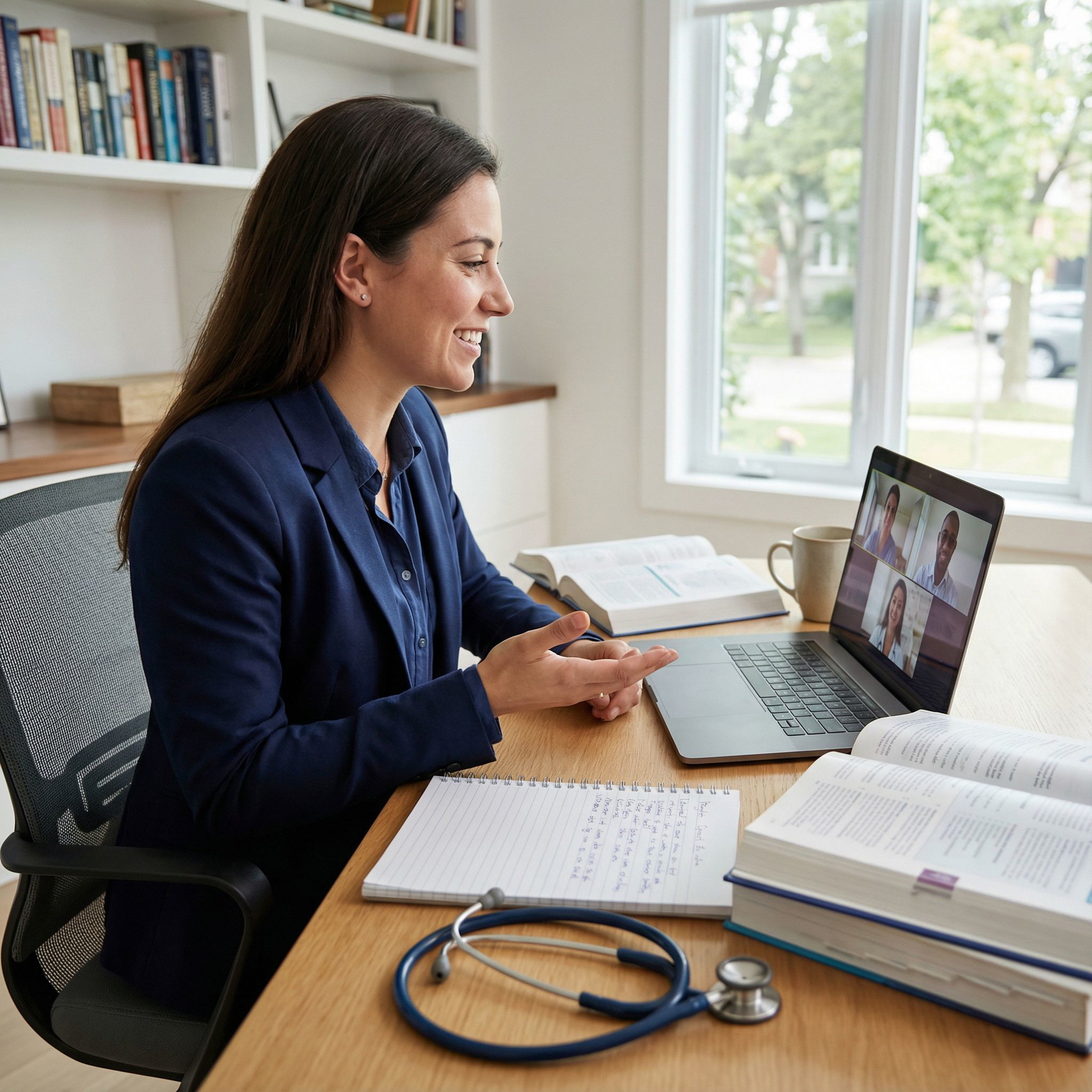
Step 4: Prepare for Virtual Interview Logistics
Most interviews remain virtual or partially virtual. As a Caribbean IMG, tech issues or poor setup can unfairly hurt your impression.
Checklist:
- Environment: Quiet, neutral background; no clutter or distractions
- Lighting: Light source in front of you, not behind
- Camera: Eye-level; test framing beforehand
- Audio: Use a headset or good microphone; test for echo
- Internet: Stable connection; wired if possible
Have a “plan B”:
- Backup device
- Phone hotspot
- Program contact email/number ready if connection drops

Researching Programs and Tailoring Your Approach
Your SGU residency match or match from other Caribbean schools will be stronger if you show programs that you have done your homework and can explain why you fit specifically there.
Step 1: Deep-Dive Into Each Program
Before every interview, review:
Program website:
- Rotations structure
- Volume of deliveries and surgeries
- Continuity clinic setup
- Research or specialized tracks (e.g., global health, family planning)
Social media (Instagram, X/Twitter, program YouTube):
- Culture, resident camaraderie
- Diversity initiatives
- Wellness and support systems
FREIDA and program PDFs:
- Size, call schedule, fellowship placements
As a Caribbean IMG, prioritize identifying:
- Whether they’ve taken Caribbean graduates previously
- Presence of international or diverse residents
- OB GYN faculty or residents with advocacy or global health interests that resonate with your background
Step 2: Prepare a Convincing “Why Our Program?” Answer
Avoid generic answers like “strong clinical training” or “diverse patient population.” Be specific:
Program structure
- “Your rotation structure with early exposure to L&D and continuity clinic aligns with how I learn best.”
Culture and support
- “Your mentorship model and emphasis on resident wellness are important to me, especially as an IMG moving away from my support network.”
Career alignment
- “Your strong record of fellowship placement in MFM and your partnership with community clinics fit my long-term interest in high-risk obstetrics and underserved care.”
Evidence you’ve done your research
- Mention a specific conference residents present at, a project highlighted on their Instagram, or a curricular element unique to their program.
Step 3: Prepare Thoughtful Questions to Ask the Program
Residency interview preparation isn’t just about answering; it’s also about asking. Good questions show insight and maturity.
Examples tailored for OB GYN and Caribbean IMGs:
- “How does your program support residents who may need extra help transitioning to the pace and documentation systems in intern year?”
- “What opportunities are there to be involved in care for underserved or immigrant women, including language or cultural support?”
- “How do you support residents who are interested in both community practice and maintaining some academic involvement?”
- “Can you describe how feedback is given and how residents are supported if they struggle early in intern year?”
Avoid questions that are easily answered on the website or sound self-focused (vacation first, then training).
Managing Stress, Professionalism, and Follow-Up
Presenting Yourself Professionally as a Caribbean IMG
OB GYN is team- and patient-centered. Programs are watching for:
- Respectful, clear communication
- Ability to discuss emotionally heavy topics (pregnancy loss, maternal morbidity) with maturity
- Comfortable collaboration with nurses, midwives, and other specialties
Key professionalism points:
- Be on time (log in 10–15 minutes early for virtual interviews).
- Use formal address initially (“Dr. Smith”) unless invited otherwise.
- Stay engaged on group sessions, not just 1:1 interviews.
- Treat residents as critical sources of information—not your friends, not your evaluators, but something in between.
Handling Red Flags or Tough Questions
If you have a lower USMLE score, exam failure, or gap year:
- Acknowledge it briefly, don’t avoid it.
- Take responsibility, without over-apologizing.
- Explain what changed: study strategy, time management, health, or personal situation.
- Close with evidence of improvement (later scores, strong clerkship performance, letters).
Example:
“I failed Step 1 on my first attempt. At the time, I overloaded myself with multiple resources and didn’t leave enough time for spaced repetition. After that, I sought help from our academic support office, narrowed my resources, and built a more structured schedule. I passed comfortably on my second attempt and then scored well on Step 2, reflecting the changes I made and my growth since that setback.”
Programs care less about what happened than about what you learned and how you adapted.
Psychological Preparation and Mindset
Interview days are mentally draining. To perform consistently:
- Sleep adequately before your interviews; don’t cram.
- Have a pre-interview routine: brief walk, light breakfast, quick review of your “interview Bible.”
- Use breathing techniques if you feel nervous: slow inhale through the nose for 4 seconds, hold 4 seconds, exhale 6 seconds.
- Remind yourself: the program already saw your file and chose to interview you; you deserve to be there.
Post-Interview Etiquette and Communication
After each interview:
Debrief the same day
- Jot down impressions of faculty, residents, culture, pros/cons, and notable features.
Thank-you emails
- Not all programs require them, but thoughtful, specific notes can be helpful.
- Keep it concise: mention a specific conversation or aspect of the program that resonated with you.
No promises or misrepresentation
- Don’t claim they are your “number one” unless you truly mean it and it’s allowed by NRMP guidelines.
Rank list strategy
- Rank programs based on fit and training quality, not just perceived competitiveness or name recognition.
- A solid community OB GYN program where you will thrive is far better than a prestigious program where you may be unsupported.
FAQs: Pre-Interview Preparation for Caribbean IMGs in OB GYN
1. As a Caribbean IMG, do I need OB GYN-specific research to be competitive at interviews?
Research is helpful but not mandatory for all OB GYN programs. Many community-based programs focus more on clinical performance, letters, and communication skills. For academic programs, even small projects (case reports, QI projects, poster presentations) can help. In interviews, emphasize what you learned from any scholarly activity and how it sharpened your curiosity and critical thinking, rather than focusing solely on publications.
2. How should I address being a Caribbean medical school graduate if programs don’t ask directly?
You don’t need to bring it up in every answer, but you should be ready with a confident, positive narrative if it comes up or feels relevant. Mention the strengths of your path—adaptability, exposure to diverse health systems, resilience—and tie them back to how they will make you a better OB GYN resident. Avoid sounding defensive or apologetic; you’re explaining, not justifying.
3. What are some OB GYN-specific questions I should be ready for?
In addition to standard questions, you may get specialty-focused questions such as:
- “Tell me about a memorable OB patient you cared for.”
- “What aspects of OB GYN do you find most challenging, and how will you handle them?”
- “How do you cope with poor outcomes, such as pregnancy loss or maternal complications?”
Prepare honest, reflective answers that show emotional maturity, not just textbook knowledge.
4. How many mock interviews should I do before the season?
Aim for at least 3–5 structured mock interviews:
- 1–2 with peers to get comfortable with basic questions
- 1–2 with faculty or residents who can give more rigorous feedback
- At least one focused on stressful or behavioral scenarios
Stop short of over-rehearsing. You want answers that are organized, confident, and authentically you, not memorized monologues.
Preparing for OB GYN residency interviews as a Caribbean IMG is not about being perfect—it’s about being deliberate, reflective, and well-prepared. By knowing your story, mastering your clinical narratives, understanding each program, and presenting yourself with poise and professionalism, you can transform your SGU residency match or other Caribbean medical school residency journey into a successful obstetrics match that positions you for a strong and fulfilling career.