Why Your Questions Matter as a Caribbean IMG in Pediatrics
As a Caribbean IMG aiming for a pediatrics residency in the U.S., the questions you ask during interviews are not just a formality—they are a strategic tool.
Your questions:
- Signal maturity, insight, and genuine interest
- Help you identify programs that truly support IMGs
- Clarify whether a program will set you up for a successful pediatrics career
- Let you quietly assess how past Caribbean graduates (including SGU, AUC, Ross, etc.) have done in the peds match and beyond
For a Caribbean medical school residency applicant, the stakes are higher: you must show programs that you understand the system, know what you need to succeed, and are evaluating fit just as much as they are evaluating you.
This guide will walk you through what to ask, why it matters, and how to phrase questions professionally—with a pediatrics focus and tailored specifically for Caribbean IMGs.
Core Principles for Asking Strong Questions
Before diving into sample questions, keep these key principles in mind:
1. Aim for Depth, Not Volume
It’s better to ask 3–5 thoughtful, targeted questions than 10 shallow ones. Programs often judge your understanding of residency by the quality of your questions.
Good questions:
- Show you understand pediatrics training
- Reflect awareness of IMG-specific challenges
- Invite honest, specific answers (not just “We’re very supportive”)
Example of a weak question:
- “Are residents happy here?”
Example of a strong question:
- “How does the program monitor resident well-being, and can you share an example of a change made in response to resident feedback?”
2. Adapt Questions to the Person You’re Speaking With
You will talk to:
- Program Director (PD)
- Associate Program Directors (APDs)
- Residents (interns and seniors)
- Faculty interviewers
- Possibly the Program Coordinator
You should not ask the same questions to everyone. Instead:
- PD/APD → Big-picture structure, outcomes, support for IMGs
- Residents → Culture, workload, real day-to-day experience
- Coordinator → Logistics, scheduling, visa process
3. Show You’ve Done Your Homework
Especially as a Caribbean IMG, you want to avoid looking generic or unprepared. Use questions that reflect prior research.
Instead of:
- “Do your residents do research?”
Use:
- “I saw on your website that residents have presented at the state AAP conference. How are residents supported in finding research or QI mentors, especially those who may not have had extensive research exposure during medical school?”
4. Use Open-Ended, Evidence-Seeking Questions
To get beyond rehearsed answers, ask for examples, recent changes, or specific processes.
For instance:
- “Can you tell me about a recent change made based on resident feedback?”
- “Can you walk me through how you support an intern who is struggling early in the year?”
High-Value Questions for the Program Director (and APDs)
Time with the PD is precious and often short. Prepare 3–5 high-impact questions that address training quality, IMG support, and future goals.
A. Questions About IMG Support and Outcomes
As a Caribbean IMG, you must understand how the program has historically worked with graduates from schools like yours.
You might ask:
“How many of your current residents are IMGs, and do you have any current or recent residents from Caribbean medical schools?”
- Follow-up: “How have Caribbean graduates from your program done in terms of board passage and fellowship or job placement?”
“What characteristics have you seen in successful IMGs in your program, and how does the program help them transition into the U.S. system?”
“Can you describe your approach to mentorship for IMGs, particularly in their intern year when the transition may be more challenging?”
These questions directly help you assess whether this is a Caribbean medical school residency–friendly program, not just superficially IMG-tolerant.
B. Questions About Board Preparation and Clinical Training
For a competitive pediatrics residency and future practice (or fellowship), board success matters.
Ask:
“How does the program support residents in preparing for the pediatric board exam?”
- Follow-up: “What have your board pass rates been over the past few years, and what changes have you made if there were any dips?”
“How do you balance service and education in the inpatient rotations? Are there specific structures (like protected didactic time) that help ensure we’re learning and not just working?”
“Are there particular pediatric subspecialties where your residents get especially strong exposure—for example, NICU, PICU, or outpatient developmental-behavioral pediatrics?”
C. Questions About Career and Fellowship Support
Even if you’re not sure about fellowship, you should still show that you’re thinking ahead.
“What proportion of your graduating residents go into fellowship versus general pediatrics, and how does the program support each pathway?”
“Could you describe how mentorship for career planning is structured—do residents get assigned mentors, or choose them?”
“For residents who decide late that they want a fellowship, what does support look like for building a competitive application?”
These questions help you understand the program’s track record in the peds match for fellowships.
D. Program Culture and Resident Voice
Culture is critical, especially if you may be far from home or your Caribbean support system.
“How do residents provide feedback about the program, and can you share a specific change you’ve made recently based on that feedback?”
“If a resident is struggling—clinically, academically, or personally—what does your support process look like?”
“What do you see as the program’s main strengths, and what are you actively working to improve over the next 3–5 years?”
These are high-yield questions to ask residency leaders to gauge whether the program will help you grow rather than let you sink or swim.

What to Ask Current Residents (Your Best Source of Truth)
Residents will often give you the most honest, practical view of the program. This is where you dig into daily life, workload, culture, and genuine IMG experience.
A. Questions About Workload, Schedule, and Support
Avoid asking only “How many hours do you work?” Instead explore:
“Can you walk me through a typical day on wards as an intern here? What about a typical call day?”
“On busy rotations, do you feel the workload is manageable enough to still learn and provide safe care?”
“Is there genuinely protected time for didactics? Are you able to attend regularly, or do clinical demands often interfere?”
“How approachable are attendings and fellows when you need help on the floor or in the middle of the night?”
B. Questions About Culture, Wellness, and Inclusion
As a Caribbean IMG, inclusion and psychological safety are crucial.
“How would you describe the resident culture—collaborative, competitive, more independent?”
“Do you feel comfortable asking questions or admitting when you don’t know something, especially as a new intern?”
“What kind of wellness or mental health resources are actually used by residents here?”
- Follow-up: “Is it culturally normal in the program to take advantage of those resources?”
“Are there any resident-led initiatives or committees that have made a meaningful difference to your work-life balance?”
“Have you seen IMGs and Caribbean graduates thrive here? What helped them most?”
C. Questions About Teaching and Learning Climate
The quality of bedside teaching and feedback will make or break your training.
“Do attendings and seniors provide regular feedback, or do you mostly get it during formal evaluations?”
“Do you feel like the program is more service-heavy or education-focused? Has that changed over time?”
“How well are you prepared for independent decision-making by the end of PGY-3?”
D. Practical Questions About Living and Community
Your life outside the hospital matters too.
“Where do most residents live, and what’s the commute like?”
“How does the cost of living here feel on a resident salary?”
“For people who are not from this region or from the U.S., how easy or hard was it to build a community here?”
These are the kinds of interview questions for them (the residents) that give you deep, usable information, not just surface impressions.
Questions Specifically for Caribbean IMGs to Ask About Support and Visas
As an IMG from a Caribbean med school, there are specific areas you must clarify—gently, professionally, and confidently.
A. Visa and Sponsorship (If Applicable)
If you need a visa, this is non-negotiable. Ask the program coordinator or PD/APD:
“What types of visas do you currently sponsor for residents (J-1, H-1B)?”
“Have you had any challenges with visa processing or timing in recent years?”
“Do you anticipate any changes in your policy regarding IMG recruitment or visa sponsorship?”
If you are an SGU graduate or similar, you can phrase it in context of the SGU residency match:
- “I know many SGU graduates have matched into pediatrics across the U.S. In your experience, have there been any particular visa or onboarding issues with Caribbean graduates that I should be aware of?”
B. Transition from Caribbean Medical School to U.S. Pediatrics Training
Many Caribbean schools offer strong clinical training, but the transition to residency is still a jump.
Ask:
“How do you onboard interns at the beginning of the year, especially those who may not have had all of their clinical rotations in the U.S.?”
“Do you offer any boot camps, simulation sessions, or orientation blocks to help interns get comfortable with orders, EMR, and common pediatric emergencies?”
“Have you noticed any specific gaps or strengths that Caribbean graduates tend to bring, and how does the program address those?”
C. Evaluation, Remediation, and Academic Support
You want a program that helps you succeed, not one that easily labels you as a “problem” because you’re an IMG.
“How are residents evaluated, and how early would you identify and support someone who is struggling?”
“Can you describe the remediation process? Is it typically supportive and educational, or more disciplinary?”
“Do you have structured academic support, such as board review sessions, small-group teaching, or dedicated time for struggling residents?”
These questions to ask programs will help you determine if they understand and support the unique journey of Caribbean IMGs.

Smart Questions to Ask About Curriculum, Research, and Future Goals
When thinking about your development over three years, dig deeper into the curriculum, scholarly activity, and long-term program vision.
A. Curriculum, Rotations, and Clinical Exposure
Ask PDs, APDs, or chief residents:
“How is the curriculum structured across the three years, and what are the main differences between PGY-1, PGY-2, and PGY-3 roles?”
“How much time do residents spend in the NICU and PICU, and what kind of graduated responsibility do they have in those units?”
“What does continuity clinic look like here—how often do we see patients, and do we follow our own panel throughout residency?”
“Are there any unique rotations or community partnerships that you feel set your pediatric residents apart?”
B. Research, QI, and Scholarly Activity
Even if you’re not research-heavy, you should know what’s available—and how IMGs are supported.
“What are the expectations for resident scholarly activity—research, QI, case reports?”
“How easy is it to find a mentor if you’re new to research or less experienced, as many Caribbean IMGs are?”
“Do residents have protected time for research or QI projects? If so, when is it built into the schedule?”
“Can you share some recent resident projects or presentations—for example, at the AAP or regional conferences?”
C. Program Vision and Stability
You don’t want to enter a program that’s in serious flux without understanding why.
“How has the program changed over the last 5 years, and where do you see it going in the next 5?”
“Have there been any major changes in hospital leadership, program leadership, or clinical sites recently? How has that affected residents?”
“What are you most proud of about this program, and what are you actively working to improve?”
Questions like these show you are thinking as a future colleague, not just an applicant.
How to Prepare and Use Your Questions Strategically
Knowing what to ask is only half the work—you also need to use your questions strategically.
1. Create a Short, Tailored List for Each Program
Before each interview day:
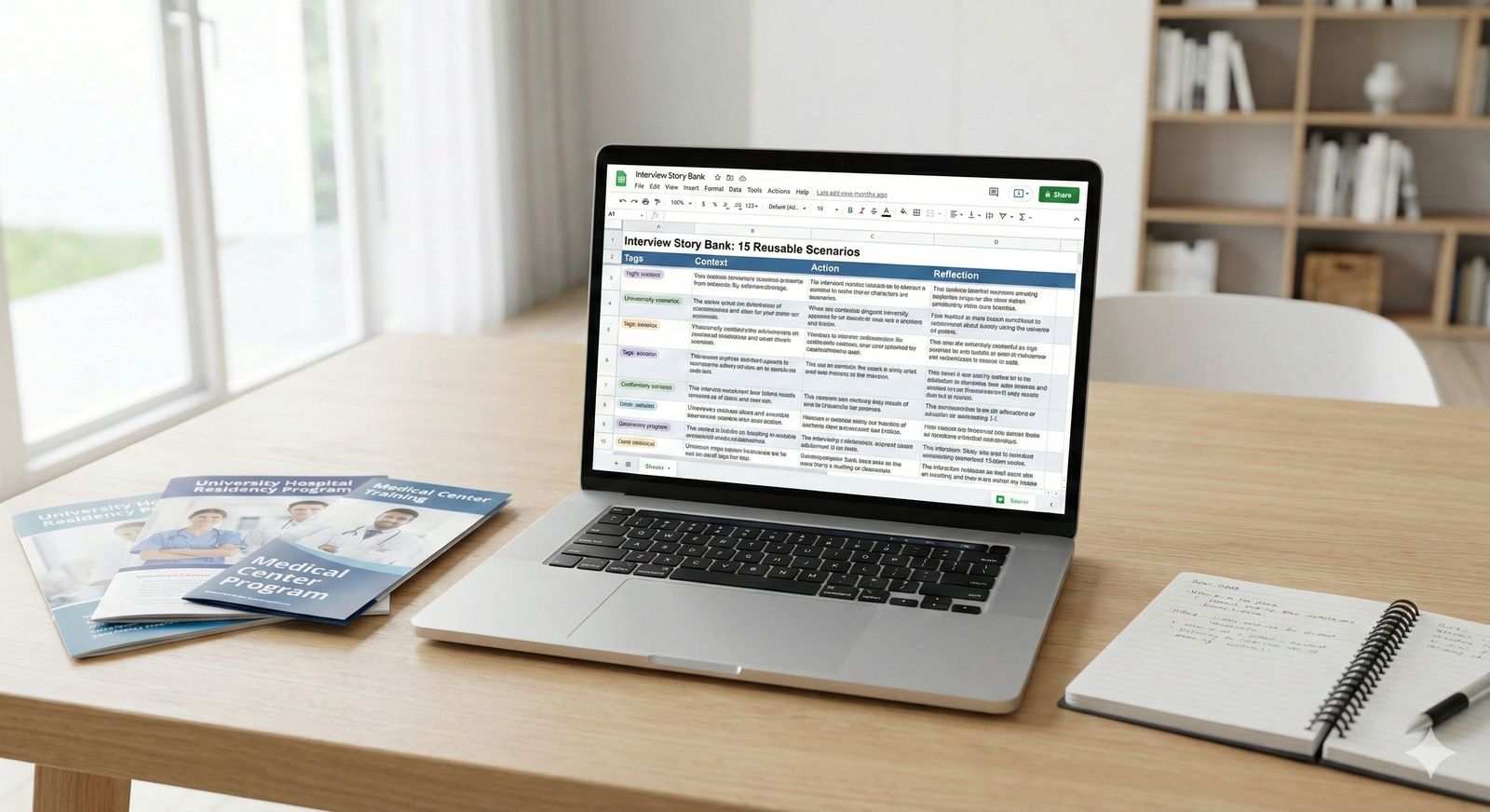
- Review the website, brochure, and any alumni data (including Caribbean/SGU match lists if available)
- Write down 8–10 potential questions specific to that program
- Prioritize 3–5 “must-ask” items for the PD, and 3–4 for residents
Keep them on a notepad or document; it’s acceptable to glance at them.
2. Avoid Questions Answered on the Website
Don’t ask:
- “How many residents do you have?”
- “What’s your call schedule?” (if clearly posted)
Instead, build deeper questions on what you read:
- “I saw that you use a night float system. How has that affected continuity of care and resident wellness compared to previous call structures?”
3. Use Questions to Demonstrate Insight and Fit
Blend your interests into your questions:
“I’m particularly interested in community pediatrics and working with underserved populations. How does your program expose residents to this population, and what longitudinal experiences are available?”
“As a Caribbean IMG, I really value structured feedback and clear expectations. How do you ensure residents understand what is expected at each level of training?”
4. Have a Few “Safe” Questions Ready for When Time Is Short
If your mind goes blank or time is nearly up, have 1–2 broad, thoughtful questions ready:
- “What qualities do you feel make residents particularly successful in your program?”
- “Is there anything else you think would be helpful for me to know about your program that we haven’t discussed yet?”
5. Take Notes Immediately After the Interview Day
After each interview:
- Write down brief answers to your key questions
- Note any red flags (e.g., residents hesitant to speak, vague answers about IMG support)
- Note any big positives (e.g., concrete examples of supporting a struggling intern, clear fellowship match data)
These notes will be invaluable when you make your rank list.
FAQ: Questions to Ask Programs for Caribbean IMG in Pediatrics
1. How many questions should I ask each interviewer?
Aim for 2–4 well-thought-out questions per interviewer. With the PD, you might ask 3–5, depending on time. For residents in group sessions, you can ask more, but still prioritize depth over quantity.
2. Is it okay to directly ask about how many IMGs or Caribbean graduates the program has?
Yes—phrased respectfully. For example:
“I’m a Caribbean IMG and very interested in understanding how IMGs have fit into your program. Roughly what proportion of residents are IMGs, and have you had graduates from Caribbean schools in recent years?”
Programs that actively support IMGs will usually answer this openly.
3. Should I ask about the program’s rank list or chances of matching there?
Avoid direct questions about where you’ll be ranked or “What are my chances?” This is uncomfortable for programs and rarely yields useful information. Instead, you can ask:
“What qualities do you look for when ranking applicants highly?”
This helps you understand fit without putting them on the spot.
4. What are red flags in how programs answer my questions?
Be cautious if you notice:
- Very vague or evasive answers about board pass rates, resident support, or IMG outcomes
- Residents hesitating or looking at each other before answering culture/workload questions
- No concrete examples when asked about changes based on resident feedback
- Programs that say they “don’t really differentiate” between IMGs and U.S. grads but can’t name any actual Caribbean graduates or specific supports
Use these moments to probe gently; your goal is to find a program where you can thrive, not merely survive.
As a Caribbean IMG pursuing pediatrics, the questions you ask will help you identify programs that truly understand and support your unique path. Prepare thoughtfully, listen carefully, and remember: you are evaluating them just as much as they are evaluating you.