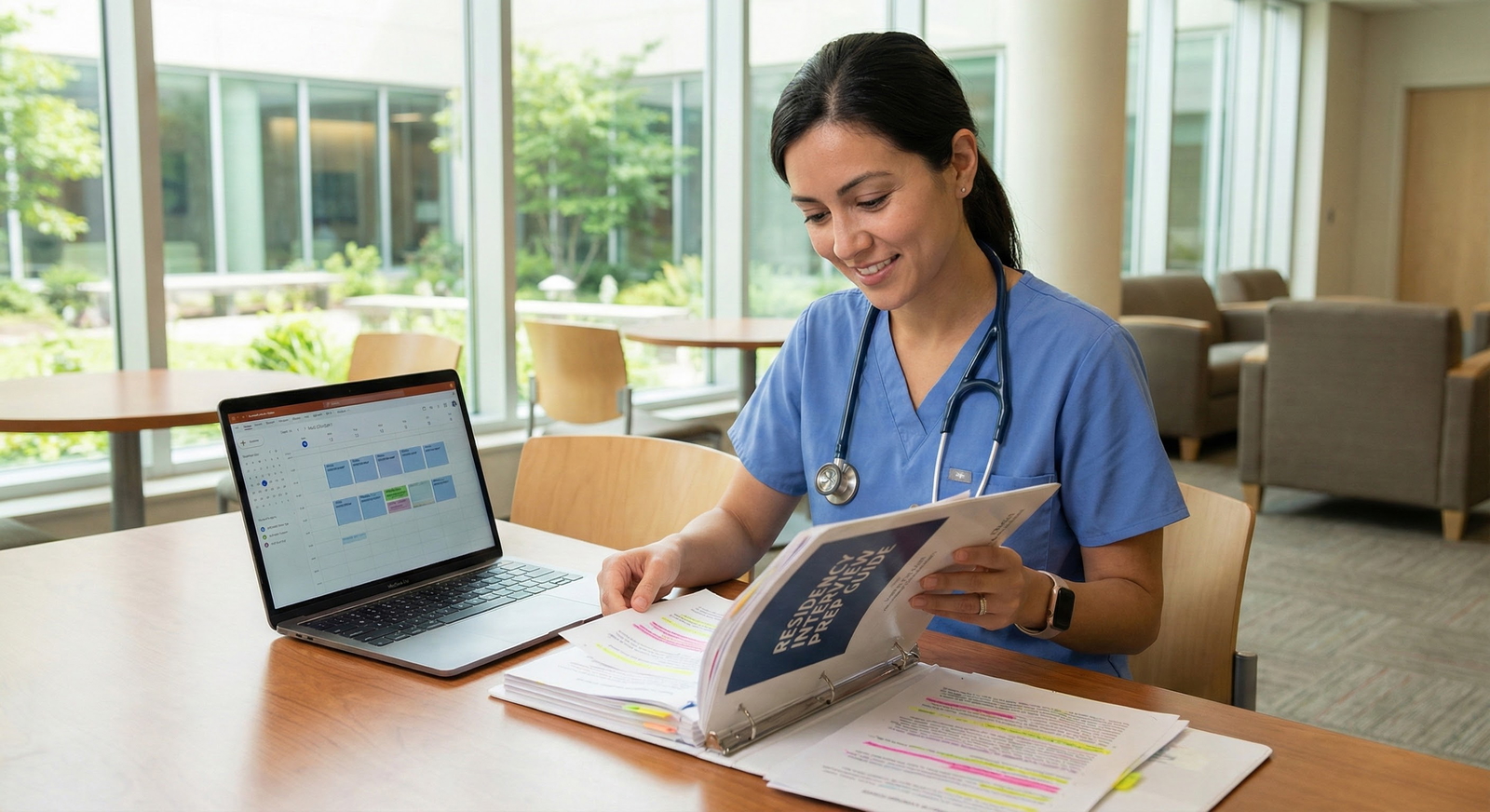
Understanding Your Unique Position as a Caribbean IMG Applying to Pediatrics-Psychiatry
Applying to a combined Pediatrics-Psychiatry (and often Child & Adolescent Psychiatry) pathway as a Caribbean IMG is both exciting and challenging. You are targeting a niche area—sometimes through a peds psych residency (e.g., Triple Board: Pediatrics / General Psychiatry / Child & Adolescent Psychiatry) or through a sequential path (Pediatrics residency first, then Psychiatry or Child Psychiatry fellowship).
As a Caribbean graduate, you must navigate unique perceptions around Caribbean medical school residency applicants while also demonstrating that you truly understand what it means to commit to both pediatrics and psychiatry. Programs will be assessing three things simultaneously:
- Clinical Readiness: Can you handle the clinical demands of pediatrics and psychiatry in the U.S. system?
- Fit for Combined Training: Do you have a coherent, well-developed motivation for dual or triple training (e.g., triple board)?
- Professionalism & Communication: Can you communicate clearly, collaborate with multidisciplinary teams, and relate to children, families, and colleagues?
Pre-interview preparation is where you can transform your application from “interesting” to “must-interview” candidate—and then from “interviewed” to “ranked highly.”
This guide focuses on what you should do before the interview day to maximize your chances of success in SGU residency match or other Caribbean school matches, especially in peds-psych-related programs.
Clarifying Your Narrative: Why Pediatrics-Psychiatry as a Caribbean IMG?
Before any mock interview, question bank, or suit shopping, you must deeply understand your own story. Combined or specialized tracks like peds psych residency or triple board attract small, close-knit faculty groups who care intensely about motivation and fit.
Define Your Core Narrative
Your narrative should answer:
- Why children and adolescents?
- Why psychiatry?
- Why both together, instead of just pediatrics or just psychiatry?
- Why as a Caribbean IMG in the U.S.?
Write out bullet points, then refine into 2–3 concise paragraphs you could adapt during interviews:
Example structure:
- Early interest & exposure
- A formative experience with a child facing complex medical and psychological needs (e.g., chronic illness + depression; autism + GI issues; trauma + failure to thrive).
- Clinical reinforcement
- Rotations or electives where you saw the limits of “just” pediatrics or “just” psychiatry and recognized the value of integrated care.
- Future direction
- A realistic picture of your career goals: e.g., integrated pediatric-behavioral health clinic, academic research on pediatric mental health, advocacy for vulnerable youth, global child mental health in the Caribbean region.
Addressing the “Caribbean IMG” Factor Proactively
Programs may not explicitly ask, but they are often wondering:
- Why did you choose a Caribbean medical school?
- How have you adapted to the U.S. clinical system?
- Can you perform at the same level as U.S. grads?
Prepare confident, non-defensive responses:
Example elements to emphasize:
- High patient volume and diversity in your clinical rotations.
- Initiative in finding U.S. clinical experiences, observerships, or electives.
- Strong Step scores or improved performance over time.
- Evidence of resilience, adaptability, and self-directed learning.
You don’t need to apologize for being a Caribbean IMG. Instead, show that your path has prepared you especially well for a demanding, interdisciplinary field like pediatrics-psychiatry.

Deep Program Research: Knowing Where You’re Interviewing and Why
Strong residency interview preparation goes far beyond skimming the program’s website the night before. For combined or psychiatry-heavy pediatrics pathways, you must demonstrate that you understand how that specific program integrates both fields.
Step 1: Understand the Pathway Type
Identify what exactly you’re interviewing for:
Triple Board Programs
- 5-year structured training in Pediatrics + General Psychiatry + Child & Adolescent Psychiatry.
- Emphasize how you handle complex, comorbid, and systems-level issues.
- Show comfort with long training but clear long-term commitment.
Categorical Pediatrics with Strong Behavioral Health Focus
- Pediatrics residency with extensive developmental-behavioral pediatrics, child psych consult services, or integrated behavioral health.
- Emphasize your interest in primary care pediatrics with strong mental health integration.
Categorical Psychiatry with Pediatric/Child Focus
- Psychiatry program with strong child and adolescent training, or future CAP fellowship intentions.
- Highlight your comfort working with families and your understanding of developmental trajectories.
Sequential Pathway Intent
- You might apply first to Pediatrics or Psychiatry with the explicit plan to pursue the complementary field or fellowship later.
- Be prepared to explain the logic and realism of this plan.
Know which category applies for each specific interview. Your answers about career goals should align with what the program actually offers.
Step 2: Build a Program-Specific Summary Sheet
For each program, create a 1-page “cheat sheet” including:
- Program structure:
- Length of training
- Rotations emphasizing child mental health, developmental pediatrics, or integrated care.
- Key faculty & leadership:
- Program Director (PD), Associate PDs
- Notable faculty in pediatric psych, developmental-behavioral peds, or child psychiatry.
- Distinctive features:
- Clinic models (integrated behavioral health, co-located services)
- Community partnerships (schools, juvenile justice, foster care)
- Research strengths (e.g., autism, trauma, ADHD, chronic illness and mental health).
- Population served:
- Urban vs rural, underserved communities, immigrant populations, special needs.
- Your specific talking points:
- 1–2 reasons you are genuinely excited about this program.
- 1–2 ways you would contribute (language skills, prior teaching, research interest).
Refer to this sheet in the days before the interview, then review quickly the night before.
Step 3: Anticipate and Prepare “Why This Program?” Answers
Most programs will directly or indirectly ask:
- “Why our program?”
- “What are you looking for in a residency?”
- “How do you see yourself fitting here?”
Your answer should combine:
Program-specific content:
“I’m particularly drawn to your integrated pediatric-behavioral health clinic and the way residents work alongside both pediatricians and child psychiatrists starting in PGY-2.”Your goals:
“My long-term goal is to work in a hospital-based program for medically and psychiatrically complex children, and the opportunities here with your consult-liaison team align perfectly with that.”Your contribution:
“Coming from a Caribbean background and training in both Caribbean and U.S. settings, I can bring strong cross-cultural communication skills and a passion for serving immigrant families, which aligns well with your patient population.”
Mastering Content Knowledge for Peds-Psych Interviews
Pre-interview preparation is not only about “how to prepare for interviews” in a general sense; it is also about reviewing content so you can discuss pediatric and psychiatric issues intelligently and confidently.
Refresh High-Yield Pediatrics Knowledge with a Mental Health Lens
You don’t need to pass a board exam at the interview, but you should sound clinically thoughtful. Focus on common conditions at the intersection of pediatrics and psychiatry:
- ADHD: Diagnostic criteria, multimodal treatment (behavioral therapy, school accommodations, medication).
- Autism Spectrum Disorder (ASD): Early signs, screening, importance of early intervention, comorbidities (intellectual disability, anxiety, epilepsy).
- Anxiety and Depression in Adolescents: Screening tools (PHQ-A, GAD-7), suicide risk assessment, when to refer to higher level of care.
- Somatic Symptom and Functional Disorders: Chronic pain, functional GI disorders, unexplained neurologic symptoms in youth.
- Chronic Medical Illness and Mental Health: Diabetes and depression, asthma and anxiety, adherence issues.
- Developmental Milestones and Delays: How developmental context affects behavior and psychiatric presentations.
When discussing cases in interviews, show that you think about:
- Family dynamics
- Developmental stage
- Social determinants of health
- School and community context
Strengthen High-Yield Psychiatry Topics Relevant to Youth
Review:
- Risk assessment: Suicidality, self-harm, homicidal ideation.
- Trauma and PTSD in children and teens.
- Substance use in adolescents.
- Psychopharmacology basics in youth (black box warnings, consent and capacity, coordination with parents and schools).
- Cultural psychiatry: How culture, migration, stigma, and language influence psychiatric symptoms and help-seeking.
As a Caribbean IMG, you have a powerful vantage point on cultural differences. Be prepared with examples:
- A child whose family uses different explanatory models for illness (e.g., spiritual beliefs).
- Differences in stigma around mental illness in your home community vs U.S. settings.
- How you negotiated cultural barriers to care.
Connecting Clinical Knowledge to Interview Questions
Common interview questions residency programs might ask where knowledge matters:
- “Tell me about a challenging pediatric patient with behavioral issues.”
- “How would you approach an adolescent who presents with recurrent abdominal pain but normal medical workup?”
- “Describe a time you worked with a family resistant to psychiatric evaluation or treatment.”
Don’t give textbook answers. Briefly:
- Describe the situation.
- Show your thought process (medical + psychological).
- Highlight communication and collaboration with team/family.
- Reflect on what you learned.

Building Your Interview Skills: From Question Bank to Mock Interviews
Once your narrative and content knowledge are solid, focus on how to prepare for interviews practically and systematically.
Step 1: Build a Targeted Question Bank
Gather common interview questions residency applicants typically encounter, then tailor them for Caribbean IMG and peds-psych themes.
Key categories:
Motivation & Career Goals
- “Why pediatrics-psychiatry?” or “Why Triple Board?”
- “Where do you see yourself in 5–10 years?”
- “Why do you want to train in the U.S.?”
Caribbean IMG-Specific Questions
- “Tell me about your path through a Caribbean medical school.”
- “How did you adapt to U.S. clinical training?”
- “What challenges have you faced as an IMG, and how did you overcome them?”
Clinical & Ethical Scenarios
- “Describe a complex patient you cared for and what made it challenging.”
- “Tell me about a time you disagreed with a supervisor or team member.”
- “How have you dealt with a family that refused recommended treatment?”
Interpersonal & Professionalism
- “What are your strengths and weaknesses?”
- “Tell me about a time you made a mistake.”
- “How do you handle stress and burnout?”
Program Fit & Behavioral Health
- “What attracts you to combined training?”
- “How do you balance medical and psychiatric perspectives in patient care?”
- “Describe a time when you advocated for a vulnerable child or family.”
Write bullet-point answers, not full scripts, to preserve natural conversation flow. Include:
- Brief context
- What you did
- What the outcome was
- Reflections and what you learned
Step 2: Conduct Structured Mock Interviews
At least 2–3 weeks before your interview season:
Find mock interviewers:
- Faculty from your Caribbean school or U.S. rotations.
- Residents (especially in pediatrics, psychiatry, or combined programs).
- Career advisers, mentors, or alumni (especially SGU or other Caribbean grads who have matched).
Simulate real conditions:
- Wear your interview attire.
- Use the video platform you’ll likely use (Zoom, Thalamus, Teams, etc.).
- Sit with a neutral background, good lighting, and stable internet.
Ask for pointed feedback:
- Clarity and coherence of your story.
- Nonverbal communication: eye contact, posture, expressions.
- Overuse of filler words (“um,” “like,” “you know”).
- Strength of your explanation for combined pediatrics-psychiatry training.
Record at least one mock session (with permission) and watch yourself. Note specific areas to improve, such as:
- Speaking too fast or too softly.
- Rambling with long stories.
- Not clearly answering the question asked.
- Overemphasizing deficits or personal struggles.
Step 3: Prepare Thoughtful Questions to Ask Programs
Programs expect you to ask questions. For peds-psych or triple board, consider:
- “How does your program integrate pediatric and psychiatric training day-to-day?”
- “What kind of mentorship is available for residents interested in child and adolescent psychiatry research?”
- “How are residents supported when managing emotionally challenging cases, like child abuse or suicidality?”
- “What opportunities exist for advocacy work with schools, foster care systems, or juvenile justice?”
Avoid questions that are:
- Easily answered on the website.
- Focused only on salary, vacation, or moonlighting (especially as your first questions).
Logistics, Presentation, and Mindset: The Final 2–3 Weeks Before Interviews
Strong content and practice can be undermined by poor logistical preparation. Use this final section as a checklist.
Professional Appearance and Setting
For both virtual and in-person interviews:
Attire:
- Conservative professional suit (dark or neutral colors).
- Subtle accessories, simple hairstyle, minimal or natural makeup.
Background (for virtual):
- Quiet, uncluttered, neutral.
- Avoid distracting posters or bright patterns.
Technical setup:
- Test camera, audio, and internet in advance.
- Use headphones if needed to prevent echo.
- Have a backup internet option (phone hotspot, secondary location).
Organizing Documents and Information
Prepare:
- Updated CV and personal statement (printed or easily accessible).
- List of programs, interview dates, and time zones.
- Quick-access files:
- Research abstracts or publications you mention.
- Any updated exam results or transcripts (if relevant).
- Notepad with:
- Program-specific questions.
- Key points you don’t want to forget to emphasize.
Managing Stress and Building a Resilient Mindset
As a Caribbean IMG, you might feel additional pressure, especially if you’re targeting specialized tracks. To maintain perspective:
- Normalize nerves: Anxiety before and during interviews is common and not a sign of weakness.
- Rehearse self-introductions: A strong, practiced first 1–2 minutes can boost confidence.
- Develop a pre-interview routine:
- Light meal, hydration, brief walk or stretching.
- 5–10 minutes of deep breathing or mindfulness.
- Reframe your IMG status: Instead of seeing it as a deficit, consciously list ways your background strengthens your candidacy:
- Adaptability, maturity, cross-cultural competence.
- Experience with resource-limited settings.
- Bilingual or multilingual abilities.
Planning Post-Interview Actions
Pre-interview preparation should include a strategy for after the interview:
- Create a structured note template to complete within 30–60 minutes post-interview:
- Who you spoke with and what you discussed.
- Program strengths and any concerns.
- Gut feeling about fit.
- Decide your approach to thank-you emails:
- Some programs discourage them; follow their instructions.
- If appropriate, send brief, sincere messages focusing on something specific you appreciated.
This planning reduces decision fatigue and helps you maintain consistency across multiple interviews.
FAQs: Pre-Interview Preparation for Caribbean IMG in Pediatrics-Psychiatry
1. As a Caribbean IMG, how can I address concerns about my training during residency interviews?
Be proactive but confident. Briefly explain your choice of a Caribbean school (opportunity, clinical volume, timing) and highlight what you gained: diverse pathology, adaptability, strong clinical exposure. Then connect this to how you’re prepared for a demanding Caribbean medical school residency match in pediatrics-psychiatry. Emphasize U.S. clinical experiences, strong exam performance (or upward trend), and positive feedback from supervisors. Avoid sounding defensive; focus on what you bring now.
2. How can I show genuine interest in a Triple Board or peds psych residency if my formal exposure is limited?
Draw from any experience that intersects child health and mental health: pediatric patients with behavioral issues, adolescents with depression or anxiety, children with chronic illness facing emotional difficulties, or child protection cases. Supplement with electives, observerships, relevant research, or volunteer work (e.g., mentoring youth, working with schools). In interviews, articulate a clear understanding of what triple board or integrated training entails and how it matches your long-term vision.
3. What’s the best way to practice for residency interview preparation if I don’t have many mentors?
Combine self-directed methods and peer support:
- Use online lists of interview questions residency applicants commonly get, especially for pediatrics and psychiatry.
- Record yourself answering questions and self-critique clarity, length, and nonverbal cues.
- Arrange mock interviews with classmates or recent graduates via video platforms.
- If your school has an alumni network (e.g., SGU residency match mentors), reach out for at least one practice session with someone who has recently gone through the process.
4. How do I tailor my responses for different program types (pediatrics, psychiatry, combined) while keeping a consistent story?
Keep your core narrative constant: commitment to children and adolescents, interest in both medical and mental health aspects, and long-term goal of integrated or collaborative care. Then emphasize different angles depending on the program:
- For pediatrics: highlight primary care, developmental-behavioral pediatrics, and working with families in medical settings.
- For psychiatry: emphasize child and adolescent mental health, family systems, trauma, and long-term psychotherapy or psychopharmacology interests.
- For combined or triple board: stress your desire to bridge both fields, manage medically and psychiatrically complex cases, and work across systems (schools, hospitals, community services).
By preparing your story, knowledge base, and delivery with intentionality, you can walk into each interview as a Caribbean IMG in pediatrics-psychiatry with clarity, confidence, and a compelling case for why you belong in this uniquely impactful field.