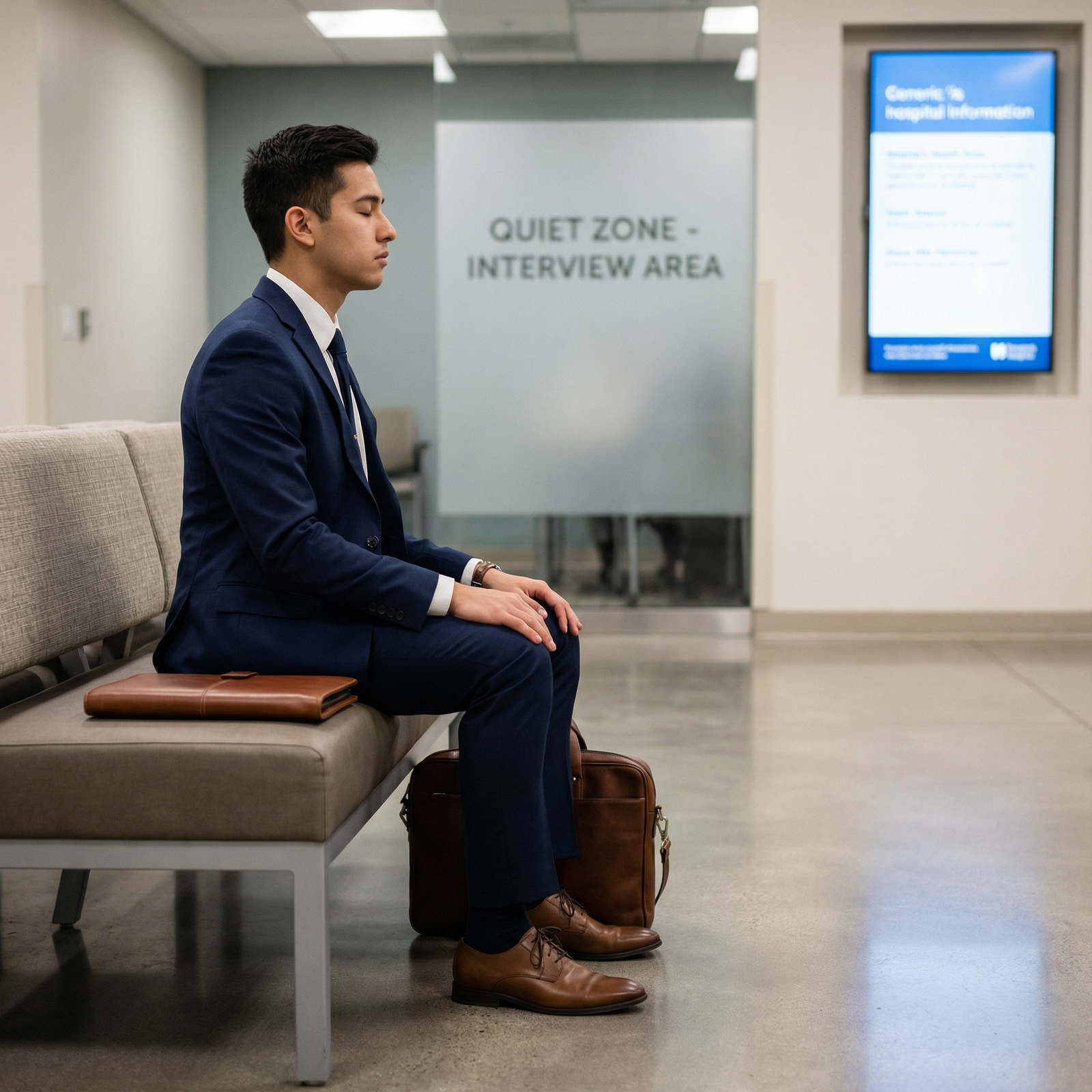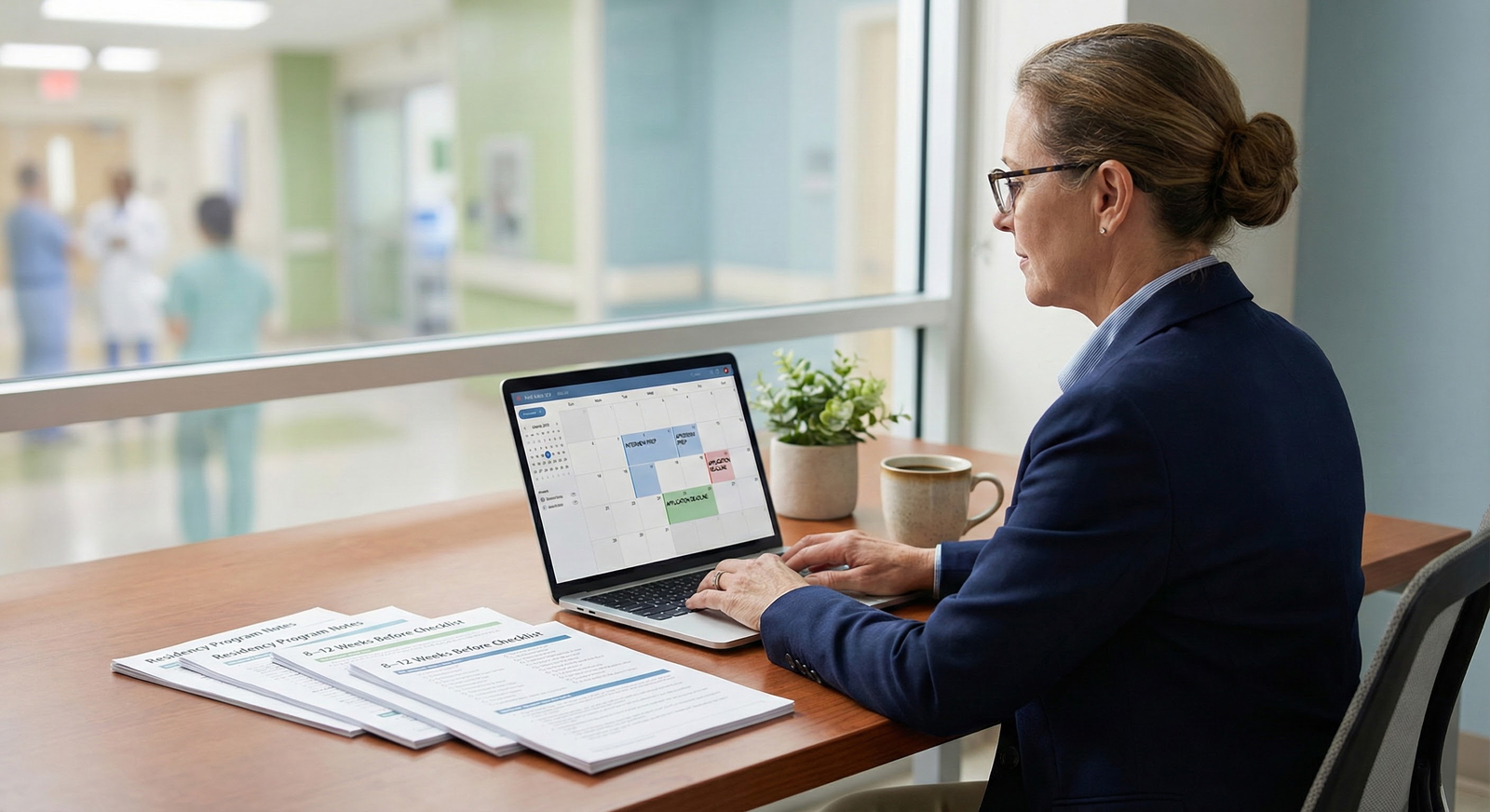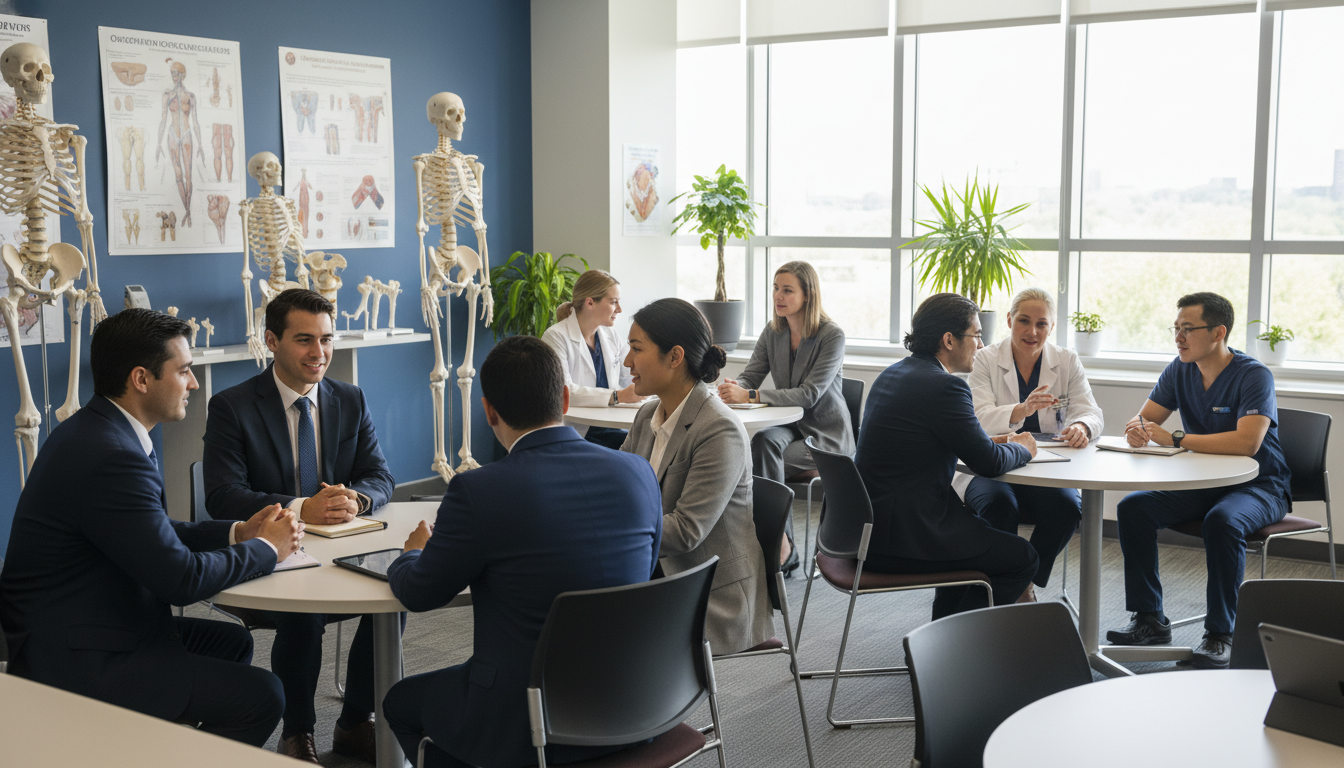
Understanding the Unique Interview Landscape for Caribbean IMGs
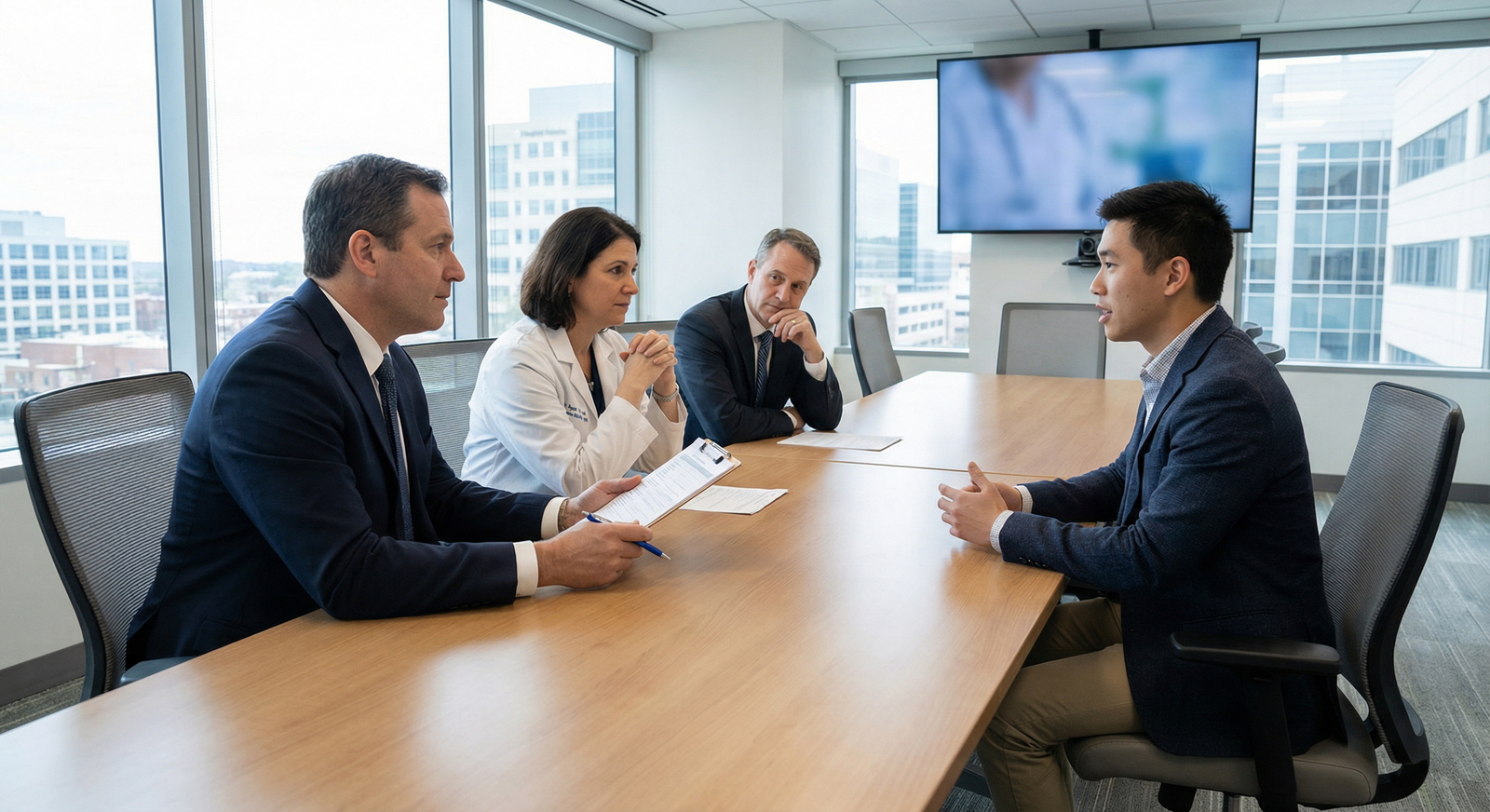
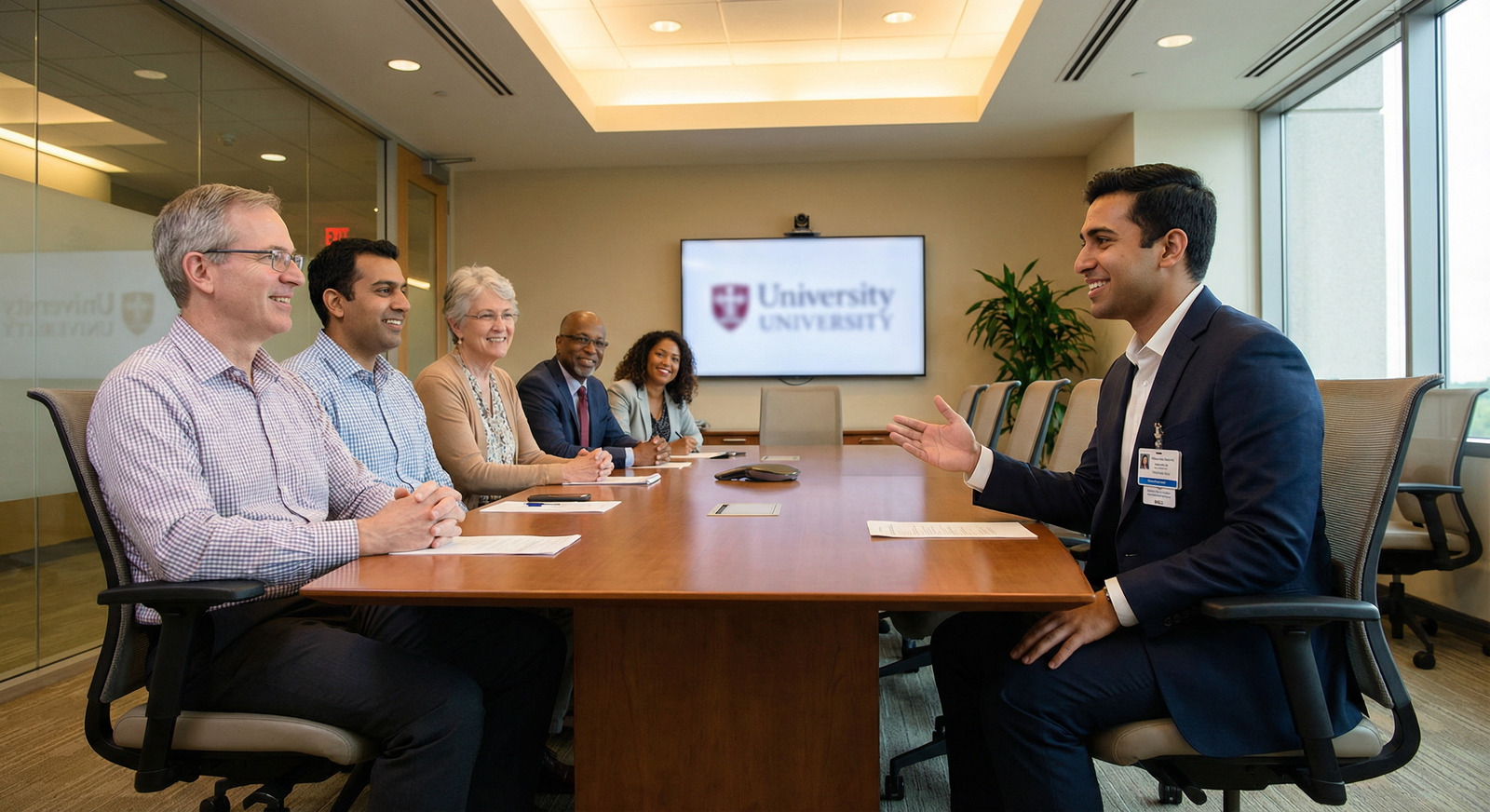
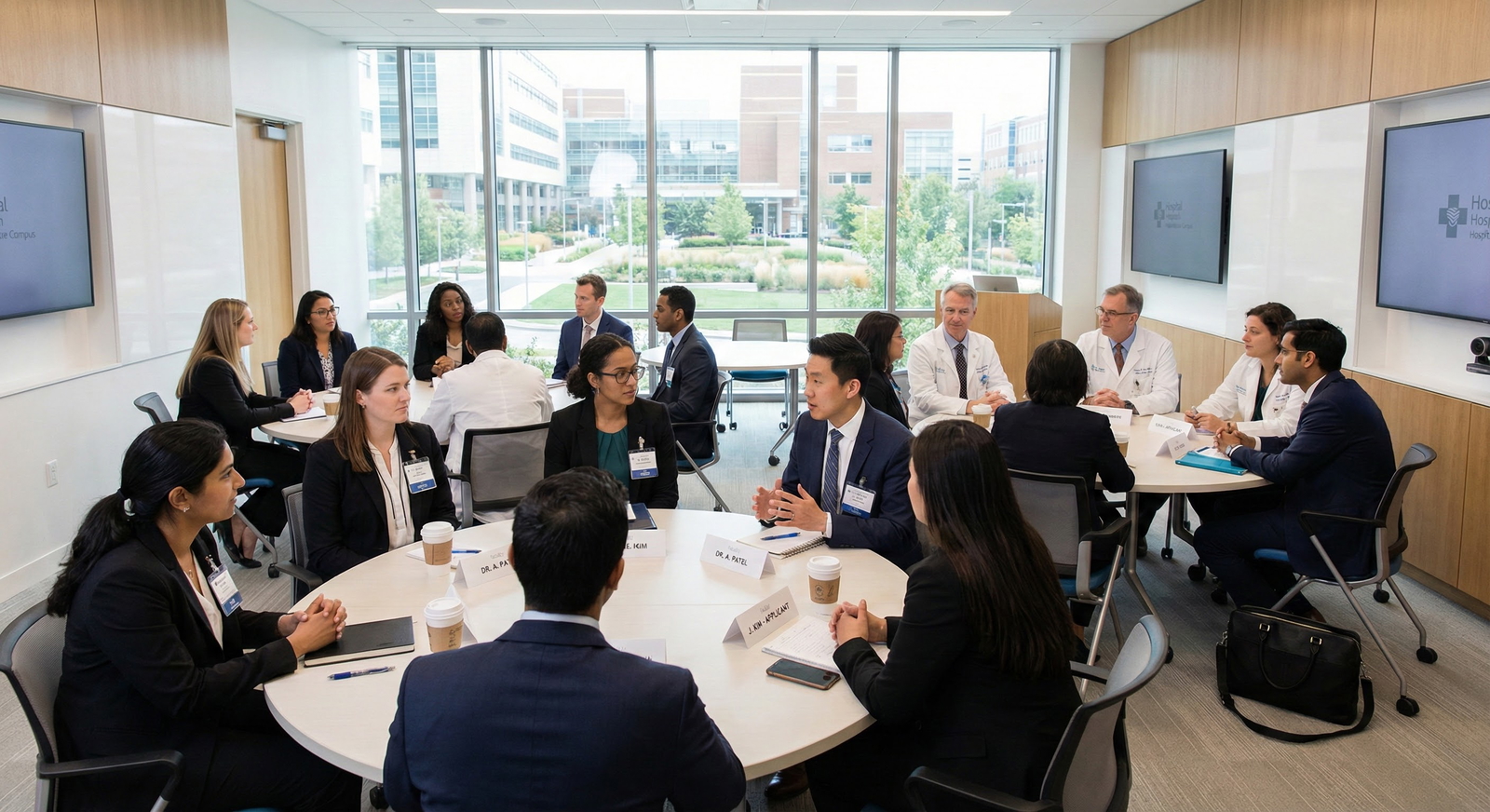
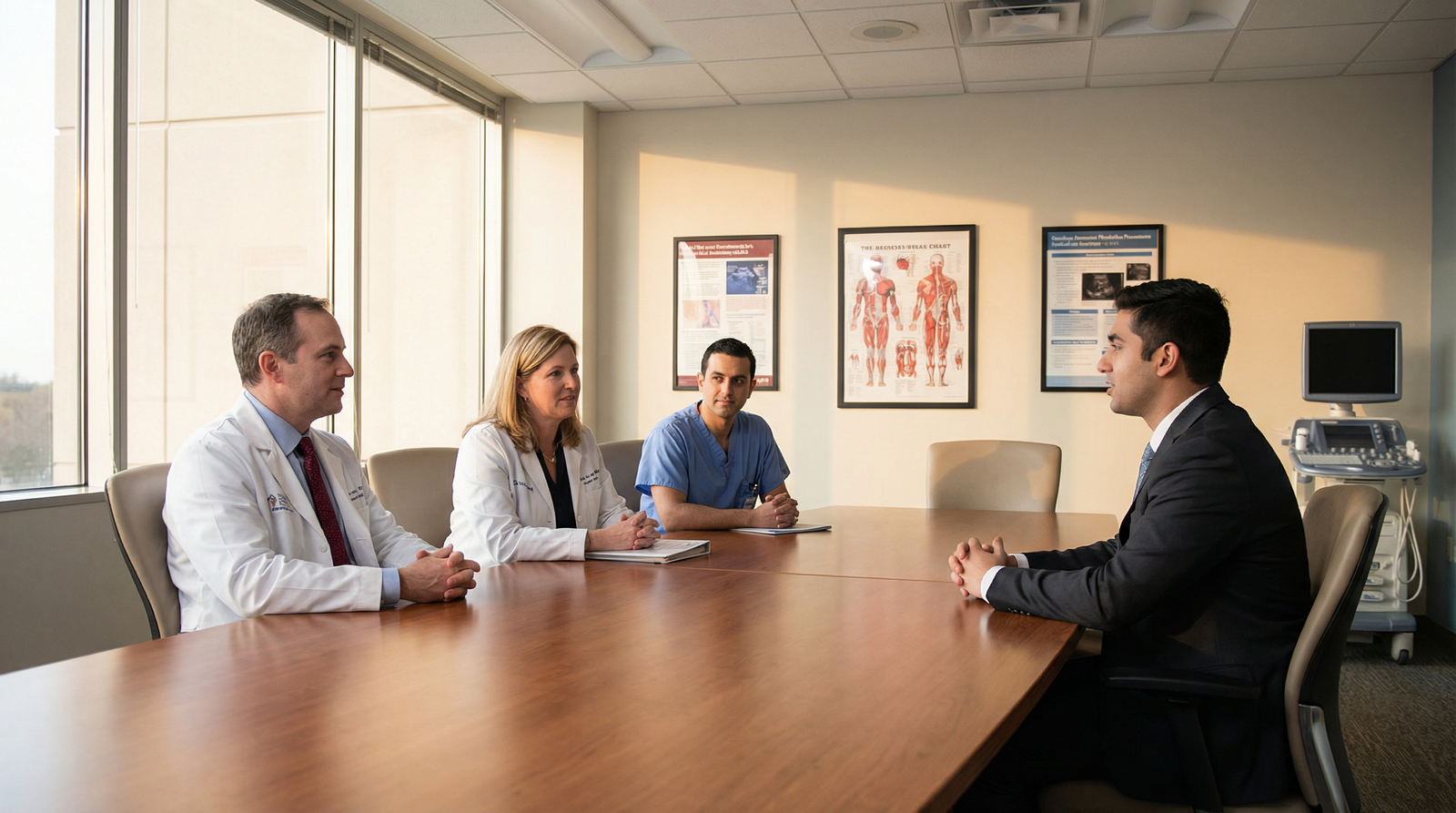
For a Caribbean medical graduate, the residency interview is more than a conversation—it is often the single most powerful factor that can overcome concerns about school location, Step timing, or perceived biases about Caribbean medical education. Programs may have limited interview spots for international medical graduates (IMGs), so once you receive an invitation, you must treat it as a high-stakes opportunity.
Caribbean schools such as SGU, AUC, Ross, Saba, and others place a substantial number of graduates into U.S. residency programs every year. Many SGU residency match and other Caribbean medical school residency outcomes rely heavily on how well candidates perform in interviews. The good news: interview skills are highly trainable. Thoughtful pre-interview preparation can offset many disadvantages and make you stand out positively.
Before diving into tactics, clarify your goals for every residency interview:
- Show that you are competent (knowledge, clinical reasoning, professionalism).
- Demonstrate that you are reliable and safe (no red flags, strong work ethic).
- Convey that you are a strong fit (values, interests, career goals align with the program).
- Communicate that you are easy to work with (team player, emotionally mature, coachable).
Everything you do before the interview—research, reflection, mock practice, and logistics—should serve these goals.
Step 1: Researching Programs Strategically as a Caribbean IMG
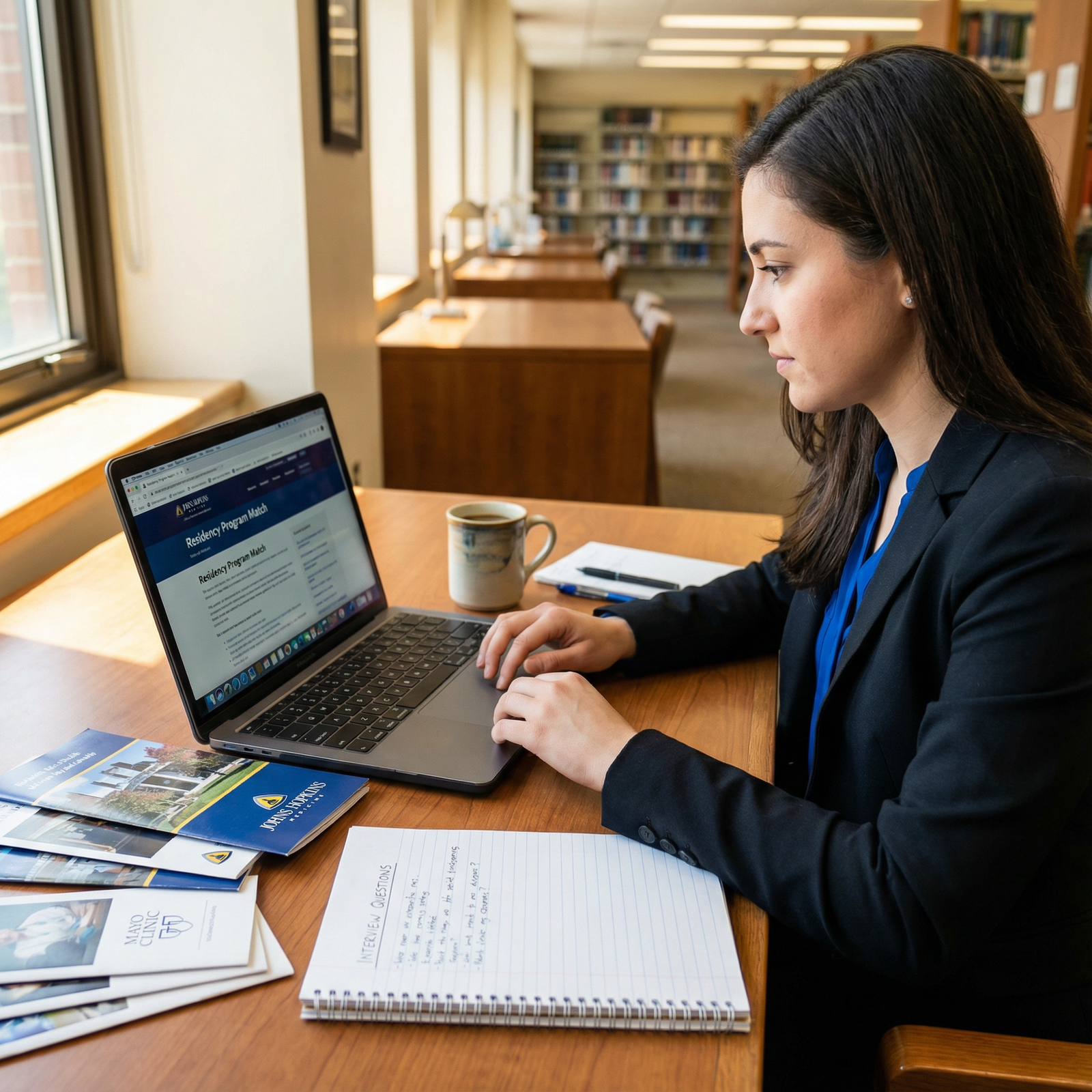
Your preparation starts long before you log into Zoom or walk into the conference room. As a Caribbean IMG, you need to know slightly more about each program than a typical U.S. grad because you may need to address unspoken concerns and highlight particular strengths. Proper research helps you answer targeted interview questions residency programs ask and allows you to ask intelligent questions in return.
1.1 Core Information to Gather About Each Program
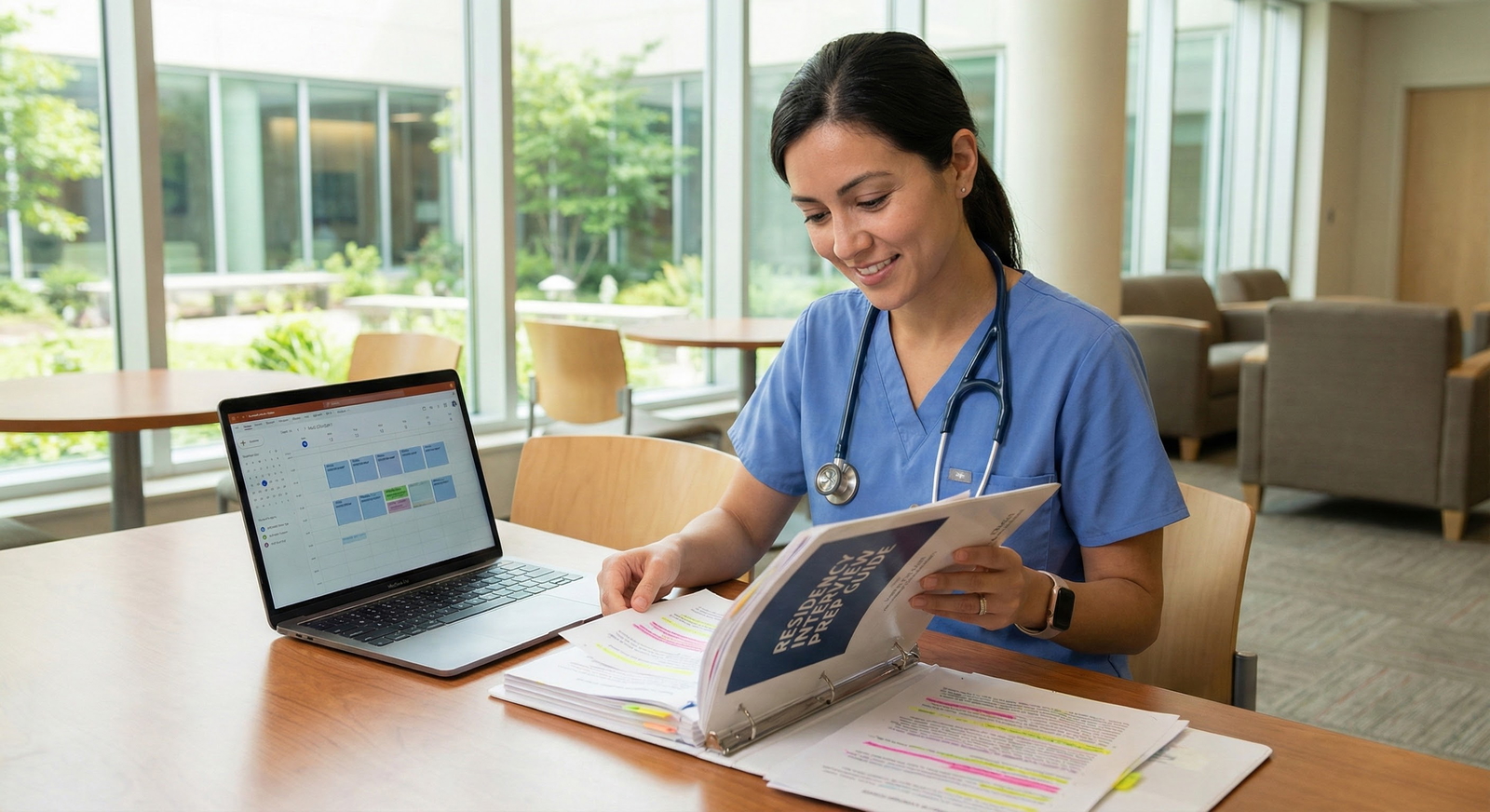
Create a structured template (spreadsheet or note document) for each program you interview at. For every program, record:
Program basics
- Location (city, region, patient demographics)
- Type (university, community, hybrid, safety-net)
- Program size (number of residents per year)
- Fellowship opportunities or strong subspecialties
- Call schedule and rotation structure
Program culture and training style
- Level of autonomy for residents
- Level of supervision and educational support
- Emphasis on research, QI, or clinical practice
- Reputation among residents (Glassdoor-style websites, Reddit, forums—use cautiously)
IMGs and Caribbean representation
- Percentage of IMGs in recent years
- Any visible Caribbean IMG or SGU residency match profiles on the website
- Whether the program directors or faculty have previously trained IMGs
Outcomes
- Board pass rates
- Recent fellowship matches or job placements
- Any unique tracks (global health, hospitalist, primary care, rural, research)
This research will help you tailor your talking points and anticipate what the program may value most.
1.2 Using Your Caribbean Background Strategically
As you research, think intentionally about where your Caribbean experience adds value:
- Programs with a high volume of underserved, diverse, or immigrant patients may value your cultural adaptability and language skills.
- Safety-net or county hospitals often appreciate IMGs familiar with resource-limited environments.
- Schools with previous Caribbean medical school residency matches are more likely to understand and respect your training.
In your notes, write down 2–3 program-specific reasons why this program is a great fit for you, and 2–3 reasons why you are a great fit for them—specifically as a Caribbean IMG. These will become building blocks for your answers and questions during the interview.

Step 2: Building Your Interview Narrative as a Caribbean IMG
Programs will want to understand who you are, why you chose a Caribbean medical school, and how that experience has prepared you for residency. Your pre-interview preparation should refine a coherent story rather than a list of disconnected facts.
2.1 Crafting Your Core Personal Story
At minimum, you need polished talking points for:
- “Tell me about yourself.”
- “Walk me through your CV.”
- “Why did you go to medical school in the Caribbean?”
- “Why this specialty?”
- “Why our program?”
For each, write bullet points, not full scripts. Aim for:
- 60–90 seconds for shorter questions.
- Up to 2 minutes for “Tell me about yourself.”
Example structure for “Tell me about yourself” (Caribbean IMG Internal Medicine applicant):
- Brief background
- Where you grew up, brief mention of your path into medicine.
- Caribbean school + clinical experiences
- Why you chose your Caribbean medical school; how clinical rotations in the U.S. shaped you.
- Current focus and strengths
- 2–3 qualities or skills you want the program to remember (e.g., strong work ethic, interest in underserved care, research in diabetes).
- Forward-looking tie-in
- How these elements make you excited about training at this type of program.
2.2 Addressing the Caribbean Question Confidently
Many Caribbean IMGs are asked directly or indirectly:
- “Why did you choose to attend a Caribbean medical school?”
- “Do you feel your education prepared you for residency?”
Avoid defensiveness or oversharing. Your answer should be honest, confident, and solutions-focused.
Example approach:
- Acknowledge your path clearly.
- Emphasize deliberate choices and resourcefulness.
- Highlight strengths of your training (early clinical exposure, diverse patient populations, adaptability).
- Provide evidence (Step scores, clinical evaluations, research or QI work, strong letters).
Sample answer outline:
“I chose a Caribbean medical school because it offered a clear, structured pathway to U.S. clinical training when domestic options were limited. Once there, I took advantage of every opportunity—especially our core clerkships in busy U.S. hospitals. My experiences in inner-city and community settings exposed me to diverse patient populations and high volumes, which strengthened my clinical reasoning and efficiency. My Step scores and strong clinical evaluations reflect that I can perform at or above the expected level, and I feel very well prepared for the demands of residency.”
Prepare a similarly grounded, confident explanation for any gaps, leaves, or exam challenges you may have.
2.3 Creating a Strengths–Weaknesses Matrix
Before interviews, list:
- 4–5 key strengths you want to emphasize (e.g., work ethic, resilience, patient communication, teaching, procedural skills, language abilities).
- 2–3 genuine weaknesses you can discuss constructively.
For each strength, prepare:
- A short definition in your own words.
- A specific example from clinical rotations or prior work.
- A brief note on how that strength will benefit you in residency.
For each weakness, prepare:
- A real but non-fatal issue (e.g., difficulty delegating, early struggles with time management, being too self-critical).
- An example that shows self-awareness.
- Concrete steps you’ve taken to improve.
Residency interview preparation is much easier when you have this matrix in writing, because you can adapt it to many common interview questions.
Step 3: Practicing High-Yield Residency Interview Questions
As a Caribbean IMG, you should expect a mix of standard behavioral questions, specialty-specific questions, and sometimes additional questions about your training path or visa status. The goal of practice is to become fluent and natural, not memorized.
3.1 Core Interview Questions to Master
Some of the most common interview questions residency programs will ask include:
- “Tell me about yourself.”
- “Why this specialty?”
- “Why this program?”
- “What are your strengths?”
- “What is your greatest weakness?”
- “Tell me about a difficult patient interaction.”
- “Describe a conflict with a team member and how you handled it.”
- “Tell me about a time you made a mistake.”
- “How do you handle stress or burnout?”
- “Where do you see yourself in 5–10 years?”
- “Do you have any questions for us?”
As a Caribbean IMG, also be prepared for:
- “Why did you choose a Caribbean medical school?”
- “How have your experiences in the Caribbean and U.S. clinical rotations prepared you for residency here?”
- “Have you had any challenges with licensing exams, and what did you learn?”
- “What kind of visa will you need?” (if applicable)
Write short bullet-point responses for each of these. Then say them aloud multiple times.
3.2 Using the STAR Method for Behavioral Questions
For any question that starts with “Tell me about a time…” use the STAR method:
- Situation – Brief background.
- Task – What you needed to do.
- Action – What you did (focus on your role).
- Result – Outcome + what you learned.
Example (conflict with team member):
- Situation: On your Internal Medicine rotation, disagreement with a senior about patient discharge timing.
- Task: Ensure safe patient care while maintaining team harmony.
- Action: How you raised concerns respectfully, checked guidelines, involved attending when appropriate.
- Result: Patient discharged safely with proper follow-up; you learned about advocating for patients while maintaining professionalism.
Practice 4–6 well-structured STAR stories that you can adapt to different questions:
- A time you resolved a conflict.
- A leadership experience.
- A clinical challenge or complex case.
- A mistake and what you learned.
- A time you prioritized patient safety.
- An example of working with a diverse or underserved population (important for many programs).
3.3 Mock Interviews: Your Secret Weapon
Many Caribbean schools—especially larger ones like SGU—offer structured residency interview preparation resources, including mock interviews, through their career services or alumni networks. Take full advantage of these.
Suggested plan:
- Do at least 2–3 formal mock interviews:
- One focused on general questions.
- One focused on behavioral questions.
- One focused on specialty-specific and Caribbean-related questions.
- Record yourself (video) and review:
- Eye contact (look at the camera for virtual interviews).
- Speaking pace and clarity.
- Filler words (“um,” “like,” “you know”).
- Body language (posture, fidgeting, facial expressions).
Ask your mock interviewer for targeted feedback on:
- Clarity and organization of answers.
- Professionalism and confidence.
- Any hints of defensiveness about being a Caribbean grad.
- How well you showcased your unique strengths.
Over time, you should feel your answers becoming smoother, more authentic, and less rehearsed.

Step 4: Preparing for Virtual and In-Person Logistics
Even the strongest answers can be undermined by poor logistics—especially in the virtual era. As a Caribbean IMG, you may be interviewing from outside the continental U.S. or relocating temporarily. Solid logistical preparation prevents avoidable problems.
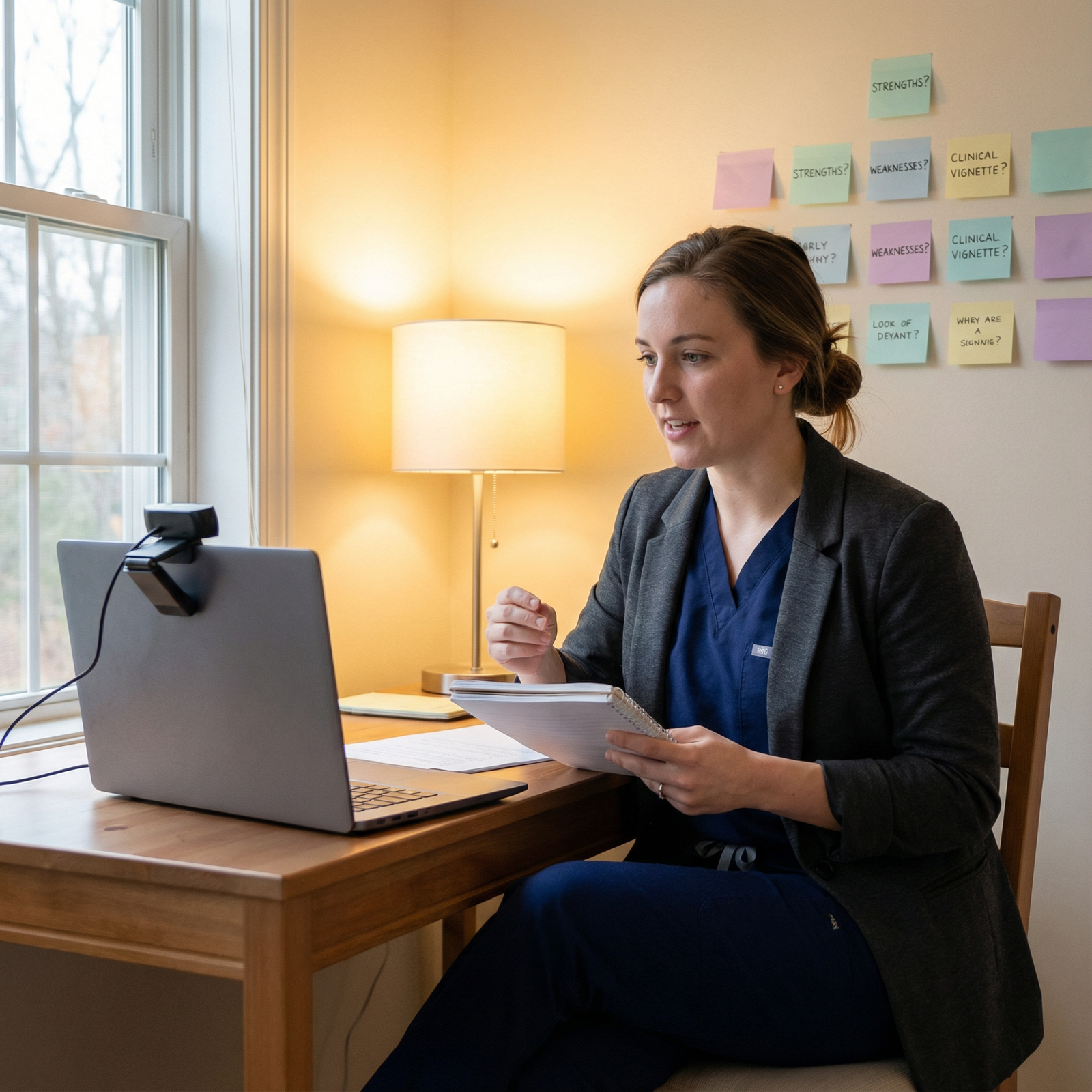
4.1 Technical Setup for Virtual Interviews
Most programs now conduct at least part of their interviews virtually. Invest time in your setup:
Environment
- Quiet room; inform roommates/family of interview times.
- Neutral, uncluttered background (plain wall, simple bookshelf, or tidy desk).
- Good lighting—ideally natural light facing you; if not, use a ring light.
Equipment
- Reliable laptop or desktop (avoid using your phone).
- Stable internet (test at different times; consider wired connection or backup location like a library or co-working space).
- Headphones with built-in mic to reduce echo and background noise.
- Test Zoom, Teams, or other platforms before the interview day.
Test run checklist (the day before each interview)
- Audio and video quality.
- Camera angle at eye level.
- Name displayed professionally (First Last, MD Candidate).
- Background distractions removed.
4.2 Professional Appearance and Non-Verbal Communication
Even for virtual interviews, dress fully in professional attire:
- Men: Shirt and tie, or suit and tie.
- Women: Blouse and blazer, or professional dress/top with blazer.
- Avoid loud patterns; choose solid, neutral colors.
- Minimal jewelry; neat hairstyle; light, natural makeup if you wear it.
Practice your non-verbal communication in a mock session:
- Sit upright but relaxed.
- Look at the camera, not only at your own image.
- Nod occasionally to show engagement.
- Avoid excessive hand gestures near the camera.
4.3 Planning for Time Zones and Scheduling
Caribbean IMGs frequently juggle multiple time zones—Caribbean, U.S. East/Central/Pacific, and sometimes abroad if you’re doing electives elsewhere.
- Convert every interview time into your local time using a reliable website or app.
- Double-check AM/PM.
- Block off at least 30 minutes before and after each interview.
- If you have back-to-back interviews on the same day, ensure your environment is reserved and stable for the full block.
An easily avoidable error—showing up late or missing the time—can overshadow an otherwise strong performance.
Step 5: Pre-Interview Documents, Questions, and Follow-Up Strategy
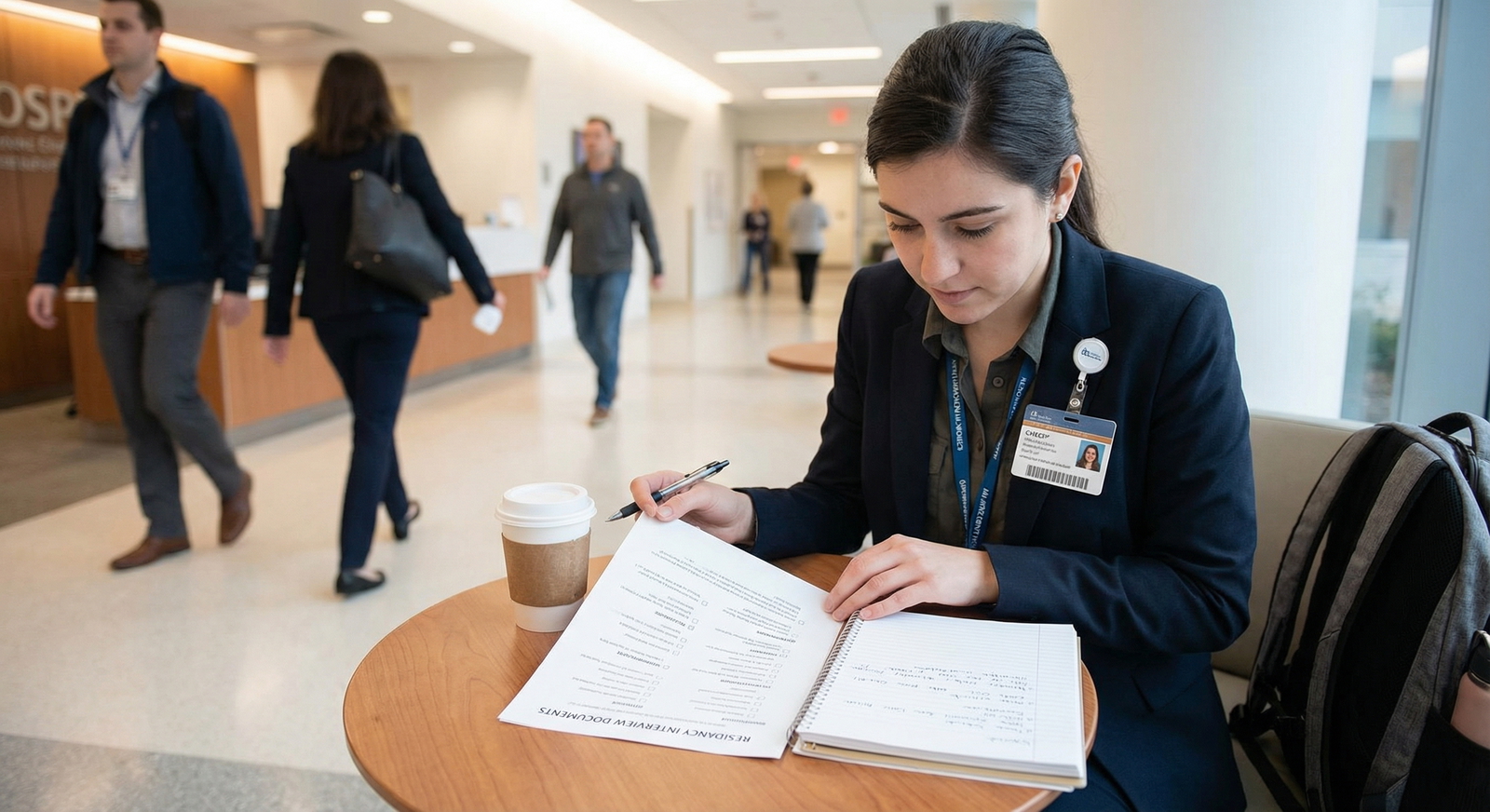
5.1 Reviewing Your Own Application Materials
Before every interview, reread:
- Your ERAS application and CV.
- Your personal statement (especially any personal stories).
- Any publications or abstracts you listed.
- Specific experiences or research that might show up in PD or faculty questions.
Caribbean IMGs sometimes have a wide variety of clinical sites and supervisors—be sure you remember:
- The timeline of your core and elective rotations.
- Key cases or procedures you performed.
- Any specific feedback or evaluations that stand out.
If there are inconsistencies between your application and your spoken answers, it can raise concerns about reliability.
5.2 Preparing Intelligent Questions for Programs
Programs almost always end with: “What questions do you have for us?”
This is a critical chance to:
- Show you did your homework.
- Demonstrate your fit and priorities.
- Clarify important details (especially as an IMG, e.g., visa policies, board prep support).
Prepare 6–10 questions in advance and choose the best ones based on what has already been covered. Examples:
- About training and education:
- “How do you support residents who may need extra help with board preparation?”
- “Can you describe how feedback is given to residents and how often?”
- About program culture:
- “How would you describe the culture among residents and between residents and faculty?”
- “What qualities do residents who thrive here tend to have?”
- About IMGs and Caribbean graduates:
- “I noticed you have several IMGs in the program. How do you support international graduates as they transition into residency?”
- About career development:
- “What kind of mentorship is available for residents interested in [hospital medicine / primary care / fellowship X]?”
Avoid questions that:
- Are easily answered on the website.
- Sound like you are only concerned with lifestyle (“How many vacation days do I get?” as your first question).
- Put the interviewer on the defensive (“Why don’t you have better fellowship matches?”).
5.3 Managing Pre- and Post-Interview Communication
Before the interview:
- Confirm the date/time and platform.
- Save all program emails in a dedicated folder.
- Have a separate folder on your desktop with:
- Program interview schedule.
- List of interviewers (if provided).
- Your question list.
After the interview:
- Within 24–48 hours, write brief, professional thank-you emails to your primary interviewers and the program coordinator.
- Reference specific elements of your conversation or the program that resonated with you.
- Keep it sincere but concise (one short paragraph per email is usually enough).
Thoughtful follow-up won’t compensate for a poor interview, but it can reinforce a positive impression and demonstrate professionalism.
Step 6: Managing Mindset, Stress, and Consistency Across Multiple Interviews
Residency interview season can stretch over weeks or months, especially for Caribbean IMGs applying broadly to maximize their chances. Staying consistent and focused is part of pre-interview preparation as much as any practice question.
6.1 Creating a Personalized Interview Routine
Build a repeatable routine that you use before every interview:
- Night before:
- 30–45 minutes reviewing the program.
- Skim your application and personal statement.
- Print or open your question list.
- Lay out professional outfit.
- Morning of:
- Light breakfast and hydration.
- 10–15 minutes of vocal warm-up (read a page aloud).
- 5–10 minutes reviewing your strengths/STAR stories.
- 2–3 minutes of breathing exercises or mindfulness.
Having a fixed routine reduces anxiety by making each interview feel familiar, even if the program is new.
6.2 Tracking Your Performance and Impressions
After each interview, spend 10–15 minutes documenting:
- Who you met and their roles.
- Topics discussed (so you can reference them in future communication).
- Your overall impression of the program.
- What went well in your performance.
- What you want to improve for the next one.
For Caribbean IMGs navigating a large and varied list of programs, these notes are invaluable later when building your rank list and recalling details.
6.3 Leveraging Support Systems
Do not underestimate the emotional strain of the match process, especially if you’re far from home or handling visa and financial stress. Before interviews begin:
- Identify 2–3 trusted peers or mentors (especially Caribbean IMGs who’ve matched) you can debrief with periodically.
- Ask if they’re willing to run last-minute mock questions or listen to concerns.
- Join school-based or online communities of Caribbean students going through the same process, but use them mainly for practical tips—not endless comparison.
Your goal is to maintain steady confidence: open to feedback, but not constantly second-guessing yourself.
FAQs: Pre-Interview Preparation for Caribbean IMGs
1. As a Caribbean IMG, how much does the interview really matter compared to scores?
For most programs, once you receive an interview invite, your Step scores and application have cleared the initial hurdles. At that point, the interview often becomes the most important factor in ranking decisions. For Caribbean medical school residency applicants, a strong interview can:
- Reassure programs about your clinical readiness.
- Overcome lingering concerns about school location or exam timing.
- Highlight unique strengths (resilience, cultural competence, language skills).
You cannot change your past scores, but you can significantly improve your interview performance with focused preparation.
2. How should I address a failed Step attempt or gap in training during interviews?
Address it directly, briefly, and constructively:
- State the issue clearly (no evasiveness).
- Provide a concise explanation—avoid blaming others.
- Emphasize what you learned and specific steps you took to improve (changed study strategies, sought tutoring, improved time management).
- Point to evidence of improvement (strong subsequent Step scores, solid clerkship performance, strong letters).
Programs are often willing to accept past difficulties if you demonstrate insight, growth, and current readiness.
3. What are some red flags during interviews for Caribbean IMGs to avoid?
Common red flags include:
- Speaking negatively about your Caribbean school, faculty, or previous programs.
- Appearing defensive when asked about being an IMG or your training pathway.
- Poor professionalism: joining late, inappropriate attire, unprofessional email or Zoom name.
- Inconsistent stories compared with your ERAS application.
- Lack of knowledge about the program (“I don’t really know much about your program”).
- Overemphasis on location or visa sponsorship without showing genuine interest in training quality.
Awareness of these issues—and actively avoiding them—can significantly improve how you are perceived.
4. How early should I start residency interview preparation as a Caribbean IMG?
Ideally, begin at least 4–6 weeks before the earliest possible interview date:
- Weeks 1–2: Research programs, refine your personal story, develop your strengths/weaknesses matrix.
- Weeks 2–3: Draft answers to common questions; prepare and practice STAR stories.
- Weeks 3–4: Schedule mock interviews, refine your technical and environmental setup.
- Ongoing: Adjust based on feedback, refine questions for programs, polish communication.
Starting early reduces panic, allows you to practice steadily, and lets you apply lessons learned from your first few interviews to the rest of the season.
With structured pre-interview preparation—tailored to your unique Caribbean IMG background—you can turn each interview into a clear demonstration of your readiness, resilience, and fit. Your pathway may be nontraditional, but with deliberate effort, your performance in the interview can become one of your strongest assets in securing a successful residency match.