Understanding the Unique Position of a DO Graduate in the IR Match
Interventional Radiology (IR) has rapidly become one of the most competitive and technologically advanced fields in medicine. As a DO graduate, you bring unique strengths to the osteopathic residency match landscape—holistic training, strong clinical skills, and often extensive hands-on patient experience. The challenge is making sure program directors clearly see these advantages during residency interview season.
Before you even walk into your first interview, structured pre-interview preparation can dramatically improve your performance. This is especially true in a subspecialty like IR, where programs expect strong motivation, clear understanding of the field, and a mature, patient-centered mindset.
Some realities you should keep in mind as you prepare:
- IR programs are competitive: Integrated interventional radiology residency positions are limited, and the IR match fills nearly every spot.
- DO graduates can match successfully: Each year, DO applicants match into IR, but they must be intentional about how they present their training, metrics, and experiences.
- Preparation is a differentiator: At this level, many applicants are strong on paper. Superior residency interview preparation is often what tips decisions.
This guide focuses on what you should do before the interview—weeks and days ahead—to align your story, refine your talking points, research programs, and build the confidence to perform at your best.
Step 1: Clarify Your IR Story and Career Vision
Before you read a single program website, you need to be able to answer two related questions clearly and convincingly:
- Why Interventional Radiology?
- Why you, specifically, belong in Interventional Radiology?
These are the backbone of your residency interview narrative.
Build Your “Why IR” Narrative
Your “Why IR” answer should not sound generic (“I like procedures and imaging”). Program directors want to hear depth and insight—especially from a DO graduate who has broad exposure to clinical medicine and osteopathic principles.
Reflect on:
Origin moments
- A specific IR case that changed how you saw patient care
- A mentor or attending in IR who inspired you
- A longitudinal patient you followed from clinic to procedure to follow-up
Substantive exposure
- IR rotations (core, sub-I, away rotations)
- Structured IR electives or research
- Time in the IR suite observing or scrubbing cases
What differentiates IR from other fields you considered
- Continuity of care (clinic → procedure → follow-up)
- Minimally invasive, image-guided interventions as alternatives to surgery
- Acute interventions in life-threatening situations (e.g., trauma, stroke, massive PE)
Action Exercise: 3-Paragraph “Why IR” Draft
Write out:
- Hook – A specific story, case, or encounter that first drew you to IR
- Substance – Evidence of commitment: IR rotations, procedures, mentors, reading
- Future – The kind of IR physician you want to become (e.g., academically focused, community-based, clinical IR, specific interests such as oncology, PAD, women’s health, etc.)
This written draft will feed into many common interview questions residency programs ask:
- “Why IR over DR?”
- “When did you know you wanted IR?”
- “What do you see yourself doing 10 years from now?”
Integrate Your DO Background Into Your Story
As a DO graduate, you have a built-in differentiator—use it deliberately.
Highlight:
- Holistic patient care: Emphasize how your osteopathic training taught you to see beyond imaging and procedural targets to the whole patient—their function, quality of life, support systems, and long-term goals.
- Hands-on skills: Many DO schools emphasize early clinical contact. Connect this to your comfort with procedural settings and bedside care.
- Manipulative medicine (when relevant): You don’t need to promise you’ll be doing OMT in IR, but you can emphasize:
- Fine motor skills
- Knowledge of anatomy in three dimensions
- Comfort with physical examination and patient touch
When asked, “Tell me about yourself,” weave in your DO pathway as a strength, not an afterthought:
“I’m a DO graduate with a strong interest in minimally invasive, image-guided care. My osteopathic training has grounded me in holistic, patient-centered medicine, and my IR experiences showed me how those values align perfectly with longitudinal IR care—from clinic consultations to procedure to follow-up.”
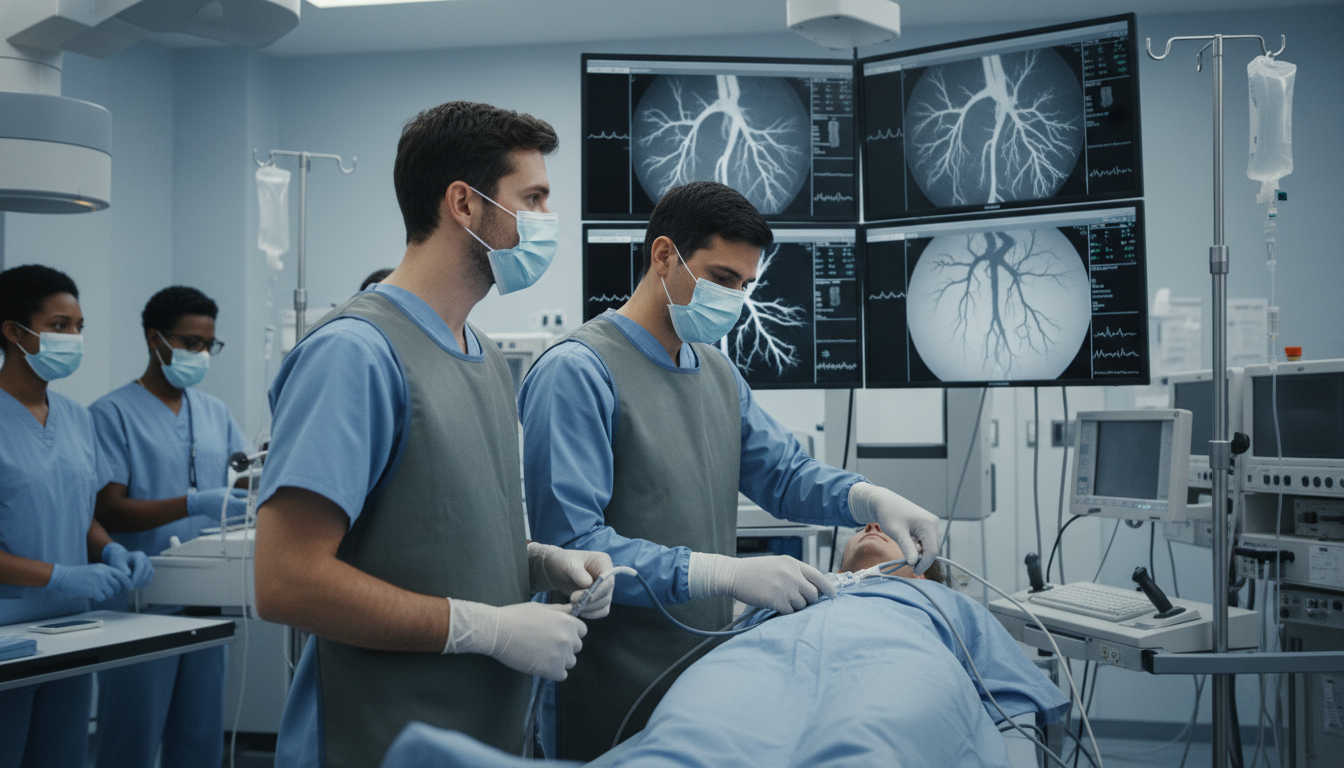
Step 2: Master the Content – Know IR, Know Yourself, Know the Programs
Residency interview preparation is not just about rehearsing answers. For an interventional radiology residency, you must demonstrate:
- A working understanding of what IR actually does
- Self-awareness about your strengths and growth areas
- Specific knowledge of each program you interview with
A. Understand the Scope of Modern Interventional Radiology
You do not need to be a technical expert, but you should avoid looking naive about the field.
Be ready to discuss:
Major IR practice domains
- Vascular: PAD, DVT/PE, dialysis access, aortic interventions
- Oncology: TACE, Y-90, ablations, biopsies, port placements
- Non-vascular: biliary, GU, GI, drainage procedures
- Neuro-interventional overlap (if relevant to the program)
The clinical IR model
- Outpatient IR clinics
- Longitudinal follow-up
- Multidisciplinary tumor boards, vascular conferences, etc.
Key trends in IR
- Increasing emphasis on clinical presence and admission privileges
- Growth of IR in women’s health, pain, MSK, and outpatient-based practices
- Debates around turf with surgery, vascular, cardiology, and other fields
Review:
- SIR (Society of Interventional Radiology) website basics
- A few recent IR review articles or practice guidelines
- Your own IR rotations’ case logs—refresh your memory on cases you’ve seen
That way, if asked:
- “What IR procedures did you find most interesting and why?”
- “How do you see IR evolving over the next decade?”
—you can provide thoughtful, informed answers.
B. Conduct a Thorough Self-Assessment
Program directors want residents who are self-aware, coachable, and resilient. That starts with understanding your own file:
- Board scores (COMLEX and/or USMLE)
- Be prepared to contextualize scores if needed (e.g., initial lower score with subsequent improvement).
- Grades and clerkship evaluations
- Identify themes: “hard-working,” “team player,” “strong procedural interest,” etc.
- Research and scholarly productivity
- IR-specific projects, case reports, QI, or imaging-related work
- Be fully familiar with every project listed on your CV
- Letters of recommendation
- Know what your strongest supporters might have emphasized, especially IR faculty or radiologists
Reflect on:
- Top 3 strengths relevant to IR (e.g., work ethic, procedural aptitude, communication, performance under pressure)
- Top 2–3 growth areas (e.g., time management, reading imaging more systematically, speaking up in multidisciplinary settings) and how you’re actively addressing them
These will be crucial when you face questions like:
- “What are your strengths and weaknesses?”
- “Tell me about a time you failed.”
- “How do you handle stress in high-pressure situations, such as complex procedures?”
C. Research Each Interventional Radiology Residency Program
A generic answer about why you like “academic medicine” is not enough for the IR match. Programs want to know you’ve done your homework.
For each program, research:
Program structure
- Independent vs. integrated interventional radiology residency
- ESIR pathways or DR with early IR exposure
- Number of IR faculty and fellows
Clinical exposure
- Case mix: oncologic, vascular, trauma, women’s health, pediatric IR
- Presence of clinical IR service, inpatient beds, IR clinic
- Relationships with surgery, vascular, oncology
Research and academic environment
- Ongoing IR research projects
- Opportunities for resident scholarly activity
- Participation in SIR or other national organizations
Culture and priorities
- Resident testimonials (official or through informal networking)
- Emphasis on work-life balance, education, autonomy, or volume
- Reputation for DO-friendly culture
Create a program-specific document or spreadsheet:
- One tab or page per program
- Bullet points: strengths, unique features, potential concerns
- At least 3 specific reasons that program appeals to you
- At least 2–3 thoughtful questions you can ask in the interview
This preparation directly boosts your performance when asked:
- “Why are you interested in our program?”
- “What are you looking for in an IR residency?”
Step 3: Systematic Practice for Common Residency Interview Questions
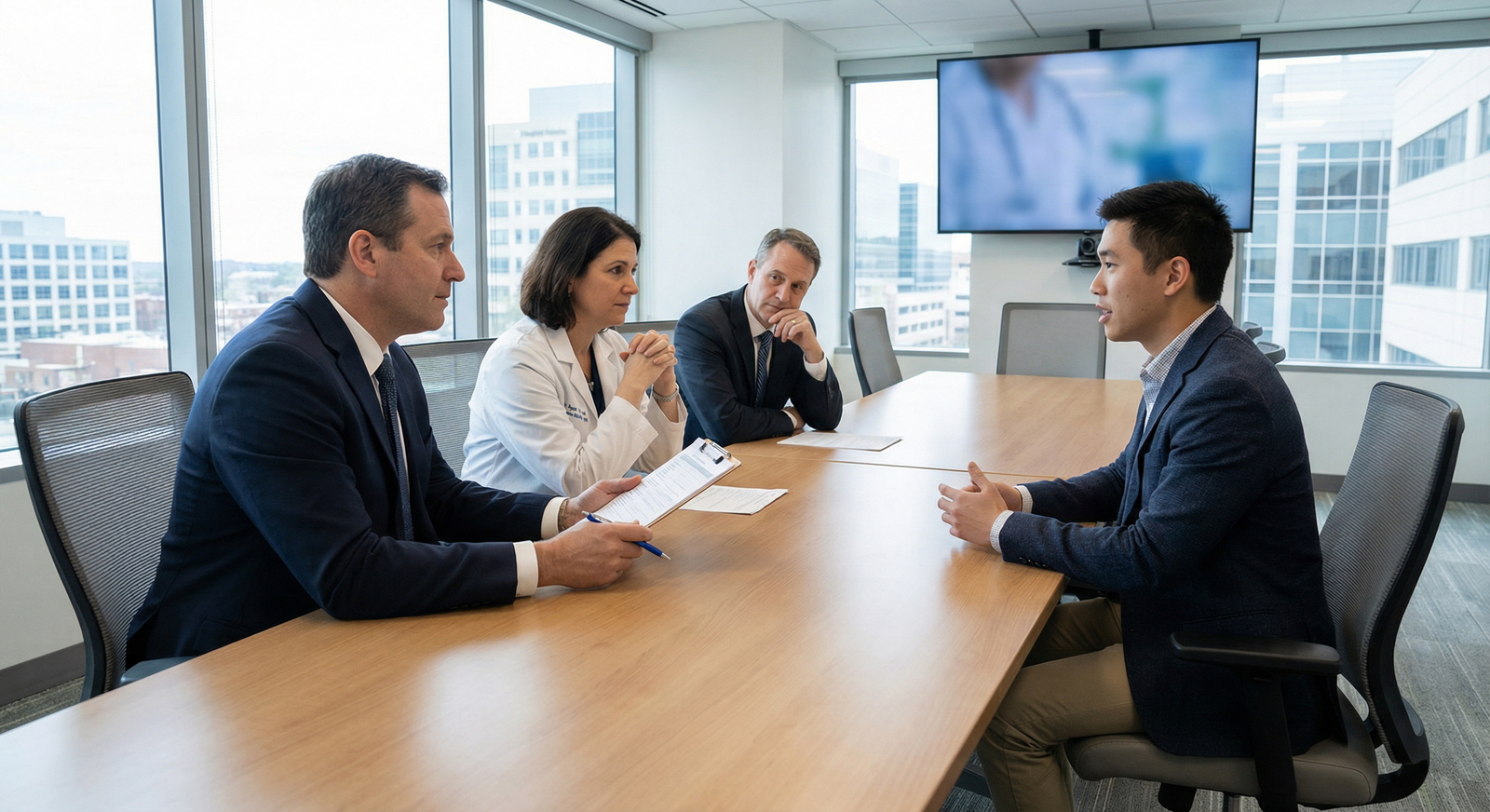
Many applicants “wing it” because they know their own story. In a competitive field like IR, that’s risky. The best-performing applicants use structured residency interview preparation techniques and rehearse out loud.
Core Questions You Must Be Ready to Answer
At a minimum, prepare for these common interview questions residency directors frequently ask:
- Tell me about yourself.
- Why Interventional Radiology?
- Why our program?
- Why DO/why your school, and how has it shaped you?
- What are your strengths and weaknesses?
- Tell me about a challenging clinical situation and how you handled it.
- Tell me about a time you had a conflict with a colleague or supervisor.
- Tell me about a time you made a mistake. What did you learn?
- How do you handle stress or long hours?
- Where do you see yourself in 10 years?
- What will you do if you don’t match into IR?
- What questions do you have for us?
Use the STAR Method for Behavioral Questions
For situation-based questions (“Tell me about a time when…”), structure your answers using STAR:
- Situation – Context/background
- Task – What you needed to do
- Action – What YOU did specifically
- Result – Outcome, and what you learned
Example (for conflict with a team member):
- S: Fourth-year surgery rotation, misunderstanding about responsibility for post-op checks.
- T: Ensure safe patient care and maintain a functional team dynamic.
- A: Initiated a private, respectful conversation; clarified expectations; proposed a shared checklist; involved chief resident when needed for clarity.
- R: Improved communication, no missed post-op checks, positive feedback from the senior resident.
Prepare 5–7 STAR stories that you can adapt for different questions:
- A time you led a team
- A time you failed or made a mistake
- A time you handled a difficult patient or family
- A time you managed a stressful or high-acuity situation
- A time you advocated for a patient
- A research or QI project challenge
Specialty-Specific Questions for IR
Expect questions that probe your understanding of IR specifically:
- “What aspects of IR do you find most exciting?”
- “What do you think are the biggest challenges facing IR right now?”
- “How do you see your role as an IR physician in the clinical care team?”
- “Describe a memorable IR case and your role in it.”
Prepare at least:
- 2–3 specific IR cases you can describe briefly
- 1–2 thoughtful reflections on challenges in IR (e.g., visibility, clinical ownership, turf issues, patient access and equity)
Practice Out Loud and Get Feedback
- Record yourself answering questions and play back to review content and delivery.
- Mock interviews:
- With an IR mentor or radiology faculty
- With your school’s career advising office
- With peers (especially others applying to competitive specialties)
Ask for feedback on:
- Clarity and organization
- Jargon (too much or too little)
- Confidence and tone
- Overly long or short answers
Step 4: Strategize as a DO Applicant in a Competitive Field
As a DO graduate targeting the osteopathic residency match and ACGME IR programs, you may wonder how your degree will be perceived. Many IR programs are welcoming to DOs, but you should be proactive in addressing any perceived gaps.
Highlight DO Strengths in Procedural and Clinical Care
Connect your training to IR expectations:
- Early and rich clinical exposure → Comfort with patient interaction, informed consent, and follow-up
- Focus on musculoskeletal and anatomic relationships → Valuable during complex image-guided procedures
- Emphasis on holistic care → Ideal for longitudinal management in oncologic IR, PAD, and chronic disease
When appropriate, you might say:
“My DO training has made me especially attentive to the functional and quality-of-life outcomes of our interventions, not just the technical success. That perspective is something I want to bring into my future IR practice.”
Address Potential Concerns Tactfully
If you sense concerns regarding:
- Lack of USMLE scores (if you took only COMLEX)
- Slightly lower exam scores
- Fewer research experiences than some MD peers
Be prepared to:
- Emphasize trends (improvement over time)
- Highlight clinical performance and narrative comments in evaluations
- Showcase work ethic, grit, and strong letters from IR or radiology faculty
Never sound defensive. Focus on what you’ve done—and are doing—to grow.
Build and Use Your Network
Networking matters more than most applicants realize, especially for IR:
- Stay in contact with IR attendings who know you
- Ask mentors if they’re comfortable emailing or calling programs on your behalf
- Attend regional or national IR meetings (SIR, local radiology societies) if possible
- Join relevant SIR sections and student/resident groups
A positive word from a respected IR faculty member can influence how your application is perceived long before the formal interview.
Step 5: Logistics, Presentation, and Mindset in the Days Before
In the week or two before each scheduled interview, shift from long-term preparation to tactical readiness.
Organize Your Interview Calendar and Materials
Maintain a master schedule with:
- Dates and times (including time zones)
- Platforms (Zoom, Thalamus, Webex, etc.)
- Links and passwords
- Contact emails/phone numbers in case of technical issues
Prepare a program-specific folder:
- Your application PDF (ERAS)
- Program research notes
- List of questions for that program
- Names and roles of key faculty (PD, associate PD, IR division chief, etc.)
Have printed or digital quick-reference notes, but avoid reading from them during the interview.
Optimize Your Environment (for Virtual Interviews)
If your IR interviews are virtual:
Technical setup
- Test your camera, microphone, and internet connection in advance
- Use a neutral, professional background (or a subtle virtual one if needed)
- Position light facing you, not behind you
Professional appearance
- Business formal attire (jacket, tie for many; equivalent for others)
- Simple, non-distracting colors
- Ensure your white coat, if visible, is clean and well-fitted (only if appropriate)
Minimize distractions
- Silence phone and notifications
- Inform roommates/family of your schedule
- Close irrelevant browser tabs and apps
Develop a Pre-Interview Routine
Like an athlete before a game, have a consistent pre-interview routine:
The night before:
- Review your “Why IR” and “Why this program”
- Skim your own application and CV
- Prepare 3–5 questions for the program
- Set out your interview clothes
- Plan your breakfast and timing
The morning of:
- Light meal and hydration
- 5–10 minutes of quiet breathing or mindfulness to reduce anxiety
- Quick review of key notes—but stop cramming 30–45 minutes before the start
Prepare High-Quality Questions to Ask Programs
Programs will judge you by the questions you ask. Avoid questions you can easily answer from the website.
Examples of strong questions for an interventional radiology residency:
- “How would you describe the balance between image interpretation, procedures, and clinical responsibilities for residents in your program?”
- “What opportunities exist for DO residents or any resident to take on leadership or QI projects within IR?”
- “How does your program support residents interested in academic IR versus community-based practice?”
- “Can you share an example of how feedback is typically given to residents in the IR suite?”
Have more questions prepared than you expect to need; you may cover some topics earlier in the day.
FAQs: Pre-Interview Preparation for DO Graduates in Interventional Radiology
1. As a DO applicant, do I need both COMLEX and USMLE for the IR match?
Not always, but it can help. Many programs are experienced with COMLEX and comfortable using it, especially in the post–single accreditation era. However:
- Some competitive IR or DR programs still unofficially prefer or favor USMLE.
- If you have strong USMLE scores, include them; it can broaden your options.
- If you took only COMLEX, be prepared to briefly explain that decision and emphasize your clinical performance, IR exposure, and letters of recommendation.
Always check each program’s website or contact them directly if requirements are unclear.
2. How can I stand out in IR interviews if I have less IR research than other applicants?
You can still stand out by:
- Demonstrating deep, genuine clinical engagement in IR rotations
- Knowing your cases and being able to discuss them thoughtfully
- Highlighting non-IR research that showcases your work ethic, statistics ability, or QI mindset
- Expressing clear, specific interests within IR and a plan to pursue scholarship during residency
Program directors are looking for future contributors, not just applicants with long publication lists. Show curiosity, initiative, and a realistic understanding of what scholarly work in IR looks like.
3. What if I’m asked what I’ll do if I don’t match into IR?
This is a common and important question. Avoid sounding inflexible or unreflective. A strong answer:
- Reaffirms your commitment to IR
- Shows you’ve thought practically about alternatives (DR, ESIR pathways, or a preliminary year)
- Demonstrates resilience and maturity
For example:
“My goal is to become an interventional radiologist. If I don’t match this cycle, I would pursue a strong diagnostic radiology position or a path that strengthens my application—such as additional research, clinical IR exposure, and academic work—so that I can reapply with a stronger foundation.”
4. How much should I talk about osteopathic manipulative treatment (OMT) in IR interviews?
Mention OMT strategically, not excessively:
- It’s usually not central to IR practice, but it can highlight:
- Your manual dexterity
- Deep understanding of anatomy and physiology
- Your training’s emphasis on patient function
If you used OMT meaningfully for patient care during medical school, discuss it as part of your overall clinical background. But keep the focus on how those experiences support your growth as a future IR physician, rather than implying you will regularly perform OMT in the IR suite.
Thorough, intentional pre-interview preparation is one of the most controllable factors in a highly competitive field like interventional radiology. As a DO graduate, you bring valuable skills and perspectives—your task is to articulate them clearly, demonstrate maturity and insight, and show programs that you understand both the clinical realities of IR and the demands of residency training. With structured preparation and practice, you can walk into each interview ready to present the best version of yourself.