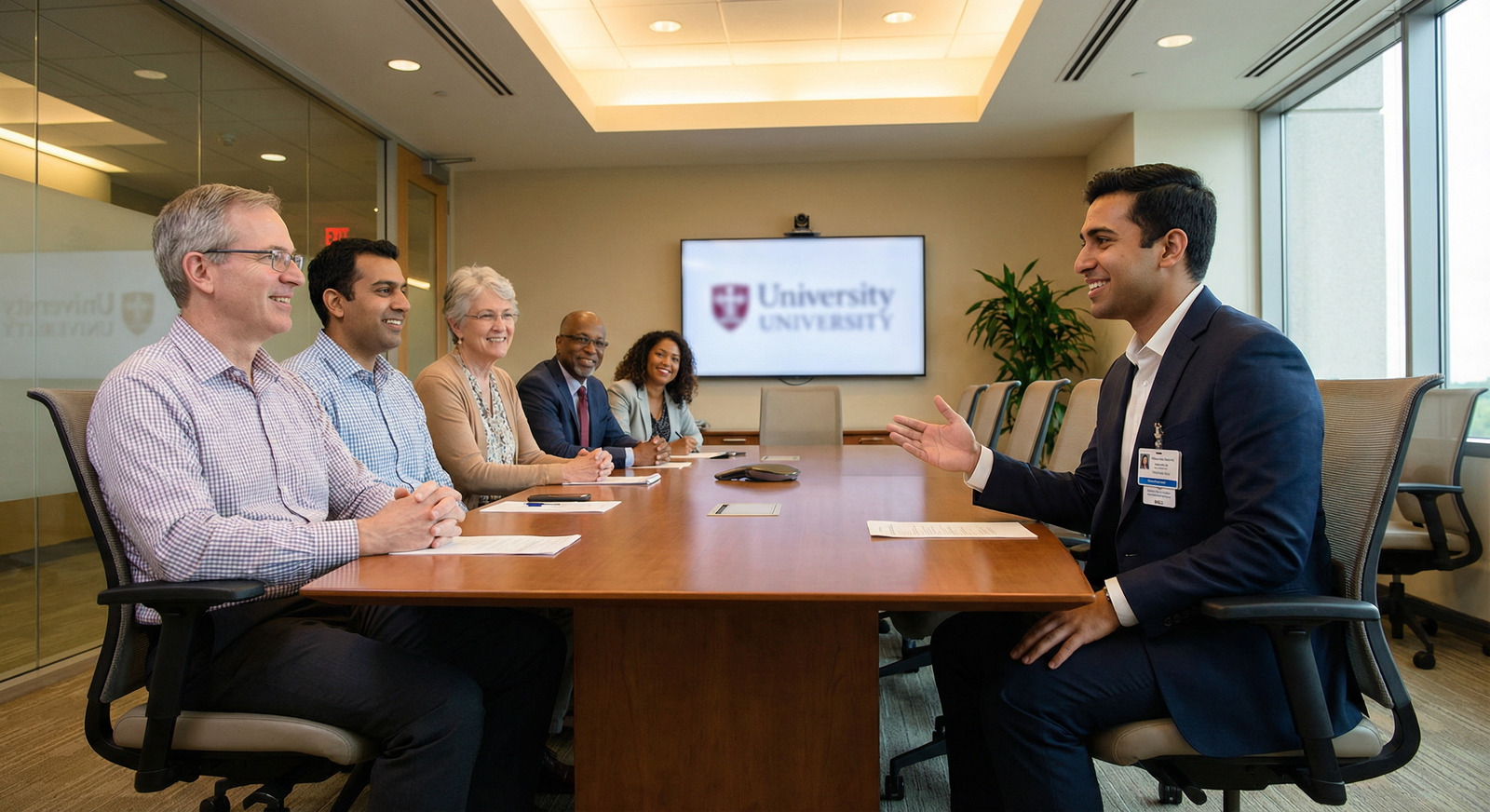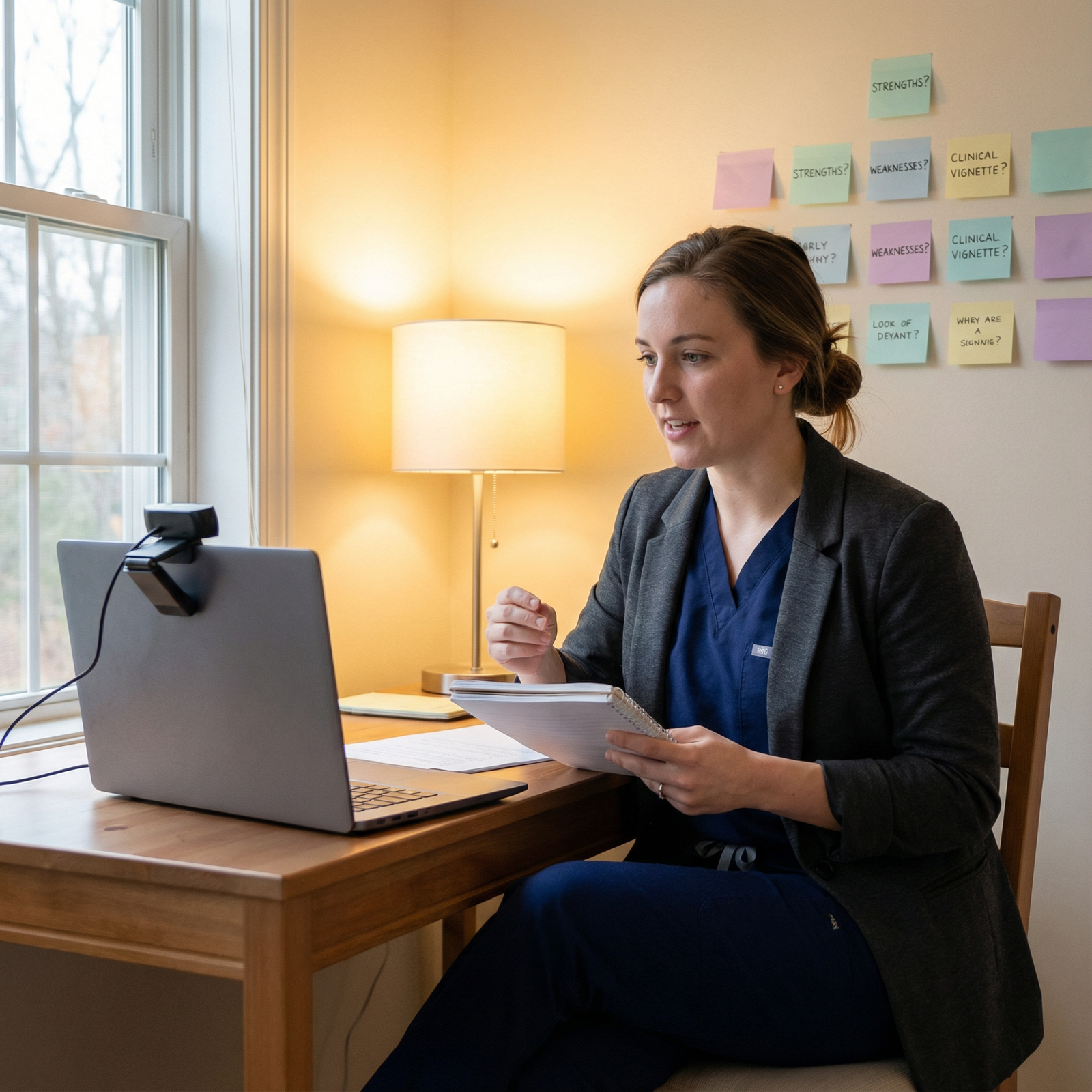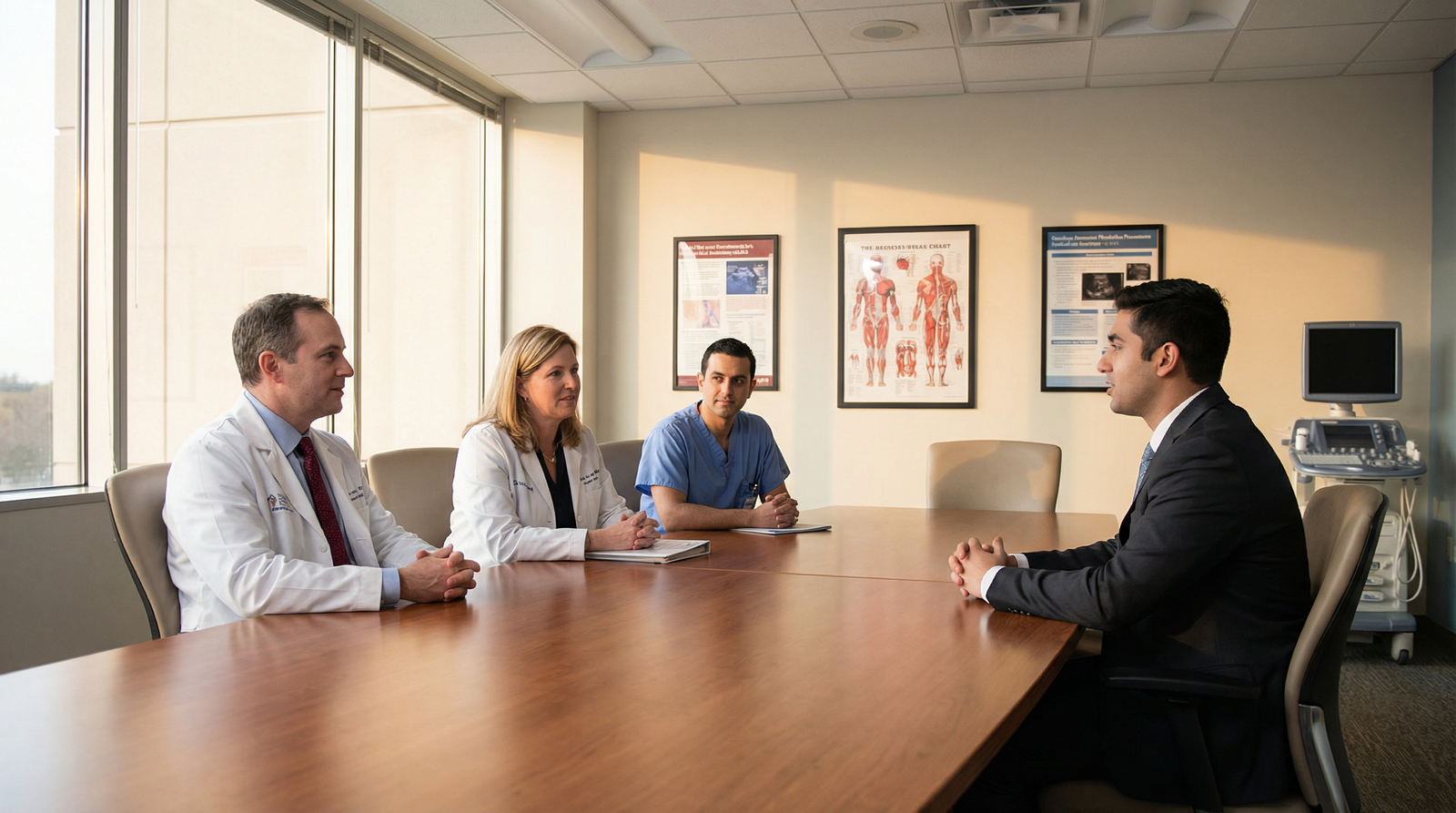
Understanding the OB GYN Residency Landscape as a DO Graduate
As a DO graduate aiming for an OB GYN residency, your pre-interview preparation begins long before you pick out your suit or rehearse your answers. It starts with understanding how your background fits into the broader obstetrics match landscape and what programs are looking for in 2025 and beyond.
The Big Picture: OB GYN and DO Applicants
OB GYN is a moderately competitive specialty with a strong emphasis on:
- Commitment to women’s health and advocacy
- Procedural competency and comfort in the OR
- Emotional resilience and professionalism
- Teamwork in high-stress, high-acuity environments
- Ability to communicate clearly with diverse patients and families
For a DO graduate residency applicant, there are additional considerations:
- Variable familiarity with osteopathic training among allopathic program directors
- Different levels of comfort with COMLEX vs. USMLE scores
- Increased attention to clinical performance and letters for DO candidates
This doesn’t mean a disadvantage; it means you must be strategic and intentional about how you present yourself before and during residency interviews.
Where Pre-Interview Preparation Fits in the Match Timeline
Pre-interview preparation starts:
- Before applications are submitted: Clarifying your story and career goals.
- Immediately after ERAS submission: Researching programs and networking.
- Once interview invitations arrive: Intensive program research, question practice, and logistics.
When you receive an invitation, programs are signaling:
“You meet our academic and professional bar. Now we want to know who you are, and if you fit our culture and mission.”
Your job in pre-interview prep is to make that answer easy and compelling: “Yes—I fit here, and I will add value.”
Clarifying Your Personal Narrative as a DO OB GYN Applicant
Before you practice a single interview question, you need a clear, coherent narrative—a storyline that connects your path to medicine, DO training, and your specific interest in OB GYN.
Step 1: Define Your Core Themes
Spend 30–45 minutes outlining key themes that describe you as a future OB GYN resident:
Why OB GYN?
- First exposure: a clerkship, mentor, or patient story
- What aspects draw you: surgery, continuity of care, advocacy, maternal-fetal medicine, minimally invasive surgery, etc.
Why a DO background matters in your practice
- Holistic patient care perspective
- OMT exposure and how it shapes your approach to pain, pregnancy, musculoskeletal complaints
- Whole-person care and mind–body integration in pregnancy and reproductive health
What sets you apart
- Leadership roles (e.g., OB GYN interest group, student-run clinic, research projects)
- Unique life experiences (non-traditional path, rural upbringing, military experience, previous career)
- Language skills or cultural competence relevant to women’s health
Try to distill your narrative into a 2–3 sentence “core identity” statement. For example:
“I’m a DO graduate with a strong interest in underserved women’s health and surgical care. My osteopathic training and experiences in a safety-net hospital have shaped my commitment to whole-person care and patient advocacy in OB GYN.”
This becomes the backbone of your answers in the obstetrics match process.
Step 2: Align Your Story with OB GYN Values
OB GYN programs commonly emphasize:
- Patient advocacy and reproductive justice
- Comfort with uncertainty and emergencies
- Resilience and emotional maturity
- Team-based care (L&D floor, OR, clinic)
- Lifelong learning and quality improvement
Map your experiences to these values:
- A time you advocated for a vulnerable patient
- A high-stress OB emergency you witnessed (e.g., postpartum hemorrhage) and what you learned
- How you managed fatigue or challenging rotations
- Examples of collaborative work with nurses, midwives, anesthesiologists, pediatricians
This mapping turns your experiences into high-impact interview content.

Program Research and Targeted Preparation
Thorough program research is one of the most overlooked parts of residency interview preparation—and it’s where many DO applicants can distinguish themselves.
How to Research OB GYN Programs Effectively
Move beyond the program’s homepage. Focus on:
Mission and patient population
- Is the program community-based, academic, or hybrid?
- Does it emphasize underserved care, rural health, global health, or research?
- What types of OB and GYN pathologies are most common?
Training structure
- Volume of deliveries and surgical cases
- Presence of subspecialty services: MFM, Gyn Onc, REI, Urogynecology
- Call schedule, night float, continuity clinics
Program culture
- Resident testimonials or social media accounts
- Photos of residents and faculty—do they appear collegial, diverse, engaged?
- Statements on wellness, diversity and inclusion, and teaching philosophy
DO-friendliness
- How many current or recent residents are DOs?
- Does the program explicitly welcome DO applicants?
- Are COMLEX scores accepted without USMLE?
Create a spreadsheet with columns such as:
- Program name, location
- DO presence (Y/N, how many)
- Key strengths
- Unique features or tracks (global health, leadership, research)
- 2–3 reasons you’d be a good fit
- 2–3 specific questions to ask on interview day
This not only prepares you for interviews but helps later when creating your rank list.
Customizing Your Preparation for Each Program
For each program, spend at least 20–30 focused minutes:
- Review the website and current resident bios
- Look up recent publications from key faculty (especially in your areas of interest)
- Identify one or two program features that genuinely excite you
Then, craft program-specific talking points, such as:
- “I’m excited about your strong MFM presence because…”
- “Your commitment to caring for a diverse, urban patient population aligns with my experience in…”
- “I appreciate that your program has multiple DO graduates and values holistic, patient-centered care…”
When interviewers ask, “Why our program?” you’ll have answers that feel authentic and detailed, not generic.
Mastering Core Interview Skills: From Answers to Body Language
Once your narrative and program research foundation are in place, you can turn to specific residency interview preparation skills: answering questions, nonverbal communication, and handling virtual vs in-person formats.
Core OB GYN Residency Interview Question Categories
Whether interviews are virtual or in person, most interview questions residency programs ask fall into predictable categories:
“Tell me about yourself” / “Walk me through your CV.”
Motivation for specialty
- “Why OB GYN?”
- “If you couldn’t do OB GYN, what would you do and why?”
Fit and goals
- “Why our program?”
- “Where do you see yourself in 5–10 years?”
- “What kind of career are you aiming for—academic, private practice, fellowship?”
Clinical and interpersonal questions
- “Tell me about a challenging patient interaction.”
- “Describe a conflict with a team member and how you handled it.”
- “What is your biggest weakness?”
Professionalism, ethics, and resilience
- “Tell me about a time you made a mistake.”
- “How do you cope with stress and emotional cases?”
- “Describe a time you saw something that concerned you and what you did.”
Application-specific questions
- Research projects, leadership, or gaps/irregularities in your record
- Osteopathic background: “How has your DO training shaped your approach to patient care?”
Prepare bullet-point answers (not scripts) focusing on:
- Brief context (1–2 sentences)
- Your specific actions
- What you learned and how it changed your behavior
The STAR method (Situation, Task, Action, Result) works well, especially for behavioral questions.
Tailoring Answers as a DO Graduate
Use your DO identity strategically:
- For “Why medicine?” or “Why OB GYN?” include:
- How osteopathic principles shape your work with pregnant patients (e.g., musculoskeletal adaptations, chronic pain, functional complaints)
- An experience where holistic thinking altered your management plan
- For “How do you work on a team?”:
- Examples from interprofessional rounding with nurses, midwives, and doulas
- For “Weakness”:
- A growth area you’ve actively worked on (e.g., delegating tasks, speaking up in high-level discussions) with concrete steps taken
Avoid simply saying “I’m holistic” without specific examples. Show, don’t just tell.
Practicing Common OB GYN-Specific Questions
You may be asked questions tailored to OB GYN, such as:
- “Tell me about a memorable labor and delivery experience and what you learned.”
- “How do you handle emotionally charged situations, such as pregnancy loss or complex family dynamics?”
- “What interests you more: OB or GYN—and why?” (Be honest, but emphasize openness to broad training.)
- “How do you feel about caring for patients whose values on reproductive health differ from your own?”
Practice saying your answers out loud, ideally with:
- A mentor or resident (particularly in OB GYN)
- Your school’s career advisor
- A peer doing mock interviews
Record yourself once or twice on video; observe your pacing, filler words, and eye contact.
Logistics, Presentation, and Virtual Interview Strategy
Strong content can be undermined by weak logistics. Taking care of practical details early will reduce anxiety and let you focus on connecting with faculty and residents.
Organizing Your Interview Season
Create a centralized system to track:
- Interview dates and times (with time zones)
- Program contact info
- Interview format (virtual vs in-person, half-day vs full-day)
- Pre-interview socials, Q&A sessions, or open houses
- Deadlines for confirmations or cancellations
Use a calendar plus a spreadsheet, or a dedicated app. Color-code OB GYN programs if you’re interviewing in multiple specialties (less common, but some DOs apply to a backup).
Plan ahead for:
- Clinical schedule conflicts (communicate early with clerkship directors)
- Travel logistics if in-person: flights, hotel, travel time, backup options
- Time zones—especially for virtual interviews across coasts
Professional Appearance and Setting
For both virtual and in-person formats, aim for polished but approachable.
Attire:
- Suit (jacket and slacks/skirt) in neutral or dark colors
- Conservative shirt or blouse; avoid busy patterns
- Minimal jewelry and fragrance; neat hair and nails
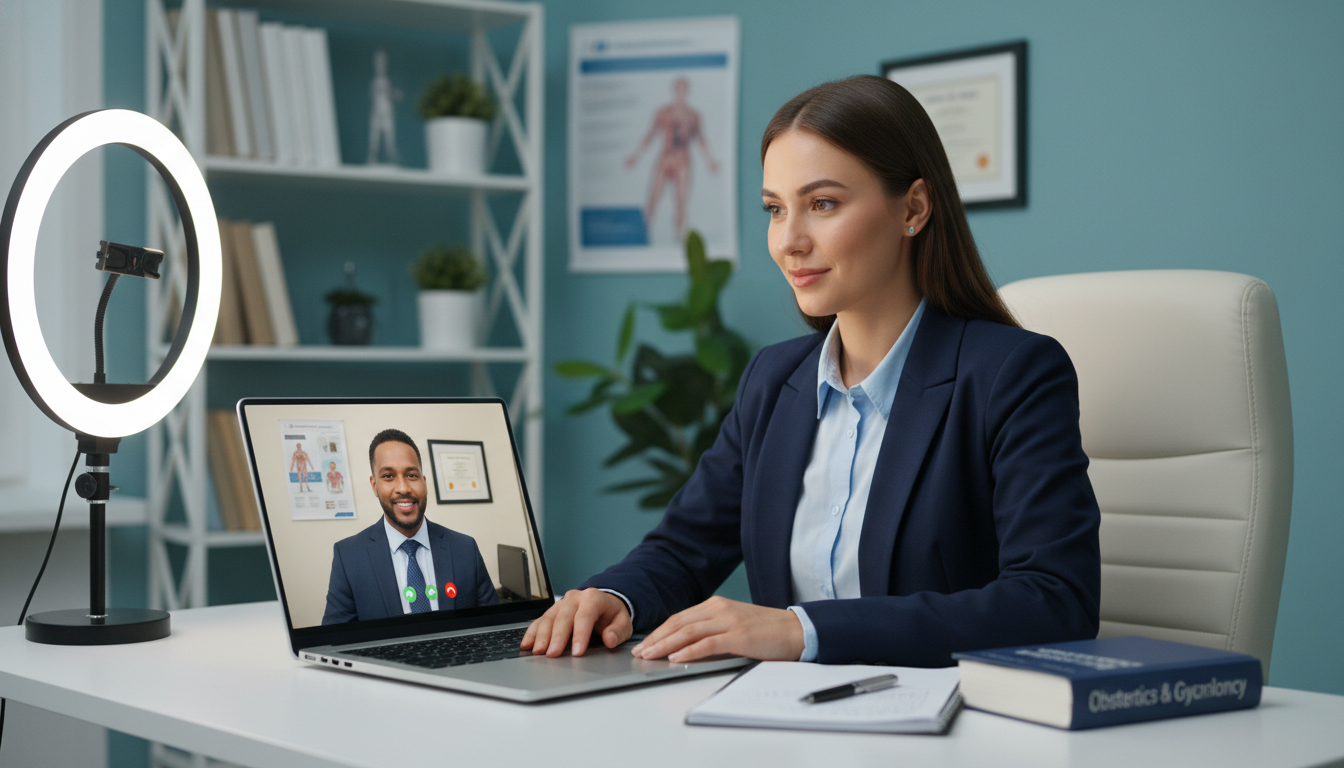
Virtual background and equipment:
- Neutral background (plain wall or tidy bookshelf)
- Good lighting: face illuminated from the front (a window or ring light)
- Reliable internet connection; wired if possible
- Functional microphone and camera; test on Zoom or similar before interview
Set your camera at eye level and look at the camera when speaking, not the screen. This creates a more natural sense of eye contact.
Managing Nerves and Mindset
Interviewing for OB GYN residency can be emotionally heavy—especially when you deeply want to match this specialty. Pre-interview preparation should include emotional and physical routines:
- Sleep: Prioritize 7–8 hours starting at least 2–3 days before interviews.
- Meals: Eat something light but sustaining prior to the interview—avoid extremes of caffeine or fasting.
- Grounding routines:
- Short walk or light exercise the morning of
- 5–10 minutes of deep breathing or mindfulness
- Brief review of your “core themes” rather than cramming new information
Reframe interviews from “I must impress them” to “We are evaluating fit both ways”. You are also interviewing them:
- Can you imagine working with these residents at 3 a.m. on L&D?
- Do faculty model the kind of OB GYN you want to become?
Strategically Using Your DO Background and Asking Strong Questions
As a DO applicant, you have unique strengths—and programs know it. Pre-interview preparation should include how to highlight that value and how to ask thoughtful questions.
Highlighting the Value of Osteopathic Training
Prepare concise, clear explanations for any DO-specific topics that might come up:
COMLEX scores vs USMLE
- Be ready to explain if you took only COMLEX or both:
- Why you made that choice
- How your scores reflect your readiness for residency
- Be ready to explain if you took only COMLEX or both:
OMT in OB GYN
- Briefly describe situations where manipulative techniques supported patient care:
- Back pain or pelvic discomfort in pregnancy
- Respiratory mechanics in late pregnancy
- Postpartum musculoskeletal issues
- Emphasize that:
- You don’t force OMT on anyone,
- You integrate it when appropriate and safe,
- You use your structural exam skills to enhance diagnosis and patient education.
- Briefly describe situations where manipulative techniques supported patient care:
Addressing Perceived Barriers or Concerns
If you believe there might be unspoken questions (e.g., “Can a DO handle our high-acuity environment?”), you can proactively address this through your examples:
- Share stories where you:
- Managed complex patients on OB, medicine, or surgery
- Performed under pressure in high-volume settings
- Worked seamlessly on interprofessional teams
If you have any academic irregularities (failed exam, extended time, leave of absence), prepare a short, honest, non-defensive explanation:
- State what happened briefly.
- Own your responsibility where appropriate.
- Emphasize what you learned.
- Describe how you’ve changed your systems or habits.
Stay positive and future-oriented: show that the issue is resolved and unlikely to recur.
Asking Insightful Questions During Interviews
You will almost always be asked, “What questions do you have for us?” This is a critical opportunity.
Avoid questions easily answered on the website. Instead, ask about:
Resident experience and education
- “How would your residents describe the program’s culture on the L&D floor?”
- “How does your program support residents who are interested in fellowship vs generalist careers?”
Support and wellness
- “What formal or informal support systems exist for residents after difficult patient outcomes?”
- “How has the program responded to concerns raised in recent resident surveys?”
DO-specific considerations (if relevant)
- “I noticed several DO graduates in your program; how do you see osteopathic training contributing to your team?”
- “Are there any specific supports you offer for interns transitioning from osteopathic schools?”
Have 4–6 questions prepared and rotate them based on what’s already been covered during the day.
Frequently Asked Questions (FAQ)
1. As a DO graduate, do I need to take the USMLE to match into OB GYN?
Not necessarily, but it can help in some settings. Many OB GYN programs—especially those with a history of accepting DO residents—will review COMLEX-only applications. However:
- Some highly competitive or historically allopathic programs prefer or require USMLE.
- If you already have strong COMLEX scores and your school advises that USMLE isn’t essential for your target programs, you can absolutely match OB GYN without it.
During pre-interview preparation, review each program’s requirements and DO representation. If programs have multiple DOs on their roster and explicitly accept COMLEX, you’re likely on solid ground.
2. How should I answer “Why OB GYN?” in a way that stands out?
Anchor your answer in:
- A specific story that sparked or solidified your interest.
- Aspects of OB GYN that align with your strengths (procedures, longitudinal care, advocacy, etc.).
- How your DO training has shaped your interest—for example, your comfort with the physical and emotional transformation of pregnancy, your attention to the musculoskeletal impact of gestation, or your holistic counseling approach.
Aim for 1.5–2 minutes: enough detail to show authenticity, but not so long that you lose focus.
3. What are some red flags in OB GYN residency interviews for DO applicants?
Potential red flags include:
- Program leadership unfamiliar with DO training or COMLEX and unwilling to learn
- No DOs in the program and no clear commitment to osteopathic applicants
- Residents describing persistent morale issues, lack of support after bad outcomes, or chronic understaffing without improvement
- Dismissive responses when you ask about wellness, diversity, or feedback culture
Your pre-interview preparation should include thinking about what matters most to you—then listening carefully during interviews to see if the program aligns with those priorities.
4. How many mock interviews should I do for OB GYN residency?
Quality matters more than quantity. For most DO students:
- 2–3 structured mock interviews are sufficient:
- One with a faculty advisor or dean
- One with an OB GYN resident or faculty member (ideally)
- One with a peer or recorded session to critique your body language and tone
Use each mock to refine your answers, not memorize scripts. Focus on clarity, authenticity, and your ability to connect your DO background to your future as an OB GYN physician.
With thoughtful, early pre-interview preparation—grounded in a clear narrative, targeted program research, and deliberate practice—you can walk into each OB GYN residency interview as a DO graduate not just hoping to fit in, but ready to show how you’ll elevate the team and care for patients from day one.