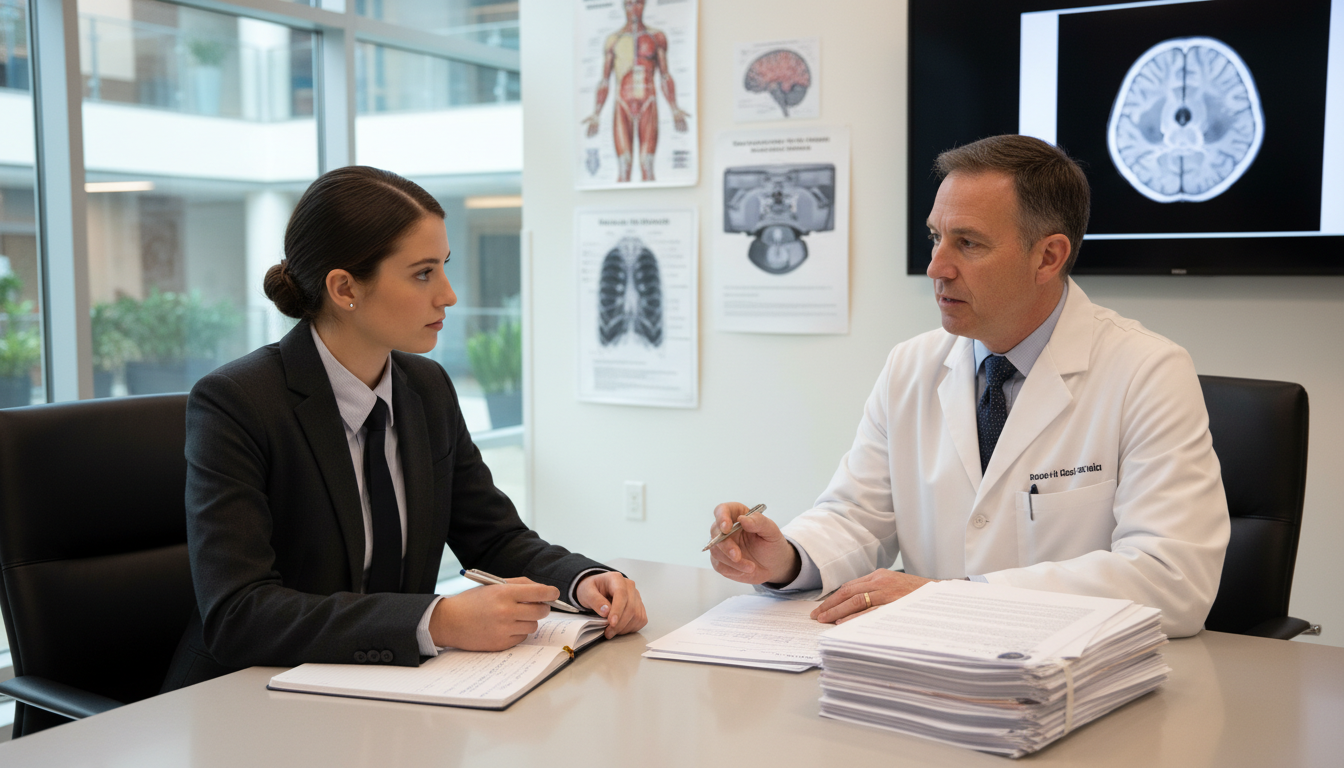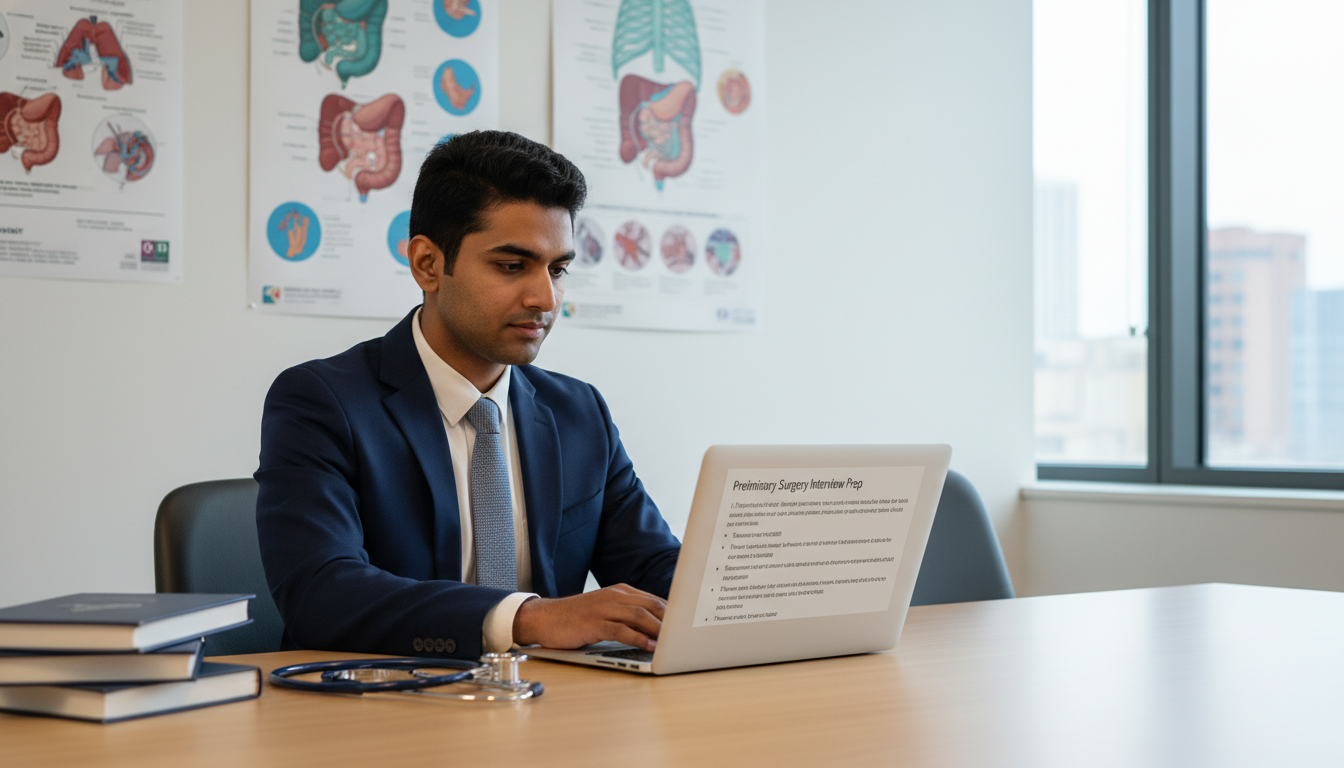
As a DO graduate applying for a Preliminary Medicine year, the questions you ask programs are just as important as the answers you give. A prelim IM year can set the tone for your entire career—especially if you’re planning to enter fields like anesthesiology, radiology, neurology, PM&R, dermatology, or ophthalmology. Knowing what to ask program directors, residents, and coordinators can help you assess fit, uncover red flags, and make smart rank list decisions.
This guide focuses specifically on questions to ask programs as a DO graduate in Preliminary Medicine, with practical examples you can adapt for your own interviews and emails.
Understanding Your Goals as a DO in a Preliminary Medicine Year
Before you create your question list, clarify what you need from a prelim IM year as a DO graduate.
Key things a DO graduate should prioritize
Respect and support for osteopathic training
- How often have they matched DOs?
- Do they understand COMLEX?
- Are DO residents represented in leadership roles?
Alignment with your advanced (categorical) specialty
- Are schedules and rotations compatible with your planned PGY-2 specialty?
- Will you get enough time and support to interview for advanced positions (if you haven’t matched yet)?
- Will you gain strong internal medicine fundamentals without being overused as service coverage?
Wellness, culture, and mentorship
- Are prelims treated as “one-year cheap labor” or as valued team members?
- Is there mentorship tailored to your future specialty?
Logistics and risk management
- How often do prelims fail to complete the year?
- What happens if a resident needs to remediate or extend training?
- Is there any potential pathway into a categorical IM spot if something changes for you?
You’ll want to build questions that target these areas. Think of your questions as tools to evaluate:
- Fit (Will I thrive here?)
- Feasibility (Can I manage the workload and still prepare for my specialty?)
- Future trajectory (Will this year make me a stronger candidate?)
Core Strategies: How to Ask Smart Questions (Without Overwhelming Programs)
Before diving into specific question lists, keep these strategies in mind:
1. Prioritize 8–12 “must-ask” questions
You’ll have limited time with each interviewer and during breaks. Aim for:
- 3–4 questions for the program director (PD)
- 3–4 for current residents
- 2–3 for the program coordinator / admin staff
- 1–2 for faculty in your intended field, if available
Write them down on a small notepad or in a neat document you can glance at; it’s completely acceptable and makes you look prepared.
2. Avoid questions with answers easily found online
Skip things clearly listed on:
- The program’s website
- FREIDA / AAMC / ERAS program descriptions
- Program’s information packet
Instead, ask for clarification, context, or how things work in practice. For example, instead of:
- “How many ICU rotations do interns do?”
Ask:
- “I saw online that interns do two ICU months. How are interns supported during those months, and what is the balance between autonomy and supervision?”
3. Phrase questions to invite stories, not just yes/no
Good:
- “Can you tell me about a time the program supported a resident who was struggling—either personally or academically?”
Less helpful:
- “Do you support residents?”
Stories reveal culture, expectations, and how policies work in real life.
4. Tailor your questions as a DO graduate
Signal that you understand the osteopathic residency match landscape and that you’re intentionally evaluating how DO-friendly they are. That doesn’t mean you lead with anxiety about being a DO—it means you calmly and professionally gather data to see how DOs fare in their system.

High-Yield Questions to Ask the Program Director (PD) and Leadership
When planning what to ask program director during your prelim IM interview, aim for strategic, big-picture topics. These questions should help you understand philosophy, expectations, and how the program sees prelim residents—especially DOs.
You likely won’t ask all of these; choose the ones that most match your concerns.
1. Status and value of prelim residents
“How do you view the role of preliminary medicine residents within your program?”
- Listen for whether prelims are:
- Integrated and supported, or
- Primarily used for service needs
- Listen for whether prelims are:
“What differences, if any, are there in expectations or support between your categorical and preliminary interns?”
- A strong answer emphasizes equal support and education, with only length of stay differing.
“How does the program ensure prelim residents receive educational value, not just service work?”
- Look for:
- Dedicated didactics that include prelims
- Access to conferences and teaching
- Protected time for education
- Look for:
2. DO-friendliness and match history
As a DO graduate in a preliminary medicine year, you’ll want to understand how your background is perceived.
“Can you share a bit about your experience training DO graduates in this program?”
- Ideally you hear:
- They’ve had multiple DOs
- Success stories and leadership roles held by DO residents
- Ideally you hear:
“Are there any differences in how DO residents are evaluated or supported compared to MD residents?”
- The best answer: “No differences, we use the same standards and support structures.”
“Looking at the last few years, what types of advanced specialties have your prelim residents gone into, and how have DO graduates fared in their respective matches?”
- You’re listening for:
- Data on DO grads matching into competitive specialties
- Evidence that the program actively supports advanced match goals
- You’re listening for:
3. Schedule, workload, and flexibility for interviews
Even if you already matched your advanced spot, things change—fellowship, research, and networking still matter.
“How do you support prelim residents who need time off for interviews—either for advanced specialties or fellowship exploration?”
- Look for specific:
- Policies
- Backup systems
- Flexibility
- Look for specific:
“What does a typical month look like for a prelim intern in terms of rotation types, call, and days off?”
- You’re trying to match:
- Your stamina
- Your learning style
- Your needs (e.g., time for board prep or advanced specialty exposure)
- You’re trying to match:
“Are there any elective or consult rotations that prelim residents can access, particularly those aligned with common advanced specialties (e.g., anesthesia, neurology, radiology)?”
- Great if they allow at least 1 elective month, or tailored experiences.
4. Culture, feedback, and remediation
“How would you describe the culture of your program—especially in how faculty and senior residents respond when interns are struggling?”
- Strong signs:
- Early identification
- Non-punitive approach
- Clear remediation pathways
- Strong signs:
“What systems do you have in place for feedback and mentorship for preliminary residents, given the short one-year timeline?”
- Listen for:
- Assigned mentors
- Semi-structured evaluations
- Specific attention to career guidance
- Listen for:
“Can you share an example of a change you made in response to resident feedback in the last couple of years?”
- This reveals whether they act on feedback rather than just collecting it.
5. Pathways, risk, and backup plans
Even if your main track is set, you want to understand risk management.
“If a preliminary resident’s advanced position falls through or they decide to pursue internal medicine categorical training, is there any possibility or precedent for transitioning into a categorical spot here if one becomes available?”
- Important: You’re not asking for a promise—just understanding opportunities.
“In the last few years, have there been prelim residents who didn’t complete the year or had significant difficulties? What tended to be the main reasons, and how did the program respond?”
- Look for:
- Honest, non-defensive answers
- Examples that highlight support, not blame
- Look for:
Essential Questions to Ask Current Residents (Especially Prelims)
Residents—particularly those currently in a preliminary medicine year—will give you the truest picture of daily life. Aim for open-ended, practical, and culture-focused questions.
1. Real workload and schedules
“What does a typical week look like for you in terms of hours, call, and workload?”
- Follow-up:
- “Does this vary significantly by rotation?”
- “Are there rotations that consistently feel unsustainable?”
- Follow-up:
“How often do you leave on time post-call or at the end of the day on non-call days?”
- Red flags: “Almost never” with laughter or resignation.
“During ICU or night float months, what’s the hardest part of the schedule for prelim residents?”
- You want to know the real hardest rotation and whether support exists.
2. Culture, respect, and treatment of prelims & DOs
“Do you feel that preliminary residents are treated differently than categorical residents—either by attendings or by the system?”
- Listen for:
- Respect
- Access to opportunities
- Inclusion/exclusion from conferences, events, and leadership
- Listen for:
“As a DO (or for the DO residents here), have you noticed any differences in how DO graduates are perceived or treated?”
- Look for:
- Neutral or positive responses
- Examples of DOs in chief roles, QI projects, etc.
- Look for:
“Can you tell me about the last DO graduate who went through as a prelim here—what are they doing now?”
- If no one remembers or there are no DOs, it’s not an automatic dealbreaker—but it’s information.
3. Teaching, autonomy, and supervision
“On a busy ward or ICU day, how does supervision feel—do you feel adequately supported while still being allowed to make decisions?”
- Look for balance, not extremes.
“How often do you get real teaching on rounds versus just task management and note-writing?”
- You want:
- Precepting
- Case discussions
- Bedside teaching
- You want:
“Are prelims able to meaningfully participate in procedures, or are those mostly done by advanced residents and fellows?”
- Procedures are not everything, but a lack of opportunity may indicate a hierarchy that sidelines prelims.
4. Burnout, wellness, and reality checks
“What’s the hardest part about being a prelim here that you didn’t fully appreciate before starting?”
- You’ll often get answers about:
- Night float
- Cross-cover
- Administrative load
- You’ll often get answers about:
“How does the program respond when residents are overwhelmed or burned out?”
- Good signs:
- Adjusted schedules
- Access to counseling
- Transparent conversations, not punishment
- Good signs:
“If you had to choose your prelim year again, would you pick this program?”
- Pay attention not only to the answer, but how quickly and confidently they respond.
5. Support for your advanced specialty
“For prelims going into [your planned specialty], do you feel the schedule and workload allow enough time for specialty-specific reading, networking, and, if needed, interviews?”
- Especially important if:
- You’re SOAPing into an advanced spot
- You anticipate future fellowships
- Especially important if:
“Are there attendings here in [your target specialty] who take an interest in prelims and help with letters or mentorship?”
- Example: An anesthesiologist who works closely with medicine teams and mentors future anesthesia residents.

Targeted Questions for Coordinators and Administrative Staff
Program coordinators know how things actually run. They can answer pragmatic questions that PDs and residents may gloss over.
1. Schedule mechanics and logistics
“How far in advance do residents receive their rotation and call schedules?”
- Earlier notice = better planning for life, moves, and interviews.
“How are vacation weeks scheduled for prelim residents, and how much flexibility is there?”
- Clarify:
- Restrictions (e.g., no vacation during ICU)
- Impact on interview scheduling
- Clarify:
“If a prelim resident needs emergency time off (illness, family emergency), how is coverage usually arranged?”
- Look for:
- A system that doesn’t heavily penalize the resident
- A culture of mutual support
- Look for:
2. Evaluations, documentation, and COMLEX/USMLE issues
“How are evaluations compiled and sent to advanced programs if a prelim resident is interviewing or applying during the year?”
- Important if:
- You haven’t matched your advanced spot yet
- You need strong new letters
- Important if:
“Are there any administrative considerations unique to DO graduates—for example, handling COMLEX-only transcripts or combined COMLEX/USMLE documents?”
- Well-organized programs will have clear processes.
3. Prelim vs. categorical structure
“Do prelims attend the same orientation and educational conferences as categoricals?”
- Integrated education is a good sign.
“Are there ever changes in position types (such as prelims moving into categorical spots) during the year, and how does that process work logistically if it happens?”
- Again, not looking for guarantees—just understanding pathways.
4. Communication and problem-solving
- “If a resident has an issue with a rotation, schedule, or conflict, what is the best way to address it, and how responsive is the leadership team?”
- You want to know:
- If the coordinator is approachable
- How quickly concerns are escalated
- You want to know:
Adapting Your Questions for Different Interview Settings
Your approach will vary depending on where you are in the osteopathic residency match and what type of interaction you are having (formal interview, second look, email follow-up).
1. During the main interview day
- Use your highest-yield, broad questions for PDs and faculty.
- With residents, explore:
- Day-to-day life
- Culture
- Treatment of prelims and DO graduates
Focus on fit and safety:
“Will I be supported and respected here for one intense year?”
2. During a second look or informal visit
You can dig deeper into:
- Specific rotations (e.g., “Tell me about night float at this hospital site.”)
- Subtle culture issues (e.g., “How approachable are attendings when you don’t know something?”)
- Logistics related to your advanced specialty
3. By email after interviews
Sometimes you realize later that you forgot to ask key things. A short, polite email to the coordinator or PD assistant is acceptable. Example:
Dear [Coordinator’s Name],
Thank you again for organizing the interview day for the Preliminary Medicine program. I had one follow-up question that I didn’t get to ask during the session:
- How are vacation and interview days typically arranged for prelim residents, particularly those who are still finalizing an advanced position?
I appreciate any clarification you’re able to provide.
Best regards,
[Your Name], DO
Keep it brief and focused on one or two topics.
4. Virtual vs. in-person interviews
- Virtual: Have your question list visible next to your screen.
- In-person: Bring a neat folder or notebook; jot down notes right after each interview so you don’t confuse programs later.
Putting It All Together: Building Your Personal Question List
To streamline your prep, here’s an example of a prioritized question set for a DO graduate applying to a Preliminary Medicine program. You can adjust based on your own concerns.
For the Program Director
- “How do you view the role of prelim medicine residents within your program, and how do you ensure their year is educational rather than just service-focused?”
- “Can you share your experience training DO graduates here, and how they have done in terms of moving on to their advanced specialties?”
- “How do you handle time off for prelim residents who need to attend advanced interviews or specialty-specific events?”
- “Can you give an example of a recent change made in response to resident feedback?”
For Current Residents (preferably prelims and DOs)
- “What does a typical week look like for you—hours, workload, and call?”
- “Do prelim residents feel integrated and treated similarly to categoricals?”
- “As DO residents, have you felt fully supported and respected here?”
- “If you had to choose again, would you pick this prelim program?”
For Coordinators
- “How are schedules and vacation weeks arranged for prelim residents?”
- “How does the program handle evaluation letters and documentation for prelims applying to or finalizing advanced positions?”
- “If issues arise with scheduling or coverage, what is the usual process for resolving them?”
Having these prepared will help you evaluate each program more objectively and build a thoughtful, strategic rank list that aligns with your goals as a DO.
FAQ: Questions to Ask Programs for DO Graduate in Preliminary Medicine
1. As a DO graduate, should I directly ask about DO vs MD treatment in interviews?
Yes, but phrase it professionally. For example:
- “Can you share your experience training DO residents and how they’ve integrated into the program?”
- “Have DO graduates held leadership roles here, such as chief resident or committee positions?”
You’re not questioning their fairness; you’re collecting data on how DO-friendly the program is.
2. What are the best interview questions for them if I already have my advanced spot locked in?
Focus on:
- Educational quality and support:
- “How do you balance service demands with education for prelim residents?”
- Workload and wellness:
- “What are the most challenging rotations for prelims, and how are they supported?”
- Culture:
- “What qualities do successful prelims here tend to share?”
Your goal is to ensure that your preliminary medicine year strengthens you, rather than burning you out before PGY-2.
3. I’m applying in SOAP as a DO—should I still ask detailed questions?
Absolutely. Even in SOAP or late-cycle situations, you should ask at least a few core questions about:
- Hours and workload
- Support for prelims
- DO experience at the program
- Time off for interviews (if still searching for an advanced spot)
You may have less leverage, but it’s still your training and your career.
4. How many questions is too many to ask in a single interview?
Aim for 2–4 questions per interviewer. If time runs short, prioritize:
- Culture and support
- Treatment of prelims and DO graduates
- Schedule and workload
If an interviewer clearly signals that you’re running over time, politely pivot to, “I have other questions, but I want to be respectful of your schedule—thank you for the insight you’ve shared.”
Thoughtful, well-chosen questions help you assess programs accurately, communicate maturity, and advocate for your needs as a DO graduate entering a Preliminary Medicine year. Build your list, practice asking out loud, and treat each interview as both an assessment of you and an assessment by you—because both matter for your success.