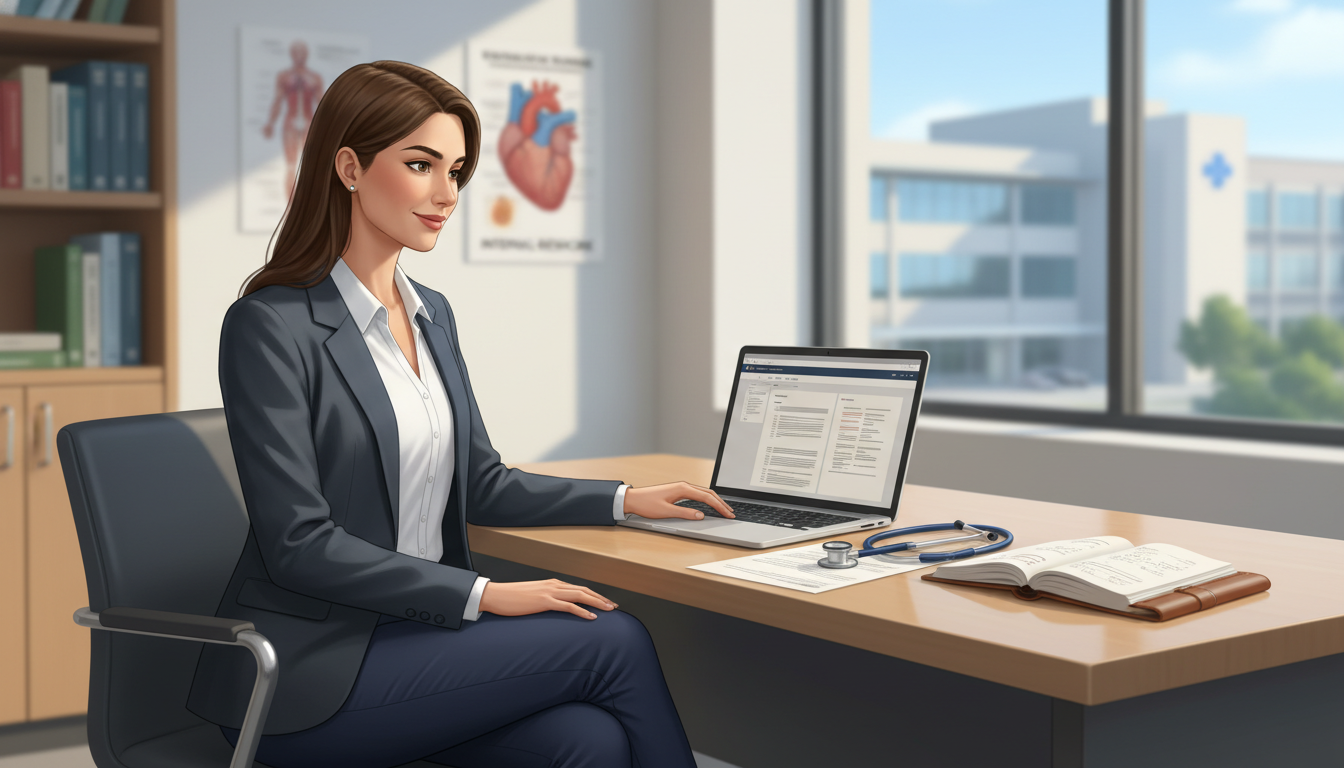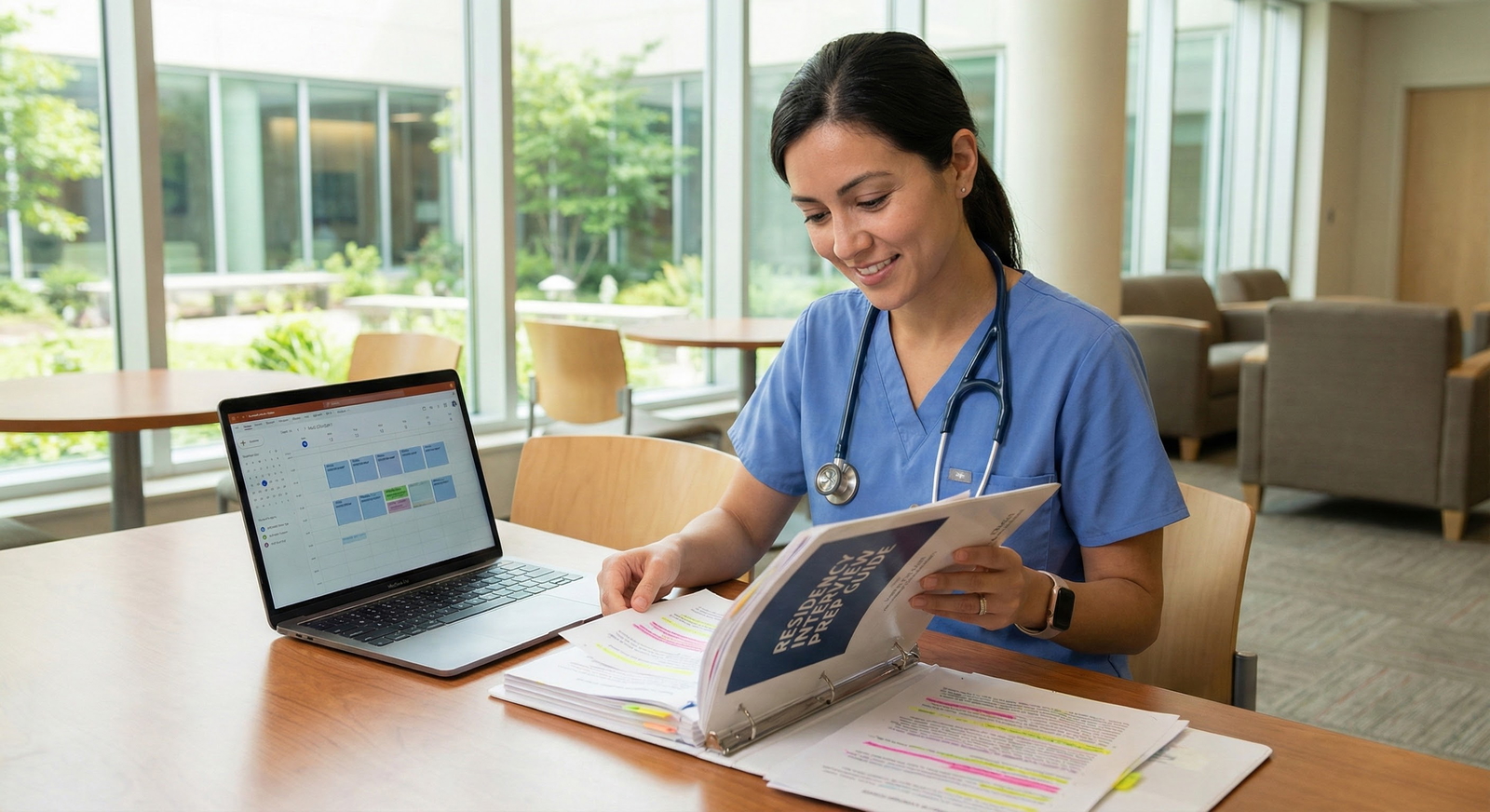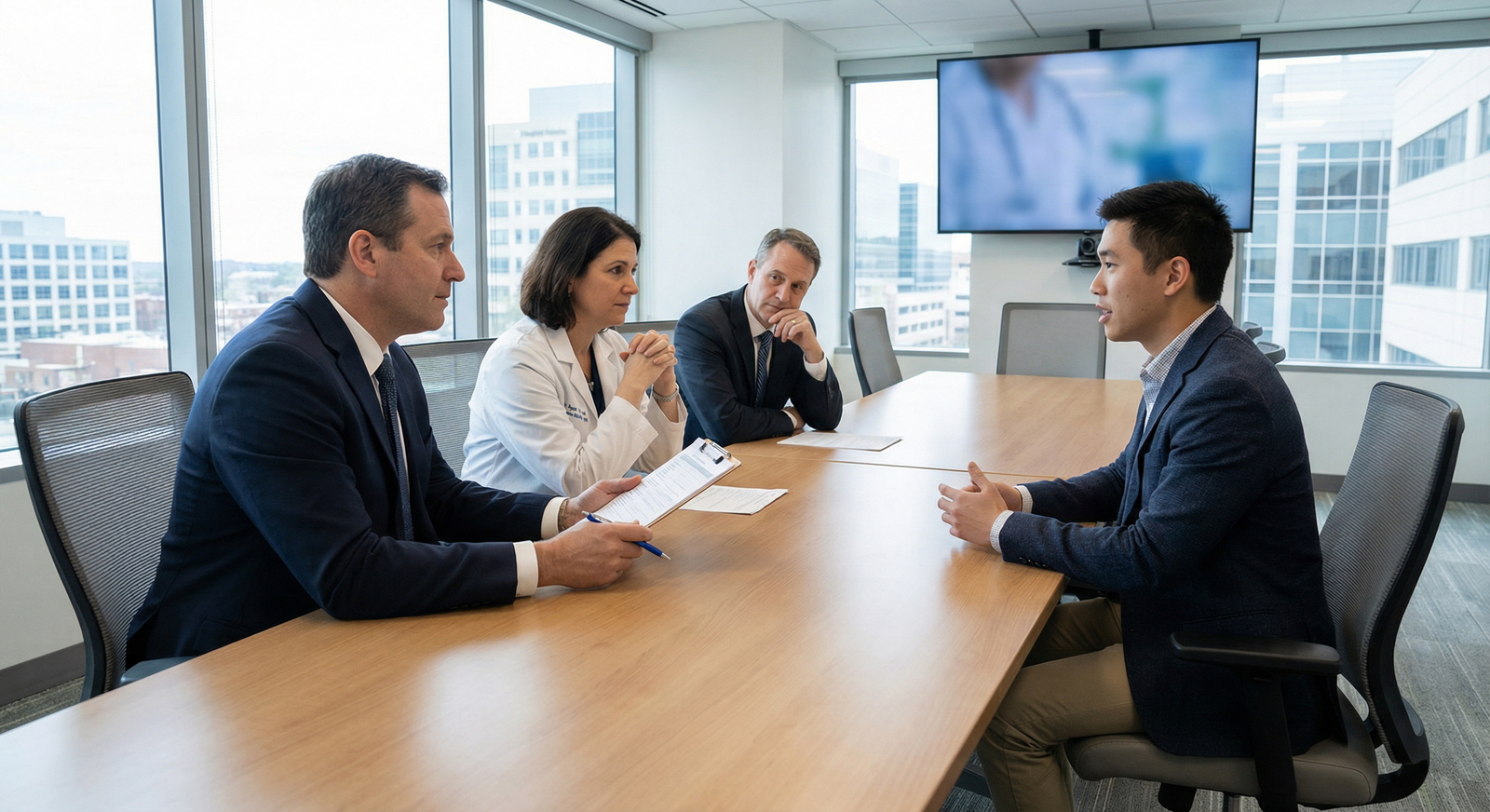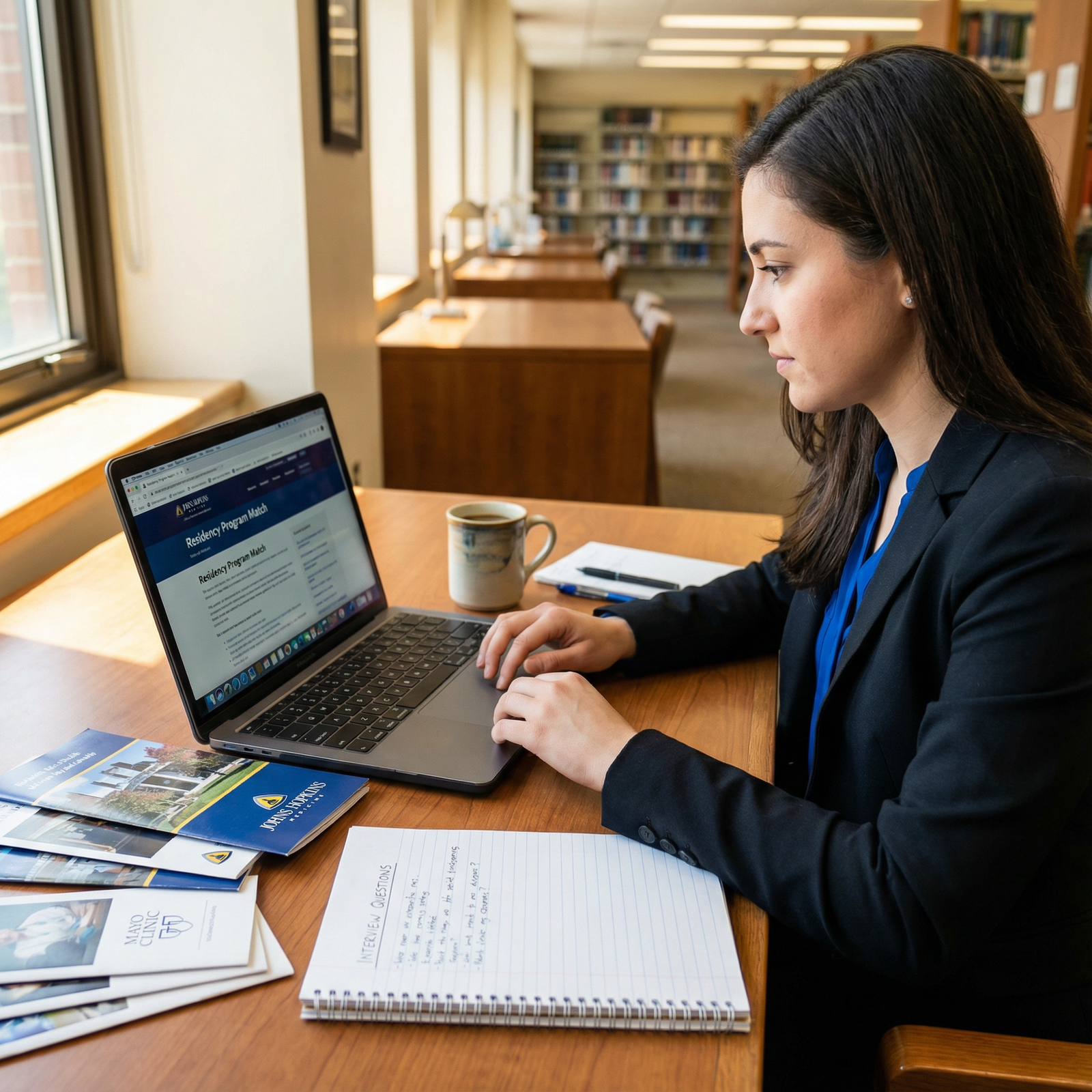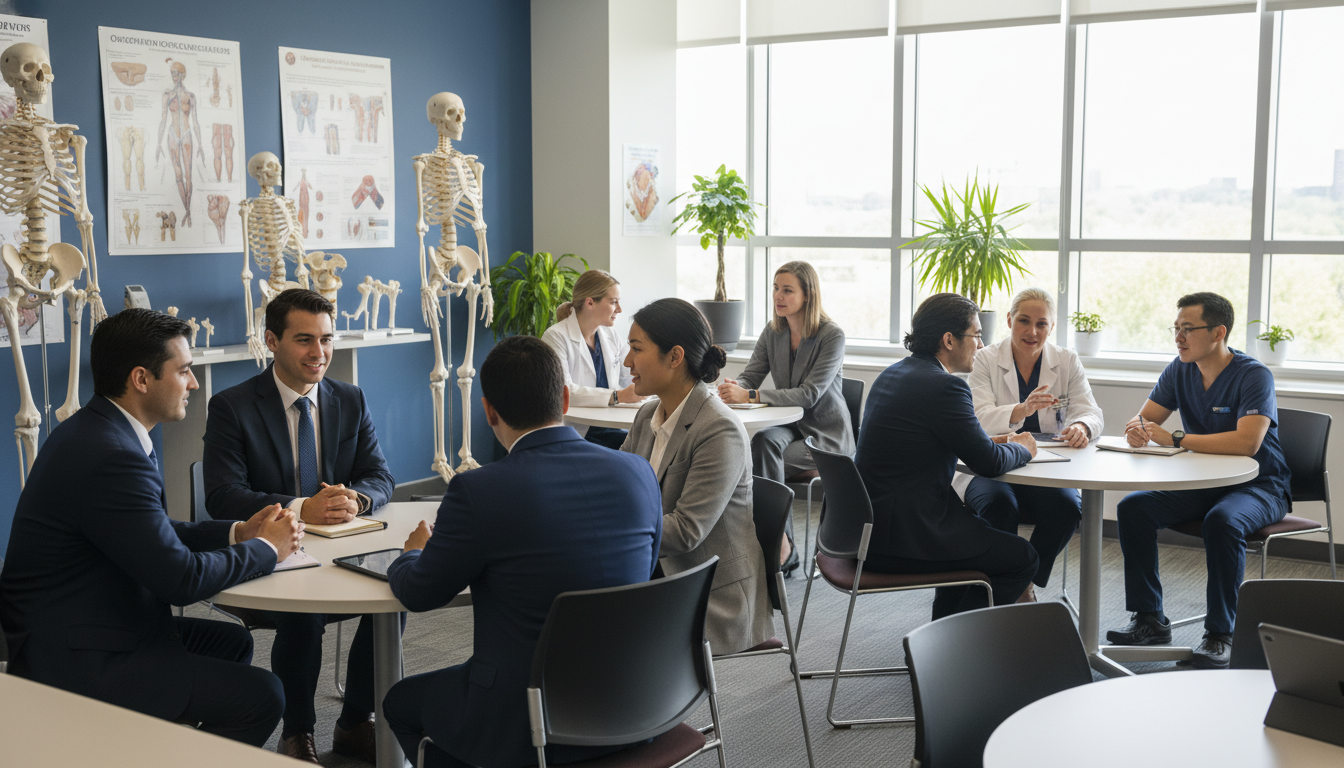
Understanding the Residency Interview Landscape as a DO Graduate
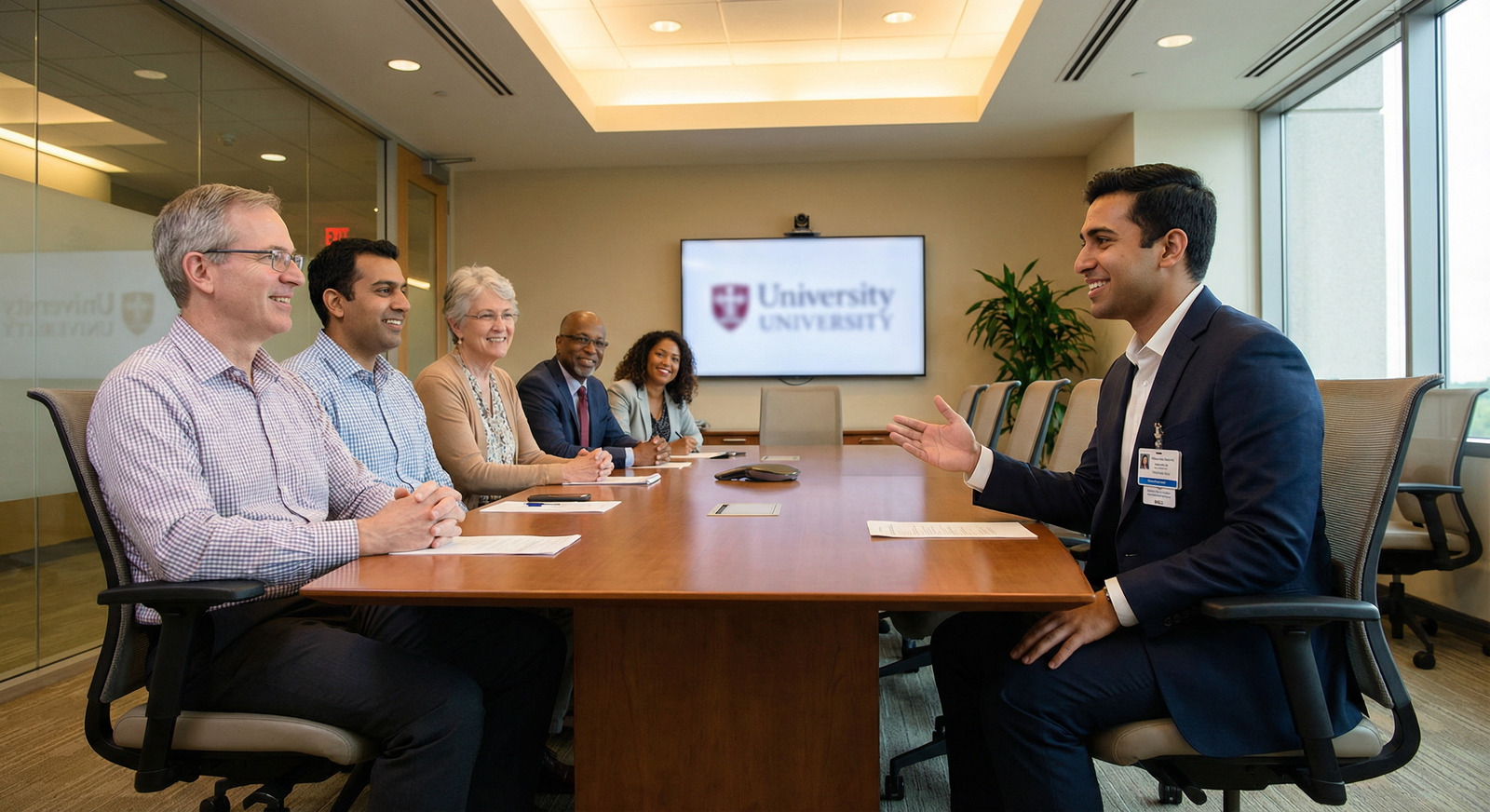
The residency interview is the pivotal bridge between your application and a successful osteopathic residency match. For a DO graduate, pre-interview preparation is not just about practicing answers—it’s about understanding how to present your osteopathic training, clinical experiences, and professional identity in a compelling, authentic way.
Residency interview preparation should begin weeks (ideally months) before your first scheduled interview. Thoughtful planning will allow you to:
- Confidently highlight strengths unique to DO training (osteopathic principles, OMT, holistic care)
- Address any perceived gaps (COMLEX vs USMLE, late specialty decision, geographic changes)
- Tailor your story and content to different program types (community vs university, ACGME vs historically AOA programs)
- Reduce anxiety, improve performance, and avoid common pitfalls
This guide walks through how to prepare for interviews as a DO graduate—from research and message-building to mock interviews and logistics—so you can walk into each interview with clarity, confidence, and a clear strategy.
Step 1: Clarify Your Story and Professional Identity
Before you practice a single interview question, you need a clear sense of who you are as an applicant and what you offer a residency program. This becomes your “through-line”—the consistent narrative that ties together your answers, demeanor, and career goals.
Define Your Core Themes
List 3–5 themes that define you as a future resident physician. These should align with your specialty and be rooted in your experiences. For a DO graduate, examples might include:
- Commitment to holistic, patient-centered care
- Strong interest in primary care, rural medicine, or underserved populations
- Osteopathic manipulative treatment (OMT) as part of patient care
- Team-based and interprofessional collaboration
- Resilience and growth mindset in the face of challenges
For each theme, identify 2–3 concrete examples from your:
- Clinical rotations
- Sub-internships or audition rotations
- Research or quality improvement work
- Leadership roles (clubs, SIGs, student government)
- Community service, global health, or outreach
This simple exercise gives you a “bank” of experiences you can draw from when answering interview questions.
Align Your Story with Osteopathic Principles
As a DO graduate, you should be ready to explicitly connect your training to how you practice medicine:
- How do you apply the mind-body-spirit philosophy in everyday patient encounters?
- When have you used OMT to improve patient outcomes?
- How has your osteopathic education shaped your communication style, diagnostic reasoning, or treatment planning?
Programs—especially those with a strong DO presence—will expect you to speak comfortably about your osteopathic identity, not just list the 4 osteopathic tenets.
Action item:
Write a one-sentence “professional identity statement” that you could use early in an interview. For example:
“I’m a DO graduate who is passionate about holistic, team-based internal medicine, particularly in caring for complex patients with multiple chronic conditions, and I bring strong communication skills and osteopathic training in OMT to support that work.”
You won’t necessarily recite this word-for-word, but it anchors how you present yourself across questions.

Step 2: Research Programs Strategically and Thoroughly
Thoughtful program research is one of the most underestimated components of pre-interview preparation. It affects:
- How tailored your answers sound
- The quality of your questions for the program
- Your ability to assess fit and build your rank list later
Build a Program Snapshot for Each Interview
For every program, create a one-page “snapshot” that you can review the night before and morning of the interview. Include:
Basic Program Details
- Location, setting (urban/suburban/rural)
- Type (university, community, hybrid, military, VA-affiliated)
- Size of the program and resident class
Osteopathic-Relevant Information
- Percentage of DO residents in current classes
- Presence of DO faculty or leadership (PD, APDs, core faculty)
- Any OMT or osteopathic-focused clinics, tracks, or curricula
- Historical alignment with DO graduates (from program website or online forums)
Curriculum and Training Highlights
- Unique rotations or tracks (rural, global health, research, sports medicine, etc.)
- Call structure, night float, ICU exposure
- Any specific clinical interests this program emphasizes (e.g., addiction medicine, geriatrics, sports medicine, advanced procedural training)
Culture and Values
- Mission statement and how it aligns with your interests
- Emphasis on wellness, diversity, or community outreach
- Reputation for being DO-friendly or supportive to nontraditional paths
Questions You Want to Ask
- Tailored, specific questions that show you understand the program
- Clarifications on aspects that matter to you (mentorship, OMT integration, research support, evaluation style)
Example tailored question for a DO graduate:
“I noticed several DO faculty in your program and that some residents offer OMT in continuity clinic. How is osteopathic training and OMT supported or integrated here, particularly for DO residents who want to maintain those skills?”
Use Multiple Information Sources
Do not depend solely on the program website. Also use:
- FREIDA and official program descriptions
- Social media (residency Instagram/X accounts can reveal culture)
- Specialty-specific forums and student doctor communities (use cautiously, avoid unverified gossip)
- Your school’s alumni who have matched at that program
- Virtual open houses or informational webinars
Action item:
Schedule 30–45 minutes per program to build your snapshot. Save them in a single folder (digital or printed) for quick review.
Step 3: Master Common Residency Interview Questions (with a DO Lens)
While interviews are conversational, many programs use similar question frameworks. Being efficient in your residency interview preparation means anticipating high-yield questions and building flexible, honest answers around your core themes.
Foundational Questions You Must Be Ready For
“Tell me about yourself.”
- Use a brief, structured overview (30–60 seconds).
- Connect your background, medical school training, and current goals.
- For DO graduates, naturally mention your osteopathic education and what led you to it.
“Why this specialty?”
- Highlight pivotal clinical experiences that confirmed your choice.
- Link your choice to osteopathic principles (holism, prevention, function).
- Show you understand the realities of the specialty (workload, patient population, lifestyle).
“Why our program?”
- Use your program snapshot to reference specific aspects (curriculum, population served, DO presence).
- Connect those to your goals and values.
- Avoid generic statements that could apply to any program.
“Tell me about a time you faced a challenge or conflict.”
- Use the STAR method (Situation, Task, Action, Result).
- Choose examples showing maturity, accountability, and growth.
- Clinical scenarios often resonate, but non-clinical ones are fine if they’re meaningful.
“What are your strengths and weaknesses?”
- Choose strengths that are supported by stories (teamwork, communication, thoroughness).
- For weaknesses, pick something you’ve actively worked to improve, not a critical deficit in your specialty (avoid “I’m disorganized” if applying to EM, for example).
Questions about your academic record
- COMLEX vs USMLE scores, leaves of absence, failed exams, gaps in training.
- Prepare clear, honest, and concise explanations that emphasize insight and improvement, not excuses.
DO-Specific Interview Questions to Anticipate
As a DO graduate, you may be asked:
- “What made you choose osteopathic medicine?”
- “How do you incorporate osteopathic principles into patient care?”
- “Do you plan to use OMT in your clinical practice? How?”
- “How has your DO training differentiated you as a physician?”
Preparation Strategy:
- Briefly explain your path to osteopathic medicine (values, experiences, influences).
- Offer 1–2 clinical examples where OMT or osteopathic reasoning improved patient care or clarified diagnosis.
- Clarify realistically how you see OMT fitting into your future practice—regularly in clinic, selectively, or primarily as an added diagnostic lens.
- Avoid framing DO vs MD as a hierarchy; emphasize complementarity and your pride in your training.
Build a Personalized Question Bank
Make a list of 30–40 potential interview questions, including:
- Traditional questions (motivation, strengths, weaknesses)
- Behavioral questions (conflict, feedback, mistake, leadership)
- Ethical and professionalism scenarios (reporting concerns, boundaries, cultural humility)
- Specialty-specific questions (procedures, population preferences, inpatient vs outpatient emphasis)
- DO-specific and OMT questions
Write bullet-point outlines (not full scripts) for your answers. Scripts sound rehearsed; bullet points help you stay natural.
Action item:
Practice answering 5–10 commonly asked interview questions residency programs use every day without looking at notes, timing your responses to be 1–2 minutes each.

Step 4: Practice Delivery: Mock Interviews, Body Language, and Virtual Skills
Knowing what you want to say is half the battle; how you say it often determines how you’re perceived. Confident, engaged communication conveys readiness for residency.
Mock Interview Strategies
Use multiple formats:
Formal mock interview with faculty or advisors
- Ask your school’s career or residency advising office for a mock interview.
- Request feedback on both content and style: clarity, professionalism, structure, and how you present your DO background.
Peer or resident-led practice
- Pair with a classmate or older resident willing to run through questions.
- Alternate roles (interviewer/interviewee) to develop perspective.
Self-practice with video recording
- Use your laptop or phone to record yourself answering 5–8 common questions.
- Watch the recording critically: eye contact with the camera, posture, filler words (“um,” “like”), speaking speed, facial expressions.
Focus on:
- Speaking in full, concise thoughts (avoid rambling)
- Pausing briefly before answering to organize your response
- Ending answers with a forward-looking or reflective note (what you learned, how it shapes you now)
Body Language and Professionalism
Even in virtual interviews, nonverbal communication matters:
- Sit upright; avoid leaning too far back or forward.
- Look at the camera when speaking; glance at the screen while listening.
- Use natural hand gestures within the camera frame.
- Nod occasionally to show engagement; avoid constant fidgeting, pen-clicking, or chair swiveling.
Dress in professional interview attire—suit jacket or blazer, conservative colors, minimal distractions. As a DO graduate, appearing polished reinforces your readiness to transition from student to physician colleague.
Virtual Interview Setup Checklist
If your interviews are virtual (common in many specialties):
- Lighting: Face a window or soft light source so your face is clearly visible.
- Background: A neutral, uncluttered background—bookshelf or plain wall; avoid distracting décor.
- Sound: Test your microphone; use headphones if there’s background noise.
- Technology: Check internet stability, webcam, backup device, and meeting links ahead of time.
- Plan B: Have a phone number or email for the coordinator in case of technical issues.
Action item:
Conduct at least two full-length mock interviews (30–60 minutes) in the exact setup you’ll use on interview day, including outfit, camera, and background.
Step 5: Prepare Your Materials, Questions, and Logistics
Strong pre-interview preparation isn’t only content-based; organization and professionalism can meaningfully influence how interviewers perceive you.
Know Your Application Inside and Out
Anything in your ERAS application is fair game for discussion. Be prepared to talk about:
- Every listed research project: your role, outcomes, what you learned—even if it’s “in progress.”
- Your personal statement: especially any unique stories, challenges, or themes.
- Leadership and volunteering: specific contributions, duration, impact.
- Gaps or unconventional paths: any leave of absence, career change, or extra training.
Action item:
Review your entire ERAS application for each interview day. Highlight items you especially want to bring up if the natural opportunity arises.
Develop Thoughtful Questions for Programs
Asking high-quality questions shows engagement and helps you evaluate fit. Aim for 3–5 tailored questions per interview day. Potential themes:
Curriculum and Support
- “How does the program support DO residents who want to maintain and expand their OMT skills?”
- “What types of mentorship are available, especially for residents exploring fellowships?”
Culture and Wellness
- “How would you describe the resident culture here, especially in terms of collaboration and wellness?”
- “What changes or improvements has the program made in response to resident feedback over the last few years?”
Education and Career Development
- “How are residents supported if they become interested in academic medicine or research later in training?”
- “For DO graduates interested in fellowship, what has the track record been like for graduates of this program?”
Avoid questions easily answered on the website or in publicly available materials. And don’t ask about salary and vacation in your first question—save that for later in the day or for written materials, unless the interviewer brings it up.
Logistical Preparation (In-Person and Virtual)
For In-Person Interviews:
- Confirm travel, accommodation, and routes to the hospital or interview site.
- Know where to park and whether validation is provided.
- Plan your outfit the night before; polish shoes, check for missing buttons or wrinkles.
- Bring a folder with:
- Extra copies of your CV and application summary
- List of questions
- Notepad and pen
- Small snack and water bottle
For Virtual Interviews:
- Print or have a second screen with your program snapshot and brief bullet notes.
- Silence phone notifications and computer alerts.
- Inform household members/roommates of your schedule to minimize interruptions.
Step 6: Mental Preparation, Wellness, and After-Interview Strategy
Residency interview season is long and emotionally taxing. Maintaining your performance from first to last interview requires intention around mental preparation and recovery.
Manage Anxiety and Build Confidence
Before each interview:
- Review your 1-page program snapshot and 3–5 core strengths.
- Do 2–3 deep-breathing cycles (inhale 4 seconds, hold 4, exhale 6).
- Remind yourself that programs invited you because they already see potential fit.
Reframe the interview as a conversation between future colleagues, not an interrogation. You are not only being evaluated—you are also evaluating whether this is a place where you can thrive as a DO graduate.
Debrief After Each Interview
Right after the interview, while memories are fresh, take 5–10 minutes to jot down:
- People you met and their roles
- Program strengths and possible concerns
- Any specific comments about DO training or OMT
- Your overall “gut feeling”
- Any follow-up questions you still have
These notes are invaluable later when building your rank list or sending thank-you emails (if you choose to send them).
Thank-You Notes: Yes or No?
Policies and norms vary by specialty and program. A few guidelines:
- If you had a particularly meaningful interaction with an interviewer or resident, a brief, sincere email within 24–72 hours can reinforce your interest.
- Keep it short—2–4 sentences—and specific (reference something you discussed).
- Avoid declaring a program as your “number one” in widespread emails; be honest and avoid misleading programs.
FAQs: Pre-Interview Preparation for DO Graduates
1. As a DO graduate, should I expect different interview questions than MD applicants?
Most interview questions residency programs ask are similar for DO and MD applicants: motivations, strengths, challenges, teamwork, ethical dilemmas. However, as a DO graduate, you’re more likely to be asked:
- Why you chose an osteopathic path
- How you use or plan to use OMT
- How osteopathic principles influence your practice
Prepare specifically for these questions, and be ready to explain your osteopathic identity confidently and positively. Otherwise, the overall structure of interviews is similar.
2. How can I explain taking COMLEX only, without USMLE, in interviews?
If you took only COMLEX, be prepared with a straightforward and confident explanation:
- Briefly state your decision (e.g., your school’s guidance, your specialty choice, your focus on COMLEX).
- Emphasize that COMLEX is the licensing exam required for DO graduates and accepted for ACGME-accredited programs.
- If relevant, highlight how you performed well on COMLEX and how that reflects your medical knowledge.
- Avoid sounding defensive; instead, frame it as an informed decision aligned with your goals.
If asked whether this might limit fellowship options, acknowledge that some fellowships prefer USMLE, but emphasize your plan to build a strong residency record and clinical performance.
3. What are some red flags I should watch for during interviews?
Pay attention to:
- Residents appearing consistently exhausted or unhappy, with a culture of fear or disrespect
- Lack of clear support for DO residents, especially if you’re the only DO in the program
- Vague or evasive answers about duty hours, supervision, or education
- High recent turnover in leadership with unclear reasons
- Program leadership dismissing wellness or diversity concerns
Your impressions are data. If multiple residents independently hint at major systemic issues, take them seriously when building your rank list.
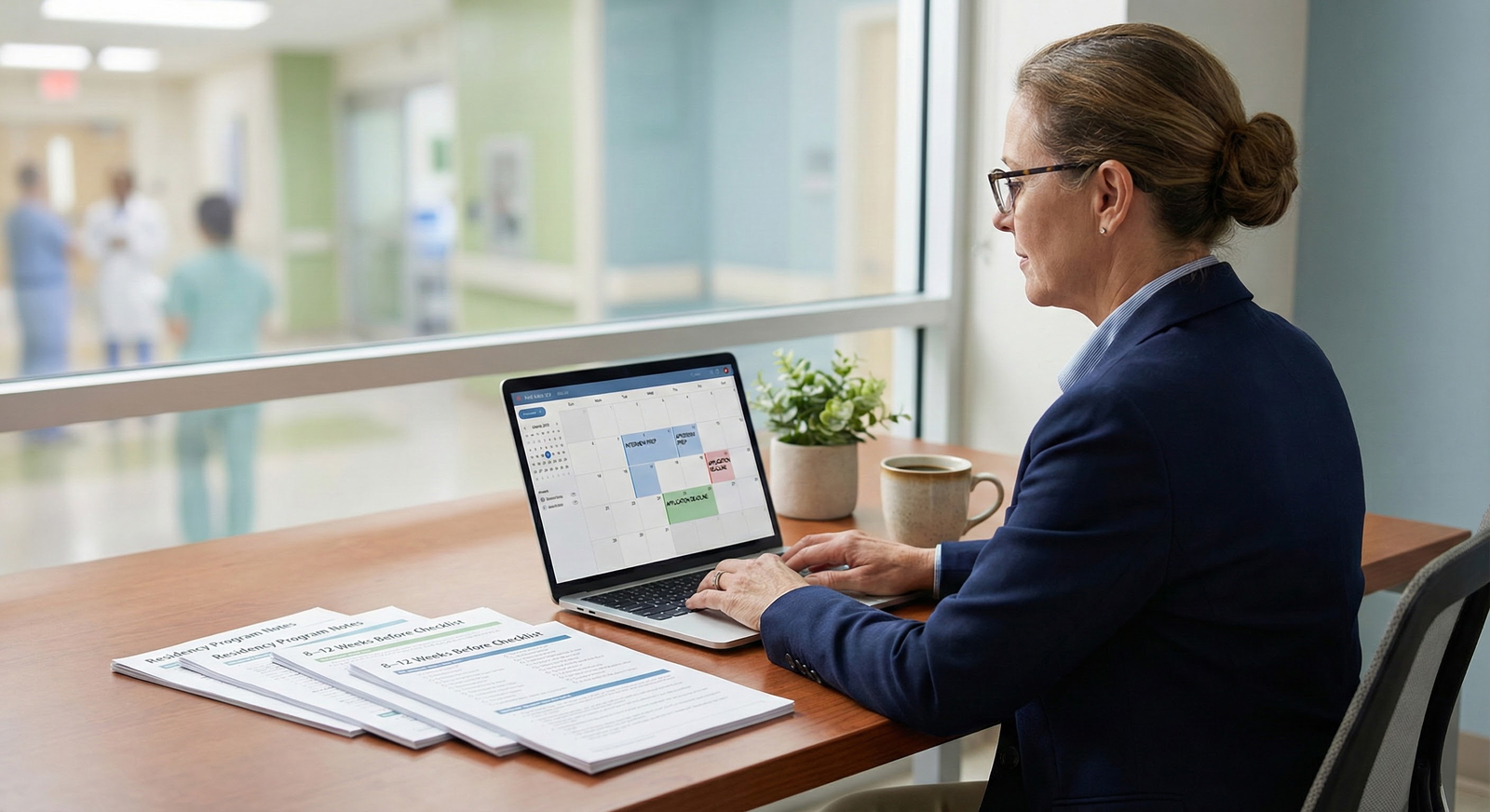
4. How early should I start residency interview preparation as a DO graduate?
Ideally:
2–3 months before interviews:
- Start clarifying your professional identity and core themes.
- Create a question bank and begin informal practice.
4–6 weeks before first interview:
- Schedule mock interviews with faculty or advisors.
- Build the first set of program snapshots and refine your answers.
1–2 weeks before each interview:
- Deep-dive into that program’s specifics.
- Review your ERAS application and personal statement.
Starting earlier spreads out the work and allows you to improve through feedback. For DO graduates balancing rotations and sub-internships, early, structured preparation dramatically reduces stress as interview season progresses.
Thoughtful, structured pre-interview preparation will help you present the best version of yourself—a capable, reflective DO graduate ready to contribute meaningfully to any residency program. By clarifying your story, researching programs deeply, practicing high-yield questions, and attending to logistics and wellness, you can walk into each interview with the confidence that you’re truly prepared.