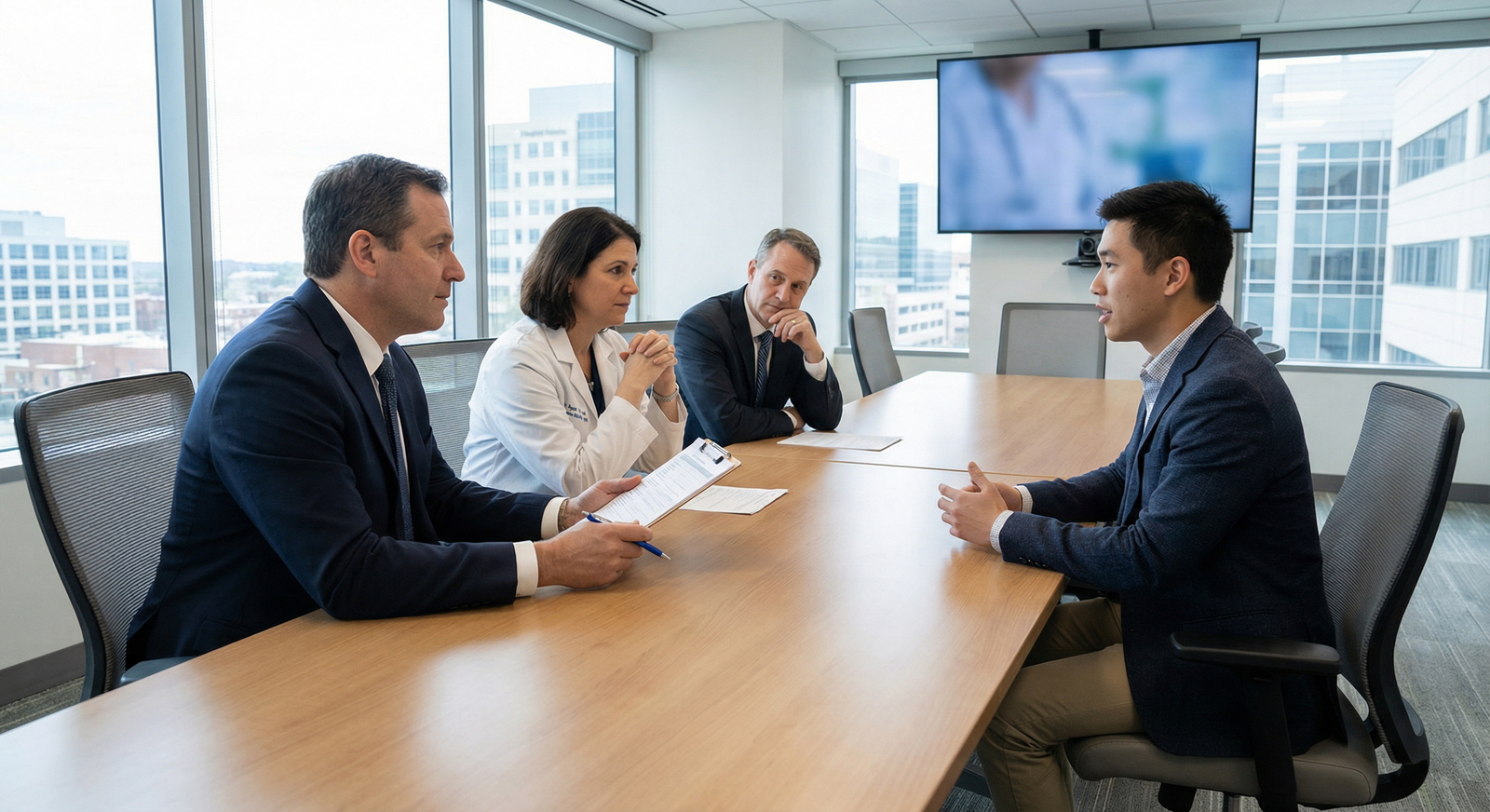
As a DO graduate aiming for a career in Addiction Medicine, the pre-interview period can feel like a high-stakes sprint at the end of a marathon. Yet what you do in the weeks before your residency interviews often matters as much as what you did during medical school. Strategic pre-interview preparation not only improves your performance—it also signals that you are mature, intentional, and ready for the demands of caring for patients with substance use disorders.
Below is a comprehensive, step-by-step guide tailored specifically to DO graduates interested in Addiction Medicine, including those considering a future addiction medicine fellowship. We’ll focus on the osteopathic residency match context and what makes this specialty’s interview expectations unique.
Understanding the Addiction Medicine Landscape as a DO Graduate
Before you dive into residency interview preparation, you need a clear mental map of where Addiction Medicine fits into your career trajectory as a DO.
The DO Graduate and Addiction Medicine
As a DO, you bring several strengths that align naturally with addiction care:
- Holistic perspective: Addiction is deeply biopsychosocial. Your osteopathic training in whole-person care translates directly into treating substance use disorders.
- Emphasis on empathy and communication: Motivational interviewing, trauma-informed care, and nonjudgmental listening are central to addiction medicine and are often emphasized in osteopathic education.
- Mind–body connection: Chronic pain, mental health, and substance misuse intersect; your OMM background and integrative mindset are strong assets.
Residency programs increasingly recognize the value of DO graduates, but you will still want to be prepared to highlight what your DO training adds to their team and to patient care.
How Addiction Medicine Fits in Your Career Path
Addiction Medicine is typically entered through a primary specialty such as:
- Family Medicine
- Internal Medicine
- Psychiatry
- Emergency Medicine
- Pediatrics (less common but possible)
- Obstetrics & Gynecology (in perinatal addiction care focus)
After primary residency, physicians often pursue an addiction medicine fellowship (ACGME-accredited) to deepen expertise. When interviewing for your initial residency, programs may ask about your long-term interest in an addiction medicine fellowship and substance abuse training. They want to see you have:
- Realistic expectations of the field
- Long-term commitment to caring for patients with substance use disorders
- A plan for how residency training will support that goal
Being clear about this during interviews shows direction without locking you into a rigid path.
Step 1: Researching Programs with an Addiction Medicine Lens
Thorough research is foundational for residency interview preparation, especially when you’re targeting programs with strong addiction medicine and substance abuse training opportunities.
Identify Addiction-Focused Features in Programs
As you review programs on ERAS, FREIDA, program websites, or specialty society lists, specifically look for:
Dedicated addiction medicine rotations or tracks
- Inpatient or consult services for substance use disorders
- Integrated addiction clinic or low-barrier MAT (medication-assisted treatment) clinic
- Dual-diagnosis (substance use and mental illness) services
Faculty with addiction expertise
- Presence of addiction medicine board-certified faculty
- Faculty leadership roles in community or state-level addiction initiatives
- Publications in addiction science, harm reduction, or substance use policy
Opportunities for advanced training
- On-site or affiliated addiction medicine fellowship
- X-waiver / buprenorphine training (now evolving but still relevant historically)
- Subspecialty clinics: perinatal substance use, adolescent addiction, pain and addiction, co-occurring disorders
Institutional and community context
- Programs in regions heavily impacted by the opioid epidemic or rising stimulant use
- Partnerships with community recovery organizations, methadone clinics, drug courts, or syringe service programs
Create a spreadsheet to track key details for each program (rotations, faculty, clinics, fellowships, call schedule, patient population). This will both guide your ranking strategy and provide material for targeted interview questions.
Understand Program Expectations of DO Graduates
For each program, learn:
DO friendliness
- Historical number of DO residents
- DO faculty in leadership or teaching roles
- Statements on their website about welcoming DOs, holistic review, or osteopathic recognition
Osteopathic recognition (if applicable)
- Some programs have ACGME osteopathic recognition and may explicitly value OMM and osteopathic principles.
- If a program has this, be ready to discuss how you’ve applied osteopathic principles in addiction-related scenarios (e.g., chronic pain, anxiety, withdrawal-related discomfort).
Document 2–3 program-specific points you can mention during your interview and a few tailored questions you can ask. This instantly signals thoughtfulness and genuine interest.

Step 2: Building Your Personal Narrative for Addiction Medicine
Residency interview preparation is not just about memorizing answers—it’s about understanding and articulating your story.
Clarify Your “Why” for Addiction Medicine
Programs often ask about your interest in Addiction Medicine even if the interview is for a primary residency like Internal Medicine or Family Medicine. Reflect on:
Pivotal experiences
- A clinical rotation where you managed opioid use disorder, alcohol withdrawal, or stimulant intoxication
- A patient encounter that changed your perspective on stigma and addiction
- Community work with recovery groups, shelters, or harm reduction services
Values that align with addiction care
- Nonjudgmental listening
- Patience with chronic, relapsing conditions
- Advocacy for marginalized populations
- Comfort with complexity and interdisciplinary care
Long-term vision
- Do you see yourself as a primary care physician with a strong addiction focus?
- Planning to pursue an addiction medicine fellowship?
- Interested in academic work, teaching, or policy in addiction care?
Write a 2–3 paragraph personal summary for yourself that weaves together background, motivations, and goals. This becomes the backbone for answers to questions like:
- “Tell me about yourself.”
- “Why this specialty?”
- “Why are you interested in addiction medicine?”
Integrating Your DO Identity
Expect at least some programs to ask about your DO background (especially if they’ve traditionally had more MDs than DOs). Prepare concise ways to highlight:
How osteopathic philosophy (body-mind-spirit unity, structure-function relationship) shapes your approach to:
- Patients with chronic pain on long-term opioids
- Patients experiencing withdrawal-related physical symptoms
- Patients with high levels of psychosocial stress contributing to substance use
Examples where OMM or osteopathic thinking assisted your care of patients with:
- Co-occurring musculoskeletal pain and addiction
- Somatic manifestations of anxiety or trauma
You don’t need to overstate OMM utilization, but showing that your DO training gives you a richer biopsychosocial framework will distinguish you.
Step 3: Mastering Core Residency Interview Questions (with an Addiction Focus)
Many DO graduates ask how to prepare for interviews in a way that feels structured but not robotic. The best approach is to practice common interview questions residency programs ask, but tailor them to your Addiction Medicine interest.
Common General Questions to Prepare For
“Tell me about yourself.”
- Structure: present → past → future
- Present: Who you are now (DO graduate, interested in Addiction Medicine)
- Past: Key experiences that led to this interest
- Future: Your career goals (potential addiction medicine fellowship, clinical focus)
“Why this specialty?” (e.g., Family Medicine, Internal Medicine, Psychiatry)
- Link the specialty’s strengths (continuity, complexity, mental health integration) to addiction care.
- Explain why that specialty is the best foundation for addressing substance use disorders.
“Why our program?”
- Mention 2–3 specific addiction-related features:
- Addiction consult team
- Elective options
- Faculty mentor you want to work with
- Add general program strengths: education structure, patient volume, culture.
- Mention 2–3 specific addiction-related features:
“What are your strengths and weaknesses?”
- Choose strengths relevant to addiction care: empathy, communication, team collaboration, comfort with challenging conversations.
- For weaknesses, pick something genuine but improvable (e.g., “taking on too many projects at once”) and describe what you are doing to improve.
“Tell me about a time you had a conflict or ethical dilemma.”
- Have at least one example involving substance use or related stigma if possible (e.g., disagreement about pain management, bias toward a patient with suspected diversion).
Addiction-Specific Interview Questions to Practice
Programs supporting strong substance abuse training may ask:
- “Tell me about a challenging patient with a substance use disorder and how you approached their care.”
- “How do you think stigma affects people with addiction, and how do you address that as a physician?”
- “What is your understanding of harm reduction?”
- “How do you balance managing pain and avoiding misuse in clinical practice?”
- “What role do you see medications for addiction treatment (e.g., buprenorphine, methadone, naltrexone) playing in your future practice?”
Prepare structured responses:
- Context: Briefly set up the situation.
- Action: What you did and why.
- Reflection: What you learned and how it informs your future practice.
This approach (similar to the STAR method) keeps your answers organized and insightful without sounding rehearsed.
Step 4: Practicing Behavioral & Ethics-Based Scenarios
Addiction care sits at the intersection of clinical medicine, ethics, and public health. Expect behavioral and situational questions designed to test judgment and professionalism.
Example Scenarios to Prepare For
Nonadherence or Relapse Scenario
- Scenario: A patient on buprenorphine relapses and tests positive for fentanyl.
- Interview prompt: “How would you handle this situation?”
- Focus on:
- Nonjudgmental communication
- Safety assessment (overdose risk, co-ingestions)
- Exploring triggers; adjusting treatment plan rather than “firing” the patient
Stigma from Colleagues
- Scenario: A colleague refers to patients with addiction in derogatory terms.
- Interview prompt: “How would you respond?”
- Focus on:
- Professionalism and maintaining a respectful environment
- Addressing stigma calmly, possibly in private
- Grounding response in evidence and empathy
Pain Management and Opioid Requests
- Scenario: A patient with chronic pain and prior opioid misuse asks for an opioid refill.
- Interview prompt: “Walk me through your approach.”
- Focus on:
- Reviewing records, PDMP, risk assessment
- Discussing alternative treatments and functional goals
- Shared decision-making and clear boundaries
Resource-Limited Setting
- Scenario: You’re in a setting without easy access to addiction specialists or MAT.
- Interview prompt: “How do you support patients with substance use disorders in this environment?”
- Focus on:
- Using available community resources
- Screening, brief intervention, and referral to treatment (SBIRT)
- Advocacy and creative problem-solving
Practicing these aloud will help you speak confidently and coherently under pressure.
Step 5: Document Review and Portfolio Preparation
Pre-interview preparation also means knowing your own file better than anyone else.
Re-Read Your Application Materials
Before each interview, review:
- ERAS application (experiences, descriptions, timelines)
- Personal statement (especially anything related to addiction medicine)
- Research abstracts, posters, or publications
- Letters of recommendation (if you have access or remember key details)
Identify any areas that might prompt deeper questions:
- Gaps or leaves of absence
- Step/Level examination performance patterns
- Switches in specialty interest
- Major life events or geographic changes
Prepare concise, honest explanations that:
- Acknowledge the issue
- Demonstrate insight
- Show growth and resolution
Prepare an Addiction-Focused “Portfolio” in Your Mind
Have a list of specific, ready-to-discuss examples:
- 3–4 meaningful patient encounters involving substance use
- 1–2 research or quality improvement projects related to addiction, mental health, or population health
- Volunteer experiences with high-risk populations (homelessness, incarceration, HIV/hepatitis C prevention)
- Leadership or advocacy roles in addiction awareness, naloxone distribution, mental health initiatives
This “portfolio” will fuel multiple answers without you scrambling to think of an example on the spot.

Step 6: Communication Skills and Mock Interviews
No amount of reading replaces practice. Deliberate rehearsal is central to residency interview preparation, especially when discussing sensitive topics like addiction, trauma, and stigma.
Conduct Mock Interviews
Arrange mock interviews with:
- Your medical school’s career services or advisor
- Addiction medicine mentors or faculty
- Residents in the specialty you’re applying to
- Trusted peers who will give honest feedback
Ask them to include:
- Standard residency questions
- Addiction medicine–specific clinical and ethical scenarios
- Questions probing your DO background and osteopathic approach
Record at least one session (audio or video) and review:
- Clarity of answers
- Filler words (“um,” “like”)
- Body language (posture, eye contact, fidgeting)
- Ability to stay within 1–2 minutes per answer
Refine Your Communication Style
Aim for a tone that is:
- Professional but warm
- Nonjudgmental when discussing patients with addiction
- Confident but not arrogant
- Reflective and open to learning
Avoid:
- Overly technical or jargon-heavy explanations when simple language will do
- Judgments about patients (“noncompliant,” “difficult”) without context
- Absolute statements about controversial topics (e.g., “no one should ever be on opioids long term”)—instead, discuss nuance.
Step 7: Logistics, Technology, and Appearance
Details matter. Poor logistics or technical issues can undermine an otherwise strong interview.
Virtual Interview Setup
Many programs now use virtual or hybrid formats. Prepare by:
- Testing your internet connection, camera, and microphone
- Choosing a quiet, well-lit, neutral background
- Positioning the camera at eye level
- Turning off notifications and closing unrelated browser tabs
Do at least one full mock interview using the same platform (Zoom, Microsoft Teams, Thalamus, etc.) the program will use.
Professional Attire and Body Language
For all formats:
- Wear conservative, professional attire (suit or equivalent).
- Ensure your white coat (if used) is clean and well-fitting.
- Maintain good posture and natural eye contact (look at the camera when talking).
- Use nods and brief verbal cues (“I see,” “That makes sense”) to show engagement.
Because you may discuss emotionally heavy topics (overdose, trauma, relapse), be mindful of your facial expressions—avoid appearing dismissive or overly casual when describing serious situations.
Step 8: Preparing Thoughtful Questions for Programs
Programs almost always ask if you have questions for them. This is where your research and genuine interest in Addiction Medicine can really stand out.
Questions Tailored to Addiction Medicine and DO Training
Consider asking:
- “How are residents involved in the care of patients with substance use disorders across inpatient and outpatient settings?”
- “What opportunities are there for formal substance abuse training during residency, such as dedicated rotations, electives, or longitudinal experiences?”
- “Do residents work with any addiction medicine fellows or specialized addiction teams?”
- “Are there mentorship opportunities with faculty who are board-certified in addiction medicine?”
- “How does the program support DO graduates in integrating osteopathic principles into the care of patients with addiction and chronic pain?”
- “Is there support for residents interested in pursuing an addiction medicine fellowship after graduation?”
Avoid questions that can be easily answered by the website alone (e.g., “How long is your residency?”). Instead, anchor your questions in what you’ve already learned from their materials and are curious to explore further.
Step 9: Mindset, Stress Management, and Professionalism
Pre-interview preparation is not just about content—it’s about maintaining the physical and emotional stamina to perform well repeatedly.
Managing Anxiety and Burnout
You are entering a field where secondary trauma and emotional fatigue are real. Showing that you already practice self-care and resilience is a plus.
In the days before interviews:
- Maintain a regular sleep schedule
- Eat regularly and stay hydrated
- Use relaxation strategies (breathing exercises, mindfulness, brief movement breaks)
- Limit doom-scrolling through online forums that increase anxiety rather than offer real insight
If asked about stress management, you can:
- Share non-patient-identifying, healthy coping strategies
- Emphasize boundary setting and team support
- Avoid suggesting maladaptive coping (e.g., “I just work until it’s done, no matter what”)
Professional Behavior Before and After Interviews
Programs notice everything:
- Email tone when confirming or rescheduling interviews
- Punctuality (arrive 10–15 minutes early for virtual platforms)
- Respect shown to coordinators and staff, not just faculty
- Thoughtful, well-proofread thank-you emails within 24–48 hours after interviews
In those thank-you notes, briefly:
- Mention something specific from the conversation
- Reaffirm your interest, particularly in addiction-related offerings
- Express appreciation for their time and information
FAQs: Pre-Interview Preparation for DO Graduate in Addiction Medicine
1. As a DO graduate, do I need to explain or defend my osteopathic degree during residency interviews?
You don’t need to defend your degree, but you should be prepared to explain how your DO training enhances your approach to patient care. Focus on how osteopathic philosophy—whole-person care, mind–body connection, and structural-functional relationships—helps you manage patients with substance use disorders, chronic pain, and co-occurring mental health issues. If a program has less experience with DOs, calmly and confidently describe your training and any osteopathic recognition experiences you’ve had.
2. How much addiction-specific experience do I need before interviews to be taken seriously?
There is no minimum quota of addiction rotations or research. Programs understand that not all schools have abundant addiction medicine options. What matters is that you:
- Can articulate why addiction care matters to you
- Have at least a few meaningful clinical encounters or projects involving substance use
- Demonstrate curiosity and humility about what you still need to learn
If your direct experience is limited, emphasize transferable skills and your plans to seek out substance abuse training during residency.
3. What if I’m not 100% sure I want an addiction medicine fellowship—should I still talk about it?
It is acceptable to say you are strongly considering addiction medicine fellowship training without committing absolutely. Programs prefer candidates with a sense of direction, but they also understand that interests evolve. Frame it as: you are interested in further addiction training, you value programs that will expose you to that field, and you’re open to how your interests may refine over time.
4. How can I stand out in interviews when many applicants are interested in Addiction Medicine now?
You stand out by combining authenticity, reflection, and specificity:
- Share concrete patient stories (de-identified) that shaped your thinking
- Demonstrate nuanced understanding of stigma, harm reduction, and chronic disease models of addiction
- Show how your DO background informs your holistic approach
- Ask thoughtful, program-specific questions about addiction training
Above all, programs remember candidates who are both compassionate and realistic about the challenges and rewards of caring for individuals with substance use disorders.
By systematically preparing in these areas—program research, personal narrative, behavioral scenarios, mock interviews, logistics, and mindset—you will enter your residency interviews not just as a candidate trying to match, but as an emerging physician ready to contribute meaningfully to the field of Addiction Medicine.