Understanding the Radiology Residency Interview Landscape as a DO Graduate
Diagnostic radiology is one of the most competitive specialties, and as a DO graduate, you face an additional strategic layer: navigating perceptions about osteopathic training while showcasing your unique strengths. Thoughtful pre-interview preparation can significantly improve your performance and your chances in the diagnostic radiology match.
Before you begin your residency interview preparation, clarify three realities:
- Competition is high. Radiology programs receive far more applications than they can interview. If you’re invited, you’ve already cleared a major hurdle.
- Being a DO is a differentiator, not a disadvantage—if you frame it correctly. You bring osteopathic principles, strong physical diagnosis skills, and often a patient-centered mindset that programs value—especially in imaging specialties that require multidisciplinary communication.
- Radiology interviews evaluate more than intellect. Programs are assessing:
- Trainability and work ethic
- Communication skills with clinicians and patients
- Professionalism and maturity
- Fit with their learning environment and culture
Your goal: arrive at interview day (virtual or in-person) with a well-rehearsed story, a compelling radiology narrative, and the confidence to handle common interview questions residency programs ask—especially in diagnostic radiology.
Step 1: Clarify Your Radiology Story and DO Identity
Build Your “Why Radiology?” Narrative
Every diagnostic radiology match interview will test whether you have a clear, authentic reason for choosing the field. A vague answer like “I like anatomy and imaging” is not enough.
Create a 2–3 minute narrative that addresses:
Origin story
- When and how you first became interested in radiology
- A specific moment, case, rotation, or mentor that influenced you
- What you thought radiology was vs. what you learned it really is
What excites you about diagnostic radiology
- Solving diagnostic puzzles and complex cases
- Impact on patient care and management decisions
- Technology and innovation (AI, advanced imaging, interventional collaborations)
- Breadth of pathology and constant learning
Why radiology fits you personally
- Your learning style (visual, pattern recognition, organized)
- Your strengths (analytical thinking, attention to detail, communication)
- Your preferred work environment (team-based but focused, behind-the-scenes decision-maker)
Example “Why Radiology?” outline:
- Medical school: enjoyed anatomy, physiology, and pathophysiology
- Third-year: internal medicine and surgery revealed you loved working up complex diagnostic cases
- Radiology elective: realized radiologists were essential decision-makers, not just “picture readers”
- Case example: a subtle pulmonary embolism on CT in a young patient that changed management
- Conclusion: radiology aligns with your visual learning style, your desire to impact many patients daily, and your interest in technology and interdisciplinary collaboration
Practice this narrative until it feels natural, not memorized.
Integrate Your DO Background Seamlessly
Program directors want to know: Why a DO graduate residency candidate chose radiology, and how osteopathic training will enhance their work as a radiologist.
Prepare to address:
- Why you chose a DO school
- How osteopathic principles (holistic care, structure-function relationships, preventive focus) influence:
- Your approach to imaging indications
- Communication with referring physicians and patients
- Understanding of musculoskeletal and functional anatomy
Sample response element:
“My osteopathic training emphasized understanding the patient as a whole—how structure and function interact, and how imaging fits into that broader picture. In radiology, that translates to being thoughtful about imaging appropriateness, correlating studies with physical findings and clinical context, and working collaboratively with clinicians to choose the right modality.”
Prepare a concise 1–2 minute “DO identity” statement that you can adapt when interviewers ask:
- “Why did you choose a DO school?”
- “What does osteopathic training mean to you now?”
- “How will your DO background impact your work as a radiologist?”
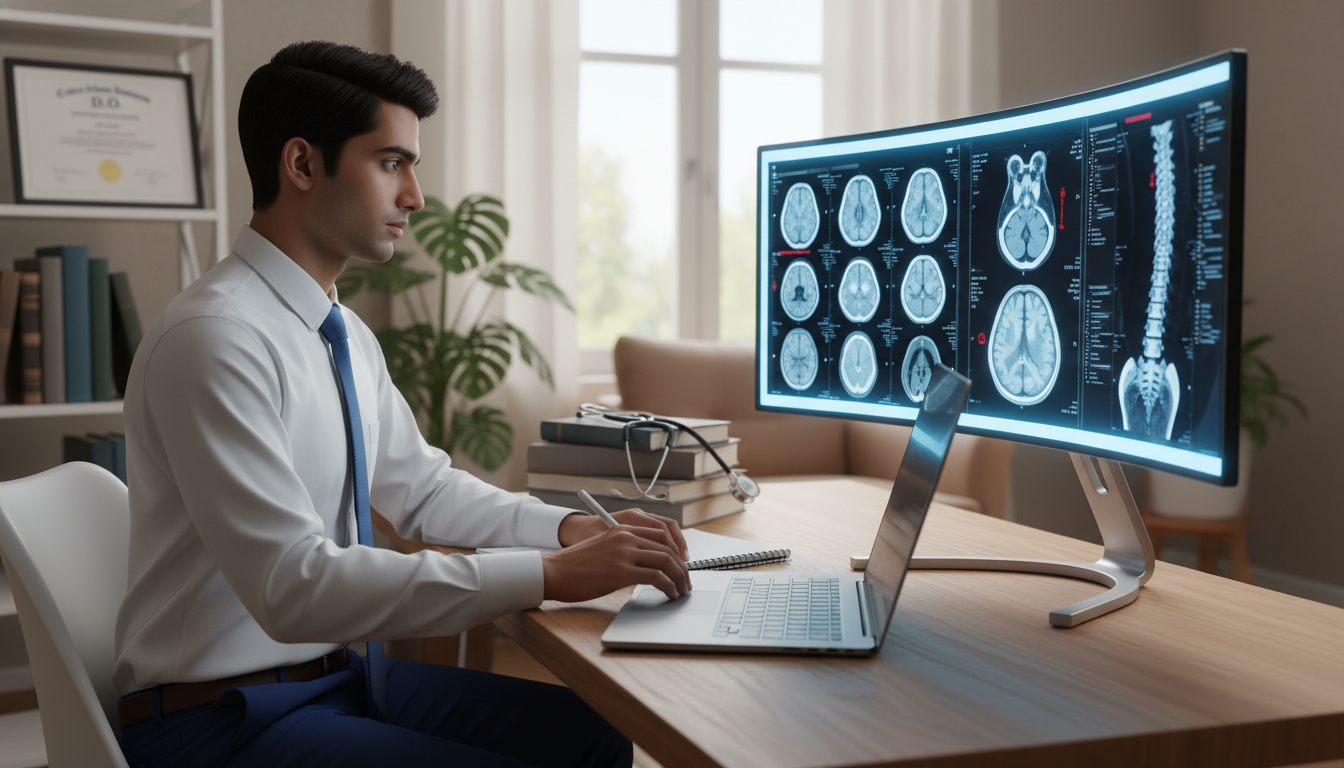
Step 2: Know Your Application and Radiology CV Inside Out
Prepare to Discuss Every Line of Your ERAS
In osteopathic residency match settings and the broader NRMP process, interviewers expect you to know your application in detail. Anything on your ERAS or CV is fair game.
Go through your application line-by-line and for every item, prepare:
- What you did
- What you learned
- How it relates to radiology or to being a resident
- A specific example or story you could share
Focus on:
Radiology-specific experiences
- Electives (diagnostic, interventional, subspecialties)
- Away/audition rotations (especially at ACGME programs or major academic centers)
- Radiology interest group leadership
- Radiology case conferences or presentations
Research and scholarly activity
- Any imaging, anatomy, AI, or outcomes-related projects
- Posters or presentations at radiology or osteopathic conferences
- Quality improvement projects involving imaging utilization
Be ready to summarize each project in 30–60 seconds:
- Research question
- Your specific role
- Methods in simple language
- Main takeaways or findings
- Skills gained (statistics, literature review, teamwork, persistence)
- Non-radiology experiences that still matter
- Leadership roles (clubs, committees, teaching)
- Volunteer work and community service
- Jobs before or during medical school
Translate these into radiology-relevant skills: communication, time management, resilience, ability to multitask—core attributes programs look for.
Anticipate Questions About Osteopathic Metrics and Exams
As a DO graduate, you may have COMLEX only or both COMLEX and USMLE. Prepare your talking points accordingly:
- If you took both COMLEX and USMLE, be ready to explain:
- Why you chose to take USMLE (e.g., broader program options)
- Any score trends (improvement, consistency)
- If you took COMLEX only, anticipate:
- Some programs may ask if you considered USMLE
- You can emphasize your performance on COMLEX and the way it reflects your knowledge base and work ethic
If you have any score irregularities, repeats, leaves of absence, or red flags:
- Acknowledge them honestly
- Explain briefly and professionally (no excuses)
- Emphasize what changed, what you learned, and objective signs of improvement
Example structure:
“During second year I had a significant family health issue that contributed to my initial COMLEX Level 1 score being lower than I wanted. Since then, I changed my study strategy, sought mentorship, and improved my time management. My Level 2 and clinical evaluations reflect those changes, and I feel better prepared for the rigors of residency.”
Step 3: Prepare for Common Diagnostic Radiology Interview Questions
Most interview questions residency programs ask fall into predictable categories. For diagnostic radiology and DO graduate residency candidates, you should rehearse both general and specialty-specific questions.
Core General Questions to Prepare
Tell me about yourself.
- 60–90 second professional summary
- Include: where you’re from, med school, major interests, why radiology, one personal detail
Why diagnostic radiology?
- Use your narrative from Step 1
Why our program?
- Evidence you researched them:
- Case mix (trauma, oncologic, pediatrics, neuro, MSK)
- Strengths (research, subspecialty exposure, early independence)
- Culture (resident wellness, teaching style, location, support)
- Evidence you researched them:
Tell me about a challenge you faced and how you handled it.
- Use the STAR framework (Situation, Task, Action, Result)
- Choose examples that show resilience, professionalism, and growth
Describe a time you made a mistake.
- Own it; avoid blaming others
- Focus on what you learned and how you changed your approach
How do you deal with stress or burnout?
- Concrete strategies (exercise, hobbies, social support, time management)
- Show self-awareness and healthy coping mechanisms
Where do you see yourself in 5–10 years?
- Potential subspecialties of interest (e.g., neuroradiology, MSK, IR)
- Teaching, research, or community practice interests
- Keep some flexibility; programs like open-mindedness
Radiology-Specific Questions to Anticipate
What do you think a radiologist’s role is in patient care?
- Consultative role to clinicians
- Impact on diagnosis, procedures, and management decisions
- Communication with teams and sometimes with patients
- Quality and safety in imaging (radiation dose, appropriateness criteria)
Tell me about a radiology case that impacted you.
- Briefly describe patient, clinical scenario, imaging findings
- Highlight your thought process and what you learned
- Emphasize teamwork between radiology and other services
What challenges do you foresee in radiology in the future?
- Growth of AI and machine learning
- Imaging overutilization vs. value-based care
- Burnout and workload management
- Need for radiologists to stay clinically engaged and visible
How do you feel about AI in radiology?
- Balanced answer: AI as a tool, not a replacement
- Opportunities: triage, detection, efficiency
- Need for radiologists to oversee, interpret, and integrate into clinical context
Have you considered interventional radiology? Why or why not?
- Honest reflection
- Highlight why diagnostic radiology is your priority
- Acknowledge overlap and collaboration
DO-Specific and Background Questions
- Why did you choose an osteopathic school?
- How has OMM/osteopathic training influenced your view of imaging?
- How do you explain osteopathic medicine to patients or colleagues?
Prepare responses that show pride in your DO identity while reinforcing your readiness for allopathic/ACGME environments.
Practice answering these questions out loud—ideally with:
- A mentor (radiology faculty, program director, or advisor)
- A resident in radiology or another competitive specialty
- A peer doing a mock interview with you
Record yourself (video or audio) to review body language, pacing, and clarity.
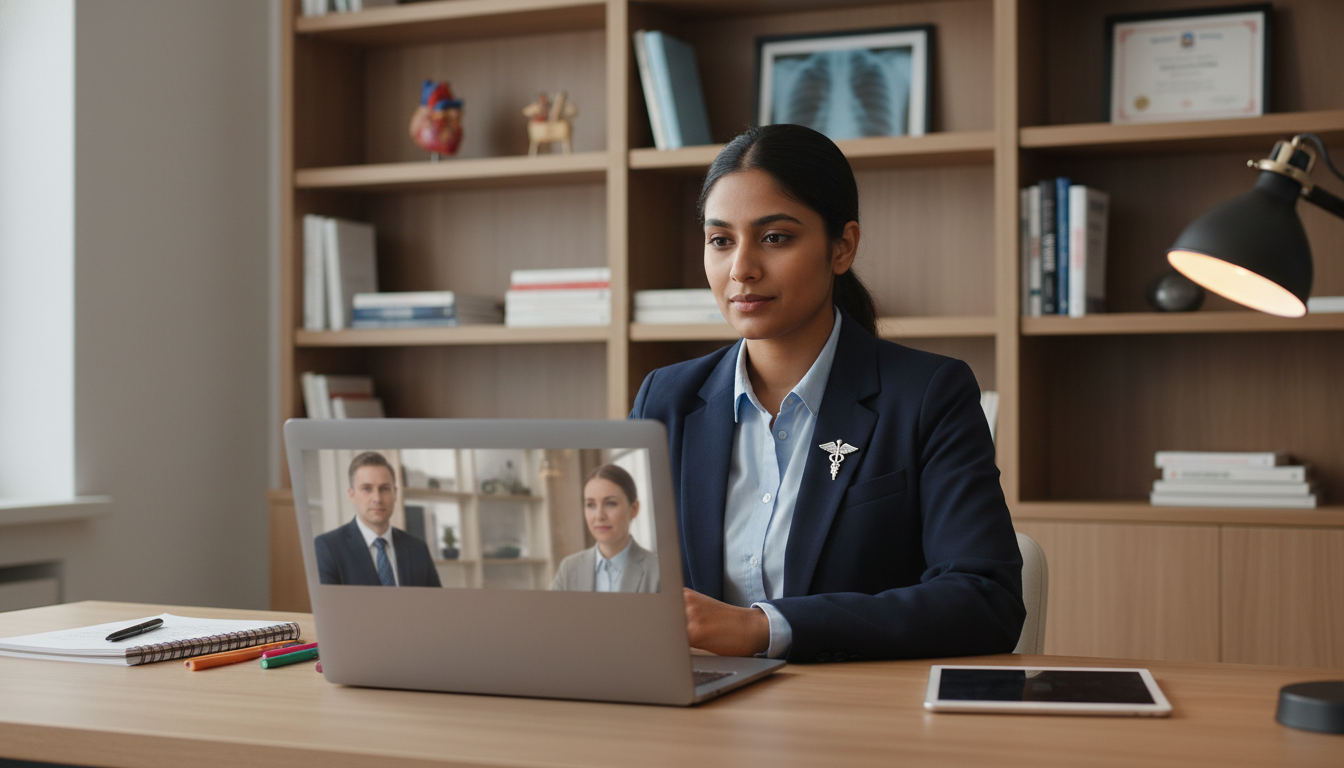
Step 4: Master the Logistics – From Technology to “Fit” Signals
Whether your interviews are virtual or in-person, your pre-interview preparation must include logistics. These small details strongly influence first impressions.
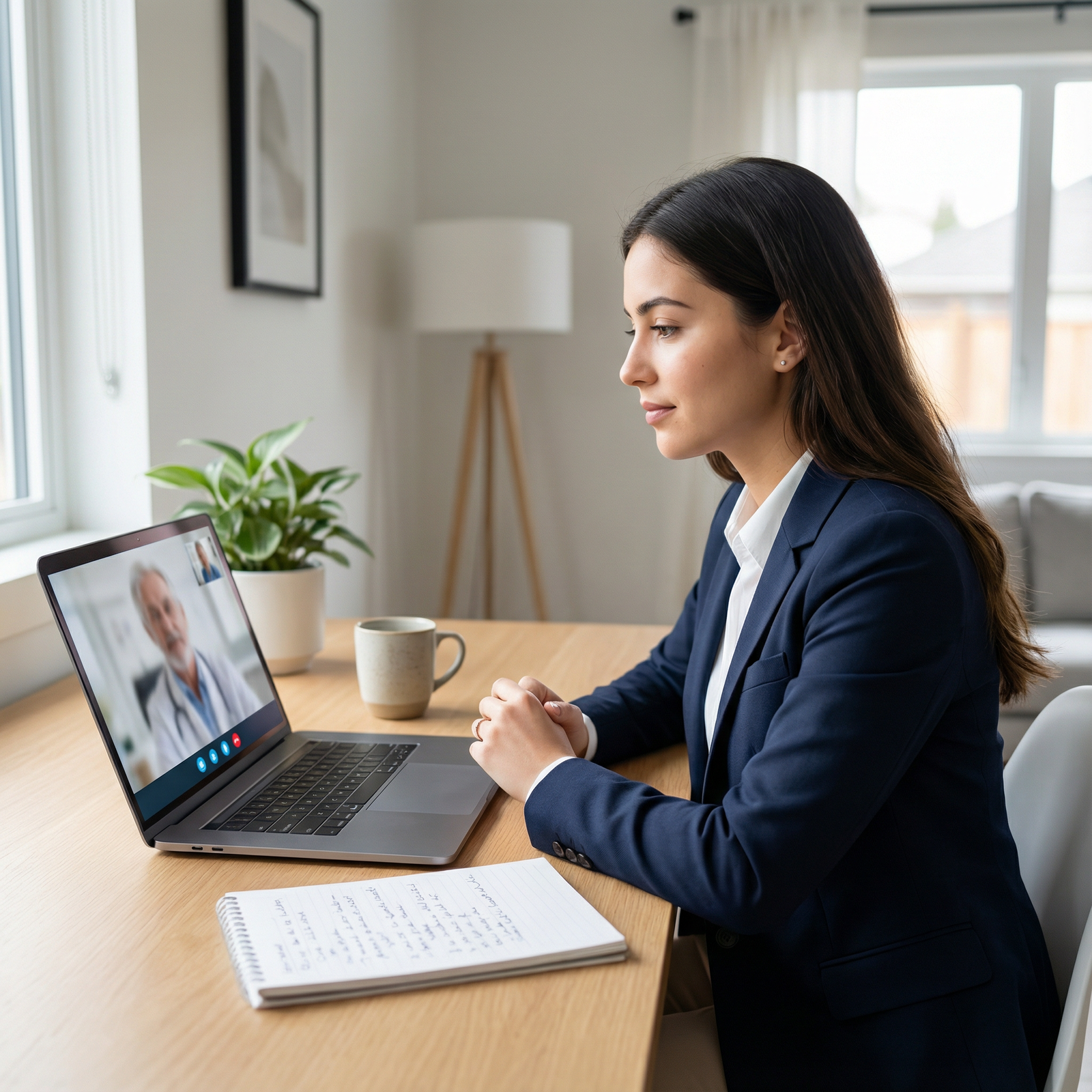
For Virtual Interviews
Technology Check
- Stable internet connection (consider wired if possible)
- Test your webcam and microphone well in advance
- Use a laptop or desktop—not a phone
- Confirm the platform (Zoom, Thalamus, Webex, Teams) and update software
Environment
- Quiet, private space where you won’t be interrupted
- Neutral, uncluttered background (bookshelf, plain wall, simple art)
- Good front-facing lighting (avoid harsh backlight from windows)
Professional Appearance
- Dress as if in-person: suit or professional attire
- Avoid busy patterns or overly bright colors that may be distracting
Practice with the Setup You Will Use
- Do at least one full mock interview using the same camera, mic, and environment
- Check how you look on screen, your eye level, and your posture
For In-Person Interviews
Travel Planning
- Arrive the night before
- Build in time for delays, weather, or traffic
- Confirm hotel, directions, and parking in advance
What to Bring
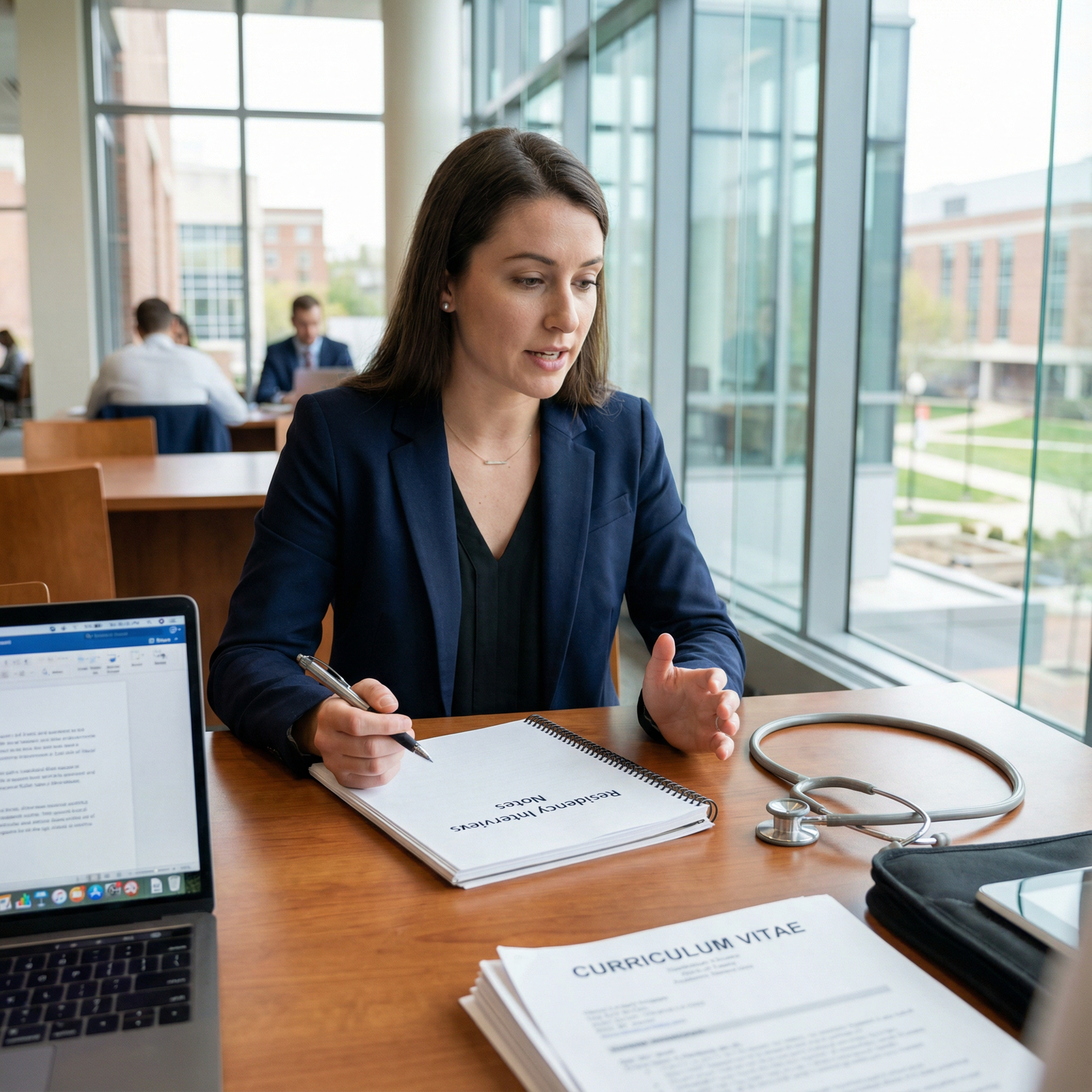
- Printed copies of your CV and personal statement
- Notepad and pen
- Program-specific questions list
- A small folder or portfolio to keep everything organized
Professional Behavior Throughout
- Everyone you meet—coordinators, residents, faculty, drivers—is part of the impression
- Be on time, or early
- Stay engaged and respectful throughout the entire day
Signal “Fit” Through Your Questions
Programs increasingly pay attention to the questions you ask. These reflect your maturity, priorities, and understanding of radiology training.
Prepare tailored questions for:
Program Directors
- “How would you describe the culture of your program?”
- “How do you support residents who are interested in academic vs. community careers?”
- “What changes do you anticipate in your program over the next 3–5 years?”
Faculty
- “How do residents receive feedback on their reads?”
- “What distinguishes graduates of this program in fellowship applications or the job market?”
- “How do you integrate DO graduates into your teaching and mentorship structure?”
Residents
- “What does a typical day look like for a first-year radiology resident here?”
- “How approachable are faculty for questions during readouts?”
- “What do you wish you had known before starting here?”
- “How has the program supported you through stressful rotations or life events?”
Avoid questions that are easily answered on the website or in handouts (salary, minor benefits) during formal interviews. Those can be clarified with the coordinator if needed.
Step 5: Mental, Emotional, and Strategic Preparation as a DO Applicant
Confidence and Imposter Syndrome Management
As a DO graduate in a competitive field like radiology, it’s common to feel you need to “prove” yourself. Pre-interview preparation should include mindset work:
- Review your achievements: rotations, Step/COMLEX, research, letters
- Remember that an invitation means the program sees you as a viable candidate
- Rehearse positive self-talk before each interview day
If you had an osteopathic residency match path in mind initially but pivoted more strongly into ACGME radiology programs, be prepared to explain your evolving interests without sounding indecisive.
Strategy for Multiple Interviews
Create a Program Spreadsheet
- Date and time
- Interview format (virtual vs. in-person)
- Names/roles of interviewers (if available)
- Main strengths of program
- Key questions you want to ask
- Your post-interview impressions
Customize Preparation for Each Program
- Review their website and social media
- Look at faculty interests and resident backgrounds
- Note any DO graduates currently in or recently from the program
Post-Interview Reflection
- Immediately after each interview, jot down:
- Your overall impression
- Pros and cons
- How well you felt you fit with residents and faculty
- Any red flags
- Immediately after each interview, jot down:
These notes will help you construct your rank list rationally rather than purely emotionally later.
Handling “Curveball” or Ethical Questions
Radiology interviews may include:
- “What would you do if you saw a critical finding and the clinician dismissed your concern?”
- “Tell me about a time you dealt with a difficult colleague or team member.”
- “How would you handle a situation where you are behind on your list during a busy call?”
Use the same STAR approach and emphasize:
- Patient safety
- Clear communication
- Seeking help appropriately
- Professionalism and humility
Step 6: Final 72-Hour Checklist Before Each Interview
Use this concise checklist to structure your final pre-interview preparation:
72 hours before:
- Review the program’s website and any materials they sent
- Revisit your personal statement, ERAS, and radiology CV
- Refresh your “Why radiology?” and “Why this program?” answers
48 hours before:
- Confirm logistics (links, times, time zones, travel if applicable)
- Lay out or pack your interview attire
- Prepare your question list for PDs, faculty, and residents
24 hours before:
- Do a brief mock run-through (10–15 minutes) of core questions
- Check your tech (virtual interviews): camera, mic, background
- Plan something relaxing in the evening; sleep is part of preparation
Morning of:
- Eat something light
- Review 3–5 key talking points you want programs to remember about you
- Remind yourself: you’ve done the work—now focus on connection and authenticity
FAQs: Pre-Interview Preparation for DO Graduates in Diagnostic Radiology
1. As a DO graduate, do I need to approach radiology residency interview preparation differently than an MD?
The fundamentals of residency interview preparation are the same: know your application well, articulate your motivation for radiology, and show professionalism and fit. As a DO graduate, add two targeted elements:
- Be prepared to clearly explain your osteopathic training and how it benefits you as a radiologist.
- If you have COMLEX only or different exam timing, be ready with a concise, confident explanation.
Your goal isn’t to apologize for being a DO; it’s to show how your DO background complements your radiology ambitions.
2. How can I stand out in the diagnostic radiology match as a DO applicant?
Standing out comes from clarity, consistency, and authenticity, not gimmicks. You can distinguish yourself by:
- Having a strong and specific radiology narrative (rotations, mentors, cases)
- Demonstrating evidence of commitment: research, electives, case conferences, radiology interest group roles
- Showing excellent communication skills—radiologists must communicate clearly with clinicians and patients
- Being well-prepared with thoughtful questions that reflect an understanding of radiology training
Many programs have DO graduates and value their contributions. Show that you can thrive in their environment and contribute positively to their residency community.
3. What are the most important interview questions residency programs will ask for radiology?
While every program is different, you should be ready for:
- “Tell me about yourself.”
- “Why diagnostic radiology?”
- “Why our program?”
- “Tell me about a radiology case that impacted you.”
- “Describe a challenge or failure and what you learned.”
- “How do you see AI affecting radiology?”
If you perform well on these core questions—clear, concise, and reflective—you immediately demonstrate readiness and maturity.
4. How early should I start residency interview preparation for radiology?
Begin light preparation as soon as you submit ERAS:
- Draft your “Why radiology?” and “Tell me about yourself” answers
- Review your application for any potential red flag topics
- Start thinking about program-specific questions
Intensive practice (mock interviews, question drills) should start once you begin receiving interview invites, usually several weeks before your first interview. This allows your skills to peak during the main interview season rather than too early.
Thoughtful, structured pre-interview preparation will help you present yourself as a confident, capable DO graduate ready for the demands of diagnostic radiology residency. Combine a clear radiology story with pride in your osteopathic identity, meticulous logistical planning, and genuine engagement with each program, and you’ll be well-positioned to succeed in the diagnostic radiology match.