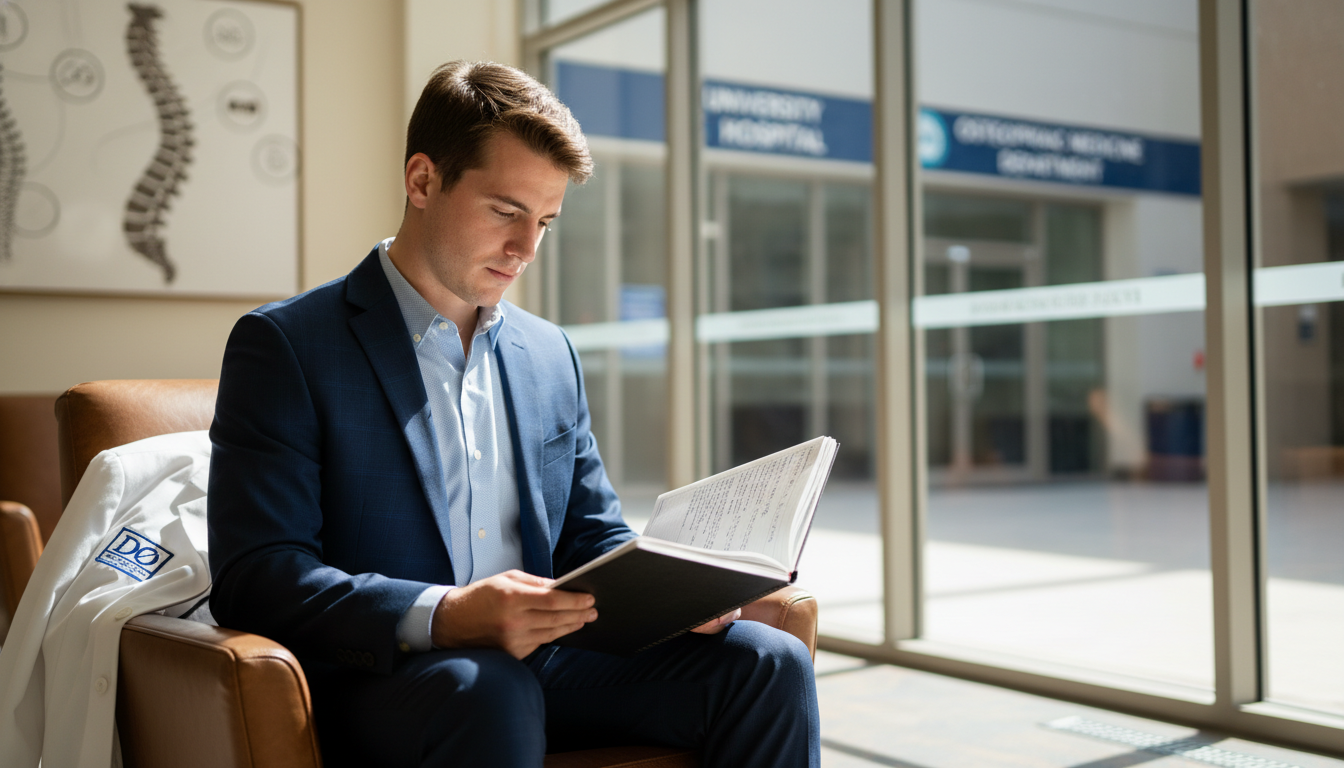
Understanding the In-Person Residency Interview as a DO Graduate
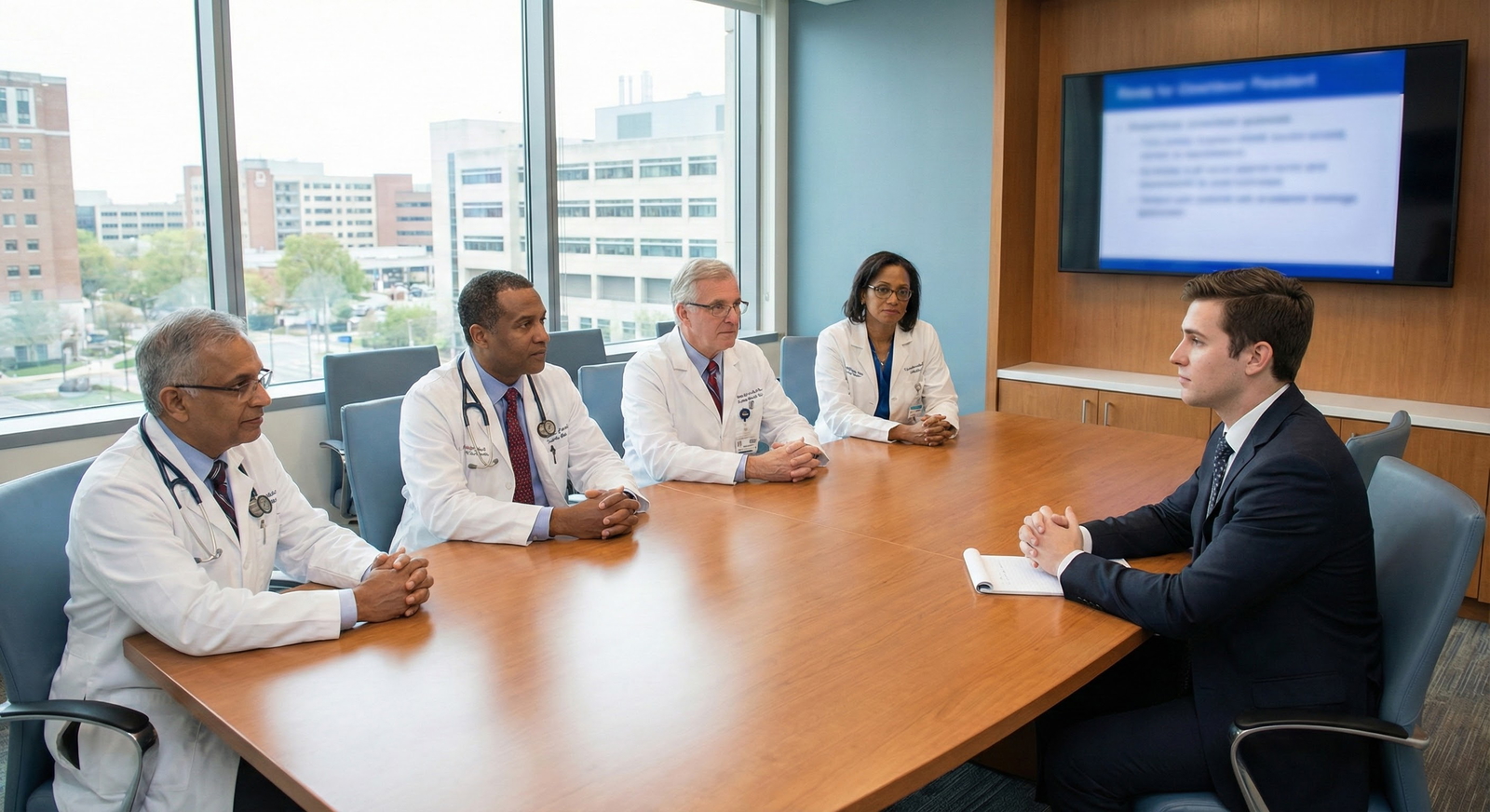
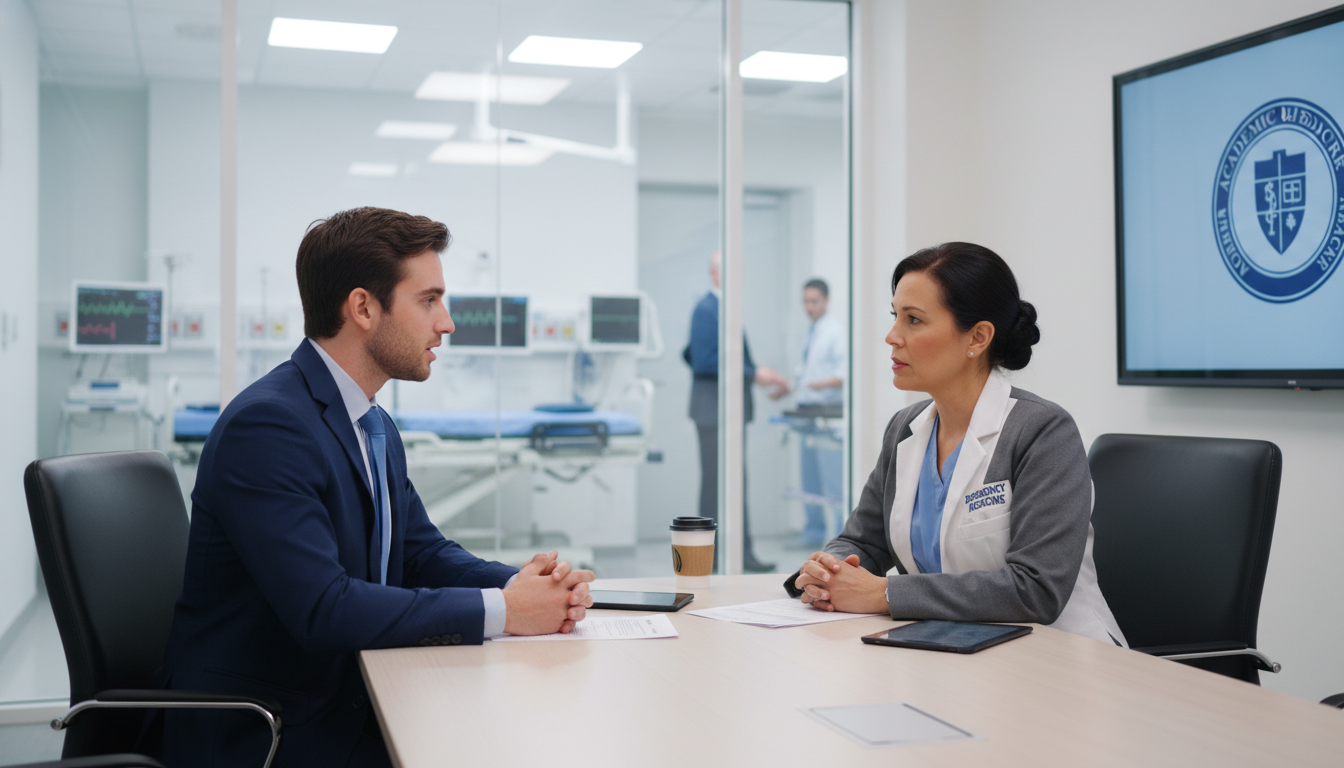
For a DO graduate, the in person residency interview is much more than a conversation—it is a high-stakes assessment of your clinical readiness, professionalism, and fit with the program’s culture. Programs already know you are academically qualified; interview day is about confirming whether they want you as a colleague for the next three to seven years.
As a DO, you also carry a distinct training background and philosophy. Many program directors appreciate osteopathic graduates for their communication skills, holistic approach, and strong clinical exposure—but you may still face questions about your DO degree, COMLEX vs. USMLE, and your career goals. A deliberate, structured interview strategy will help you turn your osteopathic identity into a strength.
This guide focuses on practical, step-by-step in-person interview strategies specifically tailored for a DO graduate residency applicant, including:
- How to prepare in the weeks before interview day
- What to expect on interview day itself
- How to navigate questions unique to osteopathic residency match candidates
- Interview day tips on body language, logistics, and follow-up
- Exactly what to wear interview day (with DO-specific nuances if you’re interested in osteopathic programs)
Throughout, you’ll find actionable advice, examples, and checklists you can use immediately.
Pre-Interview Preparation: Setting Up Your Strategy
In-person interviews reward preparation. The more you prepare ahead of time, the more calm, confident, and authentic you’ll feel.
1. Know Your Application Better Than Anyone Else
Assume every sentence of your ERAS application is fair game. Before your first in person residency interview:
- Re-read your ERAS application, personal statement, and experiences section line by line.
- For each activity, prepare to answer:
- Why did you do this?
- What did you learn?
- How did you grow or change?
- How does this relate to residency in this specialty?
Create a simple preparation document with:
- Top 5 clinical stories that demonstrate:
- Teamwork
- Leadership
- Resilience
- Ethical judgment
- Patient-centered care
- 2–3 examples where you:
- Managed conflict on a team
- Dealt with a difficult patient or family
- Made or witnessed an error and learned from it
As a DO graduate, intentionally include at least one story that highlights:
- Use of osteopathic principles (holistic care, body-mind-spirit)
- A time when OMM/OMT improved a patient’s pain, function, or satisfaction, if relevant to your training
Those examples help you answer “Why DO?” or “How has your osteopathic training shaped you as a clinician?” with real evidence.
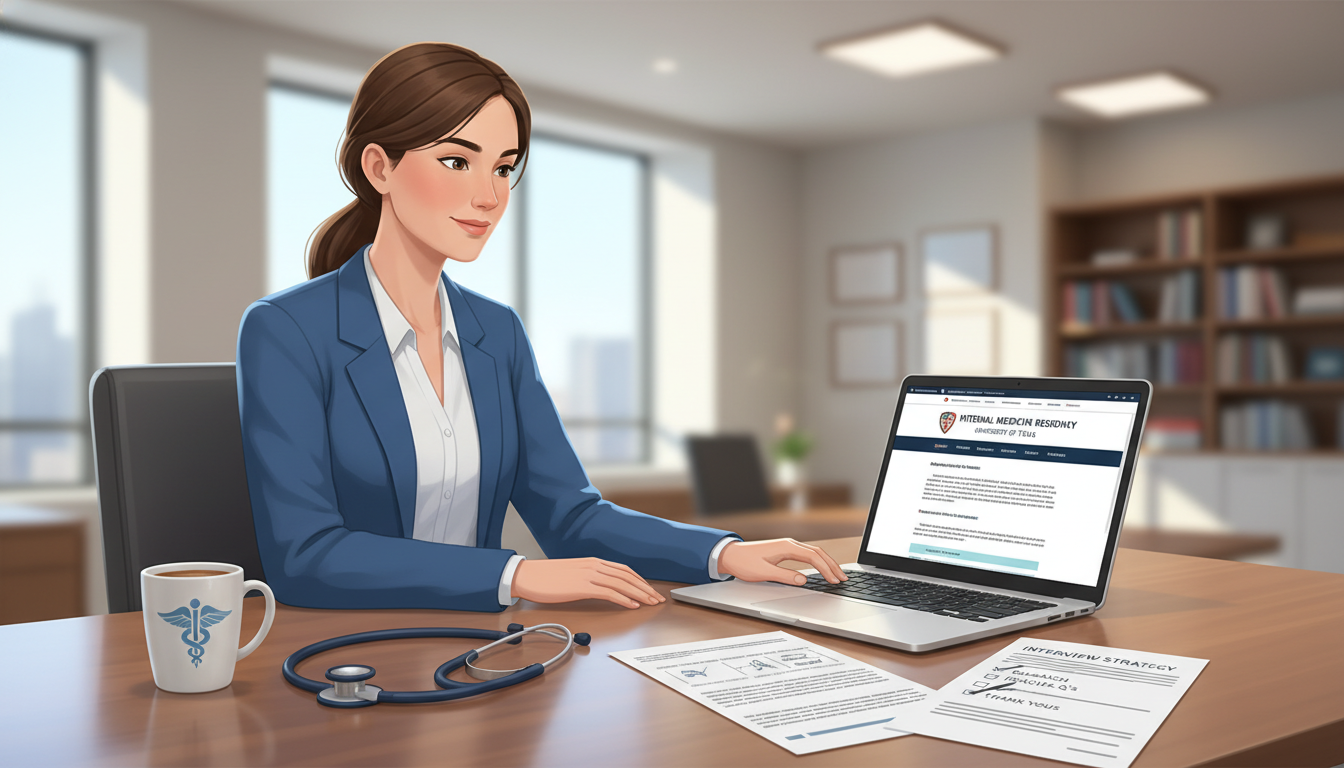
2. Research Each Program with Purpose
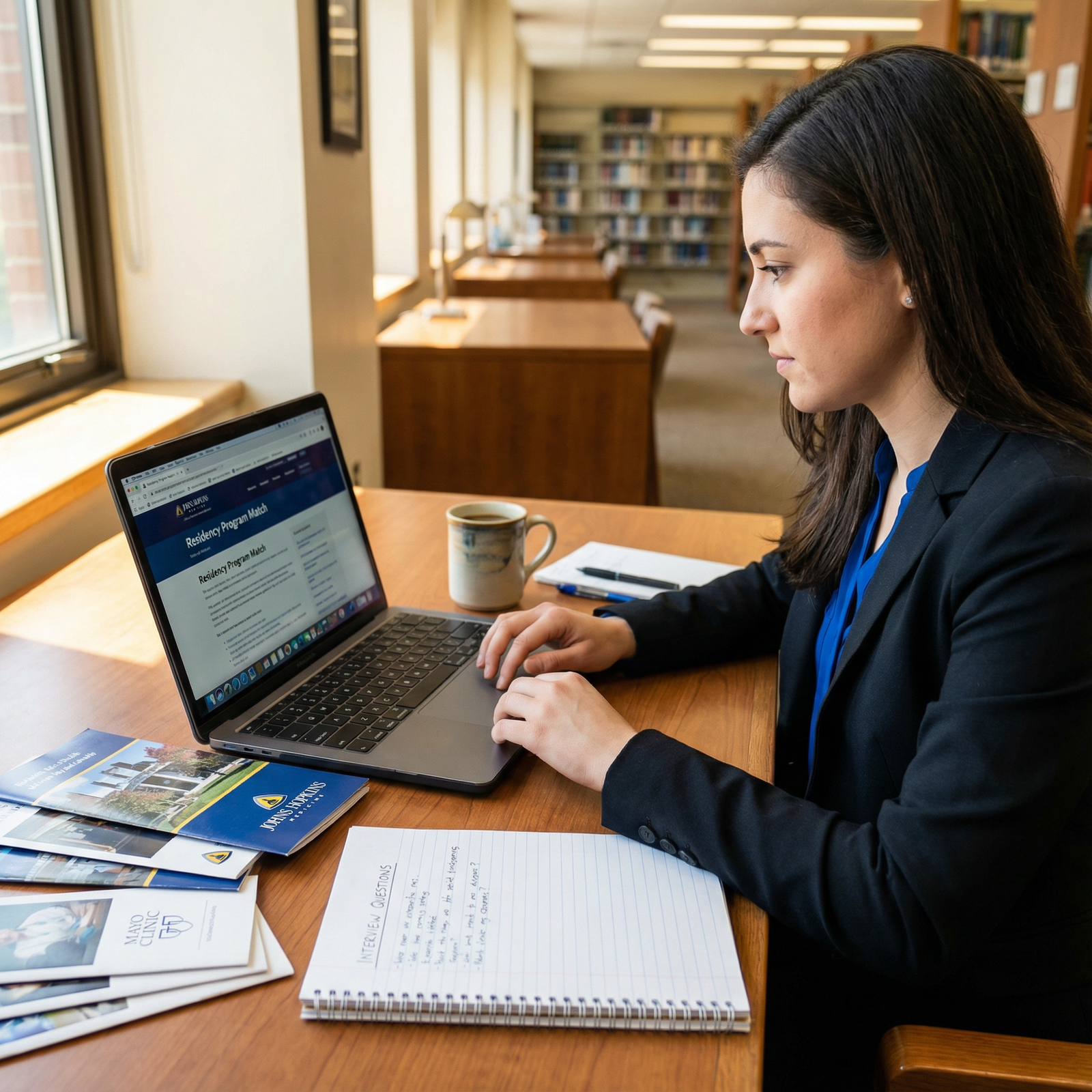
Program research isn’t about memorizing every attending’s name—it’s about understanding fit and showing genuine interest.
For each program, identify:
- Program priorities:
- Does the website emphasize community care, research, underserved populations, or procedural volume?
- Osteopathic presence:
- Is this a former AOA/osteopathic program?
- Are there DOs in leadership or on faculty?
- Are there DO residents in recent classes?
- Curriculum structure:
- Rotations at your level of interest (e.g., critical care, outpatient continuity, subspecialty electives)
- Special tracks (global health, medical education, research, ultrasound, etc.)
Then, write down:
- 2–3 specific, program-tailored reasons you’re interested (“I noticed your emphasis on…”)
- 3–4 genuinely curious questions that can’t be answered from the website:
- “How do DO graduates typically integrate into your program?”
- “What opportunities exist here for teaching medical students?”
- “How does the program support residents preparing for subspecialty fellowships?”
Use a simple “Program One-Pager” for each program:
- Program name and date of interview
- Pros/Cons you’ve identified
- Your tailored “Why this program?” bullets
- Names/roles of people you’re likely to meet (PD, PC, chief residents if listed)
This structure will keep your answers consistent and intentional across a busy interview season.
3. Clarify Your Specialty and Career Story
Program directors want to know why this specialty, and why now. As a DO graduate, you might also be asked: “Why did you choose a DO school?” or “How has your osteopathic training influenced your decision to pursue this specialty?”
Prepare 2 concise narratives:
“Why this specialty?” (60–90 seconds)
- One or two early exposures that drew you in
- A key patient or rotation that confirmed your interest
- What you enjoy day to day in this field
- How your strengths align with the specialty’s demands
“Why DO / how has osteopathic training shaped you?” (45–60 seconds)
- Your original motivation for choosing a DO program (philosophy, access to primary care, holistic care, etc.)
- A concrete way your training changes how you interact with patients (e.g., whole-person history taking, functional assessment, communication style, OMT cases if relevant)
- How you see that benefitting this residency and its patients
Example (Internal Medicine applicant, DO graduate):
“I chose internal medicine because I enjoy complex problem-solving and longitudinal patient relationships. As a medical student, I was drawn to the satisfaction of following a patient from ED admission through stabilization, education, and discharge planning. In my sub-internship, I loved being the point person coordinating care between consultants, nursing, and social work.
My DO training has reinforced a holistic, systems-based way of thinking about patients. I’m used to asking not just, ‘What is the diagnosis?’ but, ‘What are this patient’s functional goals, family supports, and barriers to care?’ That mindset, plus the communication skills emphasized at my osteopathic school, will help me integrate quickly into a patient-centered IM team.”
Logistics and Professional Presentation: Getting the Basics Right
The easiest way to sabotage an excellent interview is to get the basics wrong: timing, appearance, and energy management. These are controllable factors—use them to your advantage.
1. Mastering Travel and Timing
For an in person residency interview, treat logistics like a clinical procedure: have a plan, backup plan, and contingency.
- Arrive in town the day before, ideally by mid-afternoon:
- Reduces the risk of flight delays or weather issues
- Gives time to rest, organize, and check your route
- Stay within 20–30 minutes of the interview site:
- Aim for a reliable hotel or short-term rental in a safe area
- Ask the program coordinator if they recommend specific hotels or parking lots
- On interview day:
- Plan to arrive 20–30 minutes early at the site
- Account for traffic, parking, and walking time
- If you’re unusually early, wait in your car or a nearby café to center yourself
Pack the night before:
- Interview outfit ready and pressed
- Printed copies of your CV and a one-page “Program Notes” sheet
- Snacks and water (for breaks)
- A small notebook and pen
- Comfortable, professional shoes (you may walk a lot on tours)
If something truly unavoidable (weather, illness) threatens your arrival, email and call the program coordinator as early as possible. Professional, proactive communication can often preserve your standing.
2. What to Wear: Interview Day Attire for DO Graduates
“What to wear interview day?” is one of the most common questions applicants ask—and for good reason. Your attire should be professional and subtle, letting your words and character take center stage.
General principles for all genders:
- Conservative, well-fitted suit (dark navy, charcoal, or black)
- Minimal patterns; solid colors or subtle pinstripes
- Dress shirt or blouse in white, light blue, or light pastel
- Closed-toe dress shoes, polished and comfortable
- Limited, simple accessories (watch, simple earrings, small necklace if desired)
- Hair neat and away from face; nails clean and neutral
- Avoid heavy perfume/cologne; many hospitals are scent-sensitive
- Bring a professional bag or portfolio for papers, not a backpack if possible
If you anticipate being in an osteopathic or historically DO-heavy environment, you do not need anything different or “flashy” to highlight your DO degree. Your name badge, background, and conversation will convey that. Professionalism is universal.
For gender-specific nuances:
- Suit styles: Pantsuits or skirt suits are equally acceptable; choose what you move most comfortably in. If wearing a skirt, ensure it reaches around the knee when seated.
- Shoes: Low-to-moderate heels or flats are fine; prioritize stability. You may be walking on multiple floors during hospital tours.
- Jewelry and makeup: Conservative, professional; this is not the time for experimental styles.
Try on your full outfit—including shoes, bag, and coat—at least once before your first interview. Walk, sit, and stand in it. You want to forget about your clothes the moment the conversations begin.
3. Professional Demeanor from Door to Door
Assume from the moment you walk into the hospital or clinic parking lot, you are being observed. Many program directors ask staff—from front desk personnel to residents in the hallway—about their impressions of candidates.
Key behaviors:
- Hold doors and share elevators courteously
- Greet staff warmly with a “Good morning” and a smile
- Introduce yourself to residents and faculty clearly: “Hi, I’m Dr. [Name], fourth-year DO student from [School]. It’s great to meet you.”
- Put your phone away except during scheduled breaks; avoid scrolling in public areas
Your demeanor should reflect how you’d want your future colleague to behave. That matters as much as your answers.
During the Interview: Communication, Content, and Confidence
Once the in person residency interview starts, your goals are to connect as a future colleague, communicate clearly, and demonstrate self-awareness and teachability. DO graduates often excel in these domains; use that to your advantage.
1. Core Interview Question Types and How to Answer
Most interviews fall into a few categories:
a. Traditional Questions
Examples:
- “Tell me about yourself.”
- “Why this specialty?”
- “Why our program?”
- “What are your strengths and weaknesses?”
- “Where do you see yourself in 5–10 years?”
Strategies:
- Keep answers focused and structured (1–2 minutes)
- Use 2–3 key points with 1 short example
- Tie back to how you’d be an asset to the program
“Tell me about yourself” structure:
- Brief background (where you’re from, DO school)
- Key interests in medicine and training focus
- What you’re looking for in residency, leading to why you’re excited about this type of program
b. Behavioral Questions (“Tell me about a time…”)
Examples:
- “Tell me about a time you made a mistake in clinical care.”
- “Describe a conflict you had on your team and how you resolved it.”
- “Give an example of when you went above and beyond for a patient.”
Use the STAR method:
- Situation: Brief context
- Task: Your role/responsibility
- Action: What you did
- Result: What happened and what you learned
As a DO graduate, sprinkle in stories that show:
- Empathy and communication
- Whole-patient thinking
- Collaboration and humility
c. Questions about Your DO Background
Common prompts:
- “Why did you choose a DO school?”
- “Have you taken USMLE in addition to COMLEX?”
- “How has OMM/OMT influenced your approach, even if you don’t use it routinely?”
You are not defending your degree; you are explaining your formation as a physician.
Recommended approach:
- Keep a positive tone; avoid comparing DO vs. MD in a defensive way
- Emphasize:
- Holistic training
- Strong early clinical exposure
- Communication and physical exam skills
- If you took only COMLEX, be honest and prepared to explain why, and how you ensured your knowledge base matches the program’s expectations
Example:
“I chose a DO program because the philosophy aligned with how I view patient care—valuing the interconnectedness of body, mind, and environment. Through my DO training, I’ve become very comfortable with detailed musculoskeletal exams and building rapport quickly. Even when I’m not performing OMT, I’m routinely thinking about function, lifestyle, and social context in my care plans. I think that perspective benefits any residency environment.”

2. Nonverbal Communication and Presence
Content matters—but how you say it also matters.
Key nonverbal strategies:
- Posture: Sit upright, slightly forward, open shoulders
- Eye contact: Steady but not staring; include all interviewers in group interviews
- Hands: Natural gestures are fine; avoid fidgeting with a pen or badge
- Voice: Moderate volume, controlled pace; pause briefly before answering complex questions
If you tend to ramble when nervous:
- Take a breath and mentally outline your answer first: “Two main points come to mind…”
- End with a clear conclusion: “So overall, that experience taught me…”
Remember that residents are assessing, “Would I want to be on call with this person at 3 a.m.?” Warmth, composure, and respect often leave a stronger impression than perfect wording.
3. Asking Insightful Questions
You will almost always be asked, “What questions do you have for us?” Treat this as an opportunity, not a formality.
Good question topics:
- Resident support and wellness
- Feedback and evaluation style
- Autonomy and supervision
- Fellowship or career outcomes
- How DO graduates have done in the program historically
Examples tailored for DO graduate residency applicants:
- “What have you noticed about how DO graduates integrate into your program, and are there any supports you provide for different training backgrounds?”
- “How do you support residents who are interested in teaching, given my osteopathic school emphasized small group education?”
- “Can you describe a resident who has really thrived here and what made them successful?”
Avoid:
- Questions with answers clearly on the website (“How many residents do you take?”)
- Leading with salary or vacation questions in your first conversation with the PD (those are appropriate later if not addressed)
DO-Specific Considerations in the Osteopathic Residency Match
As a DO graduate, you are fully part of the unified NRMP match, but there are still nuances that matter, especially for certain specialties and programs.
1. Addressing COMLEX vs. USMLE
If you took both COMLEX and USMLE:
- Be ready to discuss any score gaps briefly, if asked, focusing on what you learned and how you adapted your study strategies.
- If your USMLE was lower, do not volunteer this negativity; answer honestly only if asked.
If you only took COMLEX:
- Some programs are fully comfortable with COMLEX-only applicants; others prefer or historically used USMLE. On interview day, if asked:
- Explain your initial decision (e.g., focus on COMLEX, cost, timing)
- Emphasize how you ensured your medical knowledge meets national expectations (question banks, shelf scores, strong clinical evaluations)
- Reassure them that you’ve performed well on COM-based assessments and are confident in managing their patient population.
Avoid sounding apologetic; focus on competence and preparation.
2. Highlighting OMM/OMT Appropriately
You do not need to demonstrate OMT techniques in an interview; this is about how that skill set shapes you.
For fields where OMT may be directly useful (FM, IM, PM&R, EM, pediatrics), you can say:
- “I enjoy using OMT especially for acute musculoskeletal complaints and headaches. In residency, I would love to explore whether there’s space to integrate these skills into continuity clinic, depending on patient interest and program policy.”
For fields where OMT is less central (radiology, pathology, anesthesiology):
- Emphasize:
- Your enhanced physical exam understanding
- How OMM training improved your anatomy, biomechanics, and patient communication skills
- Your comfort discussing functional and lifestyle aspects with patients and teams
3. Showing Adaptability Across Training Environments
Programs want to know you can thrive in MD-majority environments as well as DO-strong ones.
Ways to convey this:
- Mention positive experiences working with MD students and attending physicians
- Highlight comfort with multiple frameworks (e.g., osteopathic principles plus evidence-based guidelines)
- If you did away rotations at MD-heavy institutions, reference those experiences and what you learned
This reassures programs that your DO background is an asset, not a limitation.
After the Interview: Reflection, Communication, and Strategy
Your in person residency interview doesn’t end when you walk out the door. How you handle the hours and days afterward can sharpen your ranking strategy and leave a professional impression.
1. Immediate Post-Interview Reflection
Within 24 hours of each interview:
- Write down:
- Your overall impression (from “strongly consider” to “unlikely to rank”)
- Specific things you liked (faculty vibe, resident camaraderie, curriculum)
- Any red flags (resident burnout, disorganized day, lack of support)
- Names and roles of people you connected with
Ask yourself:
- “Would I be happy coming here on Match Day?”
- “Do I see residents here living the kind of life I want during training?”
- “Do they appear supportive of DO graduates?”
These notes will be invaluable when making your rank list months later.
2. Thank-You Emails: If and How to Send
Practices vary by program. Many do not require thank-you notes, but short, genuine messages can reinforce interest.
Guidelines:
- If sending, email within 48–72 hours
- Keep it brief (3–6 sentences)
- Mention:
- Specific topic you discussed
- Something you appreciated about the program
- A concise statement of your continued interest
Example:
Dear Dr. [Name],
Thank you for taking the time to speak with me during my interview at [Program]. I appreciated hearing about how your residents are supported in pursuing academic projects and leadership within the hospital. Our conversation reinforced my sense that this would be a fantastic environment to grow as an osteopathic internal medicine physician.
Sincerely,
Dr. [Your Name]
Do not promise to rank a program first in a generic thank-you. If you later decide to send a post-interview update or intent letter, keep it honest and check the program’s stated communication policy.
3. Protecting Your Energy Across Multiple In-Person Interviews
In-person travel is exciting but draining. To maintain performance:
- Build regular rest days into your interview schedule when possible
- Maintain simple routines:
- Hydration
- Regular meals
- Short walks or light exercise at hotels
- Create a portable, minimal packing list so you’re not reinventing the wheel each trip
If you feel an interview went poorly, resist over-analyzing. Use that experience to refine your responses and strategy for the next one, and move forward.
FAQs: In-Person Interview Strategies for DO Graduates
1. As a DO graduate, should I address my degree directly during the interview, or wait for the interviewer to bring it up?
It’s wise to be ready to address your DO background proactively but naturally. You don’t need to open with it, but when asked “Tell me about yourself,” or “Why did you choose your medical school?” you can briefly reference your DO training and how its philosophy aligns with your approach to patient care. If interviewers never specifically ask about DO vs. MD, you can still highlight how your training emphasized communication, holistic care, and musculoskeletal knowledge in your stories.
2. What if a program seems unfamiliar with COMLEX scores or asks mainly about USMLE?
Stay calm and professional. Explain succinctly how COMLEX is structured and what your performance indicates about your competence. If you took USMLE, you can reference those scores as well. If you did not, emphasize how you ensured your knowledge base is robust (use of national board-style question banks, shelf performance, strong clinical evaluations) and redirect the conversation to your clinical readiness and strengths. Avoid defensiveness; focus on reassurance and data.
3. How formal should I be during the resident social or pre-interview dinner for an in-person interview?
Resident socials are more relaxed, but they are still part of your evaluation. Dress business casual, avoid alcohol or limit to one drink if appropriate, and stay engaged and respectful. Ask residents about their real experiences, support systems, and lifestyle, but avoid gossip or negative comments about other programs or applicants. Residents often have significant influence in rank meetings; treat these events as an informal but important part of the interview.
4. If I feel I didn’t answer a question well, can I correct it later in the interview?
Yes—tactfully. If, later in the same interview, you realize you left out an important point, you can say: “I’ve been thinking more about your question earlier about [topic]. If it’s okay, I’d like to add one brief example that I think better reflects my experience.” Keep the addition concise. After the interview day ends, let it go; do not send lengthy emails trying to “fix” specific answers. Focus instead on performing well in subsequent interviews.
By approaching your in person residency interview with this level of preparation, clarity, and professionalism, you put yourself in a strong position as a DO graduate to succeed in the osteopathic residency match and beyond. Combine your unique osteopathic training with thoughtful strategy, and you’ll present as the kind of colleague faculty and residents will be excited to welcome on Match Day.