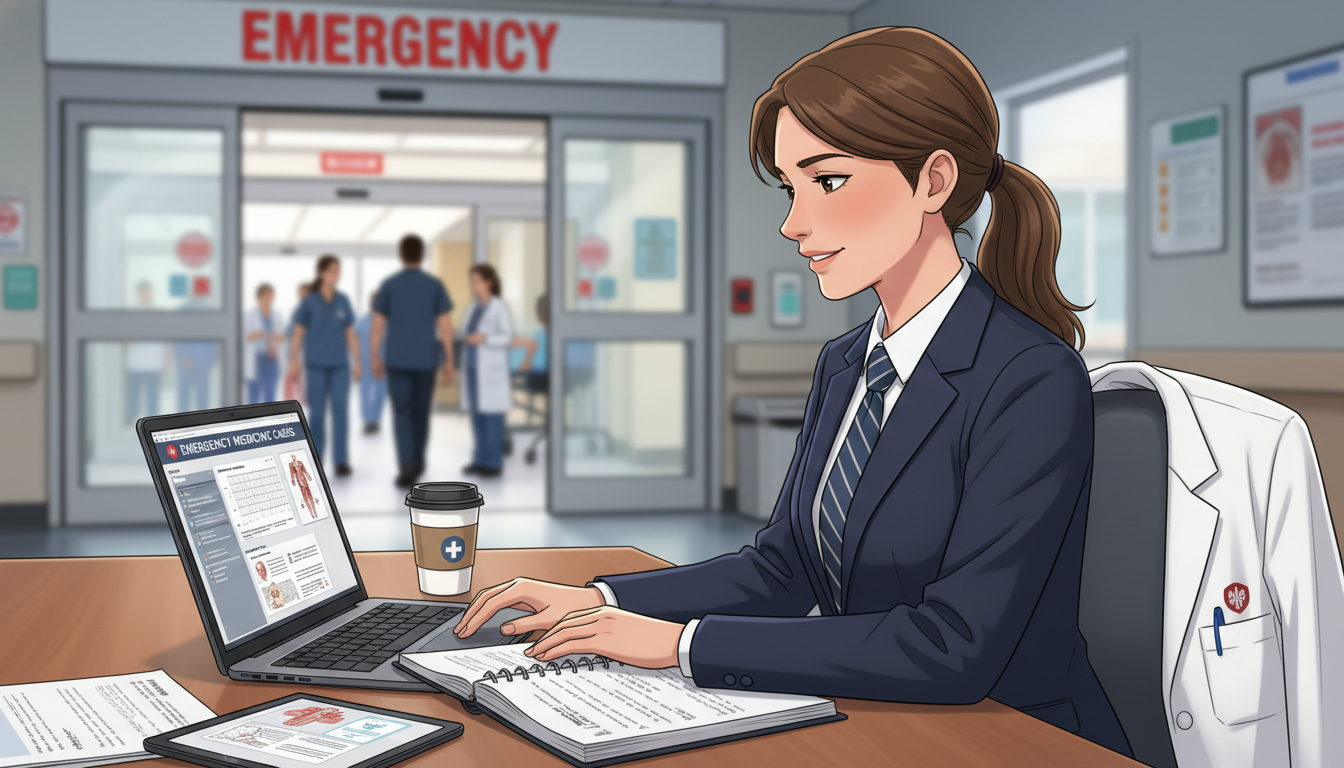
Understanding the Unique Nature of Emergency Medicine Interviews
Emergency medicine (EM) residency interviews have a distinct personality compared to many other specialties. Before you launch into residency interview preparation, it helps to understand what programs are really looking for and how that shapes your pre-interview strategy.
What EM Programs Look For
Across most EM programs, faculty and program leadership tend to emphasize:
- Teamwork and communication: Can you function effectively in a fast-paced, interprofessional environment?
- Adaptability under pressure: How do you handle uncertainty, interruptions, and high-acuity situations?
- Professionalism and reliability: Will you show up, follow through, and be someone the team can trust at 3 a.m.?
- Self-awareness and resilience: Do you recognize your limits, seek help appropriately, and process difficult events constructively?
- Fit with culture and mission: Are your values and career goals aligned with the program’s clinical environment and educational philosophy?
These themes should shape how you prepare for interviews, what stories you choose, and how you present yourself.
How EM Interviews Differ From Other Specialties
Many candidates report that EM interviews feel:
- More conversational: Less grilling, more back-and-forth discussion.
- Personality- and “fit”-heavy: People want to know if they would enjoy working with you on real ED shifts.
- Behavior-focused: You may get more scenario-based and behavioral questions (e.g., conflict, stress, errors).
- Systems-aware: Some programs emphasize EMS, disaster preparedness, operations, administration, or ultrasound—expect questions about these themes if they’re key to the program.
Understanding this helps you avoid over-focusing on obscure clinical trivia and instead prioritize strong narratives, professionalism, and interpersonal skills.
Building Your Pre-Interview Foundation: Personal Narrative and Application Review
Before you rehearse even one answer, audit your own story. Your application is the foundation of every conversation you’ll have on interview day.
Step 1: Know Your Own Application Cold
Interviewers frequently base questions on your ERAS application, MSPE, and letters. Prior to each interview:
Print or save a copy of your ERAS application and personal statement.
Highlight:
- EM rotations and sub-internships
- Research projects (especially completed or submitted work)
- Leadership roles and advocacy or volunteer work
- Unique experiences (gap years, prior careers, military, EMS roles, global health, significant hobbies)
For each highlighted item, prepare:
- 1–2 sentence summary of what you did
- What you learned and how it changed you
- Relevance to EM (teamwork, leadership, communication, resilience, systems thinking, etc.)
Actionable example:
If you listed “Volunteer EMT, 3 years”:
- Summary: “I worked as a volunteer EMT on a suburban 911 service for three years, running a mix of trauma and medical calls.”
- Learning: “I learned how to communicate with anxious patients and families at the scene, and how to operate within protocols while still thinking critically.”
- EM link: “This experience confirmed that I thrive in acute care settings and enjoy team-based, pre-hospital to ED transitions.”
Be prepared to explain anything that might raise questions:
- Step failures or lower scores
- Leaves of absence
- Course or clerkship failures
- Large gaps in activity
You don’t need a rehearsed monologue—just a clear, honest, concise explanation that shows insight and growth.
Step 2: Clarify Your EM Story and Motivations
Programs will almost certainly ask some version of:
- “Why emergency medicine?”
- “Tell me about your path to EM.”
- “How did you know EM was right for you and not [other specialty]?”
Develop a concise, authentic narrative:
Catalyst experiences:
- A formative ED rotation
- EMS or critical care work
- A particular patient or case that shaped your view of EM
Link to your values and strengths:
- Love of variety, problem-solving, acute care
- Desire to care for underserved or vulnerable populations
- Enjoyment of procedural work and team-based environments
Future vision:
- Urban vs. rural practice interests
- Academic vs. community goals
- Prehospital medicine, ultrasound, administration, global health, or medical education interests
Example structure:
- “I first became interested in EM when…”
- “I realized it aligned with my strengths in…”
- “Through my EM rotations, I saw that I’m particularly drawn to…”
- “Long-term, I hope to practice in X environment and contribute in Y way.”
Step 3: Align Your Personal Statement and Interview Answers
Consistency matters in the EM match. Faculty will often have read your personal statement right before meeting you.
- Re-read your personal statement before each interview.
- Note 3–4 key themes (e.g., community service, social EM, systems improvement, education).
- Prepare concrete examples and updates that expand on those themes rather than repeating your essay verbatim.
If you pitched yourself as passionate about social emergency medicine, be ready to:
- Discuss relevant projects, advocacy, or QI work.
- Talk about how you’d get involved in EM-related community initiatives as a resident.
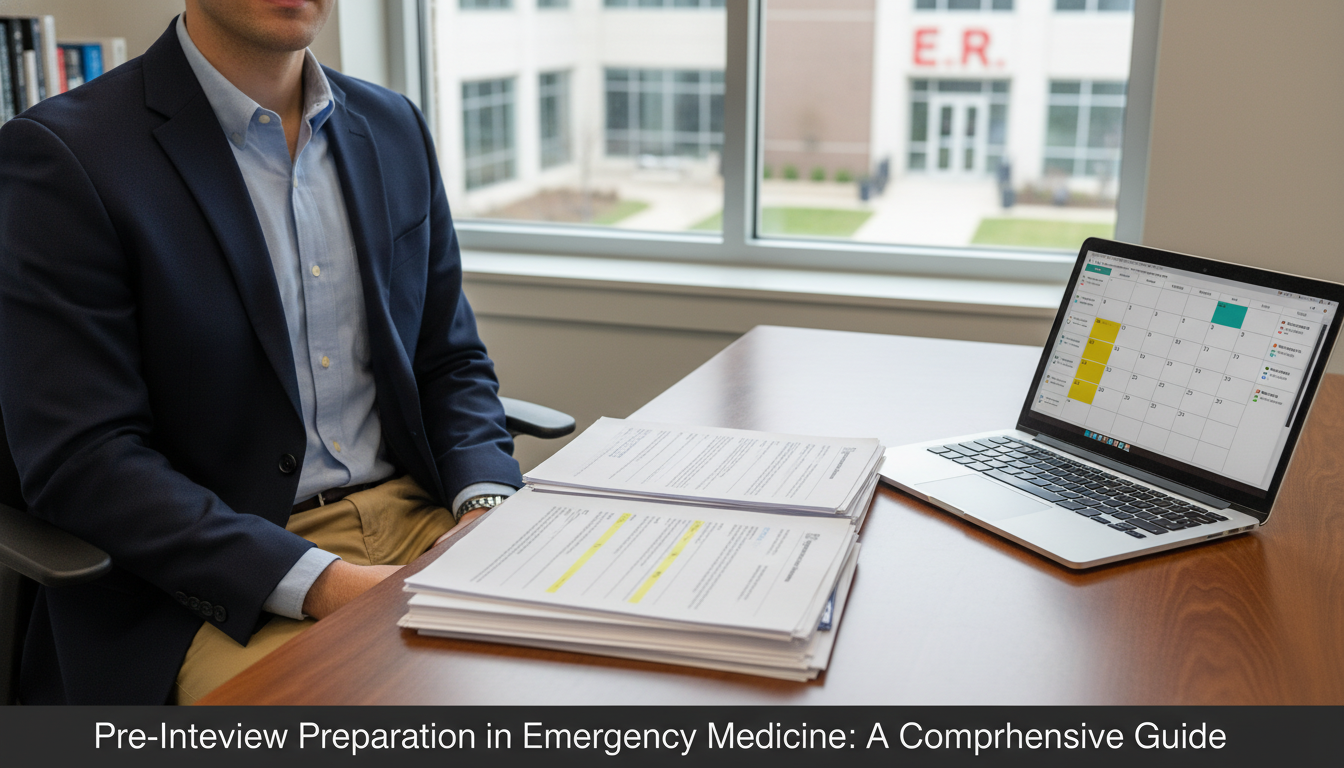
Program Research: Targeted Preparation for the EM Match
Strong residency interview preparation in EM goes beyond generic “Why this program?” answers. The best candidates appear informed, thoughtful, and purposeful.
Step 1: Research the Program and ED Environment
For each program on your EM match list, gather a concise “program snapshot”:
Program basics
- Size of residency (number of residents per year)
- 3-year vs 4-year structure
- Affiliated institutions (trauma centers, children’s hospitals, VA, community sites)
Clinical environment
- Annual ED volume and acuity (level I/II trauma center, stroke center, STEMI center, etc.)
- Urban, suburban, or rural setting
- Presence of separate peds ED, observation units, or fast-track areas
Educational and niche strengths
- Ultrasound, EMS, disaster medicine, toxicology, critical care, administration, global health, simulation, social EM, etc.
- Degree of formal didactics vs. bedside teaching
- Notable fellowship programs
Program culture and mission
- Emphasis on service to underserved populations
- Focus on academic careers vs. community practice
- Resident wellness initiatives and schedule design
Most of this information can be found on:
- Program websites and social media
- EMRA or CORD program guides
- Alumni or mentor opinions
- Third-party forums (use cautiously; confirm with reliable sources)
Step 2: Create a One-Page “Program Brief” for Each Site
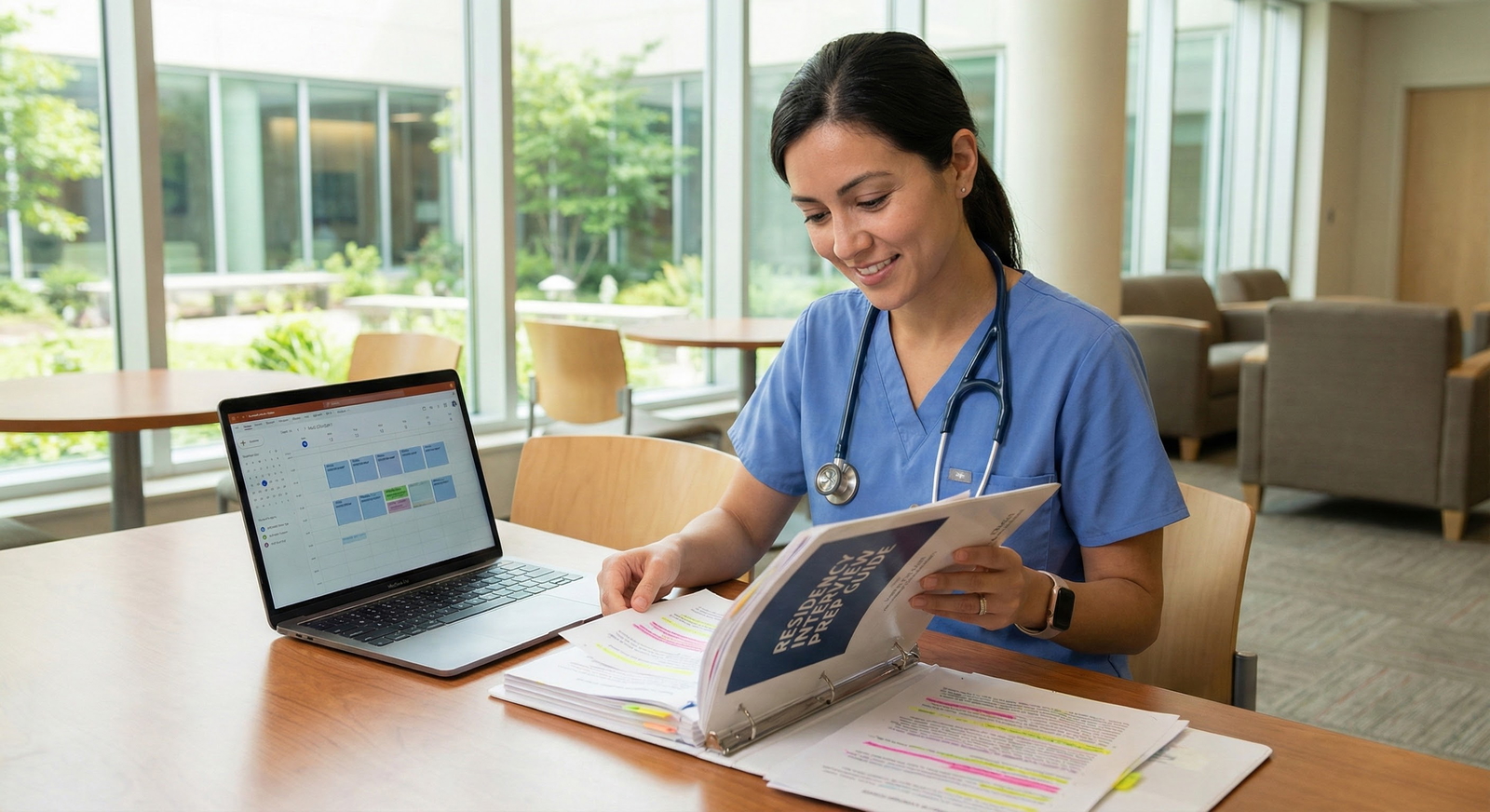
To avoid last-minute scrambling, maintain a folder (paper or digital) with a one-page summary per program that includes:
- Key facts (3-year vs 4-year, class size, main ED sites)
- What excites you specifically about that program
- 3–4 tailored questions you want to ask
- Any known faculty or residents you’ve met previously
Review this the night before and morning of your interview. This makes your interest sound genuine instead of generic.
Step 3: Tailor Your “Why This Program?” Answer
A weak answer: “You’re a strong academic program with great clinical exposure and a diverse patient population.”
A strong, specific answer:
- Mentions exact features: trauma level, volume, fellowship options, EMS dispatch integration, ultrasound curriculum, or structured wellness time.
- Connects them to your goals: “I see myself working in a high-volume urban ED and being involved in residency education; your rigorous clinical exposure combined with your dedicated resident-as-teacher curriculum is a great match.”
Aim to include:
- One or two clinical/environment features
- One educational or niche area
- One cultural or mission-related observation
Mastering Common EM Residency Interview Questions and Scenarios
While every conversation is unique, many interview questions residency programs ask in EM cluster into predictable themes. You can respect spontaneity and authenticity while still preparing thoughtfully.
Category 1: Classic Motivational and Background Questions
“Tell me about yourself.”
- Use a 60–90 second “professional snapshot”:
- Brief background (where you’re from, school)
- Key interests and experiences leading to EM
- One or two things that define you outside of medicine
- Use a 60–90 second “professional snapshot”:
“Why emergency medicine?”
- Use the narrative structure discussed earlier:
- Catalyst → Strengths/values alignment → Future goals.
- Use the narrative structure discussed earlier:
“Why our program?”
- Use your program research to give a targeted, 45–60 second answer.
Category 2: Behavioral and Situational Questions
EM interviewers often ask about:
- Conflict with colleagues or consultants
- Difficult feedback or mistakes
- Managing stress, high patient loads, or critical events
- Ethical dilemmas or challenging patient interactions
Use the STAR method for structured answers:
- Situation – brief context
- Task – your responsibility or goal
- Action – what you did (focus on your decisions and communication)
- Result/Reflection – outcome and what you learned
Example: “Tell me about a time you had a conflict with a team member.”
- S: “On my surgery rotation, the senior resident…”
- T: “I needed to ensure…”
- A: “I first clarified expectations, then had a direct but respectful conversation…”
- R: “Communication improved, and I learned to address issues early and specifically.”
Prepare 5–7 versatile stories you can adapt to multiple questions, such as:
- A challenging patient encounter
- A medical error or near-miss you witnessed
- A teamwork success story
- A time you had to advocate for a patient
- A time you received tough feedback and changed your behavior
- A leadership experience under pressure
Category 3: EM-Specific and Systems Questions
Programs may explore how you think about:
- Crowding and throughput: “How do you prioritize tasks with multiple critically ill patients arriving?”
- Resource limitations: “Tell me about a time you had to make a decision with limited information.”
- Communication under pressure: “How would you break bad news in a chaotic ED environment?”
- Mass casualty or disaster scenarios: “What role do you see yourself playing in a disaster response?”
They are not expecting textbook-perfect algorithms; they want to hear:
- That you recognize your current level of training
- That you would prioritize patient safety and communication
- That you call for help appropriately and work within a team
Category 4: Red Flag and Resilience Questions
If you have an academic difficulty, leave of absence, or USMLE/COMLEX challenge, you might be asked:
- “Tell me about this period of difficulty and how you grew from it.”
- “How do you respond to setbacks?”
Your answer should:
- Be honest and concise (no defensiveness or blaming)
- Demonstrate insight (“Here’s what I learned about how I study/cope/time manage.”)
- Show concrete changes you implemented
- Highlight subsequent pattern of improvement if present
Category 5: Questions You Ask the Program
Your questions matter—they show preparation and help you assess fit. Avoid questions easily answered on the website. Instead, consider:
- “How does your program support residents who are interested in [ultrasound/EMS/admin/education]?”
- “Can you describe how feedback is given to residents and how performance concerns are handled?”
- “What distinguishes residents who thrive in this program from those who struggle?”
- “How have residents been involved in quality improvement or operations projects in the ED?”
- “What changes is the program currently making or planning for the next few years?”
Prepare a small list of questions specific to each interviewer (PD, APD, faculty, chief resident, junior resident) based on their role and background.

Practical Steps for Residency Interview Preparation: From Mock Interviews to Logistics
Pre-interview preparation in emergency medicine is not just about content—it’s also about performance, logistics, and professionalism.
Step 1: Conduct Structured Mock Interviews
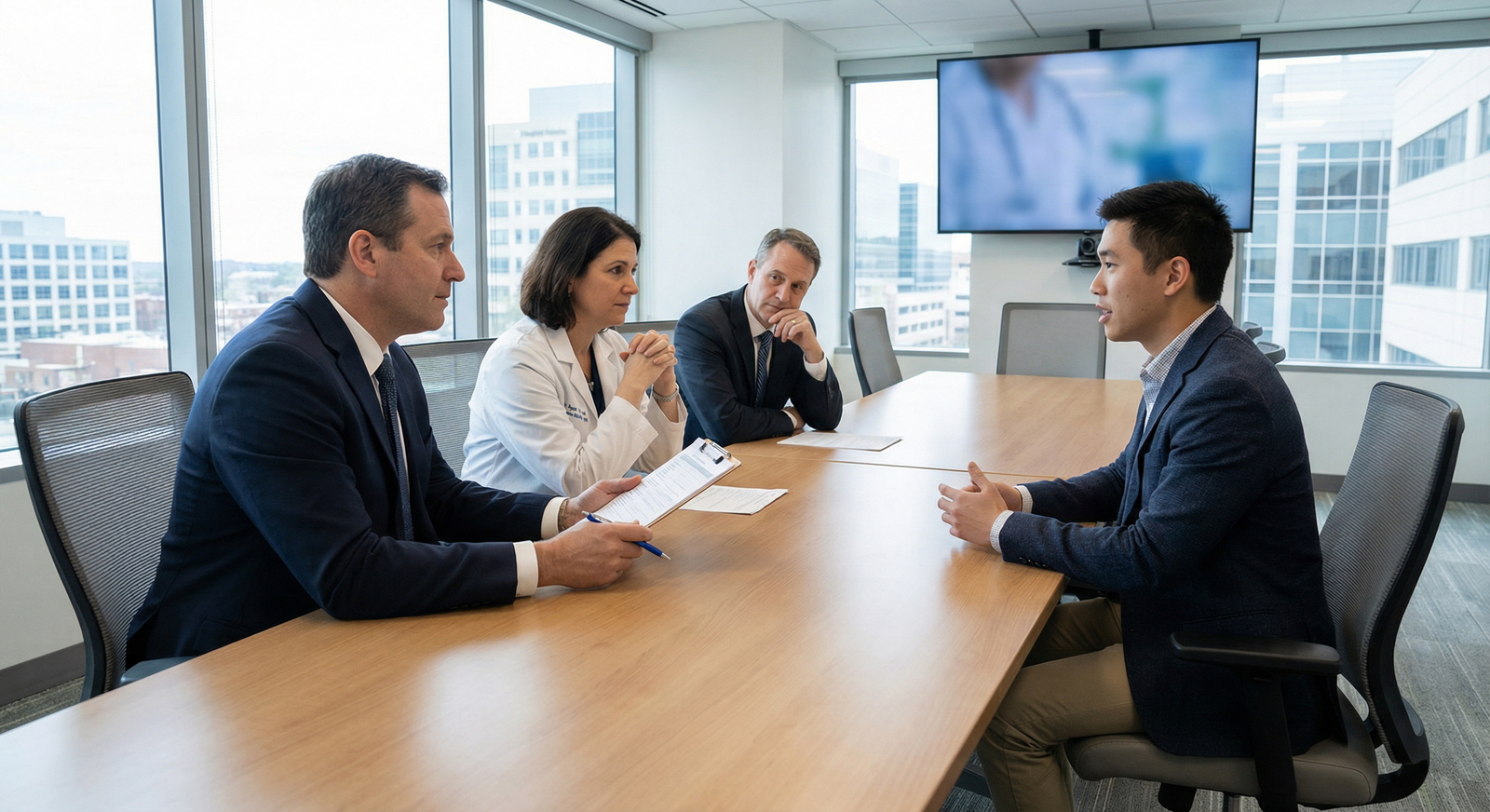
Mock interviews are one of the most effective ways to practice how to prepare for interviews in a realistic way.
Who to ask:
- EM faculty or program leadership from your home or rotation sites
- Career advisors, deans, or residency coordinators
- Senior residents (especially in EM) who recently completed the match
- Trusted peers for additional practice
Format:
- One “formal” mock with timed questions and feedback
- Several “informal” mock sessions targeted to:
- Behavioral questions
- Explaining difficulties/red flags
- Telling your EM story
What to focus on:
- Clarity and concision of answers
- Nonverbal communication (eye contact, pacing, posture)
- Avoiding filler phrases (“like,” “um,” “you know”)
- Staying within 1–2 minutes for most responses
Record yourself if possible (even on your phone) and review:
- Facial expressions and posture
- Tone and pacing
- Whether your content sounds genuine vs. over-rehearsed
Step 2: Prepare for Both Virtual and In-Person Formats
Depending on the year and program, your EM match season may include virtual, in-person, or hybrid interviews.
Virtual Interview Preparation
Technology check:
- Reliable internet connection and backup plan
- Updated video platform (Zoom, Teams, etc.)
- Test camera, microphone, and headphones in advance
Environment:
- Neutral background (avoiding clutter and distractions)
- Good lighting (preferably in front, not behind you)
- Quiet setting; inform housemates/family of schedule
On-screen etiquette:
- Look into the camera periodically to simulate eye contact
- Close unrelated windows and notifications
- Keep a copy of your CV and program notes within easy reach
In-Person Interview Preparation
Travel planning:
- Arrive in town the day before whenever possible
- Verify directions and parking details ahead of time
- Bring a small folder with copies of your CV, personal statement, and questions
Professional presence:
- Aim to be in the lobby or virtual waiting room 10–15 minutes early
- Treat everyone you meet—front desk staff, coordinators, residents—as part of the interview (because they often are)
Step 3: Polish Your Professional Image (Without Becoming a Robot)
EM is laid back in some ways, but presentation still matters.
Attire:
- Generally, business formal (suit or equivalent) is appropriate, even for EM.
- Solid, neutral colors tend to be safest.
- Ensure clothes fit well, are pressed, and are comfortable enough for a full interview day.
Body language:
- Sit upright but relaxed.
- Use natural hand gestures.
- Nod and show you’re engaged as others speak.
Communication style:
- Aim for calm, confident, and collaborative.
- Avoid excessive slang or sarcasm (some EM cultures are informal, but you can’t reliably predict this in advance).
Step 4: Organize and Track Your Interviews
As your EM match season progresses, keeping an organized record becomes essential.
Create a simple spreadsheet or document with:
- Program name and interview date
- Interviewer names and roles
- Key points about the program (pros, concerns, culture notes)
- Anchor conversations you had with residents or faculty
- Post-interview reflections (fit, excitement level, deal-breakers)
This not only helps with rank list creation later but also allows for personalized thank-you notes when appropriate.
Day-Before and Day-Of: Optimizing Performance and Managing Nerves
Even with perfect preparation, interview day anxiety is common. Effective pre-interview preparation includes managing your mindset and physiology.
The Day Before the Interview
Review, don’t cram:
- Skim your one-page program brief.
- Re-read your application and personal statement.
- Review your core stories and “Why EM/Why this program?” answers.
Finalize logistics:
- Confirm interview time zones (especially important for virtual interviews).
- Test your tech (virtual) or route/transportation (in-person).
- Lay out your interview outfit, charging cords, notepad, and pen.
Protect your sleep:
- Avoid high-stress tasks or late-night screen time.
- Use light exercise or relaxation techniques if you’re anxious.
- Accept that some nerves are normal—focus on being adequately rested, not perfect.
The Morning of the Interview
- Eat something light but sustaining.
- Do a very brief warm-up:
- Two or three practice answers out loud to get your voice and pacing comfortable.
- Review the names of program leadership and any specific people you’re particularly hoping to meet.
- Take a few slow breaths before joining the first session or walking into the site.
During the Interview Day
- Be engaged in every interaction:
- Pre-interview social events, resident panels, and “informal” chats all count.
- Listen actively:
- Don’t rush to talk; respond directly to what’s asked.
- Be yourself—professionally:
- You don’t have to hide your personality; EM values authenticity, humor, and humility.
- Just keep boundaries professional and respectful.
After the Interview
Within 24 hours:
- Jot down notes about:
- Program culture and resident satisfaction
- Points that impressed you or concerned you
- Any unique conversations you had
- Consider brief, targeted thank-you emails if:
- You had a substantial, individualized conversation with someone.
- The program culture seems to expect or appreciate them.
Keep them short, sincere, and specific—no need to overdo it.
FAQs: Pre-Interview Preparation in Emergency Medicine
1. How early should I start residency interview preparation for EM?
Begin serious preparation 4–6 weeks before your first scheduled interview:
- Week 1–2: Review your application, clarify your EM story, identify core experiences.
- Week 2–3: Conduct mock interviews, refine answers to common questions.
- Week 3–4: Build program briefs and tailored “Why this program?” responses.
- Ongoing: Tech checks, attire, logistics, and mental preparation.
If your interview season will be long or clustered, block off time each week to update your notes and practice.
2. Do EM programs care more about personality or scores during interviews?
By interview time, most programs have already screened for academic viability. During interviews, personality, professionalism, and fit often matter as much—or more—than raw scores. They want to know:
- Are you someone they would trust with patients and enjoy working with on nights and weekends?
- Do you communicate clearly and respectfully?
- Do your goals and values match what the program offers?
Scores still matter for getting interviews; interviews matter for where you land on rank lists.
3. How do I prepare for unpredictable or “curveball” questions?
You can’t script everything, but you can:
- Strengthen your core stories so you can adapt them to many questions.
- Practice thinking aloud and structuring answers (STAR method).
- Remind yourself that it’s acceptable to pause, think, and then respond.
- If you truly don’t know, say something like, “That’s a great question; I haven’t encountered that exact scenario, but here’s how I would approach it…”
Your composure and reasoning process often matter more than the specific content.
4. Is it okay to rank a program highly if I never rotated there?
Yes. Many EM residents match at programs where they did not rotate. Pre-interview preparation can help bridge that gap:
- Do thorough program research.
- Ask thoughtful, detailed questions of residents and faculty on interview day.
- Pay attention to how residents talk about their workload, support, and culture. Your rank list should reflect where you believe you will thrive, regardless of whether you did an away rotation there.
Thoughtful, structured pre-interview preparation for emergency medicine will not turn you into someone you’re not—it will help your authentic strengths and motivations come across clearly. By understanding what EM programs value, curating your stories, practicing deliberately, and organizing your logistics, you set yourself up to perform confidently and to find the training environment that best matches your future in the specialty.