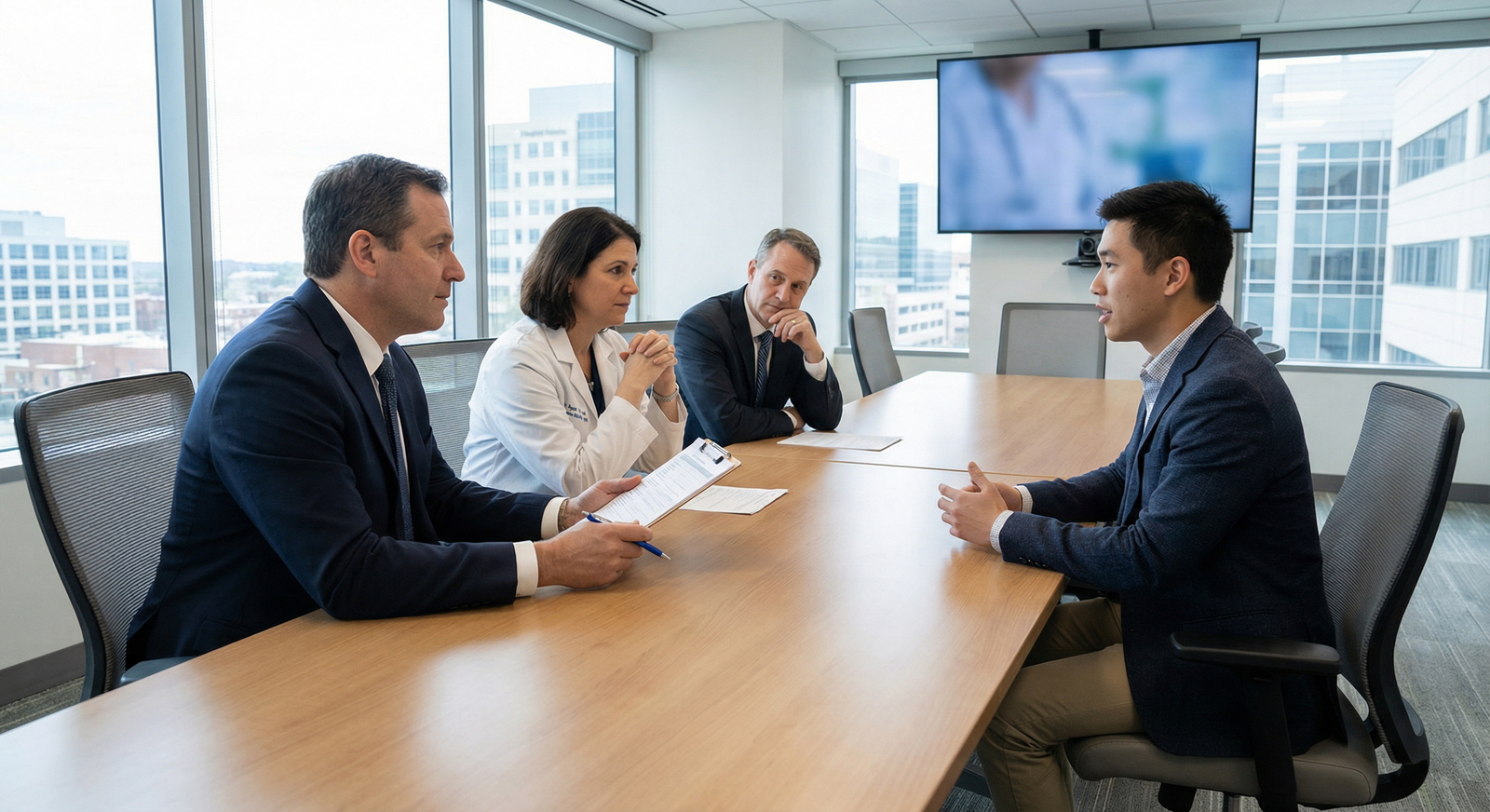
Understanding the ENT Residency Landscape as a US Citizen IMG
Otolaryngology–Head and Neck Surgery is one of the most competitive specialties in the Match. As a US citizen IMG (American studying abroad), you occupy a unique position: you have U.S. cultural familiarity and English fluency, yet your medical degree is from outside the U.S. This combination can raise extra questions in program directors’ minds—questions your pre-interview preparation must proactively answer.
Key realities you need to understand before interviews:
- Highly competitive specialty
- Lower proportion of IMGs compared with many other specialties
- Programs often prefer applicants with strong research, high USMLE scores, and demonstrated commitment to ENT
- US citizen IMG–specific perceptions
- “Why did this applicant go abroad?”
- “Are they comfortable with U.S. systems and teamwork?”
- “Can they adapt quickly to the intensity of an ENT residency?”
- Your strategic advantage
- Native or near-native English fluency
- Cultural familiarity with the U.S. health system and patient expectations
- Ability to explain both U.S. identity and international medical experience
Before thinking about what tie to wear, you need to craft a clear strategy around who you are as a US citizen IMG pursuing ENT and what story you will consistently present throughout the otolaryngology match process.
The Three Core Questions ENT Programs Want Answered
Every aspect of your residency interview preparation should revolve around these:
Why ENT?
- Is your interest deep, specific, and sustained?
- Do you understand what otolaryngology actually looks like day to day?
Why you, as a US citizen IMG, in my program?
- Have you overcome barriers and sought out meaningful ENT exposure?
- Will you integrate smoothly into a high-performing surgical team?
Are you reliable, coachable, and safe?
- Can you handle surgical training, complex anatomy, and high-stakes decisions?
- Are you self-aware, mature, and emotionally steady?
Every response, example, and story you prepare should help answer at least one of these questions.
Building Your ENT-Specific Narrative as a US Citizen IMG
Your personal narrative is the backbone of pre-interview preparation. It ties together your decision to study abroad, your interest in ENT, your research, and your clinical experiences.
Step 1: Clarify Your “Why ENT?” Story
Move beyond “I like surgery and clinic” or “I enjoy anatomy.” Programs hear those phrases from everyone. You need 2–3 specific anchor stories.
Examples of strong ENT motivations:
- A clinical encounter:
- Shadowing a head and neck oncologist and witnessing the impact of restoring speech and swallowing
- Seeing a child’s hearing restored with tympanostomy tubes and understanding the developmental implications
- A skill–personality match:
- Enjoying delicate operative work (microsurgical skills, fine motor control)
- Loving longitudinal patient relationships (chronic sinusitis, head and neck cancer follow-up, voice therapy)
- An intellectual fascination:
- The complexity of head and neck anatomy, skull base surgery, or laryngology
- Integrating surgery with technology: cochlear implants, robotic surgery, image-guided sinus surgery
Concrete preparation task:
- Write a 2–3 sentence “Why ENT” summary, then back it up with:
- 1 compelling patient or OR story
- 1 skill- or personality-based reason
- 1 long-term career vision (e.g., “I see myself as an academic rhinologist focusing on complex revision sinus surgery and trainee education.”)
Step 2: Integrate the “US Citizen IMG” Element
Program directors will almost certainly wonder why an American studying abroad chose a non-U.S. medical school. If you don’t address this smoothly, it can become a silent red flag.
Prepare a short, positive, and forward-looking explanation:
- Keep it non-defensive
- Avoid blaming circumstances or criticizing schools
- Emphasize growth, perspective, and what you gained
Example structure:
Simple reason: “I chose to attend medical school in [Country] because…”
- Limited seats in U.S. schools, later decision to pursue medicine, or family relocation
- Financial considerations
- Opportunity to gain international and multicultural clinical exposure
What you gained:
- Resourcefulness and adaptability
- Exposure to different health systems and disease patterns
- Early responsibility in clinical settings, professionalism, and independence
Connection back to ENT:
- Managing ENT pathology in a resource-limited environment
- Recognizing how global health, airway disease, or head and neck cancer care differs internationally
You should be able to say this in 30–45 seconds, comfortably and confidently.
Step 3: Link Your Experiences to ENT Competencies
Before interviews, list your most meaningful experiences and map them to skills valued in otolaryngology:
Technical and procedural skills
- Anatomy labs, simulation, surgical rotations
- ENT electives, assisting in the OR, microsurgery practice (e.g., suturing under loupes)
Cognitive skills
- ENT research (head and neck oncology, sinusitis, otology, laryngology)
- Case presentations, critical appraisal of literature
- Understanding of ENT emergencies (airway compromise, epistaxis, mastoiditis)
Non-technical skills
- Communication: explaining hearing loss, cancer diagnosis, voice changes
- Teamwork: working with anesthesiology, speech/language pathology, audiology
- Resilience: handling long cases, complex patients, difficult outcomes
Write out 6–8 specific examples that demonstrate ENT-relevant skills. These become your ready-made answers for interview questions residency programs routinely ask, such as:
- “Tell me about a time you handled a difficult situation.”
- “Describe a clinical situation that confirmed your interest in ENT.”
- “What are your strengths and weaknesses as a future surgeon?”

Researching ENT Programs and Customizing Your Message
Strong pre-interview preparation includes deep knowledge of each program. As a US citizen IMG, this is even more crucial—you must show you’re not just grateful for any interview, but specifically invested in their residency.
What to Research Before Every Interview
Create a one-page summary for each program you interview at. Include:
Program Basics
- Size of residency (number of residents per year)
- Hospital type (university, community, hybrid, county, VA components)
- Significant affiliated institutions (children’s hospital, cancer center)
Clinical and Surgical Strengths
- Subspecialty strengths: otology/neurotology, rhinology, laryngology, facial plastics, pediatrics, head and neck oncology, skull base
- Volume of key cases (often found in presentations, program pages, or resident talks)
Research and Academic Focus
- Main research themes: outcomes research, immunotherapy for head and neck cancer, cochlear implants, sinus surgery innovations
- Clinical trials or labs with high output
- Opportunities for residents: research blocks, protected time, publications
Culture and Training Philosophy
- Emphasis on autonomy vs. supervision
- Resident wellness initiatives
- Simulation training, cadaver labs, temporal bone labs
IMG and Diversity Considerations
- History of taking US citizen IMG or other IMGs
- Diversity statements or DEI initiatives
- Any visible international or nontraditional residents
Customizing Your Talking Points as a US Citizen IMG
Use your research to adjust your answers, particularly for:
- “Why our program?”
- “How do you see yourself fitting into our residency?”
- “What do you hope to do after residency?”
Concrete examples:
Program strong in head and neck oncology:
“I’m drawn to your extensive head and neck oncologic experience, especially the integration of microvascular reconstruction. During my rotations abroad, I saw late-stage cancers with limited reconstructive options, which underscored how transformative your type of practice can be. I’d like to develop those skills to contribute to both domestic and global oncology care.”Program with strong sinus/rhinology service:
“Your rhinology service and emphasis on image-guided sinus surgery aligns with my interest in complex inflammatory sinus disease. I spent extra time during my ENT elective in [Country] managing patients with chronic sinusitis in resource-limited settings, and I’m motivated to train where I can master advanced surgical techniques that I can later adapt to various clinical environments.”
You don’t need to rewrite your entire story for each program—just tweak 2–3 sentences to align your trajectory with what the program values.
Mastering Common Residency Interview Questions (with ENT & IMG Focus)
Residency interview preparation should be intentional and structured. Below are high-yield interview questions residency programs frequently ask, with guidance tailored to otolaryngology and US citizen IMGs.
Core Personal and Motivational Questions
“Tell me about yourself.”
Structure: Present → Past → Future and include your ENT theme.Example outline:
- Present: “I’m a US citizen who completed medical school in [Country], currently in my final year, with a strong interest in otology and head and neck surgery.”
- Past: “I grew up in [State], studied [undergraduate major], and developed an interest in surgery during… [specific ENT-related moment or exposure]. Attending school in [Country] gave me exposure to… [concise benefit].”
- Future: “Now I’m looking to train in a rigorous ENT program where I can… [research interest, patient population, long-term goal].”
“Why otolaryngology?”
Use one of your previously prepared anchor stories with emphasis on:- Anatomy and technical skill
- Impact on communication, breathing, swallowing, hearing
- A specific patient or OR experience that changed your perspective
“Why did you go to medical school abroad?”
Use the 30–45 second explanation you prepared:- Simple reason
- What you learned
- How it helps you as a future ENT surgeon
Behavioral and Situational Questions
Use the STAR format (Situation, Task, Action, Result) and choose examples relevant to ENT or surgical training when possible.
Common questions:
“Tell me about a time you made a mistake.”
- Choose something safe (e.g., early misunderstanding, missed lab follow-up, communication lapse)
- Emphasize insight, accountability, and what you changed
“Describe a conflict with a colleague and how you handled it.”
- Highlight professional communication, listening, and resolution
- Avoid blaming or speaking poorly of others
“Tell me about a patient who had a big impact on you.”
- Ideally ENT-related: airway compromise, recurrent otitis media, head and neck cancer, laryngeal disease
- Show empathy, reflection, and how it influenced your approach
“How do you handle stress or long hours?”
- Link to actual experiences: intense call rotations, exam periods, long surgical days
- Focus on strategies (time management, exercise, reflection, peer support), not just vague claims
ENT- and Surgery-Specific Questions
Expect some assessment of your understanding of ENT and surgical life:
“What do you think will be the hardest part of ENT residency?”
- Honest but balanced responses:
- Steep learning curve of surgical skills
- Managing complex head and neck cancer patients emotionally
- Nighttime airway emergencies
- Always end with how you are preparing: simulation, reading, mentorship, resilience strategies
- Honest but balanced responses:
“Which area of ENT most interests you and why?”
- It’s fine not to be certain, but show intellectual curiosity:
- “I’m particularly drawn to otology due to the microanatomy and the life-changing nature of hearing restoration, but I’m also curious about head and neck oncology and open to how my interests evolve during residency.”
- It’s fine not to be certain, but show intellectual curiosity:
“Tell me about your ENT research.”
- Be able to discuss:
- Study question
- Your role
- What the results mean clinically
- Limitations and next steps
- Be able to discuss:
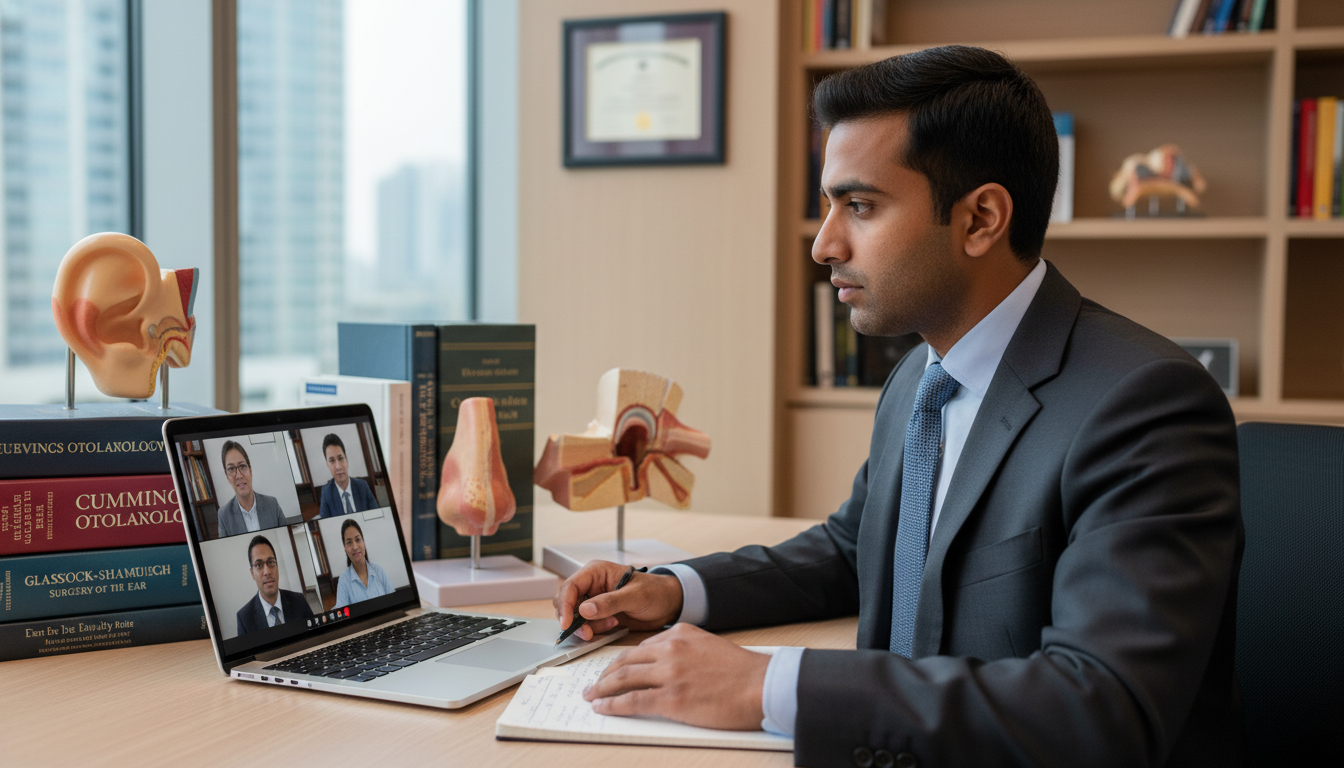
Practical Interview Preparation: From Mock Interviews to Logistics
1. Structured Practice: Mock Interviews and Feedback
You should not walk into your first residency interview having never practiced answering questions aloud.
Action steps:
Schedule at least 2–3 formal mock interviews:
- With faculty advisors (ideally ENT or surgical)
- With your school’s career office
- With U.S.-based mentors if available (especially those familiar with US citizen IMG issues)
Record yourself (video if possible):
- Watch for:
- Excessive fillers (“um,” “like”)
- Rambling answers >2 minutes
- Poor eye contact, closed body language
- Refine answers to be clear, structured, and concise (1–1.5 minutes for most)
- Watch for:
Practice with peers, especially other Americans studying abroad:
- Rotate roles: applicant, interviewer, observer
- Use a list of common residency interview preparation questions and focus on ENT/surgical angles
2. Polishing Your Communication Style
For otolaryngology, communication is central—your patients may have voice, hearing, or swallowing issues, and you’ll communicate with multidisciplinary teams.
Focus on:
Clarity and pacing:
- Avoid speaking too quickly when nervous
- Pause briefly between key points
Professional yet warm demeanor:
- Friendly but not overly casual
- Show genuine interest in talking about patient care and team collaboration
Storytelling with Purpose:
- Every story should illustrate:
- A trait (resilience, empathy, leadership, curiosity)
- A skill (teamwork, communication, procedural interest)
- A lesson (what you learned and how you changed)
- Every story should illustrate:
3. Logistics: Technology, Time Zones, and Appearance
Most ENT interviews are now virtual or hybrid; some may still offer in-person options. As a US citizen IMG, this may involve travel or time zone differences.
For virtual interviews:
Technology checks
- Reliable internet connection; wired if possible
- Test platform (Zoom, Thalamus, Webex) ahead of time
- Back-up plan: phone hotspot, alternate device
Setting
- Neutral background, good lighting on your face
- Camera at eye level
- No clutter, no noisy environments
Professional appearance
- Wear a suit or professional attire as you would for in-person
- Conservative colors; ENT is still a relatively traditional surgical specialty
For in-person interviews:
- Plan travel with buffer time
- Bring:
- Extra copies of your CV
- Small notebook with prepared questions
- Simple, professional portfolio or folder
4. Preparing Questions to Ask Programs
Have 5–7 thoughtful questions ready per program. These should reflect your interests and research. Examples:
- “How do residents typically gain early operative experience in ENT here?”
- “How does the program support residents interested in academic or research careers in otolaryngology?”
- “Can you describe how autonomy evolves from PGY-1 to PGY-5, especially for cases like thyroidectomy, sinus surgery, and mastoidectomy?”
- “What qualities do your most successful graduates share?”
- “How does the program approach wellness and support during challenging rotations like head and neck oncology?”
Avoid questions easily answered on the website (e.g., “Do you have a research requirement?” if it is clearly listed).
Managing Mindset, Confidence, and Follow-Up
Confidence as a US Citizen IMG: Turning Perceived Weakness into Strength
You may feel at a disadvantage compared to U.S. MD seniors. Your goal is to project quiet, earned confidence:
Emphasize what your path has given you:
- Adaptability and resourcefulness
- Maturity from relocating and functioning in a foreign system
- Cross-cultural communication skills valuable for diverse U.S. patient populations
Avoid apologizing for your path:
- Present it as a deliberate step in your journey, not a failure
- Keep focus on what you bring to the program now
Mental Preparation for Interview Days
Before each interview:
- Review your one-page program summary
- Skim your personal statement, CV, and key research articles
- Write down:
- 3 things you want them to remember about you
- 2 experiences you haven’t talked about much yet but would like to use
Plan a mindset routine:
- 5–10 minutes of quiet breathing or brief meditation
- Light stretching—especially for long virtual interview days
- Hydration and small, non-messy snacks if virtual
Post-Interview Follow-Up
Within 24–48 hours:
- Send brief, specific thank-you emails:
- Mention 1–2 concrete details from your conversation
- Reaffirm your interest and what you appreciated about the program
Example:
Dear Dr. [Name],
Thank you for taking the time to speak with me during my interview at [Program] yesterday. I especially appreciated our discussion about resident involvement in complex head and neck cases and the opportunities for early operative experience.
Our conversation confirmed my strong interest in [Program] as a place where I could grow as a technically skilled and compassionate otolaryngologist. Thank you again for your time and consideration.
Sincerely,
[Your Name]
Be honest and professional—avoid statements that imply ranking promises you’re not ready to commit to.
FAQs: Pre-Interview Preparation for US Citizen IMG in ENT
1. As a US citizen IMG, should I address my IMG status directly in interviews?
Yes. Programs will notice your US citizen IMG status and wonder why you studied abroad. A concise, confident explanation is important. Focus on:
- The straightforward reason (space limitations, timing, family, finances)
- Positive outcomes of your decision (adaptability, unique clinical exposure)
- How those outcomes make you a better future otolaryngologist
Avoid lengthy or defensive explanations, and don’t criticize other systems or schools.
2. How much ENT knowledge am I expected to demonstrate in interviews?
You’re not expected to be a content expert, but you should:
- Understand basic ENT anatomy and common conditions (chronic sinusitis, hearing loss, otitis media, head and neck cancer, airway compromise)
- Speak intelligently about your own ENT experiences and research
- Show awareness of the lifestyle, call responsibilities, and nature of ENT practice
Review your ENT notes, key textbooks or review articles, and your research materials before interviews.
3. What are some red flags in ENT residency interviews for US citizen IMG applicants?
Common red flags include:
- Inability to clearly explain “Why ENT?”
- Weak or vague explanation of why you trained abroad
- Complaining about prior training environments or colleagues
- Minimizing the challenges of surgical training or appearing naive about hours and workload
- Poor communication skills or dismissive attitude toward other team members (anesthesia, nursing, speech therapy, audiology)
Focusing on professionalism, humility, and insight can help mitigate concerns.
4. How can I stand out positively in the otolaryngology match as a US citizen IMG?
Beyond strong metrics and experiences, you stand out by:
- Presenting a cohesive narrative: Your path abroad, ENT interest, research, and career goals align logically
- Demonstrating deep engagement with the specialty: meaningful ENT electives, research, shadowing, conferences, or workshops
- Showing mature reflection on patients, challenges, and your own growth
- Customizing your responses to each program’s strengths and culture
Your goal is that, by the end of each interview day, faculty can say:
“This applicant knows what ENT is, understands our program, and has the resilience and curiosity to thrive here despite a nontraditional path.”
With intentional, thorough pre-interview preparation focused on both ENT content and your identity as a US citizen IMG, you can walk into every otolaryngology interview ready to show that you are not just a viable candidate, but an asset to any residency program that ranks you.