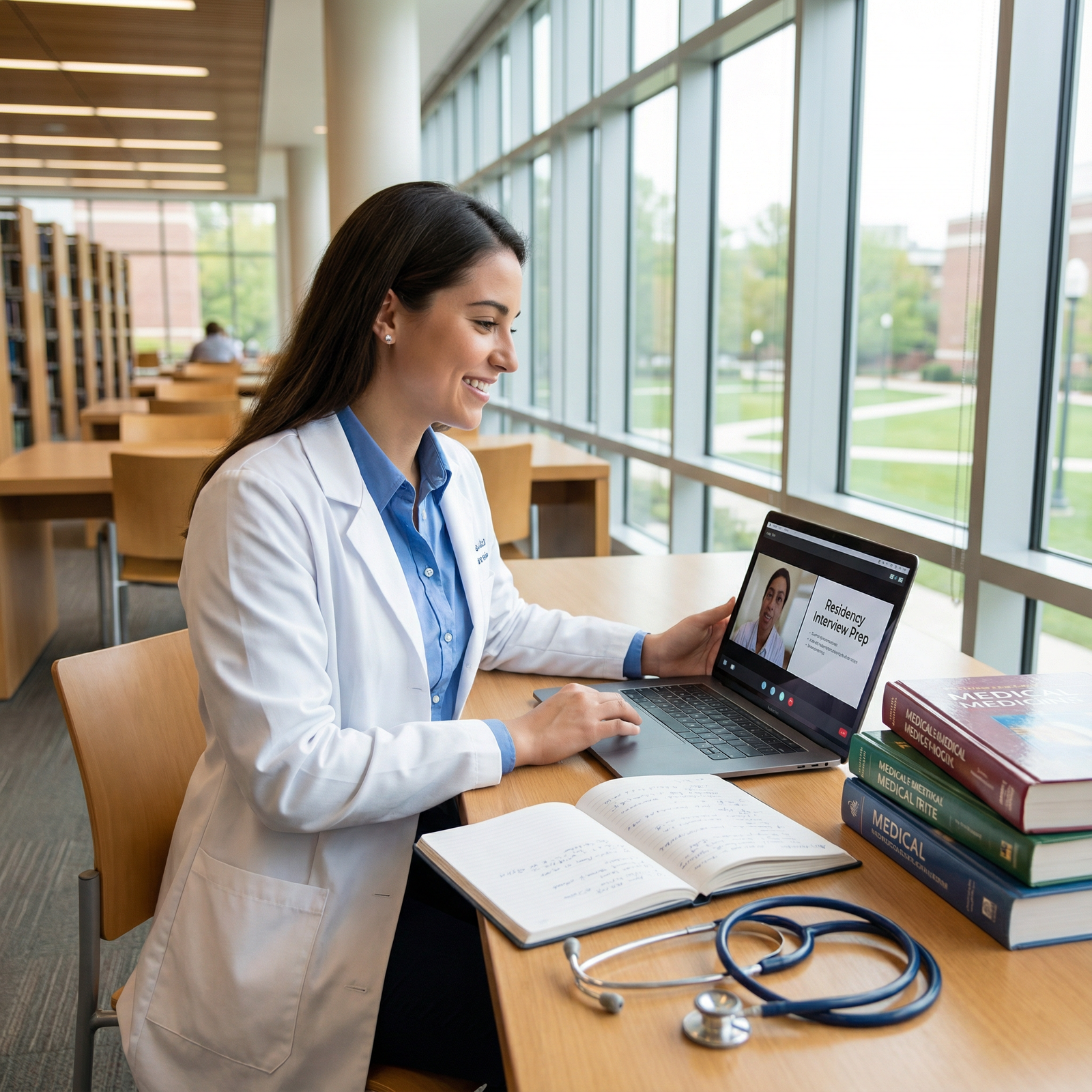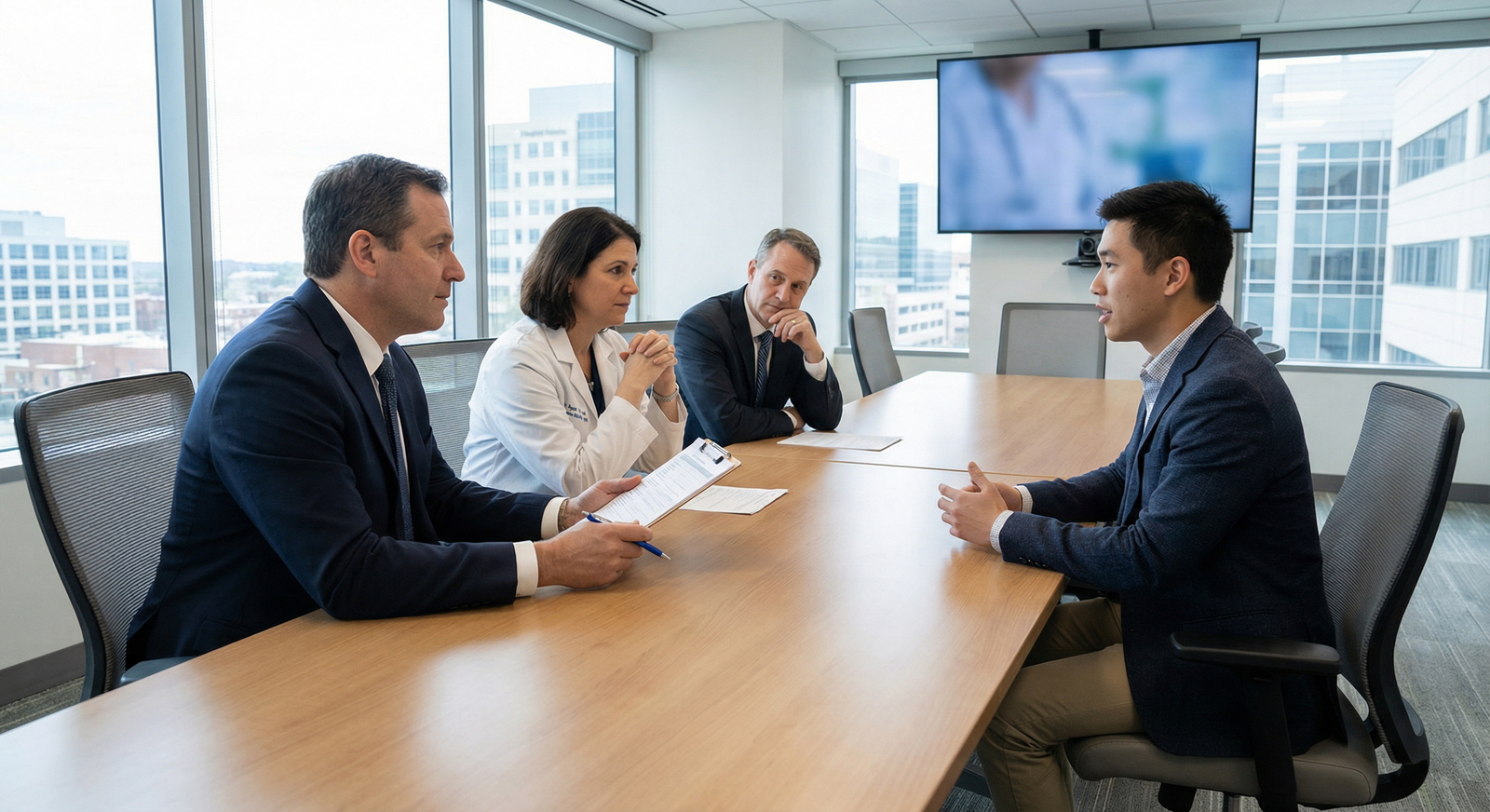
Understanding the OB GYN Interview Landscape as an IMG
As an international medical graduate pursuing OB GYN residency in the United States, your pre-interview preparation begins long before you receive an invitation. The expectations are unique: programs will assess not only your clinical readiness for obstetrics and gynecology, but also your communication, professionalism, cultural adaptation, and long-term fit within the U.S. healthcare system.
This IMG residency guide focuses on what you must do before the interview day to maximize your chances in the obstetrics match. Effective residency interview preparation is not just “knowing your CV”; it is a structured, multi-week process that touches your application strategy, communication skills, clinical stories, and logistics.
What Makes OB GYN Interviews Different?
OB GYN programs look for residents who are:
- Comfortable with high-acuity, fast-paced clinical situations (e.g., obstetric emergencies)
- Able to manage both surgical and continuity care (OR, L&D triage, clinic)
- Emotionally mature, with strong communication and empathy skills – especially around pregnancy loss, infertility, or high-risk pregnancies
- Team-oriented, as OB GYN requires constant collaboration with nurses, anesthesiologists, neonatologists, and midwives
As an international medical graduate, you will also be evaluated on:
- Adaptation to U.S. practice styles and documentation
- English fluency and clarity of communication with patients
- Your understanding of OB GYN practice in the U.S. healthcare system
- Long-term plans, including visa needs and career goals
Pre-interview preparation must be tailored to highlight these strengths and address potential concerns—before you ever appear on screen or walk into the interview room.
Step 1: Laying the Foundation – Know Yourself and Your Application
Before learning how to prepare for interviews, start by mastering the content of your own story. The most effective interview answers stem from deep self-knowledge and honest reflection.
Audit Your Application Like a Program Director
Print (or open) your ERAS application, CV, and personal statement and read them as if you are a PD seeing them for the first time. Highlight:
Key OB GYN-related experiences
- OB GYN rotations, sub-internships, electives
- Research in maternal-fetal medicine, gynecologic oncology, reproductive endocrinology, etc.
- Quality improvement projects or audits involving labor & delivery, contraception, cervical cancer screening, postpartum care
Patterns and themes
- Repeated involvement in women’s health clinics
- Volunteering focused on reproductive health access
- Leadership in women’s health advocacy or global health
Potential “red flags”
- Gaps in training or employment
- Attempts or failures on board exams (USMLE/COMLEX)
- Limited U.S. clinical experience
- A significant change in specialty interest
For each notable point, prepare a 1–2 minute explanation or reflection. Programs often ask, “Tell me more about this experience,” or “Walk me through this gap.” You want confident, concise, and honest responses prepared in advance.
Build a Personal “Interview Dossier”
Create a document (digital or printed) that will guide your residency interview preparation:
Top 5 experiences that show why you are a strong OB GYN candidate
Example:- High-risk OB rotation in a tertiary care hospital
- Research project on postpartum hemorrhage protocols
- Leadership in a cervical cancer screening program in your home country
- A challenging patient encounter involving fetal demise
- U.S. observership in OB GYN with strong letters
3–4 defining personal qualities
Choose those that suit OB GYN:- Calm under pressure (e.g., emergency C-section scenario)
- Strong communicator with anxious patients
- Detail-oriented in operative and delivery documentation
- Culturally sensitive with diverse patient populations
3–5 long-term goals
- Examples: become a general OB GYN in an underserved community; pursue fellowship in MFM or MIGS; combine clinical work with global women’s health projects.
These elements become the basis for many interview answers: “Tell me about yourself,” “Why OB GYN?” and “Why should we choose you?”
Step 2: Core Interview Themes and Storybanking for OB GYN
Residency interview questions cluster around predictable themes. Efficient IMG residency preparation means building a “storybank” of experiences that you can adapt to multiple questions.
Core Themes in OB GYN Residency Interviews
Motivation for OB GYN
- When did you first consider obstetrics and gynecology?
- What specific experiences confirmed your interest?
- Why OB GYN over other surgical or primary care specialties?
Handling High-Stakes Situations
- Managing obstetric emergencies
- Making decisions quickly with limited information
- Navigating unexpected complications during surgery or delivery
Communication & Empathy
- Breaking bad news (e.g., miscarriage, fetal anomalies)
- Supporting patients in labor with limited pain control options
- Counseling on contraception, sterilization, or abortion (where legal and relevant)
Teamwork & Conflict Management
- Working with nurses in labor and delivery
- Negotiating disagreements in the OR
- Coordinating with anesthesiology or pediatrics in emergencies
Professionalism & Ethics
- Balancing patient autonomy with fetal well-being
- Navigating cultural or religious differences in reproductive decisions
- Confidentiality for adolescents or victims of intimate partner violence
Adaptation as an IMG
- Transition to U.S. clinical practice
- Communication with patients in a second language
- Integrating into a new healthcare culture
Building Your OB GYN Storybank
Create 8–12 detailed clinical or professional stories, each anchored in a specific situation. For every story, outline using the STAR or CAR format:
- S/T (Situation/Task): Brief context (where, when, your role)
- A (Action): What you did, said, or decided
- R (Result): Outcome, what you learned, impact on others
Aim for:
2–3 patient care stories involving:
- Labor complications, preeclampsia, postpartum hemorrhage
- Complex gynecologic cases or emergency surgeries
2 communication/empathy stories
- Breaking bad news
- Handling a distressed or non-compliant patient
2 teamwork/conflict stories
- Collaborating under pressure
- Resolving disagreements in patient management
1–2 ethics or professionalism stories
- Confidentiality, boundaries, informed consent
- Handling a mistake or near-miss
1 adaptation/IMG journey story
- How you adjusted to the U.S. or a new healthcare environment
- Overcoming language or system barriers
These can be re-purposed:
- “Tell me about a time you made a mistake.”
- “Describe a difficult patient encounter.”
- “Tell me about a conflict with a colleague.”
- “What is your most meaningful patient experience?”
By preparing these in advance, you won’t be searching your memory under pressure.

Step 3: Mastering Common Residency Interview Questions (OB GYN-Focused)
Residency interview preparation for OB GYN involves both general residency questions and specialty-specific topics. Practicing out loud, repeatedly, is crucial—especially for IMGs interviewing in a second language.
Foundational Questions You Must Nail
“Tell me about yourself.”
- 60–90 seconds
- Brief background (medical school, where you trained)
- Key experiences that led to OB GYN
- Your current focus and what you’re looking for in a residency program
Avoid repeating your CV line by line; think of this as your professional “elevator pitch.”
“Why OB GYN?” Incorporate:
- A clear clinical spark (e.g., first delivery, managing a complicated pregnancy)
- Exposure to both surgical and longitudinal care
- Interest in women’s health advocacy, global health, or reproductive justice if applicable
- How your personality matches the field (e.g., enjoy fast-paced, teamwork-intensive settings)
“Why this program?” Before the interview:
- Study the program’s website, rotation structure, fellowships, research areas
- Note unique features: strong family planning, robust MFM, global health electives, simulation labs, community vs. academic emphasis
- Connect these to your goals: “I am particularly drawn to your strong exposure to high-risk OB in a diverse patient population, which aligns with my interest in MFM and my prior work with hypertensive disorders of pregnancy.”
OB GYN-Specific Content Questions
You are not expected to pass an oral board exam, but you should demonstrate basic clinical reasoning and familiarity with guidelines. Common topics:
Preeclampsia / Gestational hypertension
- How you would approach a pregnant woman with high BP
- Key labs and monitoring
Postpartum hemorrhage
- Recognition and first-line management steps
- Role of uterotonics vs. surgical interventions
Common gynecologic problems
- Abnormal uterine bleeding
- Cervical cancer screening and HPV vaccination
- Basic contraception counseling
Programs may ask:
- “Walk me through your approach to a patient with…”
- “How would you explain this condition to a patient?”
Prepare simple, structured answers that show:
- Clear clinical logic
- Patient-centered language
- Awareness of safety and escalation (when to involve seniors, when to transfer to higher level care)
Behavioral and Scenario-Based Questions
These “interview questions residency” programs often use to assess fit:
- “Describe a time you were under significant pressure in a clinical setting.”
- “Tell me about a time you disagreed with your senior or attending.”
- “How would you handle a patient refusing recommended C-section?”
- “How do you balance the needs of the mother and fetus in complex situations?”
Use your storybank and demonstrate:
- Respect for patient autonomy
- Non-judgmental communication
- Appropriate escalation and team collaboration
- Cultural sensitivity
IMG-Specific Questions to Anticipate
- “What challenges have you faced as an international medical graduate?”
- “How have you adapted to practicing in the U.S.?”
- “Do you foresee any challenges with communication or electronic documentation?”
- “What are your visa needs, and what are your long-term plans?”
Prepare honest, reassuring answers emphasizing:
- Concrete steps you’ve taken to adapt (U.S. rotations, simulation, EMR training)
- Improvement in communication skills
- Stability and realistic long-term career plans in OB GYN
Step 4: Communication, Fluency, and Cultural Nuances for IMGs
For many international medical graduates, delivery matters as much as content. Strong clinical knowledge can be overshadowed by unclear communication or cultural misunderstandings. Pre-interview preparation must include language and presentation practice.
Polish Your Spoken English for Clinical Conversations
Even if your English is strong, refine it specifically for medical interviews:
Record yourself answering 5–10 common questions; listen for:
- Speaking too fast or too softly
- Overuse of filler words (“uh,” “like,” “you know”)
- Long, complicated sentences
Practice using:
- Short, clear sentences
- Simple, patient-friendly explanations of conditions
- Structured answers: “First… Second… Finally…”
Ask a native or fluent speaker (mentor, friend, or language tutor) to:
- Give feedback on accent clarity (accent itself is fine; clarity is key)
- Correct recurring grammar mistakes
- Help you rephrase awkward expressions
Understand U.S. Professional Norms
Subtle behaviors can influence interviewers’ impression of your professionalism:
- Eye contact: Regular, but not staring; in virtual interviews, look at the camera periodically.
- Formality: Use titles (Dr. X) unless invited to use first names.
- Boundaries: Avoid overly personal disclosures or controversial political/religious discussions, unless directly relevant (e.g., discussing how religion affects patient decisions, in a professional and neutral way).
- Openness to feedback: When discussing past mistakes or weaknesses, emphasize learning and improvement rather than defensiveness.
Pre-Interview Mock Sessions
Structured mock interviews are one of the strongest predictors of improved performance:
Schedule at least 2–3 mock interviews:
- One with a faculty mentor (ideally in OB GYN)
- One with a peer or resident familiar with U.S. interviews
- If possible, with someone who can simulate a panel interview
Ask them to focus on:
- Clarity and organization of answers
- Non-verbal communication (posture, facial expression)
- Cultural nuances in sensitive topics (e.g., abortion, sexual health, domestic violence)
Record at least one mock interview and review it yourself, noting areas for improvement.

Step 5: Program Research, Logistics, and Virtual Interview Readiness
Pre-interview preparation also includes logistical and strategic planning. Many applicants underperform because of avoidable technical or organizational issues.
Research Each OB GYN Program in Depth
Before each interview:
Review the program website thoroughly
- Rotation schedule (L&D, gynecologic oncology, REI, MFM)
- Fellowships available and affiliated hospitals
- Operative experience and case numbers
- Resident wellness initiatives, night float system, didactics, simulation labs
Identify 3–4 genuine reasons you are interested:
- High volume of deliveries and surgical cases
- Strong exposure to underserved populations
- Opportunities for global health or community outreach
- Dedicated OB anesthesia team, in-house MFM coverage
- Culture of mentorship, diverse faculty, supportive environment
Prepare program-specific questions to ask interviewers:
- “How does your program support residents who are interested in MFM fellowship?”
- “Can you tell me about the level of autonomy residents have in L&D by PGY-3?”
- “How does the program support international medical graduates in adjusting to the system?”
Avoid questions easily answered on the website (e.g., “How many residents do you take?”) unless you’re asking for deeper insight.
Virtual Interview Setup for IMGs
Many OB GYN interviews remain virtual or hybrid. Plan early:
Environment
- Quiet room with strong internet connection
- Neutral, uncluttered background (plain wall or simple bookshelf)
- Good lighting (natural light in front of you or a ring light)
- Camera at eye level
Technology
- Test your video platform (Zoom, Thalamus, Teams) in advance
- Check microphone and speakers/headset
- Have a backup device (phone or tablet) ready with the same app installed
Professional appearance
- Formal attire (jacket/blazer if possible)
- Minimal, professional accessories; avoid distractions
Materials
- Printed or digital copy of your CV and personal statement
- Brief notes on each program and interviewer (if known)
- A notepad for jotting down key points
Time Zones and Scheduling for International Applicants
If you are outside the U.S.:
- Double-check time zones for each interview and account for daylight savings.
- Consider simulating the interview time for several days prior:
- If your interview is at 8 a.m. Eastern Time but that’s midnight where you are, adjust your sleep schedule gradually.
- Test your internet connection at the exact time of day you’ll be interviewing (network speed can vary by time).
Travel Logistics (If In-Person)
For in-person interviews:
- Plan to arrive at least a day early to account for jet lag and possible travel delays.
- Map the route from your accommodation to the hospital (consider morning traffic).
- Bring:
- Copies of your CV, ERAS application, and personal statement
- A small notebook and pen
- Appropriate shoes for potential hospital tours
Step 6: Mindset, Stress Management, and Day-Before Routine
Even with perfect content and logistics, anxiety can affect your performance. Pre-interview preparation should include strategies to maintain confidence and calm.
Build a Consistent Pre-Interview Routine
Use the same routine for every interview to cue your mind into “performance mode”:
The night before:
- Review your storybank briefly (do not cram new content).
- Re-read your program research and questions.
- Check your schedule, links, and time zone.
- Prepare your clothes, background, and necessary documents.
On the morning of:
- Light meal and hydration
- Brief warm-up:
- Say your “Tell me about yourself” answer out loud
- Practice a few complex explanations (e.g., explaining preeclampsia in lay terms)
- Short relaxation technique:
- Deep breathing (inhale 4 seconds, hold 4, exhale 6) for a few cycles
- Quick stretch to release physical tension
Handling Difficult Questions or Mistakes
No matter how well you prepare, surprises happen. Some principles:
If you don’t know a clinical answer:
- Acknowledge it honestly.
- Show how you would find the answer and ensure patient safety:
“I am not entirely sure of the exact dosing, but I would first stabilize the patient, consult the attending, and refer to current guidelines and institutional protocols.”
If you misunderstand a question:
- Ask for clarification: “Just to be sure I understand, are you asking about…?”
If you give a weak answer:
- Let it go. Do not keep apologizing or circling back repeatedly.
- Focus on answering the next question strongly.
Post-Interview Reflection for Continuous Improvement
After each interview, write down:
- Questions you found challenging
- New or unexpected questions you hadn’t prepared for
- How you responded, and how you might respond next time
- Overall impression of the program (fit, culture, residents’ happiness)
Use this to refine your preparation for subsequent interviews.
FAQs: Pre-Interview Preparation for OB GYN IMGs
1. How early should an international medical graduate start residency interview preparation for OB GYN?
Ideally, begin 2–3 months before interview season (around September–October for the main obstetrics match). Early start allows you to:
- Build and refine your storybank
- Schedule several mock interviews
- Improve spoken English clarity and clinical phrasing
- Conduct thorough program research before invitations arrive
As interviews are scheduled, you’ll shift from general preparation to program-specific practice.
2. What are the most important OB GYN topics I should review before interviews?
Focus on common, high-yield conditions you are likely to discuss:
- Hypertensive disorders of pregnancy (preeclampsia, eclampsia)
- Gestational diabetes basics
- Preterm labor and PROM
- Postpartum hemorrhage and third-trimester bleeding
- Basic contraception, including LARC
- Abnormal uterine bleeding and cervical cancer screening
- Approach to common gynecologic infections
You don’t need fellowship-level depth but should demonstrate logical clinical thinking and safe management principles.
3. How can I best explain being an IMG without making it sound like a disadvantage?
Frame your IMG background as a strength, not a liability:
- Highlight your diverse clinical exposure, adaptability, and resilience.
- Emphasize experiences with limited resources or high patient volumes that trained you to work efficiently and think critically.
- Explain specific steps you’ve taken to adapt to the U.S. system: U.S. observerships, research, EMR exposure, language improvement, and understanding of guidelines.
Then, briefly and clearly address any logistical aspects (visa needs, timeline) without dwelling on them.
4. What are good questions for me to ask programs during OB GYN interviews?
Ask questions that show you’re thinking seriously about training quality and fit, such as:
- “How does your program ensure residents gain strong operative experience in both benign gynecology and obstetrics?”
- “Can you describe the support and mentorship available for residents interested in fellowships like MFM or Gyn Onc?”
- “How does your program support international medical graduates in adjusting to documentation systems and communication styles?”
- “What qualities do you see in residents who thrive in this program?”
Avoid salary-only or purely logistical questions as your main focus; prioritize education, culture, and support.
Pre-interview preparation for OB GYN as an international medical graduate is a comprehensive process that intertwines self-reflection, clinical review, communication practice, and logistical planning. By approaching it systematically—understanding your own story, building a robust storybank, mastering core interview questions, refining your communication, and preparing your environment—you significantly increase your chances of presenting your best self to every program and achieving a successful obstetrics match.