Understanding the Pre-Interview Phase as an IMG in Anesthesiology
Pre-interview preparation is where the anesthesia match is often won or lost—especially for an international medical graduate. Long before you sit down for questions, programs are already forming impressions from how you research them, how you communicate by email, and how well you understand U.S. anesthesiology training.
This IMG residency guide focuses on what you should do from the time you submit ERAS until the night before the interview. The goal is to help you show programs that you are:
- Well informed about U.S. anesthesiology training
- Genuinely interested in their specific program
- Organized, reliable, and professional
- Ready to thrive as a resident, not just survive
You’ll learn how to prepare for interviews step-by-step: program research, document organization, clinical knowledge review, communication strategy, and mock interview practice—tailored specifically to the international medical graduate pursuing anesthesiology residency.
Step 1: Clarify Your Personal Story and Career Goals
Before you worry about classic interview questions residency programs ask, you need crystal-clear answers in your own mind about who you are, what you’ve done, and why anesthesiology.
Define Your Core Narrative
As an IMG, your pathway is often more complex—different education system, possible career gaps, visa issues, and adaptation to a new country. Programs will naturally be curious about this. You must be able to tell a coherent, confident story that makes sense.
Write out answers to these prompts:
Why anesthesiology?
- What first attracted you to anesthesia?
- What solidified your choice (specific rotation, mentor, patient, case)?
- Why not internal medicine, surgery, or another specialty?
Why the U.S. for residency?
- Academic training? Research opportunities? Subspecialty options?
- Exposure to advanced technology (ultrasound guidance, ERAS protocols, etc.)?
- Commitment to practicing in a diverse, system-based healthcare environment?
What makes you unique as an IMG?
- Multilingual? Experience with resource-limited settings?
- Resilience—moving across countries, exams, licensure processes
- Cross-cultural communication skills and adaptability
Convert this into a short professional identity statement, e.g.:
“I am an internationally trained physician with strong critical care exposure and a specific interest in perioperative medicine. My experience managing complex surgical patients in a resource-limited setting led me to seek anesthesiology training in the U.S., where I can combine hands-on clinical work, patient safety, and team-based care.”
You won’t say this verbatim in interviews, but using it as a mental anchor will keep your answers consistent.
Align Your Goals with Anesthesiology
Programs want to see that you understand what anesthesiologists actually do, beyond “putting patients to sleep.” Reflect on:
- Perioperative medicine and optimization
- Airway management and resuscitation
- ICU-level physiology and hemodynamics
- Pain management (acute & chronic)
- Patient safety, quality improvement, and systems-based practice
Be ready to describe your long-term goals:
- Academic vs community practice?
- Fellowship interests (ICU, pain, cardiac, peds, regional)?
- Interest in education, simulation, QI, or global health anesthesia?
This clarity makes your answers sound intentional rather than generic.

Step 2: Strategic Program Research and Tracking
Thorough program research is one of the strongest differentiators for an international medical graduate in anesthesiology. It directly influences your interview performance and how specific your answers sound.
Build a Program Research Spreadsheet
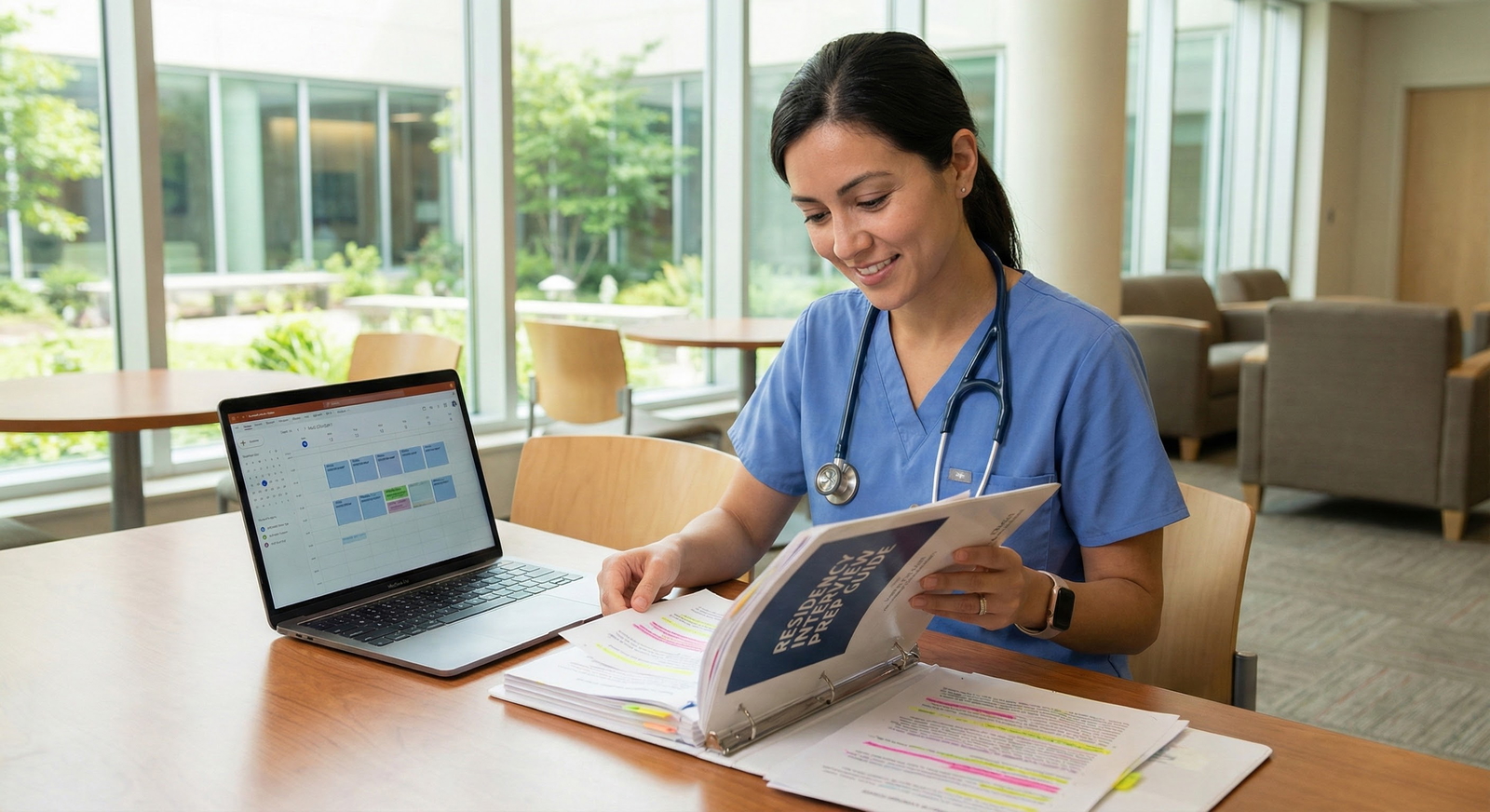
Create a spreadsheet (Excel/Google Sheets) with columns such as:
- Program name & institution
- Location (city, region, type of area)
- Program size (number of residents per year)
- IMG-friendliness (historically matched IMGs? visa sponsorship?)
- Type: University / University-affiliated / Community
- Clinical strengths: cardiac, regional, ICU, pain, OB, peds, trauma
- Rotation sites: main hospital + additional hospitals
- Call structure: night float vs 24-hr calls, ICU calls
- Didactics: weekly lectures, simulation lab, journal clubs
- Research/QI opportunities & expectations
- Special features: global health track, ultrasound curriculum, wellness initiatives
- Why this program fits you specifically (1–3 bullet points)
- People of interest (PD, APDs, chair, notable faculty)
- Red flags, if any (high attrition, poor board pass rate, etc.)
This helps with:
- Writing genuine emails and thank-you notes
- Tailoring your answers to “Why our program?”
- Ranking programs after interviews
Where to Find Information
Use a multi-source approach:
- Official websites: Curriculum, rotations, call schedules, educational philosophy
- FREIDA / ERAS / AAMC: Program details, benefits, number of positions
- Program social media: Instagram, X (Twitter), LinkedIn for resident life, wellness, recruitment emphasis
- Residency open houses & webinars: Ask direct questions about IMG support, visa sponsorship, and clinical exposure
- Word of mouth: Residents, fellows, or faculty you know at the institution (even from other departments)
As an IMG, pay special attention to:
- Explicit mention of visa sponsorship (J-1 vs H-1B)
- Number of current IMGs in the program
- Presence of support systems for international trainees (IMG mentorship, orientation, ECFMG support, etc.)
Turn Research into Talking Points
For each program, write a short “Why This Program” paragraph in your own words. For example:
“I’m particularly drawn to your program’s strong exposure to cardiac anesthesia and the early integration of residents into the ICU. The structured simulation curriculum and your emphasis on point-of-care ultrasound align with my interests in perioperative medicine and hemodynamics. I also value your history of training international medical graduates and the support you provide for residents pursuing fellowships.”
You won’t read this word-for-word in your interview, but this prep prevents vague, generic responses.
Step 3: Organize Your Application Materials and Professional Profile
Before interview invitations start arriving, ensure that all documents and your professional image are clean, consistent, and easy to access.
Master Your Own Application
The interviewers will often have only your ERAS application and personal statement in front of them. You must be able to speak comfortably about every detail you included.
Review:
Personal statement
- What are your 2–3 key themes?
- Are you ready to expand on the specific case/experience you described?
- Can you articulate what you learned and how it shaped your path?
Work and volunteer experiences
- For each entry: your role, responsibilities, what skills you gained (leadership, teamwork, communication, teaching, QI).
- Prepare a brief story for your most impactful experiences.
Research
- Be ready to discuss your role: data collection, analysis, manuscript writing, presentation.
- Know the basic findings and implications of each project.
Exam scores and attempts
- If you had a low score or repeated an exam, prepare a calm, honest explanation plus what you changed and how you improved.
- Focus on insight and growth, not excuses.
Gaps in training or career transitions
- Have a clear, concise explanation: family responsibilities, additional degrees, research, visa-related delays, etc.
- Emphasize how you stayed clinically or academically engaged.
Update Your Professional Presence
Programs increasingly search for candidates online.
- Email address: Professional (e.g., firstname.lastname.md@gmail.com).
- Voicemail: Clear, neutral, and professional; mention your name.
- LinkedIn (optional but helpful):
- Ensure consistency with ERAS timelines.
- Add a professional photo (simple background, business attire).
- Highlight anesthesiology-related experience and interests.
As an IMG, consistent, polished professional branding demonstrates your maturity and readiness to practice in the U.S. system.
Create a “Residency Application Folder”
Organize digital and printed resources:
- PDF copies of:
- ERAS application
- Personal statement
- CV
- USMLE score reports
- ECFMG certification status
- List of references/letter writers with updated contact info
- Spreadsheet with your program list and details (discussed earlier)
- Folder for each program containing:
- Their interview email instructions
- Zoom links or venue maps
- Any pre-interview tasks
This system keeps you prepared when last-minute invitations or rescheduled interviews appear.

Step 4: Build Interview Skills and Practice Key Questions
Residency interview preparation for an international medical graduate must address both content (what you say) and communication style (how you say it).
Learn the Common Interview Question Types
Most programs will ask variations of similar themes. Prepare structured answers for:
Motivation and fit
- “Tell me about yourself.”
- “Why anesthesiology?”
- “Why our program?”
- “Where do you see yourself in 5–10 years?”
Behavioral and situational questions
- “Tell me about a time you had a conflict with a colleague. How did you handle it?”
- “Describe a challenging case or situation and how you responded.”
- “Tell me about a time you made a mistake. What did you learn?”
Professionalism and ethics
- “Describe a situation where you had to advocate for a patient.”
- “What would you do if you suspected a colleague was impaired or making dangerous decisions?”
Teamwork and communication
- “How do you handle feedback or criticism?”
- “Give an example of when you led a team or contributed to a team under pressure.”
Red flag and IMG-specific topics
- Gaps in training, exam failures, switching specialties
- Transition from another healthcare role to medicine or from one country to another
- Visa status or long-term practice goals
Anesthesiology-specific
- “What do you think are the biggest challenges in anesthesiology today?”
- “What aspects of anesthesia do you find most exciting?”
- “Tell me about a case where anesthesia management was critical.”
Use the STAR Method for Behavioral Questions
For behavioral questions, structure your answers using STAR:
- Situation – Briefly set the context
- Task – What you needed to accomplish
- Action – What you specifically did
- Result – Outcome and what you learned
Example (conflict with colleague):
- S: “During my anesthesiology rotation, I worked with a surgery resident who often rushed the pre-op checks…”
- T: “I needed to ensure patient safety while maintaining a good team relationship.”
- A: “I asked to speak with them briefly between cases, acknowledged the time pressure, and suggested a quick standardized checklist…”
- R: “They agreed, our communication improved, and we consistently completed checks without delaying the OR schedule. It reinforced for me that addressing issues early and respectfully can improve both safety and teamwork.”
STAR answers sound organized, thoughtful, and mature—qualities programs seek.
Practice Out Loud—Not Just in Your Head
As an IMG, accent, pacing, and clarity can impact how you are perceived—even when your English is strong. To refine your communication:
- Record yourself answering 5–10 common interview questions residency programs ask.
- Watch the recordings:
- Are your answers too long or too short?
- Do you sound confident and engaged, or monotone and rehearsed?
- Are there phrases or grammar patterns you can improve?
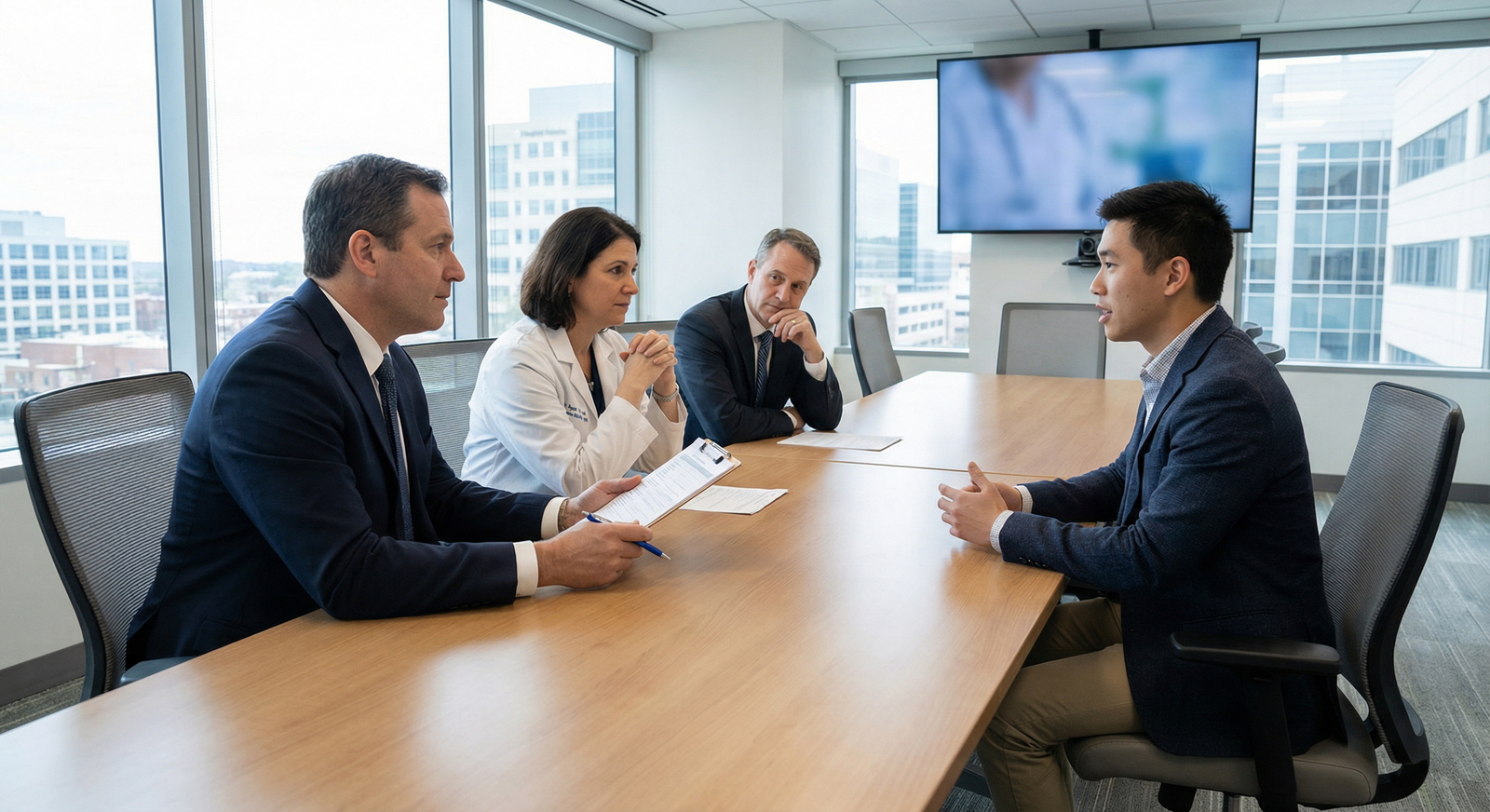
Ask a mentor, faculty member, or friend familiar with U.S. medical culture to conduct mock interviews. If possible, choose someone in anesthesiology who can probe clinical thinking and specialty-specific motivation.
Focus on:
- Eye contact (camera, if virtual)
- Posture and facial expression
- Neutral, professional language
- Avoiding negative comments about previous institutions or supervisors
Develop a Bank of Personal Stories
Prepare 6–8 versatile stories from your experience that show:
- Leadership
- Teamwork
- Conflict resolution
- Handling mistakes
- Adaptability and resilience
- Empathy and patient-centered care
- Initiative (quality improvement, teaching, research)
- Overcoming challenges as an IMG
You can adapt these to many different questions, which makes you sound genuine rather than memorized.
Step 5: Strengthen Your Anesthesia Knowledge and Clinical Reasoning
Most anesthesiology residency interviews remain largely non-technical, but programs expect you to show basic understanding of the specialty and patient care thinking.
Refresh Core Concepts
Before interview season:
Review basic physiology and pharmacology, focusing on:
- Cardiovascular and respiratory physiology
- Common anesthetic agents (propofol, volatile agents, opioids, muscle relaxants)
- Basic airway management principles
- Perioperative risk assessment (ASA classification, METs, major risk factors)
Revisit clinical rotations or observerships in:
- Anesthesiology
- ICU / critical care
- Emergency medicine (airway, shock, resuscitation)
- Surgery (perioperative concerns)
Even if they don’t quiz you, your ability to discuss a case with clear physiologic reasoning will show you’re prepared for residency training.
Be Ready to Discuss Your Anesthesia Experiences
If you have done any of the following, prepare to discuss them:
- Anesthesia rotations or electives
- Observerships or externships in U.S. anesthesia departments
- ICU rotations with anesthesia exposure
- Research in anesthesia, critical care, or pain medicine
For each experience, define:
- Setting and your role
- A representative case you found meaningful
- What you learned about anesthesia decision-making, teamwork, and patient safety
- How it influenced your decision to pursue anesthesiology
Programs want to see you’ve had enough direct exposure to understand both the challenges and rewards of anesthesia.
Understand the Reality of Anesthesiology Training
Be familiar with:
- Early-morning start times and OR workflow
- Call schedules and night float systems
- Role of residents in pre-op clinic, intra-op management, and PACU
- Expanding use of ultrasound (POCUS, regional anesthesia)
- Importance of non-technical skills: communication, situational awareness, crisis management
This helps you answer questions like:
- “What do you think will be the most challenging part of residency for you?”
- “How do you handle working under pressure or with limited sleep?”
Step 6: Master Logistics, Technology, and Pre-Interview Communication
Whether your interviews are in-person or virtual, logistics can significantly impact your impression on programs.
Email Etiquette and Communication
From the first invitation onward, every email you send is part of your professional image.
- Respond promptly, ideally within 24 hours.
- Use formal greetings:
- “Dear Dr. [Last Name],” or “Dear Program Coordinator,”
- Write clear subject lines:
- “Interview Date Confirmation – [Your Name]”
- Keep tone polite, concise, and appreciative.
- Double-check spelling of names and program titles.
As an IMG, strong written communication reassures programs that you can interact effectively with colleagues and patients in a U.S. environment.
Virtual Interview Setup (Critical for IMGs Abroad)
If your anesthesia match process includes virtual interviews, invest time in:
Internet connection
- Use wired Ethernet if possible.
- Test connection at the same time of day as your interview.
Environment
- Quiet, clean background (neutral wall or organized desk).
- Avoid visual distractions (busy posters, clutter).
- Make sure lighting is in front of you, not behind.
Equipment
- Test webcam and microphone in advance.
- Use headphones if your environment is not perfectly quiet.
- Familiarize yourself with Zoom, Teams, or platform specified by the program.
Technical rehearsal
- Conduct a full mock interview:
- Use the same device, camera, and platform.
- Practice joining the meeting, screen name, mute/unmute, camera on/off.
- Conduct a full mock interview:
Travel and In-Person Logistics (If Applicable)
If interviews are in person:
- Plan travel early—flights, hotels, local transportation.
- Keep all program addresses, times, and contact numbers written down.
- Account for jet lag if traveling from abroad; consider arriving at least one day early.
- Prepare professional attire (suit, clean shoes, minimal accessories) that is comfortable for long days.
Pre-Interview Checklist (Night Before)
- Print or save:
- Interview schedule and contact person information
- Short “Why this program” notes
- 5–7 thoughtful questions to ask residents and faculty
- Lay out your outfit, test your technology, and charge all devices.
- Review your personal statement and application.
- Sleep—your clarity and calmness matter more than memorizing one more fact.
Frequently Asked Questions (FAQ)
1. As an IMG, how can I best stand out during anesthesiology residency interviews?
Focus on three things: clarity of motivation, evidence of preparedness, and professional maturity. Show that you:
- Understand what anesthesiology involves on a daily basis (not just “I like physiology”).
- Have sought meaningful exposure through rotations, observerships, or research.
- Can adapt to the U.S. system, communicate clearly, and work well in teams.
- Bring unique strengths as an international medical graduate—multilingual skills, resilience, cross-cultural experience.
Specific, well-prepared examples from your own experience are more impactful than broad statements.
2. Do programs expect IMGs to know advanced anesthesia topics during interviews?
No. For most anesthesiology residency interviews, programs do not expect detailed subspecialty knowledge. However, they do expect:
- Solid grasp of basic physiology and pharmacology
- Logical clinical reasoning when discussing cases you’ve actually seen
- Awareness of the anesthesiologist’s role in pre-op, intra-op, and post-op care
If you show curiosity, good judgment, and willingness to learn, that matters more than perfectly detailed technical answers.
3. How can I explain a gap in my training or a USMLE failure as an IMG?
Address it directly, briefly, and constructively:
- State the fact without excuses.
- Provide context if relevant (illness, family issue, adjustment to new system, etc.).
- Explain what you changed afterward (study methods, time management, resources).
- Highlight your improvement and what the experience taught you about perseverance and learning.
Programs are less concerned about a single problem and more interested in your insight and growth.
4. What questions should I ask programs during my interviews?
Ask questions that show you’ve done your research and that you’re thinking about your growth as a future anesthesiologist. Examples:
- “How are residents progressively given more responsibility in the OR and ICU?”
- “What opportunities exist for residents interested in regional anesthesia or ultrasound early in training?”
- “How does the program support international medical graduates during onboarding and throughout residency?”
- “Can you tell me about recent quality improvement or patient safety projects residents have led?”
Avoid questions whose answers are clearly on the website (e.g., “How many residents do you take?”), unless you need clarification.
Thoughtful, structured pre-interview preparation allows you, as an international medical graduate, to present your best self to anesthesiology programs: a motivated, well-informed, and resilient future colleague. When the official interview day arrives, you’ll feel less like you’re being judged and more like you’re having a professional conversation about how you might fit into their team—and how they might help you grow into the anesthesiologist you aim to become.