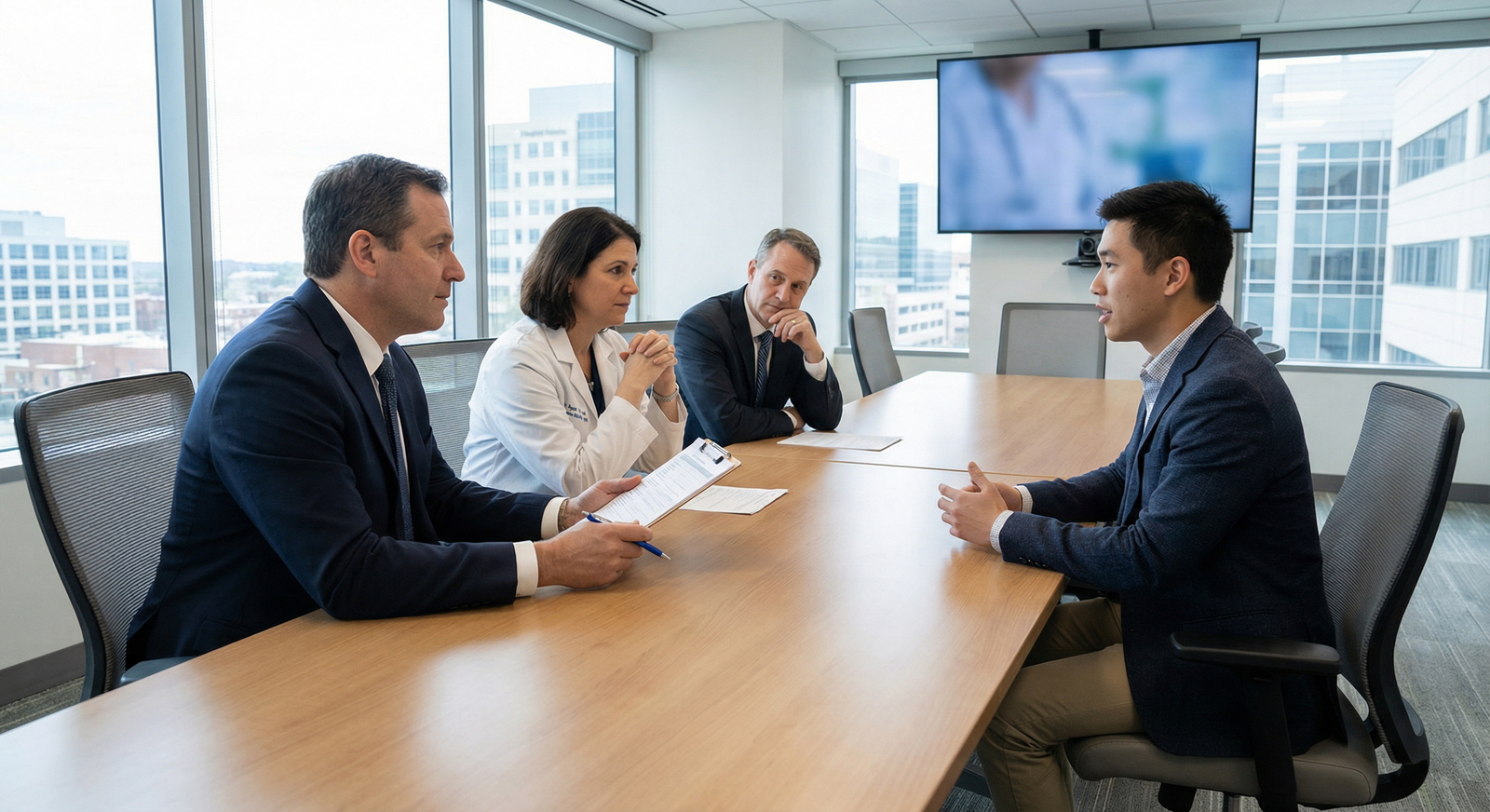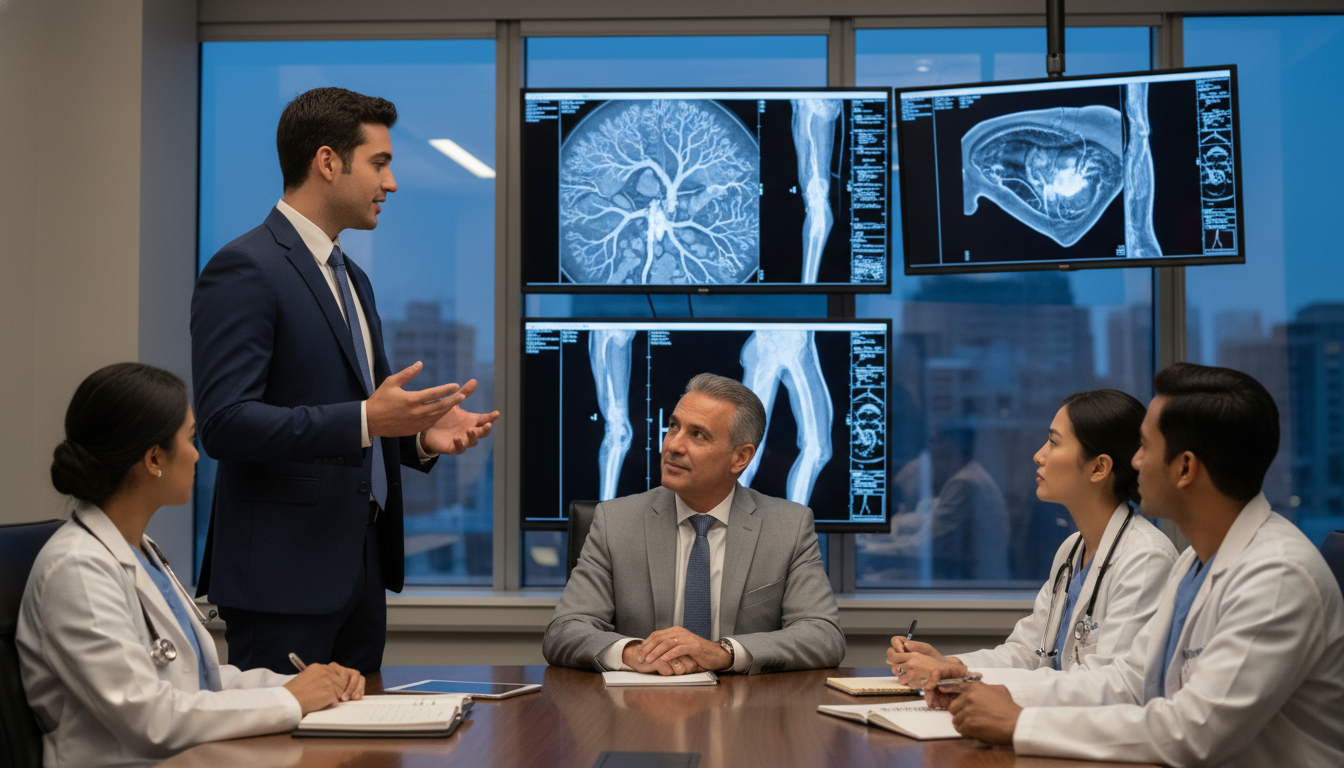
Clinical informatics is one of the most exciting, rapidly evolving areas in medicine—and as an international medical graduate (IMG), you bring a unique perspective to this specialty. But success in matching to a residency or clinical informatics fellowship doesn’t just depend on answering questions well; it also depends on the questions you ask programs.
This IMG residency guide focuses specifically on questions to ask programs—including what to ask program directors, fellows, residents, and even IT staff—so you can evaluate whether a clinical informatics pathway (fellowship, combined residency + informatics track, or health IT training program) is truly a good fit for you.
Understanding the Context: Clinical Informatics and IMGs
Clinical informatics is usually entered via fellowship (often after residency in specialties like internal medicine, pediatrics, EM, pathology, etc.), but some systems also offer:
- Residency tracks with informatics focus
- Post-residency clinical informatics fellowships
- Health IT training pathways integrated into larger programs
As an international medical graduate, you must evaluate two layers simultaneously:
General IMG considerations
- Visa support
- Supervision and onboarding
- Support for cultural and communication adaptation
- Requirements for independent practice and licensure
Clinical informatics–specific considerations
- Exposure to EHR optimization, analytics, and decision support
- Involvement in enterprise health IT projects
- Mentorship from informatics faculty
- Technical learning opportunities (data, programming, health IT systems)
Your questions should help you answer:
- Can I thrive here as an IMG—clinically, culturally, and logistically?
- Will this program truly train me as a clinical informatician and not just use me as extra clinical labor?
- Does this environment align with my career goals in health IT, data analytics, or digital health leadership?
Core Strategy: How to Approach Asking Questions
Before getting into specific lists, you need a strategy. Asking questions is not just about gathering information; it’s also about showing curiosity, insight, and maturity as a future informatics leader.
1. Prepare Different Question Sets for Different People
You will want different interview questions for them, depending on who “they” are:
Program Director (PD) or Clinical Informatics Fellowship Director
Focus on program vision, structure, evaluation, outcomes, support.Associate PDs / Core Faculty
Focus on curriculum, mentorship, research, and day-to-day expectations.Current Fellows or Residents in Informatics Track
Focus on culture, workload, real experience vs. brochure, and informal support.Health IT / IT Leadership (CIO, CMIO, CNIO, data team)
Focus on systems, technical infrastructure, and project opportunities.
2. Ask Open-Ended, Specific, and Data-Oriented Questions
As a future clinical informatician, targeted questions make you stand out. Prefer:
- “Can you walk me through an example of…”
- “How do you measure…”
- “What has changed in your program over the last 3–5 years in terms of…”
Avoid questions easily answered on the website. Instead, dig into how things work in practice.
3. Prioritize Questions That Matter Most to You as an IMG
For an international medical graduate, you must make sure to ask about:
- Visa types, duration, and institutional experience sponsoring IMGs
- Onboarding and supervision given differences in training background
- Support with US health system norms, communication, and documentation
- Opportunities to apply prior international experience in informatics
Keep a shortlist of “must ask” items and make sure they’re covered at some point in the day, even if you need to bring them up near the end of the interview.

Questions to Ask the Program Director (and Leadership)
When you think “what to ask program director,” focus on program design, institutional priorities, and long-term outcomes. These questions help you understand whether the program’s structure aligns with your goals in clinical informatics and your needs as an IMG.
A. Program Structure, Vision, and Informatics Identity
“How would you describe the role of clinical informatics in your institution?”
- Listen for whether they see informatics as strategic, operational, or purely technical.
- You want an institution where informatics is integrated into clinical decision-making and leadership, not just an IT support function.
“What differentiates your clinical informatics fellowship (or track) from others?”
- Look for concrete features: integration with enterprise projects, partnership with IT, robust analytics, interaction with CMIO office.
“How has the informatics program evolved over the past 3–5 years?”
- Programs that have updated curricula, expanded rotations, or strengthened health IT training demonstrate adaptability—a good sign in a rapidly changing field.
“What are your top priorities for the program over the next few years?”
- Helps reveal whether they’re focused on expanding QI projects, AI/ML, data governance, or educational infrastructure.
B. Curriculum, Clinical vs. Informatics Time, and Health IT Training
“Can you describe the balance between clinical work and informatics work over the course of training?”
- For fellowships: Ask how many days per week or months per year are clinical vs informatics.
- As an IMG, ensure you won’t be overwhelmed with clinical service as a primary role.
“What types of health IT systems and tools will I be exposed to?”
- Ask specifically about:
- EHR platforms (Epic, Cerner, etc.)
- Data warehouses and analytics platforms (SQL, Python, R, Tableau, Power BI)
- Clinical decision support tools and governance committees
- Ask specifically about:
“How structured is the informatics curriculum? Are there formal didactics, certificate programs, or partnerships with schools of public health or computer science?”
- For example, do they offer:
- A certificate in clinical informatics or health data science
- Courses in programming, data science, or implementation science
- Joint activities with the health IT or CMIO office
- For example, do they offer:
“Do fellows/residents participate in governance committees such as clinical decision support, EHR optimization, or data governance?”
- Participation in such committees is core to good health IT training.
- Ask for specific examples of recent initiatives.
C. Research, Projects, and Career Outcomes
“What types of projects do your fellows/residents typically complete?”
- Ask for 2–3 concrete examples:
- EHR redesigns
- Predictive modeling tools
- Telehealth workflows
- Patient safety/quality dashboards
- Ask for 2–3 concrete examples:
“What support is available for research, conference presentations, or publications in informatics?”
- Clarify whether there is:
- Protected time
- Access to biostatistics/help
- Funding for AMIA, HIMSS, or other conferences
- Clarify whether there is:
“What have your recent graduates gone on to do?”
- Specifically ask how many have taken roles as:
- CMIO / associate CMIO
- Health system informatics leads
- Industry roles (EHR vendors, digital health startups, pharma/tech)
- Academics in informatics
- Specifically ask how many have taken roles as:
“Do you have alumni who were international medical graduates? What have their career paths looked like?”
- This is crucial for an IMG residency guide: you want to hear success stories that resemble your intended path.
D. Support for IMGs, Visas, and Integration
“What experience does your program and institution have with supporting international medical graduates in clinical informatics?”
- Ask for concrete examples: prior IMGs, their specialty backgrounds, and any challenges.
“What types of visas do you typically sponsor for informatics fellows/residents (J-1, H-1B, others), and how often have you done so in the past few years?”
- Clarify:
- Are there institutional limits?
- Any changes expected?
- Are they comfortable navigating the process?
- Clarify:
“How do you support IMGs in adapting to the US healthcare system, documentation standards, and interprofessional communication norms?”
- Look for mentions of:
- Orientation tailored to IMGs
- Feedback culture and mentorship
- Resources for communication skills
- Look for mentions of:
E. Evaluation, Feedback, and Program Culture
“How do you evaluate fellows’ or residents’ progress in informatics competencies?”
- Formal evaluations, milestones, workplace-based assessments?
- Is feedback regular and actionable?
“If a trainee is struggling—whether clinically, academically, or personally—what supports are available?”
- Counseling, academic assistance, schedule adjustments, mentorship.
“How would you describe the culture of your program—especially regarding feedback, hierarchy, and openness to new ideas?”
- In informatics, a culture of collaboration and innovation matters more than in many other fields.
Questions to Ask Current Fellows and Residents (The Real Story)
When planning interview questions for them, the “them” you must not forget is the current trainees. They can help you understand daily reality—especially what it is like as an IMG in clinical informatics.
A. Day-to-Day Work and Balance
“What does a typical week look like for you during an informatics-heavy block?”
- Ask about:
- Meetings vs hands-on work
- Technical time (data, builds, scripting)
- Independent vs supervised responsibilities
- Ask about:
“How does workload vary during the year? Are there times when clinical demands overshadow informatics work?”
- Programs differ dramatically here. Watch out if trainees feel overworked clinically with minimal informatics opportunity.
“Do you feel you have enough time to engage meaningfully with projects, or is much of your time spent on service tasks?”
B. Informatics Exposure and Autonomy
“What kinds of projects are fellows/residents really doing—not just what’s written in the brochure?”
- Ask them to describe:
- A favorite project
- A challenging project
- Something that had measurable impact (e.g., reduced errors, improved documentation completion)
- Ask them to describe:
“Do you have exposure to both the technical side (data, tools, builds) and the operational side (governance, policies, clinician engagement)?”
“How early in training did you start taking ownership of parts of projects?”, e.g.:
- Designing workflows
- Proposing CDS rules
- Presenting to committees
C. Culture, Support, and IMG Experience
“How supportive are faculty and IT leadership when you propose new ideas or innovations?”
“Can you tell me about how IMGs have done in this program? What supports have been most useful for them?”
“How approachable are the faculty, and how comfortable do you feel asking for help or clarification?”
“Do you feel that your background—whether international, technical, or clinical—is valued here?”
- As an international medical graduate, you should look for signs that diverse training paths are seen as a strength, not a liability.
D. Career Preparation and Networking
“What kind of mentorship have you received around career planning in clinical informatics or health IT?”
“How much access do you have to leadership, like the CMIO or CIO? Do they know you by name?”
“Do fellows/residents get to interact with external partners—industry, vendors, regional health IT networks?”
“If you could change one thing about this informatics program for future trainees, what would it be?”
- This often reveals the most significant pain point of the program.
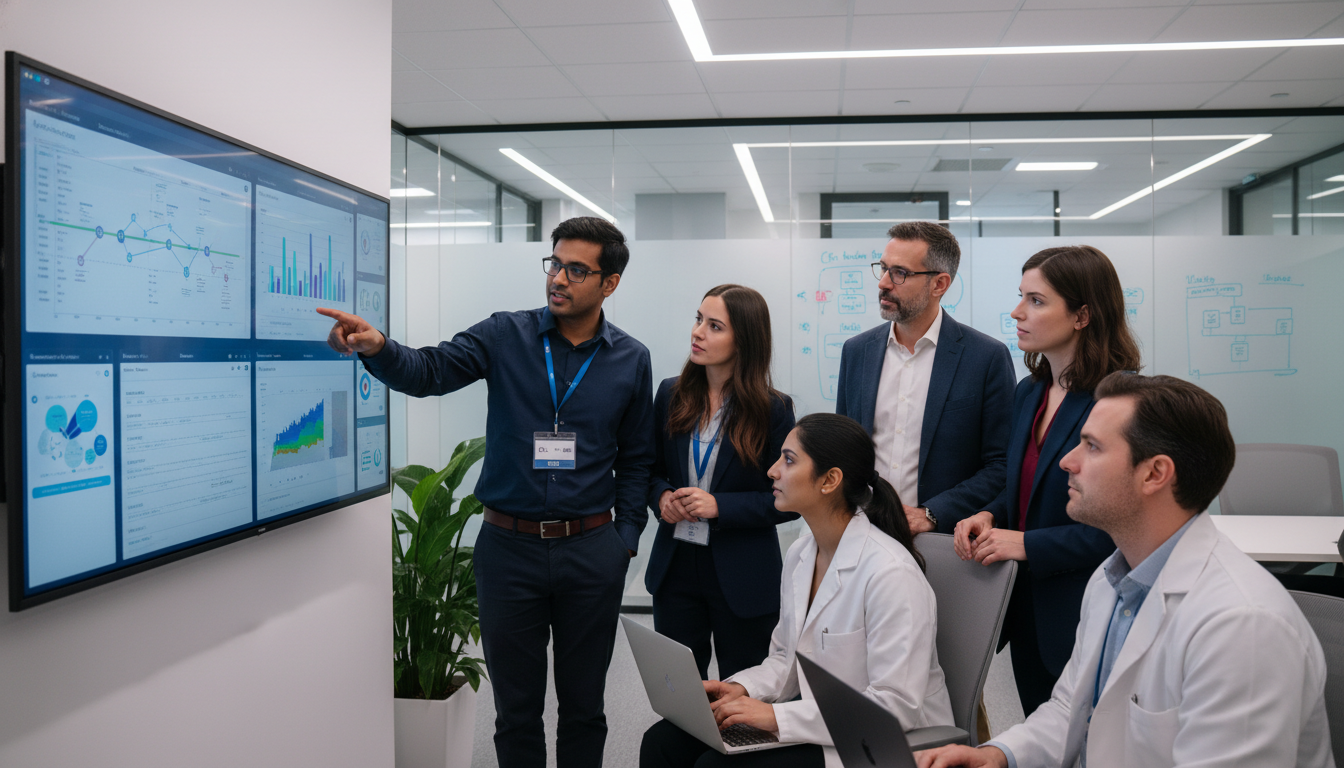
Technical and Systems Questions: Evaluating True Informatics Depth
As someone focused on clinical informatics, you also need to understand the technical ecosystem you’ll be trained in. These questions may be directed to the PD, informatics faculty, or IT/health IT leadership.
A. EHR and Core Clinical Systems
“Which EHR systems and ancillary systems (LIS, RIS, pharmacy, etc.) does your institution use?”
- Ask follow-ups:
- Single instance vs multiple?
- Integrated outpatient–inpatient environment?
- Ongoing upgrade or optimization projects?
- Ask follow-ups:
“How involved are trainees in major institutional EHR initiatives, such as go-lives, upgrades, or optimization sprints?”
- Programs that let you participate meaningfully in big initiatives offer real-world health IT training.
“Do trainees work with clinical decision support design and evaluation? Can you give examples?”
- Example projects might include:
- Alert fatigue reduction
- BPA (Best Practice Advisory) refinement
- Order set design and testing
- Example projects might include:
B. Data, Analytics, and Innovation
“What kind of access will I have to data? Is there a governed analytics environment for trainees?”
- Clarify:
- Data warehouse access policies
- Use of de-identified vs identified data
- IRB and compliance processes for data-intensive projects
- Clarify:
“Which analytics or data tools do fellows/residents commonly use? Are there opportunities to learn SQL, Python, R, or visualization platforms?”
“Do you have any ongoing projects involving AI, machine learning, NLP, or predictive analytics? How are trainees involved?”
- For an IMG interested in the cutting edge of clinical informatics, this can be a deciding factor.
“Are there partnerships with engineering, computer science, public health, or data science departments?”
- Look for:
- Joint seminars or courses
- Collaborative research
- Access to advanced analytics infrastructure
- Look for:
C. Governance, Policy, and Safety
“How do informatics trainees participate in governance processes like data governance, privacy/security committees, or quality & safety boards?”
“How is patient safety incorporated into informatics training? Are there examples where informatics interventions prevented or mitigated errors?”
“Is there formal training on regulatory and policy aspects—HIPAA, interoperability rules, meaningful use, information blocking, etc.?”
IMG-Specific Questions: Making Sure the Program Fits You
For international medical graduates, some of the most crucial questions are not printed anywhere on the website. They relate to visa stability, adaptation to the US clinical environment, and long-term career viability.
A. Visa, Licensing, and Administrative Details
“Could you walk me through how your institution handles visa sponsorship for informatics trainees?”
- Clarify:
- Types of visas commonly used
- Whether they’ve had issues renewing or converting statuses
- Institutional policies on H-1B vs J-1
- Clarify:
“Do your IMGs face any particular timeline concerns with licensing or visa processing before starting the program?”
“Have any trainees run into visa-related barriers to certain projects, roles, or transitions after training?”
B. Adaptation to the US Clinical and Informatics Environment
“What kind of orientation or support is available for IMGs to adapt to documentation standards, EHR workflows, and communication norms?”
“How does the program support differences in prior training (for example, if my home country had less EHR use or different health IT systems)?”
“Are there faculty or senior trainees who act as mentors specifically for IMGs or first-generation trainees?”
C. Long-Term Career and Immigration Considerations
“For IMGs who completed your program, how have they navigated the job market—especially regarding visa-friendly employers?”
“Are there institutional or affiliated positions that often hire graduates and are open to sponsorship?”
“What advice do you typically give IMGs in your program regarding planning for long-term careers in the US, especially in health IT and leadership roles?”
These questions help ensure that your investment in training will translate into a viable long-term path, not just a temporary academic experience.
How to Use the Answers: Comparing Programs and Making Decisions
Asking strong questions is only useful if you analyze the answers in a structured way. After each interview, jot down notes on these dimensions:
1. Informatics Depth vs. Buzzwords
- Do they speak concretely about:
- Specific EHR builds, dashboards, CDS projects
- Real governance participation
- Data environments and tools
- Or is “informatics” presented mostly as:
- “We like technology”
- “You can do quality improvement”
- “We’re hoping to start an AI project soon”
You want evidence of an established clinical informatics ecosystem.
2. IMG-Friendliness and Institutional Track Record
- Did responses about IMGs feel:
- Specific and confident?
- Vague and general, or clearly inexperienced?
- Did they provide examples of:
- Past IMGs in informatics
- Their roles after graduation
- How they were supported?
Programs with a clear track record of successful IMGs usually provide a safer path.
3. Culture: Openness, Respect, Innovation
- Did people seem:
- Reluctant to share challenges?
- Open about areas they’re improving?
- Healthy programs can say, “We’re still building X, and here’s how we plan to involve you.”
Pay attention to how faculty and trainees speak about each other—this is often more revealing than any formal statement.
4. Alignment With Your Career Goals
Clarify for yourself whether your main goal is:
- Leadership in a health system as CMIO or informatics officer
- Deep technical expertise and data science
- Industry roles in health IT, pharma, or tech
- Academic informatics, research, and teaching
Then, judge each program by how well their answers support your specific path, not just generic “informatics exposure.”
Frequently Asked Questions (FAQ)
1. As an IMG interested in clinical informatics, should I prioritize residency programs with informatics tracks or focus on informatics fellowships later?
If you are still applying for residency, a program with a strong informatics track or health IT training can give you a head start, but it is not strictly required. Many clinical informatics fellowships accept applicants from a wide range of residencies. For IMGs, it is often more important that:
- The residency is IMG-supportive and visa-friendly
- You gain strong core clinical training and US experience
- You have some informatics exposure (projects, QI, EHR work) that you can build on later
If you already completed residency, then your focus should be on dedicated clinical informatics fellowship programs and their track record with IMGs.
2. What are the most important “must ask” questions for program directors in clinical informatics?
For an international medical graduate, the highest-yield questions to ask program directors typically include:
- “How do you balance clinical and informatics time for trainees?”
- “What kinds of informatics projects are fellows/residents actually doing now?”
- “How have your graduates, especially IMGs, done in terms of jobs and visas after training?”
- “What experience does your institution have in sponsoring visas for informatics trainees?”
These help you assess training quality, real-world opportunities, and IMG-specific feasibility quickly.
3. How many questions should I ask in an interview, and can I ask about visa issues directly?
You should absolutely ask about visa support; it is both appropriate and important. Aim to ask:
- 2–4 focused questions in each interview (PD, faculty, fellows)
- Keep them concise and open-ended
- Choose one or two visa-related questions for the PD or coordinator, not every interviewer
Phrase visa questions professionally, such as:
“Could you share how your program and institution typically handle visa sponsorship for informatics trainees, and whether there have been any recent changes?”
4. I’m not very technical yet. Will asking about data tools and AI projects make me look unqualified?
Not at all. Thoughtful questions about how you will learn are a strength. You don’t need to be an expert, but you should show curiosity, such as:
- “What opportunities will I have to learn basic data tools like SQL or Python?”
- “Do you have any introductory training or mentorship for trainees who are newer to the technical side?”
Programs understand that many IMGs come from environments with less exposure to advanced health IT. What matters is your interest, motivation, and commitment to learning.
By preparing targeted, informed questions to ask programs, you transform the interview from a one-way evaluation into a mutual, professional conversation about your future as an international medical graduate in clinical informatics. Use the questions in this guide as a framework, adapt them to your priorities, and treat each answer as data—just as a good clinical informatician would.