Understanding the IR Match Landscape as an IMG
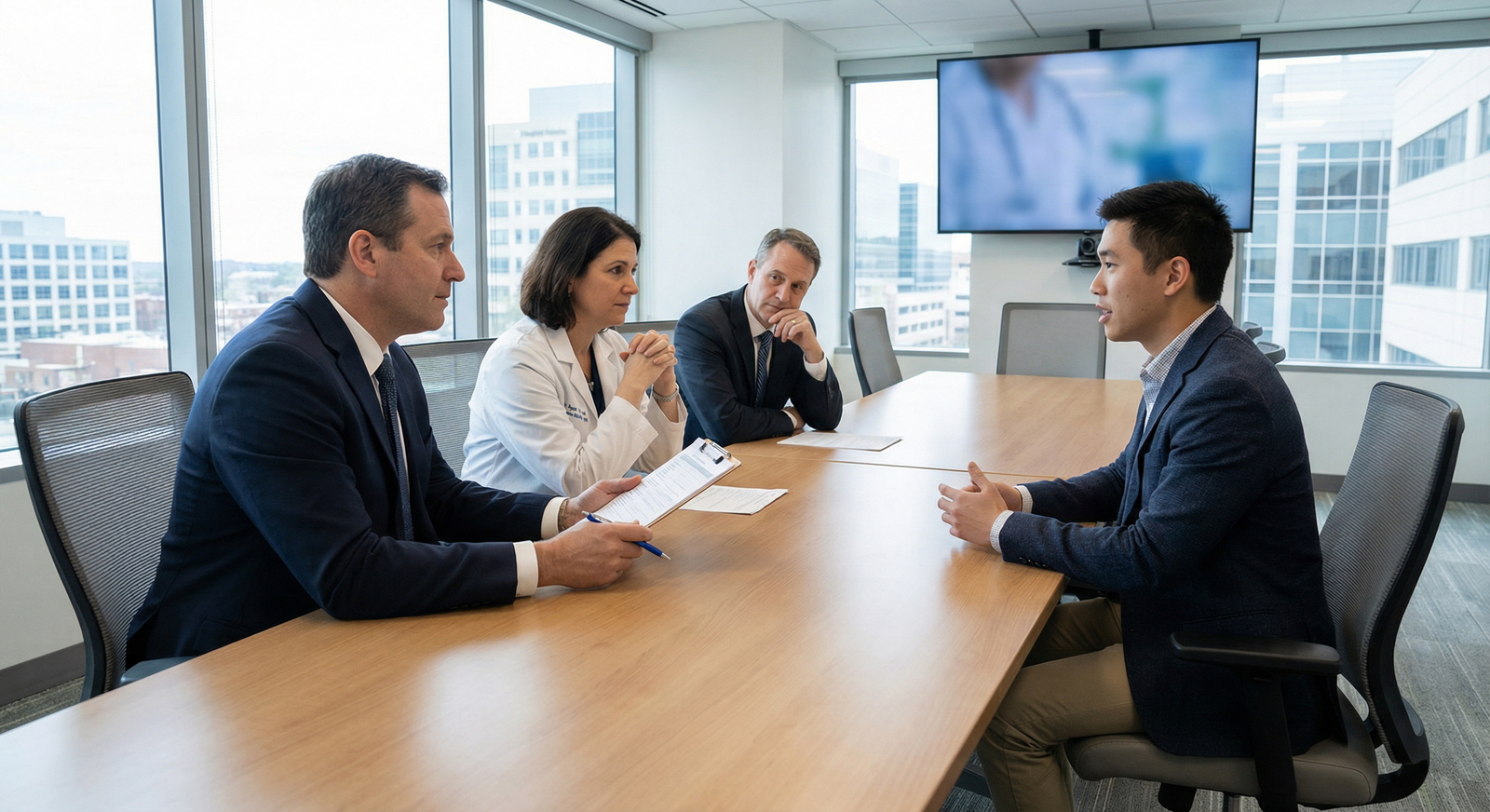
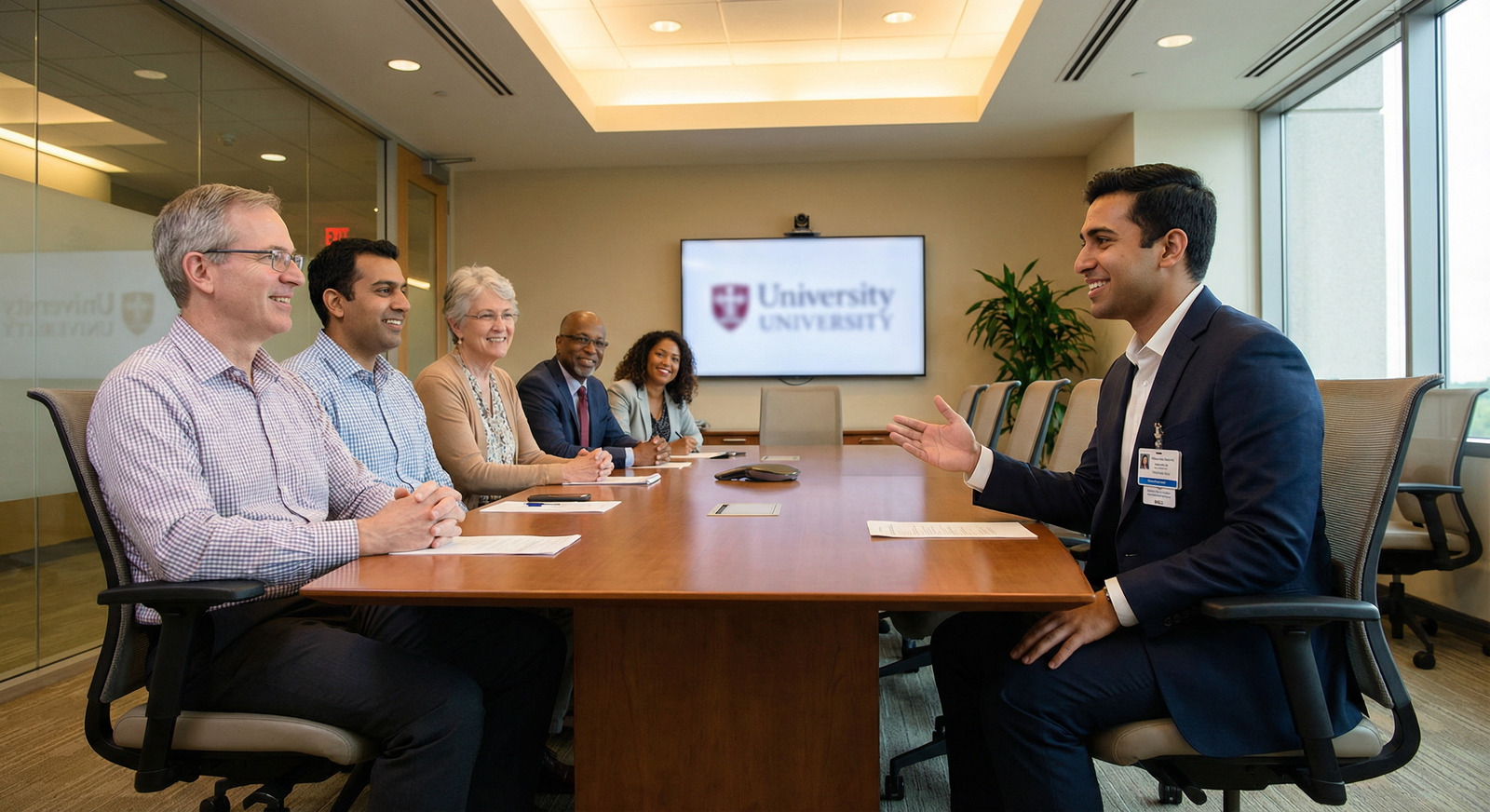
Interventional Radiology (IR) is one of the most competitive fields in modern medicine—high‑tech, procedure‑heavy, and rapidly evolving. For an international medical graduate, the IR match requires both outstanding credentials and excellent residency interview preparation. Pre‑interview work is not just about “knowing your CV”; it is about understanding the system, anticipating expectations, and strategically presenting your unique IMG story.
Before diving into specific preparation steps, ground yourself in three core realities:
- IR is procedure‑driven and team‑based. Programs want residents who are technically inclined, calm under pressure, and excellent communicators.
- IMGs must overcome additional barriers. Visa questions, unfamiliar health systems, language nuances, and assumptions about training quality may all influence how you are perceived.
- The interview is often the deciding factor. Many programs use interviews to separate a large pool of strong applicants. Strong pre‑interview preparation can turn “borderline” applications into “must‑rank” candidates.
As an IMG, your goal is to transform every interview into a clear, consistent narrative:
“I understand the U.S. healthcare environment, I am well‑prepared clinically and technically, and I will thrive in this specific interventional radiology residency.”
This IMG residency guide will walk you step‑by‑step through how to prepare for interviews in IR—focusing on what to do before you ever log into Zoom or walk into the hospital.
Step 1: Clarify Your IR Story and Career Vision
Programs are not only asking “Can this person do the work?” They are also asking, “Why IR, and why now?” For an international medical graduate, a coherent personal and professional story is essential.
1.1 Define your “Why IR?” clearly
The classic first question in many interview questions residency sessions is:
- “Why Interventional Radiology?”
Avoid vague responses like “I like procedures” or “I enjoy radiology and hands‑on work.” Your answer should show depth and personal reflection.
Build your answer around three elements:
- Trigger moment – A specific patient, rotation, or case that sparked your interest.
- Example: A peripheral arterial disease case where IR saved a limb that would otherwise have been amputated.
- Reinforcement experiences – Rotations, research, or mentorships that confirmed this interest.
- Example: Shadowing in an IR suite, participating in embolization cases, working on a project related to TIPS or EVAR.
- Future direction – How you see yourself in 5–10 years in IR.
- Including possible focus areas: interventional oncology, peripheral vascular disease, neurointerventions (if relevant), or global health in IR.
Practice a 1–2 minute structured response that sounds natural, not memorized. Record yourself and listen for overused phrases or lack of specifics.
1.2 Craft your IMG narrative
Your identity as an international medical graduate is an asset, not a liability—if you learn to present it well.
Reflect on:
- What is distinctive about your medical education (clinical exposure, responsibility level, case mix)?
- What challenges have you overcome (language, system differences, limited access to research or IR technology)?
- What strengths your background provides:
- Adaptability to new systems
- Experience with limited resources
- Multilingual communication
- Cultural competence
Expect common questions like:
- “What brought you to pursue training in the U.S.?”
- “How has your experience as an IMG shaped you as a physician?”
- “What challenges have you faced as an IMG and how did you manage them?”
Prepare 2–3 concise stories that demonstrate resilience, growth, and adaptability. These will be useful across many questions.
1.3 Align your goals with IR program structures
The current IR training landscape includes:
- Integrated IR/DR residency (categorical path from PGY‑1)
- Independent IR residency (after DR residency)
- Early specialization / ESIR pathways within DR programs
Be clear on:
- Which pathways you are applying to
- How each fits into your long‑term plan
- Why this specific route is particularly suitable for you as an IMG
Programs appreciate candidates who understand the structure of IR training and can articulate why they chose these specific programs.

Step 2: Deep Research on Each IR Program
Thorough program research is one of the most underrated parts of pre‑interview preparation. Interviewers quickly notice whether you have spent time understanding their specific environment.
2.1 Build a structured research template
For each program, create a document or spreadsheet that includes:
- Program basics
- Integrated vs independent IR
- Total number of IR and DR residents
- Hospital type (academic, community, VA, county, hybrid)
- Geographic location, catchment area, and patient population
- IR case mix
- Level 1 trauma center?
- Transplant center (liver, kidney)?
- Interventional oncology programs (Y‑90, TACE, ablation)?
- Vascular disease volume (PAD, DVT/PE, aortic work)?
- Faculty and leadership
- Program director and associate PD (background and interests)
- Key IR attendings and their subspecialty focus
- Any faculty sharing your country/language or prior IMG backgrounds
- Research opportunities
- Active IR research areas (oncology, vascular, outcomes, education)
- Recent publications by faculty
- Ongoing clinical trials involving IR
- Unique features
- Dedicated IR clinic, longitudinal patient follow‑up
- Early procedural exposure
- Simulation labs, call structure, independent call
- Collaboration with vascular surgery, cardiology, oncology, hepatology
Use this research to answer:
- “Why did you apply to our program?”
- “What do you know about our IR section?”
- “How do you see yourself fitting in here?”
2.2 Leverage multiple information sources
As an IMG, you may have fewer informal channels (e.g., home‑institution graduates), so be proactive:
- Program websites – Review curriculum, rotation schedule, case examples.
- Fellowship and faculty CVs – Many list research and clinical interests.
- Residency social media – Twitter/X, Instagram, LinkedIn often show culture, resident life, case highlights.
- Society websites
- SIR (Society of Interventional Radiology)
- RSNA, CIRSE, local IR societies
- Virtual open houses and information sessions – These are particularly valuable for IMGs who may not have visited U.S. campuses.
Keep a short “Program Highlights” paragraph for each site that you can quickly re‑read the night before your interview.
2.3 Prepare program‑specific questions
You will almost always be asked:
- “Do you have any questions for us?”
Avoid questions easily answered from the website. Instead, ask targeted, thoughtful questions that show genuine interest and understanding.
Examples tailored to IR:
- “How is the balance between interventional oncology, peripheral vascular procedures, and non‑vascular interventions in your case mix?”
- “Can you describe the level of resident independence in procedures by the end of training?”
- “How does your program integrate clinic time and longitudinal follow‑up into IR training?”
- “What opportunities are there for an IMG to get involved in quality improvement or outcomes research in IR here?”
Prepare 3–5 strong questions for each program and mark 2 as your “must ask” in case time is limited.
Step 3: Mastering Content Knowledge and Clinical Scenarios
While IR residency interviews are not formal exams, many programs will assess your clinical reasoning, understanding of IR’s scope, and your ability to think through common scenarios. For IMGs, demonstrating familiarity with U.S. clinical approaches is particularly important.
3.1 Refresh core IR and radiology fundamentals
Before interviews, review:
- Basic IR concepts
- Principles of image guidance (fluoroscopy, CT, US, MRI)
- Sterile technique and radiation safety
- Consent, complications, and post‑procedure care
- Common IR procedures and their indications
- Vascular: angiography, angioplasty, stenting, thrombolysis, IVC filters
- Interventional oncology: biopsy, ablation, TACE, Y‑90
- Hepatobiliary: TIPS, biliary drainage, cholecystostomy
- Non‑vascular: nephrostomy, abscess drainage, G‑tube, GU interventions
You will not be expected to know everything, but you should be able to speak intelligently about common IR domains and show that you’ve meaningfully explored the field.
3.2 Prepare for clinical reasoning questions
Some IR programs include case‑based questions such as:
- “A patient with acute limb ischemia presents—what are the key elements of your initial workup and what is IR’s role?”
- “How would you explain the risk–benefit of a TIPS procedure to a patient with cirrhosis and variceal bleeding?”
You are judged more on your approach and communication than on technical details. When uncertain:
- State what you know clearly.
- Organize your thoughts (e.g., by system or steps).
- Admit knowledge gaps honestly (“In practice, I would consult guidelines/attending, but my understanding is…”).
3.3 Translate international experience into U.S. context
As an IMG, you may have significant procedural or clinical experience that looks different from U.S. norms. Be prepared to:
- Explain what IR looks like in your home country (availability, typical procedures, training pathways).
- Clarify your exact role in procedures (observer vs assistant vs primary operator).
- Discuss how you will adapt to U.S. protocols and evidence‑based guidelines.
Example:
“In my home institution, we did not have TIPS capability, but I was involved in many ultrasound‑guided paracenteses for patients with cirrhosis. This gave me a strong foundation in ultrasound anatomy, sterile technique, and managing post‑procedure monitoring. I’m excited to expand that foundation to the full spectrum of IR procedures using the structured training in the U.S.”
Step 4: Systematic Practice for Common IR Residency Interview Questions
The difference between a mediocre and an outstanding interview often lies in the amount and type of practice you do beforehand.
4.1 Build a bank of core questions (general + IR‑specific)
Common interview questions residency programs use (particularly for IMGs):
- Tell me about yourself.
- Why Interventional Radiology?
- Why did you choose to train in the U.S.?
- Why our program?
- What are your strengths and weaknesses?
- Describe a challenging patient or clinical situation and how you handled it.
- Tell me about a time you failed and what you learned.
- How do you handle stress or long hours?
- Have you ever had a conflict with a supervisor or colleague?
- What do you see yourself doing 10 years from now?
IR‑specific questions you should anticipate:
- How have you explored IR as a field?
- Tell me about an IR case or procedure that particularly impacted you.
- What do you think will be the biggest challenges for you in IR training?
- How do you feel about the balance of diagnostic radiology and interventional work in an IR/DR program?
- Are there particular areas in IR you are most interested in (e.g., oncologic, vascular, pediatric)?
4.2 Use a structured framework to answer behavioral questions
For storytelling questions, use the STAR method:
- Situation – Briefly set the scene.
- Task – What was your role or responsibility?
- Action – What specific steps did you take?
- Result – What happened and what did you learn?
Example (conflict resolution):
- S: “During my internal medicine rotation, a nurse and I disagreed about the timing of a blood transfusion in a hemodynamically stable patient.”
- T: “As the intern responsible, I needed to ensure patient safety while maintaining good teamwork.”
- A: “I asked to step aside, reviewed the patient’s vitals and hemoglobin trend with the nurse, clarified our institutional guidelines, and involved the senior resident when we still disagreed.”
- R: “We reached consensus on a safe timeframe, the transfusion occurred without incident, and I later discussed with the nurse how we could communicate concerns earlier. I learned to address disagreements calmly and transparently.”
Practice 10–15 such stories drawn from different settings (clinical, research, teaching, personal life).
4.3 Conduct realistic mock interviews
As an IMG, you may face subtle additional evaluation around language fluency and cultural fit. Mock interviews are vital.
- Who to practice with
- Recent residents or fellows (especially in IR or radiology)
- Faculty mentors familiar with U.S. interviews
- Peers who can give honest feedback
- Professional coaching (if accessible)
- Format
- At least one full‑length mock in the exact format you expect (video or in‑person, 30–60 minutes).
- Record the session and review:
- Clarity and pace of speech
- Filler words (“um,” “like,” “you know”)
- Non‑verbal cues (eye contact, posture, nervous gestures)
- Focus areas for IMGs
- Accent clarity: You do not need a “native” accent, but speech should be easily understandable.
- Cultural references: Avoid jokes or idioms that may not translate well.
- Directness: U.S. interviews favor clear, structured answers over long, indirect ones.
Step 5: Logistics, Professional Presentation, and Virtual Setup
Even the strongest applicant can be undermined by poor logistics or technical problems. Meticulous preparation here sends a powerful signal about your professionalism.
5.1 Document organization and application review
Before your interviews:
- Re‑read your ERAS application, personal statement, and CV.
- Highlight potential discussion points: research, leadership roles, unique experiences.
- Be prepared to explain every line on your CV (what you did, what you learned).
- Prepare a one‑page personal summary:
- 3–4 key strengths
- 2–3 most meaningful experiences (IR, research, leadership)
- 1–2 areas for growth (with active plans to improve)
- For research:
- Be ready to describe your main projects in 1–2 minutes:
- Research question
- Your role
- Methods (simplified)
- Key findings and implications
- Any IR relevance
- If you only did data collection or chart review, state that honestly and highlight what you learned.
- Be ready to describe your main projects in 1–2 minutes:
5.2 Professional appearance and body language
- Attire
- Conservative professional suit (dark blue, black, or gray).
- Minimal accessories, neat hair, and clean, simple grooming.
- For virtual interviews, dress fully (not just from the waist up); it affects posture and mindset.
- Body language
- Sit upright but relaxed.
- Smile when appropriate; show enthusiasm for IR and the program.
- Use hand gestures moderately; ensure they remain within the camera frame if virtual.
- Avoid looking at yourself on the screen; look at the camera when speaking.
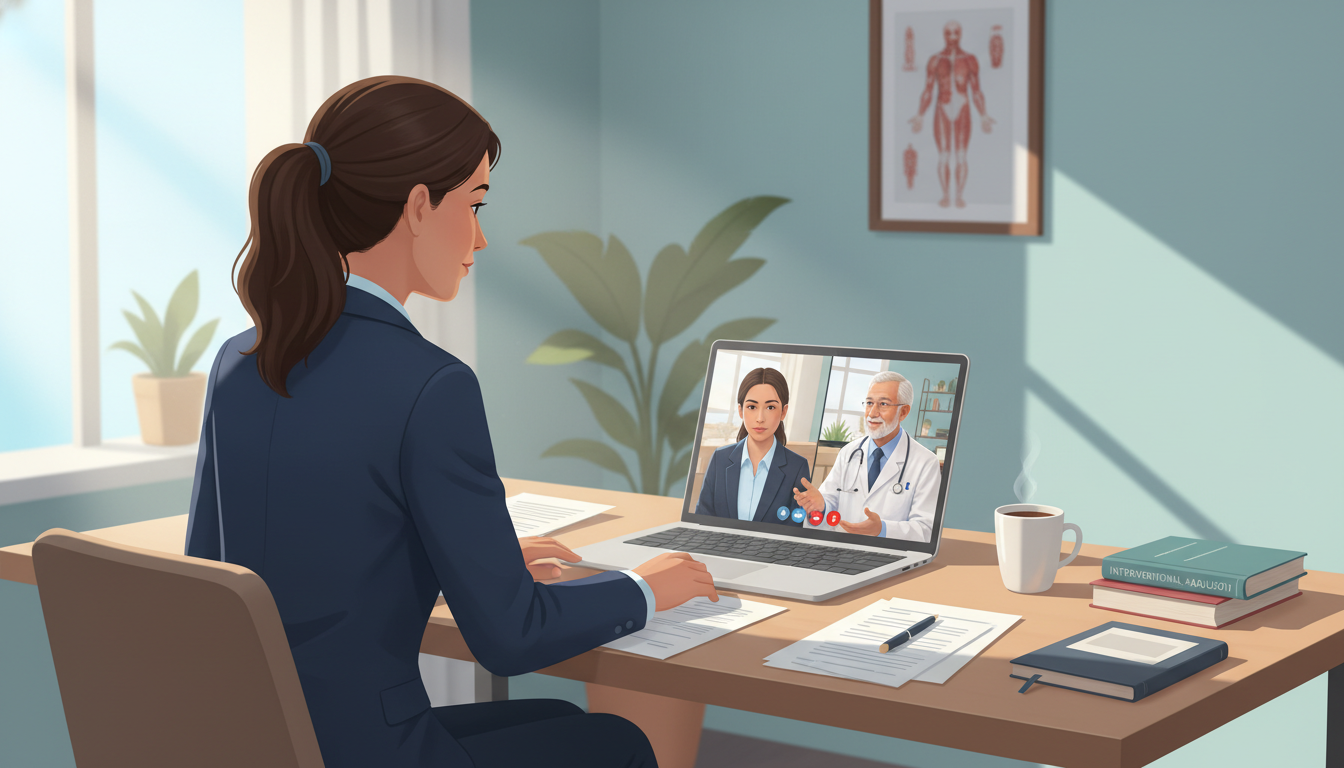
5.3 Optimizing your virtual interview setup (critical for IMGs abroad)
Test all technology at least a week before your first interview:
- Internet
- Use wired Ethernet if possible.
- Have a backup connection (mobile hotspot, alternative location).
- Audio
- Use a high‑quality microphone or a headset with good noise cancellation.
- Test for echo, background noise, and volume levels.
- Video
- Good lighting (face toward a window or soft light source, not backlit).
- Neutral, uncluttered background (plain wall, simple bookshelf).
- Camera at eye level; no extreme angles.
- Software
- Install and update Zoom, Teams, or whichever platform is used.
- Practice logging in, screen name formatting (use your full name, no nicknames), virtual backgrounds (if needed but keep them professional).
Consider time zone differences carefully and confirm time slots in U.S. time and your local time. Many IMGs have missed or arrived late to interviews due to time conversions.
5.4 Handling visa and sponsorship questions
As an international medical graduate, you may be asked (directly or indirectly) about visas and long‑term plans.
- Know your current visa status and options (J‑1 vs H‑1B).
- Research each program’s recent history with visa sponsorship (often on their website or via program coordinator).
- Prepare a short, honest answer:
“I am currently on [visa type] and will require [J‑1/H‑1B] sponsorship for residency. I understand that policies can vary by institution and I appreciate that your program has historically supported IMGs. My long‑term goal is to build a career in [clinical IR, academic IR, etc.] and I am committed to fulfilling any obligations associated with my training.”
Avoid appearing uninformed about your own visa situation.
Step 6: Mental Preparation, Energy Management, and Post‑Interview Strategy
Confidence and composure are as important as content knowledge.
6.1 Build a consistent pre‑interview routine
On the day before and day of each interview:
- Day before
- Review your program‑specific notes (15–30 minutes).
- Skim your CV and personal statement.
- Prepare your attire and test your technology.
- Plan meals and hydration; avoid major schedule disruptions.
- Day of
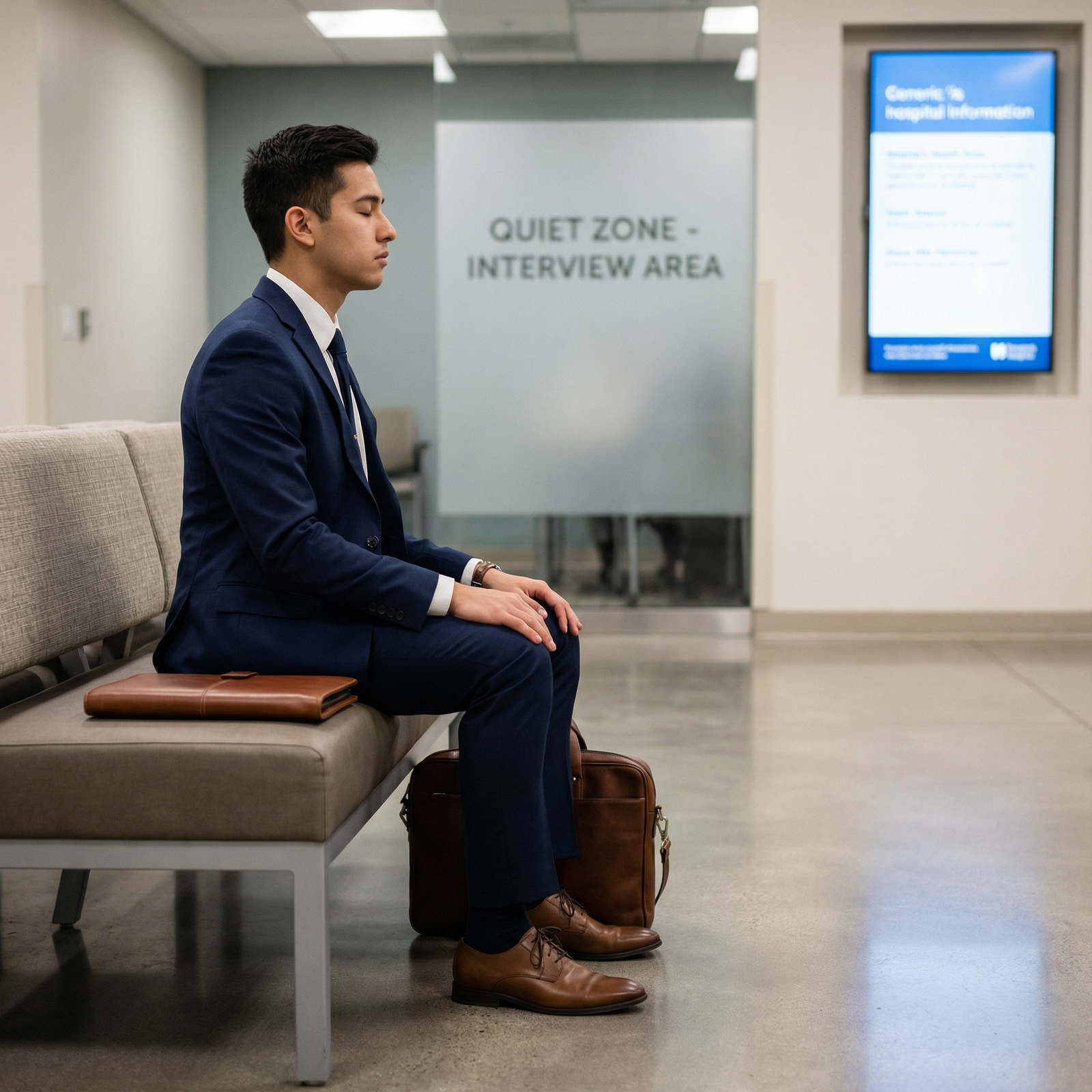
- Allow extra time (30–60 minutes) before the start time.
- Do a brief warm‑up:
- 5–10 minutes of deep breathing or light stretching.
- Practice your “Tell me about yourself” answer once out loud.
- Avoid cramming; your goal is to be calm and focused, not overloaded.
6.2 Manage stress and imposter feelings
Many IMGs in IR struggle with imposter syndrome:
- “My school isn’t well known.”
- “My research is not as strong.”
- “My accent will hurt me.”
Counter this by:
- Focusing on what you do bring: resilience, adaptability, diverse experience.
- Remembering that an invitation to interview means you are already competitive.
- Reframing nerves as excitement; they show that you care.
If anxiety is high, prepare a short grounding script:
“I have prepared thoroughly. I know my story. I’m here to learn whether this program and I are a good fit for each other.”
6.3 Post‑interview reflection and thank‑you notes
Immediately after each interview:
- Write down:
- Who you spoke with (names and roles).
- What you discussed (especially unique or personal points).
- Your impressions of the program: strengths, concerns, culture.
- Use these notes later when creating your rank list and for tailoring any follow‑up communication.
Thank‑you emails are not always required but can be helpful, especially for IMGs trying to stand out:
- Send within 24–72 hours.
- Keep it concise:
- Thank them for their time.
- Reference a specific part of your conversation.
- Briefly re‑state your interest in the program.
Avoid repeatedly emailing program directors with “update” letters unless you have substantial new information (publications, awards, significant achievements).
Frequently Asked Questions (FAQ)
1. As an IMG, how many IR programs should I apply to and interview with?
For IMGs, IR is extremely competitive. Many applicants apply broadly—often 40–70 programs—depending on their profile (scores, research, U.S. experience). Once interview invitations are in, most strongly motivated IMGs try to attend as many IR interviews as reasonably possible, since each one is rare and valuable. Balance this with your budget and time; prioritize programs where you see a good fit and that have a track record of matching IMGs.
2. How technical are IR residency interviews? Will I be asked to interpret images?
Technical depth varies by program. Some will focus almost entirely on your story, professionalism, and fit. Others may ask basic clinical reasoning and IR scope questions, and occasionally simple image‑based questions (e.g., “What does this look like? What might IR do here?”). You are not expected to function as an IR fellow but should show awareness of IR’s main domains and logical clinical thinking. Honest acknowledgment of your limits—with a reasoned approach—is viewed positively.
3. What if my IR exposure is limited because my home country has few IR resources?
Be transparent and proactive. Explain your context, then highlight what you did do to explore IR: observerships, virtual IR conferences (e.g., SIR), online IR courses, case discussions, research projects, or remote mentorships. Programs understand structural limitations; they are more interested in your motivation, initiative, and how you maximized the opportunities available to you.
4. How important is perfect English for IR residency interviews?
Perfect English is not required; clear, understandable communication is. Moderate accent is not a problem as long as you can be easily understood by patients and colleagues. This is why mock interviews and language practice are valuable. If you are concerned, focus on speaking slowly, organizing answers clearly, and avoiding overly complex sentences. Interviewers are far more interested in your maturity, reasoning, and integrity than in having a native‑level accent.
By approaching your pre‑interview preparation for the IR match in a structured, deliberate way—clarifying your IR story, deeply researching programs, practicing answers, optimizing logistics, and managing your mindset—you significantly increase your chances of success as an international medical graduate. Each interview becomes not just an evaluation, but a professional conversation between future colleagues in one of the most exciting fields in medicine.