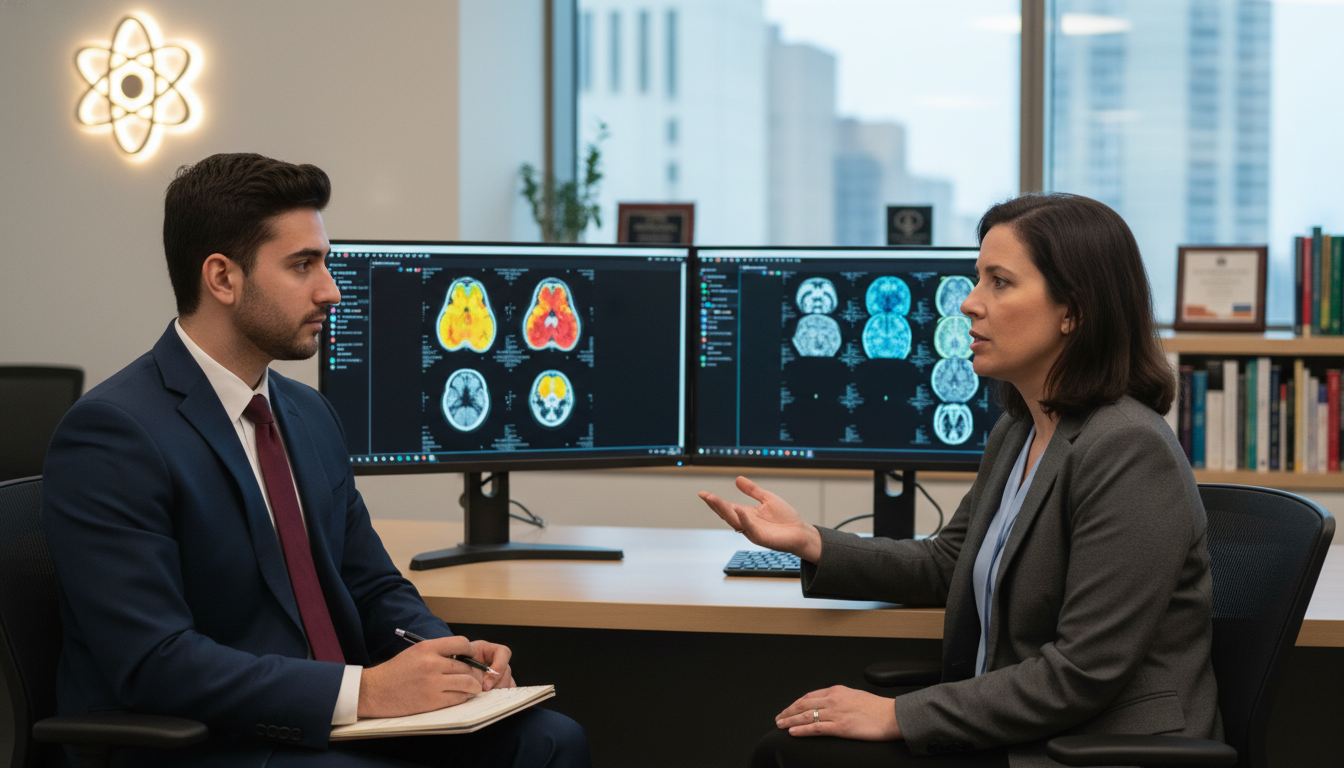
As an international medical graduate (IMG), knowing what to ask during a nuclear medicine residency interview can be just as important as answering questions well. Thoughtful, targeted questions help you:
- Understand whether a program is a good fit
- Demonstrate maturity and insight
- Show genuine interest in nuclear medicine
- Clarify expectations around visas, exam requirements, and career pathways
This IMG residency guide will walk you through specific, high‑yield questions to ask programs, how to phrase them, and what to listen for in the answers—tailored specifically to nuclear medicine.
Why Your Questions Matter (Especially as an IMG)
Programs evaluate you not only on your CV and interview performance, but also on:
- How well you understand the specialty
- How thoughtfully you evaluate training environments
- Whether you’ve considered the realities of IMG training and visa issues
For the nuclear medicine match, this is particularly important because:
- Programs vary widely in case volume and modality mix (PET/CT vs SPECT vs therapy)
- Some are more clinically oriented; others are research‑heavy
- Opportunities in theranostics and advanced molecular imaging are rapidly evolving
- Not every program is equally experienced with training international medical graduates
Asking the right interview questions for them (the program) helps you identify places where you can thrive and where your IMG status is understood and supported.
Core Strategy: How to Approach Asking Questions
Before we get into concrete questions to ask residency programs, keep these principles in mind:
Prioritize depth over quantity
Aim for 3–5 strong questions per interview session, customized to each person (program director, faculty, residents).Tailor to the person you’re speaking with
- Program Director: big‑picture structure, vision, policies
- Faculty: teaching, clinical expectations, mentorship
- Residents/Fellows: day‑to‑day life, culture, call, support
Ask open‑ended, specific questions
Avoid: “Is your program IMG friendly?”
Prefer: “How have international medical graduates integrated into your program, and what supports have been most helpful for them?”Signal that you’ve done your homework
Refer to information on the website, current publications, or case mix:- “I saw that your program has a strong theranostics service with Lu‑177 therapies…”
- “I noticed your department is affiliated with a comprehensive cancer center…”
Listen for what is not said
Evasive, vague, or overly generic answers may be as telling as detailed, transparent ones.
Questions to Ask the Program Director (Big‑Picture and IMG‑Specific)
The “what to ask program director” category is where you should focus on program structure, vision, support for IMGs, and long‑term outcomes.
1. Training Structure, Case Mix, and Clinical Exposure
You need to understand what kind of nuclear medicine physician you’ll become if you train there.
Questions to ask:
- “How would you describe the balance of PET/CT, SPECT, and therapeutic nuclear medicine in your program?”
- “What does a typical week look like for a first‑year versus a senior resident in this nuclear medicine residency?”
- “How much exposure do residents get to:
- Oncology PET/CT
- Cardiac imaging
- Neurology and neurodegenerative imaging
- Thyroid, neuroendocrine, and other theranostic therapies?”
What to listen for:
- Clear structure for progressive responsibility
- Consistent exposure to major modalities, especially PET/CT and theranostics
- Evidence that you’ll graduate comfortable with both diagnostic and therapeutic work

2. Outcomes and Graduate Paths (Critical for IMGs)
As an international medical graduate, you need clarity about what graduates actually do after training.
Questions to ask:
- “What have recent nuclear medicine residency graduates gone on to do—academic positions, private practice, fellowships?”
- “Do most graduates practice primarily nuclear medicine, or in combined roles such as diagnostic radiology and nuclear medicine?”
- “Can you share examples of how IMGs who trained here have progressed in their careers?”
- “For IMG graduates, what has been your experience with them obtaining jobs or fellowships in the United States after residency?”
What to listen for:
- Specific placements (named institutions, types of practice)
- Clear understanding of IMG career paths and realistic expectations
- Patterns of success—especially of IMGs—in similar visa or background situations
3. Program Vision and Direction
Nuclear medicine is rapidly evolving; you want a program that’s keeping pace.
Questions to ask:
- “Where do you see this program in the next 5 years, particularly in terms of theranostics and advanced molecular imaging?”
- “Are there any major changes planned in case volume, equipment, or affiliated services?”
- “How is the program adapting to new therapies and tracers as they are approved?”
What to listen for:
- Evidence of institutional investment (new hybrid scanners, dedicated theranostics clinics, research)
- Thoughtful response about staying current with evolving practice
4. Support for International Medical Graduates
These nuclear medicine residency questions are essential for IMGs and should be asked directly and professionally.
Questions to ask:
- “How many current or recent residents have been international medical graduates?”
- “What systems are in place to support IMGs as they adapt to U.S. clinical documentation, communication, and culture?”
- “Have there been any challenges with IMGs meeting board eligibility or exam requirements, and how does the program help them prepare?”
What to listen for:
- Comfort and familiarity with IMG training
- Concrete examples of support (orientation, mentorship, exam prep, communication workshops)
- Lack of hesitation in discussing IMG success
5. Visa Sponsorship and Administrative Support
You must have clarity on visa realities before ranking a program.
Questions to ask:
- “What types of visas does your institution sponsor for residents in nuclear medicine (e.g., J‑1, H‑1B)?”
- “Has your institution successfully sponsored H‑1B visas for residents in the past, including in nuclear medicine?”
- “Who assists residents with visa and immigration questions—GME office, legal department, international office?”
- “Have any residents had visa delays or problems, and how did the program address those situations?”
What to listen for:
- Consistent visa policy and prior experience with IMGs
- Presence of a dedicated GME or international office
- Transparent acknowledgment of typical challenges and how they navigate them
Questions to Ask Faculty (Teaching, Supervision, and Professional Growth)
When thinking about interview questions for them (faculty), focus on daily teaching, feedback, and how you’ll grow from a trainee into an independent consultant.
1. Teaching and Supervision Style
You’ll spend most of your time interacting with faculty in the reading room and procedures.
Questions to ask:
- “How would you describe the teaching culture in the reading room? Do faculty typically review every case with residents, or progressively give more independence?”
- “How are nuclear medicine residents involved in procedures and therapies (e.g., radioiodine, Lu‑177, Y‑90)?”
- “How often do you have structured teaching sessions, case conferences, or didactics specifically for residents?”
What to listen for:
- Regular, structured teaching (lectures, case conferences)
- Real involvement in procedures and not just observation
- Feedback built into daily workflow
2. Evaluation, Feedback, and Remediation
As an IMG, you may be adapting to a new system of evaluation; clarity here is crucial.
Questions to ask:
- “How do residents receive feedback on their performance—formally and informally?”
- “If a resident is struggling in a particular area (report writing, communication, knowledge gaps), how does the program support them?”
- “Are there specific assessments or milestones that residents must meet during nuclear medicine training?”
What to listen for:
- Structured feedback processes (semiannual reviews, milestone evaluations)
- Non‑punitive, supportive remediation culture
- Willingness to acknowledge that some residents do need extra support at times
3. Research, Quality Improvement, and Scholarly Activity
Even if you’re not aiming for a heavily academic career, research involvement is a strong sign of program quality and can help your CV.
Questions to ask:
- “What are the opportunities for residents to participate in research or quality improvement projects in nuclear medicine?”
- “Are residents expected or encouraged to present at national meetings (e.g., SNMMI), and does the program support travel?”
- “How easy is it for a resident—especially someone new to the U.S. system—to get involved in projects with faculty?”
What to listen for:
- Residents with conference presentations and publications
- Clear pathways to get involved in scholarly activity
- Support for IMGs learning research methods and manuscript writing
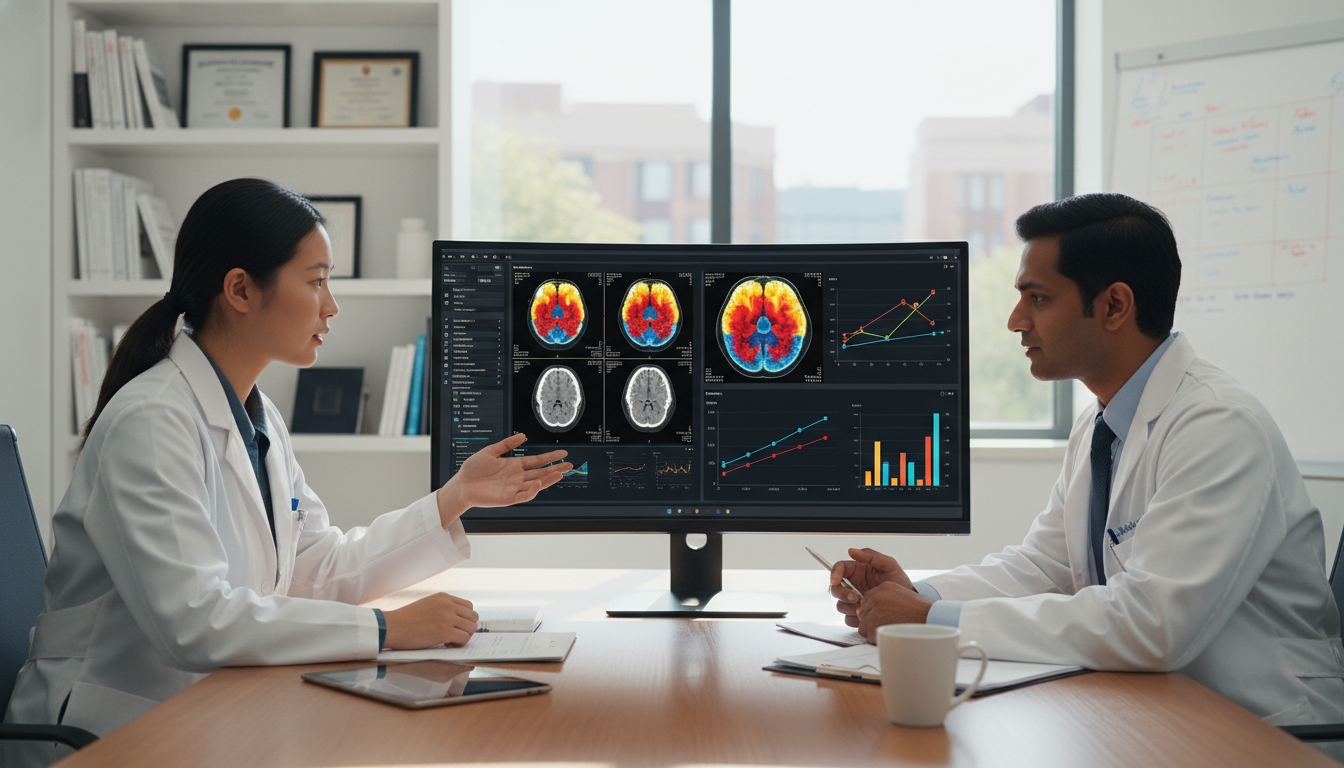
Questions to Ask Residents and Fellows (Culture, Workload, Real Life)
Residents are often the best source of honest insight. The “questions to ask residency” from the trainee perspective should focus on daily reality, support, and how IMGs fare on the ground.
1. Day‑to‑Day Life and Workload
You need a realistic picture of how your days will look.
Questions to ask:
- “What does a typical day look like for you in nuclear medicine—start time, case volume, conferences, sign‑out?”
- “How many studies do residents typically read per day, and how does that change from early to late in training?”
- “How does call work for nuclear medicine here—frequency, type of cases, and attending backup?”
What to listen for:
- Reasonable, progressive workload
- Protected educational time that is actually honored
- Attending availability on call, especially for newer residents or IMGs
2. Culture, Support, and Wellness
Culture can make or break your training experience.
Questions to ask:
- “How would you describe the culture among residents and between residents and faculty?”
- “Do you feel comfortable asking questions or admitting when you don’t know something?”
- “Have you seen residents struggle here, and how did the program respond?”
- “How supportive has the program been when residents face personal or family challenges?”
What to listen for:
- Collegial, collaborative environment (not malignant or hypercompetitive)
- Concrete examples of support (schedule adjustments, mental health resources, mentorship)
- Faculty who are approachable and invested in resident growth
3. IMG‑Specific Experiences
Hearing directly from IMGs currently in the program is particularly valuable.
Questions to ask:
- “As an IMG, how was your transition into this nuclear medicine residency?”
- “Did you feel you received enough support in adapting to U.S. documentation, EMR, and multidisciplinary communication?”
- “Were there any surprises about the program that you wish you had known as an IMG before matching here?”
- “Have you or your IMG colleagues had any difficulties with visas or licensing, and how did the program help?”
What to listen for:
- Honest accounts of adaptation challenges
- Evidence that the program doesn’t minimize or ignore IMG‑specific issues
- Examples of assistance from faculty, program leadership, or GME
4. Career Preparation and Board Exams
Your goal is not just to complete training but to be board‑eligible, employable, and confident.
Questions to ask:
- “How does the program prepare you for the American Board of Nuclear Medicine (ABNM) exam?”
- “Do residents typically feel confident and well‑prepared by the time they graduate?”
- “For residents who want to pursue fellowships (e.g., PET/CT, theranostics, or radiology), how supportive has the program been, especially for IMGs?”
What to listen for:
- High board pass rates and structured exam preparation
- Active faculty support in applications and letters
- Success stories of IMGs obtaining competitive fellowships or jobs
Specialized Questions for Nuclear Medicine as a Field
Beyond general residency interview questions, the nuclear medicine specialty has unique features you should explore.
1. Modalities, Equipment, and Case Diversity
Nuclear medicine training quality is heavily dependent on case mix and technology.
Questions to ask:
- “How many PET/CT scanners and SPECT/CT scanners do you have, and what is the typical daily volume?”
- “Do residents get exposure to advanced tracers such as PSMA, amyloid, and FDOPA?”
- “Is nuclear cardiology integrated into the department, and do residents receive dedicated training in cardiac SPECT/PET?”
- “What percentage of your volume is oncology vs non‑oncology work?”
What to listen for:
- Modern, well‑maintained equipment
- High volume in core areas (oncology PET/CT, cardiology)
- Exposure to emerging tracers and therapies, not just basic studies
2. Theranostics and Therapy Services
Theranostics is a rapidly growing area and a major differentiator between programs.
Questions to ask:
- “What therapeutic nuclear medicine services do you offer (e.g., I‑131, Lu‑177 dotatate/PSMA, I‑131 MIBG, Y‑90)?”
- “How actively are residents involved in patient selection, clinic visits, consent, and follow‑up for therapies?”
- “Do residents have dedicated rotations in theranostics or molecular therapy clinics?”
What to listen for:
- Established, active therapy services
- Residents not just observing but participating in clinical decision‑making
- Integration with multidisciplinary tumor boards and oncology services
3. Interdisciplinary Collaboration and Visibility
Nuclear medicine is increasingly integrated with oncology, neurology, cardiology, and radiology.
Questions to ask:
- “How involved are nuclear medicine physicians and residents in multidisciplinary conferences (tumor boards, cardiac conferences, neurology conferences)?”
- “How is nuclear medicine integrated with diagnostic radiology—do residents interact regularly with radiology residents and faculty?”
- “Do nuclear medicine residents have opportunities to present at or lead interdisciplinary meetings?”
What to listen for:
- Strong presence of nuclear medicine in institutional decision‑making
- Collaboration rather than isolation from radiology and clinical departments
- Opportunities to develop communication and presentation skills
How to Customize Your Questions and Avoid Common Mistakes
1. Research the Program in Advance
Before each interview, review:
- Program website (curriculum, case volume, faculty interests)
- Institutional affiliations (cancer center, cardiac center, research institutes)
- Any specific information relevant to IMGs or visa policy
Then tailor questions such as:
- “I saw that your department is part of a National Cancer Institute–designated cancer center. How does that impact the nuclear medicine residents’ exposure to oncologic PET/CT and theranostics?”
2. Avoid Questions with Answers Already Online
Don’t waste limited interview time on easily searchable facts:
- “How many residents are in your program?”
- “What EMR do you use?”
Instead, build on what you’ve read:
- “Your website mentions a strong emphasis on theranostics. How early in training do residents get involved in those clinics?”
3. Don’t Lead with Compensation or Vacation
These are important topics, but as an IMG residency guide, the consensus is:
- Prioritize clinical training, visa policy, and outcomes
- Compensation, benefits, and vacation time are usually standardized by GME
If you truly need clarification, phrase it diplomatically:
- “I understand that most benefits are standardized across the institution. Are there any aspects of scheduling or leave that are unique for nuclear medicine residents?”
4. Avoid Yes/No or Overly Generic Questions
Instead of:
- “Is your program research‑oriented?”
Ask:
- “In what ways do residents participate in research or quality improvement, and how often do residents present their work at national meetings like SNMMI?”
Practical Example: Putting It All Together
Imagine you’re at an interview day for a nuclear medicine residency as an IMG. Here’s how you might structure your questions across different sessions.
With the Program Director:
- “How would you describe the balance of PET/CT, SPECT, and therapeutic nuclear medicine in your program, and how does that shape the type of nuclear medicine physician your graduates become?”
- “What has been your experience with international medical graduates in this program, particularly regarding adaptation to the U.S. system and career outcomes after graduation?”
- “What types of visas does your institution typically sponsor for nuclear medicine residents, and what kind of support is available if issues arise?”
With a Faculty Member:
- “In your experience, how does the program help residents transition from closely supervised reporting to independent interpretation and consultation?”
- “What are some ongoing research or quality improvement projects in the department that residents can join, especially if they are new to research in the U.S.?”
With a Current Resident (Preferably an IMG):
- “As an IMG, what were the biggest challenges you faced early in training, and how did the program support you?”
- “How manageable is the workload day to day, and do you feel you have enough time to read around your cases and prepare for boards?”
- “If you could choose again, knowing what you know now, would you still rank this program highly—and why?”
This structure shows maturity, curiosity, and alignment with nuclear medicine as a specialty while directly addressing IMG‑specific concerns.
Frequently Asked Questions (FAQ)
1. How many questions should I ask during each nuclear medicine residency interview?
Aim for 3–5 well‑thought‑out questions per conversation (program director, faculty, resident). It’s better to ask a few deep, specific questions than many generic ones. Be mindful of time—if the interviewer seems rushed, prioritize the questions most important to you (often visa policy and clinical exposure for IMGs).
2. Is it appropriate to ask directly about visa sponsorship as an IMG?
Yes. For an international medical graduate, visa clarity is essential. Phrase it professionally, for example:
- “Could you share how your institution handles visa sponsorship for nuclear medicine residents, and what types of visas you typically sponsor?”
You should ask this of either the program director or the program coordinator; they expect it and should have a clear answer.
3. What if a program has never trained IMGs before—should I still rank it?
Not necessarily a deal‑breaker, but you should explore:
- Whether the institution has IMGs in other departments
- How familiar GME is with visa processing
- How open and supportive the leadership seems
Ask: “Although your nuclear medicine program may not have had many IMGs, how has the institution supported international trainees in other specialties, and how would that support extend to nuclear medicine?”
If answers are vague or hesitant, proceed cautiously.
4. What are red flags in how programs answer my questions?
Potential red flags include:
- Evasive or vague answers about case volume, therapy services, or board pass rates
- Unclear or inconsistent information about visa sponsorship
- Minimizing IMG challenges (“We treat everyone the same, so there’s no special support needed”)
- Residents who appear unhappy, burned out, or reluctant to speak openly
Trust your impression. The nuclear medicine match is competitive, but you still need an environment where you can succeed as an IMG.
By preparing thoughtful, targeted questions to ask residency programs, you transform your interviews from one‑sided evaluations into meaningful conversations. As an international medical graduate pursuing nuclear medicine, your questions—about training quality, theranostics, visas, and IMG support—are a critical tool in choosing a program where you can train confidently, pass your boards, and build a sustainable career in this rapidly evolving specialty.