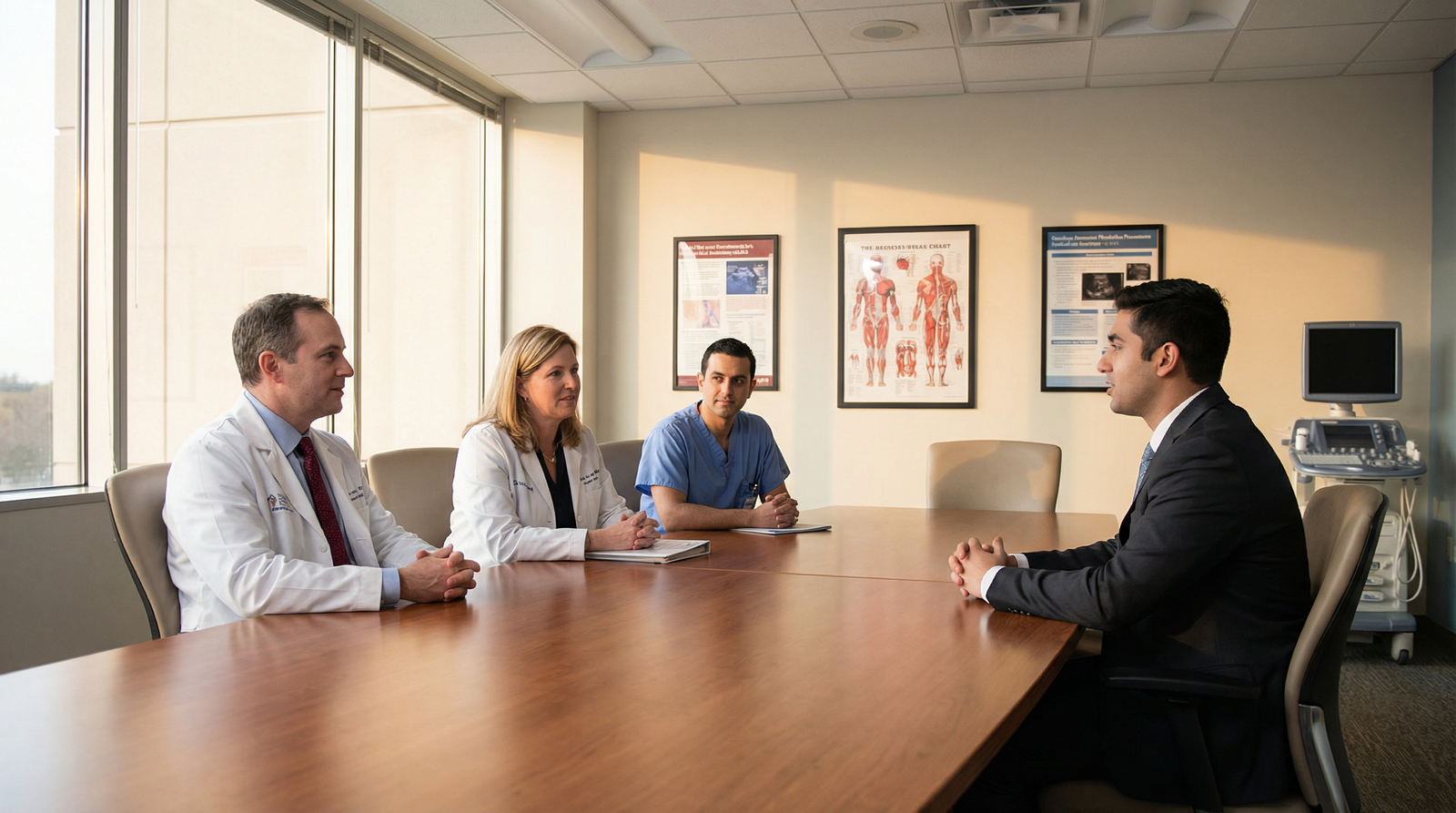
Understanding the Pathology Residency Interview Landscape as an IMG
For an international medical graduate, the pathology residency interview is often the decisive step between a strong application on paper and a successful pathology match. Pre-interview preparation is not just “nice to have” — it is the difference between sounding generic and presenting yourself as a thoughtful, ready-to-train future pathologist.
Pathology is unique among specialties. Much of the work is “behind the scenes,” diagnostic, and highly analytical. Programs need to be convinced that:
- You truly understand what modern pathology practice looks like
- You can adapt to a team-based, consultative role
- You have the communication skills to interact with clinicians, students, and laboratory staff
- You can thrive in the US medical culture despite having trained elsewhere
This IMG residency guide focuses on how to prepare for interviews specifically in pathology, from the moment you receive your first invitation up to the night before your interview. You will learn how to research programs, organize your portfolio, polish your answers to common interview questions residency programs often use, and present yourself as a mature, informed international medical graduate dedicated to pathology.
Step 1: Clarify Your Story as an International Medical Graduate
Before you look outward (at programs and logistics), you need to look inward and define your narrative. Pre-interview preparation begins with understanding how you will explain who you are and why pathology is the right field for you.
1.1 Build a Clear “Why Pathology?” Narrative
Every pathology residency program will explore your motivation. Weak answers sound like: “I like histology” or “I don’t like patient contact.” Strong answers connect your personal history, clinical experience, and long-term goals.
Elements of a strong “Why Pathology?” answer:
Exposure: Specific experiences with pathology:
- Electives or observerships in pathology
- Time spent reading biopsy reports, correlating pathology with clinical findings
- Working with a mentor in pathology, or participating in tumor boards
Fit with your strengths:
- Enjoyment of pattern recognition, puzzle-solving, and systematic thinking
- Comfort with reading, continuous learning, and complex differential diagnoses
- Appreciation of precision, quality control, and lab medicine processes
Long-term vision:
- Interests in subspecialties (e.g., hematopathology, cytopathology, molecular pathology)
- Potential academic, research, or community practice aspirations
- Contribution to improving diagnostic accuracy and patient care behind the scenes
Example frame:
“During my internal medicine rotation, I followed several oncology patients and began reviewing their pathology reports with the attending. I was fascinated by how the pathology findings drove major treatment decisions. Later, I observed in the pathology department, watched sign-outs, and saw how pathologists integrated morphology, immunohistochemistry, and molecular results. I realized my strength lies in analytical, detailed work and interdisciplinary communication — exactly what modern pathology demands.”
Write your answer in bullet form first, then practice saying it aloud until it feels natural and concise (1–2 minutes).
1.2 Prepare to Explain Your IMG Journey
Programs will be curious about your path as an international medical graduate and how you prepared for US training.
Be ready to address:
- Why you chose to study medicine in your home country
- USMLE journey: Gaps, score patterns, and what you learned from the process
- Clinical gaps or non-traditional paths: Years spent in research, other specialties, or non-clinical work
- Transition to the US system: Observerships, externships, or US clinical experience (even if non-pathology)
Use a growth-focused tone:
“I graduated in 2018 and initially practiced internal medicine in my home country. Over time I became more drawn to diagnostic work and research, so I pursued observerships in US pathology departments. During this transition, I also prepared for the USMLE exams. This period helped me solidify my interest in pathology and adapt to US clinical culture.”
Honesty, accountability, and a clear learning attitude matter more than perfect trajectories.
Step 2: Research Pathology Programs Strategically
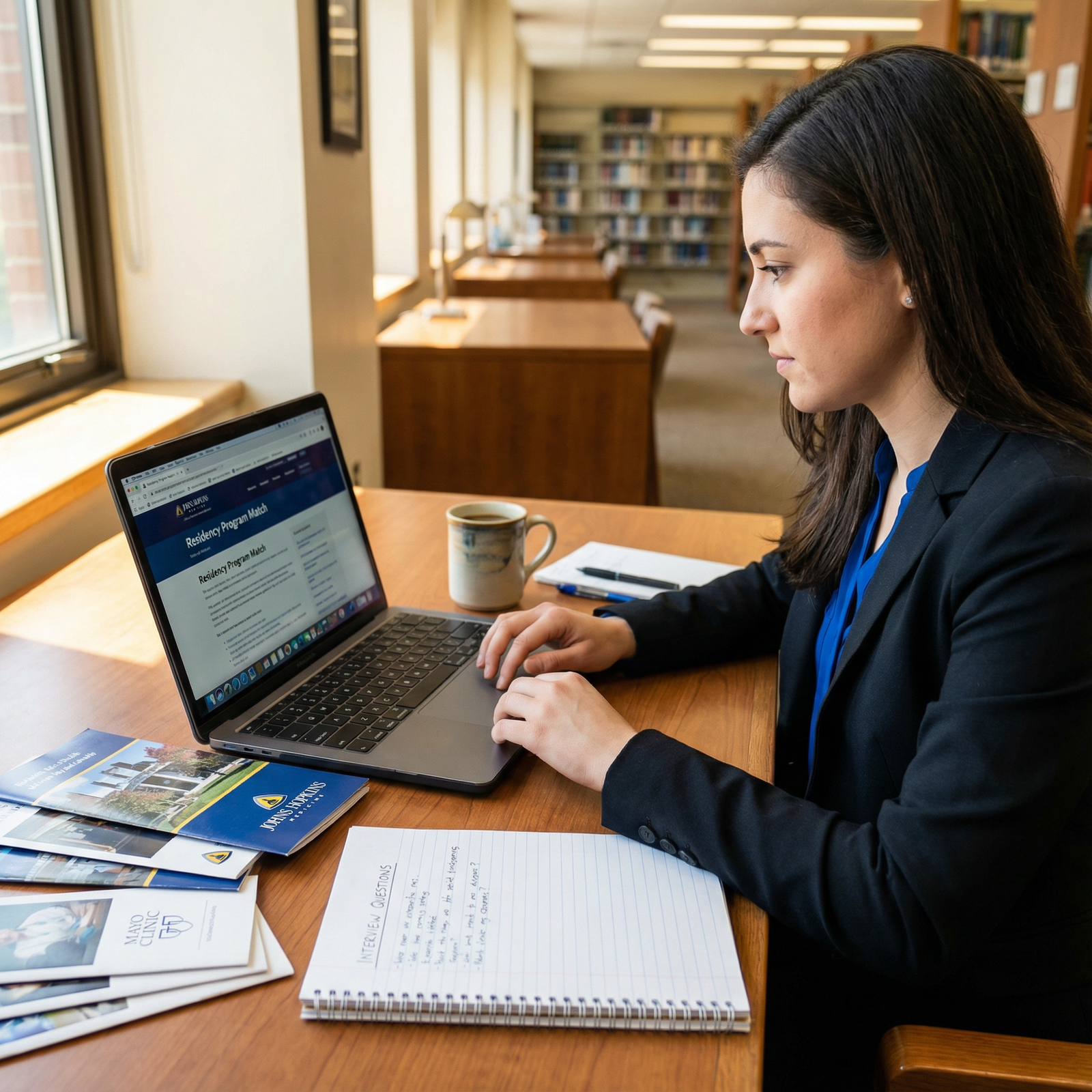
A core element of pre-interview preparation is understanding each program beyond its website home page. This helps you answer why you are a good fit and develop insightful questions.
2.1 Build a Program Research Template
For every program that offers you an interview, create a one-page summary. You can use a digital document or spreadsheet.
Include:
Program basics:
- Location, size of residency (number of residents per year)
- AP/CP, AP-only, or CP-only track options
- Length and structure of training
Case mix and strengths:
- High-volume services? (oncologic pathology, transplant, hematopathology, cytopathology)
- Presence of strong molecular diagnostics or genomics
- Level of autopsy exposure and forensic pathology opportunities
Faculty and leadership:
- Program Director and Chair
- Any faculty whose work overlaps with your interests
- Faculty who are IMGs or have special interest in IMG mentorship
Educational environment:
- Sign-out structure (one-on-one, “hot-seat,” subspecialty sign-outs)
- Didactics: daily unknowns, tumor boards, journal clubs
- Simulation labs or digital pathology resources
Fellowships and career outcomes:
- In-house fellowships (e.g., hematopathology, cytopathology, GI, breast, molecular)
- Where graduates go (academia, community practice, fellowships, industry)
IMG-friendliness clues:
- Percentage of current residents who are IMGs
- Visa sponsorship policies (J-1, H-1B)
- Historical ranking of IMGs in their match lists (if available, sometimes through forums or alumni)
Use official sources (program websites, FREIDA, NRMP data) and professional platforms (LinkedIn to see alumni paths).
2.2 Translate Research into Interview Talking Points
Your research should not remain passive. Convert findings into:
Tailored “Why this program?” answers
- “I’m especially interested in your strong hematopathology service and the integration of molecular diagnostics in leukemia workups.”
- “Your early exposure to independent sign-out starting in PGY-2 aligns with my goal of becoming confident and efficient by the end of residency.”
Specific questions for interviewers
- “How does your program integrate digital pathology into resident education?”
- “What support do residents receive when applying for competitive fellowships?”
This level of specificity shows your genuine interest and preparation — a major plus in the pathology match process.
Step 3: Master Common Pathology Residency Interview Questions
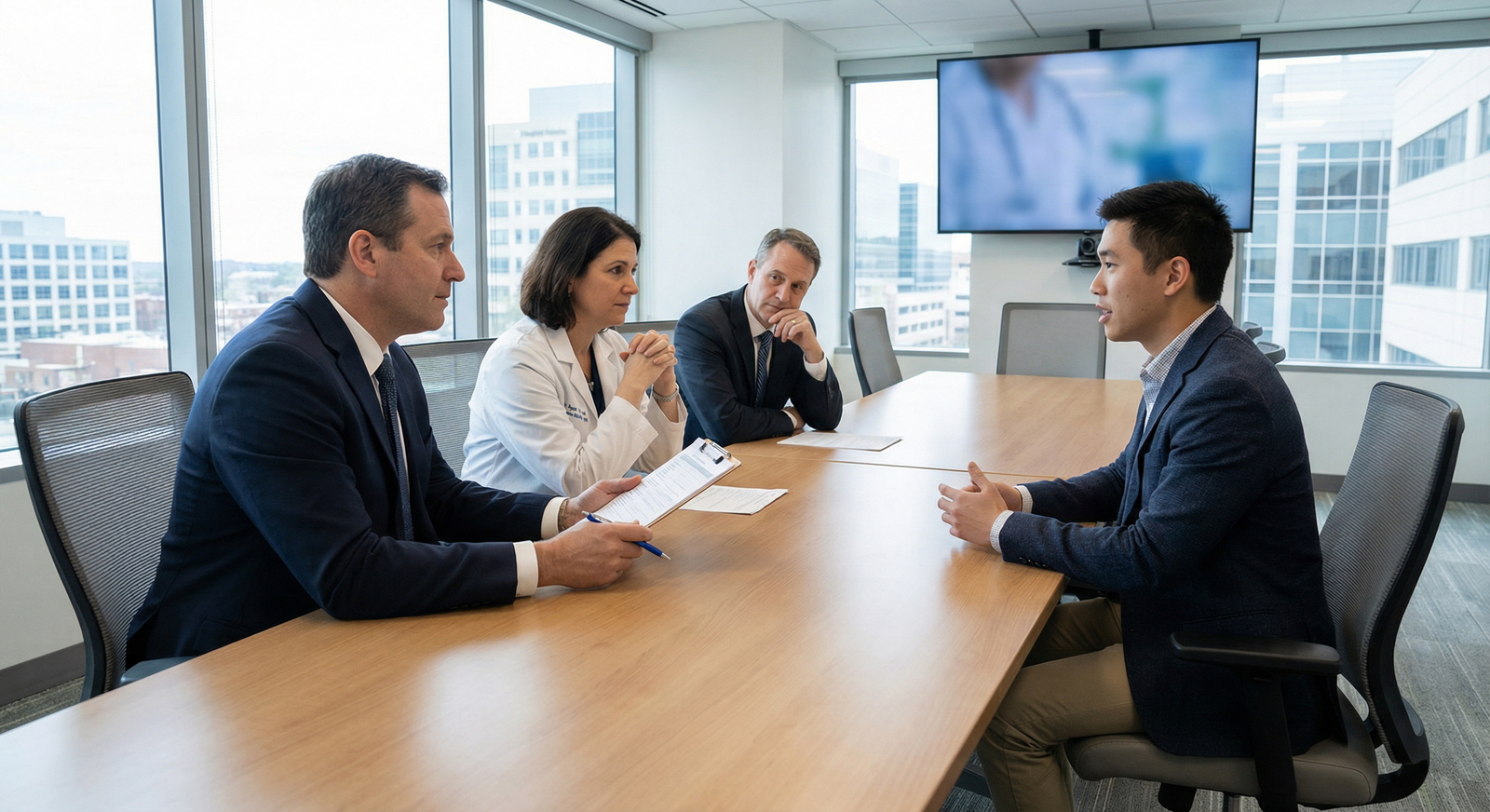
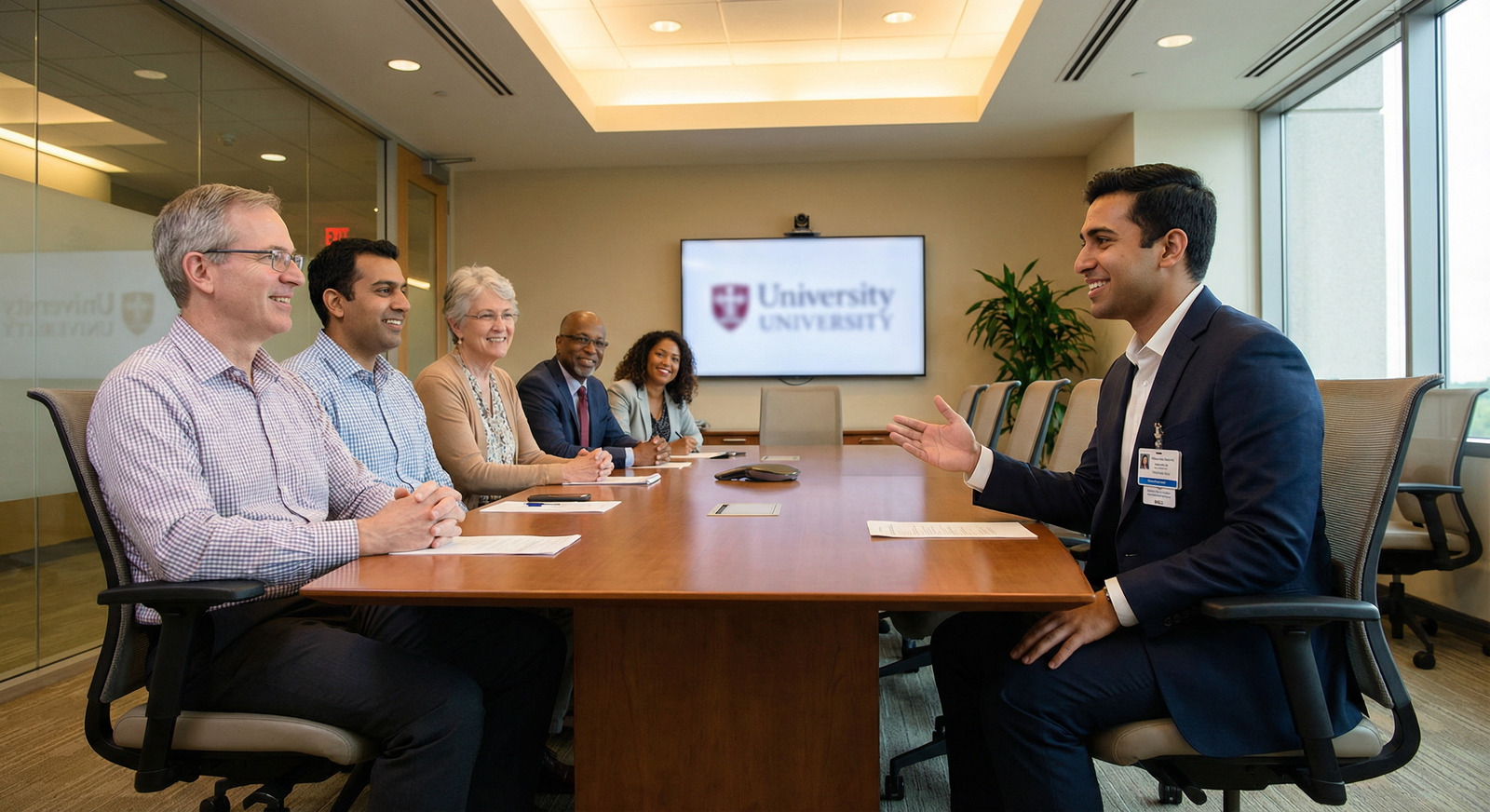
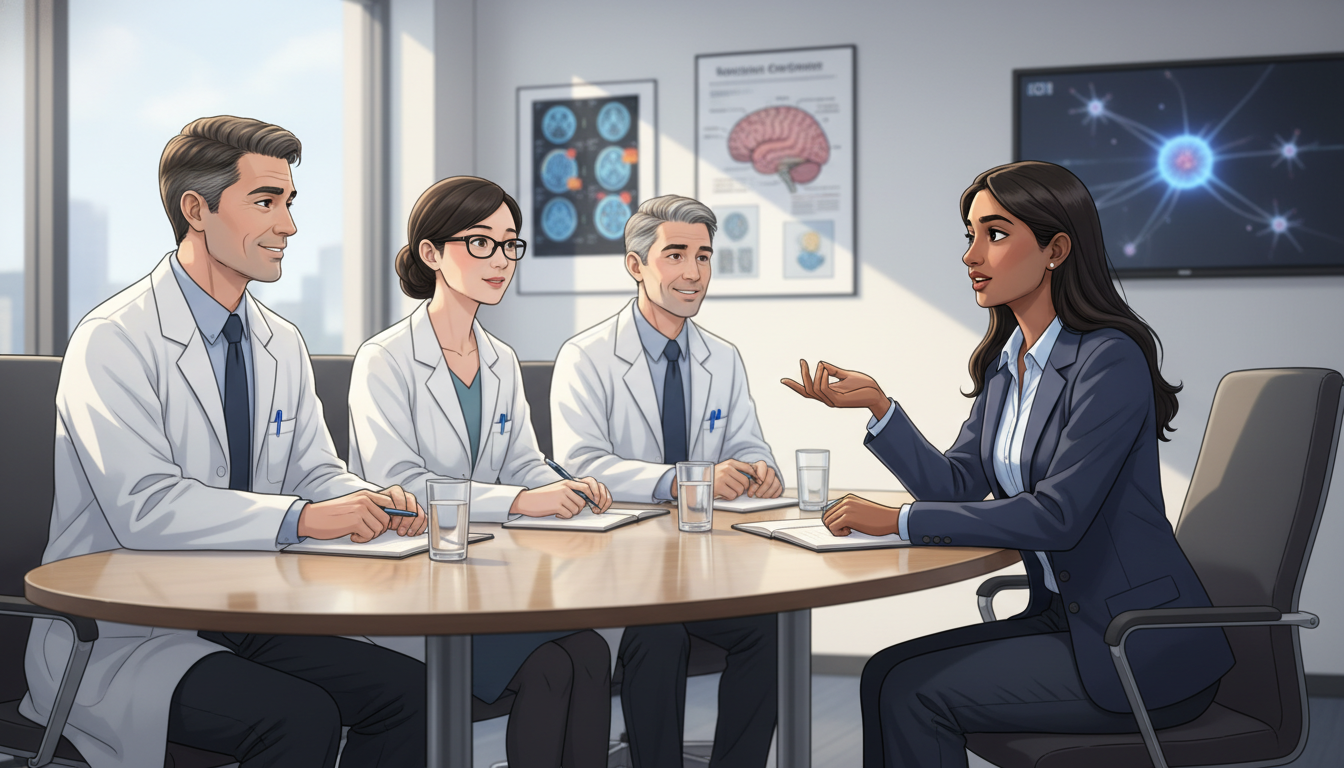
Even though each program has its own style, there is a predictable core of interview questions residency programs ask, especially to IMGs. Pre-interview preparation should involve writing out and practicing responses.
3.1 Core General Questions to Prepare
Tell me about yourself.
- Structure: Background → Medical school & key experiences → Current focus & goals in pathology
- Keep it 1–2 minutes, not your entire CV.
- Emphasize your path toward pathology and your readiness for US residency.
Why pathology?
- Use the elements already discussed: exposure, strengths, and long-term goals.
Why our program?
- Use 2–3 specific reasons grounded in your research.
- Mention educational structure, case mix, faculty interests, or fellowship opportunities.
What are your strengths and weaknesses?
- Strengths: Analytical thinking, attention to detail, perseverance, communication in multidisciplinary teams.
- Weaknesses: Present one genuine, manageable area with clear steps you are taking to improve.
- E.g., “I used to struggle with saying no to additional tasks and overloaded myself. I now schedule my commitments more realistically and discuss priorities with my team.”
Where do you see yourself in 5–10 years?
- Connect to realistic goals: fellowship, academic vs community practice, research interests.
- Show openness but also direction: “I’m leaning toward hematopathology and academic practice, but I’m open to where exposure during residency will guide me.”
Tell me about a challenge or failure and what you learned.
- Choose a professional example (not overly personal).
- Show reflection, maturity, and concrete improvement.
Questions on gaps, low scores, or reattempts.
- Be honest, concise, and non-defensive. Focus on insight and improvement.
- Example: “I did not pass Step 1 on the first attempt. I underestimated the exam’s style. I changed my study strategy, used more question banks, scheduled daily review sessions, and passed with a much higher score on the second attempt. The experience taught me structured preparation and resilience.”
3.2 Pathology-Specific Questions You Should Expect
What do you think a pathologist does day to day?
Show that you understand modern pathology beyond microscope work:- Sign-out of surgical pathology and cytology cases
- Correlation of histologic, immunohistochemical, and molecular findings
- Lab management, quality assurance, and meeting CAP/CLIA standards
- Participation in tumor boards and multidisciplinary conferences
- Teaching medical students and residents
What areas of pathology interest you the most?
- You don’t need a fixed subspecialty yet, but show curiosity.
- Example: “I’m currently fascinated by hematopathology and the integration of flow cytometry and molecular data. I’d also like to explore molecular diagnostics given the increasing role of precision medicine.”
How have you prepared yourself for pathology, given that your home country curriculum may be more clinically focused?
- Mention electives, observerships, reading of pathology textbooks and atlases, online courses, or virtual unknown slide sessions.
- Highlight any small projects or QA audits you participated in.
How do you handle cases when the pathology is ambiguous or complex?
- Emphasize systematic approach, literature review, discussion with colleagues, and appropriate use of ancillary testing.
- Demonstrate that you understand the importance of clinicopathologic correlation and not overcalling.
What is your experience with US health care or US pathology practice?
- If you have observerships, detail what you did and learned.
- If you lack US pathology experience, emphasize related activity: reading US-based resources, virtual conferences, or mentor discussions.
3.3 Behavioral and Communication-Focused Questions
Programs want to see that you can work with others, even in a lab-based specialty.
Common examples:
- Describe a conflict you had on a team and how you resolved it.
- Tell me about a time you received critical feedback.
- Describe a situation in which you had to adapt quickly to change.
Use the STAR method (Situation, Task, Action, Result):
- Situation: Brief context
- Task: Your role
- Action: What you did
- Result: Outcome and what you learned
Practice 3–4 stories you can adapt to many questions.
Step 4: Strengthen Your Evidence: CV, Personal Statement, and Portfolio
Pathology faculty frequently look for internal consistency: what you say, what you’ve written, and what others say about you should match.
4.1 Re-Review Your Application as the Interviewer Would
Before each interview:
- Re-read your ERAS application, personal statement, and letters of recommendation (if you have copies or recall the themes).
- Highlight key points that may spark questions:
- Research projects or publications
- Leadership roles, especially in student groups, labs, or quality improvement
- Volunteer experiences, especially those showing teamwork or education
- Any non-traditional experiences (e.g., family responsibilities, industry work)
Prepare to answer:
- “Tell me more about this project.”
- “What was your specific role in this study?”
- “What did you learn from working in this laboratory?”
4.2 Clarify Research and Academic Experiences
Pathology is research-friendly, but interviewers dislike vague or exaggerated descriptions.
- Be ready to explain:
- Hypothesis or purpose of the project
- Your specific duties (data collection, slide review, analysis, writing)
- Outcomes: abstracts, posters, publications, or lessons learned
If a project is unfinished:
“We have completed data collection and are drafting the manuscript. My main role has been analyzing immunohistochemical patterns and preparing figures.”
4.3 Prepare a Brief “Teaching Pitch” (Optional but Helpful)
Many pathology programs value residents who can teach.
Be prepared with an example:
- A topic you explained to medical students or peers
- A time you helped someone understand pathology or related concepts
- What methods you used (slides, diagrams, analogies)
This enhances your profile as a future academic pathologist or leader.

Step 5: Practical Logistics and Communication Skills
Even the strongest content can be undermined by poor logistics, awkward virtual setups, or culturally mismatched communication. Pre-interview preparation must include operational details.
5.1 Mastering Virtual Interview Etiquette
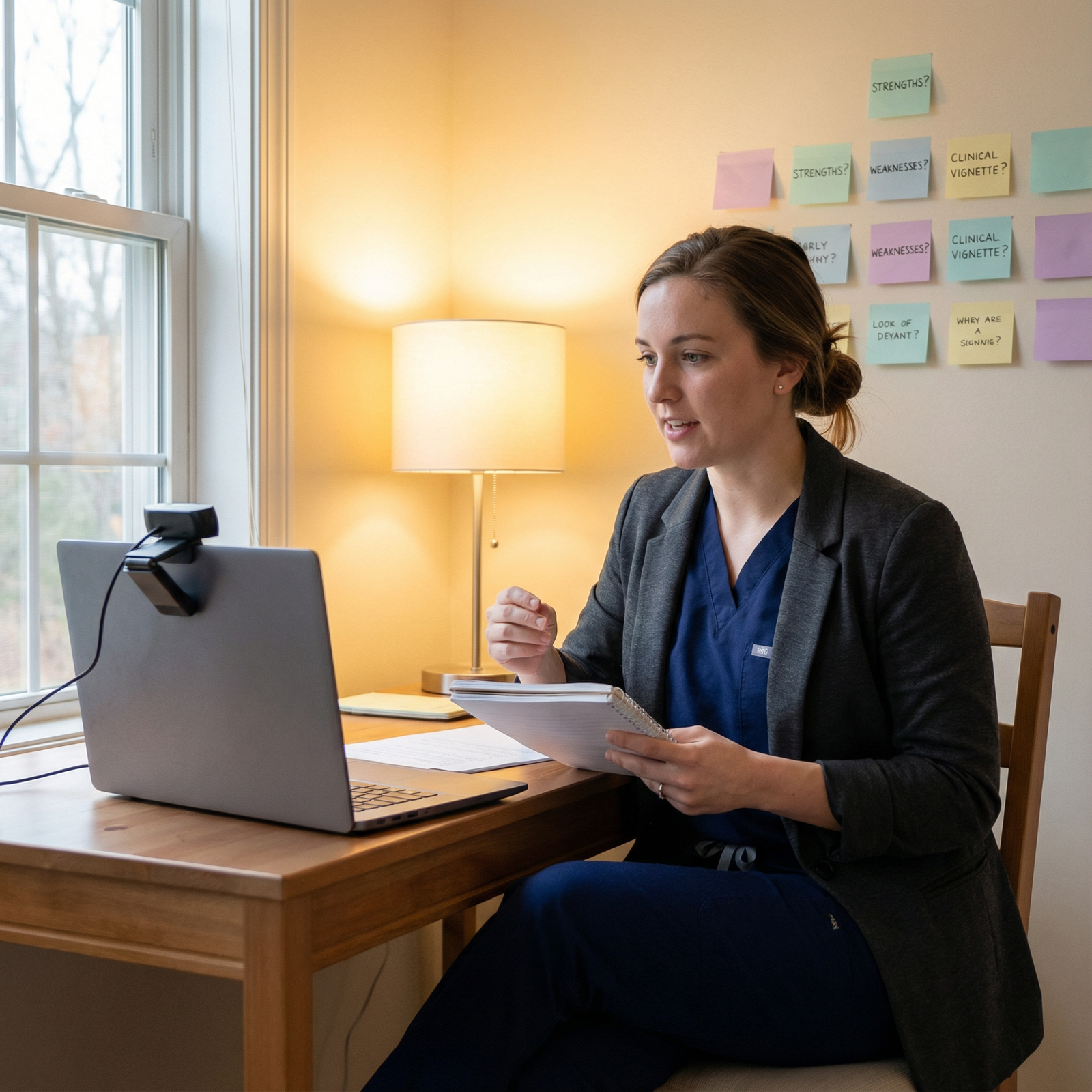
Most pathology residency programs now use at least some virtual interviews or pre-interview sessions. Treat them with the same seriousness as in-person.
Technical setup:
- Internet: Stable, high-speed connection; test video call platforms (Zoom, Webex, Teams) in advance.
- Device: Laptop or desktop preferred; avoid phones or tablets if possible.
- Audio: Use wired or good-quality wireless headphones with a microphone.
- Camera: Eye-level; frame from chest up with some space above your head; look into the camera when speaking.
Environment:
- Quiet, neutral background (plain wall, neatly arranged bookshelf).
- Good lighting facing you (natural light from a window or a lamp).
- Avoid backlighting that casts your face in shadow.
Dress code:
- Business formal:
- Men: Shirt and tie, optional suit jacket.
- Women: Blouse with blazer or professional dress/top.
- Solid colors photograph better than busy patterns.
5.2 Practicing Spoken English and Cultural Nuances
As an international medical graduate, you may worry about accent or language barriers. The goal is not to sound “native” but to be clear, concise, and confident.
Steps to improve:
Conduct mock interviews with:
- Friends or colleagues already in US training
- Institutional career services
- Online IMG-focused interview preparation services
Record yourself answering questions and review:
- Speed: slow down slightly, especially when nervous.
- Clarity: articulate consonants and avoid speaking too softly.
- Filler words: reduce repeated “umm,” “like,” “you know.”
Cultural tips:
- Maintain good eye contact (camera or interviewer’s eyes in person).
- Use a moderate amount of hand gestures.
- Avoid overly long answers; 1–2 minutes per question is usually enough.
- It is acceptable to pause and think: “That’s a great question. Let me think about how to answer concisely.”
5.3 Preparing Meaningful Questions for Interviewers
Interviewers will almost always ask: “Do you have any questions for me?” Being unprepared here signals lack of curiosity.
Examples tailored to pathology residency:
For program director:
- “How do you see your pathology residency evolving over the next few years?”
- “What attributes have your most successful residents shared?”
For faculty:
- “How do residents participate in research on your service?”
- “How is feedback delivered to residents after sign-out?”
For current residents:
- “What does a typical day look like in PGY-1 vs PGY-3?”
- “How supportive is the program when residents need time for exams, conferences, or personal issues?”
- “As an IMG, did you feel supported in adjusting to the system?”
Avoid questions with answers easily found on the website (e.g., “Do you have a cytopathology fellowship?”).
Step 6: Organizing Your Schedule and Managing Stress
Interview season, especially for an IMG applying broadly in pathology, can be intense. Proper organization is part of effective pre-interview preparation.
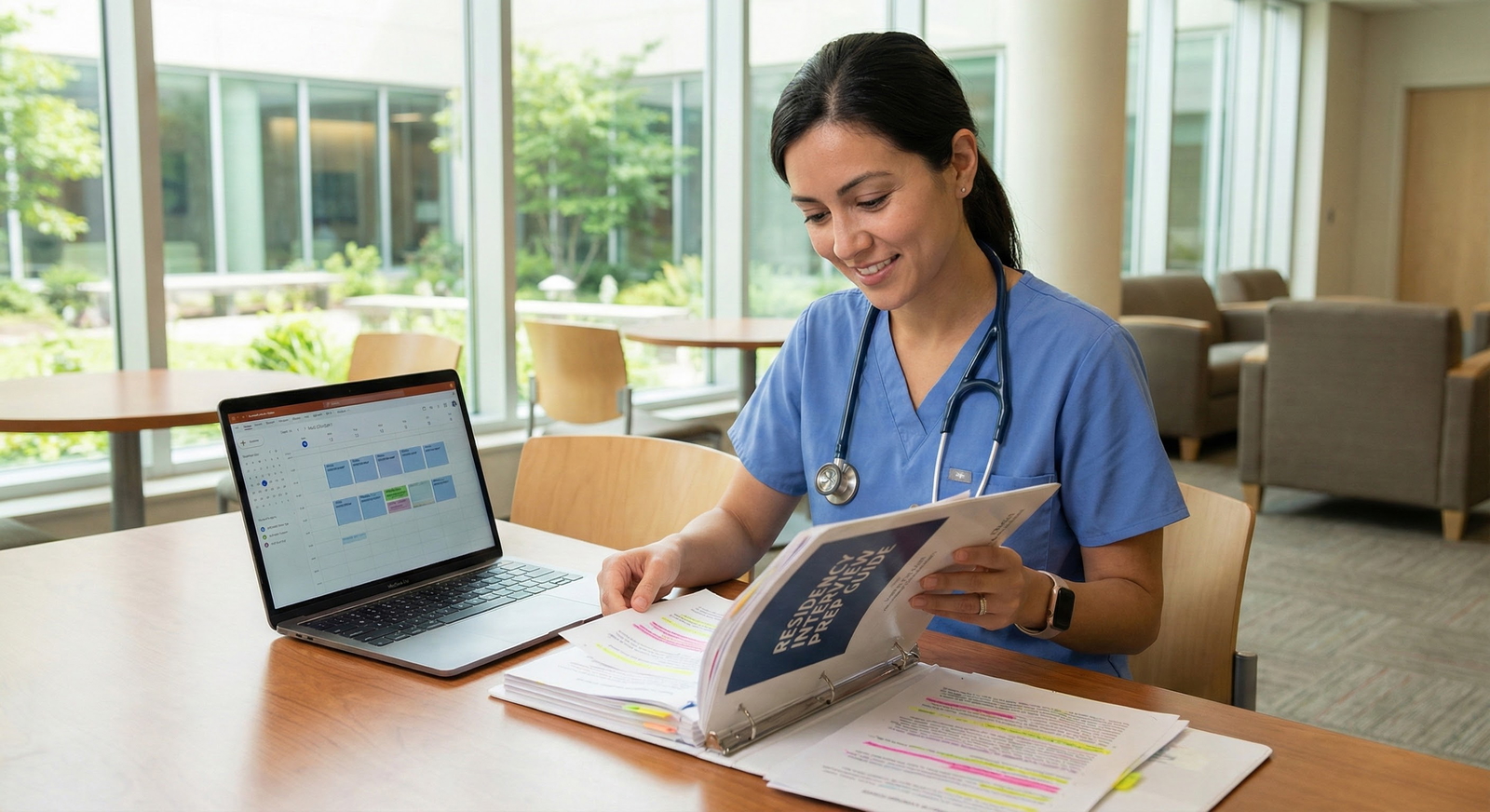
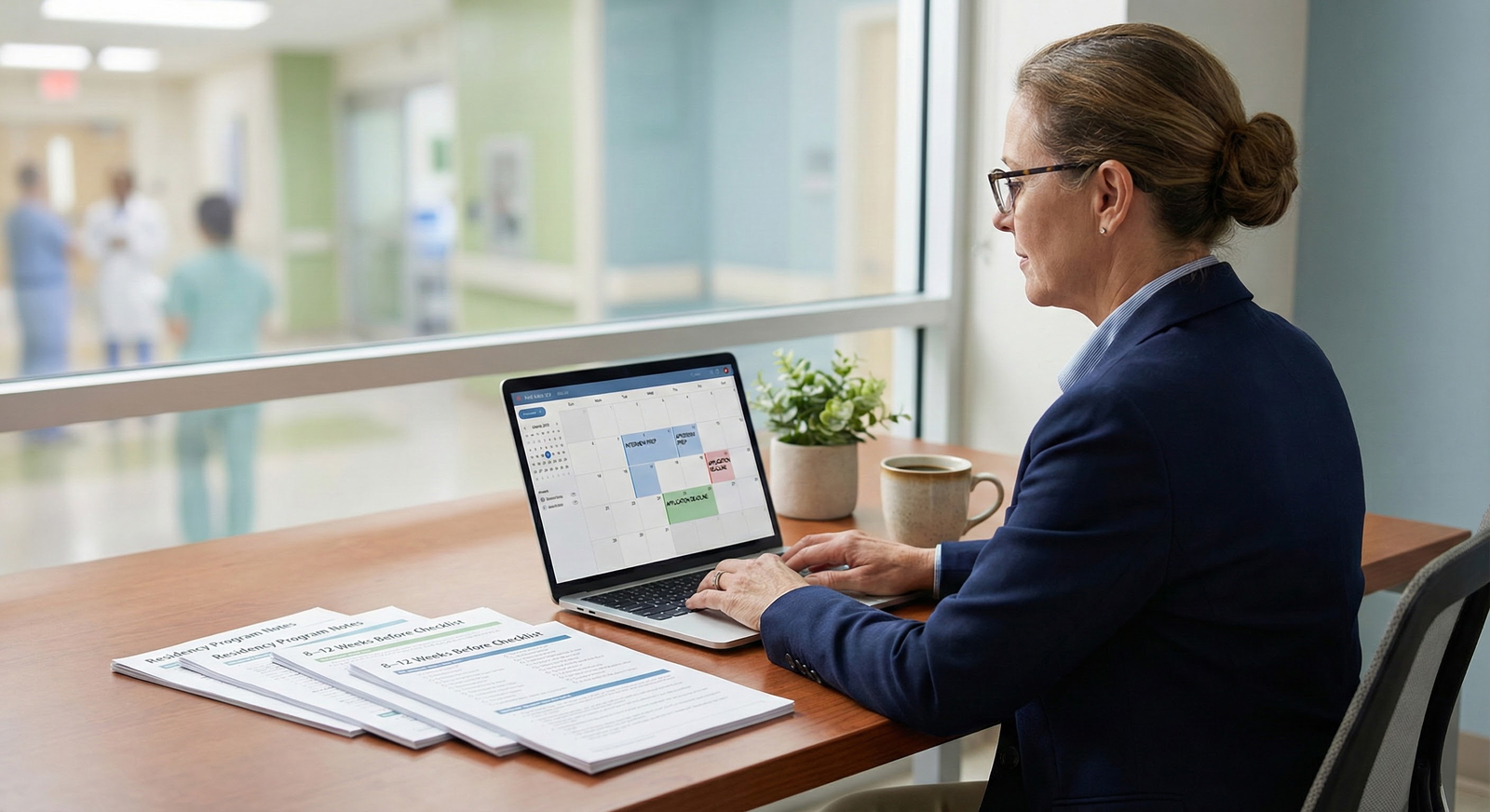
6.1 Create an Interview Tracking System
Use a spreadsheet or calendar to track:
- Date and time of each interview (adjusted to your time zone)
- Format (virtual vs in-person)
- Program contact information
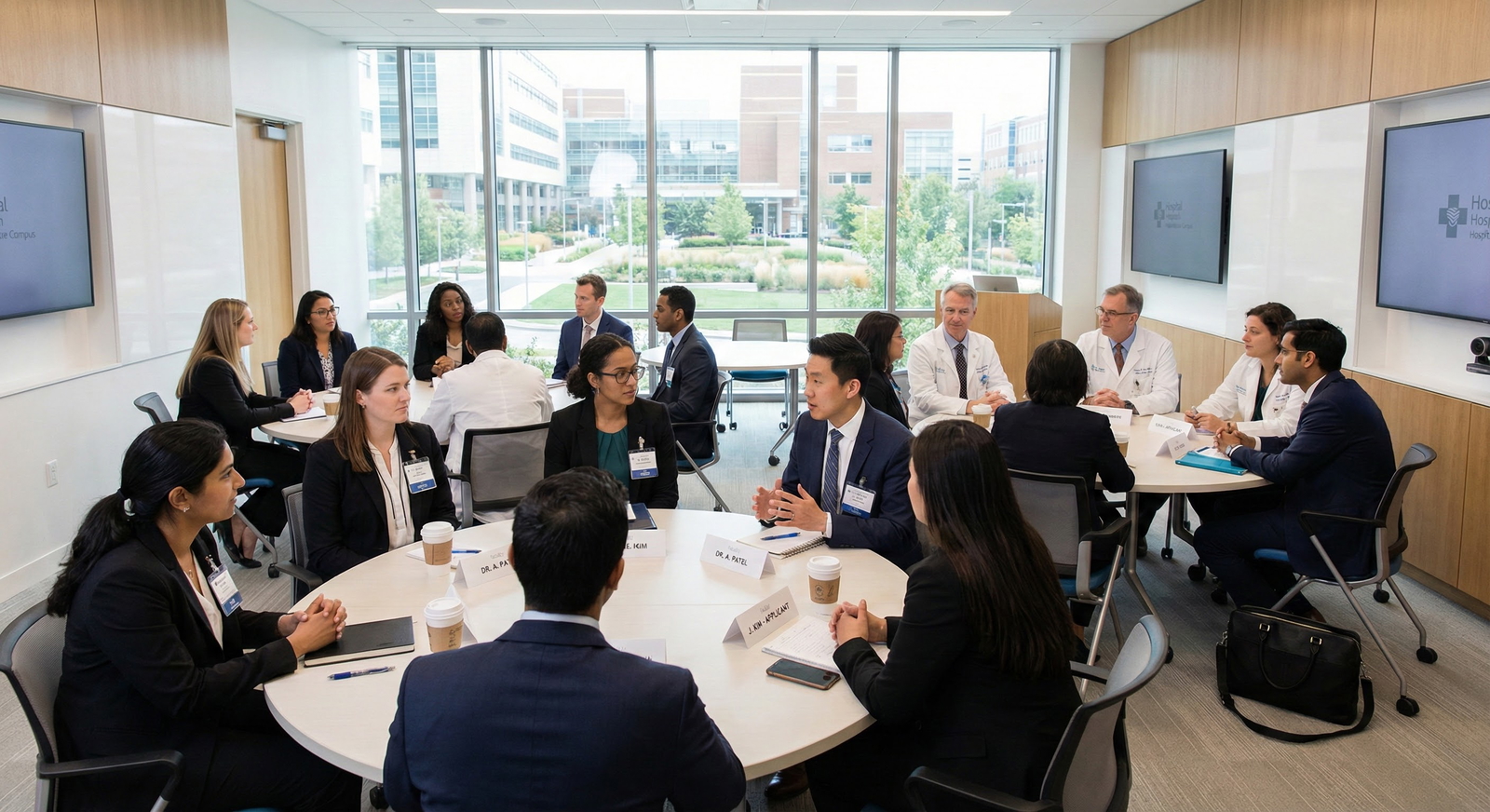
- Interview day schedule (sessions, small groups, social events)
- Names and roles of interviewers (for thank-you emails)
- Key program strengths and notes after each interview
- Your subjective impression (fit, supportiveness, case mix)
This system will be invaluable later when you create your rank list for the pathology match.
6.2 Plan Time Zones and Travel (If Applicable)
For IMGs interviewing from abroad:
- Convert interview times using a reliable world clock application.
- Simulate the schedule days before to adjust sleep patterns.
- If interviews are late at night in your local time, practice being alert at that hour.
If you have in-person interviews:
- Arrive at least one day early.
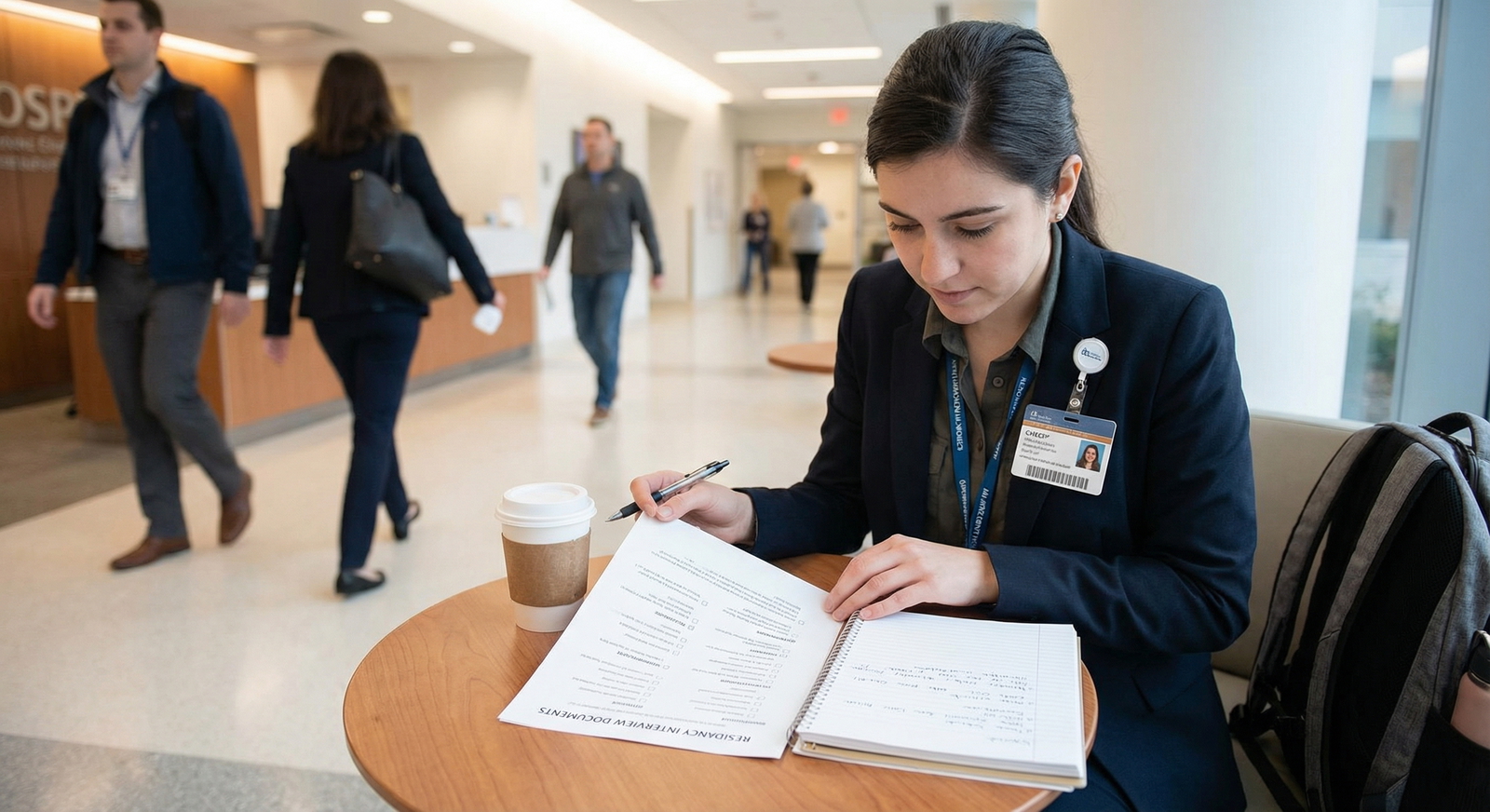
- Bring printed copies of your CV and a small notebook.
- Dress professionally and wear comfortable shoes suitable for walking lab/hospital corridors.
6.3 Mental and Physical Self-Care
Confidence and calmness are part of residency interview preparation.
- Sleep: Aim for at least 7 hours in the days leading up to interviews.
- Meals: Eat light but nourishing food before your interview.
- Nerves: Use deep breathing or short mindfulness exercises.
- Perspective: One interview will not define your entire career. Treat each as a professional conversation to explore mutual fit.
The night before:
- Review your program notes and your own CV briefly.
- Prepare your outfit and check your technical setup.
- Set multiple alarms if the interview is early or in a different time zone.
- Avoid last-minute cramming; prioritize being rested.
FAQs: Pre-Interview Preparation for IMGs in Pathology
1. As an international medical graduate with limited US pathology experience, how can I still present myself as a strong candidate?
Show that you have taken thoughtful steps to understand the specialty and the US system. Emphasize observerships (even in other fields), self-directed learning (pathology textbooks, online unknowns, webinars), and mentorship conversations. Clearly articulate what pathologists do daily and how your skills match those tasks. Highlight adaptability, resilience, and any research or lab-related experience that demonstrates analytical thinking.
2. What are some red flags for pathology programs when interviewing IMGs, and how can I address them?
Common concerns include poor understanding of what pathology involves, inconsistent stories between your CV and interview, weak communication skills, defensive responses about exam scores or gaps, and lack of exposure to US health care. Prepare honest explanations for any gaps, practice English and behavioral questions, and show that you know the realities of pathology practice (sign-out, lab management, multidisciplinary interaction). Demonstrating insight and growth is more important than having a “perfect” record.
3. How much should I know about subspecialties before the interview?
You are not expected to have a definitive subspecialty choice, but you should have a basic understanding of major branches (surgical pathology, hematopathology, cytopathology, molecular pathology, neuropathology, etc.) and perhaps 1–2 areas that interest you. Programs like to see curiosity and awareness that pathology is diverse. Avoid presenting yourself as completely fixed and inflexible; show interest while remaining open to exploration during residency.
4. What is the most effective way to practice for residency interview preparation specifically in pathology?
Combine three strategies:
- Content rehearsal – Draft answers to common general and pathology-specific questions, then practice them until they are natural and concise.
- Mock interviews – Do timed mock sessions with mentors, residents, or professional IMG services, ideally with people familiar with the pathology interview style.
- Self-recording – Record yourself (video and audio) answering typical questions. Review your tone, speed, clarity, and nonverbal cues. This triple approach helps you refine both what you say and how you say it, which is crucial for a strong pathology residency interview.
By taking a structured, thoughtful approach to pre-interview preparation — clarifying your story as an international medical graduate, deeply understanding pathology as a discipline, researching programs, practicing responses to common interview questions residency committees will ask, and organizing your logistics — you will position yourself as a serious, well-prepared candidate. This preparation not only increases your chances of success in the pathology match but also builds skills that will serve you throughout your residency and beyond.