As an international medical graduate (IMG) applying to pathology residency, your questions can be just as important as your answers. Thoughtful, targeted questions show that you understand the specialty, have done your homework on the program, and are seriously evaluating where you will thrive. This IMG residency guide focuses on how to craft the right questions to ask programs—especially in pathology—and how to use those conversations to assess your true fit.
Why Your Questions Matter So Much as an IMG in Pathology
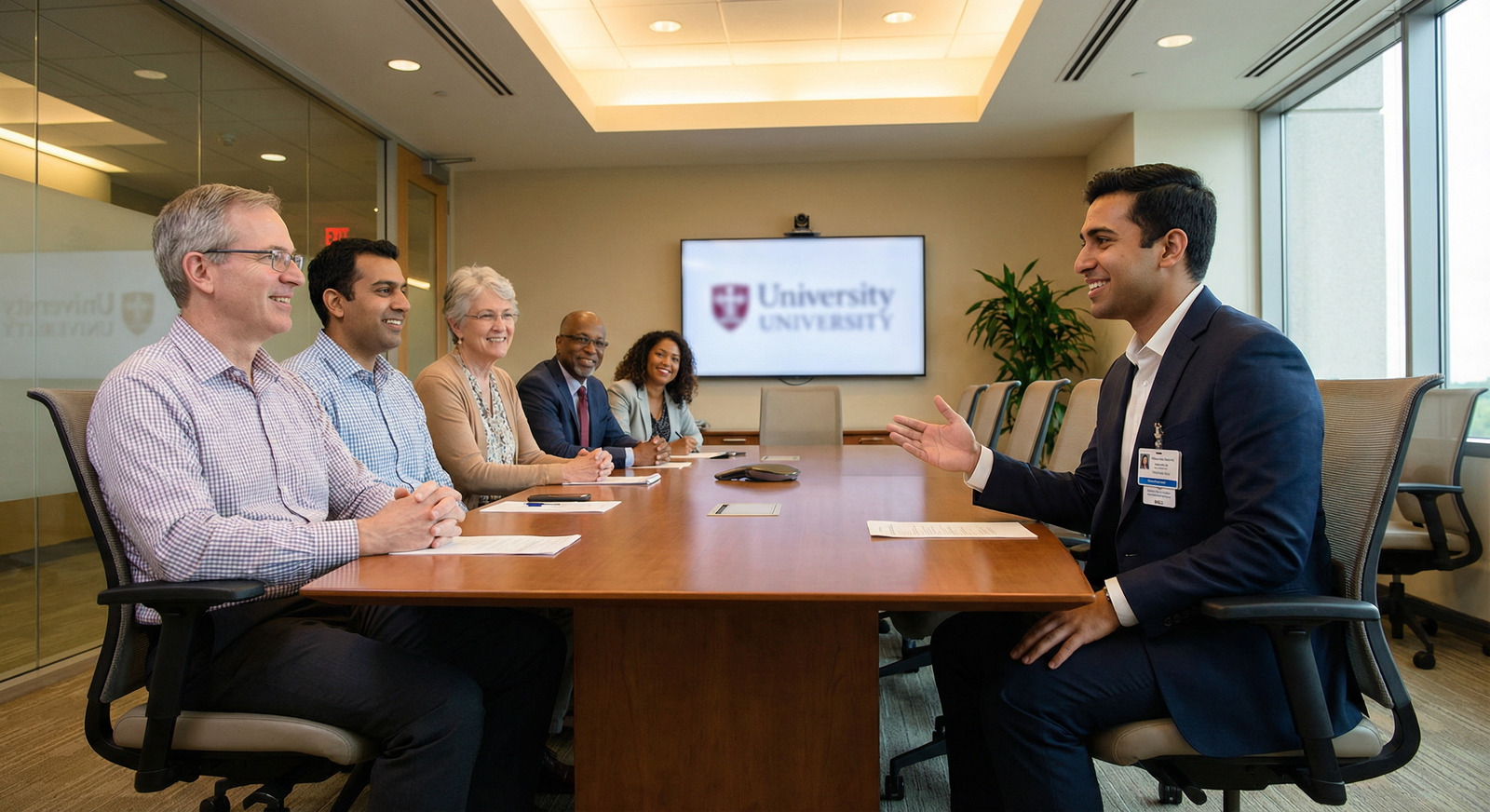
For an international medical graduate, the residency interview is not just about being evaluated—it’s also your opportunity to evaluate the program. Strategic questions can:
- Demonstrate that you understand pathology as a career
- Clarify how supportive the program is toward IMGs
- Reveal the true culture, workload, and expectations
- Help you compare programs objectively for your rank list
- Identify red flags that won’t appear on the website
Program directors and faculty often remember candidates who ask insightful, specific questions more than those who only give polished answers. Especially in the pathology match, where programs may interview many IMGs, good questions can subtly highlight your maturity and readiness.
Below is a structured set of topics and sample interview questions for them—customized for pathology and for IMGs. You do not need to ask all of these. Instead, pick and prioritize based on the program, the person you’re speaking with, and what you still need to learn about that program.
Core Strategy: How to Use Questions Effectively
Before we dive into specific topics, keep these practical principles in mind:
1. Tailor your questions to the person.
Ask residents about day-to-day life and culture; ask the program director about program vision, curriculum, and policies; ask faculty about teaching and subspecialty development; ask coordinators about logistics and visa issues.
2. Avoid questions easily answered on the website.
Instead of asking, “How many residents are there?”, say:
“I saw you have 4 residents per year. How does that class size affect case distribution and individual learning opportunities?”
3. Ask open-ended, reflective questions.
Questions that start with “How,” “What,” or “Can you describe…” tend to reveal much more than yes/no questions.
4. Prioritize IMG-relevant topics.
Use your time to clarify things that matter especially to IMGs: visa support, mentorship, exam preparation (USMLE Step 3, Board exams), and integration into the system.
5. Prepare a short, organized list.
Have 8–12 high-priority questions written down (virtual or in-person). You may only get to ask 3–6, depending on time, so rank them.
Questions About Program Culture, Support, and IMG-Friendliness
For an international medical graduate, understanding the culture and support structure is critical. You want a pathology residency where IMGs are not only accepted, but truly integrated and supported.
Questions to Ask Residents
These questions work well during resident-only sessions or informal chats:
- “How would you describe the culture of this program—more supportive, more independent, more formal, or more relaxed?”
- “As an IMG residency guide perspective, I’m particularly interested in support. How have international medical graduates been supported in their transition here?”
- “Can you share an example of how faculty respond when a resident is struggling—academically, clinically, or personally?”
- “How approachable are attendings and fellows during sign-out? Is it comfortable to ask questions, especially as a junior resident?”
- “Do residents ever feel competition for cases, procedures, or fellowships, or is it more collaborative?”
- “Have you seen any IMGs in leadership roles (chief resident, committees, resident council)? How are their contributions viewed?”
These questions help you understand if IMGs are fully included or just “tolerated.”
Questions to Ask the Program Director or Associate PD
Focused more on structure and philosophy:
- “What has been your experience with international medical graduates in your pathology residency, and how do you support their success?”
- “Do you have any formal orientation or ‘boot camp’ for new residents—especially for those who may be less familiar with the U.S. pathology system?”
- “How do you ensure that IMGs quickly adapt to U.S. documentation standards, communication expectations, and patient safety culture, given that much of pathology work is behind the scenes but still highly impactful?”
- “What are some qualities you see in IMGs who thrive in your program?”
When you ask “what to ask program director” type questions like these, you show insight into IMG-specific challenges and give them a chance to highlight their support systems.

Questions About Curriculum, Cases, and Teaching in Pathology
Pathology training can vary significantly between programs. You should understand the depth and structure of both anatomic pathology (AP) and clinical pathology (CP) exposure, subspecialty training, and teaching style.
Questions About Case Mix and Exposure
Ask these to faculty, chief residents, or PDs:
- “Can you describe the typical case mix for residents—especially the balance of routine versus complex cases in surgical pathology?”
- “How is exposure to subspecialties like hematopathology, cytopathology, molecular pathology, and neuropathology structured throughout residency?”
- “Is your practice more community-oriented, academic referral-based, or a mix? How does that impact resident case diversity?”
- “Do residents get hands-on experience with grossing complex specimens early, or is there a more graduated approach?”
- “How is autopsy volume and educational value in your program? Are residents actively involved in the full process and discussions of findings?”
Questions About Curriculum and Structure
These can help you compare AP/CP programs more objectively in the pathology match:
- “How are AP and CP rotations distributed across the years? Is there an integrated or block structure?”
- “Do you offer dedicated rotations in molecular diagnostics, informatics, and digital pathology? How much of that is resident-level versus observer-level exposure?”
- “How are didactics organized—daily sign-out teaching, unknown conferences, journal clubs, or board review sessions?”
- “Do you have structured mock exams, slide exams, or in-service reviews to help prepare for the pathology board exams?”
Teaching Style and Feedback
Ask residents and faculty:
- “How much teaching occurs at the microscope during sign-out versus in formal conferences?”
- “What is the feedback process like—do you get regular formative feedback on your diagnostic skills and reports?”
- “How do attendings balance efficiency with teaching during busy sign-out days? Are residents ever excluded from sign-out due to time pressure?”
These questions show you understand the reality of pathology practice—balancing volume with education.
Questions About Workload, Call, and Work–Life Balance
Pathology is sometimes wrongly perceived as “easy” or “lifestyle-only,” but in reality, there can be intense periods—frozen sections, transfusion issues, lab problems, and heavy sign-out days. You need a realistic understanding of workload and support.
Questions to Ask Residents About Day-to-Day Life
- “What does a typical day look like on a busy surgical pathology rotation—from arrival to leaving time?”
- “How often do you stay late to finish grossing or sign-out? Is staying late occasional or a frequent expectation?”
- “How is call structured in your program—for AP, CP, or combined? Is it home call or in-house?”
- “What kind of support do junior residents have on call—are senior residents or attendings readily available, especially for complex CP issues like transfusion reactions or critical lab values?”
- “How manageable is the balance between service work (grossing, sign-out, lab duties) and learning (studying, reading, boards prep)?”
Questions About Wellness and Support
- “Are there any formal wellness initiatives in the department—mentorship programs, counseling access, wellness days?”
- “How does the program respond if a resident expresses they’re overwhelmed by workload or struggling academically?”
- “For IMGs in particular, how does the program support the adjustment to a new country and system while maintaining performance expectations?”
Listen not only to the words, but the tone and body language of residents as they answer. Hesitation and inconsistency between people can be a warning sign.

Questions About Research, Fellowships, and Career Outcomes
Pathology is fellowship-heavy, and many IMGs use fellowships to further differentiate themselves. Understanding how a program prepares residents for fellowships and careers is essential.
Questions on Research Opportunities
Ask to faculty, research mentors, or PD:
- “What kinds of research opportunities are available for residents—clinical, translational, or basic science?”
- “Do you have established research tracks or dedicated research time for residents who are highly interested in academics?”
- “How easy is it for residents to get involved in projects? Are there structured ways to match residents with mentors?”
- “Do IMGs in your program successfully publish abstracts or papers during residency? Can you share some examples?”
Questions About Fellowships
This is crucial for planning your long-term trajectory:
- “Which pathology fellowships are available in-house, and in what subspecialties?”
- “What proportion of your residents stay here for fellowship versus match at external programs?”
- “Can you describe recent fellowship placements for your graduates—especially IMGs?”
- “How early do you encourage residents to start exploring fellowship options, and what support do you offer with applications and letters?”
- “Do residents typically complete one or multiple fellowships, and how does the program view that choice?”
These questions help you see if the program opens doors to competitive positions or is more limited.
Questions About Career Outcomes and Job Placement
- “What types of careers do your graduates pursue—academic, community practice, private labs, industry?”
- “For international medical graduates, what has been their career trajectory after completing residency and fellowships here?”
- “How active is the program in helping residents with networking, job search, and interview preparation for their first attending position?”
- “Are there alumni who are IMGs now in leadership roles—such as medical directors of labs, faculty members, or chairs?”
Programs that can speak clearly and proudly about IMG outcomes tend to be more IMG-friendly and well-organized.
IMG-Specific Questions: Visa, Exams, and Integration
As an international medical graduate, you must ask program-specific practical questions that directly affect your ability to train and stay in the U.S.
Visa Sponsorship and Logistics
These are best directed to the program director and program coordinator:
- “What types of visas do you commonly sponsor for residents (J-1, H-1B)?”
- “Have there been any recent changes in your institution’s visa policies affecting IMGs?”
- “Do you currently have residents on the same type of visa that I would require?”
- “Does your institution assist with visa renewals and legal issues, or do residents have to manage this independently?”
Avoid asking in a way that sounds like you haven’t read basic information; instead, be precise and calm. Visa questions are standard for IMGs and are expected.
Questions About Exams and Board Preparation
- “How does the program support residents in preparing for USMLE Step 3, particularly for IMGs who may not have taken it before starting residency?”
- “What resources and structured support are available for the American Board of Pathology exam preparation?”
- “Do you track performance on RISE (Resident In-Service Examination), and how is feedback used to help residents improve?”
Integration into the U.S. Healthcare System
- “What are some of the most common challenges that IMGs face when starting your pathology residency, and how do you help them overcome these?”
- “Is there any formal training about communication with clinicians, documentation, or patient safety systems that may be new to IMGs?”
- “Are there any faculty or senior residents who informally mentor IMGs as they adjust to the U.S. medical environment?”
Programs that recognize and address the specific needs of IMGs usually articulate concrete strategies, not vague reassurances.
Smart “Questions to Ask Residency” by Interview Role
During the interview trail, you will meet multiple people. You don’t need a unique question for each person, but you should adjust your focus. Here’s a quick guide:
What to Ask the Program Director
Focus on vision, structure, and IMG policy:
- “Where do you see this pathology residency program in the next 5 years, and how do residents fit into that vision?”
- “What qualities do you value most in residents, and what characteristics make a resident particularly successful here?”
- “How have you adapted your curriculum recently—for example, incorporating digital pathology, AI tools, or new diagnostic techniques?”
- “Can you share how the program has specifically supported international medical graduates in terms of career development and advancement?”
These “what to ask program director” questions communicate that you’re thinking long term.
What to Ask Faculty Interviewers
Focus on teaching, practice style, and subspecialty development:
- “How do you integrate residents into your daily practice at the microscope and in interdisciplinary tumor boards?”
- “From your perspective, what makes a resident stand out as particularly strong in surgical pathology or your subspecialty?”
- “Are there opportunities for residents to get involved in teaching medical students or junior trainees?”
- “What do you personally appreciate most about working with residents in this program?”
What to Ask Chief Residents and Senior Residents
Focus on reality, expectations, and growth:
- “Looking back, what aspects of the training have prepared you best for fellowship or independent practice?”
- “If you could change one thing about the program, what would it be?”
- “How much independence do senior residents have in signing out cases or managing lab issues (under supervision)?”
- “Do you feel comfortable and ready to move on to fellowship or practice based on your training here?”
What to Ask the Program Coordinator
Focus on logistics and practicalities:
- “How is the onboarding process for new residents, especially for IMGs who may be arriving from overseas?”
- “Are there institutional or hospital resources specifically meant to help international medical graduates (housing help, orientation, immigration office)?”
How to Evaluate Answers and Spot Red Flags
The value of good interview questions for them lies in how you interpret the answers. Pay attention to:
- Consistency: Are answers similar across multiple people, or do they conflict?
- Specificity: Vague, generic answers (“We support our residents a lot”) are less reassuring than concrete examples.
- Transparency: If faculty or residents avoid answering directly, especially about workload, call, or IMG support, be cautious.
- Resident Body Language: Do residents look genuinely satisfied when describing workload, culture, and support?
Possible red flags:
- Residents hesitate or look at each other before answering basic questions about call or workload.
- You hear “we used to” frequently (e.g., “We used to have regular board review, but…”).
- The program has very few or no IMGs despite being in an IMG-heavy geographic area.
- No clear recent fellowships or job outcomes for IMGs when asked directly.
Putting It All Together: Building Your Personalized Question List
Before your interview, customize your own list:
- Research each program: Website, Doximity, FREIDA, alumni outcomes.
- Identify 3–4 key unknowns per program (e.g., fellowship success, call intensity).
- Select 2–3 IMG-specific questions you truly care about (visa, Step 3, mentorship).
- Draft 8–12 questions total, organized by who you might ask (PD, faculty, residents).
- Practice phrasing so you sound conversational, not scripted.
During the interview:
- Ask 1–3 strong questions in each major encounter.
- Adjust based on what’s already been answered in presentations or earlier conversations.
- Take brief notes immediately after each interview day while details are fresh.
Post-interview, your notes about answers will help you make a more rational rank list, instead of relying only on vague “gut feelings.”
FAQ: Questions to Ask Programs for IMGs in Pathology
1. How many questions should I ask in each pathology residency interview?
Aim for 1–3 thoughtful questions in each individual interview session, plus several during any resident-only Q&A. Over an entire interview day, you might ask 6–10 total. Quality matters more than quantity—avoid rushing through a long list.
2. Is it okay to ask directly about visa sponsorship and IMG policies?
Yes. As an international medical graduate, it is entirely appropriate and expected to clarify visa types, institutional policies, and support for IMGs. Phrase questions professionally and, if possible, confirm basic information from the website first so you can ask more detailed follow-ups.
3. What if the program already answered my prepared question in the presentation?
Acknowledge what you learned and build on it. For example:
“I saw in the presentation that you have structured board review sessions. Could you share how residents feel those have impacted their performance on boards and RISE?”
This shows you were listening and can think one step further.
4. Are there any questions I should avoid asking?
Avoid:
- Questions clearly answered on the website without adding depth
- Overly personal questions about salaries beyond standard information
- Negative comparisons with other programs (“Program X offers more fellowships, why don’t you?”)
- Anything suggesting you are mainly interested in location or lifestyle without interest in training quality
Instead, frame your concerns in terms of education, growth, and your ability to contribute meaningfully to the program.
By approaching interview days with a strategic list of questions to ask residency programs, you transform the experience from a one-sided evaluation into a two-way conversation. As an IMG pursuing pathology, the right questions not only showcase your insight—they help ensure that the program you match into is truly aligned with your goals, needs, and long-term success.