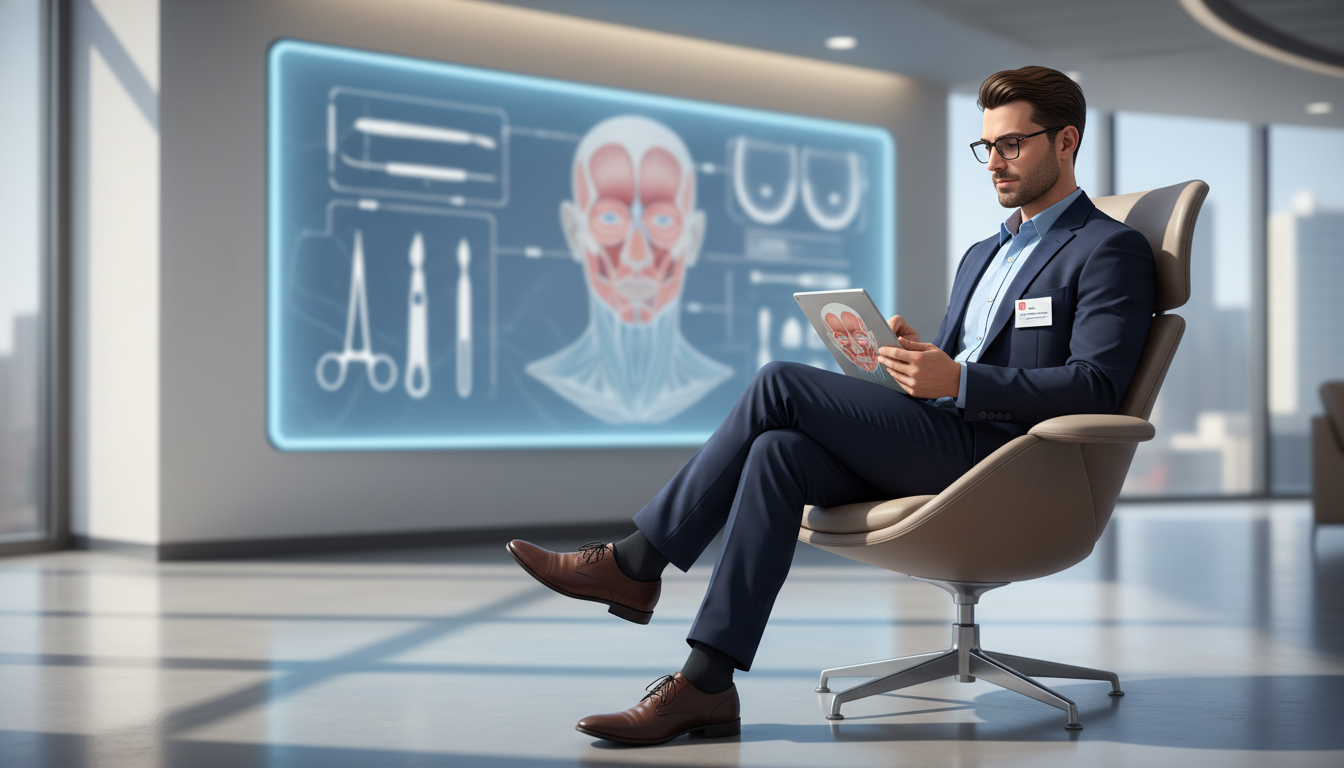
Understanding the Medicine-Psychiatry Interview Landscape as an IMG
Combined Medicine-Psychiatry programs attract applicants who are comfortable with complexity—both medically and psychologically. As an international medical graduate, you bring a unique perspective, but you may also face additional challenges: unfamiliar systems, visa questions, and assumptions about your training.
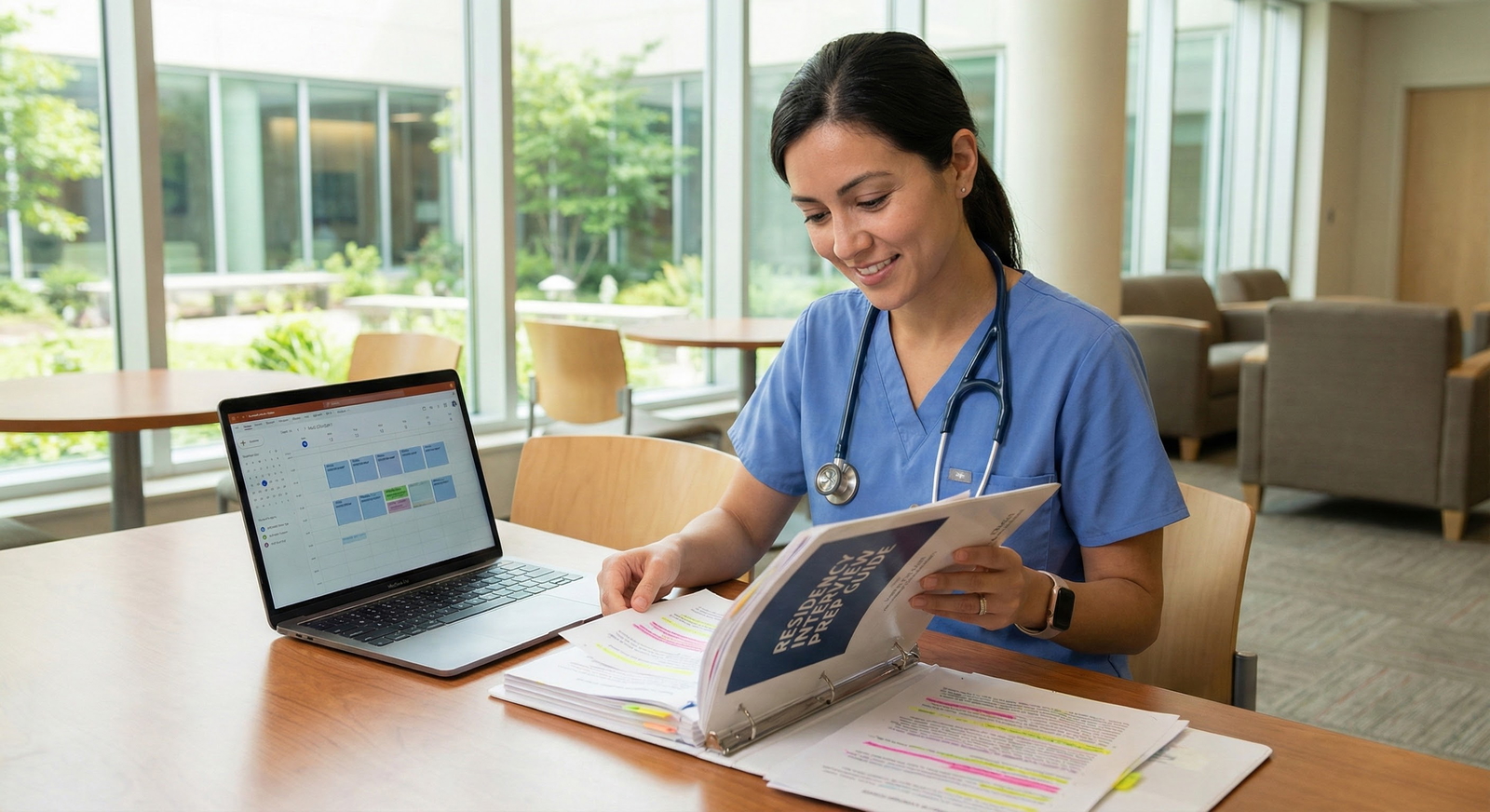
This IMG residency guide focuses specifically on pre-interview preparation for medicine psychiatry combined programs so you can enter each interview confident, polished, and well-prepared.
What Makes Med-Psych Interviews Different?
Compared with categorical internal medicine or psychiatry interviews, med psych residency interviews often emphasize:
- Integrated thinking – how you connect physical and mental health
- Systems-based care – interest in collaborative, multidisciplinary work
- Longitudinal patient relationships – comfort managing chronic, complex conditions
- Professional identity – why you chose a combined path rather than a single specialty
Programs are looking for applicants who can:
- Articulate a clear, authentic reason for medicine-psychiatry
- Demonstrate emotional maturity, reflection, and resilience
- Show readiness to work in diverse and often underserved populations
- Explain how their background (including being an international medical graduate) adds value
Your pre-interview preparation should be aligned with these expectations.
Step 1: Know Your Story – Clarifying Your Med-Psych Identity
Before you think about “how to prepare for interviews,” you must understand your own narrative. Interviewers will quickly detect whether your story is thoughtful and coherent—or vague and generic.
Define Your Core Narrative
Your narrative should answer three fundamental questions:
- Why medicine?
- Why psychiatry?
- Why medicine-psychiatry combined instead of one specialty only?
Write out brief bullet points for each:
- Early influences (family, community, mentors, role models)
- Pivotal clinical experiences (especially where physical and mental health intersected)
- Intellectual curiosity (e.g., interest in psychopharmacology, chronic disease with psychiatric comorbidity)
- Professional goals (e.g., integrated primary care mental health, consultation-liaison work, academic med-psych)
Example (high-level outline):
- Why medicine: Attracted to physiology, diagnostics, managing complex chronic diseases.
- Why psychiatry: Fascination with behavior, cognition, and how life experiences shape illness; experience on psychiatry rotation where you saw medication + psychotherapy transform a patient’s life.
- Why med-psych: Repeated clinical cases where mental illness worsened diabetes or heart failure; frustration with fragmented care; desire to be the physician who can treat both aspects effectively.
Integrate Your IMG Background
For an international medical graduate, your story should acknowledge and frame your background as a strength:
- Exposure to different healthcare systems
- Experience with resource-limited environments
- Comfort with cultural diversity and language differences
- Resilience in navigating licensing exams, visas, and relocation
Prepare 2–3 sentences that naturally weave in your IMG identity:
“Training in [Country] exposed me to patients for whom mental illness often went unrecognized within medical settings. I saw how depression complicated chronic diseases like diabetes and hypertension, but there were few integrated services. That experience shaped my interest in medicine-psychiatry residency, where I can learn to treat both domains comprehensively.”
Practice a 60–90 Second “Personal Introduction”
You’ll often be asked:
- “Tell me about yourself.”
- “Walk me through your journey to medicine-psychiatry.”
Prepare a short, well-structured response:
- Background (where you trained, key identity elements)
- Key experiences leading you to medicine and psychiatry
- Why med-psych now and your future goals
Avoid reciting your CV. Focus on themes and motivations.

Step 2: Master the Program and Specialty – Targeted Content Review
Residency interview preparation for a specialized field like med-psych requires both general and program-specific knowledge. Your goal is not to impress with textbook details but to show genuine, informed interest.
Research the Medicine-Psychiatry Specialty
Before interviews, ensure you can clearly discuss:
- What combined medicine-psychiatry residency entails (5-year length, board eligibility in both IM and psychiatry, training sites)
- Typical career paths:
- Inpatient med-psych units
- Integrated primary care mental health
- Consultation-liaison (C-L) psychiatry
- Addiction medicine
- Academic medicine, research, health systems leadership
- Major advantages and challenges of combined training:
- Advantages: holistic care, better management of complex comorbidity, unique niche
- Challenges: longer training, identity balance, staying current in two fields
Use:
- Program websites (especially med-psych track descriptions)
- Articles from organizations like the Association of Medicine and Psychiatry
- Webinars or YouTube panels featuring current med-psych residents
Prepare a few lines that show you understand the specialty’s philosophy:
“What draws me to medicine-psychiatry is the opportunity to work at the interface of chronic medical illness and severe mental illness, particularly in underserved populations. I’m interested in how integrated care models can reduce hospitalizations and improve quality of life for these patients.”
Deep Dive into Each Program Before the Interview
For each program, make a one-page summary with:
- Program structure
- Number of residents per year
- Rotations across the 5 years
- Special med-psych units or clinics
- Clinical strengths
- Addiction, HIV, C-L psychiatry, integrated primary care, VA-based care, etc.
- Research or QI opportunities
- Ongoing med-psych projects, faculty interests
- Unique features
- Community focus, global health, dual clinics
- Your personal alignment
- How their offerings support your goals as an international medical graduate interested in med-psych
Then prepare 2–3 program-specific questions that show you’ve done your homework:
- “How do residents maintain a cohesive identity as med-psych physicians while rotating within categorical IM and psychiatry programs?”
- “What opportunities exist for residents to participate in integrated care research, particularly focused on high-risk populations?”
Having these notes printed or easily accessible (for virtual interviews) will help you feel more organized and confident.
Step 3: Prepare for Core Interview Questions (General + Med-Psych Specific)
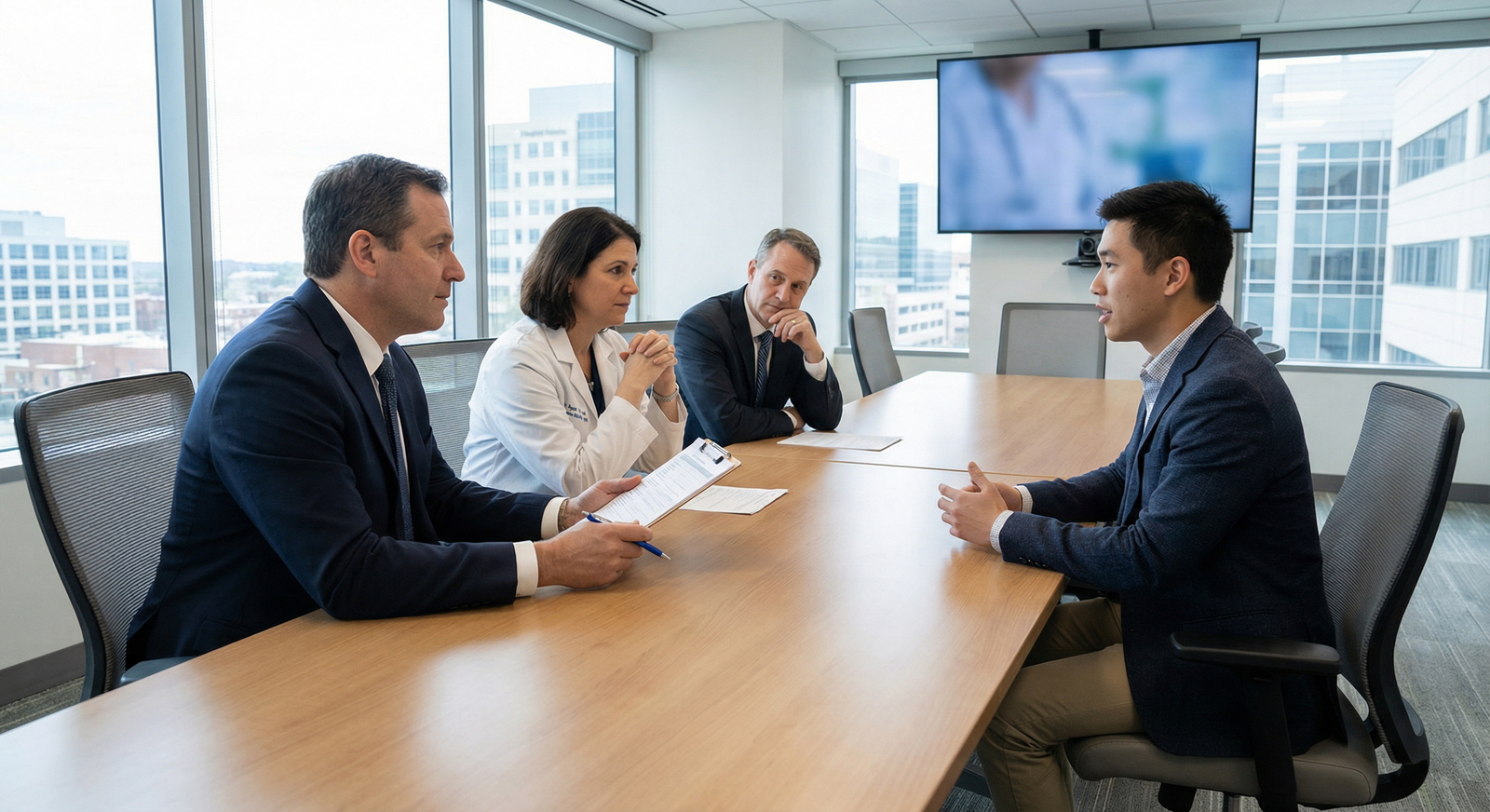
One of the most powerful steps in residency interview preparation is to anticipate common questions and practice structured responses. For an IMG pursuing medicine-psychiatry, pay special attention to questions that probe your motivation, adaptability, communication, and cultural perspective.
Common General Residency Interview Questions
You will almost certainly encounter some version of:
- “Tell me about yourself.”
- “Why this specialty?” (You must tailor this to medicine-psychiatry.)
- “Why our program?”
- “What are your strengths and weaknesses?”
- “Tell me about a time you had a conflict in a team and how you handled it.”
- “Describe a challenging patient and what you learned.”
- “Where do you see yourself in 5–10 years?”
Use the STAR method (Situation, Task, Action, Result) for behavioral questions:
“Tell me about a time you made a mistake.”
- Situation: Briefly describe the clinical context.
- Task: What was your responsibility?
- Action: What exactly did you do (including owning the mistake)?
- Result: What happened and what you learned.
Programs want self-aware residents who can reflect and grow, not pretend to be perfect.
Med-Psych–Specific Interview Questions
Expect questions that test how you think about integration:
- “Why did you choose medicine psychiatry combined training instead of internal medicine or psychiatry alone?”
- “Can you share a case where medical and psychiatric issues were closely intertwined?”
- “How do you see yourself using dual training in your future career?”
- “What challenges do you anticipate in maintaining competence in two specialties?”
- “Tell me about a time when a psychiatric factor changed your medical management plan (or vice versa).”
Example framework for “Why medicine-psychiatry?”:
- Clinical experiences where you saw fragmentation between physical and mental healthcare
- Intellectual interest in complex, comorbid conditions
- Long-term goals that clearly require both skill sets (e.g., building integrated clinics, working in safety-net hospitals)
Questions Tailored to International Medical Graduates
As an international medical graduate, be ready for:
- “How has your training in [Country] prepared you for residency in the U.S.?”
- “What challenges have you faced as an IMG, and how have you addressed them?”
- “Tell me about an example of cultural or language barriers that affected patient care.”
Your answers should highlight:
- Adaptability (learning new systems, guidelines, EMRs)
- Openness to feedback and continuous improvement
- Cultural humility and experience working with diverse populations
- Practical steps you’ve taken: U.S. clinical experience, observerships, communication training, etc.
Handling Gaps, Exam Attempts, or Red Flags
If relevant, prepare honest, concise, and constructive explanations:
- Briefly state the context (illness, family situation, adjustment difficulties, etc.)
- Take responsibility where appropriate
- Focus on what you changed and what you learned
- Emphasize recent strong performance (e.g., excellent Step scores, strong letters, recent clinical work)
Example:
“I needed a second attempt on Step 1 during a period of major transition and family responsibilities. It was a difficult experience, but I used it to reassess my study strategies and time management. Since then, I’ve passed Steps 2 and 3 on the first attempt with higher scores, and I feel better prepared for the demands of residency.”

Step 4: Logistics, Presentation, and Technology – Getting the Basics Perfect
IMGs often underestimate how much non-clinical factors influence impressions: punctuality, organization, communication style, and professionalism. Solid pre-interview preparation means these basics are flawless, so you can focus on connection and content.
Organize All Documents and Information
Prepare a digital interview binder (folder) for each program that includes:
- Program summary (as described above)
- Your ERAS application and personal statement for that program
- Updated CV
- List of faculty and current residents you may meet
- Prepared questions to ask
- Notes on any previous communication with the program
Review your own application in detail—the interview questions residency faculty ask will often come directly from:
- Unusual experiences
- Research topics
- Leadership roles
- Volunteer work
- Time gaps
You must be ready to talk confidently and consistently about every part of your file.
Dress and Professionalism
For both in-person and virtual interviews:
- Choose conservative, professional attire:
- Dark suit (black, navy, or dark gray) or equivalent professional outfit
- Simple shirt/blouse in a neutral color
- Minimal accessories, neat hair, and very light or no fragrance
- Ensure your clothing is comfortable enough for a full day of events.
Consider cross-cultural impressions: if norms in your home country differ, follow typical U.S. professional standards for residency interviews.
Virtual Interview Set-Up (Crucial for IMGs in Other Countries)
If your interviews are virtual, test your set-up well in advance:
- Internet: Stable connection; consider wired (Ethernet) if possible.
- Camera: Laptop or external webcam at eye level; avoid angles from below.
- Lighting: Natural light or a lamp in front of you; avoid strong backlighting.
- Audio: Use headphones or a headset; test microphone clarity.
- Background: Neutral, tidy, not distracting (plain wall, tidy shelf).
Do at least two practice calls with friends or mentors to refine:
- Eye contact (look at the camera, not the screen)
- Volume and speed of speech (especially if English is not your first language)
- Body language (posture, nodding, facial expressions)
Prepare a backup plan:
- Phone number for the program coordinator
- Secondary device (tablet or phone) with Zoom/Teams installed
- Contact information in case of technical issues
Step 5: Deliberate Practice – Mock Interviews and Self-Assessment
Reading about how to prepare for interviews is not enough. You must practice speaking your answers out loud until they feel natural and confident.
Types of Practice to Include
Solo practice
- Record yourself answering 5–10 common questions.
- Watch the recording and note:
- Filler words (“um,” “like,” “you know”)
- Eye contact and posture
- Speaking speed and clarity
- Adjust and repeat until your answers are clear and structured.
Peer or mentor mock interviews
- Ask someone familiar with U.S. medical culture (resident, attending, advisor) to simulate an interview.
- Request specific feedback:
- Are my answers too long or too short?
- Do I fully answer the question?
- What impression do I give (confident, uncertain, overly rehearsed)?
IMG-specific coaching (if available)
- Some institutions or online services specialize in IMG residency guides and mock interviews.
- Focus on:
- Accent clarity (not eliminating your accent, but enhancing intelligibility)
- Culturally appropriate ways of describing hierarchy and conflict
- Self-promotion while maintaining humility
Balancing Preparation and Authenticity
Well-prepared does not mean robotic. To avoid sounding memorized:
- Use bullet-point outlines instead of full scripts.
- Practice varied phrasing for the same ideas.
- Focus on stories and themes, not exact sentences.
Aim to sound like the best, most organized version of yourself, not a rehearsed speech.
Step 6: Strategic Question Planning and Post-Interview Follow-Up
Programs assess you partly by the quality of the questions you ask. Thoughtful questions demonstrate maturity, insight, and genuine interest.
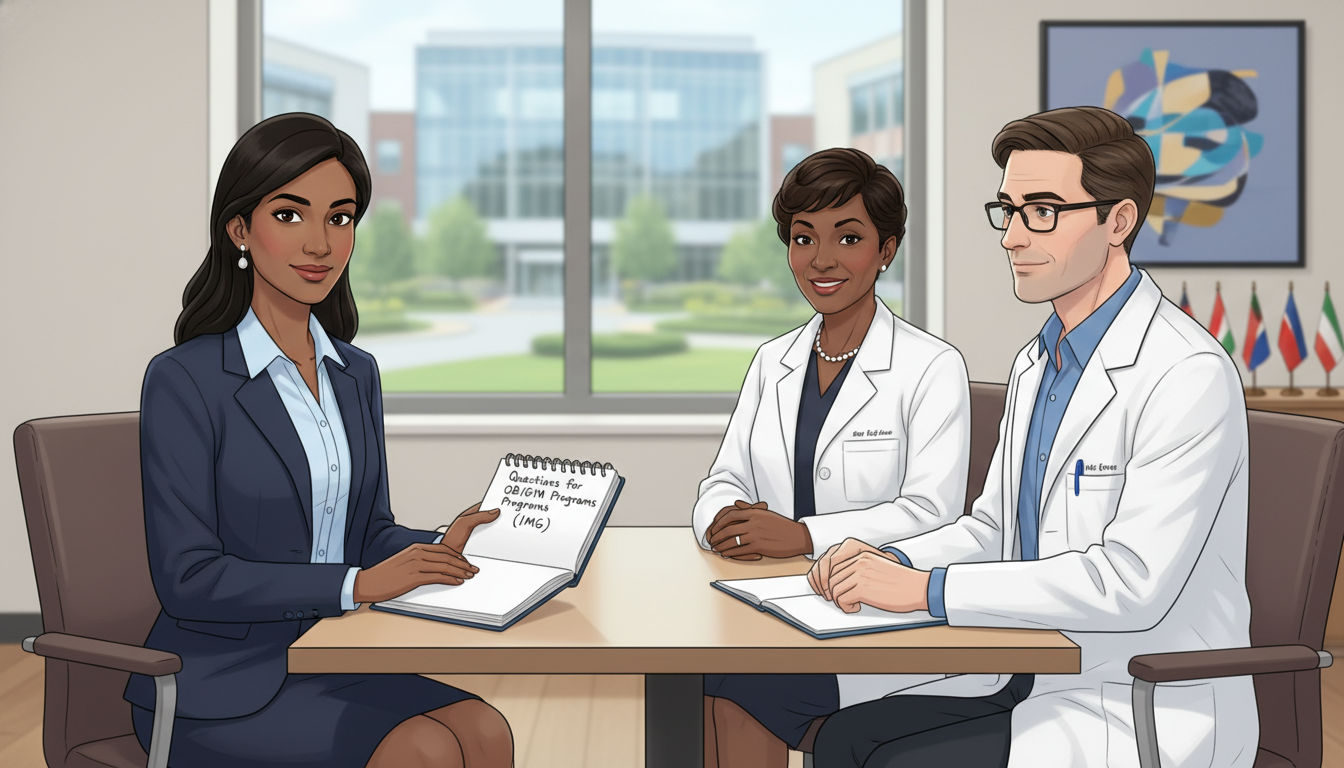
Questions to Ask Med-Psych Programs
Prepare a short list and tailor it to each program. Good themes include:
Clinical training
- “How are med-psych residents integrated into the categorical IM and psych services?”
- “What kinds of med-psych patients are most common in your inpatient and outpatient settings?”
Resident support and culture
- “How does the program support residents balancing dual accreditation requirements?”
- “Can you tell me about wellness initiatives specific to med-psych residents?”
Career development
- “What have recent graduates gone on to do?”
- “How are residents supported if they want to pursue academic or research careers?”
IMG-specific considerations
- “Do you currently have or have you recently had international medical graduates in your program?”
- “What kind of support is available for residents adjusting to the U.S. healthcare system?”
Avoid questions easily answered on the website. Show you’ve already done that homework.
Building a System for Notes and Impressions
Immediately after each interview:
- Take 5–10 minutes to jot down:
- People you met and your impression
- Program strengths and potential concerns
- How well you felt you fit the culture
- Any follow-up actions (thank-you emails, additional information requested)
This will be invaluable later when you create your rank list.
Professional Follow-Up
While not mandatory, brief, sincere thank-you emails can reinforce a positive impression:
- Send within 24–72 hours.
- Keep it short: 1–2 paragraphs.
- Mention something specific from your conversation.
- Reaffirm your interest and how the program aligns with your goals in medicine psychiatry combined training.
Example:
“Thank you for taking the time to speak with me about the med-psych program at [Institution]. I especially appreciated our discussion about integrated care for patients with severe mental illness and chronic medical conditions, which aligns closely with my experiences as an international medical graduate and my long-term goal of working in safety-net settings. I remain very interested in the opportunity to train at [Program].”
FAQs: Pre-Interview Preparation for IMGs in Medicine-Psychiatry
1. As an international medical graduate, should I address my IMG status directly during the interview?
Yes. You don’t need to overemphasize it, but you should acknowledge it confidently and frame it as a strength. For example, reference:
- The perspective you bring from another health system
- Experience with limited resources or different models of care
- Cultural and linguistic strengths that help you build rapport with diverse patients
If the topic of being an IMG arises (e.g., visa, exam attempts, adjustment), address it honestly and briefly, then focus on how you have adapted, improved, and succeeded.
2. How much clinical knowledge is tested during med-psych interviews?
Residency interviews are usually not formal oral exams, but interviewers may ask about:
- Cases from your experience involving combined medical and psychiatric issues
- Your reasoning in managing complex comorbidities
- Your approach rather than precise guidelines
You should refresh core internal medicine and psychiatry principles relevant to integrated care (e.g., depression and diabetes, delirium vs. psychosis, substance use and liver disease). Focus on explaining your thinking process clearly.
3. What are common pitfalls IMGs face in interviews, and how can I avoid them?
Common pitfalls include:
- Overly long, unfocused answers
- Speaking too softly or too quickly to be understood
- Avoiding discussion of challenges (gaps, exam attempts)
- Giving very generic answers to “Why this program?” or “Why med-psych?”
To avoid these:
- Use the STAR method for stories; aim for 1.5–3 minutes per answer.
- Practice with native or fluent English speakers and seek feedback on clarity.
- Prepare honest, constructive explanations for any red flags.
- Research each program thoroughly and prepare specific reasons for your interest.
4. How early should I start residency interview preparation?
For IMGs, starting 2–3 months before interview season is ideal:
- Month 1: Clarify your narrative, update CV, research specialty and programs.
- Month 2: Intensive practice of core interview questions, mock interviews, and technology set-up.
- Ongoing: Program-specific research, question lists, and refining your answers based on feedback.
This timeline allows you to reduce anxiety and present a polished, confident version of yourself throughout the interview season.
Preparing thoroughly for medicine psychiatry combined residency interviews as an international medical graduate is demanding but highly achievable. By clarifying your story, understanding the specialty, practicing targeted interview questions residency programs commonly ask, and perfecting your logistics and professionalism, you can transform interviews from a source of fear into an opportunity to show exactly why you belong in med-psych training.