Understanding the Pediatrics Residency Interview Landscape as an IMG
Pre-interview preparation for an international medical graduate (IMG) in pediatrics is both strategic and deeply personal. You are not just preparing answers—you are learning to tell your story as a physician, a learner, and a future pediatrician in a new healthcare system.
Pediatrics residency programs look for more than test scores and CV lines. They want residents who are:
- Safe and clinically sound
- Compassionate and child- and family-centered
- Communicative and culturally sensitive
- Reliable, hardworking, and team-oriented
- Able to grow within the U.S. healthcare system
As an IMG, you bring unique strengths—global perspectives, resilience, adaptability—but you may also face common challenges: unfamiliar interview style, gaps in training, accents and communication differences, or fewer U.S. mentors. This IMG residency guide will help you prepare before interview day so you can present your best, most authentic self.
This article focuses on pre-interview preparation—everything you should do from the moment interview invitations start arriving until the night before each interview—specifically tailored to pediatrics and international medical graduates.
Step 1: Strategic Preparation Before the First Interview Invite
Clarify Your Pediatrics Story
Almost every pediatrics residency interview will include variations of:
- “Why pediatrics?”
- “Why did you choose pediatrics over other specialties?”
- “What kind of pediatrician do you see yourself becoming?”
Before you worry about lists of interview questions residency programs might ask, spend time clarifying your own narrative.
Ask yourself:
Origins of interest
- What first drew you to working with children?
- Was there a specific child, patient, or family that shifted your thinking?
- How is pediatrics meaningful to you beyond “I like kids”?
Reinforcement during training
- Which rotations confirmed your interest?
- What feedback did you receive from pediatric attendings or nurses?
- What aspects of pediatrics (development, family counseling, chronic disease, advocacy) resonate most with you?
Future vision
- Do you see yourself in general pediatrics, hospital medicine, PICU, NICU, outpatient primary care, global child health, community advocacy, or academic pediatrics?
- How does your background as an international medical graduate inform your vision of pediatric care?
Write these out in a document—not as memorized scripts, but as bullet points of genuine ideas. This “personal pediatrics map” will anchor many of your answers.
Align Your Application Components
Your peds match success depends on consistent messaging across:
- ERAS application
- Personal statement
- Letters of recommendation
- CV
- Interview answers
Do this pre-interview exercise:
- Re-read your ERAS application and personal statement as if you are a program director.
- Highlight:
- Main themes you presented (e.g., global child health, NICU interest, primary care for underserved children).
- Key experiences (e.g., pediatric clerkships, U.S. clinical experiences, leadership roles, child advocacy).
- Ask:
- Do my interview narratives reinforce these themes?
- Are there gaps I should be ready to address (gaps in CV, score attempts, late switch to pediatrics)?
Your goal: when an interviewer finishes speaking with you, your story matches what they already saw in your file—only richer and more human.
Step 2: Researching Programs Like a Professional
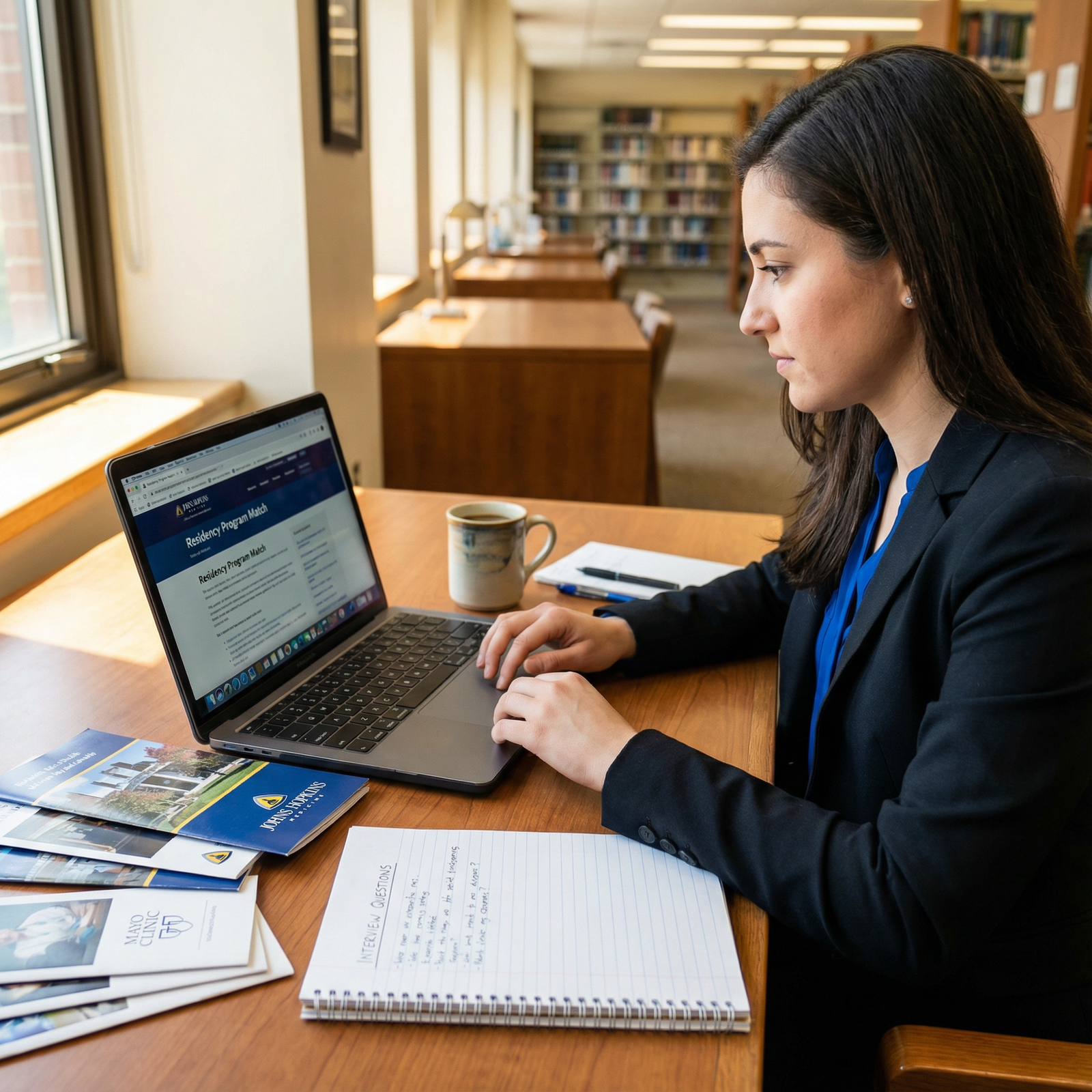
Thorough program research is one of the clearest differentiators of strong residency interview preparation—and it is especially important for IMGs who may not know the U.S. system deeply.
What to Research for Each Program
For every pediatrics residency program that offers you an interview, create a one-page summary (digital or printed). Include:
Program Basics
- Location and type: urban, suburban, or rural; free-standing children’s hospital vs. children’s unit within a general hospital
- Program size: number of residents per class
- Hospital type: community, university-affiliated, or academic tertiary center
Clinical and Educational Focus
- Notable strengths: NICU, PICU, hematology/oncology, primary care, developmental pediatrics, global health, advocacy
- Patient population: underserved communities, immigrant populations, high-acuity tertiary referrals, etc.
- Outpatient vs. inpatient balance, continuity clinic structure
Culture and Values
- Mission statement and core values (often on program website)
- Diversity, equity, and inclusion initiatives
- Wellness resources, resident support systems
- Any content specifically welcoming IMGs or international backgrounds
Academic and Career Support
- Fellowship match patterns (subspecialties, locations)
- Research opportunities: available mentors, research tracks, QI projects
- Teaching expectations: medical student teaching, simulation curriculum
Program-Specific Highlights or Unique Features
- Global health track, advocacy track, community outreach programs
- Specialized clinics (e.g., refugee clinic, adolescent medicine center, complex care clinic)
- Partnership with a medical school or public health initiatives
Practical Information
- Clinic locations and commute (for in-person visits)
- Cost of living in the area
- Support for visa sponsorship (very relevant for IMGs)
Use this research to answer questions like:
- “Why our program?”
- “How do you see yourself fitting into our residency?”
- “What attracts you to training in this region/city?”
How to Use Your Research in the Interview
Avoid generic phrases: “Your program is very strong and I like the friendly residents.”
Instead, be specific and personalized. For example:
- “I’m particularly drawn to your refugee and immigrant pediatric clinic, as I worked with displaced families during medical school and would like to continue serving similar populations.”
- “Your strong NICU and PICU exposure, balanced with continuity clinic in a community setting, would help me decide between general pediatrics and a possible critical care fellowship.”
This level of detail signals genuine interest and seriousness as an applicant.

Step 3: Mastering Core Pediatrics Interview Questions as an IMG
As an IMG residency guide for pediatrics, certain categories of questions are nearly universal. You cannot predict every question, but you can be very ready for the main themes.
Foundational Questions to Prepare
Tell me about yourself.
- Target: 1.5–2 minutes.
- Structure:
- Brief background (medical school, where you trained)
- Key experiences that led you to pediatrics
- Current status (what you’re doing now: observerships, research, clinical work)
- One line about future goals in pediatrics
- Avoid retelling your entire CV. Focus on what makes you uniquely you.
Why pediatrics?
- Link personal experiences + clinical rotations + long-term goals.
- Include:
- A specific child or situation that impacted you (without excessive detail).
- One or two core values (e.g., prevention, longitudinal relationships, advocacy).
- How pediatrics fits your personality and strengths (patience, communication, teamwork).
Why this program?
- Use your program research.
- Connect a program feature to your background or goals.
- For IMGs, highlight why this environment would help you adapt and grow in the U.S. system.
Why the U.S. for pediatric residency? (Common for IMGs)
- Focus on:
- Training quality and structure (evidence-based medicine, multidisciplinary teams).
- Opportunities for research, global health, or advanced subspecialty fellowships.
- Desire to work in a diverse, multicultural patient population.
- Avoid criticizing your home country’s system; instead, emphasize complementarity.
- Focus on:
Strengths and weaknesses.
- Choose strengths relevant to pediatrics: communication with families, empathy, adaptability, teamwork, resilience.
- For weaknesses:
- Be honest but strategic (e.g., initial difficulty delegating, over-committing to tasks).
- Show growth: what you’ve done to improve and how you monitor yourself now.
- Avoid weaknesses that suggest unsafe or unprofessional behavior.
Tell me about a challenging patient or conflict in the team.
- Use the STAR method:
- Situation
- Task
- Action
- Result + Reflection
- For pediatrics, emphasize:
- Collaboration with parents or guardians
- Clear communication
- Respect for cultural values
- Learning and growth
- Use the STAR method:
Future plans in pediatrics.
- It is okay if you are undecided between general pediatrics and subspecialty.
- Show an openness to explore but connect with something specific:
- “I’m drawn to general pediatrics with a focus on underserved communities, but I’m also curious about hematology/oncology and would value exposure during residency.”
- Avoid: “I have no idea” or “I must do a very competitive fellowship” without a clear reason.
Questions Unique or Common for IMGs
You should be especially prepared to answer:
- “You have a gap in your training—how did you use that time?”
- “How have you maintained clinical knowledge and skills after graduation?”
- “Can you describe your U.S. clinical experience and what you learned from it?”
- “How will you adapt to the U.S. healthcare system?”
- “Tell us about any challenges as an IMG and how you have addressed them.”
Frame your answers to show resilience, proactive learning, and maturity. For example:
“During the year after graduation, I prepared for USMLE, but I also volunteered in a pediatric clinic and completed an online evidence-based medicine course. This helped me strengthen both my knowledge and my communication with families.”
Practicing Without Sounding Rehearsed
- Make bullet points for each question instead of fully written scripts.
- Record yourself answering and review:
- Pace
- Clarity
- Body language (for video interviews)
- Practice with:
- Friends or family
- Fellow applicants
- Mentors or faculty from observerships
- Ask for specific feedback: “Was my answer too long?” “Did I directly answer the question?”
Your goal is to sound prepared, clear, and natural—not robotic.
Step 4: Communication Skills and Cultural Nuances for IMGs
Clarity, Pace, and Accent
Many IMGs are understandably self-conscious about accents. Programs are usually comfortable with accents as long as:
- You speak clearly.
- You slow down appropriately.
- You are easily understood on first pass.
Practical tips:
- Practice speaking a little slower than usual.
- Pause briefly after key points.
- Ask, if needed: “Please let me know if you would like me to repeat or clarify anything.”
Adapting to U.S. Communication Style
U.S. residency interviews often expect:
- Direct but polite answers
- Comfort with eye contact (for video, looking into the camera occasionally)
- Willingness to share reflections and feelings
- Confidence without arrogance
You may be coming from a culture where:
- Hierarchies are stronger.
- Self-promotion is discouraged.
- Criticizing systems is risky.
Balance this by:
- Focusing on what you learned, not blaming others.
- Using phrases like:
- “I realized that…”
- “This experience helped me understand…”
- “One thing I would do differently next time is…”
Child- and Family-Centered Communication
Pediatrics programs watch for how you think about:
- Communicating with parents/guardians
- Explaining diagnoses in simple language
- Respecting cultural and religious differences
When answering scenario questions, explicitly mention:
- “I would make sure the parents understand in clear, non-medical language.”
- “I would ask about the family’s beliefs and concerns.”
- “I would involve the multidisciplinary team (social worker, nurse, etc.) as needed.”
This signals that you understand modern pediatric practice.

Step 5: Logistics, Technology, and Professional Presentation
Organizing Your Interview Season
Before interviews begin:
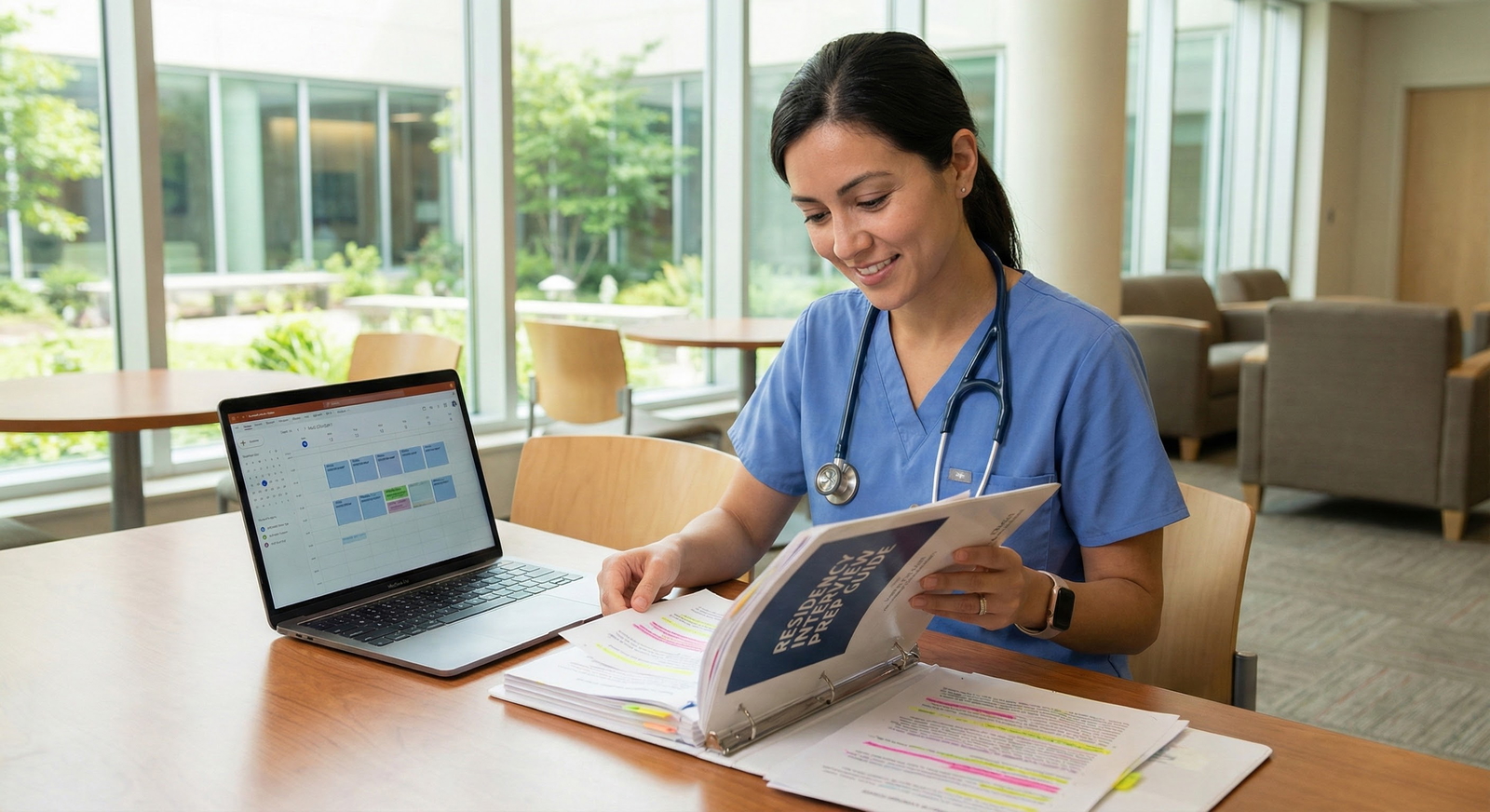
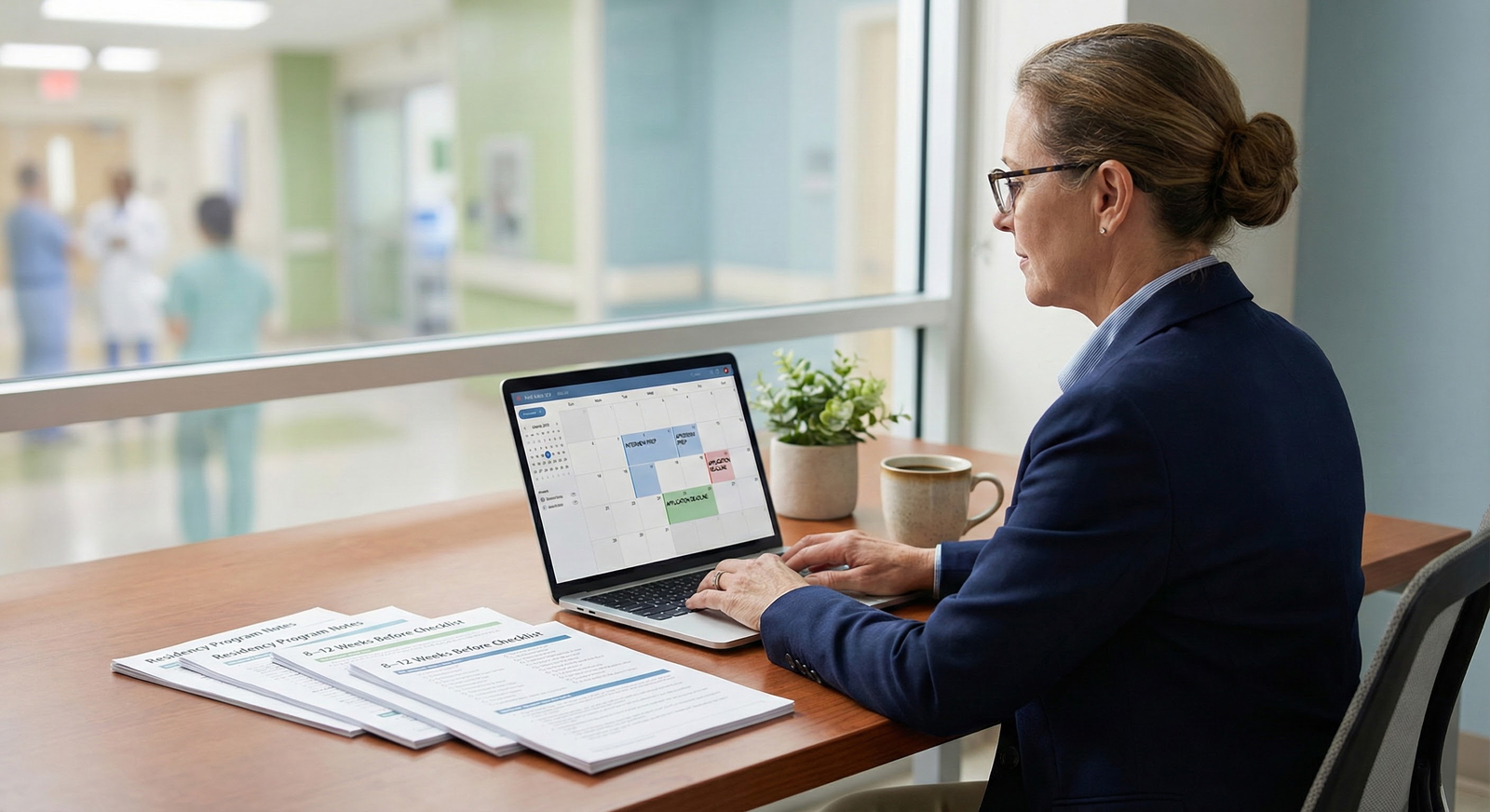
- Create a spreadsheet or document tracking:
- Program name
- Interview date and time (with time zones)
- Interview format (Zoom, Thalamus, Teams, in-person)
- Interviewers’ names (to the extent they’re provided)
- Pre-interview social events
- Post-interview impressions and notes
Time zone mistakes are a frequent issue for IMGs. Double-check:
- Program’s time zone vs. your local time
- Daylight savings differences if applicable
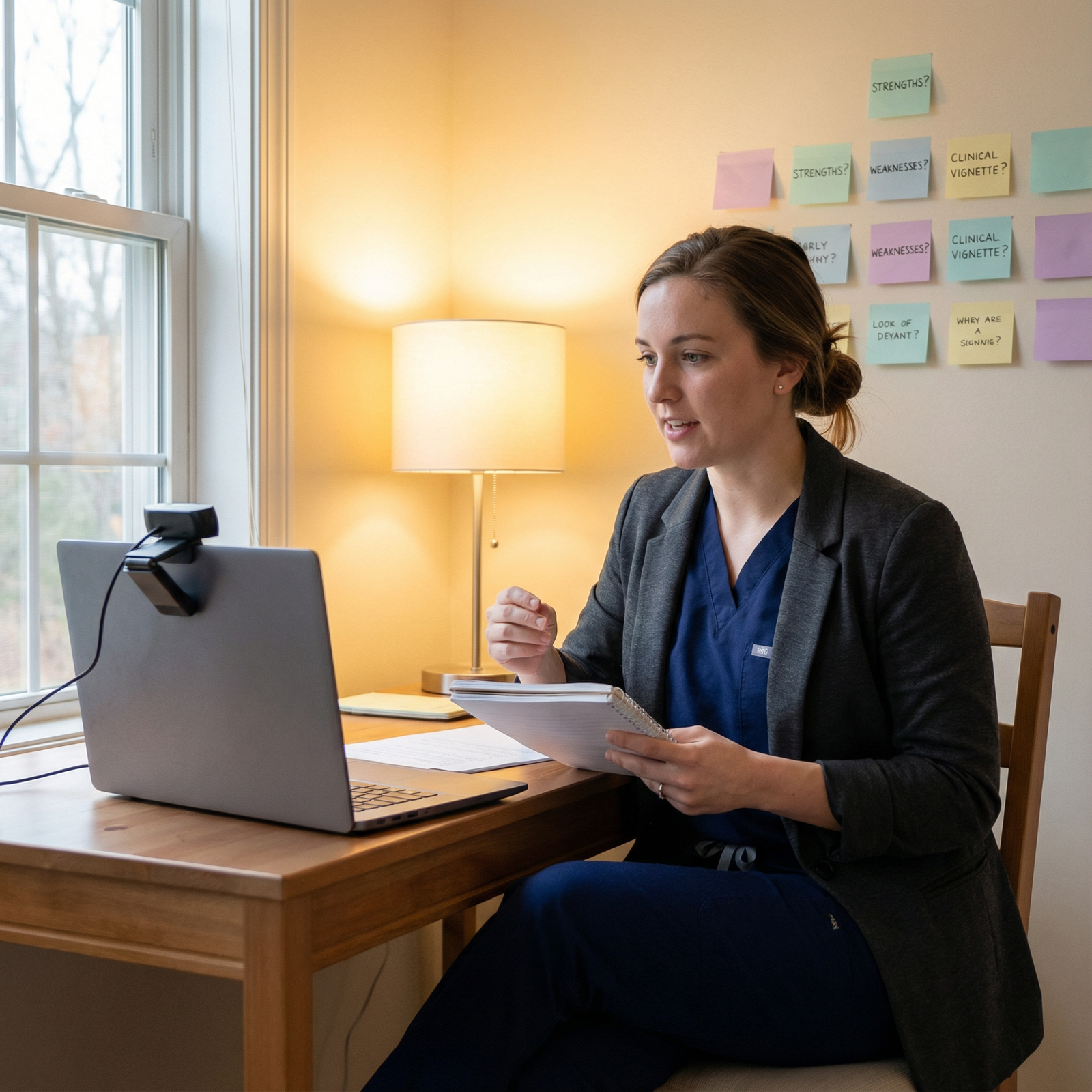
Technology Setup for Virtual Interviews
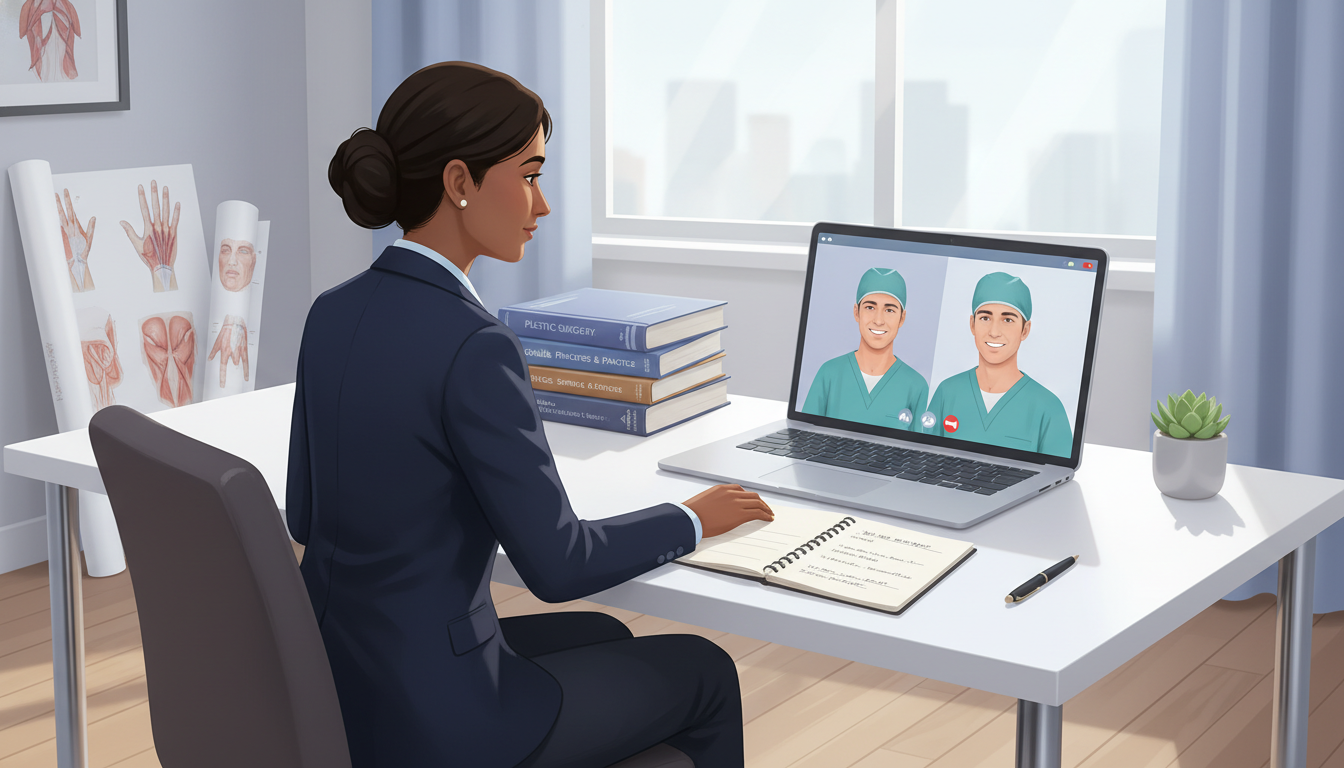
Most pediatrics interviews are now hybrid or fully virtual. For virtual interviews:
Equipment
- Stable internet connection (test speed beforehand).
- Laptop or desktop (avoid phones/tablets if possible).
- Functioning camera and microphone (use headphones with mic if environment is noisy).
Environment
- Quiet, private room (inform housemates/family of the schedule).
- Neutral, uncluttered background (plain wall, bookshelf, or tidy desk).
- Good lighting (natural light from front or a soft lamp).
Technical Rehearsal
- Test the exact platform (Zoom, Teams, Webex, Thalamus) with a friend.
- Practice:
- Joining the meeting
- Muting/unmuting
- Turning camera on/off
- Screen name (use full name, no nicknames)
Backup Plan
- Have a second device ready if your primary fails.
- Know how to contact the program coordinator quickly (email/phone).
Professional Appearance and Attire
For pediatrics, professional attire is slightly less formal than for some other specialties, but you should still aim for classic business interview style:
- For all genders:
- Solid-colored or subtle-pattern shirt or blouse
- Blazer or suit jacket (optional for some programs, but safer to have)
- Simple, neat hair
- Minimal jewelry and makeup
- No noisy accessories or distracting items
For virtual interviews, avoid:
- Busy patterns (moiré effect on camera)
- Bright white (can wash out) or extremely bright colors
- Large logos or text
You want the interviewer to focus on your words, not your clothing.
Step 6: Questions YOU Should Ask Programs
Residency interviews are not one-sided. Pre-interview preparation must include planning your own questions. Programs expect this and use it as a measure of your engagement.
Avoid overly generic questions (“So, tell me about your program”). Instead, ask purposeful questions linked to:
- Training quality
- Resident support
- Pediatrics-specific issues
- IMG-specific concerns (asked tactfully)
Examples:
About Education and Clinical Training
- “How do you balance inpatient and outpatient experiences over the three years?”
- “What support do residents receive when they are interested in subspecialty fellowships?”
- “How are residents involved in teaching medical students?”
About Culture and Support
- “How would you describe the culture among residents and between residents and faculty?”
- “What wellness or mental health resources are available for residents?”
- “How does the program support residents during difficult rotations like PICU or NICU?”
About Pediatrics-Specific Opportunities
- “Are there opportunities to be involved in community outreach or school-based programs for children?”
- “What kinds of continuity clinic experiences do residents have, and do they see patients from diverse backgrounds?”
- “How are advocacy and child health policy integrated into the curriculum?”
For IMGs (asked respectfully)
- “How has the program supported international medical graduates in previous years?”
- “What resources are available to help new residents adjust to the electronic medical record and U.S. healthcare system?”
Prepare 3–5 questions per program. You won’t ask them all, but you’ll be ready for different interviewers (faculty, program director, chief residents, current residents).
Step 7: Mental Preparation, Confidence, and Self-Care
Managing Anxiety and Imposter Syndrome
Many IMGs feel they must prove they belong. It’s normal to feel pressure, but remember:
- You were invited for an interview because the program already sees you as a serious candidate.
- The goal is not perfection; it is connection and fit.
Mental strategies:
- Before each interview season, write a short list:
- 3 strengths you bring as an IMG (e.g., resilience, language skills, cultural understanding).
- 3 reasons you will be an excellent pediatric resident.
- Read this list the night before and morning of each interview.
Night-Before Routine
The evening before your interview:
- Review your:
- Program one-page summary
- Bullet points for key questions (not full scripts)
- Questions you plan to ask the program
- Check:
- Meeting link and time (with time zone)
- Technology and charging cables
- Outfit ready and ironed (if on video, at least top half)
- Set:
- At least two alarms for the morning
- Water bottle and light snack ready
Then do something relaxing that’s not screen-heavy: short walk, light reading, breathing exercises. Aim for adequate sleep; cognitive performance matters.
On the Day of the Interview
- Eat a light, non-sleepy meal.
- Log in 15–20 minutes early to troubleshoot.
- Have:
- Notepad and pen
- Copy of your CV and personal statement
- Program notes
- During the interview:
- Listen actively.
- Take brief notes after each interviewer (not during, unless appropriate).
- Maintain open, positive body language.
Afterward, write down:
- Who you spoke with.
- What impressed you.
- Any concerns.
- How you felt about fit.
These notes are invaluable later when ranking programs.
FAQs: Pre-Interview Preparation for IMGs in Pediatrics
1. How early should I start residency interview preparation as an IMG?
Begin at least 4–6 weeks before you expect interviews to start. Use this time to:
- Clarify your pediatrics story and long-term goals.
- Practice core interview questions regularly.
- Organize your CV and personal statement for easy reference.
- Set up and test your technology for virtual interviews.
- Research programs where you are likely to interview.
Starting early reduces last-minute stress and allows more natural, confident performance.
2. What are the most common interview questions residency programs ask pediatrics IMGs?
Common questions for pediatrics and IMGs include:
- “Tell me about yourself.”
- “Why pediatrics?”
- “Why our program?”
- “Why the U.S. for residency?”
- “What are your strengths and weaknesses?”
- “Describe a challenging patient or conflict in the team.”
- “How have you prepared to transition to the U.S. healthcare system?”
- “How do you handle stress or busy clinical days?”
Preparing thoughtful, personalized bullet-point answers for these questions is one of the highest-yield parts of how to prepare for interviews.
3. How can I address gaps or low scores as an international medical graduate?
Be honest, concise, and forward-focused:
- Briefly explain the context (health, family, system issues, exam timing) without blame.
- Emphasize what you learned and what you changed afterward (study strategies, time management, additional clinical exposure).
- Provide evidence of improvement: later exam success, stronger clinical evaluations, recent U.S. clinical experience, or research productivity.
Programs care less about perfection and more about growth, accountability, and current readiness to succeed in residency.
4. Are pre-interview socials and resident meet-and-greets important?
Yes—especially for pediatrics. These informal events help programs see:
- How you interact in a group.
- Whether you seem collegial, respectful, and curious.
- If your values and personality match their resident culture.
For you, socials are a key chance to:
- Ask practical questions about workload, support, and culture.
- Sense whether residents are genuinely happy and supported.
- Learn about how IMGs have integrated into the program.
Prepare a few light, open-ended questions and participate respectfully—but you do not need to dominate the conversation.
Thoughtful, structured pre-interview preparation can transform your pediatrics residency interview season from overwhelming to empowering. As an international medical graduate, your journey is already proof of persistence and dedication. With clear narratives, strong communication, and strategic planning, you can show programs exactly why you belong in their pediatric residency—and, ultimately, at the bedside of children and families who will depend on you.