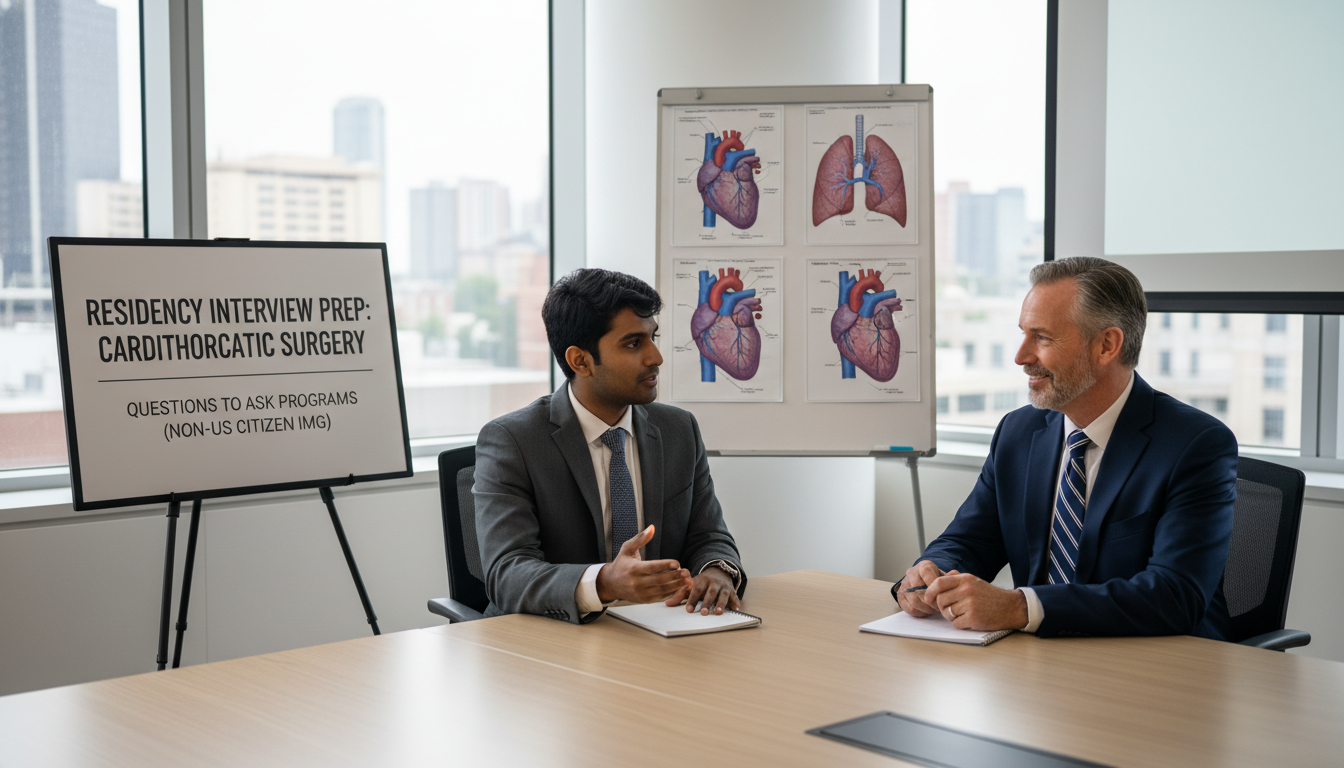
Pediatrics-Psychiatry (often through a combined or triple board pathway) is a uniquely rewarding field—especially for an international medical graduate (IMG). But to evaluate programs effectively, you need to ask the right questions. This IMG residency guide focuses entirely on questions to ask programs so you can assess fit, support, and long-term opportunity in peds psych residency tracks.
Below is a structured, practical framework you can use to prepare interview questions for them—faculty, program directors, residents, and coordinators—tailored to Pediatrics-Psychiatry and the realities of being an IMG.
Understanding the Landscape: Why Your Questions Matter
As an IMG entering pediatrics-psychiatry or a triple board program (Pediatrics / General Psychiatry / Child & Adolescent Psychiatry), you bring distinct strengths—and face distinct challenges:
- Adapting to U.S. healthcare systems and documentation
- Visa and immigration concerns
- Cultural and communication differences with children, families, and multidisciplinary teams
- Limited exposure to integrated pediatric-psychiatric models in prior training settings
Your questions help you:
Assess support for IMGs
Does the program truly understand and invest in international medical graduates?Determine if the training structure fits your goals
Does the program’s design prepare you for child psychiatry, academic medicine, global health, or community practice?Clarify expectations and culture
Are you joining a nurturing environment or a sink-or-swim model?Evaluate long-term prospects
Will this residency set you up for board certification, jobs, and visa stability?
Think of your question list as part of a strategic IMG residency guide: you are not just trying to impress them; you are interviewing them just as much as they are interviewing you.
Core Domains: What You Should Always Ask About
These are high-yield domains you should cover in almost any conversation. You won’t ask every question at every interview—but you should choose a few from each domain depending on who you’re speaking with.
1. Program Structure, Curriculum, and Triple Board Nuances
For peds psych or triple board tracks, you must clearly understand how the three disciplines are integrated.
Questions to ask the program director / associate program director:
- “Can you walk me through how training time is distributed between pediatrics, psychiatry, and child & adolescent psychiatry each year?”
- “How is the curriculum structured to help residents integrate pediatric and psychiatric perspectives, rather than feeling like two separate trainings?”
- “For the triple board pathway, how do you support residents in preparing for all three board exams?”
- “What opportunities exist to see children and adolescents with complex medical and psychiatric comorbidities in an integrated setting?”
- “Are there longitudinal experiences (e.g., continuity clinics, specialty clinics) that blend pediatrics and psychiatry?”
Follow‑up probes to deepen your understanding:
- “Can you share an example of a rotation or clinic where pediatrics and psychiatry truly overlap in day-to-day work?”
- “How do you ensure residents don’t feel ‘behind’ compared with categorical pediatrics or psychiatry residents in your institution?”
Why this matters for IMGs:
You may not have had formal child psychiatry rotations or integrated behavioral health training abroad. You need a curriculum that systematically builds this skillset, not one that assumes prior experience.
2. IMG Support, Culture, and Onboarding
As an international medical graduate, you must specifically evaluate how well the program understands your unique needs.
Questions to ask about IMG experience:
- “How many current or recent residents are IMGs, and from which countries or regions?”
- “What kind of orientation or onboarding is provided for IMGs to adjust to documentation, EMR, and U.S. clinical workflows?”
- “Are there any formal mentorship programs pairing IMGs with faculty or senior residents?”
- “Could you describe an example of how the program has supported an IMG resident facing challenges (clinical, cultural, or personal)?”
Questions about day‑to‑day culture:
- “How would you describe the program culture when a resident is struggling—academically, emotionally, or personally?”
- “What does psychological safety look like here? Are residents comfortable asking for help or admitting when they don’t know something?”
- “How does the program address microaggressions or bias, including those directed at IMGs or international accents?”
Why this matters:
Supportive culture is not a luxury for IMGs—it’s essential. You may face extra scrutiny from patients or colleagues because of accent, training background, or visa status. The program’s attitude toward IMGs will shape your entire residency experience.

Specialty-Specific Questions for Pediatrics-Psychiatry and Triple Board
Peds psych and triple board training are intense and highly specialized. Your interview questions for them should target how well they prepare you to care for children’s physical and mental health in an integrated way.
3. Clinical Exposure and Patient Populations
You want broad and deep exposure to pediatric and psychiatric conditions across different settings.
Questions to ask about clinical training:
- “What is the mix of inpatient, outpatient, consultation-liaison, and emergency psychiatry in the pediatric and adolescent population?”
- “Do residents see children with neurodevelopmental disorders (e.g., autism, intellectual disability) within integrated clinics, or mostly through separate specialty services?”
- “How much exposure do residents get to medically complex children with psychiatric comorbidities—for example, eating disorders, functional neurological disorders, chronic pain, or somatic symptom disorders?”
- “Are there dedicated rotations in pediatric consultation-liaison psychiatry embedded on medical and surgical floors?”
Questions about diversity and health equity:
- “What is the demographic and socioeconomic diversity of your patient population?”
- “How does the program address social determinants of health and trauma-informed care, especially in children and adolescents?”
- “Are there opportunities to work with underserved or immigrant communities, or to use other languages if I’m bilingual?”
Why this matters:
As an IMG, you may want to serve immigrant or globally diverse communities. Understanding patient demographics and exposure to complex psychosocial issues will help you judge if the training aligns with those goals.
4. Interdisciplinary Collaboration and Integrated Care
Peds psych and triple board physicians often function as bridges between disciplines.
Questions about interdisciplinary team dynamics:
- “How do pediatrics and psychiatry departments collaborate on shared patients? Are there joint case conferences or co-run clinics?”
- “What is the relationship like between triple board or peds psych residents and categorical pediatrics and psychiatry residents? Are you integrated into their teams?”
- “Are there specific clinics where residents work as part of multidisciplinary teams (e.g., psychologists, social workers, occupational therapists, speech therapists)?”
Questions on learning to coordinate care:
- “What opportunities exist to develop skills in care coordination—for example, working with schools, child protective services, or community mental health agencies?”
- “How are residents trained to communicate complex psychiatric concepts to pediatricians and vice versa?”
Why this matters:
Integrated, collaborative care is at the heart of peds psych. Programs that support strong interdisciplinary relationships will better prepare you for real-world practice.
5. Scholarship, Advocacy, and Career Paths
Your questions should probe how the program will prepare you beyond residency.
Questions about research and scholarly activity:
- “What research opportunities exist specifically related to pediatrics-psychiatry or triple board topics—such as autism, trauma, psychopharmacology in youth, or integrated care models?”
- “How are residents supported to present at national meetings (AACAP, AAP, APA) in terms of time and funding?”
- “Do you have faculty whose primary focus is pediatric mental health or integrated behavioral health whom residents can work with?”
Questions about advocacy and leadership:
- “Are there structured opportunities for advocacy work—for example, legislative visits, school-based outreach, or community mental health initiatives involving children?”
- “Can residents take on leadership roles in quality improvement, wellness initiatives, or diversity, equity, and inclusion efforts?”
Questions about long-term outcomes:
- “What types of careers have recent graduates pursued—academic, community, hospital-based, global health, or subspecialty practice?”
- “How successful have graduates been with board exams across pediatrics, psychiatry, and child & adolescent psychiatry?”
These questions help you see whether the program nurtures your academic, advocacy, or leadership goals—not just your ability to survive call.

IMG-Specific Logistics: Visa, Support, and Practical Realities
Beyond clinical training, you must ask concrete questions that can critically affect your future.
6. Visa and Immigration Considerations
If you require visa sponsorship, clarify details early.
Questions to ask program leadership or GME office:
- “What types of visas do you typically sponsor for residents—J-1, H-1B, or both?”
- “How many current residents are on visas, and how experienced is your institution in handling visa-related processes?”
- “Is there in-house legal or immigration support, or do residents need to manage that externally?”
- “How do visa timelines typically line up with residency start dates and board eligibility requirements?”
If you are considering long-term U.S. practice:
- “Have past IMG graduates successfully transitioned from training visas to long-term positions in the U.S.?”
- “Are there institutional policies about supporting residents who plan to pursue waivers or long-term employment here after training?”
Programs that have no history of sponsoring visas or working with IMGs may not be the best match, regardless of how strong the clinical training appears.
7. Support for Transition to U.S. Healthcare and Documentation
Navigating EMRs, billing, and U.S.-style documentation can be daunting.
Questions to ask about onboarding and supervision:
- “How is the initial transition period structured for new residents, especially those unfamiliar with U.S. documentation standards?”
- “Are there dedicated teaching sessions on billing, coding, EMR use, and documentation for psychiatry and pediatrics?”
- “How closely are interns supervised initially, and how does supervision change over time?”
Ask residents directly:
- “As an IMG, how did the program help you adapt during your first few months?”
- “Did you feel safe asking ‘basic’ questions about documentation or workflows without being judged?”
This line of questioning reveals whether the program expects you to “hit the ground running” or actually invests in your transition.
8. Wellness, Workload, and Call for Peds Psych Residents
Your well-being directly impacts your performance and learning.
Questions to ask about workload and schedules:
- “What does a typical week look like on a pediatric inpatient rotation versus an inpatient psychiatry rotation for triple board residents?”
- “How is call scheduled for peds psych or triple board residents? Is it separate from categorical residents or integrated with them?”
- “How often do residents get golden weekends or protected time off?”
Questions about wellness and support:
- “What formal wellness resources are available (counseling, peer support groups, protected wellness days)?”
- “If a resident is burned out or struggling emotionally, what steps does the program take to support them?”
- “How does the program handle parental leave or major life events during training?”
Ask residents whether the stated wellness culture matches the actual day-to-day reality.
Tactical Interview Strategy: Who to Ask, What to Ask, and When
You’ll meet different people on interview day: program directors, faculty, residents, coordinators. Tailor your questions to ask residency stakeholders based on their roles.
9. Questions to Ask Program Director
When you think about what to ask program director, focus on big-picture issues, strategy, and philosophy.
High-yield questions:
- “What qualities do you value most in successful peds psych or triple board residents here?”
- “How do you see this program evolving over the next 5–10 years, particularly in response to increasing pediatric mental health needs?”
- “What are you most proud of about this program, and what are you currently working to improve?”
- “How do you evaluate resident performance, and how is feedback given and acted upon?”
- “For IMGs, is there any additional support or advice you give to help them thrive in this training environment?”
These questions show genuine interest in the program’s direction and help you understand if your values align.
10. Questions to Ask Residents
Residents give you the clearest view of the program’s lived reality.
Suggested questions:
- “What made you choose this peds psych / triple board program over others?”
- “On a hard day, what makes it worth it to be here?”
- “Have you ever considered leaving the program or switching specialties? If so, what influenced that, and what ultimately kept you here?”
- “How approachable are attendings, and how much autonomy do you feel you have?”
- “For any IMG residents: what unique challenges did you face, and how did the program respond?”
- “Do you feel supported in your career goals, whether academic, community, or subspecialty-focused?”
You can also ask practical lifestyle questions—housing, cost of living, childcare, spouse/partner support—which often matter a lot in day-to-day happiness.
11. Questions for Faculty and Mentors
Faculty can speak to education quality and mentorship.
Questions:
- “How do you approach teaching on busy clinical services?”
- “What opportunities are there for one-on-one mentoring in pediatrics-psychiatry or child mental health?”
- “How do you help residents build a scholarly portfolio—publications, QI projects, or advocacy initiatives?”
- “What distinguishes a resident you would strongly recommend for a competitive fellowship or academic position?”
Programs where faculty are enthusiastic and engaged often provide a better learning climate, especially for IMGs who benefit from active mentorship.
How to Organize and Use Your Question List Effectively
12. Building Your Personalized Question Bank
Prepare a master list of questions, then select a subset for each program:
Non-negotiables for every interview:
- Curriculum structure / triple board logistics
- IMG support and visa policies
- Culture and wellness
Program-specific questions:
- Based on their website (unique clinics, research strengths, mission statement)
- Based on their patient population or location
Role-specific sets:
- “What to ask program director” vs. what to ask residents vs. what to ask faculty
You might keep a simple document or spreadsheet with columns for:
- Program name
- Questions you asked
- Key takeaways / red flags
- Overall “fit” rating
This turns your question list into a powerful IMG residency guide to compare programs after interviews.
13. Red Flags to Watch For in Answers
Pay attention not just to the content of responses, but also the tone:
- Vague or defensive answers about IMG support or visa processes
- Minimizing or dismissing concerns about burnout or workload
- Inconsistency between what leadership says and what residents say
- No clear explanation of how triple board or peds psych residents are integrated with categorical colleagues
- Lack of any recent IMG graduates or unwillingness to discuss IMG challenges openly
If multiple red flags appear, consider seriously whether the program is right for you, even if it is prestigious.
FAQs: Questions to Ask Programs for IMGs in Pediatrics-Psychiatry
1. How many questions should I ask during each interview?
Aim for 2–4 well-chosen questions per conversation. It’s better to ask fewer, thoughtful, and program-specific questions than to rush through a long checklist. Prioritize what you genuinely care about: curriculum, IMG support, visa, and wellness.
2. Is it appropriate to ask directly about visa sponsorship and IMG history?
Yes. For an international medical graduate, it is entirely appropriate and important to ask about visa types, number of current IMG residents, and the institution’s experience with visa processes. Phrase it professionally: “Could you share how your program approaches visa sponsorship for residents and how many current residents are on visas?”
3. What if the program website already mentions some of my questions?
You can still ask—but refine the question to go deeper. For example:
- Instead of “Do you sponsor J-1 visas?” (already on the website), ask:
“I saw on your website that you sponsor J-1 visas. How has that process worked for your current IMG residents, and what kind of support does the institution provide?”
4. How can I show interest in pediatrics-psychiatry specifically through my questions?
Link your questions to integrated care, child mental health, and triple board topics. For example:
- “I’m particularly interested in children with both complex medical needs and psychiatric conditions. Could you describe how residents are trained to manage those integrated cases here?”
This signals genuine interest in peds psych residency, not just a generic desire to match anywhere.
By preparing targeted, thoughtful interview questions for them, you transform your interviews from stressful interrogations into meaningful conversations. As an IMG considering pediatrics-psychiatry or triple board training, your questions help you identify programs that will not only train you well—but also understand, support, and empower you throughout your journey.