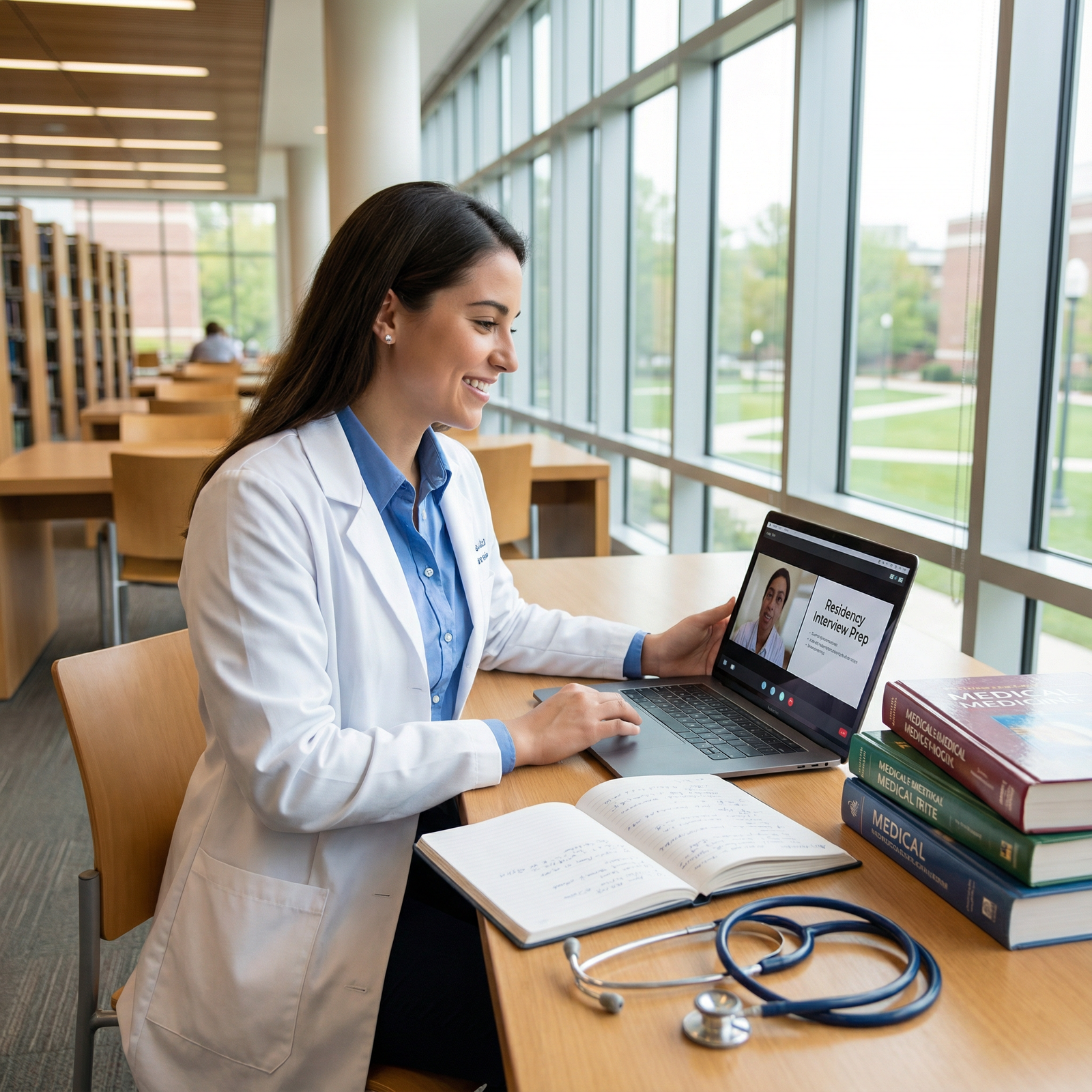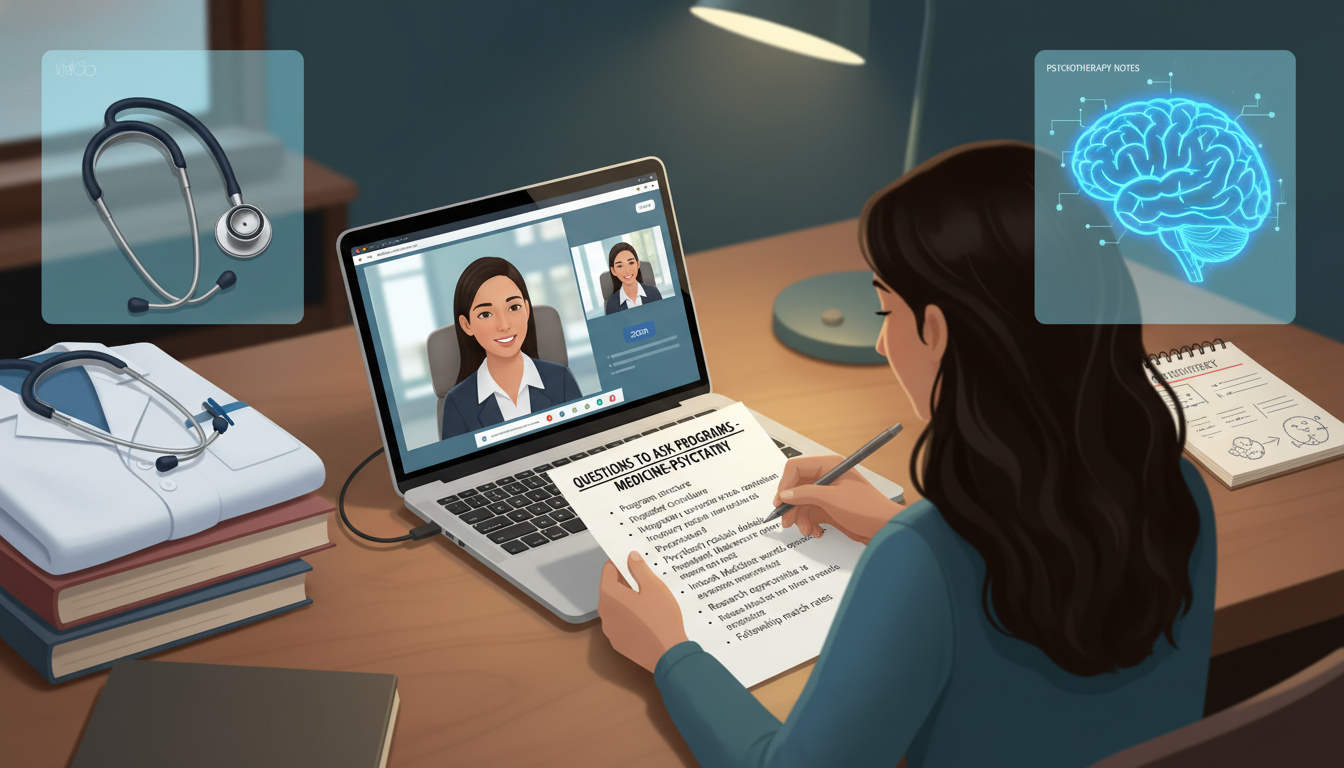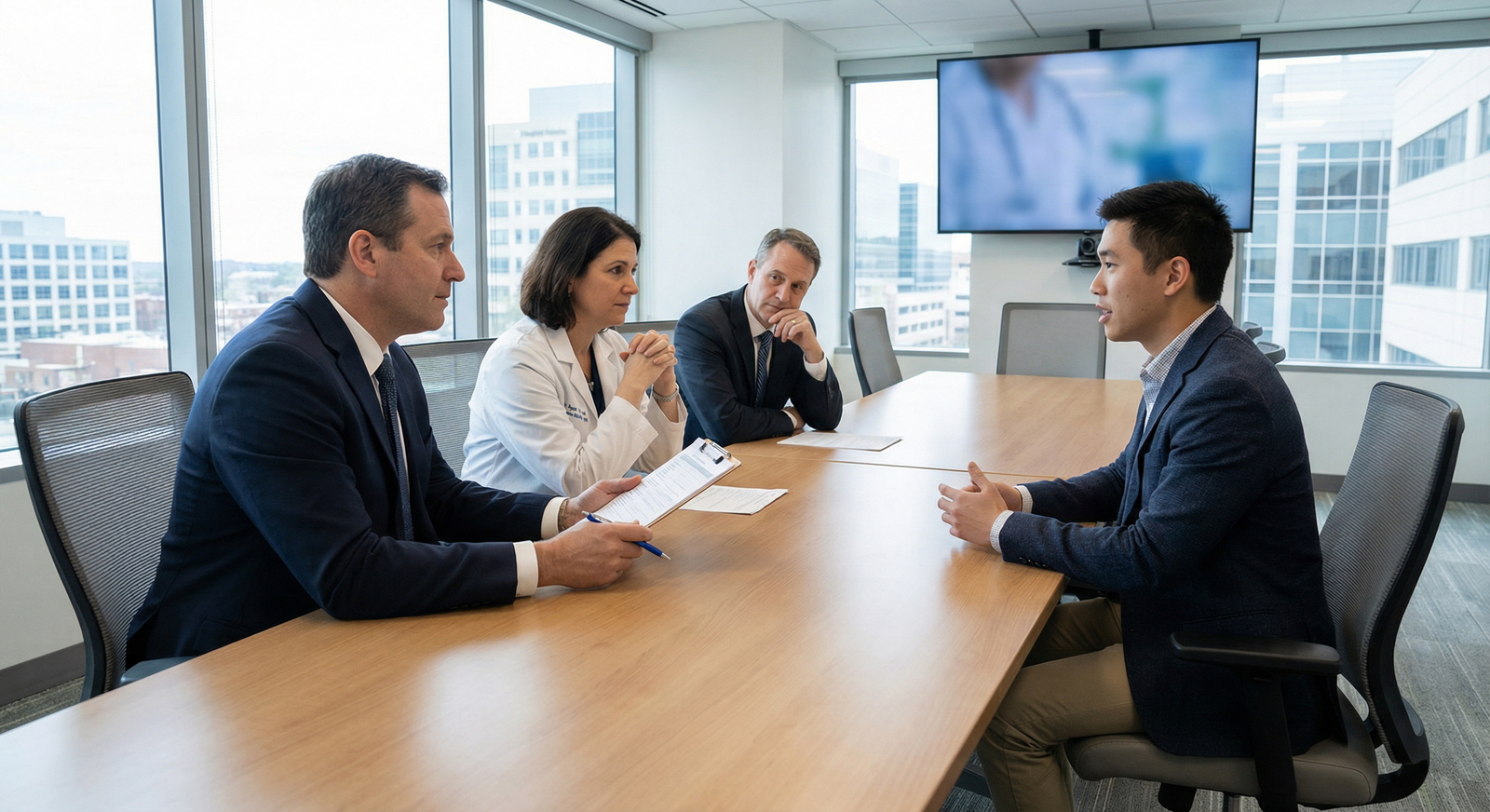
Pre-interview preparation can make the difference between an average impression and a truly memorable one—especially for an international medical graduate (IMG) competing for a radiation oncology residency in the U.S. This IMG residency guide will walk you step-by-step through everything you need to do before interview day to stand out in a highly competitive rad onc match.
Understanding the Landscape: Radiation Oncology and the IMG Perspective
Radiation oncology is small, specialized, and increasingly competitive. Programs scrutinize every detail because each resident slot is a major investment. As an IMG, you must be especially intentional in your residency interview preparation.
Why pre-interview preparation matters more for IMGs
Radiation oncology programs often have:
- Fewer total positions per year compared to larger specialties
- Strong emphasis on research, academic productivity, and professionalism
- Less familiarity with international training systems
Your preparation needs to:
Bridge gaps in familiarity
- Explain your medical school curriculum, grading, and clinical systems clearly.
- Translate your experiences into U.S.-relevant competencies (teamwork, communication, patient-centered care).
Highlight your unique value
- Global health perspectives, multilingual skills, resilience, and adaptability.
- Prior radiation oncology exposure or research, even if outside the U.S.
Minimize perceived risk
Programs fear uncertainty. Solid preparation reduces concerns about:- Communication skills
- Cultural fit
- Understanding of U.S. healthcare and rad onc practice
Your goal: arrive at the interview ready to show you understand U.S. radiation oncology, the program’s culture, and your own story—clearly, confidently, and concisely.
Step 1: Know the Programs Inside and Out
Effective residency interview preparation starts well before you log into Zoom or walk into the hospital. Tailored knowledge of each program is critical in the rad onc match process—generic answers are obvious and forgettable.
Build a structured “program dossier” for each interview
Create a one-page summary for every program. Include:
Program basics
- Location (city, cost of living, climate, commute)
- Program size (number of residents per year)
- Accreditation status and recent site visit notes (if public)
- Main hospital(s) and cancer centers
Clinical strengths
- Major disease-site focus areas (e.g., head & neck, GU, breast, CNS, pediatrics)
- Special technologies:
- Proton therapy
- Stereotactic radiosurgery (SRS)
- Stereotactic body radiotherapy (SBRT)
- Brachytherapy (GYN, prostate, etc.)
- Unique patient populations (VA hospitals, safety-net hospitals, large academic referral centers)
Research profile
- Key faculty researchers and their interests
- Ongoing clinical trials and collaborative groups
- Opportunities in physics, biology, artificial intelligence, or health services research
Training environment
- Call structure and workload
- Didactics and board prep approach
- Opportunity for electives (global health, proton center, industry, etc.)
- Resident wellness initiatives
IMG-related factors
- Current or recent IMG residents/fellows
- Program history of sponsoring visas (J‑1, sometimes H‑1B)
- Any public information on diversity, equity, and inclusion
Use official sources (program websites, institutional pages) and supplement with:
- Publications from key faculty (PubMed, Google Scholar)
- Residents’ social media or program Instagram/Twitter/X
- Alumni LinkedIn profiles
Turn your research into tailored talking points
For each program, prepare 3–4 program-specific points you can naturally reference:
- “I noticed your strong emphasis on SBRT for oligometastatic disease and collaboration with medical oncology. That aligns with my experience working on a metastasis-directed therapy project at my home institution.”
- “Your proton center’s work in pediatric CNS tumors really caught my attention, especially the outcomes research from Dr. X’s group.”
This level of detail signals genuine interest and distinguishes you from applicants who recycle generic compliments.

Step 2: Master the Fundamentals of U.S. Radiation Oncology Practice
As an international medical graduate, you must show that you understand not only the science of radiation oncology but also the workflow and culture of U.S. practice.
Review the clinical workflow
Be prepared to discuss and explain the typical rad onc process from consultation to follow-up. At a minimum, refresh your understanding of:
Initial consultation
- Indications for radiotherapy by disease site
- Integrating radiation with surgery and systemic therapy
- Informed consent and discussing side effects
Simulation and planning
- CT simulation positioning, immobilization, motion management
- Target volume definitions:
- GTV (Gross Tumor Volume)
- CTV (Clinical Target Volume)
- PTV (Planning Target Volume)
- Organs at risk (OARs) and dose constraints
- Conceptual understanding of treatment planning (3D-CRT, IMRT, VMAT)
Treatment delivery
- Daily treatment workflow
- Image-guided radiotherapy (IGRT) basics
- Common acute toxicities and management
Follow-up
- Surveillance schedules
- Late effects and survivorship
You do not need to be an expert planner or physicist, but you should sound like someone who has spent real time in a radiation oncology department.
Be familiar with major disease sites
Know at least the basic indications and principles for:
- Breast cancer radiotherapy (whole breast vs partial breast, boost concepts)
- Prostate cancer (definitive vs adjuvant/salvage, hypofractionation)
- CNS tumors (high-level; e.g., glioblastoma, brain metastases using SRS)
- Head and neck cancers (combined modality, toxicity profile)
- Lung cancer (SBRT for early-stage, chemoradiation for locally advanced)
- Palliative radiotherapy (bone metastases, spinal cord compression, brain mets)
Program faculty may ask scenario-based questions that test judgment more than memorized facts (e.g., “How would you approach a patient with spinal cord compression?”). Prepare to outline:
- The goal of radiotherapy
- Urgency
- Basic dose/fractionation (even approximate)
- Symptom management and coordination with other teams
Understand the U.S. healthcare context
You should demonstrate basic familiarity with:
- Multidisciplinary tumor boards
- Shared decision-making and patient autonomy
- Insurance-driven constraints (you don’t need system details, just awareness)
- Value-based, evidence-based care
Prepare 1–2 examples showing how you’ve functioned in or adapted to new healthcare systems (even if not U.S.-based), emphasizing flexibility and cultural sensitivity.
Step 3: Build Your Personal Narrative as an IMG in Rad Onc
Radiation oncology programs expect you to clearly articulate why you chose rad onc and why you are an international medical graduate choosing U.S. training.
Craft a coherent “story arc”
Your story should feel cohesive and purposeful:
Origin
- What first drew you to oncology or radiation oncology?
- A patient, mentor, research project, or personal/family experience?
Exploration
- Specific experiences:
- Rotations/electives in radiation oncology
- Observerships or externships in U.S. rad onc departments
- Research projects, posters, or publications
- Skills you developed (communication, quantitative thinking, empathy, teamwork)
- Specific experiences:
Decision and commitment
- When and how you decided: “Radiation oncology is the specialty for me.”
- Steps you took to strengthen your candidacy:
- Additional degrees or courses (e.g., MPH, basic statistics)
- Extra research
- Repeat exams, language and communication practice, etc.
Future vision
- Your career goals:
- Academic vs community practice
- Research interests (e.g., disparities, global oncology, implementation science)
- Education/mentoring interests
- Your career goals:
Practice summarizing this in 1–2 minutes. It should answer the classic “Tell me about yourself” and “Why radiation oncology?” questions in a focused, memorable way.
Convert “weaknesses” into context and growth
As an IMG, your file might include:
- Time gaps (visa delays, exam preparation, research years)
- Limited U.S. clinical experience
- Pass/fail or low grades from a system unfamiliar to U.S. faculty
Pre-interview, prepare short, honest, forward-looking explanations:
- Bad example: “I had a gap because of personal issues.”
- Better example:
“After graduation I had a one-year gap from clinical work while I focused on research and preparing for the USMLE. I chose a structured research position in radiation oncology, where I developed skills in data analysis and manuscript writing. This period confirmed my commitment to the field and taught me discipline and time management, which I now apply to patient care and study.”
The goal is not to hide weaknesses, but to show insight, accountability, and growth.
Step 4: Intensive Practice with Core Residency Interview Questions
You should enter each interview cycle having practiced both standard and IMG-specific interview questions residency programs frequently ask.
Core general questions to master
Prepare and rehearse answers for:
- “Tell me about yourself.”
- “Why radiation oncology?”
- “Why this program?”
- “What are your strengths?”
- “What is a weakness you’re working on?”
- “Tell me about a conflict you faced on a team and how you resolved it.”
- “Tell me about a time you made a mistake.”
- “How do you handle stress and burnout?”
- “What are your long-term career goals?”
Use the STAR method (Situation, Task, Action, Result) for behavioral questions:
- Situation: Brief context
- Task: Your responsibility or goal
- Action: What you specifically did
- Result: Outcome plus what you learned
Radiation oncology–specific questions to expect
Examples:
- “What excites you most about the future of radiation oncology?”
- “Tell me about a radiation oncology patient who impacted you.”
- “How do you think radiation oncology can address disparities in cancer care?”
- “Which disease site interests you the most, and why?”
- “What research questions in radiation oncology interest you?”
- “Tell me about a radiation oncology article you read recently and what you took from it.”
To prepare:
- Read 1–2 recent high-impact rad onc articles (e.g., from IJROBP, Practical Radiation Oncology, JCO, or Red Journal).
- Be ready to summarize:
- The clinical question
- Study design and main findings
- Why it matters to patients or practice
IMG-focused questions to anticipate
Programs will often explore:
- “Why did you choose to pursue residency in the U.S. instead of your home country?”
- “What challenges have you faced as an IMG, and how did you handle them?”
- “How do you plan to maintain ties with your home country, if at all?”
- “Can you describe your U.S. clinical or research experience and what you learned from it?”
For each, show:
- Clear reasoning and maturity
- Respect for both your home system and the U.S. system
- Realistic long-term plans (e.g., academic career, contribution to global oncology)
Mock interviews: your most powerful preparation tool
Schedule at least 3–5 mock interviews before your first real one:
- With:
- Faculty mentors (ideally in oncology)
- U.S.-trained physicians or fellows
- Senior residents
- Career services or IMG advisors
- Ask for specific feedback on:
- Clarity and organization of answers
- Nonverbal communication
- Accent comprehensibility and pace
- Directness in answering the actual question
Record at least one mock interview (with permission) and review your:
- Filler words (“um,” “like,” “you know”)
- Eye contact (for virtual, looking into camera)
- Length of responses (aim ~1–2 minutes for most answers)
Step 5: Communication, Culture, and Professionalism for IMGs
Strong content alone is not enough; how you communicate is crucial in a U.S. residency interview, especially via virtual platforms.
Strengthening spoken English and clarity
If English is not your first language:
- Practice explaining complex ideas simply, e.g.:
- Radiation side effects in lay language
- Your research project in 3–4 sentences
- Record yourself answering common questions and listen critically:
- Are you speaking too fast?
- Are key words unclear?
- Consider:
- Short sessions with a language tutor
- Conversation practice groups with native speakers
- Reading out loud (journal articles, patient education materials)
Aim for:
- Moderate speaking pace
- Short, structured responses
- Rephrasing if you notice misunderstanding (“Let me say that another way…”)
Adapting to U.S. professional culture
Understand a few key cultural expectations:
- Hierarchy but openness
Residents may speak openly, respectfully disagree, or ask clarifying questions, including with attendings. - Direct communication
Interviewers appreciate concise, clear answers rather than very indirect or overly deferential ones. - Boundaries and professionalism
Avoid overly personal topics; maintain professionalism even in “casual” conversations.
Examples of culturally appropriate behaviors:
- When you don’t know something:
“I’m not completely sure, but my approach would be to…”
rather than guessing confidently or shutting down. - When you disagree:
“That’s a good point. In my experience, I’ve seen X, but I’m very open to learning the approach here.”
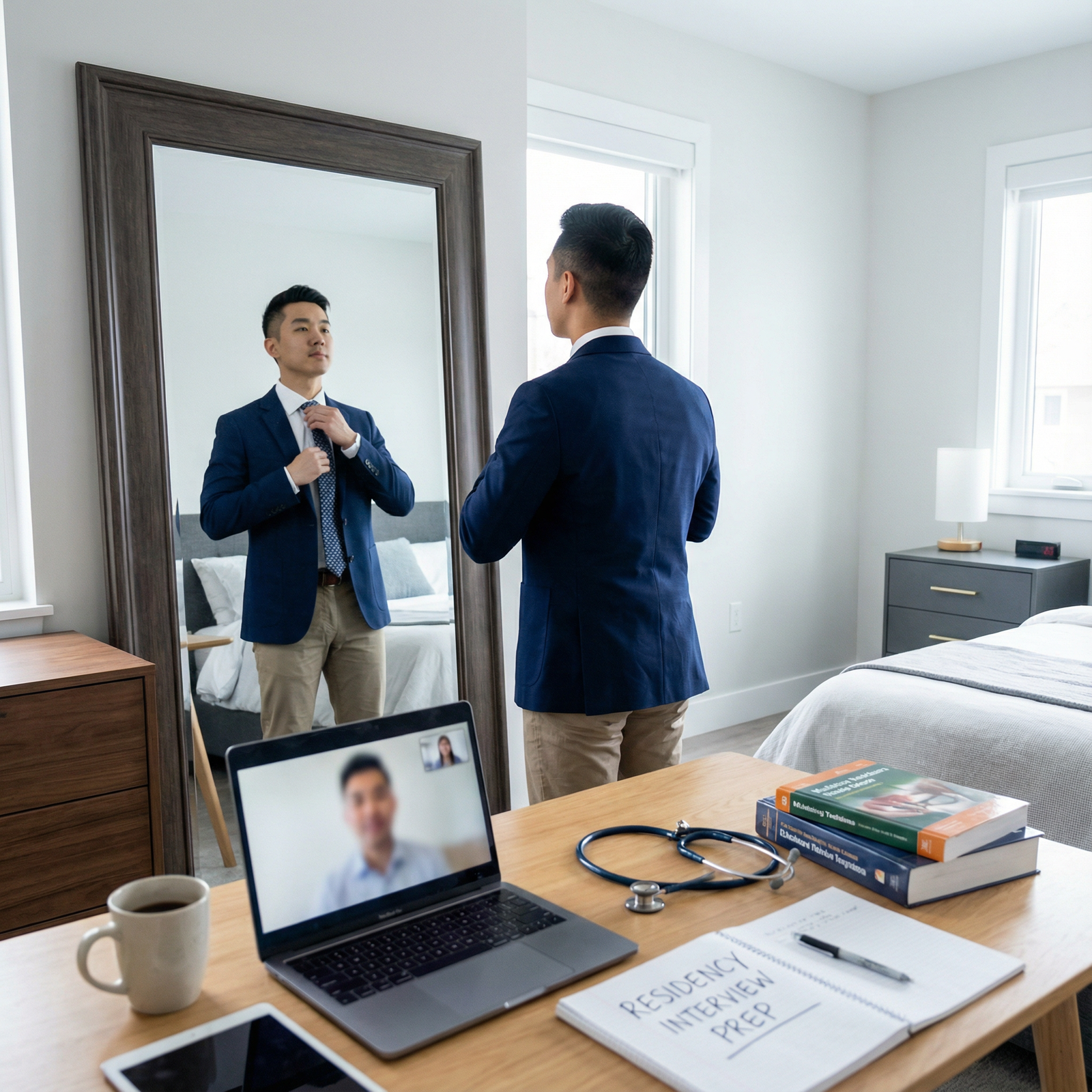
Presentation: dress, background, and demeanor
- Dress code: Business or business-casual formal
- Men: Suit jacket, dress shirt, tie.
- Women: Suit (pants or skirt) or conservative dress with blazer.
- Virtual background:
- Neutral, clean background
- Good lighting (face clearly visible)
- Camera at eye level
Practice your “on-screen presence”:
- Sit up straight, slight forward lean (engaged)
- Look at the camera when speaking
- Nod occasionally to show active listening

Step 6: Detailed Logistics and Document Preparation
Pre-interview preparation is not only about content. Logistics and documents can quietly strengthen—or weaken—your candidacy.
Organize your application materials
Before interviews begin, review your entire ERAS file:
- Personal statement
- CV
- Research experiences and publications
- Volunteer and leadership activities
- USMLE/COMLEX scores
- LoRs (know who wrote what)
Be able to discuss anything in your application fluently:
- Know which attending wrote each letter and your relationship with them.
- Re-familiarize yourself with all your projects: study design, your role, outcomes.
Prepare a short, updated CV PDF (1–2 pages) you can share if requested, especially if you’ve had new publications or roles since submitting ERAS.
Prepare a concise “research elevator pitch”
For each significant research project:
- 2–3 sentence summary:
- Clinical question
- Study design and population
- Your specific role
- Main result or status (submitted, under review, published)
Example:
“I worked on a retrospective study evaluating outcomes of SBRT for oligometastatic prostate cancer. We included about 120 patients treated at my home institution, analyzed local control and toxicity outcomes, and I was responsible for data extraction and statistical analysis with supervision. We found excellent local control with acceptable toxicity, and the manuscript is currently under review.”
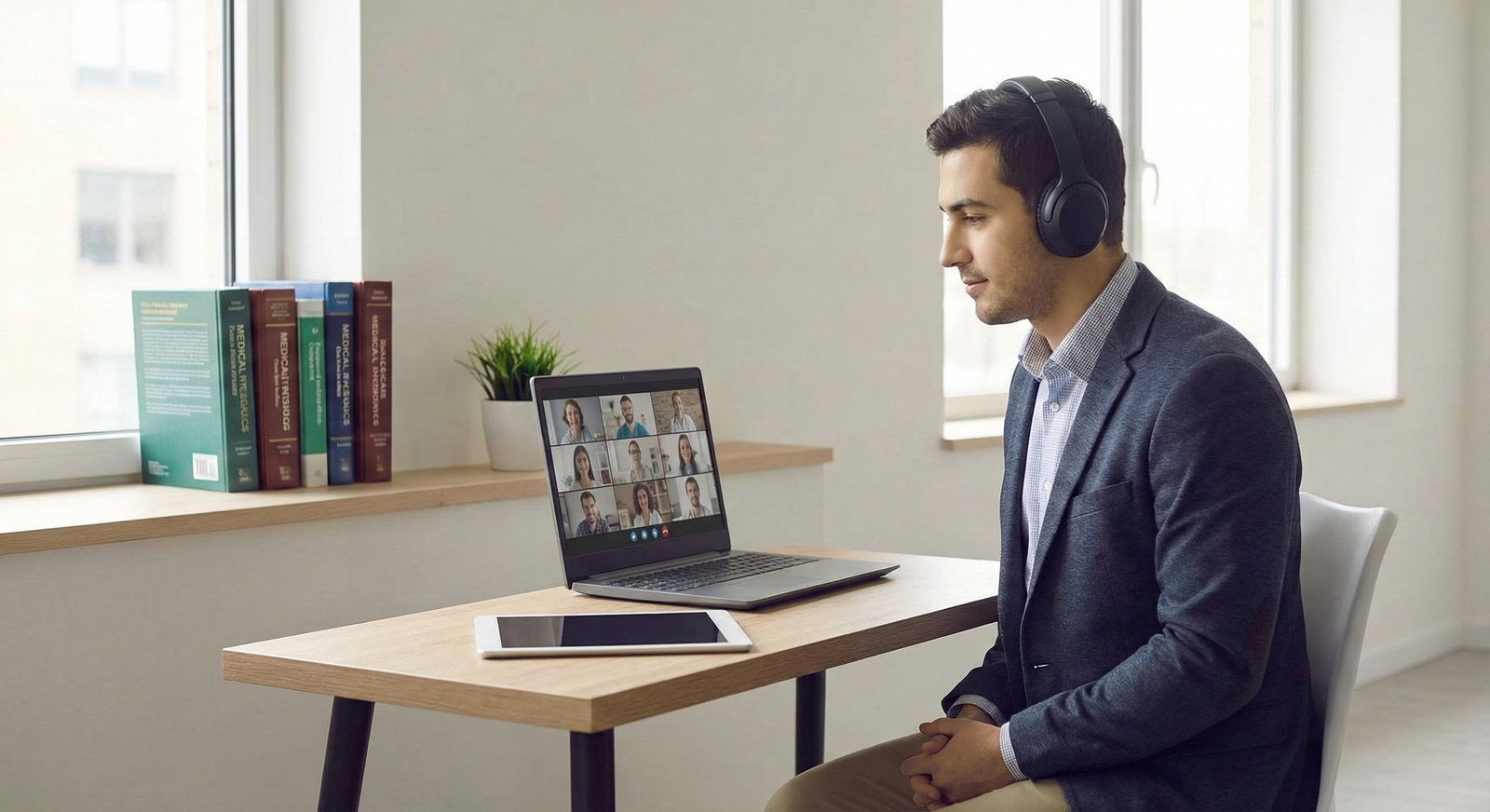
Technical check for virtual interviews
At least one week before your first interview:
- Test:
- Internet speed and stability
- Camera and microphone quality
- Zoom/Teams/Webex software (update versions)
- Have:
- Backup device (phone/tablet)
- Headphones with microphone
- Printed or digital notes easily accessible
On the day before each interview:
- Double-check:
- Time zone (extremely important for IMGs)
- Meeting links and passwords
- Contact email/phone in case of technical issues
Step 7: Preparing Thoughtful Questions for Programs
Every interview day includes time for your questions. Asking thoughtful, specific questions demonstrates maturity and genuine interest.
Questions for faculty
Align your questions with what matters to you:
Clinical training
- “How are rotations structured by disease site, and how early do residents get graduated responsibility for contouring and planning?”
- “How is feedback provided on clinical decision-making and plan review?”
Research
- “What support is available for residents interested in clinical or translational research?”
- “How often do residents typically present at national meetings like ASTRO?”
Education and mentorship
- “How are mentors assigned, and can residents change mentors as their interests evolve?”
- “How do you support residents who are interested in academic careers?”
Diversity and IMG support
- “What has been your experience training residents from diverse international backgrounds?”
- “How does the program support trainees who are adapting to the U.S. healthcare system?”
Questions for residents
Residents can offer candid insight. Ask about:
- Daily workflow and work-life balance
- Department culture and mentorship
- How attendings treat residents
- How well-prepared graduates feel for independent practice or fellowships
- Community, social life, and cost of living
Avoid questions easily answered on the website. For each program, prepare 4–5 questions, then choose 2–3 most relevant based on how the interview day unfolds.
Step 8: Mental, Physical, and Emotional Preparation
Residency interview season is long and stressful, especially when navigating time zones, visas, and cultural transitions as an IMG.
Build an interview season routine
Before the season starts, make a simple weekly structure:
- Fixed sleep schedule (as feasible across time zones)
- Exercise 3–4 times per week (even short walks)
- Light, healthy meals before interview days (avoid heavy or unfamiliar foods)
- Scheduled breaks from preparation: even 30–60 minutes daily
The goal is sustainable performance over weeks to months, not one “perfect” interview followed by exhaustion.
Manage anxiety with preparation and mindset
To handle nerves:
- Visualize interview day:
- Logging in calmly, greeting interviewers, speaking clearly
- Prepare brief grounding techniques:
- Deep, slow breaths before each session
- A glass of water nearby (sipping can give you a moment to think)
- Reframe anxiety:
- “This nervousness means I care and am prepared to give my best.”
Remember that by the time you’re invited, programs already see you as competitive. Interviews are about fit, communication, and personality as much as metrics.
Frequently Asked Questions (FAQ)
1. As an IMG, how early should I start residency interview preparation for radiation oncology?
For a competitive field like radiation oncology, begin structured preparation at least 3–4 months before interview season:
- Month 1: Review radiation oncology basics, refresh key disease sites, and read recent articles.
- Month 2: Build program dossiers, refine personal narrative, and organize research summaries.
- Month 3: Do multiple mock interviews, polish communication skills, and prepare question lists.
- Ongoing: Update knowledge, review your ERAS file, and adjust based on feedback from early interviews.
2. I have limited U.S. clinical experience. How can I still present strongly in rad onc interviews?
Focus on:
- Transferable skills from your home country: communication, teamwork, procedural skills, rapid learning.
- Any U.S. or international research in oncology or radiotherapy, even if observational.
- Observerships or virtual electives (if you have them): what you learned about U.S. workflows and expectations.
- Adaptability examples: times you transitioned to a new system, language, or role successfully.
Be honest about your experience level but emphasize your rapid learning and strong motivation.
3. How much radiation oncology knowledge do I need before interviewing?
You are not expected to function as a resident yet, but you should:
- Understand basic indications for radiotherapy across major disease sites.
- Explain the general workflow (consultation → simulation → planning → treatment → follow-up).
- Discuss at least one recent radiation oncology study or trial with insight.
- Recognize common toxicities and the importance of multidisciplinary care.
If you can speak logically and humbly about these topics, programs will see you as prepared and teachable.
4. What are the biggest mistakes IMGs make in radiation oncology residency interviews?
Common pitfalls include:
- Generic answers to “Why this program?” that could apply anywhere.
- Overly long, unfocused responses without clear structure.
- Being unable to clearly explain their research or CV entries.
- Not anticipating common IMG-specific questions (e.g., visa, gaps, why the U.S.).
- Underestimating the importance of communication clarity and cultural adaptation.
Thorough pre-interview preparation—especially with mock interviews and program-specific research—helps you avoid these issues and present as a polished, confident candidate in the rad onc match.
With deliberate, structured pre-interview preparation, an international medical graduate can compete very strongly for radiation oncology residency positions. Your unique background, global perspective, and resilience are genuine strengths—carefully prepare how you present them, and you can turn every interview into an opportunity to stand out.