As an international medical graduate (IMG) applying to Transitional Year (TY) residency programs, the questions you ask programs can be just as important as the answers you give. Thoughtful, well-structured questions help you:
- Demonstrate insight into the TY program’s structure and goals
- Show that you understand your unique needs as an IMG
- Collect the information you need to build a realistic rank list
- Identify programs that will truly support your long‑term career
This IMG residency guide focuses on what to ask programs—to program directors, faculty, residents, and even coordinators—so you can navigate the interview season strategically and confidently.
Understanding the Transitional Year: Why Your Questions Matter
The Transitional Year is unique. Unlike categorical residencies, a TY program:
- Lasts one year and is often linked to an advanced position (e.g., Radiology, Anesthesiology, PM&R, Neurology, Derm)
- Can be structured very differently from program to program (more inpatient vs outpatient, more electives vs required rotations)
- Can strongly influence how prepared you feel when you start your advanced specialty
For an international medical graduate, the TY year also becomes:
- Your first exposure to U.S. clinical culture and documentation
- A critical time to build relationships, mentors, and strong letters
- A chance to adapt to system-based practice, communication styles, and expectations
Because of this, generic interview questions are not enough. You need targeted, strategic interview questions for them—questions that uncover how each program supports IMGs, uses the TY year, and aligns with your advanced specialty path.
Core Strategy: How to Approach Asking Questions
Before going into specific examples, adopt a framework:
Tailor to each audience.
- Program Director: big-picture vision, curriculum, evaluation, and support structures
- Faculty: teaching culture, supervision, feedback
- Residents: reality of workload, culture, wellness, and IMG experience
- Coordinators: logistics, visas, onboarding, practical support
Connect each question to your goals.
For example, if you are matched (or plan to match) into Radiology, design questions that help you understand:- Elective flexibility
- Opportunities in imaging rotations
- Support for research and board exams
Show that you’ve done your homework.
Reference specifics from their website, program brochure, or pre-interview materials. This signals genuine interest, not a scripted list.Prioritize depth over quantity.
It is better to ask 3–5 thoughtful questions and discuss them in depth than to rush through 10 superficial ones.
Essential Questions for Program Directors: Vision, Structure, and Support
Program directors expect substantive, reflective questions. This is where you address curricular design, expectations, and IMG-specific issues. Below are structured categories and example questions you can adapt.
A. Curriculum and Electives
Your Transitional Year should align with your future specialty and training goals.
Questions to ask residency program directors about curriculum:
- “How is the balance between inpatient, outpatient, and elective time structured in your TY program?”
- “For residents entering [your advanced specialty, e.g., Radiology or Anesthesiology], how do you recommend tailoring electives during the Transitional Year?”
- “Could you describe how easily residents can adjust elective choices if their interests or advanced match plans change during the year?”
- “What percentage of the year is truly flexible for electives, and are there any ‘high-yield’ electives you encourage for IMGs?”
What their answers tell you:
You’ll learn whether the TY program is rigid or flexible, whether they understand advanced specialty needs, and how much autonomy residents have in building a meaningful year.
B. Clinical Supervision and Teaching Philosophy
As an IMG, you need a setting that supports your adaptation to U.S. practice patterns.
Key questions to ask:
- “How would you describe your program’s teaching philosophy for Transitional Year residents?”
- “What kind of supervision can an intern expect on day and night rotations, especially early in the year?”
- “How do you ensure that TY residents receive graduated responsibility while still having adequate support?”
- “Are there specific educational sessions or bootcamps at the start of the year to help new interns—especially IMGs—adjust to documentation, orders, and communication expectations in the U.S. system?”
What to look for:
Concrete structures such as orientation, simulation labs, intern bootcamps, and clear supervision policies, not vague reassurances.
C. Evaluation, Feedback, and Remediation
Feedback is crucial in your first U.S. training year.
Strategic questions:
- “How frequently do TY residents receive formal feedback, and what does that process look like?”
- “If a resident experiences difficulties—clinical, communication, or adjustment-related—what kind of support or remediation process is in place?”
- “How transparent are you with residents about their performance throughout the year?”
Why this matters for IMGs:
You want a program that does not surprise residents late in the year with negative evaluations, and that supports growth instead of only penalizing mistakes.
D. Support for International Medical Graduates
This is core for an IMG residency guide. Do not hesitate to be explicit.
IMG-focused questions:
- “As an international medical graduate, what specific supports or resources does your program offer to help with the transition into the U.S. health care system?”
- “Approximately what proportion of your current or recent TY residents are IMGs, and how have they generally performed and progressed?”
- “Have there been particular challenges IMGs face here, and how has the program addressed those?”
- “Are there any faculty or senior residents who have an IMG background and take on mentorship roles?”
Red flags:
Vague answers like “We treat everyone the same” may mean they have not thoughtfully addressed IMG needs. You want examples: mentorship, orientation, communication training, etc.
E. Outcomes and Next Steps After TY
You’re not just choosing a one-year experience—you’re building your future.
Outcome-oriented questions:
- “Where have your Transitional Year graduates gone in terms of specialties and institutions in the past 3–5 years?”
- “For residents who didn’t already have an advanced position at match, how often have they successfully matched afterward, and into which specialties?”
- “How does your program help TY residents strengthen their applications if they’re planning to reapply or apply to a different specialty after this year?”
This helps you judge how invested the program is in your long-term success.

Questions for Residents: Culture, Workload, and Real-Life Experience
Residents are your best source of unfiltered information. They can tell you what the curriculum and culture feel like in practice.
A. Day-to-Day Workload and Schedule
You need a realistic sense of what your life will look like.
Practical questions:
- “What does a typical day look like on your busiest rotation?”
- “How many patients does a TY intern usually carry on the inpatient service?”
- “How often do you have 24-hour or night shifts, and how manageable are they?”
- “Are there rotations that are particularly challenging for IMGs, and how did you handle them?”
Pay attention to whether residents appear exhausted or resentful versus challenged but supported.
B. Learning Environment and Teaching on the Wards
Research and brochures don’t show you how teaching really happens.
Questions to ask residents:
- “How accessible are attendings and senior residents when you have clinical questions, especially early in the year?”
- “Do you feel you receive adequate bedside teaching, or does service often overshadow education?”
- “Are noon conferences, didactics, or simulation sessions protected? Or do you get paged out regularly?”
These answers help you evaluate whether the TY program takes education seriously.
C. Program Culture and Support
This is particularly important for international medical graduates who may be far from home and dealing with new cultural norms.
Culture-focused questions:
- “How would you describe the culture among residents—collaborative, competitive, independent?”
- “When interns struggle—whether with workload, communication, or personal issues—how does the program respond?”
- “Do you feel the program leadership is approachable and responsive to feedback from residents?”
- “Have you seen any IMGs in the program who faced challenges? How did the program help them?”
You want to hear specific stories that demonstrate support, not just generalities.
D. Wellness, Burnout, and Life Outside the Hospital
You want to survive the year, not just complete it.
Wellness-related questions:
- “Do you feel the program respects duty-hour limits?”
- “What do residents usually do on their days off? Is there time for hobbies or family?”
- “Is there formal support for wellness—counseling services, wellness days, resident retreats?”
- “As an IMG away from my support network, I’m curious—are there communities or social structures here that help people feel less isolated?”
Look for signals that the program understands emotional and social needs, not only clinical training.
E. Preparation for Advanced Specialty
Your transitional year should help you start your advanced program with confidence.
Strategic questions:
- “For those going into [your specialty—Radiology, Anesthesia, etc.], do you feel this TY prepared you well clinically and professionally?”
- “Are there specific rotations or elective choices here that you think were most beneficial for your advanced specialty?”
- “Do graduates from this TY ever feel underprepared compared to categorical interns when they start their PGY-2 positions?”
This is especially important if your advanced program is at a different institution.
Questions to Ask About Logistics, Visas, and Practicalities
These might not sound as “academic,” but they are essential for an international medical graduate. You can ask many of these to program coordinators or directors, depending on the sensitivity.
A. Visa Sponsorship and Administrative Support
This can be a make-or-break factor.
Visa-specific questions:
- “Which visas does your program sponsor for Transitional Year residents (J-1, H-1B)?”
- “Have there been any recent changes or anticipated changes in your institutional policy on visa sponsorship?”
- “Does your GME office provide dedicated support for IMG visa questions and renewal processes?”
- “For residents continuing into an advanced program at a different institution, how does the visa transition usually work?”
Make sure you understand whether their policies align with your long-term plan (e.g., planning H-1B for advanced residency).
B. Onboarding, Orientation, and EMR Training
A smooth start can significantly reduce your stress.
Operational questions:
- “How is onboarding and orientation structured for new TY residents?”
- “Do you provide specific training on your EMR, order sets, and hospital policies before we start clinical duties?”
- “How long is the shadowing or protected orientation period before we take independent call or cross-cover?”
This is particularly important if you have not used the EMR system they use (Epic, Cerner, etc.).
C. Housing, Transportation, and Community
These may seem basic, but they impact your quality of life and your financial planning.
Lifestyle-related questions:
- “Does the hospital provide any support for finding housing for new residents, especially those coming from overseas?”
- “Is it feasible to live without a car, or is personal transportation essentially required?”
- “Are there areas where many residents live together or nearby?”
- “Is there a significant international or multicultural community in the area?”
Especially if you are coming directly from abroad, these details matter.

Smart Ways to Phrase Your Questions: Showing Insight and Professionalism
Simply what you ask is not enough—how you ask matters. Here are strategies to elevate your questions to a professional level.
A. Connect Your Background to the Question
Instead of:
“Do you support research?”
Try:
“I’m planning a career in academic radiology and have prior research experience. How accessible are research mentors and projects for TY residents here, especially for IMGs who may be new to the U.S. system?”
This shows your long-term vision and gives them context.
B. Use Data They’ve Shared
If they presented a slide about wellness or board pass rates, connect your question:
- “You mentioned earlier that your TY residents have strong outcomes when they transition into advanced specialties. Could you share what specific aspects of your curriculum you think contribute most to that success?”
This signals active listening and genuine interest.
C. Avoid Aggressive or Adversarial Tone
You can ask critical questions respectfully:
Instead of:
“Do residents get overworked here?”
Try:
“Some TY programs are more service-heavy than others. How would you describe the balance here between service and education, and how does the program ensure that interns’ workload remains manageable?”
Same concern, more professional tone.
D. Prioritize What You Truly Need to Know
Before each interview, choose:
- 2–3 priority questions for the Program Director
- 3–4 priority questions for residents
- 1–2 for coordinators (logistics and visas)
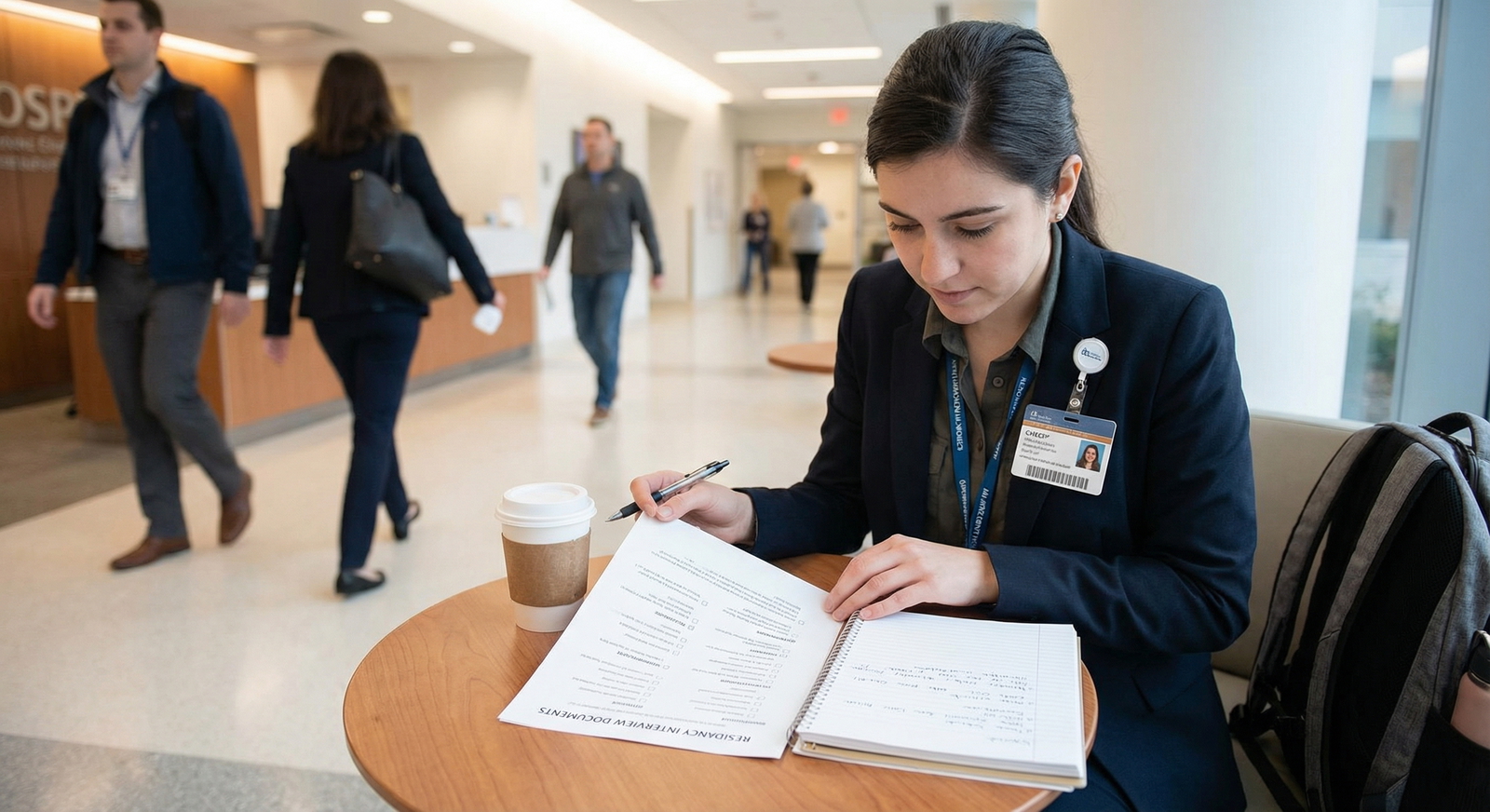
Write them down in a notebook or document—this allows you to adapt on the fly and avoid forgetting.
Putting It All Together: Example Question Lists for an IMG Applying to TY
Here are sample grouped lists you can personalize.
Example: Questions to Ask Program Director (IMG, TY linked to Radiology)
- “Given that many of your TY residents go into Radiology, how have you structured the curriculum to prepare them for that transition?”
- “What proportion of time can be used for electives, and which electives do you generally recommend for future radiologists?”
- “As an international medical graduate, I anticipate a learning curve with documentation and communication norms. What formal supports do you provide early in the year to help IMGs adjust?”
- “How do you approach feedback and evaluation for TY residents, and how quickly are concerns communicated so we can improve?”
- “Could you share examples of how your program has supported residents who needed extra help academically or clinically?”
Example: Questions to Ask Current Residents
- “Looking back, what do you think is the biggest strength of this TY program, and what would you change if you could?”
- “Are there any rotations that are particularly intense, and how manageable are they in terms of patient load and support?”
- “As an IMG, did you feel welcomed and supported by faculty and co-residents? Any specific challenges you faced?”
- “How prepared did you feel when you started your PGY‑2 year—clinically, procedurally, and in terms of systems knowledge?”
- “Do you feel there is time for life outside the hospital—family, hobbies, personal time—during this year?”
Example: Questions to Ask the Coordinator
- “Can you walk me through the typical timeline and steps for onboarding, especially for IMGs who may be dealing with visa and relocation logistics?”
- “What types of visas have your current and recent TY residents held?”
- “Are there recommended neighborhoods where many residents live, and what is the approximate cost of living?”
- “Do you have resources or contacts to help international residents with things like opening a bank account, getting a phone plan, or understanding local transportation?”
These tailored lists make your conversations focused and efficient.
Frequently Asked Questions (FAQ)
1. How many questions should I ask during a residency interview?
Aim for 3–5 meaningful questions per main interaction (e.g., with the program director, with residents). If time is short, prioritize your top 2–3. It’s better to have a genuine discussion about a few high-yield topics than to rush through a long checklist. Use any pre-interview materials to avoid repeating questions that have already been clearly answered.
2. What are the most important questions to ask programs as an IMG?
For an international medical graduate in a transitional year residency, the most critical areas are:
- Support for IMGs: specific orientation, mentorship, and communication help
- Visa sponsorship and institutional IMG policies
- Curriculum flexibility and alignment with your advanced specialty
- Culture and workload: how residents actually experience the program
- Outcomes: where graduates go, and how they are supported in their next steps
From these categories, choose the questions to ask residency that address your biggest uncertainties.
3. Is it appropriate to ask direct questions about visa sponsorship?
Yes. Visa status is central to your ability to train. It is both appropriate and necessary to ask clear, professional questions such as:
- “Which visa types do you currently sponsor for TY residents?”
- “Have there been any recent or upcoming changes in your visa policies?”
Ask these either in a group Q&A if invited, or privately with the program director or coordinator. Avoid overly detailed legal arguments; focus on confirming their current policies and past experience with IMGs.
4. What to ask a program director vs. what to ask residents?
Program directors are best for:
- Program mission, curriculum structure, evaluation systems
- Remediation and support policies
- Official stance on IMGs, visas, research, and advanced specialty preparation
Residents are best for:
- Real workload and schedule
- How supported and respected they feel
- Actual culture, wellness, and how issues are handled
- Practical tips for thriving as a new TY resident and IMG
Use both perspectives to form a complete picture before building your rank list.
By approaching each interview with a clear, thoughtful set of interview questions for them, you transform the process from a one-way evaluation into a true professional dialogue. As an IMG pursuing a Transitional Year, your questions signal insight, maturity, and self-awareness—and they help you identify the TY program where you will be not only accepted, but genuinely supported and prepared for the rest of your career.