Understanding the Landscape: Vascular Surgery Interviews as an IMG
Pre-interview preparation for an international medical graduate (IMG) entering vascular surgery is different from preparation for other specialties. It’s a small, competitive field with high expectations for technical knowledge, professionalism, and fit within an integrated vascular program or traditional track. As an IMG, you must demonstrate that you understand not only vascular disease and surgery, but also how training and practice work in the U.S. system.
This IMG residency guide focuses specifically on pre-interview preparation: what to do in the weeks to months before your vascular surgery interview day so you walk in confident, polished, and ready to answer even the toughest interview questions residency programs might ask.
Key challenges for IMGs in vascular surgery:
- Limited number of positions, especially in integrated vascular programs (0+5)
- High emphasis on US clinical exposure and vascular-related research
- Need to show strong communication skills, especially if English is not your first language
- Demonstrating that you understand U.S. health care, professionalism, and team-based training
Your goal is to walk into every interview able to:
- Clearly explain your story as an IMG
- Prove your genuine interest in vascular surgery
- Show you will be an excellent team member and trainee
- Handle clinical and ethical questions confidently
- Ask smart, tailored questions that show you’ve done your homework
The rest of this article walks through a structured, step-by-step way to prepare.
Step 1: Build Your Foundation – Know Your Own Application Inside Out
Before you dive into specific residency interview preparation strategies, start with the one thing you absolutely must master: your own application.
Programs will build many of their interview questions directly from your ERAS file, personal statement, and CV. As an international medical graduate, any gaps, transitions, or differences from U.S. training will be scrutinized more closely, so preparation here is critical.
Review Every Line of Your Application
Print or open your full application and review:
- ERAS Common Application Form
- CV
- Personal statement
- Letters of recommendation (if you’ve seen them)
- Research experiences and publications
- US clinical experiences (observerships, externships, electives)
- Any gaps in training or work
For each item, prepare to answer:
- What exactly did you do?
- Why did you choose this experience?
- What did you learn?
- How does it relate to vascular surgery or residency training?
Example:
If your CV lists a vascular imaging research project in your home country, you should be able to explain:
- The study design (retrospective vs prospective, sample size, main outcomes)
- Your personal role (data collection, statistical analysis, manuscript preparation)
- What you learned about peripheral arterial disease management
- How that experience deepened your interest in vascular surgery
Anticipate Questions About Being an IMG
As an international medical graduate, you will almost certainly face some version of:
- “Why did you decide to train in the U.S.?”
- “How has your medical education prepared you for residency here?”
- “What challenges do you anticipate as an IMG in an integrated vascular program?”
Prepare honest, clear, and positive responses. Avoid criticizing your home country’s system; instead:
- Emphasize exposure to complex vascular pathology
- Mention your desire for academic training, research opportunities, and multidisciplinary care
- Highlight adaptability and resilience developed through working in different health care environments
Prepare Explanations for Any “Red Flags”
Common concerns for IMGs:
- USMLE failures or low scores
- Gaps in training or work
- Changes in specialty focus before vascular surgery
- Visa or immigration delays
You must be able to discuss these calmly and professionally:
- Take responsibility where appropriate
- Focus on what you learned and how you improved
- Provide concrete examples of subsequent success (later exam scores, publications, strong recent clinical performance)

Step 2: Build Strong Vascular Surgery Knowledge for Interview Day
Interviewers do not expect you to be a board-certified vascular surgeon, but they do expect a basic-to-intermediate clinical understanding of common vascular conditions and procedures. In some programs, especially integrated vascular programs, faculty may ask clinical or case-based questions during the interview.
Core Topics to Review Before Interviews
Focus on bread-and-butter vascular surgery:
Peripheral arterial disease (PAD)
- Claudication vs critical limb ischemia
- ABI, duplex ultrasound, CTA/MRA basics
- Medical therapy vs endovascular vs open bypass
Carotid artery disease
- Symptomatic vs asymptomatic
- Indications for CEA vs CAS
- Stroke risk and medical management
Aortic aneurysms and dissections
- Screening recommendations
- Size thresholds for intervention
- EVAR vs open repair – pros and cons
- Type A vs Type B dissection basics
Venous disease
- DVT diagnosis and treatment fundamentals
- Chronic venous insufficiency and ulcers
- Role of compression therapy and anticoagulation
Access surgery
- Principles of dialysis access creation and maintenance
- Basic anatomy of upper extremity veins/arteries
For IMGs, this review also helps align your clinical language with U.S. terminology and guidelines, which may differ from those used in your home country.
Suggested Resources
- Entry-level vascular surgery textbooks or chapters (e.g., Rutherford’s sections on common conditions)
- SVS (Society for Vascular Surgery) patient resources for simple, clear explanations
- UpToDate or similar references (if you have access) for U.S.-style management
- Review articles in major journals (JVS, Annals of Vascular Surgery) to understand current practice trends
How Clinical Questions Might Be Asked
Interviewers may not say “This is a test,” but might casually ask:
- “How would you work up a patient with claudication?”
- “What are some risk factors for AAA?”
- “When would you consider intervention for carotid stenosis?”
They are not looking for perfect answers; they are assessing:
- Your baseline knowledge level
- How you reason through a problem
- Whether you recognize your limits and avoid unsafe overconfidence
If you don’t know, you can say:
“In my current level of training, I would first ensure the patient is stabilized and then discuss the case with my senior or attending. My understanding is that… [share what you do know briefly].”
The goal is to show honesty, humility, and a genuine desire to learn.
Step 3: Practice Core Interview Skills – Especially Behavioral & IMG-Specific Questions
Knowing how to prepare for interviews is a separate skill from knowing medicine. Vascular surgery faculty want trainees who are technically capable, emotionally mature, and able to work in stressful, team-based environments. Behavioral questions are a major part of that assessment.
Common Behavioral Questions in Vascular Surgery Residency Interviews
You will repeatedly encounter questions like:
- “Tell me about yourself.”
- “Why vascular surgery?”
- “Why an integrated vascular program instead of general surgery first?”
- “Describe a time you made a mistake and how you handled it.”
- “Tell me about a time you had conflict with a colleague or attending.”
- “How do you deal with stress and long hours?”
- “Describe a challenging patient encounter.”
Use the STAR method (Situation, Task, Action, Result):
Example: Conflict with a colleague
- Situation: ICU rotation; disagreement about anticoagulation plan
- Task: Ensure patient safety and maintain professional relationship
- Action: Discussed guidelines, involved attending calmly, focused on patient care
- Result: Agreed on safer plan; later debriefed and improved communication with colleague
This demonstrates maturity, communication, and patient-centered decision-making.
IMG-Focused Interview Questions
As an international medical graduate, expect additional questions like:
- “How did your training in [country] prepare you for U.S. residency?”
- “What differences have you noticed between your home system and the U.S. system?”
- “What challenges do you anticipate with communication or cultural differences?”
- “Can you tell me about a situation where you had to adapt quickly to a new environment?”
For each, prepare responses that highlight:
- Adaptability – moving between countries, hospitals, and systems
- Language growth – any formal English training, US clinical observerships
- Cultural sensitivity – working with diverse patient populations
- Resilience – managing exams, visas, and relocation challenges
Avoid sounding defensive or apologetic about being an IMG. Frame it as a strength and source of diversity.
Vascular-Specific Motivation Questions
Programs want to see authentic, well-thought-out motivation for vascular surgery:
- “When did you first consider vascular surgery, and why?”
- “What aspects of vascular surgery appeal to you most – open operations, endovascular, longitudinal patient care?”
- “What kind of vascular surgeon do you hope to become in 10 years?”
Your answers should demonstrate:
- Understanding of the field’s breadth (acute vs chronic, open vs endovascular, inpatients vs longitudinal outpatient care)
- Appreciation for the complexity and severity of vascular disease
- Realistic view of the lifestyle, call, and long-term relationships with patients

Step 4: Structured Mock Interview Practice and Communication Skills
Knowing what to say is not enough; how you say it matters greatly—especially for IMGs. Accent is not a problem; unclear communication is. Pre-interview preparation must include spoken practice.
Set Up Multiple Mock Interviews
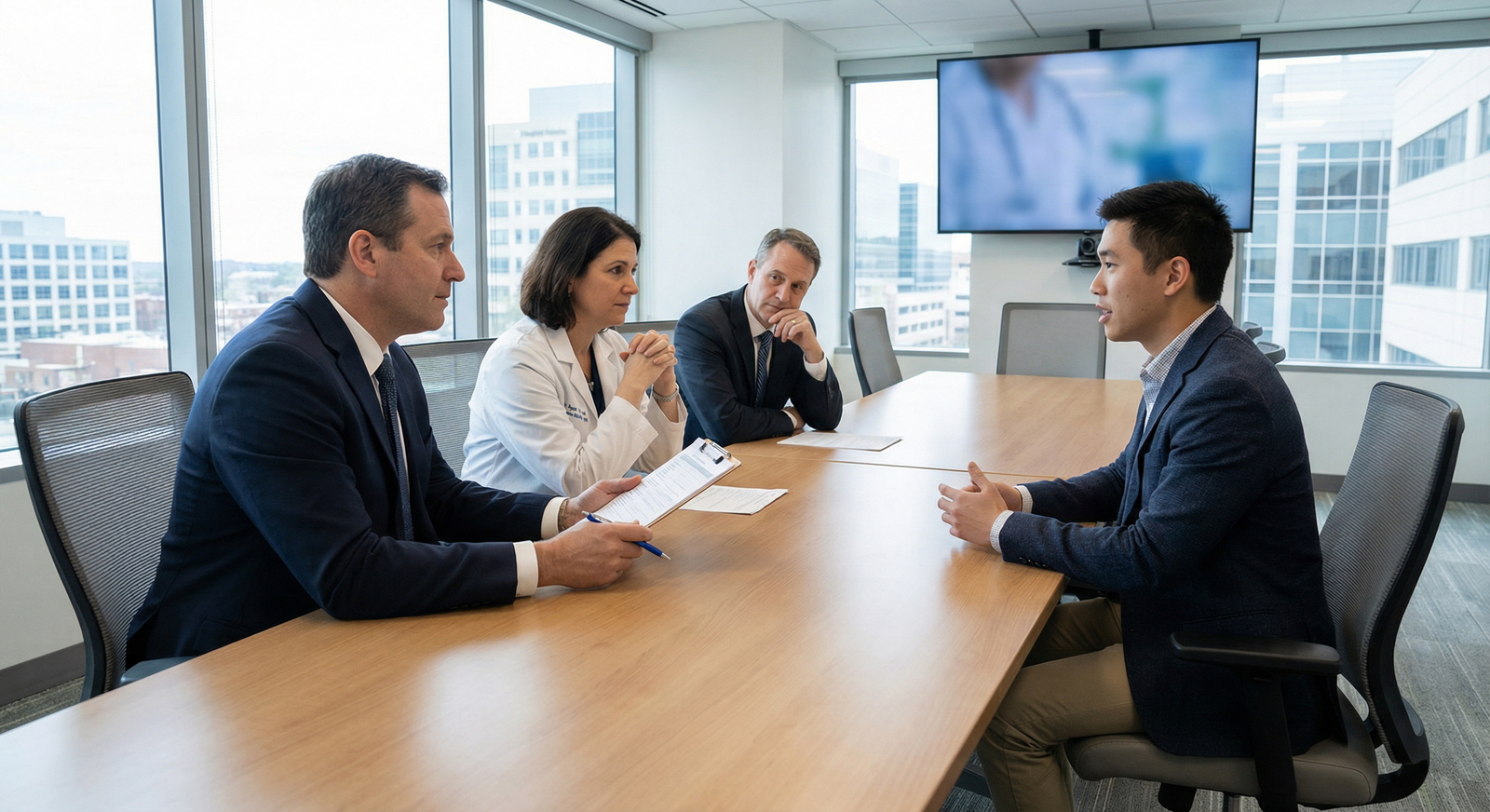
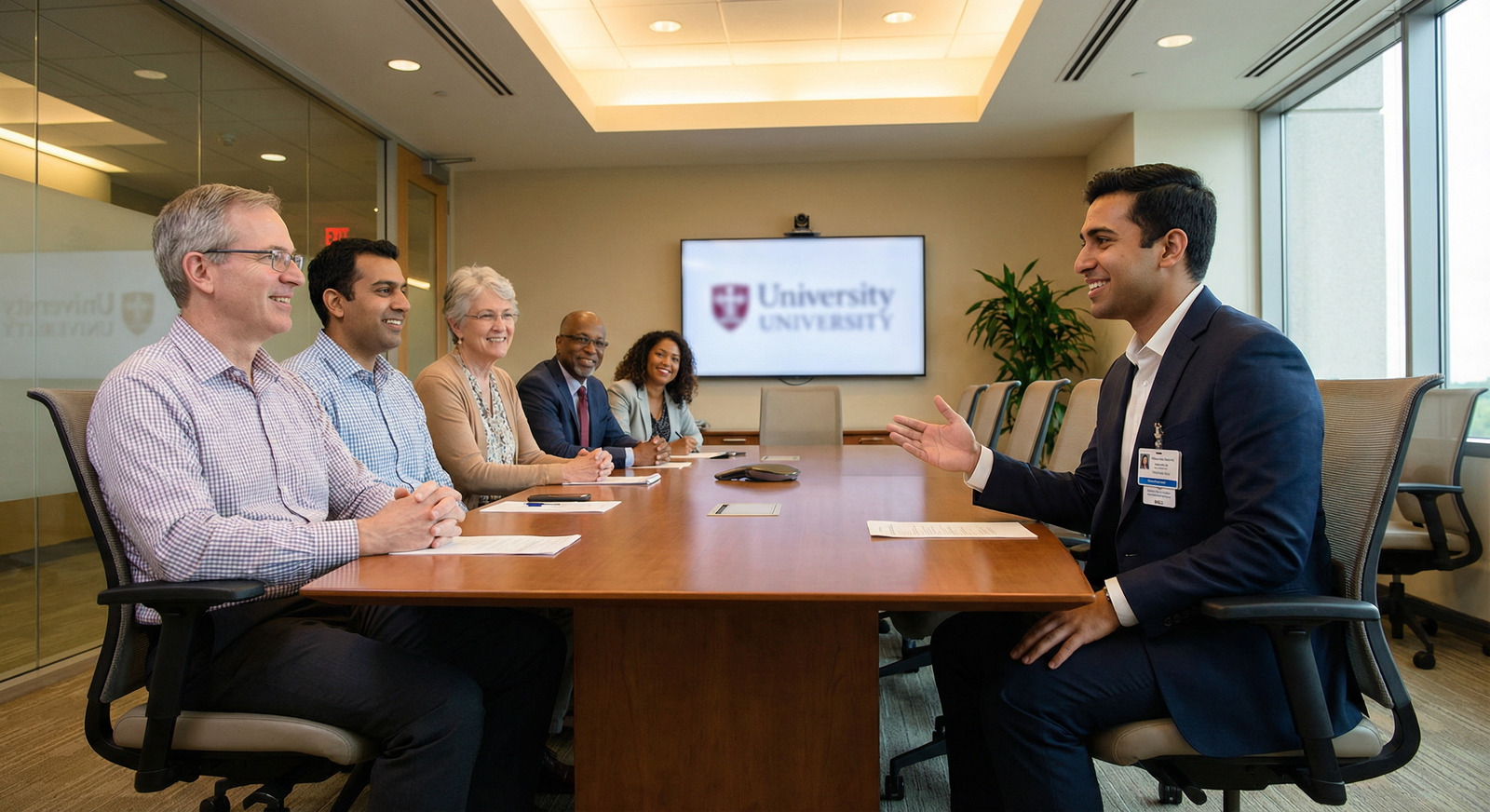
Aim for at least 3–5 mock interviews before your first real one:
- One with a vascular surgeon or general surgeon (ideally in the U.S.)
- One with a mentor familiar with U.S. residency interviews
- One focused specifically on communication and style
Ask them to simulate:
- 20–30 minutes of questions
- A mix of behavioral, motivation, and clinical scenario questions
- Feedback on:
- Clarity and structure of answers
- Use of medical terminology
- Eye contact and body language (if in person or video)
- Speed of speech (common challenge for non-native English speakers)
Practice Common Opening and Closing Questions
You should be able to answer these smoothly and naturally, without sounding memorized:
- “Tell me about yourself.”
- 1–2 minutes; focused on medical path, major decisions, and why vascular surgery.
- “Why this program?”
- Use specific reasons: case volume, research, early exposure to endovascular, faculty interests, or curriculum structure.
- “Do you have any questions for us?”
- Always say yes and ask program-specific, thoughtful questions.
Record yourself (audio or video) and review:
- Do you ramble?
- Do you answer the question directly?
- Are you using too much jargon or, conversely, overly simple language?
Addressing Communication Concerns as an IMG
If you worry about your accent or fluency:
- Practice speaking slightly slower than normal; this increases clarity.
- Avoid long, complex sentences; favor short, direct statements.
- Ask mock interviewers honestly: “Did you understand everything I said? Was anything unclear?”
You do not need to speak like a native American English speaker. You do need to communicate clearly, especially when discussing patient care and your prior experience.
Step 5: Researching Programs and Crafting Tailored Questions
One of the fastest ways to appear unprepared is to ask generic questions or confuse one program with another. Targeted preparation for each vascular surgery program is essential.
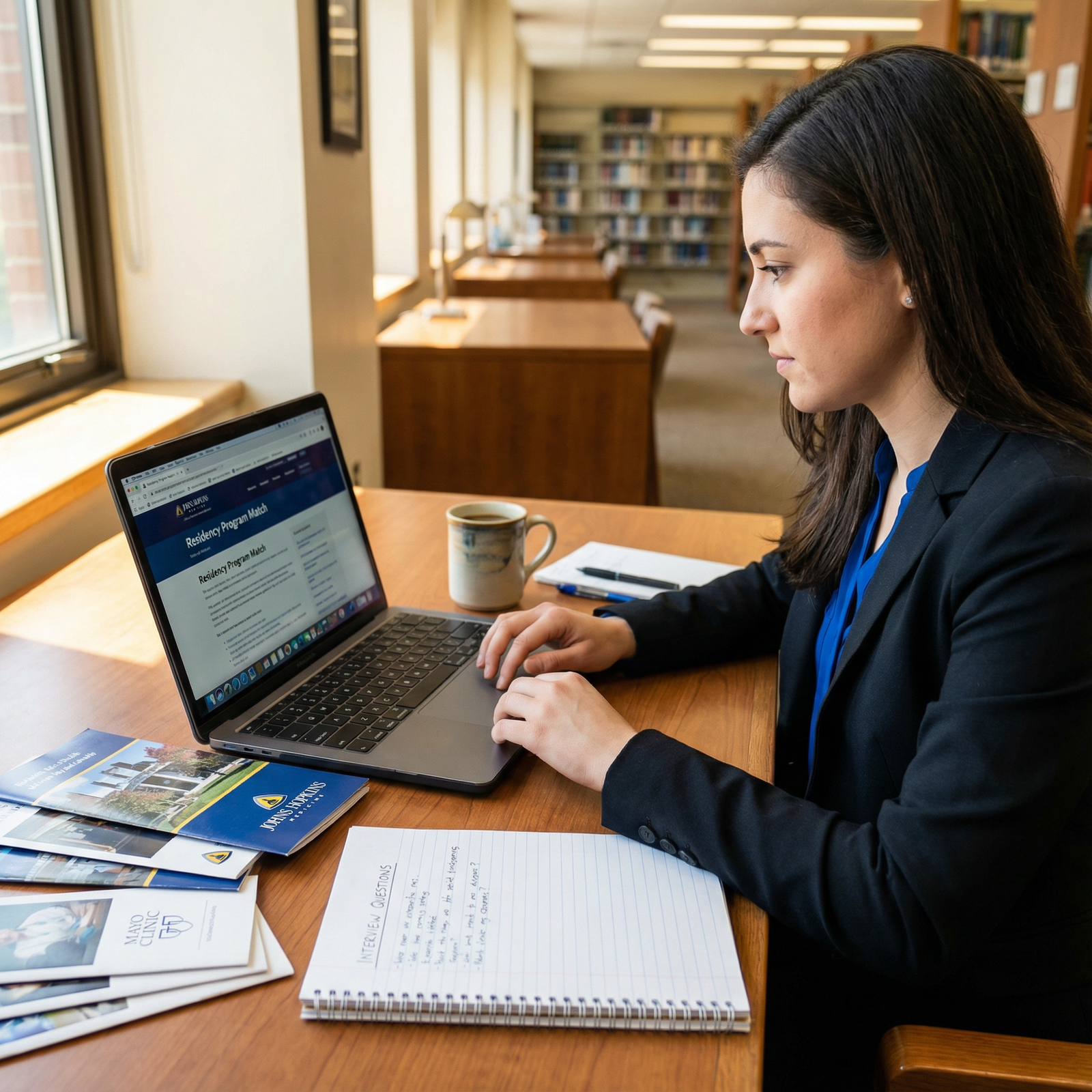
How to Research a Vascular Surgery Program Effectively
Program website
- Identify:
- Structure (integrated vascular program vs fellowship track)
- Rotation schedule and early vs late vascular exposure
- Case volumes and types (open vs endovascular balance)
- Research opportunities and ongoing projects
- Faculty interests, especially those aligned with your goals
- Identify:
Fellowship and residency review platforms / official sites
- ACGME program listings
- Any public outcome data, resident lists, or alumni destinations
Social media
- Many programs have Twitter/X or Instagram accounts showcasing:
- Operative experiences
- Research successes
- Resident wellness and culture
- Many programs have Twitter/X or Instagram accounts showcasing:
Personal connections
- Ask mentors, former residents, or fellow IMGs who interviewed there previously:
- “What stood out about the program’s culture?”
- “Any advice on what they value most in applicants?”
- Ask mentors, former residents, or fellow IMGs who interviewed there previously:
Prepare Program-Specific Talking Points
For each program:
- Write 3–4 bullet points:
- “What I like about your program…”
- “How I would fit in or contribute…”
Examples:
- “I appreciate your early exposure to endovascular procedures during PGY-1, which is rare in many programs.”
- “Your strong limb salvage program aligns with my research interest in diabetic foot disease.”
- “As an IMG, I value your program’s history of supporting trainees from diverse backgrounds, including previous international graduates.”
Crafting Intelligent Questions to Ask Interviewers
Avoid generic questions like “What is your board pass rate?” or “How is the call schedule?” if that information is easily found online or already covered.
Better questions:
To program director:
- “How do you see the balance between open and endovascular training evolving during the next 5–10 years here?”
- “What characteristics distinguish residents who thrive in this program?”
To faculty:
- “How are residents supported in developing an academic niche—such as outcomes research or device innovation?”
- “What opportunities are there for IMGs to engage in national societies like SVS during training?”
To current residents:
- “What aspects of this integrated vascular program did you not appreciate until after you started?”
- “How does the program support residents who may need visa guidance or have family abroad?”
Step 6: Logistics, Professionalism, and Mental Preparation
Even the strongest content preparation can be undermined by poor organization or unprofessional presentation. Pre-interview preparation must also cover logistics, appearance, and mindset.
Organize Documents and Technology
For in-person interviews:
- Print copies of:
- CV
- Personal statement
- List of publications and presentations
- Any major posters or abstracts (optional)
- Bring:
- A simple, professional folder or portfolio
- Pen and small notebook
- Photo ID, travel details, and program contact info
For virtual interviews:
- Test:
- Internet connection and backup (phone hotspot if possible)
- Camera and microphone
- Lighting (face clearly visible, background neutral)
- Choose:
- Quiet, private space
- Simple, uncluttered background
- Have:
- Program info and your questions printed or on a second screen
Professional Appearance
- Attire: Conservative professional suit (dark blue, gray, or black).
- Grooming: Neat hair; minimal jewelry; professional makeup if used.
- Body language:
- Sit upright, avoid crossing arms
- Nod and maintain appropriate eye contact
- Avoid multitasking or checking your phone
Time Zone and Travel Planning for IMGs
If you are abroad:
- Carefully convert time zones for virtual interviews; confirm AM/PM explicitly.
- For in-person interviews:
- Arrive at least one day early to manage jet lag.
- Keep all visa and immigration documents accessible.
- Have a backup plan for delays (e.g., overnight near the airport if needed).
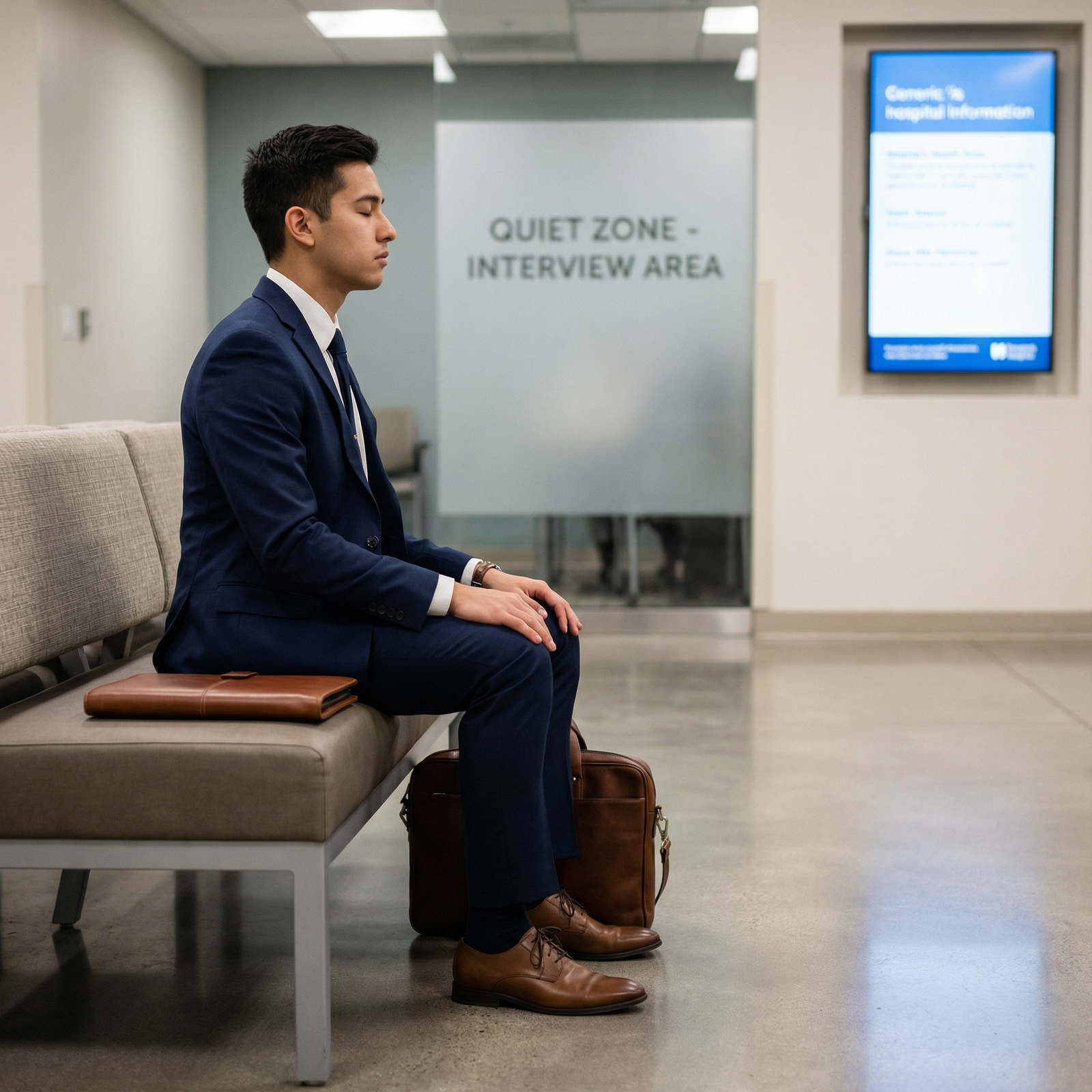
Mental and Emotional Preparation
Vascular surgery interviews can be intense. To maintain composure:
- Sleep adequately in the nights before interviews.
- Prepare a brief pre-interview routine:
- 5–10 minutes of deep breathing
- Review 3 key strengths you want to highlight
- Glance through program notes and questions
Remember: interviewers are not trying to intimidate you; they are trying to understand who you are, how you think, and whether you will be a good colleague.
Putting It All Together: A Sample 2–3 Week Pre-Interview Plan
Here is how an IMG applicant to vascular surgery might structure pre-interview preparation over 2–3 weeks before the first interview:
Week 1 – Foundation
- Day 1–2:
- Review full ERAS application and CV
- Identify any gaps or red flags and draft clear explanations
- Day 3–4:
- Re-read your personal statement; highlight themes you want to reinforce
- Outline 3–4 main stories (clinical case, leadership example, conflict resolution)
- Day 5–7:
- Study core vascular topics (PAD, carotid, AAA, venous disease)
- Make brief one-page summaries for quick review
Week 2 – Practice
- Day 8–9:
- Do a general mock interview with a mentor
- Focus on “Tell me about yourself,” “Why vascular surgery?” and “Why the U.S.?”
- Day 10–11:
- Do a second mock interview with a surgeon or senior resident
- Ask for at least one clinical scenario question
- Day 12–14:
- Watch your recorded answers; refine clarity and structure
- Begin detailed research on your first 2–3 programs; prepare tailored questions
Week 3 – Fine-Tuning and Logistics (if time allows)
- Day 15–17:
- Final practice of key questions and answers (no memorization, just familiarity)
- Prepare interview outfits; confirm travel or virtual setup
- Day 18–20:
- Light content review of vascular topics
- Focus on sleep, exercise, and stress management
By following a structured plan, you are far less likely to feel overwhelmed or caught off guard.
Frequently Asked Questions (FAQ)
1. As an IMG, do I need U.S. vascular surgery experience before interviews?
It is not strictly required, but U.S. clinical experience—even if not purely vascular—is extremely valuable. Ideally:
- One or more surgery or vascular observerships/electives in the U.S.
- Exposure to vascular clinics, OR, and multidisciplinary teams
If you lack direct vascular experience, emphasize:
- Any surgical rotations with vascular exposure
- Research in vascular or cardiovascular fields
- Your active efforts to learn U.S. guidelines and systems
2. Will I be asked technical or operative questions during vascular surgery interviews?
Some programs, particularly academic or high-volume centers, may ask basic clinical or scenario-based questions, such as:
- Initial workup for claudication
- Indications for carotid intervention
- Risk factors for AAA
They are not trying to test you like a board exam. They want to see your baseline reasoning and interest in the field. Reviewing core vascular topics and thinking aloud in a structured way is the best preparation.
3. How do I address concerns about my accent or English fluency?
Accent is not a problem; being hard to understand is. To improve clarity:
- Practice mock interviews with native or fluent English speakers
- Ask for direct feedback: “Was anything I said unclear?”
- Slow your pace slightly; avoid extremely long sentences
- Use simple, direct language, especially when describing complex cases
Programs value clear communication and willingness to improve, not perfection.
4. What if I have limited vascular surgery research as an IMG?
Not all successful vascular surgery residents enter with extensive research. If your research is limited:
- Emphasize quality over quantity of projects
- Explain what you learned about scientific thinking, literature review, and data interpretation
- Express clear interest in participating in research during residency
- If possible, start a small vascular-related project (case report, review article, or retrospective study) even late in the season; it shows initiative.
With thoughtful, structured pre-interview preparation focused on your unique strengths as an international medical graduate and the specific demands of vascular surgery, you can present yourself as a confident, knowledgeable, and committed future vascular surgeon—ready to thrive in an integrated vascular program or fellowship track in the U.S.