Understanding the Interventional Radiology Residency Landscape
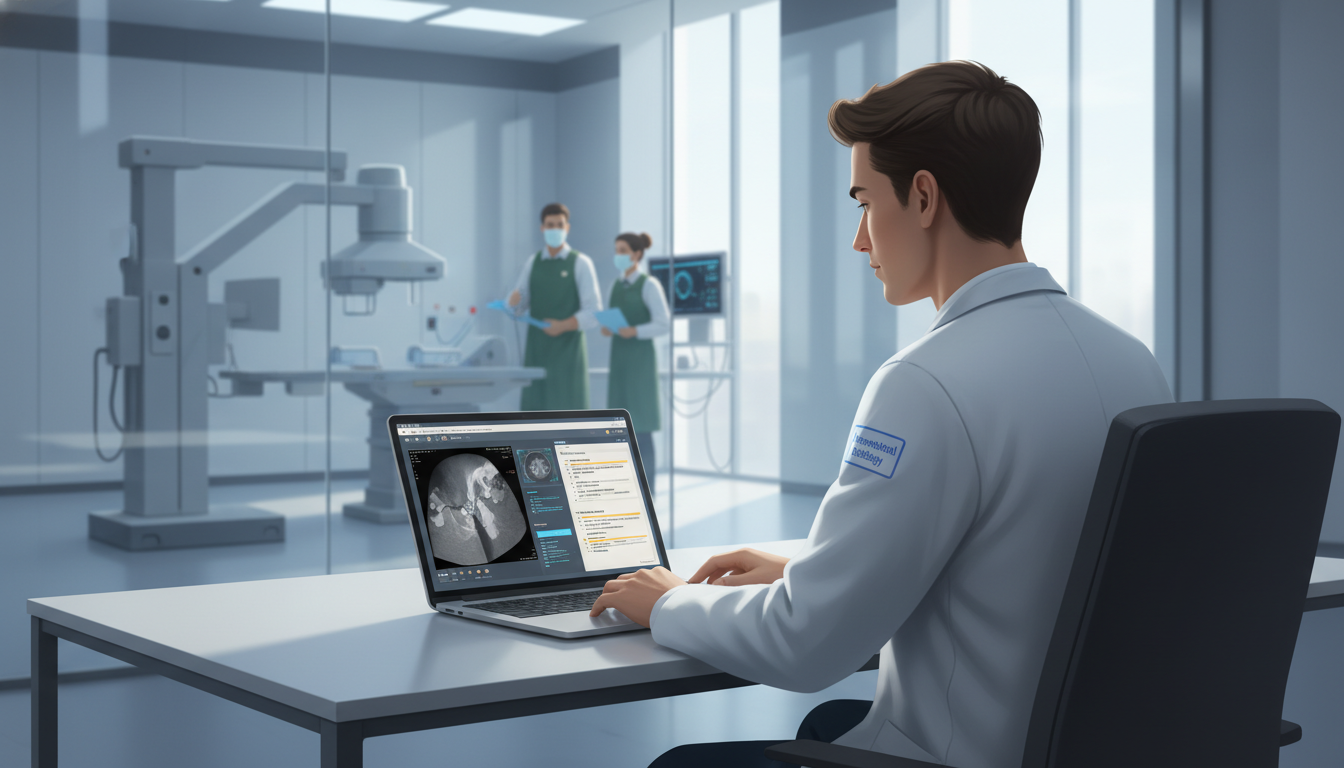
Interventional Radiology (IR) is one of the most competitive and rapidly evolving specialties, blending image-guided procedures with longitudinal patient care. Pre-interview preparation in interventional radiology residency applications is not just about rehearsing answers; it is about demonstrating that you understand the specialty’s demands, culture, and trajectory.
The IR Pathways and Their Implications
Before interviews begin, be clear about which IR pathway(s) you applied to:
- Integrated IR (6-year): Combines radiology and IR training from PGY-2 onward, with a dedicated IR identity and longitudinal clinic. Programs will look closely for commitment to IR from early on.
- Independent IR (2-year): For those completing a diagnostic radiology (DR) residency. Interviews focus heavily on procedural competence, independence, and readiness for advanced IR.
- Early specialization or ESIR background: If you’ve done ESIR, be ready to discuss your procedural log, IR exposure, and how ESIR prepared you for advanced IR training.
Your preparation should be tailored to the pathway. Integrated IR programs will focus more on your trajectory from medical school, clinical reasoning, and exposure to IR; independent programs will emphasize procedural skills, autonomy, and case mix.
What Programs Are Really Looking For
Across the IR match, programs generally prioritize:
- Genuine commitment to IR
- Understanding of IR’s clinical role, not just procedures
- Teamwork and communication skills
- Maturity and resilience, especially under stress
- Technical curiosity and problem-solving ability
- Ethical judgment and patient-centeredness
Every element of your pre-interview preparation should be geared toward making these qualities visible and believable.
Core Academic and Clinical Preparation
Strong residency interview preparation for IR starts with shoring up your clinical and academic foundation. Even before you practice “interview questions residency programs might ask,” you need to understand the actual work of an interventional radiologist.
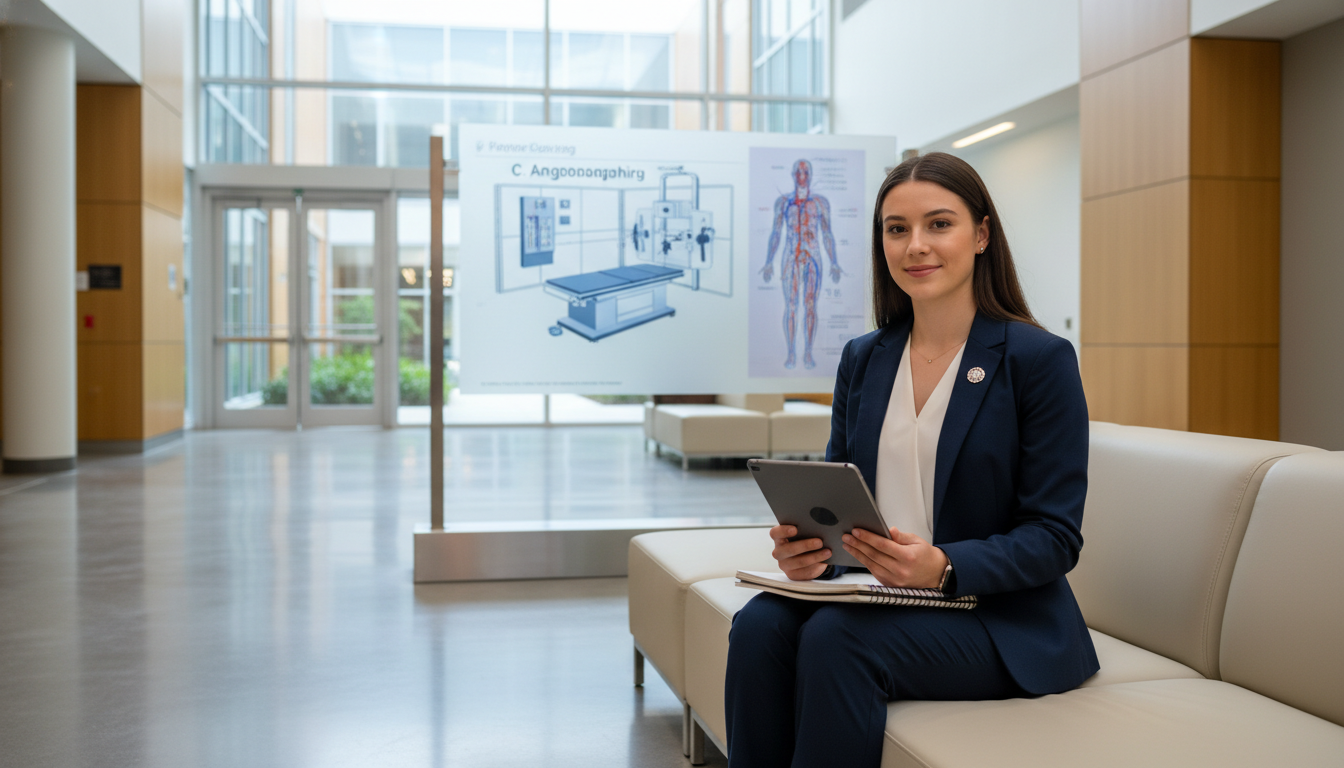
Know the Scope of Modern IR Practice
You do not need to be a mini-attending, but you must demonstrate a realistic, up-to-date understanding of IR:
Common IR Domains to Review
Vascular Interventions
- Peripheral arterial disease interventions
- Acute and chronic deep vein thrombosis, IVC filters
- Hemorrhage control (e.g., trauma, GI bleed embolization)
Oncologic Interventions
- TACE, Y-90, microwave or radiofrequency ablation
- Biopsies and ports
- Palliative procedures (e.g., biliary drainage, nephrostomy)
Non-vascular Procedures
- Image-guided biopsies
- Drain placements and management
- Gastrostomy tubes, nephrostomy tubes, biliary interventions
Emerging/Advanced Areas
- Interventions in structural heart disease (depending on the institution)
- Pediatric IR
- Women’s health (e.g., UFE, pelvic congestion)
- Interventional oncology as a subspecialty track
You should be able to briefly explain:
- What the procedure is
- Indications and basic contraindications
- How IR impacts patient outcomes and quality of life
You won’t be asked to perform detailed consent, but you may be asked, “Tell me about an IR case you saw that made an impact,” or, “How do you explain an embolization to a patient?” Your pre-interview preparation should include rehearsed but natural-sounding explanations in plain language.
Reinforce Your Clinical Foundation
Interventional radiologists are physicians first. Programs want assurance that you can:
- Evaluate a patient pre-procedure
- Interpret basic labs and imaging in context
- Participate in inpatient and outpatient clinical care
Refresh high-yield topics from:
- Internal medicine (hemodynamics, anticoagulation, renal function, contrast issues)
- Surgery (perioperative risk, infection, bleeding)
- Emergency medicine and critical care (shock, sepsis, trauma)
This helps you answer scenario-based questions like:
- “How would you approach a hemodynamically unstable patient needing embolization?”
- “How do you handle contrast in a CKD patient who needs a CT-guided biopsy?”
Strengthen Your IR-Specific Narrative
Before interview season, systematically review your IR-related experiences:
- IR electives and sub-internships
- IR call or late-day experiences
- IR research or QI projects
- IR conferences, interest groups, or mentorships
For each, prepare:
- 1–2 specific cases or stories that highlight your interest and growth
- What you learned about patient care, procedural decision-making, or team dynamics
- How the experience shaped your career goals in IR
Programs are attuned to superficial interest (“I like procedures”). They want depth:
- “I realized I enjoy following liver tumor patients over months and seeing how our interventions modify their disease course.”
is far stronger than - “I like being hands-on and working with cool devices.”

Researching Programs and Crafting Your Strategy
Understanding how to prepare for interviews in IR means going beyond generic residency interview preparation and doing targeted, high-yield homework on each program.
Build a Structured Program Research Template
Create a spreadsheet or document for all programs where you have an IR interview. For each, note:
Program Structure
- Number of IR residents per year
- Relationship with DR (shared call? shared rotations?)
- ESIR opportunities (for DR residents if relevant)
- IR clinic presence and longitudinal patient care
Case Volume and Diversity
- Vascular vs non-vascular vs oncologic case mix
- Trauma center status
- Presence of transplant, oncology, or large referral centers
Faculty and Interests
- Program director and chair backgrounds
- IR faculty with research or clinical focuses that match your interests
- Any national leaders in IR societies (SIR, etc.)
Education and Culture
- Conferences and teaching structure (daily readouts? case conferences?)
- Resident autonomy
- Call structure and work-life balance
- Reputation for collegiality, mentorship, and resident support
Location and Lifestyle Factors
- City size, cost of living
- Family/personal connections to the region
- Opportunities for partner employment or support networks
Use program websites, SIR resident/fellow webpages, institutional YouTube content, and alumni or mentor insight. Come into each interview armed with 2–3 specific, genuine reasons why that program fits your goals.
Prepare Tailored Program-Specific Questions
You will invariably hear, “What questions do you have for us?” This is one of the highest-yield components of the IR match interview.
Avoid generic questions easily answered online. Instead, consider:
Clinical training
- “How do residents progress in procedural autonomy from PGY-2 through their dedicated IR years?”
- “How are complex or high-risk cases handled from a trainee perspective?”
Mentorship and career development
- “How does the program support residents interested in academic IR versus community practice?”
- “Are there structured opportunities to work on IR research or quality-improvement projects beginning in PGY-2?”
IR identity and integration
- “How would you describe the relationship between IR and DR here? How does that shape your residents’ experience?”
- “How is IR involved in multidisciplinary conferences and clinics?”
Wellness and culture
- “What strategies has the program used to manage call burden and resident burnout?”
- “Can you share how feedback flows both ways—resident feedback to leadership and vice versa?”
Write your questions down before the interview day and refine them per program. This shows you take the IR match and your future training seriously.
Align Your Goals with Each Program
As part of your pre-interview preparation, articulate clearly:
- Your short-term goals (skills you want from residency, types of cases, research exposure)
- Your long-term goals (academic vs community practice, interventional oncology, global IR, device development, etc.)
Then ask: How does this program help advance those specific goals? Be prepared with program-aligned statements like:
- “Your strong interventional oncology program aligns perfectly with my interest in liver-directed therapies and multidisciplinary cancer care.”
- “I’m drawn to the significant trauma volume here, as I value being involved in acute, life-saving interventions.”
This sort of alignment separates a well-prepared IR applicant from someone who simply mass-applied.
Mastering Common IR Residency Interview Questions
Many core interview questions residency programs ask are shared across specialties, but IR adds several layers of specialty-specific nuance. Your pre-interview preparation should include written bullet-point outlines for common questions plus targeted practice saying them out loud.
Foundational Behavioral Questions
Expect these staples; prep concise, structured responses:
- “Tell me about yourself.”
- “Why IR?”
- “Why this program?”
- “What are your strengths and weaknesses?”
- “Tell me about a time you made a mistake in clinical care.”
- “Describe a conflict on a team and how you handled it.”
Use the STAR method (Situation, Task, Action, Result). For IR specifically:
Example – “Why IR?”
- Situation: Your early exposure or defining IR experience
- Task: What you were trying to learn or understand
- Action: How you engaged—follow-up clinics, research, multiple rotations
- Result: Clear, long-term commitment to IR as a clinical, patient-facing specialty
Avoid purely technical answers. Include:
- The draw of problem-solving under imaging guidance
- The satisfaction of longitudinal relationships with complex patients
- Appreciation for multidisciplinary teamwork across surgery, oncology, medicine
IR-Specific Questions You Should Anticipate
As you think about how to prepare for interviews in IR, focus on likely specialty questions:
“What does the day of an IR resident look like?”
- Show you understand:
- Pre-rounding on inpatients
- Multidisciplinary conference or morning huddle
- Procedure list and consults
- Post-procedure care and documentation
- IR clinic and follow-up, if present
- Show you understand:
“What aspect of IR interests you the most?”
- Pick 1–2 areas (e.g., interventional oncology + trauma) and discuss:
- A case or experience
- Skills you want to develop
- How this relates to your career vision
- Pick 1–2 areas (e.g., interventional oncology + trauma) and discuss:
“How do you see IR evolving in the next 10–15 years?”
- Mention:
- Growth of outpatient IR and office-based labs
- Increasing role of IR in oncology and chronic disease management
- Need for advocacy to protect IR scope and clinical practice
- Emphasis on longitudinal care, clinic, and admission privileges
- Mention:
“What challenges do you foresee in IR?”
- Examples:
- Balancing clinic, call, and procedures
- Reimbursement and healthcare system pressures
- Maintaining IR’s identity separate from DR
- Burnout and workload
- Offer one or two personal strategies for resilience and boundary-setting.
- Examples:
“Tell me about a procedure or IR case you were involved in.”
- Briefly:
- Indication, key decision points
- Your role as a student
- What you learned about patient communication or team dynamics
- Briefly:
Handling Ethical and Stress Scenarios
IR practice involves frequent urgent decisions. Programs may test your judgment:
- “A referring physician pressures you to perform a procedure you feel is not indicated. What do you do?”
- “You are on call and get consulted on a critically ill patient with high risk for contrast-induced nephropathy. How do you approach the situation?”
You are not expected to know detailed guidelines but should:
- Emphasize patient safety and evidence-based care
- Mention communication (discussing with the team, escalating to attending)
- Recognize when to ask for help
- Show humility and clear, ethical thinking

Practical Logistics and Performance Preparation
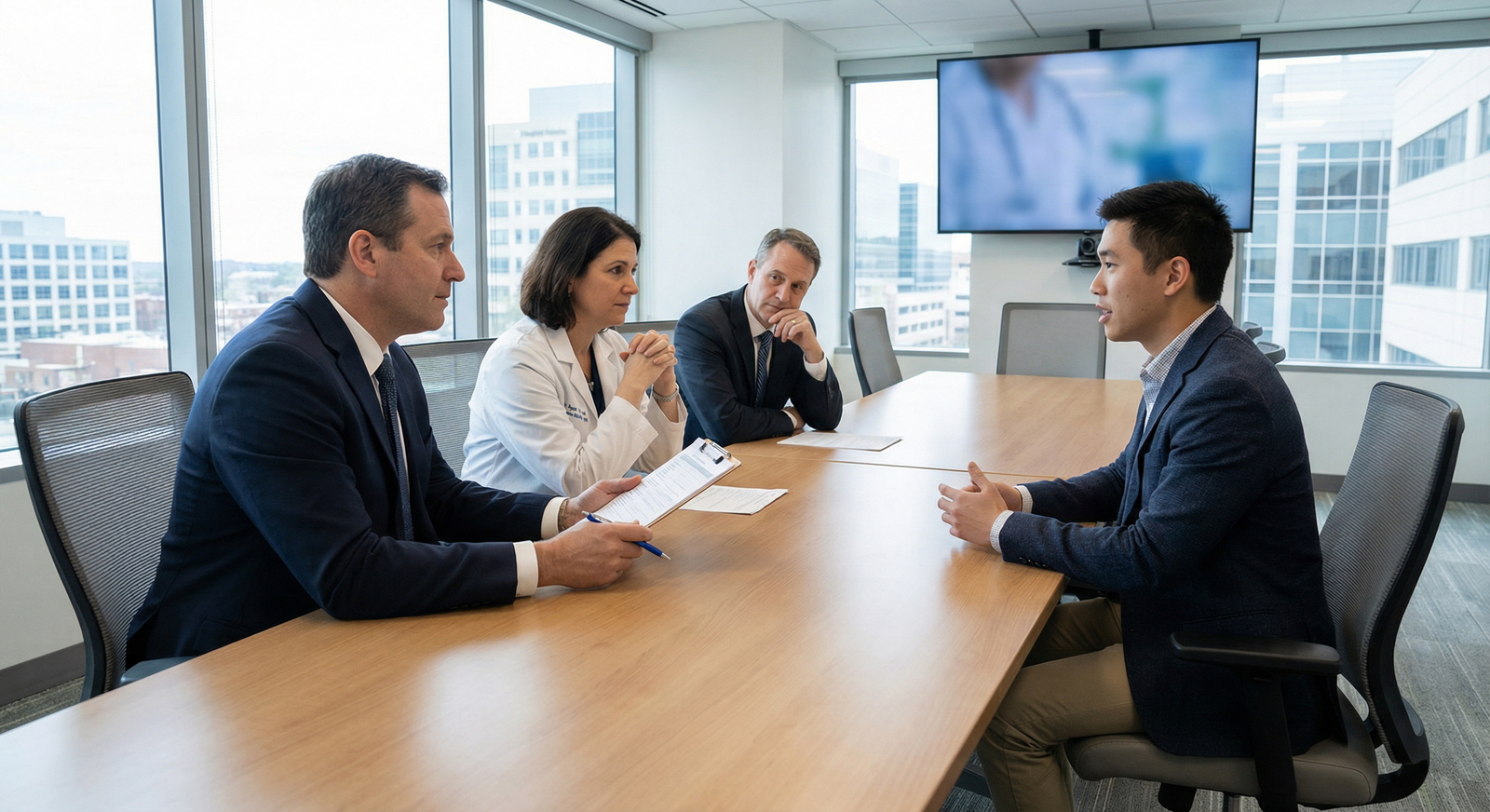
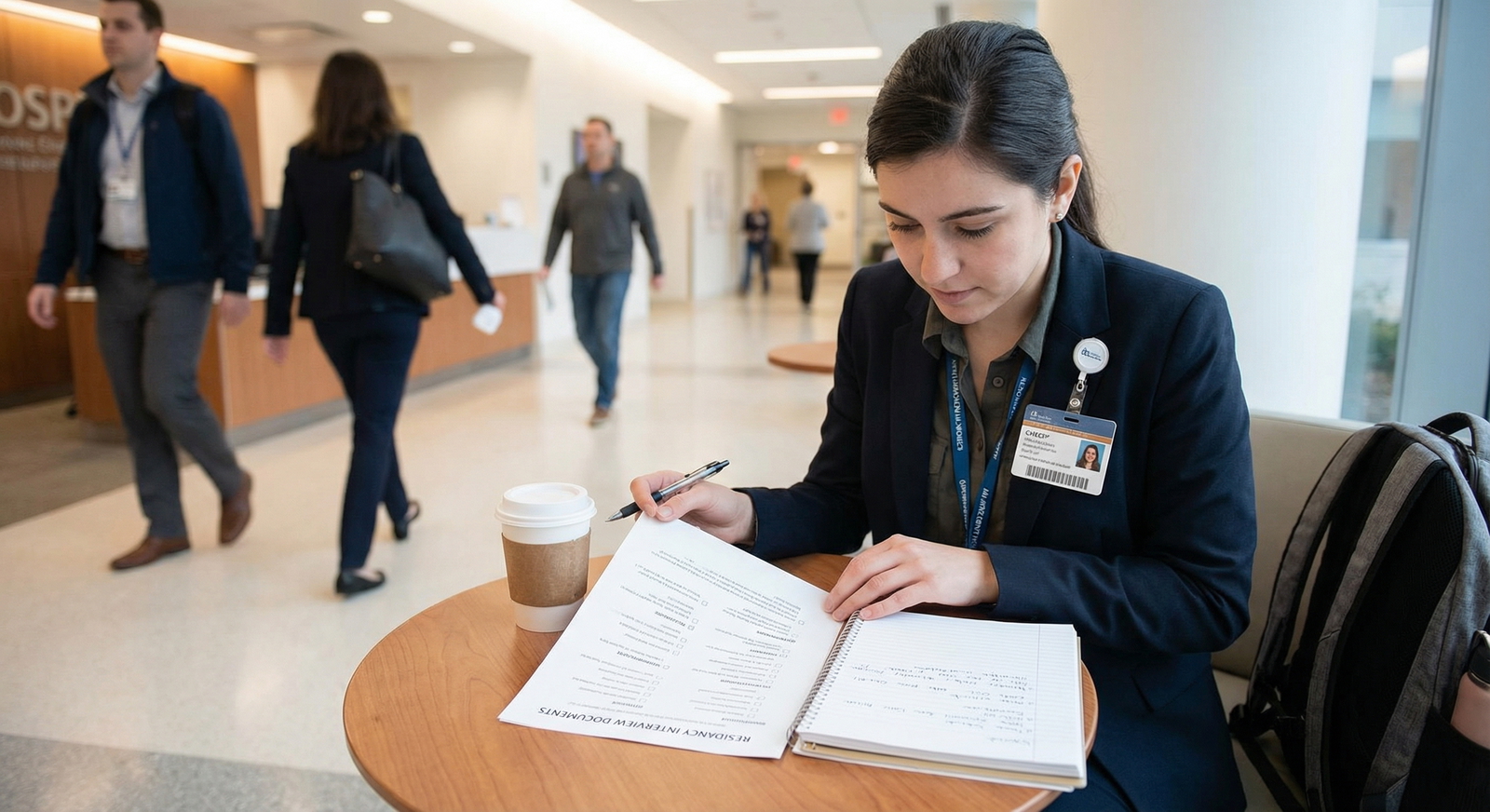
Strong content knowledge and narratives are only half of residency interview preparation. Execution—how you present yourself—matters greatly, especially with many IR interviews still incorporating virtual formats.
Preparing for Virtual and In-Person IR Interviews
Technical Setup (for virtual interviews):
- Use a reliable computer (preferably wired ethernet or sitting near the router).
- Test camera, microphone, and lighting a week in advance.
- Choose a neutral, uncluttered background.
- Position the camera at eye level; look into the camera when speaking.
- Have a backup device and a phone hotspot ready.
Environment:
- Quiet space with minimal interruption.
- Close unnecessary apps and notifications.
- Keep a water bottle and notepad nearby (but don’t read directly from notes).
In-Person Considerations:
- Map out directions and parking the night before.
- Bring:
- Simple portfolio with a printed CV
- Note card with key questions/thoughts
- A small snack if the day is long
- Wear comfortable professional shoes; hospital tours can be lengthy.
Professional Appearance for an IR Interview
- Attire: Conservative suit (dark gray, navy, or black), minimal accessories.
- Grooming: Neat hair/facial hair; avoid overpowering cologne/perfume.
- Body language:
- Sit upright, lean slightly forward to show engagement.
- Nod and maintain natural eye contact.
- Avoid excessive fidgeting; keep hands comfortably on lap or desk.
For IR specifically, remember the specialty is both procedural and clinical. You’re not interviewing just as a “tech-savvy” doctor, but as a future consultant and team leader—your presentation should reflect calm confidence, clarity, and approachability.
Rehearsal Strategy: How to Practice Effectively
Draft Bullet Points, Not Scripts
- For each common question, write 3–4 bullet points.
- Avoid memorizing word-for-word; aim for conversational fluency.
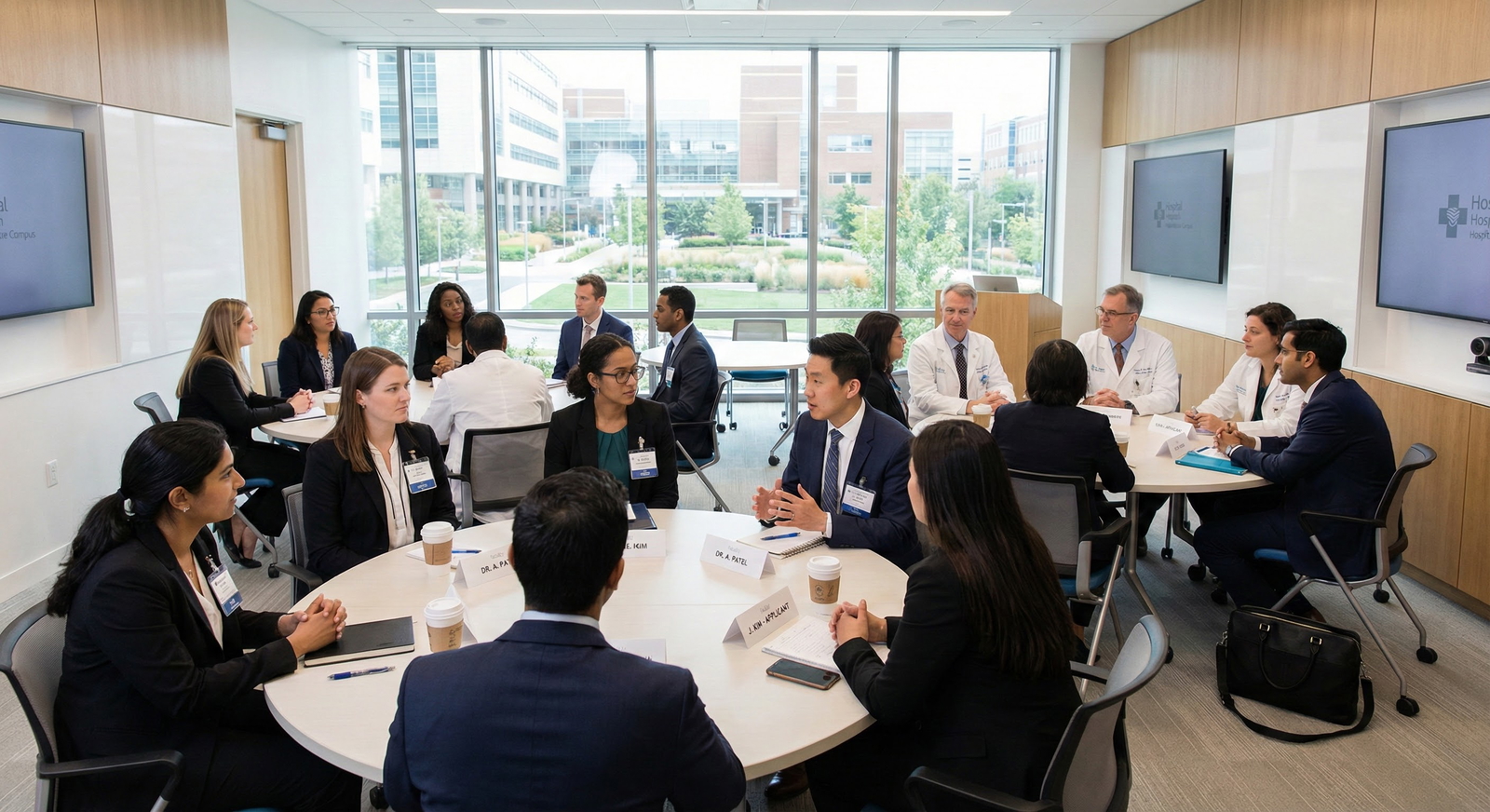
Mock Interviews
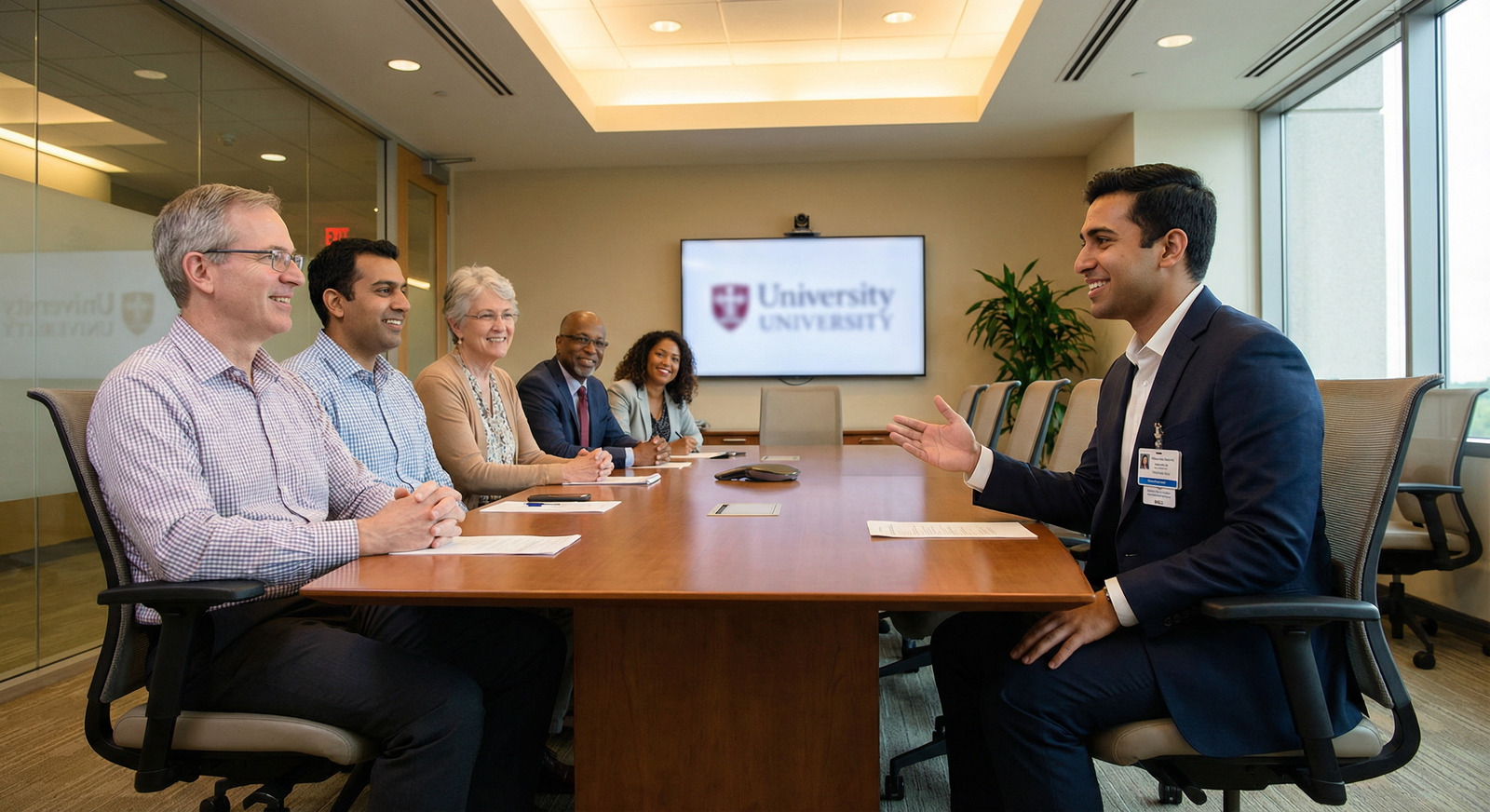
- Ask mentors, IR faculty, or senior residents to conduct practice sessions.
- Simulate real conditions (same suit, same setup).
- Request targeted feedback on:
- Clarity and conciseness
- Visible enthusiasm for IR
- Ability to connect your story to the specialty
Record Yourself
- Video yourself answering 3–4 key questions:
- “Tell me about yourself.”
- “Why IR?”
- “Why our program?”
- One behavioral question (mistake/conflict).
- Re-watch focusing on:
- Filler words (“um,” “like”)
- Rambling or going off-topic
- Flat affect or lack of energy
- Video yourself answering 3–4 key questions:
Time Management
- Keep most answers within 1–2 minutes unless a longer, case-based question is asked.
- Practice summarizing your key points in 30 seconds when prompted.
Pre-Interview Week Checklist and Mental Preparation
The days leading up to interview season can feel overwhelming—especially in a competitive field like interventional radiology. A structured pre-interview checklist can reduce anxiety and improve performance across your IR match season.
7–10 Days Before Each Interview
Review your:
- Personal statement and ERAS application
- IR-related research, posters, or presentations
- Sub-I evaluations and letters (if you know the content or themes)
Update your program research notes:
- Confirm any recent program changes (new faculty, new hospital, IR/DR separation).
- Refine your customized questions.
Rehearse your top 5 stories:
- An IR-defining case or experience
- A challenging patient encounter
- A conflict or difficult team dynamic
- A time you failed or made a mistake
- A proud accomplishment (research, leadership, or advocacy)
Night Before the Interview
Confirm:
- Interview time zone and platform (Zoom, Thalamus, other)
- Backup plan for internet/technology
- Appropriate attire pressed and ready
Print or open (discreetly) a one-page summary including:
- Interviewer names and roles (if provided)
- 3 program-specific talking points
- 3–4 thoughtful questions for faculty and residents
Prioritize:
- 7–8 hours of sleep
- Light, balanced meal
- Short relaxation routine (walk, stretching, breathing exercises)
Day of the Interview
- Eat a simple, non-heavy breakfast.
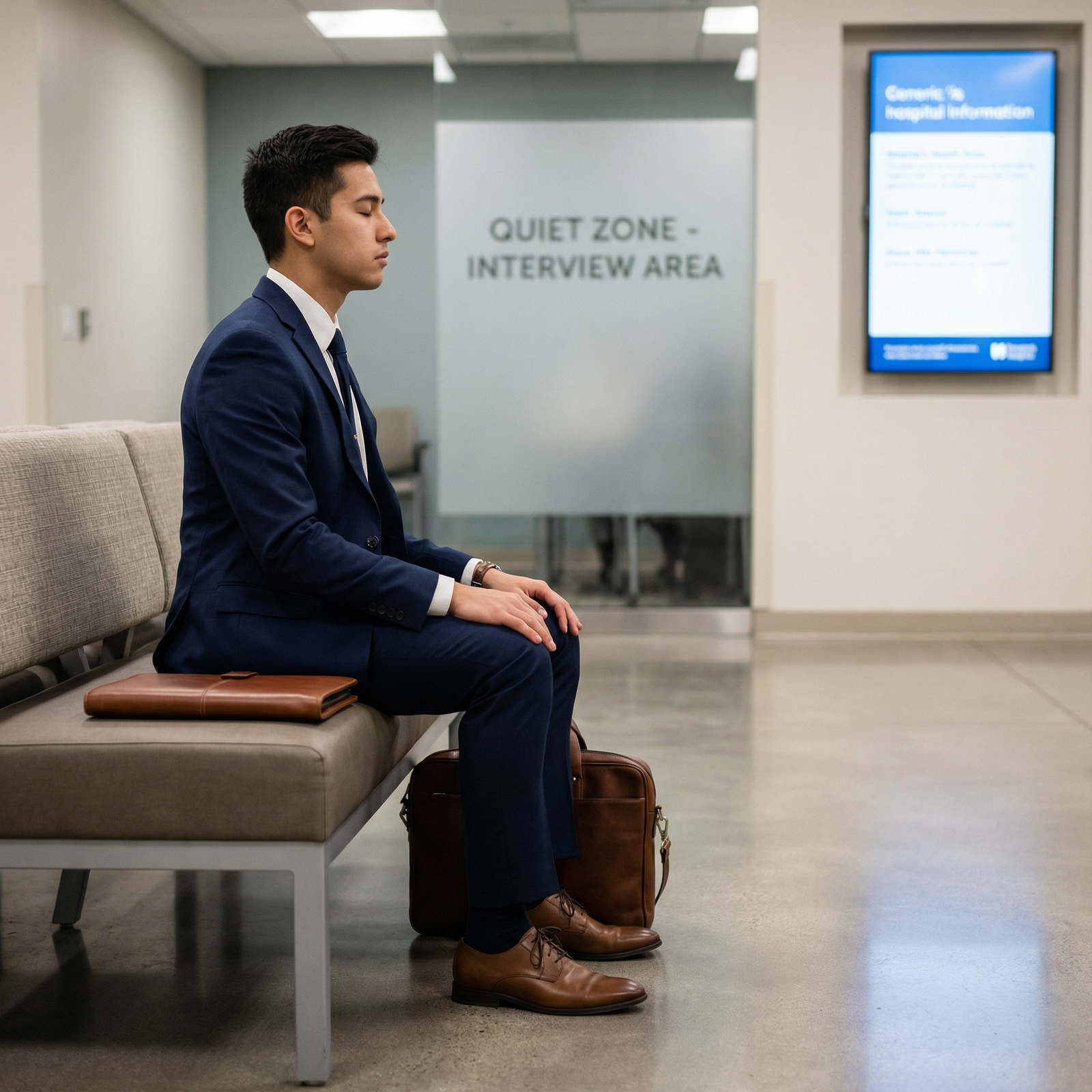
- Log in 15–20 minutes early (for virtual) or arrive 20–30 minutes early in person.
- Do 3–5 minutes of deep breathing or grounding exercises.
Mentally set your intention:
- You are there not just to be evaluated—but to evaluate the program for your future.
- You are not “just a medical student.” You are a future IR colleague in training, engaging in a professional conversation about fit.
Frequently Asked Questions about Pre-Interview Preparation in Interventional Radiology
How competitive is the interventional radiology residency match, and how should that influence my preparation?
Interventional radiology residency is consistently among the most competitive specialties. That should raise your level of preparation, not your level of panic. Focus on what you can control:
- Deep understanding of IR’s clinical and procedural scope
- Clear, authentic reasons for pursuing IR
- Knowledge of each program and how it matches your goals
- Strong, practiced responses to common and IR-specific questions
- Professional, polished interview execution
Your goal is not to be perfect; it is to present a coherent, compelling picture of a motivated, resilient, IR-focused trainee.
What kinds of interview questions residency programs in IR ask about technical skills?
Programs rarely quiz you on detailed technical steps, but they might ask:
- “Tell me about a procedure you observed or helped with.”
- “How would you explain an embolization or ablation to a patient?”
- “What aspects of procedural medicine appeal to you?”
They are assessing:
- Curiosity about techniques
- Ability to translate complex ideas into patient-friendly language
- Insight into risk/benefit and decision-making, not step-by-step mechanics
Be honest if you don’t know specific technical details; instead, emphasize what you observed and how you think about the clinical problem.
How much IR-specific knowledge do I need before the interview?
You are not expected to function at a fellow level, but you should:
- Recognize the major categories of IR practice (vascular, oncologic, non-vascular).
- Be able to describe a few common procedures in plain language.
- Understand broadly when IR is consulted and how IR integrates with other specialties.
If you’ve done an IR rotation, you should be able to speak intelligently about:
- Workflow
- Team structure
- Typical consult questions
- Case-based learning points
How can I stand out among other strong applicants in IR?
You stand out in the IR match by:
- Demonstrating authentic, longitudinal commitment to IR (multiple exposures, mentorship, research, follow-up clinics).
- Showing that you understand IR as a clinical specialty, not just “cool procedures.”
- Articulating a thoughtful career vision (e.g., interventional oncology, global health, device innovation) while remaining open to growth.
- Conveying maturity, humility, and team orientation—that you will be someone residents and faculty enjoy working with at 2 a.m. on call.
- Asking insightful, program-specific questions that reveal you did your homework.
If you integrate these elements into your pre-interview preparation, you will present as the kind of future interventional radiologist that programs are eager to train.