Residency interviews are one of the most influential steps in your medical career. After years of exams, clerkships, and applications, this is where programs decide not just whether you are qualified, but whether you are the right fit for their team and culture. With thoughtful interview preparation and strategy, you can present yourself confidently, authentically, and professionally—and maximize your chances of matching into a program where you will thrive.
This guide expands on essential tips, common residency interview questions, and practical strategies to help you excel during this critical phase of your healthcare education and professional development.
Understanding the Residency Interview Process and Purpose
Before you dive into practicing answers, it helps to understand what residency interviews are actually assessing and how they fit into the broader selection process.
What Programs Are Really Evaluating
Most residency programs use interviews to explore three core domains:
Fit with the Program
- Do your values, interests, and working style align with the program’s culture?
- Will you work well with their residents, faculty, and patients?
- Are you likely to stay, be engaged, and contribute positively to the environment?
Skills and Potential
- Can you communicate clearly and respectfully?
- Do you demonstrate clinical reasoning appropriate to your level of training?
- How do you approach uncertainty, feedback, and professional challenges?
Motivation and Career Goals
- Why did you choose this specialty?
- What do you hope to gain from residency training?
- How do your long-term goals mesh with what the program offers (e.g., research, community care, fellowship preparation)?
Programs know that most applicants are smart and hardworking. Interviews help them determine who will be a safe, reliable, and collegial resident—and who is likely to grow into an excellent physician within their training environment.
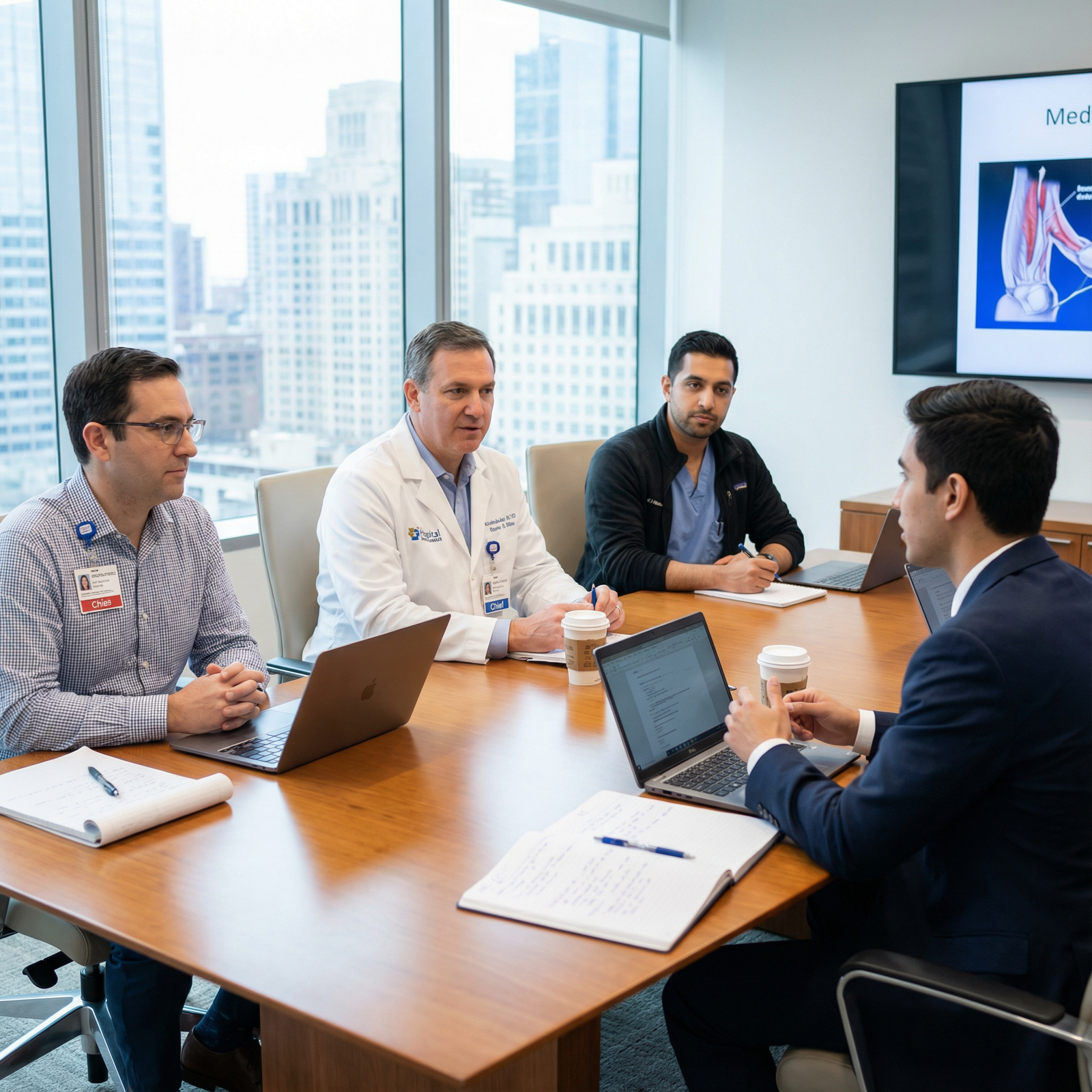
The Interview Day Format: What to Expect
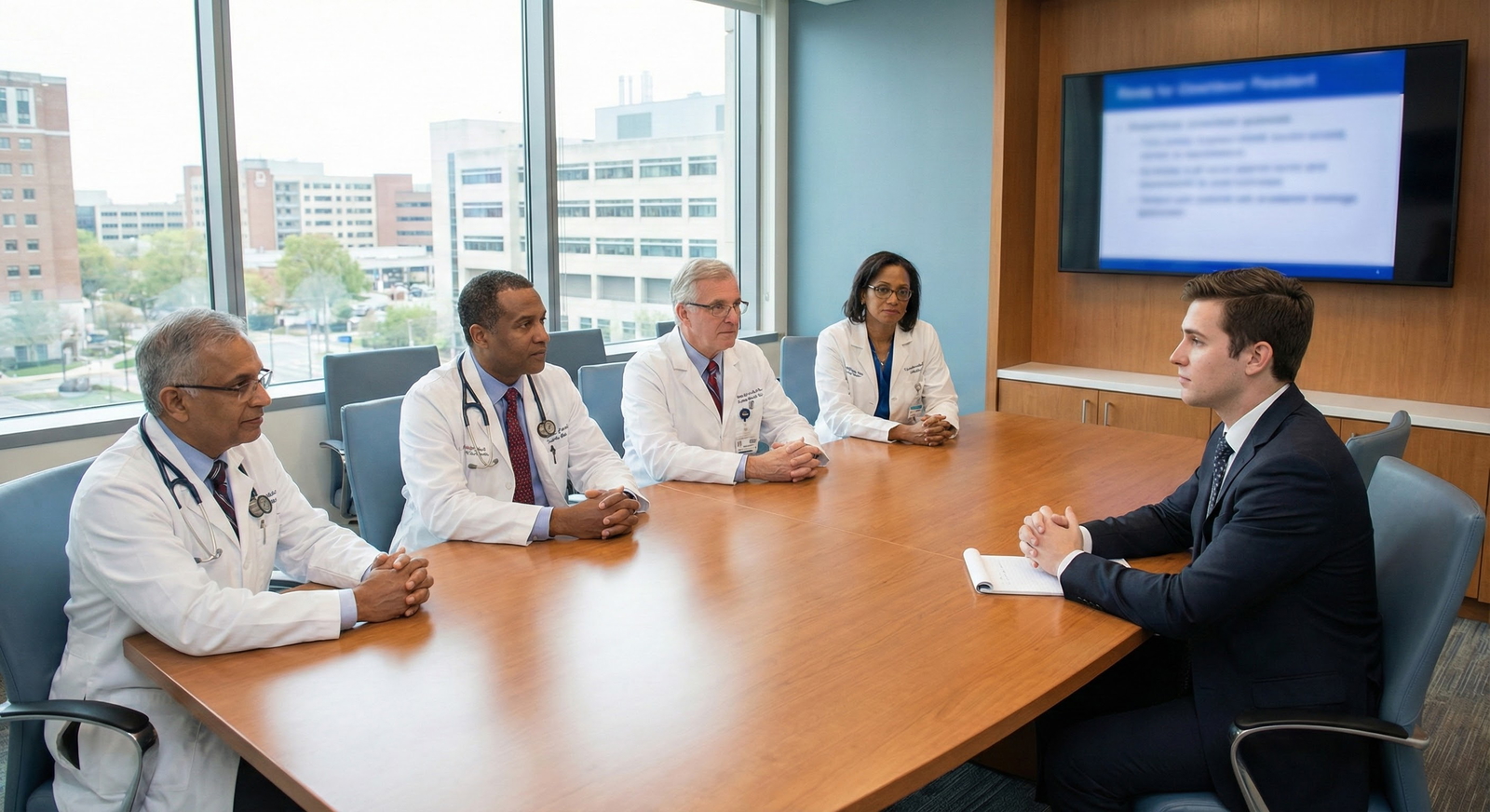
While formats differ by specialty and program, most residency interviews include some combination of:
- Individual interviews with faculty, program leadership, or chief residents
- Group or panel interviews (less common, but used by some programs)
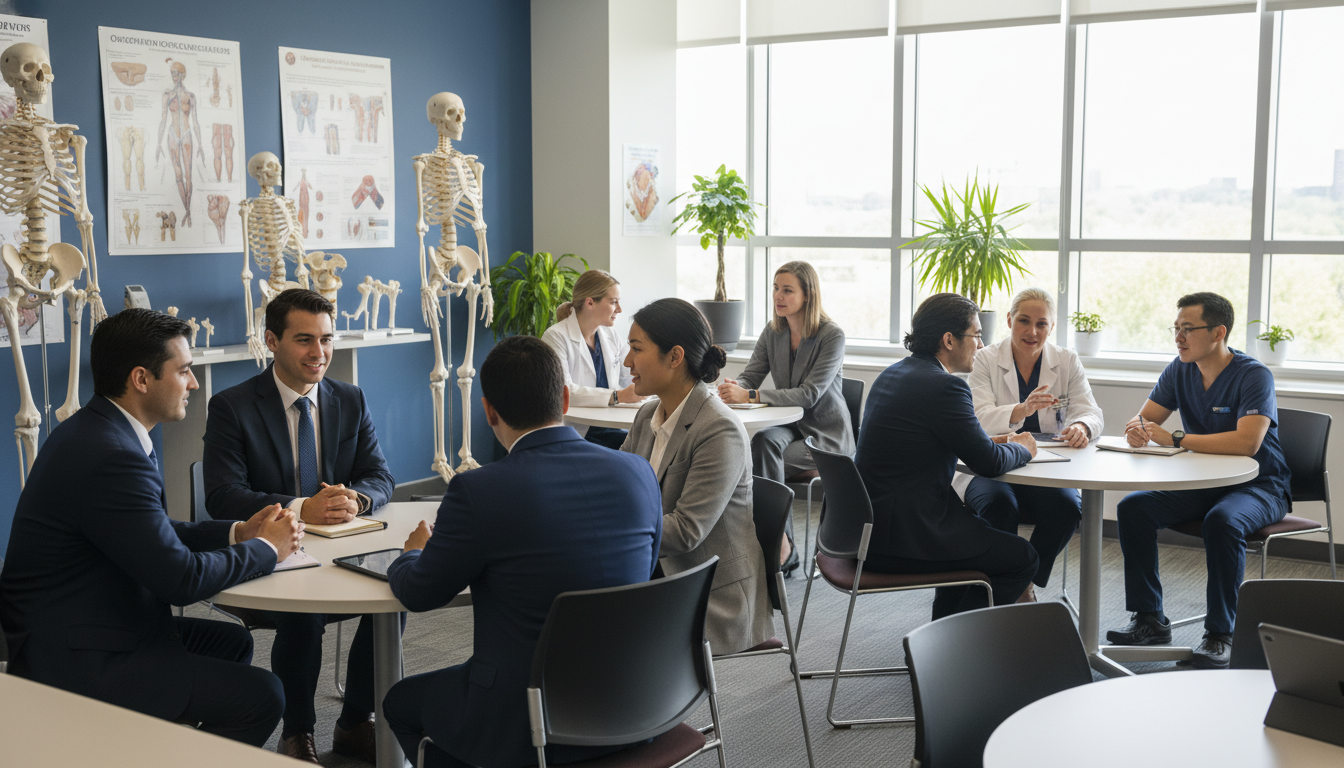
- Resident-only sessions where current residents answer your questions
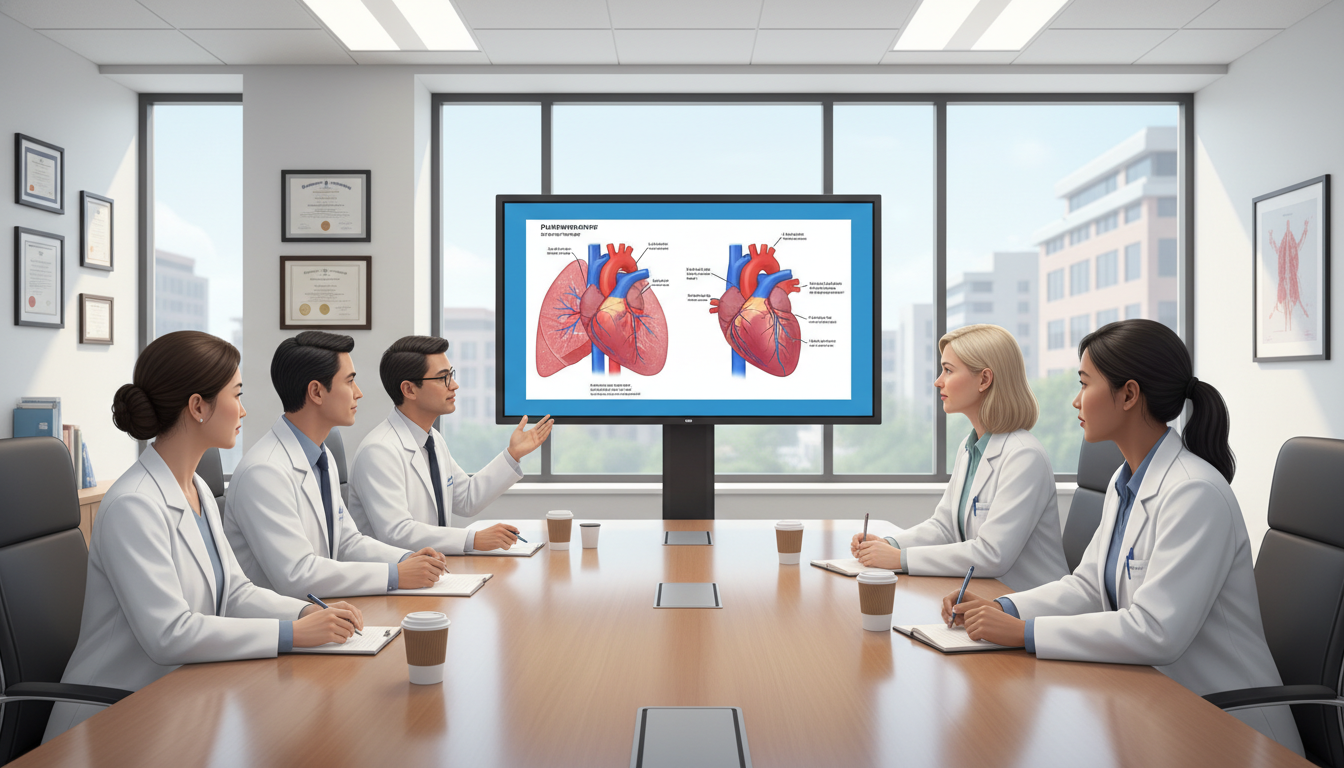
- Program overview presentations from the Program Director or Coordinator
- Virtual or in-person tours of clinical sites and facilities
- Social events (virtual meet-and-greets or in-person dinners the night before)
Understanding this structure helps you plan your energy and attention. Even informal events (like resident socials) are part of how programs assess fit, and they’re also critical opportunities for you to evaluate the program.
Laying the Foundation: High-Impact Preparation Steps
The most successful residency interviews are rarely improvised. They’re the result of intentional, structured interview preparation—not just for questions, but for your overall narrative and presence.
1. Deep-Dive Research on Each Program
Generic enthusiasm is easy to spot. Specific, informed interest stands out.
Focus your research on:
Mission, Values, and Patient Population
- Read the program’s mission statement and educational philosophy.
- Note whether they emphasize community health, academic research, underserved populations, innovation, or leadership development.
- Look at affiliated hospitals and clinics—are they safety-net, tertiary centers, VA, rural sites?
Curriculum and Structure
- Rotation schedule: Are there early opportunities in your field of interest?
- Elective time, research blocks, and global health or advocacy tracks.
- Call schedule and night float structure.
Faculty and Leadership
- Identify key faculty whose work aligns with your interests (e.g., critical care, medical education, health equity, translational research).
- Be prepared to mention specific initiatives or projects that genuinely interest you.
Current Resident Experience
- Use forums like Reddit, Student Doctor Network, specialty-specific groups, or alumni from your school to get candid insights.
- Look for themes: supportive leadership, workload, wellness initiatives, fellowship placement, and how graduates fare in their careers.
Action step: Create a one-page “program snapshot” for each place you interview:
- 3–5 things that excite you about the program
- 1–2 thoughtful questions you’ll ask
- Names of key people and initiatives to reference
This not only improves your answers but also saves cognitive load on busy interview days.
2. Reflecting on Your Story, Experiences, and Professional Identity
Programs don’t just want bullet points from your CV—they want to understand who you are as a developing physician.
Reflect intentionally on:
Clinical Experiences
- Memorable patients, challenging cases, or rotations that shaped your interest in the specialty.
- Times you showed ownership, empathy, or teamwork beyond expectations.
- Situations where you made a mistake or learned a humbling lesson.
Research and Scholarly Work
- What questions drove your research?
- What did you learn about the scientific process, collaboration, or perseverance?
- How might your research interests fit with this program?
Leadership, Teaching, and Service
- Roles in student organizations, quality improvement projects, mentoring, or tutoring.
- Ways you’ve contributed to the learning environment or improved patient care processes.
- Community service that shaped your understanding of health disparities and systems of care.
Translate these experiences into short, structured stories you can deploy during the interview. A useful framework is STAR:
- Situation – brief context
- Task – your specific role or responsibility
- Action – what you did (focus on your behavior, not just the team’s)
- Result – what happened and what you learned
Core Interview Preparation: Questions, Practice, and Presence
3. Preparing for Common Residency Interview Questions
You can’t script every answer, but preparing for high-yield residency interview questions will make you more confident and flexible.
Foundational “Get to Know You” Questions
“Tell me about yourself.”
Aim for a 1–2 minute answer that:- Briefly summarizes where you’re from and your training path
- Highlights core themes in your journey (e.g., commitment to underserved care, love of acute medicine, interest in teaching)
- Connects naturally to why you’re pursuing this specialty and this next step in your medical career
“Why this specialty?”
Go beyond “I like physiology” or “I had a great rotation.” Focus on:- Core aspects of the field that resonate with you (e.g., continuity of care, procedures, complex problem-solving, advocacy)
- Specific experiences that confirmed your choice
- The kind of physician you hope to become in this specialty
“Why our program?”
Avoid vague answers (“strong clinical training,” “great reputation”). Instead:- Name 2–3 specific features: curriculum design, patient population, mentoring culture, research track, wellness initiatives, or fellowships.
- Connect these program strengths to your own goals and values.
Behavioral and Professional Development Questions
These aim to assess your maturity, self-awareness, and growth mindset.
“Tell me about a time you faced a significant challenge in medical school.”
- Choose an example that shows resilience, problem-solving, and willingness to seek support.
- Be honest, but emphasize what you changed or learned going forward.
“Describe a conflict you had within a healthcare team. How did you handle it?”
- Programs are watching for professionalism, humility, and communication skills.
- Avoid blaming language; focus on clarifying expectations, listening, and collaborating.
“What is your greatest weakness?”
- Choose something real but manageable (e.g., difficulty delegating, overcommitting, discomfort with uncertainty).
- Describe specific steps you’re taking to improve (feedback you sought, strategies you implemented).
“How do you handle stress or burnout risk?”
- Be candid but solutions-oriented.
- Mention both personal strategies (exercise, reflection, therapy, boundaries) and professional ones (seeking help, debriefing after tough cases, time management).
Clinical and Ethical Scenario Questions
Many programs test your clinical reasoning and ethical judgment—even at an intern-ready level.
Clinical scenario: “Describe a clinical situation where you faced a difficult decision. What was your thought process?”
Highlight:- Prioritizing patient safety and autonomy
- Using guidelines, evidence, and supervision appropriately
- Clear communication with team and patient
- Recognizing your limits and seeking help
Ethics and professionalism: “What does professionalism mean to you?” or “How would you respond if you saw a colleague behaving unprofessionally?”
Emphasize:- Integrity, accountability, respect, and compassion
- Duty to patients and to the team
- Using appropriate channels, avoiding public shaming, and focusing on patient safety and learning
Current medical issues: “What is your view on healthcare reform?” or “What challenges do you think our specialty faces in the next decade?”
You’re not expected to be a policy expert, but:- Show awareness of major themes (access, cost, equity, workforce shortages, burnout, digital health).
- Provide a balanced, thoughtful perspective that reflects your values and understanding of healthcare systems.
Action step: Create a personal bank of ~15–20 common questions and outline bullet-point responses for each. Practice out loud so your answers sound natural, not memorized.
4. Practicing Effectively: From Mock Interviews to Feedback
Practice is where interview preparation becomes performance.
Peer mock interviews
- Pair up with classmates or residents; alternate roles as interviewer and applicant.
- Simulate real conditions: full attire, timed answers, minimal notes.
- Ask for honest feedback on clarity, organization, and tone.
Faculty or career advisor practice
- Many medical schools offer mock residency interviews through Student Affairs or Career Counseling.
- These sessions often mimic real specialty-specific questions and provide high-yield, constructive critique.
Self-recording
- Record practice answers via Zoom, your phone, or another video platform.
- Review your:
- Eye contact and facial expression
- Filler words (“um,” “like,” “you know”)
- Pacing and structure of responses
- Refine your delivery without trying to become overly polished or robotic.
Use this feedback cycle to tighten your narrative and ensure your strengths and values come through clearly.
5. Mastering Non-Verbal and Virtual Communication
Residency interviews now frequently occur virtually. Non-verbal and tech-related factors can strongly influence how you’re perceived.
Body Language and Presence
- Maintain steady but natural eye contact (in virtual interviews, look primarily at the camera, not the screen).
- Sit with open posture: shoulders relaxed, arms uncrossed.
- Use measured hand gestures if visible, but avoid fidgeting.
- Nod or briefly acknowledge when interviewers speak to show engagement.
Virtual Interview Logistics
If your interviews are online:
Environment
- Quiet, private space with a neutral, uncluttered background.
- Good lighting (ideally facing a window or light source).
- Test your camera and microphone ahead of time.
Technology backup
- Have a phone nearby in case of connection issues.
- Keep the program coordinator’s contact information handy.
- Log in 10–15 minutes early for each session.
On-screen professionalism
- Close unrelated tabs and silence notifications.
- Keep your camera at eye level.
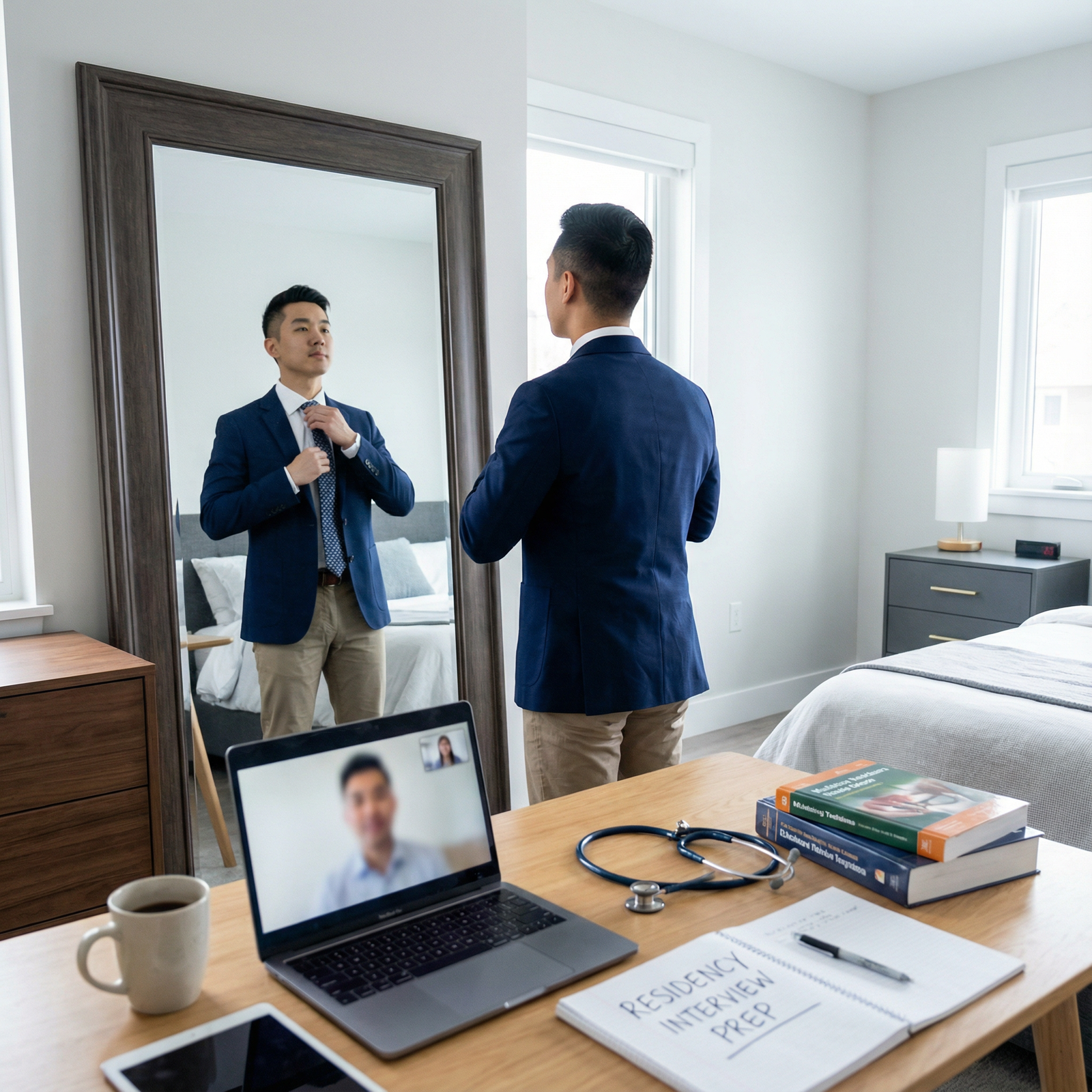
- Dress in full professional attire—not just from the waist up. It affects your mindset and professionalism.
Asking Insightful Questions and Evaluating Program Fit
Residency interviews are not only about programs evaluating you; they’re your best chance to evaluate them. Your questions should show genuine curiosity and help you determine where you’ll thrive.
6. Crafting High-Value Questions for Interviewers
Move beyond questions you could easily answer from the website. Instead, ask questions that:
Clarify culture and mentorship
- “How would you describe the culture of this program, especially around teaching and feedback?”
- “Can you tell me about mentorship here—are residents paired with formal mentors, and how does that usually work in practice?”
Explore training, autonomy, and support
- “How does resident autonomy progress from intern year to senior years?”
- “Can you share an example of how the program supported a resident going through a difficult time?”
Understand career development
- “What do recent graduates typically go on to do—fellowships, academic positions, community practice?”
- “Are there structured opportunities for leadership, teaching, or quality improvement during residency?”
Assess well-being and workload
- “What initiatives are in place to support resident wellness and prevent burnout?”
- “How does the program practically ensure duty hour compliance and manageable workloads?”
Prepare 5–7 questions in advance, and tailor a few to each specific program based on your research.
7. Reading Between the Lines: Is This Program Right for You?
As you participate in interviews and social events, actively assess:
- How do residents seem—engaged, burned out, genuinely honest?
- Do faculty talk about residents with respect and pride?
- Is there transparency around schedules, evaluation, and expectations?
- Do you feel you could ask for help here without being judged?
Trust both your observations and your gut feeling. Residency is demanding; being in an environment that aligns with your values and supports your growth is crucial for your professional development and long-term career satisfaction.
Executing on Interview Day and Following Up Professionally
8. The Day of the Interview: Practical and Psychological Preparation
Dress and Professional Appearance
Whether in-person or virtual, aim for:
- Professional attire: Typically a suit (pants or skirt) or professional dress, with conservative colors.
- Comfortable but polished shoes.
- Minimal fragrances and accessories; keep the focus on you, not your outfit.
Your goal is to present yourself as a future colleague in a professional healthcare setting.
Managing Time and Energy
For in-person interviews:
- Plan your travel with generous buffers for delays.
- Know parking, building locations, and security procedures ahead of time.
- Bring a small folder with a notepad, pen, and extra copies of your CV.
For virtual interviews:
- Treat it like an in-person day: wake up early, eat, and avoid scheduling other demanding tasks.
- Have water nearby and short breaks planned between sessions.
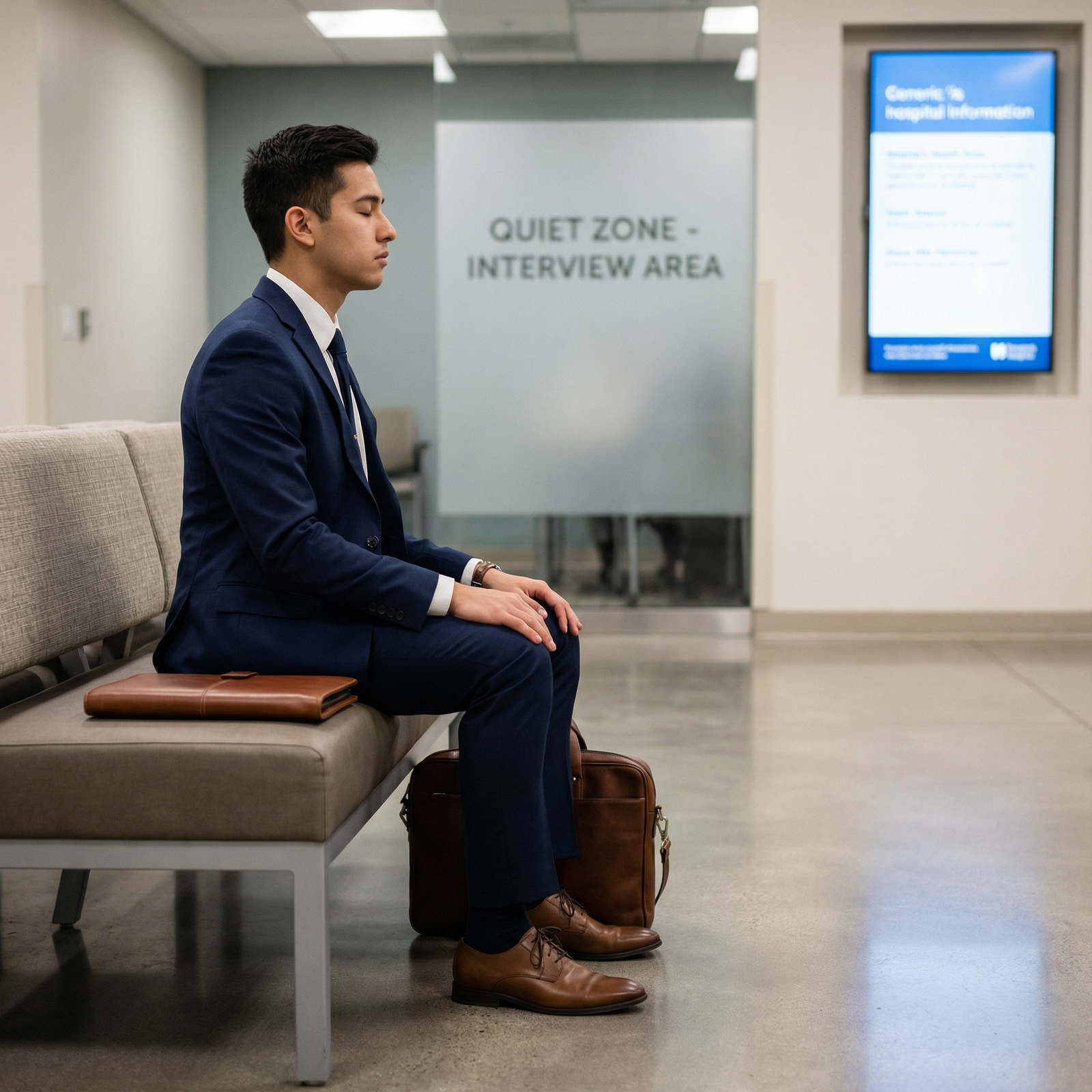
Staying Calm, Present, and Authentic
Use simple techniques to manage nerves:
Grounding and breathing
- 4–7–8 breathing (inhale 4 seconds, hold 7, exhale 8).
- Brief body scan to relax shoulders, jaw, and hands.
Mental reframing
- Remember: interviews are conversations, not interrogations.
- Programs are genuinely hoping you’ll be the right candidate—they want you to succeed.
If you stumble on a question, it’s okay to pause and say, “That’s a great question—let me take a moment to think about it,” then answer thoughtfully. Composure is more important than perfection.
9. Post-Interview: Professional Follow-Up and Reflection
What you do after the interview can reinforce your professionalism and help you refine your rank list.
Thoughtful Thank-You Notes
Within 24–48 hours:
- Send brief, personalized emails to your interviewers and/or the Program Director.
- Include:
- A genuine thank you for their time.
- A specific aspect of the conversation or program that resonated with you.
- A concise statement of continued interest.
Avoid copying and pasting generic messages across programs—admissions committees can tell.
Structured Reflection for Your Rank List
After each interview day:
- Take 10–15 minutes to jot down:
- Pros and cons of the program.
- How you felt interacting with residents and faculty.
- Your impressions of training quality, culture, and support.
- Use the same template for every program so you can compare them more objectively when building your rank list.

Residency Interview FAQs
1. How can I reduce anxiety before and during residency interviews?
- Prepare, don’t over-script. Solid interview preparation (research, mock interviews, key stories) reduces uncertainty, which is a major driver of anxiety.
- Simulate the real thing. Practice in your interview outfit, in front of a camera, with timed answers.
- Use brief coping strategies.
- 2–3 minutes of deep breathing before each interview.
- Positive self-talk (“I’ve earned this interview; I’m here to see if we’re a good mutual fit.”).
- Normalize nerves. Interviewers expect some anxiety. They’re looking more at how you recover and communicate than whether you appear perfectly calm.
2. What should I wear to my residency interviews?
- Aim for conservative, professional attire that fits well and allows you to feel comfortable:
- Dark or neutral-colored suit (navy, black, charcoal) with a simple blouse or shirt.
- Closed-toe shoes with a modest heel or flats.
- Avoid overly bright colors, flashy accessories, or distracting patterns.
- Ensure your appearance aligns with working in a professional healthcare environment and feels authentic to your identity.
3. How many residency interview questions should I prepare for?
You can’t predict everything, but you should:
- Prepare structured answers or bullet points for:
- 10–15 common questions (e.g., “Tell me about yourself,” “Why this specialty,” “Strengths and weaknesses,” “Conflict on a team,” “Handling stress.”)
- 3–4 significant clinical or ethical scenarios from your own experience that you can adapt to multiple prompts.
- More important than memorizing answers is knowing your stories, values, and goals well enough to respond flexibly.
4. Is it necessary to send follow-up emails after each interview?
While not universally required, thank-you emails are strongly recommended because they:
- Demonstrate professionalism and courtesy.
- Reinforce your interest and highlight what you appreciated about the program or conversation.
- Leave a positive final impression with interviewers and program leadership.
Keep them concise, genuine, and tailored to each program and interviewer.
5. Should I discuss my weaknesses or failures during residency interviews?
Yes—when done thoughtfully, this can strengthen your application:
- Choose a real but appropriate challenge (e.g., time management in early clerkships, an exam setback, initial difficulty with feedback).
- Avoid examples involving major professionalism breaches or unaddressed patient safety concerns.
- Focus on:
- What you learned.
- Specific steps you’ve taken to improve.
- How this experience makes you a stronger future resident.
Honest, reflective answers show self-awareness and a growth mindset, which are essential traits in residency training.
By understanding the goals of residency interviews, engaging in targeted interview preparation, and approaching each conversation as a chance to explore mutual fit, you’ll be better positioned to showcase your strengths and values. This intentional approach will not only help you perform well on interview days, but also guide you toward a residency program that supports your development, aligns with your goals, and sets you up for a fulfilling medical career.