Understanding Why Your Questions Matter
As an MD graduate applying to interventional radiology residency, you’re competing in one of the most selective fields of the allopathic medical school match. Programs will evaluate your clinical skills, fit, and professionalism—but you should be evaluating them just as carefully.
Thoughtful, well‑targeted questions to ask residency programs do several important things:
- Help you distinguish between strong and weak interventional radiology residency programs.
- Show interviewers you understand the realities of IR training (not just the “cool procedures”).
- Demonstrate maturity, insight, and readiness for a demanding, procedure-heavy specialty.
- Give you concrete data to create a realistic rank list after interview season.
- Reveal culture and hidden expectations that are not in the brochure.
You’re not just trying to “impress.” You’re trying to decide: Can I succeed and be happy training here for 5–6 years? That mindset should guide what to ask program directors, faculty, and residents.
This guide is organized to help you build a targeted question strategy for the IR match, with specific examples of interview questions for them (program leadership, faculty, and residents) and advice on how to use the answers.
Strategy: How to Plan Your Questions Before Interview Day
Before you think about specific questions to ask programs, you need a framework. Many applicants either:
- Ask only generic questions (“What’s the call schedule like?”) that don’t stand out, or
- Ask overly aggressive questions (“How many graduates failed boards?”) that create tension.
A better approach is structured and intentional.
Step 1: Clarify Your Priorities
As an MD graduate residency applicant in IR, your top priorities might include:
- Case volume and complexity (bread-and-butter vs highly specialized)
- Hands-on procedural autonomy and graduated responsibility
- Quality of clinical IR experience (consults, clinic, inpatient service)
- Mentorship and fellowships (subspecialty training, academic vs private practice prep)
- Workload, call burden, and wellness
- Research and QI infrastructure
- Training environment (independence vs supervision, culture, feedback)
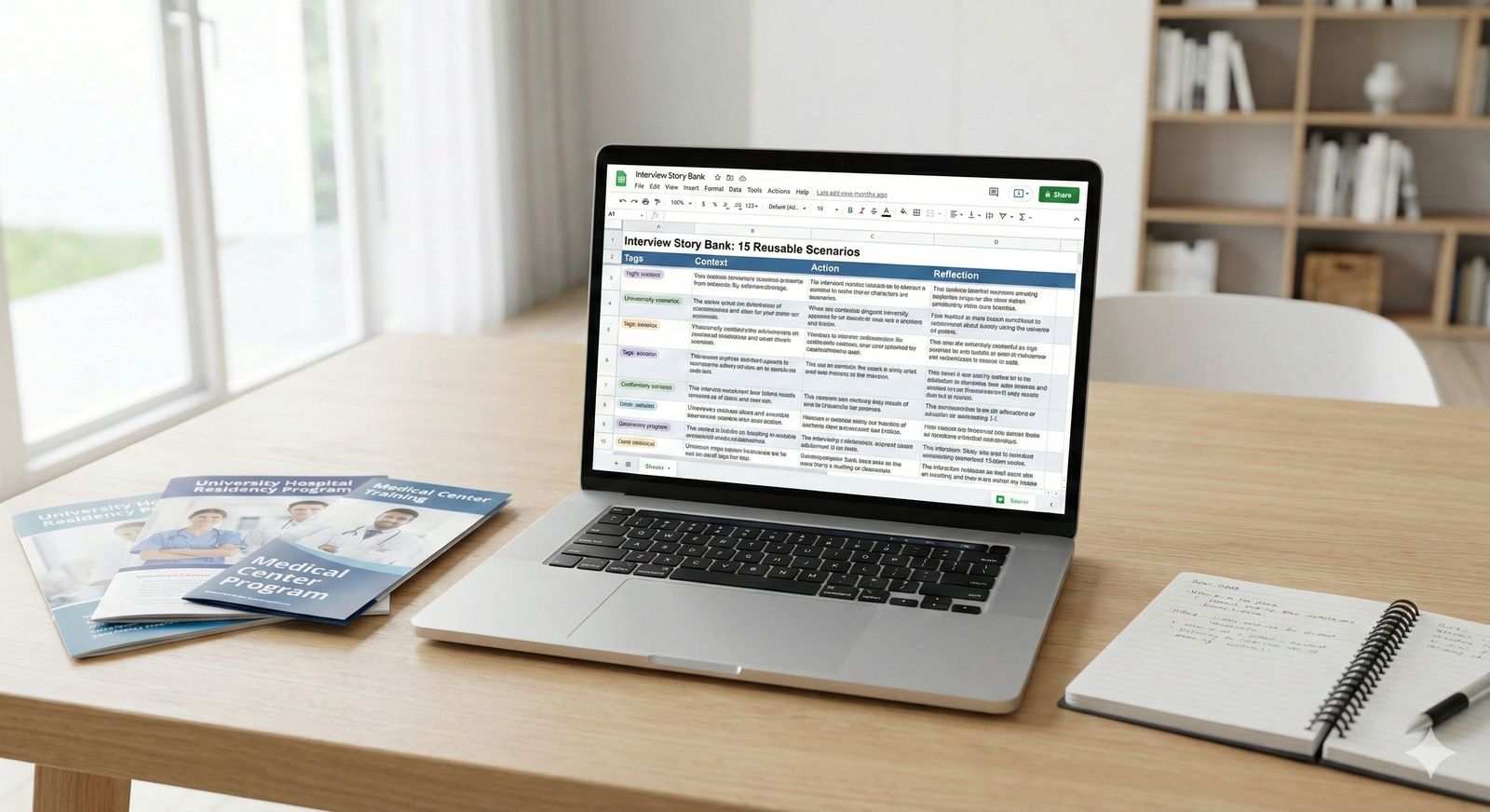
Write down 4–6 priorities before interview season. Then build questions that directly probe each one.
Step 2: Tailor Questions to Each Audience
Not every question is appropriate for every person. For example:
- Program Director (PD): curriculum, big-picture vision, program direction, institutional support.
- Interventional Radiology faculty: procedural independence, case quality, educational philosophy.
- Current IR residents: day-to-day workflow, culture, wellness, hidden curriculum.
- Diagnostic radiology (DR) residents: DR years, integration with IR, rotations.
- Coordinators/admin staff: logistics, onboarding, schedule realities.
You’ll ask different questions to a PD than to a PGY-3 DR resident or an ESIR trainee. Plan accordingly.
Step 3: Do Your Homework
Before asking, read:
- Program website and curriculum (don’t ask what’s on the front page).
- FREIDA and program fact sheets (positions, call structure, length).
- Any available case logs or IR/DR rotation structure.
Then design questions that build on what you’ve already learned. For example, instead of:
“How many cases do residents do?”
Try:
“I saw on the website that your IR residents have a heavy inpatient consult service. How does that translate into procedural volume per trainee, particularly for more advanced procedures like TIPS or Y-90?”
This shows preparation and genuine interest, not box-checking.

High-Impact Questions for Program Directors and Leadership
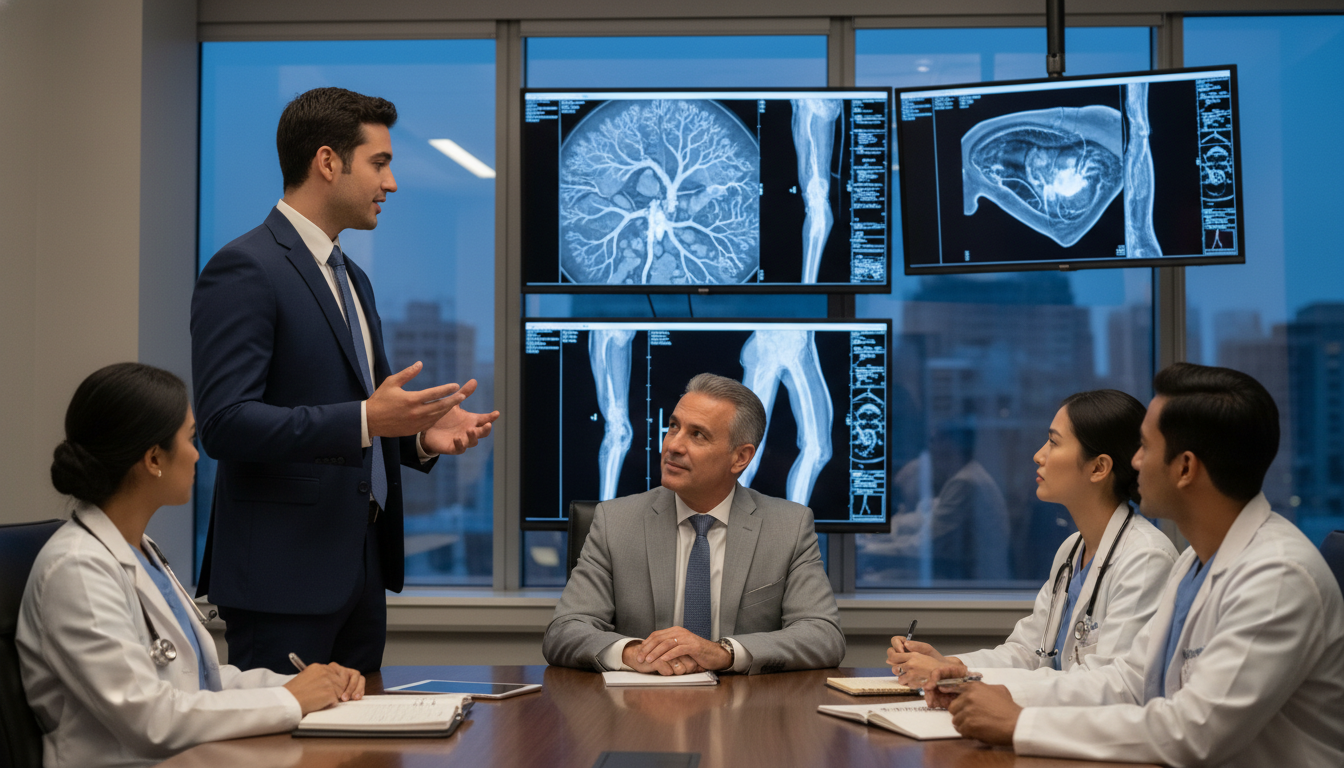
The PD and associate PDs are your best window into curriculum structure, institutional priorities, and how the program has adapted to the evolving IR training pathway. These are some of the most important questions to ask residency leadership.
1. Curriculum, Case Volume, and Autonomy
Goal: Understand how your training will progress from early years to senior IR.
Questions:
- “How is procedural autonomy structured over the course of the program? When do IR residents typically start performing common procedures (e.g., PICC lines, paracentesis, basic embolizations) with more independence?”
- “Could you walk me through how the curriculum balances diagnostic radiology training with interventional radiology exposure in the early years?”
- “Approximately how many major procedures do graduating residents average, and how does that break down across common categories—vascular interventions, hepatobiliary, oncologic, venous, and non-vascular procedures?”
- “For complex procedures like TIPS, Y-90, or advanced venous work, how is case distribution managed so all residents get adequate experience?”
Red flags to listen for:
- Vague answers about autonomy (“you’ll get plenty,” with no specifics).
- Clear dependence on fellows for the “big” cases, limiting resident exposure.
- Lack of data on case volumes or recent graduates’ procedural logs.
2. Program Direction and Stability
IR is evolving rapidly, and you want a program that adapts.
Questions:
- “How has your interventional radiology residency changed in the past 3–5 years, and what further changes do you anticipate?”
- “How is the IR division positioned within the institution—are you seen as a core clinical service, or more as consultants?”
- “How supportive is hospital leadership of IR’s growth? Are there upcoming changes in equipment, space, or staffing that will impact resident training?”
- “Do you foresee any major changes in the number of residents, faculty, or hospital sites?
You’re assessing whether you’re stepping into a growing, supported IR service—or one that’s struggling for resources and cases.
3. Assessment, Feedback, and Remediation
Goal: Understand how they’ll help you improve—not just evaluate you.
Questions:
- “How is resident performance in IR assessed, both clinically and procedurally? How often do residents receive formal feedback?”
- “If a resident is struggling—procedurally, with clinical reasoning, or professionally—what systems are in place to support and remediate them?”
- “How do you track competency in specific procedure categories for the IR match exit expectations?”
Look for structured, repeatable systems (evaluation forms, milestones, semiannual reviews), not ad hoc comments.
4. Research, QI, and Career Development
Interventional radiology is data-driven and innovation-heavy. Ask:
- “What types of IR research are actively ongoing, and how are residents integrated into those projects?”
- “Is there protected time for residents to pursue clinical research, QI projects, or presentations at SIR or other conferences?”
- “Where have your recent graduates gone—academics vs private practice vs fellowships—and how does the program support their individual career goals?”
- “Are there formal mentorship structures for residents interested in specific niches (e.g., interventional oncology, PAD, venous disease)?”
Ask for examples of recent resident presentations, publications, or QI initiatives.
5. Culture, Diversity, and Resident Support
What to ask program director:
- “How would you describe the culture of your IR and DR programs, particularly in terms of collaboration and respect between residents, faculty, and technologists?”
- “What steps has the program taken to support diversity, equity, and inclusion among residents and faculty?”
- “How do you monitor for burnout among residents, and what structural changes have you made in response to resident feedback?”
A strong PD should be able to answer these with specifics, not slogans.
Essential Questions for Current IR and DR Residents
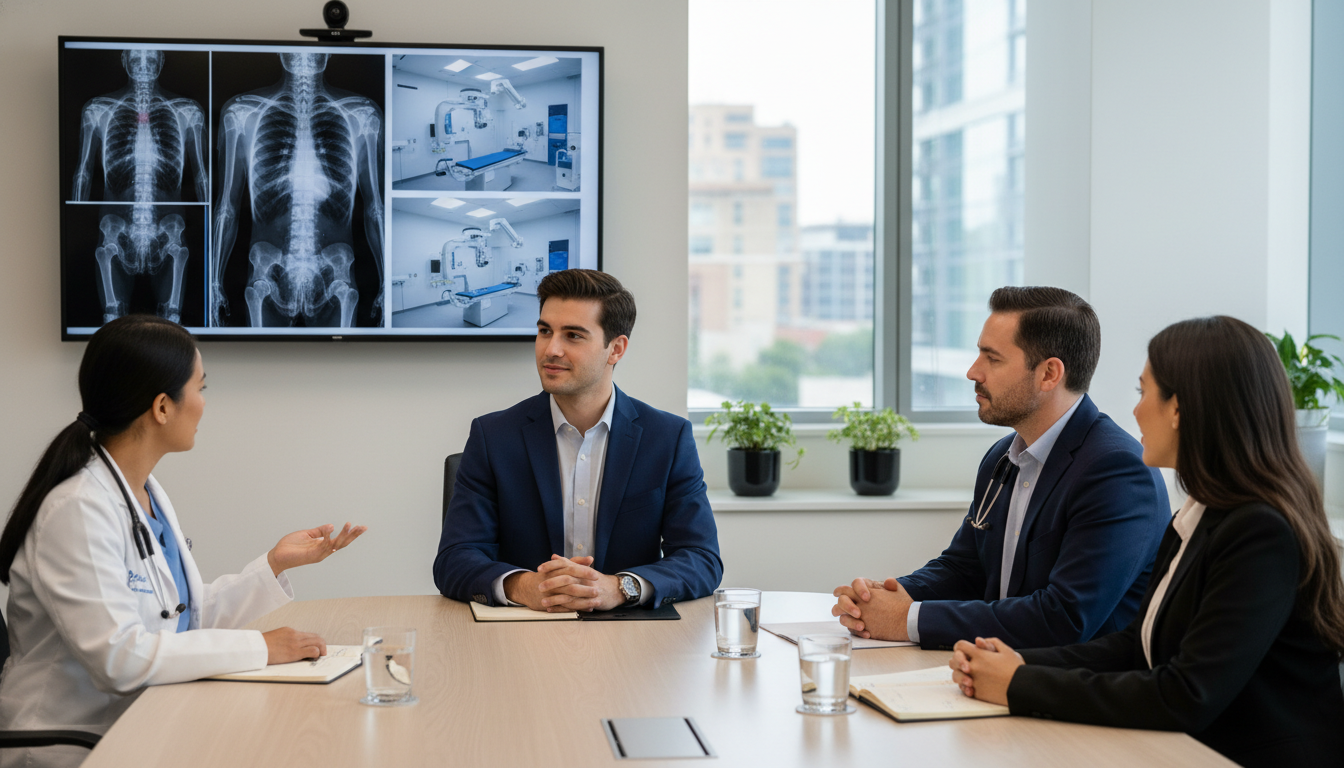
Residents will often give you the most honest, practical perspective on what it’s like to train there. When you think of “interview questions for them,” residents should be your primary focus.
1. Day-to-Day Workflow and Real Workload
Questions to ask residency (residents specifically):
- “Can you walk me through a typical day on the IR service for a junior and for a senior resident?”
- “How many cases are you usually involved in per day, and how much of that time is hands-on vs observing or assisting?”
- “How are consults and inpatient responsibilities handled—who writes notes, fields pages, and staffs with attendings?”
- “How often are you staying significantly late, and what usually drives that—case overload, poor scheduling, last-minute add-ons?”
You’re trying to understand actual workload, not just scheduled hours.
2. Call, Nights, and Weekends
Call structure can vary dramatically across interventional radiology residency programs.
Ask:
- “How is IR call structured here—home call vs in-house, primary vs backup? How often is each resident on call?”
- “What is the typical call volume like on weeknights and weekends? What kinds of cases do you see overnight most frequently?”
- “Is there faculty backup in-house or available by phone? How comfortable do you feel managing urgent cases with the support you receive?”
- “Do you feel the call experience is educational, or mostly service-driven?”
Listen for whether residents see call as meaningful learning vs pure stress and burnout.
3. Autonomy and Teaching Style
Residents can give you specific, grounded examples.
- “When you’re on IR, in what kinds of cases do you feel like the primary operator vs assistant? Does that change significantly as you advance in training?”
- “How do attendings typically teach—do they let you struggle within reason, or do they heavily direct every step?”
- “Can you describe a time when you felt truly independent in the angio suite? How did the attending support or supervise you?”
Programs with excellent teaching will have residents who can recall clear, positive examples.
4. Integration with Diagnostic Radiology
Even in integrated IR programs, DR years are critical.
Ask both DR and IR residents:
- “How is the relationship between IR residents and DR residents? Is there any tension regarding rotations, procedures, or call?”
- “During DR-heavy years, how much exposure do you actually get to IR, and how easy is it to stay involved (e.g., IR call, IR clinic, conferences)?”
- “Do you feel your DR training has prepared you adequately for the IR years—particularly in cross-sectional imaging relevant to IR cases?”
IR residents with solid DR foundations will sound confident and appreciative of that structure.
5. Wellness, Support, and Hidden Curriculum
Residents will often reveal culture you’ll never see on a website.
Questions:
- “Do you feel comfortable going to faculty or leadership when something isn’t working for you?”
- “Have there been any residents who struggled or left the program? If so, how was that handled?”
- “On a scale of 1–10, how would you rate resident wellness here? What are the main stressors, and what helps mitigate them?”
- “If you had to choose again, would you rank this program the same way? Why or why not?”
Pay extra attention to body language and hesitation here—even in virtual interviews, tone tells you a lot.
Specialized Questions About Training Quality, Fellowships, and Career Outcomes
As an MD graduate residency applicant, you must think beyond match day. What kind of IR doctor will you be at graduation, and what doors will be open?
1. Evaluating Hands-On Procedural Training
Interventional radiology is fundamentally procedural. Dig deeper than “How many cases?”
Questions:
- “How do you ensure that each resident meets or exceeds ACGME requirements in all key IR domains—vascular, hepatobiliary, non-vascular, oncology, dialysis access, venous interventions?”
- “Are case assignments driven by a chief, attending preference, or a centralized system designed to distribute complexity and volume fairly?”
- “How is simulation integrated into training—do you have simulation labs for procedures like arterial access, embolization, or trauma interventions?”
Look for structured, equitable case allocation rather than “whoever is there gets the case.”
2. Interdisciplinary Relationships and Referrals
Your future volume and case mix may depend on institutional politics.
Ask faculty and senior residents:
- “How are relationships with referring services, particularly surgery, vascular surgery, GI, oncology, and hospital medicine?”
- “Are there any major areas of overlap or tension—for example, peripheral arterial disease with vascular surgery, or endoscopic vs IR procedures with GI?”
- “How involved are IR attendings and residents in multidisciplinary tumor boards, PAD conferences, or venous disease clinics?”
Programs with strong interdisciplinary respect and regular tumor boards/rounds often provide richer case mixes and more meaningful consults.
3. Outpatient Clinic and Longitudinal Patient Care
A modern interventional radiology residency must train you as a clinician, not just an operator.
Questions:
- “How often do residents participate in IR clinic, and what is their role—observing, seeing patients independently, or co-managing with an attending?”
- “What percentage of your IR practice is outpatient vs inpatient, and how does that impact resident experience?”
- “Do residents have the opportunity to follow patients longitudinally—from consult through procedure to post-procedural follow-up?”
Programs that emphasize clinic signal a commitment to IR as a clinical specialty, not purely procedural.
4. Fellowship Placement and First Jobs
Even if you’re in an integrated interventional radiology residency, advanced fellowships (e.g., neurointerventional, complex venous, advanced oncology) and job placement matter.
Questions:
- “Where have your graduates gone in the past 3–5 years in terms of practice type and geographic distribution?”
- “What proportion went directly into independent practice vs pursued additional fellowships?”
- “How involved are faculty in helping residents with job searches or fellowship applications (letters, networking, interview prep)?”
Strong programs know their outcomes and are proud to share them.
How to Ask Smart Questions Without Hurting Your Candidacy
Even excellent questions can land poorly if delivered at the wrong time or to the wrong person. A few tactical tips:
1. Avoid Questions That Sound Like Complaints
For example, instead of:
“I heard the call here is terrible. Is that true?”
Try:
“I’ve heard that IR call can vary a lot from program to program. How would you characterize your call experience in terms of volume, complexity, and support?”
You’re asking about the same topic but framing it neutrally and professionally.
2. Don’t Ask for Data They Clearly Don’t Track
If a PD doesn’t have exact numbers at hand, pressing them can feel adversarial. You can pivot:
“If specific case logs aren’t immediately available, could you give me a sense of the typical exposure pattern—for example, how many TIPS or Y-90s a motivated resident might reasonably expect by graduation?”
3. Match Your Question Depth to the Interview Stage
- Early in the day: Big-picture questions (curriculum, program structure).
- Mid-day / resident panels: Lifestyle, workload, culture.
- End-of-day or 1:1 with PD: Career goals, tailoring training, unique opportunities.
Having 2–3 priority questions prepared for each major conversation will keep you focused and calm.
4. Always Have a “Closer” Question Ready
Programs often end with: “Do you have any final questions for us?”
A strong closer:
“Based on what you know about my background and interests, are there specific strengths or areas for growth you think I should focus on during residency to become a well-rounded interventional radiologist?”
This shows humility, growth mindset, and genuine desire to improve.
Common Mistakes MD Graduates Make When Questioning Programs
Even strong applicants slip into patterns that weaken their impression. Avoid these pitfalls:
1. Asking Only About Lifestyle
If all your questions are about call, vacation, and moonlighting, you risk signaling that you’re more focused on time off than training.
Balance wellness questions with those about:
- Case exposure
- Teaching quality
- Career development
- Long-term growth as an IR physician
2. Asking Questions You Could Have Answered Yourself
Before asking:
- “How many residents do you take each year?”
- “Is this an integrated or independent IR program?”
Check the website and FREIDA. Use your limited question time to dig deeper.
3. Sounding Like You’re Comparing Programs Directly
Avoid comments like:
“Program X offers more IR call during DR years. Why don’t you?”
Instead, ask:
“How did you decide on the structure and timing of IR exposure during the DR years, and how do residents feel about that balance?”
You get useful information without sounding confrontational.
4. Over-sharing Negative Experiences
You may be tempted to ask:
“At my med school, the IR attendings barely let us touch a wire. Will I be more hands-on here?”
This raises questions about your professionalism and may sound like complaining. Reframe:
“I’m excited to increase my procedural independence during residency. What opportunities do junior residents have to develop wire and catheter skills early on?”
Focus on your goals, not grievances.
Putting It All Together: A Sample Question Set for an IR Interview Day
Here’s how a well-prepared MD graduate might structure questions to ask programs on an interview day for an integrated interventional radiology residency:
For the Program Director:
- “How has your IR residency evolved in the past few years, especially regarding autonomy and clinical responsibilities?”
- “What specific systems are in place to ensure each graduate meets competency across the full range of IR procedures?”
- “How does your program support residents with different career goals—for example, academic IR versus community-based practice?”
For IR Faculty:
- “How do you structure teaching in the angio suite—do you follow a set progression of skills for residents?”
- “What do you see as the unique strengths of your IR division that particularly benefit resident education?”
- “How involved are residents in your research or QI projects, and what opportunities are there to present at conferences like SIR?”
For IR Residents:
- “What does a typical IR day look like at your current level of training, from sign-out to end of day?”
- “How do you feel about the balance between service and education on the IR service?”
- “If you could change one thing about the program, what would it be—and what’s something you’re particularly glad the program does not change?”
For DR Residents (if separate):
- “How well-integrated are IR and DR residents day-to-day—in conferences, call, and social life?”
- “During DR rotations, do IR residents still feel engaged with IR, or is it easy to drift away from procedures?”
Bringing a small notebook or digital notes with these pre-planned questions (and adapting them on the fly) will help you stay organized without sounding scripted.
FAQs: Questions to Ask Programs for MD Graduates in Interventional Radiology
1. How many questions should I ask each interviewer?
Aim for 2–4 thoughtful questions per interviewer, depending on the time allotted. It’s better to ask a few well-targeted questions and then let the conversation flow than to rush through a long list. Prioritize questions that:
- You can’t answer from the website.
- Directly address your top training priorities.
- Allow the interviewer to talk about what they know best (program structure for PDs, day-to-day life for residents, etc.).
2. Is it okay to ask about board pass rates and IR/DR exam performance?
Yes—but ask tactfully. Instead of:
“What’s your board pass rate?”
Try:
“How does the program support residents in preparing for the Core exam and IR/DR certifying exam, and how have residents historically performed?”
This shows you care about education and preparation, not just statistics.
3. When is the best time to ask about salary, benefits, and moonlighting?
These are valid concerns, but they’re usually better addressed:
- Through program materials, GME office documents, or website.
- With the program coordinator or residents, not the PD in your first one-on-one.
If it doesn’t come up naturally, you can ask residents:
“Are there any moonlighting opportunities, and how do they fit with the workload and wellness expectations here?”
4. Can asking tough questions hurt my chances in the IR match?
Respectful, well-framed questions rarely hurt your allopathic medical school match chances. Problems arise when questions:
- Sound accusatory (“Why don’t you…?”).
- Are clearly answered on the website.
- Focus heavily on negatives or complaints.
If you’re professional and curious, even difficult topics (burnout, call burden, fellow competition) can be explored productively. Programs often appreciate applicants who are thoughtful and realistic about the challenges of an interventional radiology residency.
By approaching interview day with a clear strategy and targeted questions, you transform the process from a one-sided evaluation into a true two-way conversation. You’ll not only stand out as a mature, well-prepared MD graduate—but also gather the critical information you need to choose an IR program where you can thrive clinically, procedurally, and personally.