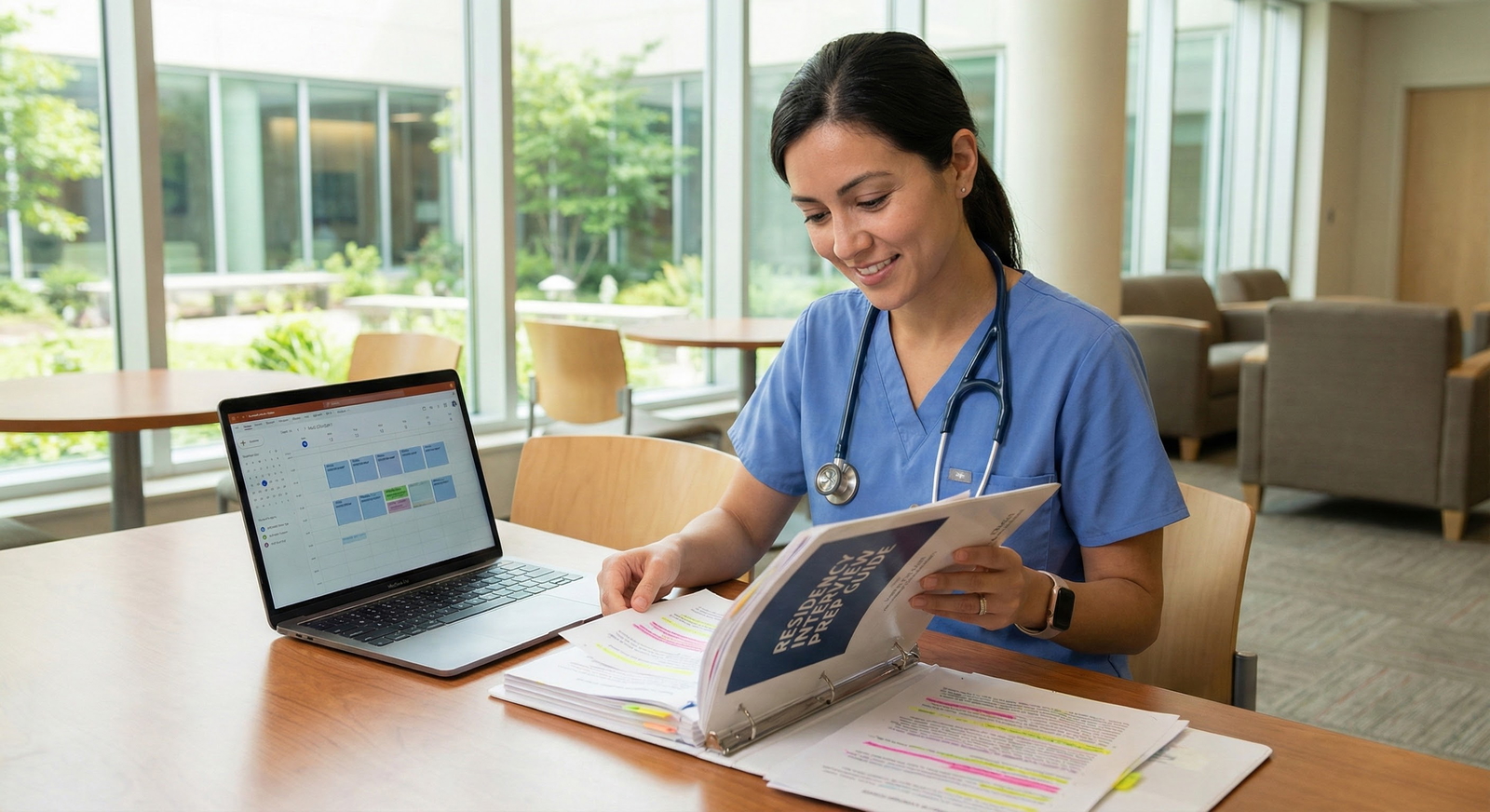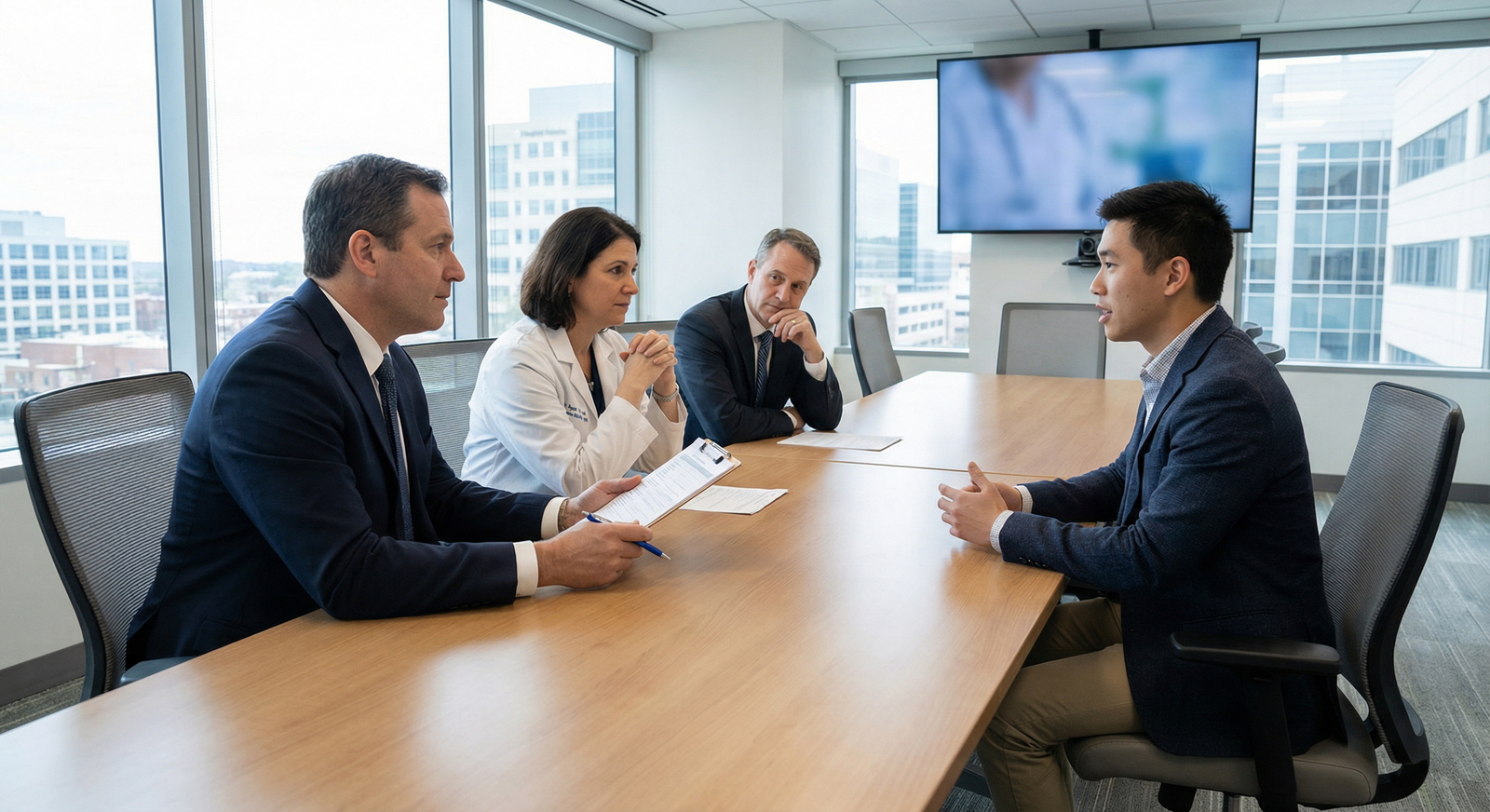
Understanding the Radiation Oncology Residency Interview Landscape
Radiation oncology is a small, highly specialized field. As an MD graduate residency applicant, your pre-interview preparation must be sharper and more targeted than in larger specialties. Programs often have a limited number of interview slots, and each interaction—emails, scheduling calls, interview day behavior—can significantly influence your place on a rank list.
Radiation oncology residency interviews tend to be:
- Highly academic – heavy emphasis on research, critical thinking, and future scholarly potential.
- Personality- and fit-focused – programs are small; your ability to work well in a close-knit team is critical.
- Detail-oriented – nearly every line of your CV and personal statement is fair game for questioning.
For MD graduates from allopathic medical schools, there is an expectation that you understand not only basic oncology principles but also the culture and current challenges in rad onc (e.g., job market concerns, changing technologies, equity in access to radiation therapy).
Pre-interview preparation is your opportunity to:
- Demonstrate maturity, insight, and professionalism.
- Show you understand the specialty’s realities—not just its prestige and technology.
- Differentiate yourself in a competitive allopathic medical school match environment.
The rest of this guide will walk you through how to prepare for interviews step by step, from self-assessment to question practice and logistics.
Step 1: Clarify Your Story and Professional Identity
Before you even think about “how to prepare for interviews,” you need a clear, coherent narrative. Radiation oncology interviewers will look for a logical story of who you are, where you’ve been, and where you’re going.
Build Your Core Narrative
Your narrative should connect:
- Background – education, formative experiences, personal context.
- Clinical interests – why oncology, and why radiation oncology specifically.
- Scholarly work – research, QI projects, leadership aligned with rad onc themes.
- Future goals – academic vs community practice, research focus, teaching aspirations.
A simple framework:
- Origin: “The first time I became seriously interested in oncology was…”
- Development: “I sought out experiences that helped me test and deepen that interest…”
- Commitment: “These experiences confirmed that radiation oncology is the best fit because…”
- Vision: “In the future, I hope to contribute by…”
Write this out in 1–2 pages, then condense it into a few key talking points you can use to answer:
- “Tell me about yourself.”
- “Why radiation oncology?”
- “How did you become interested in our specialty?”
Align Your Story With Radiation Oncology
For a radiation oncology residency, make sure your story clearly reflects:
- Comfort with technology and imaging – describe experiences with physics, radiology, or procedure-based fields.
- Longitudinal patient care – emphasize continuity, psychosocial care, and communication with patients with cancer.
- Multidisciplinary collaboration – tumor boards, working with surgeons, medical oncologists, palliative teams.
- Evidence-based thinking – fluency with critical appraisal, clinical trials, or research methodology.
Example narrative snippet:
“During my third-year internal medicine rotation, I followed a patient with locally advanced head and neck cancer from diagnosis through chemoRT. I found myself increasingly drawn to the radiation oncology team’s role in treatment planning—integrating imaging, physics, and clinical judgment. This led me to pursue a radiation oncology elective, where I saw firsthand the balance of technical precision and long-term relationships with patients. Through my research on hypofractionated regimens for prostate cancer and weekly tumor board participation, I confirmed that I want a career where I can combine longitudinal patient care, complex technology, and clinical investigation.”
Step 2: Master Your Application—Know Every Line
Radiation oncology interviewers often read applications closely and ask deep, probing questions about your work. As an MD graduate, you’re expected to be fully fluent in your own CV.
Prepare for Detailed Research Discussions
If you have any research—even case reports—you must be able to:
- Explain the clinical question or hypothesis in simple language.
- Summarize the study design and rationale for chosen methods.
- Describe your personal role (data collection, analysis, writing, patient recruitment).
- Discuss key findings and their clinical or scientific significance.
- Reflect on limitations and future directions.
Create a 2–3 sentence “elevator pitch” for each research project:
“We conducted a retrospective chart review of 150 patients with early-stage NSCLC treated with SBRT at our institution to evaluate local control and toxicity outcomes. My role was in data extraction and statistical analysis. We found that patients with tumors >3 cm had significantly lower local control at 2 years, suggesting a need to consider dose escalation or novel systemic therapies in this subgroup.”
Then anticipate possible follow-up questions:
- “Why did you choose a retrospective design?”
- “What was the primary endpoint?”
- “How would you design a prospective study to further explore your findings?”
Be Ready to Defend Gaps and Transitions
Interviewers may probe:
- Academic gaps (leave of absence, repeated courses).
- USMLE score concerns (Step failures or low scores).
- Specialty transitions (e.g., you once pursued a different field).
Prepare clear, concise, and honest explanations:
- Take ownership where appropriate.
- Emphasize insight, growth, and concrete steps taken to improve.
- Avoid defensiveness and blame.
Example:
“I needed to take a leave of absence for personal health reasons during my second year. I addressed the underlying issue, worked closely with Student Affairs on a re-entry plan, and returned with a healthier, more sustainable approach to my academic workload. Since then, I have completed all subsequent rotations on time and have consistently strong evaluations.”

Step 3: Build Radiation Oncology–Specific Content Knowledge
You are not expected to be a mini-attending, but as an MD graduate residency applicant you should demonstrate baseline understanding of the field.
Know the Structure of Radiation Oncology Training
Be ready to discuss:
- The typical 4-year clinical residency following an intern year.
- Major areas of training:
- Disease-site–specific clinics (breast, GU, GI, CNS, thoracic, head and neck, pediatric, etc.).
- Treatment planning, contouring, dosimetry review.
- On-call responsibilities (inpatient consults, emergencies like spinal cord compression, SVC syndrome, bleeding).
- Common technologies and modalities:
- Linacs, IMRT/VMAT, SBRT, SRS, brachytherapy.
- Image guidance (CBCT, MRI simulation).
- Basic concept of dose constraints and target volumes.
Understand Current Issues in the Field
Programs may assess whether you’ve thought deeply about the field’s realities:
- Job market fluctuations and concerns about oversupply.
- Reimbursement changes and value-based care.
- Access to radiation therapy in rural/low-resource settings.
- Equity in cancer care (racial, socioeconomic disparities).
- Growth of hypofractionation and its impact on practice patterns.
- Integration of immunotherapy and systemic agents with radiation.
Prepare 2–3 thoughtful points about the rad onc landscape and how they shape your career thinking. For example:
“I’m aware of the concerns about the radiation oncology job market, and I’ve looked closely at workforce reports and ASTRO statements. For me, this underscores the importance of training in a program where I can develop skills in specific niches—like SBRT and clinical trial design—that are likely to remain in demand, and where there is experience with diverse practice settings, including community partners.”
Review Foundational Oncology Knowledge
You may be asked simple clinical questions to gauge your reasoning (especially at more academic programs). Focus on:
- Basic staging and management principles for common tumors:
- Breast, prostate, lung, head and neck, GI (rectal), brain metastases.
- Typical indications for radiation:
- Curative vs palliative intent.
- Pre-op/post-op radiation in certain cancers.
- Simple palliative scenarios:
- Painful bone metastases, spinal cord compression, brain mets.
If you can walk through your clinical reasoning clearly—even if you don’t know every detail—you’ll leave a strong impression.
Step 4: Strategic Program Research and Tailoring
In a competitive allopathic medical school match, generic answers hurt you. Thorough, targeted program research elevates your interview performance.
Create a Program Research Template
For each radiation oncology residency program, gather:
Program structure
- Number of residents per year.
- Rotations by year; brachytherapy and peds exposure.
- Call schedule and support (advanced practice providers, hospitalists).
Clinical strengths
- Recognized expertise in certain disease sites.
- Availability of specialized techniques (e.g., proton therapy, MR-guided RT, LDR/HDR brachytherapy, SRS/SBRT volume).
Research environment
- NIH funding, ongoing clinical trials.
- Presence of dedicated physics, biology, or data science research.
- Resident scholarly expectations and support (statistical help, protected time).
Culture & mentorship
- Resident testimonials (websites, social media, word-of-mouth).
- Diversity and inclusion initiatives.
- Wellness and support resources.
Location & lifestyle
- Cost of living.
- Proximity to family/support system.
- Opportunities for partner/spouse if relevant.
Use this data to craft at least 3–4 program-specific talking points:
- Why this program fits your goals.
- How your interests align with their strengths.
- Specific faculty or research themes that attract you.
For example:
“I’m particularly drawn to your strong CNS and stereotactic program, given my interest in radiosurgery and neuro-oncology. I noticed Dr. X’s work on hippocampal-avoidant whole-brain radiotherapy and would love to be involved in similar trials that focus on preserving neurocognitive function.”
Prepare Tailored Questions for Each Program
Interview questions residency programs love are the ones that show you’ve done your homework. For each site, prepare:
1–2 questions about training structure
- “How do residents gain increasing autonomy in contouring and on-treatment decision-making over the 4 years?”
1–2 questions about mentorship and research
- “For residents interested in clinical trials, what kind of mentorship and infrastructure are available?”
1–2 questions about culture and support
- “Can you tell me about a time the program supported a resident going through a personal or professional challenge?”
Avoid questions easily answered on the website (e.g., “How long is your program?”), as this can signal poor preparation.

Step 5: Systematic Practice of Interview Questions and Communication Skills
Knowing how to prepare for interviews is partly about content, but equally about delivery. Your ability to think aloud clearly, connect with faculty, and convey authenticity is central to the rad onc match process.
Core General Questions to Practice
Common interview questions residency applicants in radiation oncology should rehearse:
- “Tell me about yourself.”
- “Why radiation oncology?”
- “Why our program?”
- “What are your career goals 5–10 years from now?”
- “What is your greatest strength and greatest weakness?”
- “Tell me about a challenging clinical situation and how you handled it.”
- “Describe a time you received critical feedback. What did you do with it?”
- “How do you handle stress or burnout?”
- “Tell me about a time you had a conflict with a team member.”
- “What do you like to do outside of medicine?”
Aim for responses that:
- Are structured (beginning, middle, end).
- Include a specific example or story.
- Demonstrate reflection and growth.
- Remain concise (about 1–2 minutes).
Radiation Oncology–Specific Question Practice
Prepare for questions directly tied to the specialty:
- “What aspects of radiation oncology excite you the most?”
- “Are there any aspects of rad onc that concern you?”
- “How do you view the balance between clinical practice and research in your future career?”
- “Tell me about an interaction with a patient with cancer that impacted you.”
- “What disease site are you most interested in right now, and why?”
- “How do you feel about the current job market in radiation oncology?”
Your answers should show:
- Realistic understanding of the field (not superficial tech fascination).
- Respect for patients facing serious illness.
- Commitment to multidisciplinary care.
- Thoughtful consideration of career sustainability.
Behavioral and Ethical Scenario Preparation
Many programs use behavioral questions to assess professionalism, empathy, and integrity:
- “A patient refuses recommended radiation treatment. How would you approach this?”
- “You notice an attending made a potentially harmful documentation error. What do you do?”
- “You’re overwhelmed with tasks on a busy inpatient service. How do you prioritize?”
Use the STAR framework (Situation, Task, Action, Result) to keep your answers organized. Emphasize:
- Patient safety.
- Honest communication.
- Teamwork and escalation when necessary.
- Reflection and learning.
Mock Interviews and Feedback
To sharpen your performance:
- Schedule mock interviews with faculty, mentors, or career advisors.
- Ask for recorded (video) sessions when possible to review body language, tone, and pacing.
- Request specific feedback:
- “Do my answers sound genuine?”
- “Am I overly rehearsed?”
- “Do I come across as rigid or flexible?”
Aim for a balance between prepared and conversational.
Step 6: Logistics, Professionalism, and Mindset
Pre-interview preparation is not just intellectual—it’s also about presenting yourself reliably and professionally throughout the rad onc match season.
Virtual Interview Set-Up (and In-Person Basics)
Many radiation oncology residency interviews remain virtual or hybrid. Prepare your environment:
- Background: Neutral, uncluttered, professional.
- Lighting: Face a window or soft light; avoid backlighting.
- Camera and audio: Test with your school’s IT or friends; use wired internet if possible.
- Positioning: Camera at eye level; maintain good posture.
For in-person interviews:
- Confirm directions, parking, and arrival time in advance.
- Bring printed copies of your CV, personal statement, and a small notebook.
- Dress in conservative professional attire (suit, closed-toe shoes, minimal jewelry).
Communication Etiquette
Throughout the MD graduate residency recruitment cycle:
- Respond to emails from coordinators and faculty promptly (within 24 hours).
- Be courteous and clear when scheduling or adjusting interview times.
- Address individuals by their proper titles (Dr., Ms., Mr.) unless invited otherwise.
- Avoid over-familiar language or slang.
If issues arise (illness, family emergency, technical problems), notify the program coordinator as early as possible with a concise, respectful explanation and suggested solutions.
Mental and Physical Preparation
High-stakes interviews can be draining. To maintain peak performance:
- Sleep: Prioritize at least 7 hours the night before interviews.
- Nutrition: Avoid heavy, greasy meals right before; stay hydrated.
- Practice brief relaxation techniques:
- 2–3 minutes of deep breathing before logging on or entering the room.
- Brief positive self-affirmations grounded in evidence (“I have prepared thoroughly; I know my story.”).
Plan buffer time between interviews (if doing multiple in a day) to stretch, use the restroom, and reset mentally.
Post-Interview Documentation
Immediately after each interview day:
- Jot down notes:
- Who you met (names, roles, notable interactions).
- Program strengths and concerns.
- How you felt about the culture.
- These notes will be critical later when creating your rank list and, if desired, sending tailored thank-you messages.
Avoid posting about interview experiences on social media in real time; anonymity is easily broken in a small specialty like radiation oncology.
FAQs: Pre-Interview Preparation for Radiation Oncology MD Graduates
1. How early should I start residency interview preparation for radiation oncology?
Begin serious pre-interview preparation 4–6 weeks before your first scheduled interview. This gives you time to:
- Review your entire application in depth.
- Refresh key oncology concepts.
- Conduct mock interviews and refine your answers.
- Research each program as invitations arrive.
If you anticipate many interviews in a short window, starting even earlier—at the time you submit ERAS—is ideal.
2. What kinds of interview questions residency programs in radiation oncology emphasize most?
Most programs blend:
- Traditional questions (tell me about yourself, why rad onc, strengths/weaknesses).
- Behavioral questions (teamwork, conflict resolution, handling stress, ethical dilemmas).
- Application-specific questions (research, leadership roles, gaps, unique experiences).
- Specialty-specific questions (interest in disease sites, views on job market, familiarity with current issues in radiation oncology).
Technical “quiz-style” questions are less common but can appear in more academic centers, usually to assess reasoning rather than raw knowledge.
3. How important is research for a radiation oncology residency interview, and how should I prepare to discuss it?
Research is highly valued in radiation oncology because the field is trial-driven and rapidly evolving. Programs expect MD graduate residency applicants to:
- Have at least some scholarly work (case reports, clinical research, QI, or basic science).
- Understand their research question, design, and findings.
- Reflect on what they learned and how it shapes their future goals.
Preparation involves:
- Creating a 2–3 sentence summary of each project.
- Anticipating methodological and conceptual questions.
- Being honest about your level of involvement.
Even if your work is outside oncology, show how the skills you gained (critical appraisal, data analysis, teamwork) translate to radiation oncology.
4. What if I’m asked about concerns like the rad onc job market or other negative aspects of the specialty?
Programs often explore whether applicants have a realistic understanding of the field. When asked about concerns:
- Acknowledge the issue honestly (e.g., workforce reports, market variability).
- Demonstrate that you’ve researched the topic thoughtfully.
- Emphasize how you’re preparing to navigate it (developing niche expertise, interest in academic/community hybrid practice, flexibility in geography).
- Reaffirm your commitment to the field and what continues to attract you despite these realities.
An answer that is balanced, informed, and solutions-oriented will impress interviewers far more than either dismissiveness or alarmism.
Thorough, intentional pre-interview preparation—knowing your story, mastering your application, understanding radiation oncology, researching programs, and practicing communication—will help you present yourself as the thoughtful, committed MD graduate residency programs are looking for.