Understanding the Neurology Residency Interview Landscape
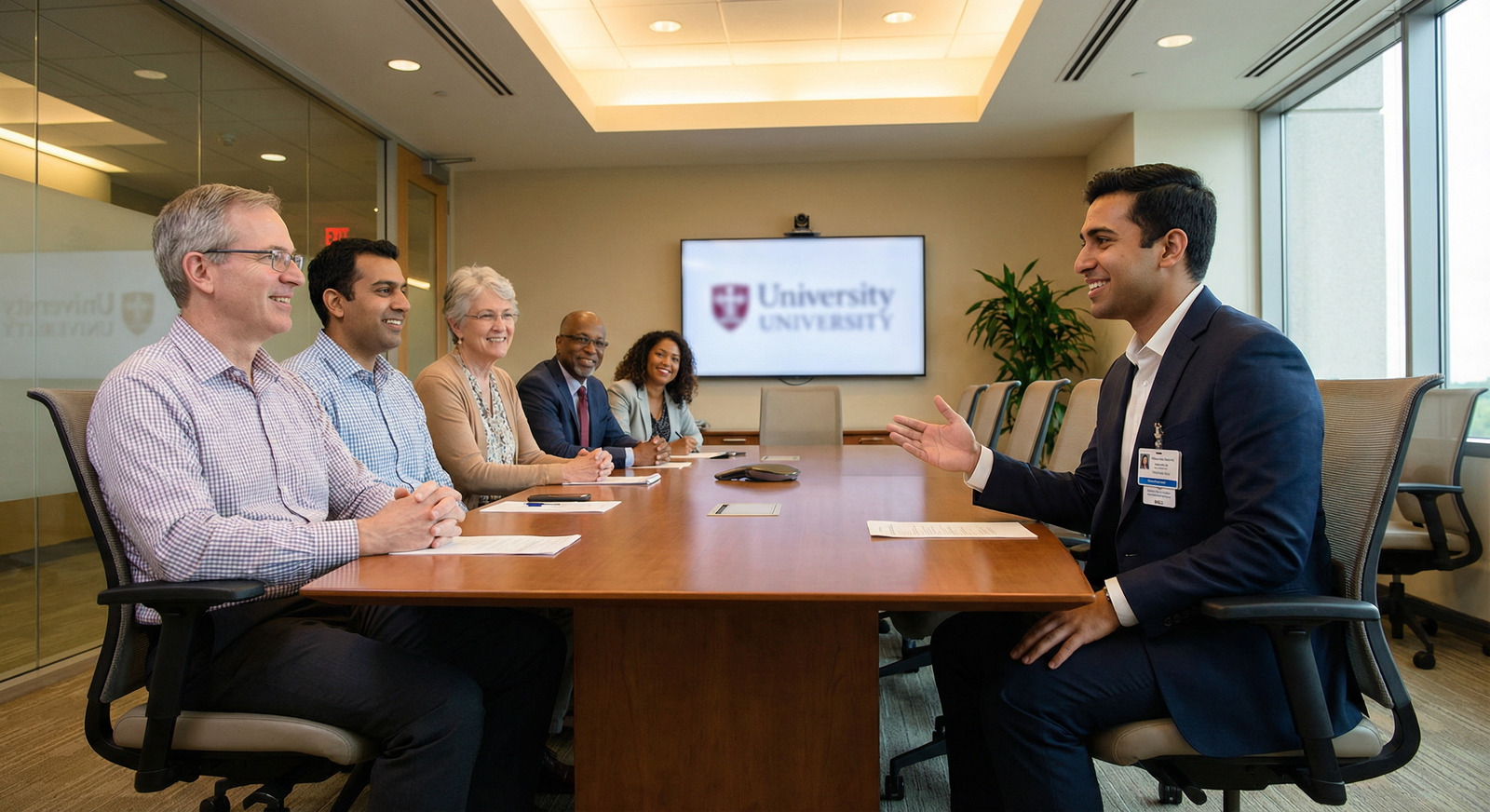
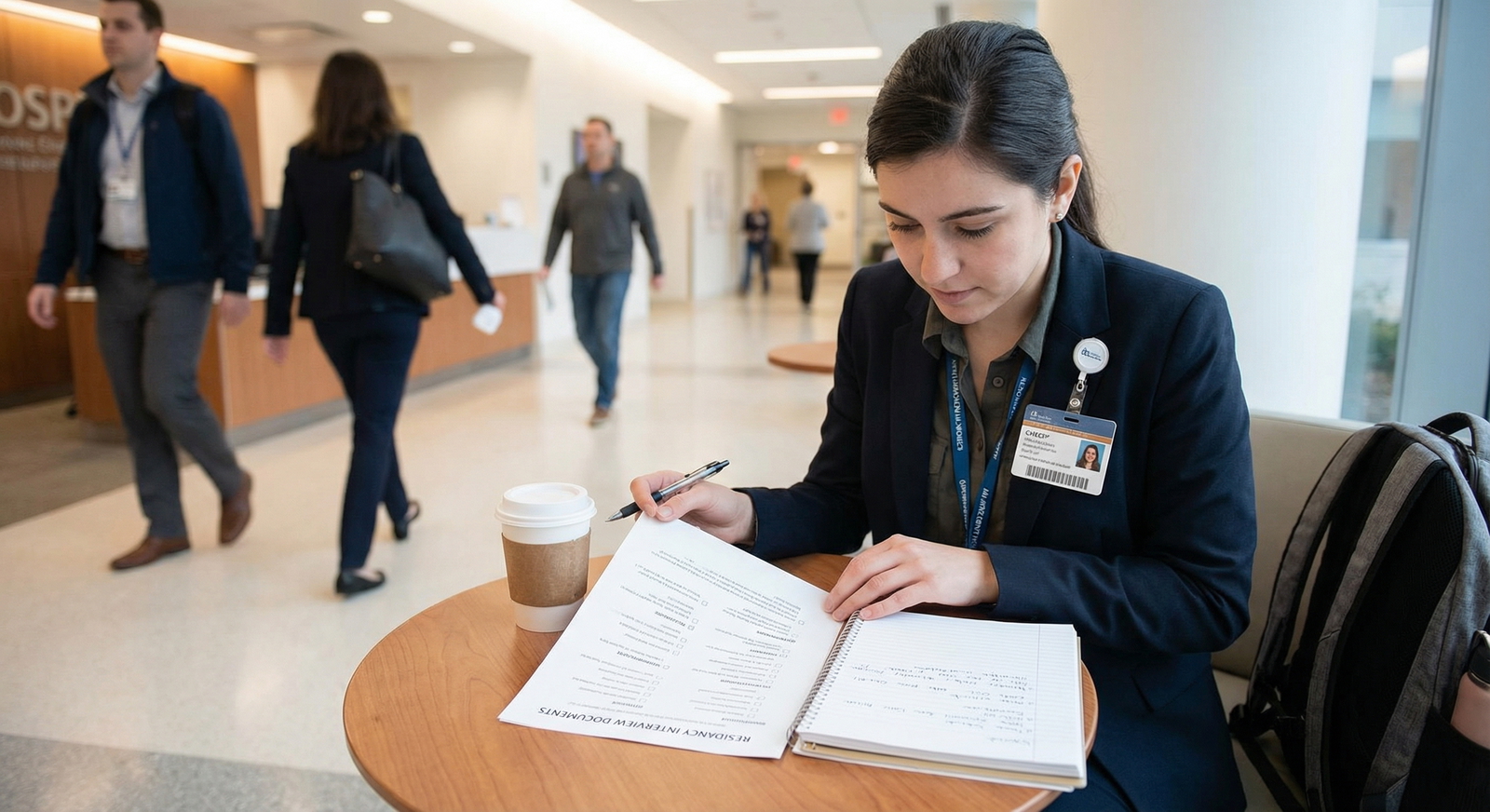
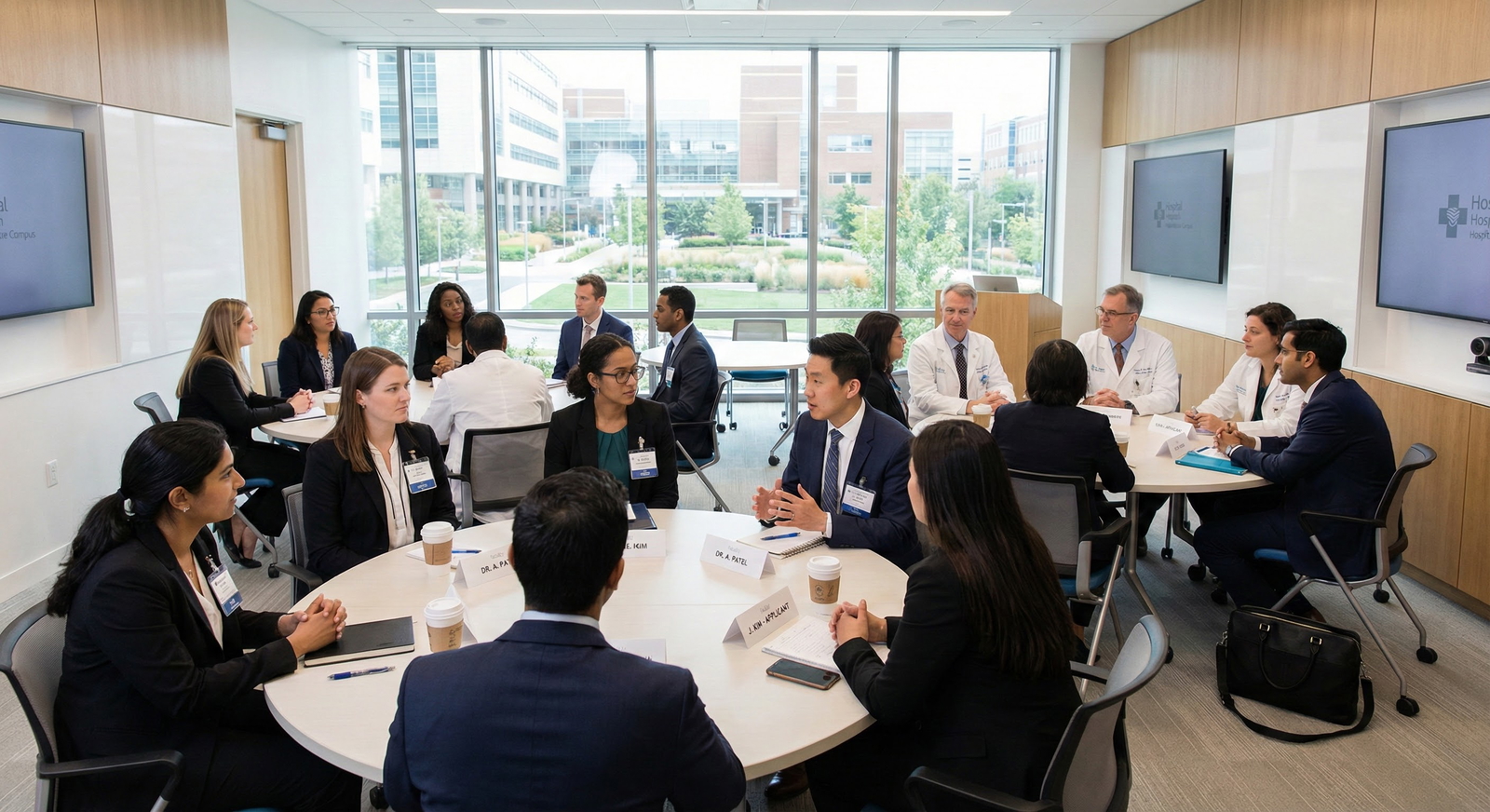
Neurology has become increasingly competitive, and strong residency interview preparation is now just as important as your Step scores and letters of recommendation. Before you ever log into Zoom or walk into the conference room, your pre-interview planning can determine how confidently and clearly you present yourself on interview day.
For neurology specifically, programs are trying to identify:
- Intellectual curiosity about the nervous system
- Clinical maturity and communication skills
- Compassion and professionalism with vulnerable patients
- Stamina and resilience for a demanding call schedule
- Evidence that you understand the realities of neurology (not just fascination with “cool” cases)
Your mission in the pre-interview phase is to translate your application into a compelling, memorable narrative that shows: “I will be a great neurology resident, a great colleague, and I will thrive in your particular program.”
This guide will walk you through how to prepare for interviews in a structured, neurology-specific way—covering logistics, content preparation, practice strategies, and mental readiness for the neuro match process.
Step 1: Clarify Your Neurology Story and Career Direction
Before you can answer interview questions for residency convincingly, you must be clear on your own narrative. This is especially crucial in a neurology residency interview, where faculty expect you to articulate why you chose a cognitive, consult-heavy, often emotionally demanding field.
Define Your “Neurology Why”
Write out answers (for yourself) to these prompts:
- When did you first seriously consider neurology?
- What specific experiences “sealed the deal” for you? (e.g., stroke code, epilepsy monitoring unit, neuromuscular clinic, neuro ICU)
- How has your interest deepened over time?
- Why neurology instead of internal medicine, psychiatry, neurosurgery, or PM&R?
Aim for a short “origin story”:
“My interest in neurology started when I cared for a patient with Guillain–Barré syndrome on my internal medicine rotation. Watching his exam change day by day and seeing how the neurology team reasoned through localization and management showed me how neurology blends complex pathophysiology with very real bedside impact. Since then, I’ve sought every neuro-focused opportunity I could…”
This story should be authentic, specific, and easy to retell with slight adjustments based on the program.
Articulate Your Career Goals (Even if They’re Evolving)
Programs do not expect you to have your whole life mapped out, but they want a rough direction:
- Are you leaning toward an academic career with clinical research?
- Are you drawn to community practice with broad general neurology?
- Do you have a probable subspecialty interest (stroke, epilepsy, movement disorders, neuromuscular, neurocritical care, behavioral neurology, neuroimmunology/MS, headache, neurohospitalist, etc.)?
Prepare a 2–3 sentence “current best guess”:
“Right now, I’m leaning toward an academic career in vascular neurology or neurocritical care. I really enjoy acute decision-making and multidisciplinary teamwork. I could also see myself doing clinical research in optimizing stroke systems of care, but I’m keeping an open mind during residency.”
This kind of answer shows direction without sounding rigid.
Align Your Experiences With Neurology
Review your CV and personal statement with neurology residency in mind:
- Which experiences best show your interest in and readiness for neurology?
- Which three research or clinical projects most strongly support your neuro focus?
- Which patient stories are powerful and meaningful (while preserving confidentiality)?
Highlight experiences such as:
- Neurology sub-internships or away rotations
- Research in stroke, epilepsy, dementia, neuroimmunology, neuroimaging, neurogenetics, etc.
- Quality improvement projects in inpatient neurology or neuro ICU
- Longitudinal clinic experiences with neuro patients (Parkinson’s, MS, epilepsy)
- Leadership or advocacy related to disability, access to neurologic care, or brain health
Be prepared to connect these clearly to why you are a strong candidate for neurology.
Step 2: Master the Content: Common Neurology Residency Interview Questions
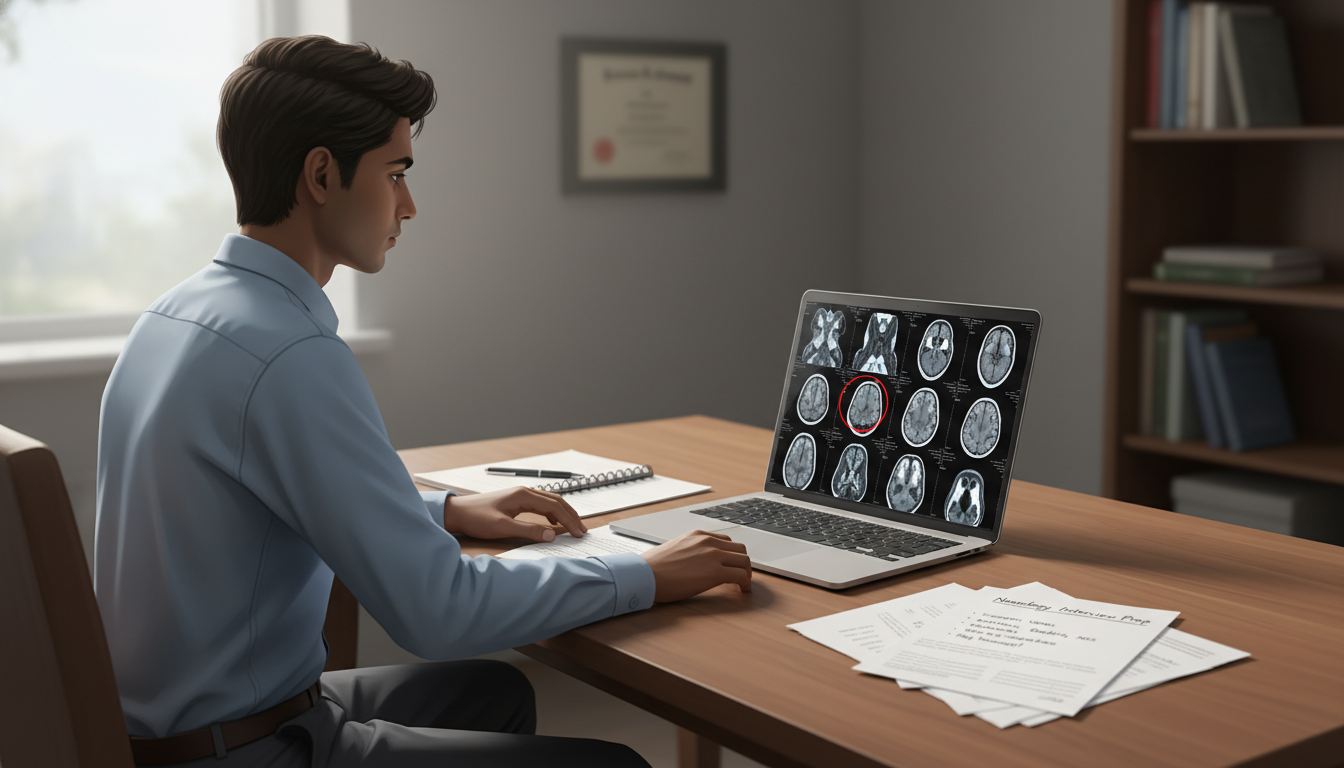
Your residency interview preparation should include creating structured, adaptable answers to the most common questions residency programs ask. Below are high-yield neurology-focused examples and tips.
Core “Tell Me About Yourself” and Motivation Questions
1. “Tell me about yourself.”
Structure your answer:
- 1–2 sentences about your background (where you grew up / school)
- 2–3 sentences about your medical training and neurology interests
- 1–2 sentences about what you’re looking for in a residency
Example:
“I grew up in a small town in [region] and went to [College] before medical school at [Institution]. During medical school, I initially thought I’d go into internal medicine, but early on I was drawn to neurology after seeing how the neuro team approached localization and diagnosis. Since then, I’ve done a sub-internship in neurology, research in stroke outcomes, and longitudinal clinic in MS. I’m now looking for a neurology residency with strong inpatient training, early exposure to subspecialties, and a supportive culture that values teaching.”
2. “Why neurology?”
Go beyond “the brain is fascinating.” Include:
- A specific patient or case story
- What intellectual aspects you enjoy (localization, diagnostic reasoning)
- What emotional/relational aspects appeal to you (long-term relationships, advocacy)
- Why this is sustainable for you as a career
3. “Why our program?”
This is where targeted pre-interview preparation pays off.
Build a 3-part answer:
- Demonstrate research: Reference specific features (neuro ICU, epilepsy monitoring unit, MS center, global neurology initiative, research track, resident-run clinic, etc.)
- Connect to your goals: Show how their strengths align with your interests
- Culture and location fit: Add what you like about the program’s culture or city
Example:
“I’m very drawn to your program’s strong vascular neurology and neurocritical care presence, including the dedicated neuro ICU and the opportunity for early exposure as a PGY-2. I’ve enjoyed my stroke research in medical school and want a residency where I’ll see a high volume of acute neurology. I also appreciate your emphasis on resident education—I’ve heard from current residents that attendings are very approachable—and the chance to serve a diverse patient population in [city].”
Behavioral and Professionalism Questions
Programs increasingly use behavioral questions to assess how you’ll function on a team.
Examples to prepare:
- “Tell me about a time you had a conflict with a team member. How did you handle it?”
- “Describe a challenging interaction with a patient or family.”
- “Tell me about a time you made a mistake.”
- “How do you handle stress or burnout?”
Use the STAR method (Situation, Task, Action, Result):
“On my internal medicine rotation, I had a disagreement with another student about how to present a patient with new neurologic deficits. I felt we were missing important exam details. I asked if we could review the neuro exam together and then discussed our concerns with the resident. We ended up doing a more thorough exam, which revealed pronator drift and subtle facial asymmetry; the team ordered imaging and the patient was found to have a small stroke. This taught me the importance of speaking up respectfully and collaborating to improve patient care.”
Neurology-Specific Questions to Expect
You may get questions like:
- “What subspecialty in neurology currently interests you and why?”
- “How do you feel about the emotional burden of progressive neurologic disease?”
- “Neurology can involve a lot of diagnostic uncertainty. How do you handle uncertainty?”
- “What do you think will be the biggest challenge for you as a neurology resident?”
Prepare thoughtful, realistic answers:
- Acknowledge the emotional complexity (ALS, advanced dementia, severe stroke)
- Highlight communication skills and empathy
- Show respect for interdisciplinary care (PT/OT, speech, psychiatry, palliative care)
- Emphasize lifelong learning given the pace of change in neurology (neuroimmunology, advanced imaging, neurogenetics, novel disease-modifying therapies)
Clinical and Knowledge-Based Questions
Neurology interviews are usually not oral boards, but some programs may ask:
- “How would you approach a patient with new-onset seizures?”
- “Walk me through your approach to acute weakness.”
- “What’s your differential for a patient with acute confusion?”
Focus on frameworks rather than obscure facts:
- Localize the lesion/system (CNS vs PNS, focal vs diffuse)
- Determine acute vs chronic, progressive vs relapsing
- Highlight key red flags (e.g., back pain + weakness + incontinence → cord compression)
- Show that you’d involve seniors/attendings appropriately and use guidelines
It’s wise to briefly review:
- Basic stroke workup and acute management concepts
- General seizure evaluation and status epilepticus basics
- Common inpatient neurology presentations (weakness, headache, confusion, dizziness)
You don’t need board-level detail, but you should sound clinically thoughtful.
Step 3: Program Research and Strategic Rank List Thinking
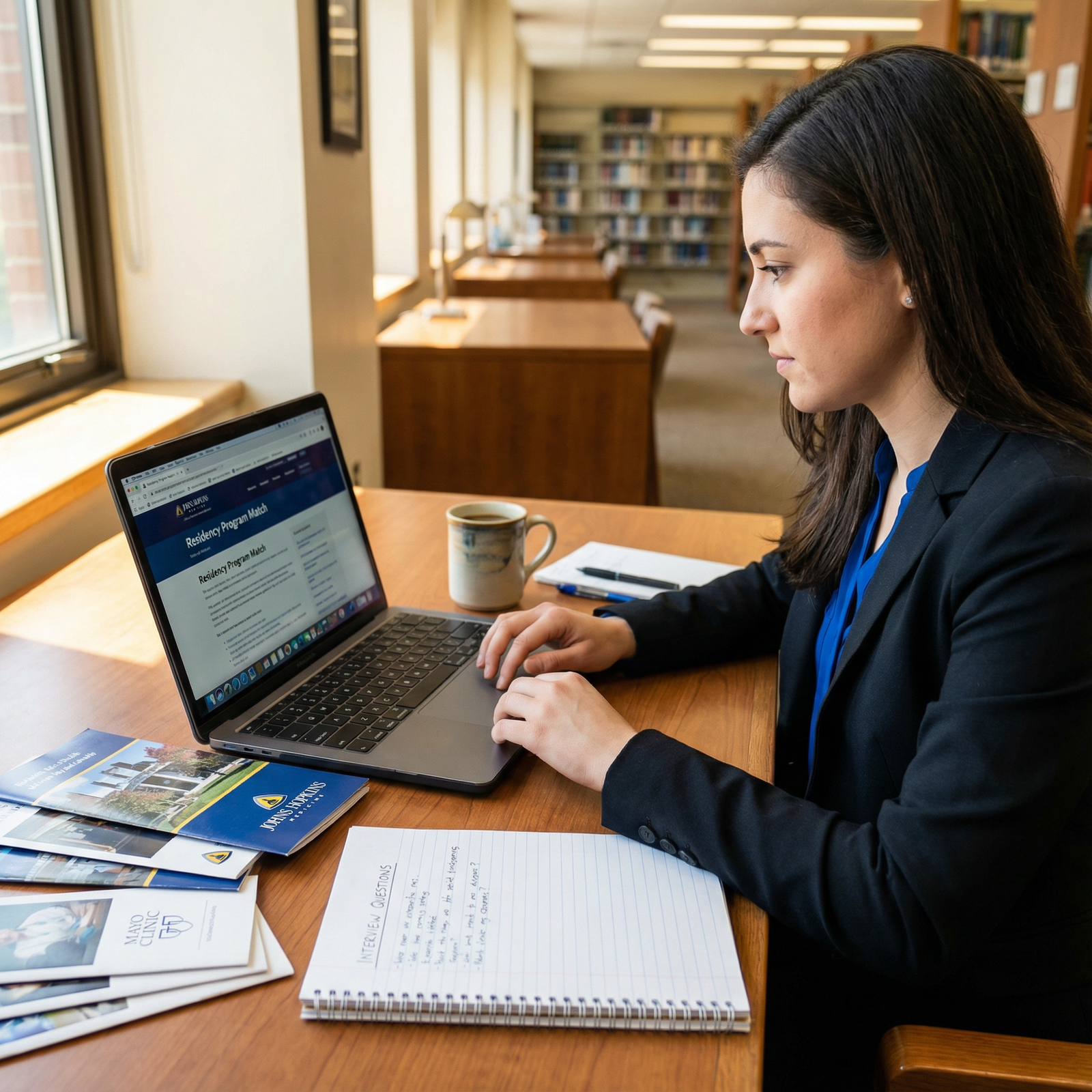
Thorough program research is one of the most high-yield investments in your neurology residency interview preparation. It helps you answer “Why our program?” convincingly and also protects you from ending up somewhere that doesn’t fit your needs.
Build a Structured Research Template
For each program, create a one-page snapshot including:
- Program basics: Size (number of residents/year), hospital types (university, VA, county, private), call structure
- Clinical strengths: Stroke center status, neuro ICU, epilepsy surgery program, MS center, movement disorders, neuromuscular EMG lab, neuroimmunology, headache center, dementia clinic, etc.
- Research opportunities: Ongoing clinical trials, basic/translational labs, stroke/epilepsy/dementia research groups, opportunities for resident projects, research tracks
- Educational features: Didactics structure, boot camps, simulation, continuity clinic design, subspecialty rotations
- Culture and wellness: Resident testimonials, alumni outcomes, mentorship, diversity and inclusion efforts, parental leave policies
- Location and lifestyle: Cost of living, commuting, support systems, partner/family considerations
Use the program’s website, FREIDA, Doximity, and—most importantly—conversations with residents (pre-interview panels, social nights, or pre-existing contacts).
Identify Hooks for Each Program
For every neurology residency you interview at, identify:
- 2–3 specific strengths that genuinely matter to you
- 1–2 faculty or program features you’re excited about (e.g., a neuromuscular division with structured EMG teaching, a strong neurohospitalist pathway, robust outpatient neurology exposure)
- 1–2 questions you want to ask faculty and 1–2 for residents
Examples of tailored questions:
- “How early in training do residents rotate in the neuro ICU, and how is autonomy balanced with supervision?”
- “Can you tell me about typical research projects residents pursue in stroke or epilepsy?”
- “How does your program support residents interested in fellowships versus those planning to go directly into practice?”
Having these ready demonstrates thoughtfulness and genuine interest.
Keep Rank List Considerations in Mind Early
Even though you’ll finalize your rank list later in the neuro match cycle, think ahead:
- Do you want an academic career, community practice, or you’re unsure?
- How important is geographic location (family, spouse/partner job)?
- Are you comfortable with heavy inpatient exposure, or do you want strong outpatient training?
- Is a formal research year or research track a priority for you?
Use your pre-interview prep to start clarifying these values; it will inform both your questions and your eventual ranking decisions.
Step 4: Practical Logistics and Simulation: Turning Prep Into Performance
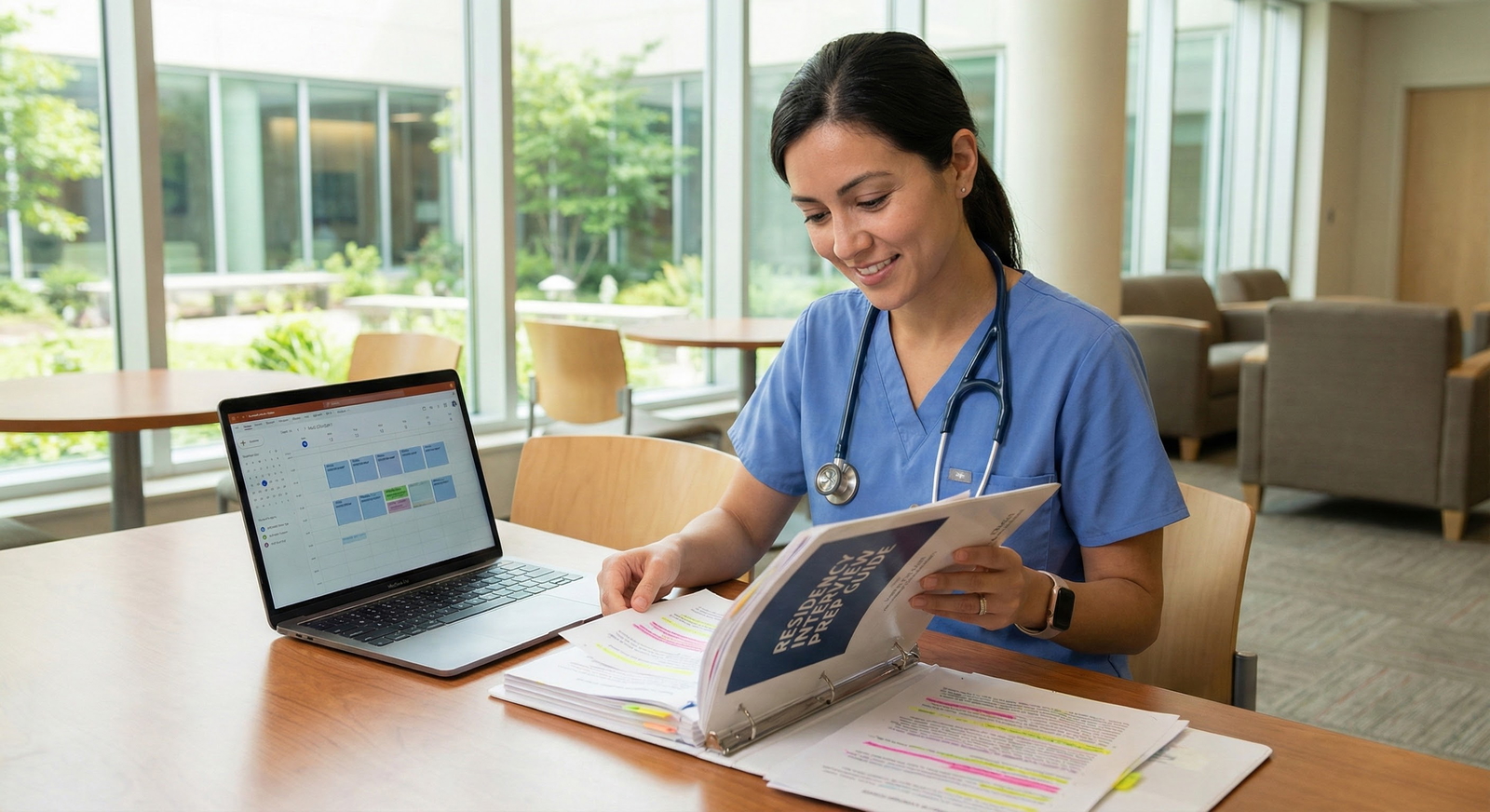
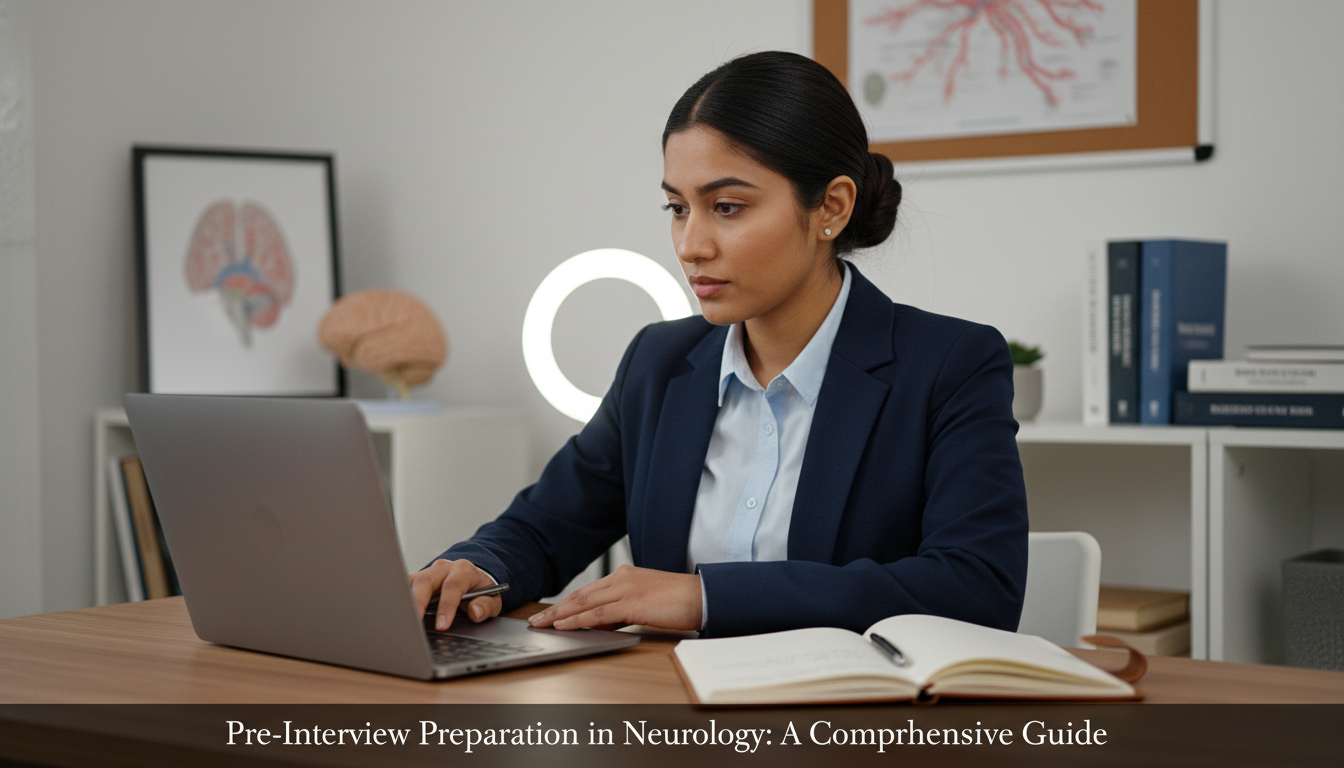
Content mastery alone isn’t enough—you must execute smoothly on interview day. This requires deliberate practice in both spoken communication and logistics.
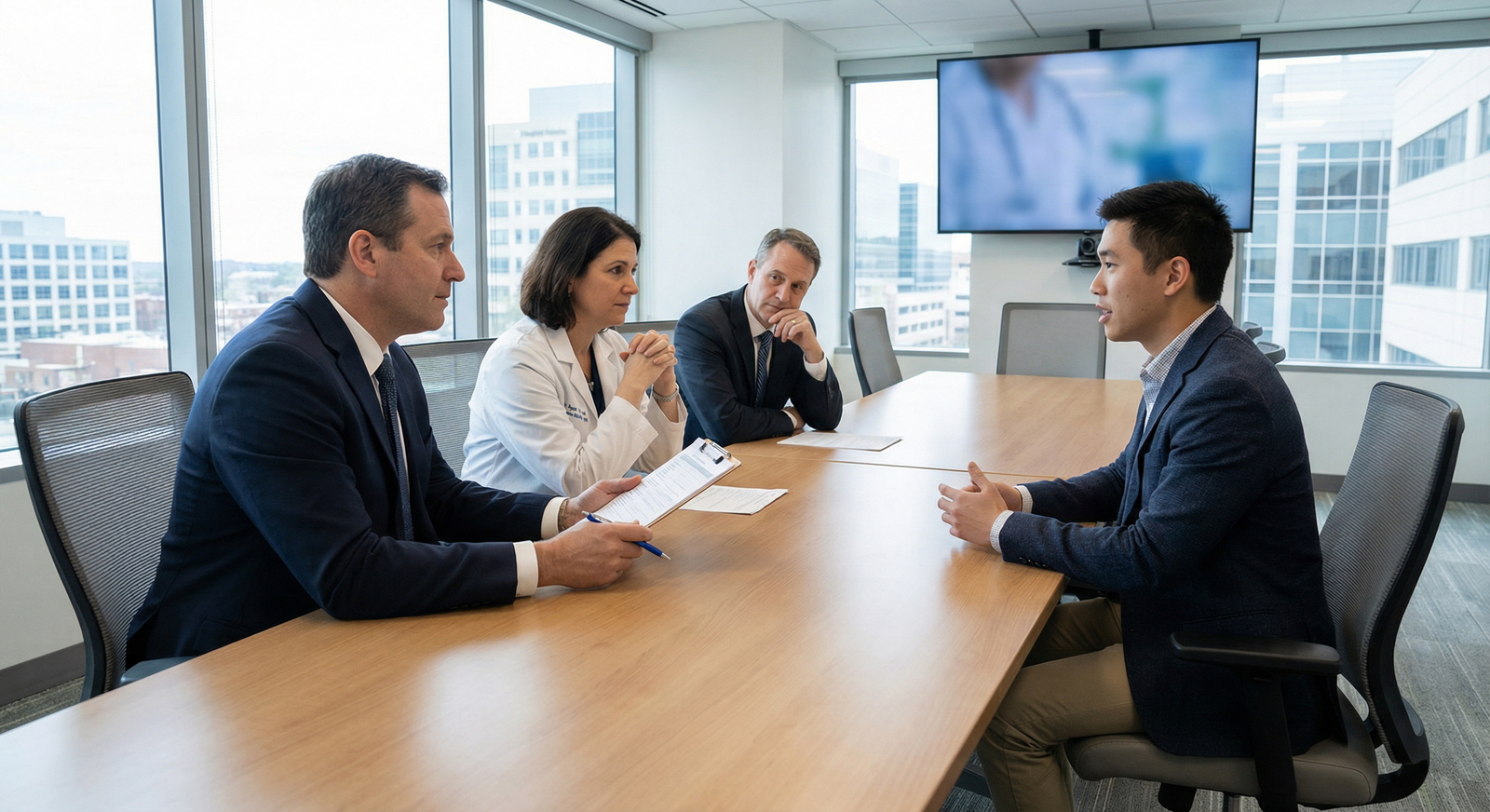
Mock Interviews: Practice With Feedback
At minimum, schedule:
- 1 general mock interview (career services, faculty, or mentor)
- 1 neurology-focused mock interview (with a neurologist, senior resident, or neuro fellow if possible)
Ask for feedback on:
- Clarity and structure of answers
- Use of specific examples (not vague generalities)
- Eye contact and nonverbal communication (for virtual, looking at the camera, not the screen)
- Pace and filler words (“um,” “like,” long pauses)
- Whether you come across as genuinely interested and collegial
Practice out loud, not just in your head. Record at least one session on your phone or computer to observe mannerisms, posture, and tone.
Prepare Your Personal “Interview Toolbox”
Have the following polished and ready:
- A 60–90 second “Tell me about yourself”
- A 60–90 second “Why neurology?”
- A 60–90 second “Why this program?” template that you tweak for each site
- 3–4 patient stories that illustrate your compassion, clinical growth, and neurology interest
- 2–3 research or scholarly projects you can explain at a high level (your role, question, methods, what you learned)
- 3 strengths and 1–2 areas for growth framed constructively, especially as relevant to neurology
- 3–5 questions to ask faculty and residents at every program
Write bullet points—not scripts—for each. Memorized speeches often sound unnatural; instead, know your key points and speak conversationally.
Virtual Interview Setup (If Applicable)
Many neurology programs continue to use virtual formats. Your pre-interview preparation should address:
- Technology: Stable internet, updated Zoom/Teams, functioning camera and microphone
- Environment: Quiet, well-lit, neutral background; avoid visual distractions
- Audio and video test: Do a trial call with a friend to ensure you look and sound clear
- Camera angle: Eye-level, about arm’s length from your face
- Notes: A few discreet bullet points posted near your screen, not a script you read from
Dress as you would for an in-person interview: typically a suit or equivalent professional attire. Neurology is somewhat less formal than some surgical fields, but it’s safer to be slightly overdressed than underdressed.
In-Person Logistics
If your interviews are in person:
- Travel planning: Arrive the night before when possible; avoid tight connections in winter
- Know the hospital layout: Look up parking, entrances, and exact meeting locations
- Bring: A portfolio or folder with a pen, notepad, extra copies of your CV, and a small snack
- Time buffer: Aim to arrive 15–20 minutes early; unexpected delays are common in large medical centers
Neuro faculty notice attention to detail; punctuality and preparation are part of the impression you create.
Step 5: Mindset, Well-Being, and Post-Interview Strategy
Residency interview preparation isn’t purely academic; your mindset affects how you come across. The neuro match season can be long and stressful, so build habits that sustain you.
Managing Anxiety and Imposter Feelings
Many neurology applicants worry that others are “more academic,” “have more publications,” or are “smarter.” Programs know they are not hiring finished neurologists; they are selecting trainees with potential, integrity, and resilience.
Practical strategies:
- Reframe the interview: It’s a two-way conversation, not a cross-examination. You are evaluating them as much as they are evaluating you.
- Normalize uncertainty: It’s fine to say, “I don’t know” to detailed clinical trivia and then outline how you’d approach finding the answer.
- Prepare grounding techniques: Deep breathing, short walks, or stretching between interviews.
- Avoid last-minute cramming: The night before, review key notes briefly, then prioritize sleep.
Remember: in neurology, communication, curiosity, and team fit often weigh more than an extra abstract or publication.
Professionalism and Etiquette
Your conduct before, during, and after interviews sends powerful signals.
Pre-interview:
- Respond promptly and courteously to coordinator emails
- Double-check your name spelling, pronouns (if you choose to share), and contact info
- If you must cancel or reschedule, give as much notice as possible and express appreciation
During interview day:
- Be kind to everyone, including coordinators and residents—you will be surprised how much their feedback matters
- Avoid speaking negatively about other programs, specialties, or individuals
- In group settings (e.g., resident socials), participate but don’t dominate; ask questions of others
Post-interview:
- Take 10–15 minutes the same day to write down your impressions:
- What did you like most? Least?
- How did residents seem—tired, supported, engaged?
- Can you envision yourself there, both in and outside the hospital?
- Consider sending brief, sincere thank-you emails to interviewers and coordinators (if not discouraged by program policy). Mention something specific you appreciated or learned.
Protecting Your Energy Across Multiple Interviews
If you have many interviews:
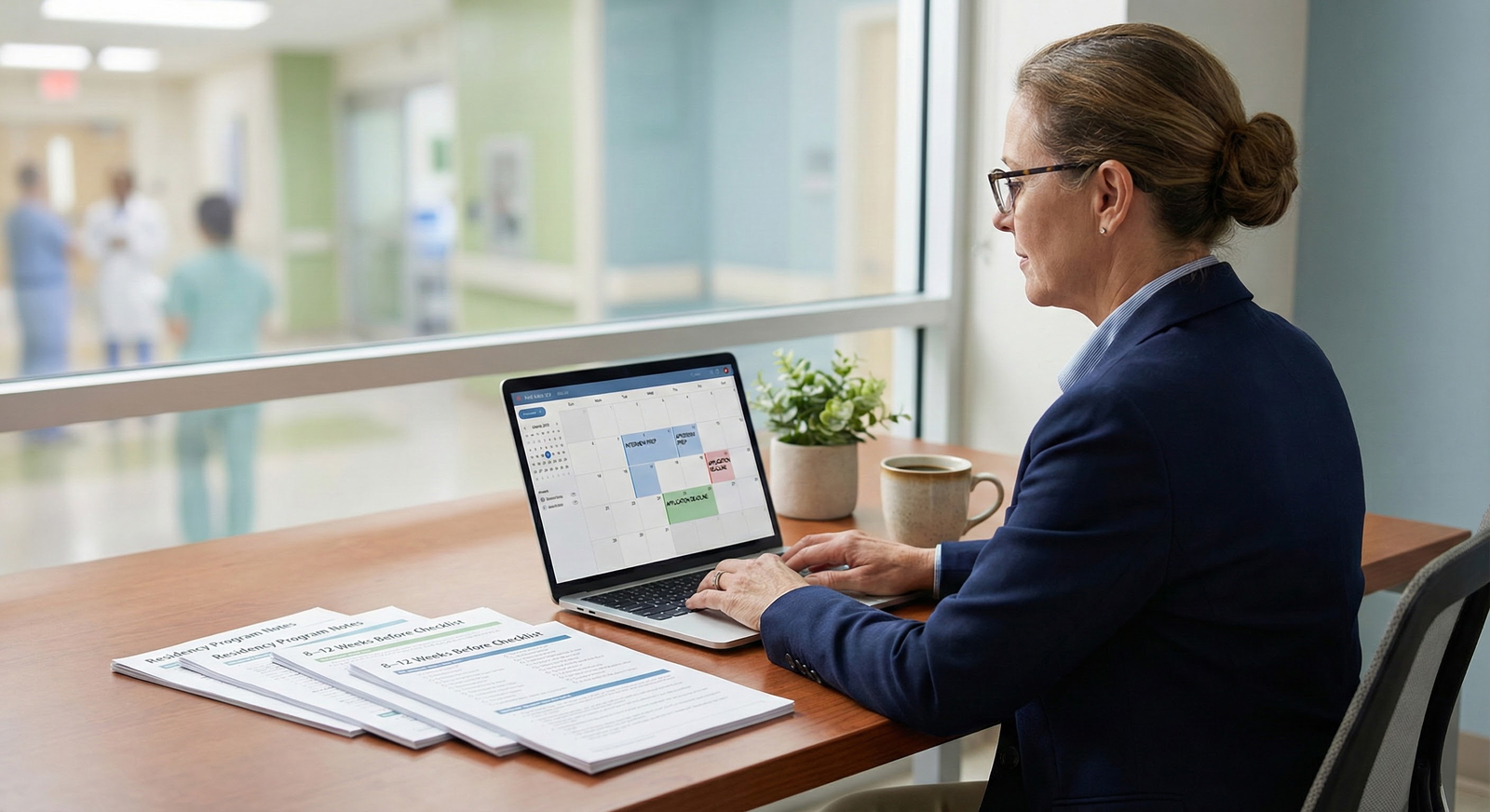
- Batch prep: Group programs by timing and geographic region; review your notes in batches.
- Standardize routines: Same breakfast, same pre-interview checklist, same “warm-up” review.
- Limit comparisons: Avoid obsessive scorekeeping with peers or on forums. Your path is your own.
- Plan downtime: Intentionally schedule rest days or light days without interviews.
Burnout is real, even before residency starts. Showing up as your best self requires deliberate rest, not just more preparation.
FAQs: Neurology Residency Pre-Interview Preparation
1. How early should I start neurology-specific residency interview preparation?
Begin focused preparation as soon as interview invitations start arriving. Practically, this means:
- General self-reflection and narrative-building in late summer/early fall
- Light program research and CV review while applications are pending
- Intensive mock interviews, program-specific research, and question-prep in the 2–3 weeks before your first interview
You’ll refine your answers over time, but having a solid foundation before the first neuro match interview is crucial.
2. Do I need in-depth knowledge of every neurology subspecialty before interviews?
No. You do not need fellowship-level knowledge. You should, however:
- Understand basic concepts in stroke, epilepsy, headache, movement disorders, dementia, and MS
- Be able to structure a reasonable approach to common problems (acute weakness, seizures, confusion, headache)
- Articulate why certain subspecialties interest you, even at a high level
Programs care more about your curiosity and reasoning than your ability to recite obscure facts.
3. How do I answer if I’m truly undecided about subspecialty or career setting?
It’s completely acceptable to be undecided. Frame your answer with:
- Acknowledgement that you’re exploring (“I’m open but currently most drawn to…”)
- A couple of areas you’ve enjoyed so far and why (e.g., stroke, epilepsy, cognitive)
- Qualities of a career you value (continuity vs acuity, procedures vs cognitive, research vs clinical focus)
This shows intentional exploration rather than lack of direction.
4. What if I have a red flag (leave of absence, low Step score, failed exam) on my application? How should I prepare to discuss it?
Prepare a concise, honest, and forward-looking explanation:
- Briefly state what happened without making excuses
- Acknowledge responsibility where appropriate
- Emphasize what you learned and concrete steps you took to improve (study strategies, health management, time management)
- Highlight subsequent successes that show the issue is resolved
Neurology programs care about growth and resilience. A well-handled challenge can actually strengthen your application if you demonstrate insight and maturity.
Pre-interview preparation in neurology is about more than rehearsing answers—it’s about understanding your story, aligning it with programs, and presenting your authentic self with clarity and confidence. By investing in structured reflection, targeted research, and realistic practice, you’ll be ready not just to “get through” your neurology residency interviews, but to use them as real conversations that shape the start of your career in this intellectually rich and deeply human specialty.