Understanding the Neurology Residency Interview Landscape as a US Citizen IMG
For a US citizen IMG (American studying abroad), the neurology residency interview is often the pivotal moment in the neuro match process. Your application got you to the door; the interview decides whether you walk through it. Pre-interview preparation is where you can transform a solid application into a compelling story that programs remember.
As an American studying abroad, you sit in a unique position: programs know you understand US culture and healthcare expectations, but they may still have questions about your medical training, clinical exposure in the US, and long-term commitment to neurology. Effective residency interview preparation allows you to anticipate these concerns and answer them confidently.
Before going into tactics, it helps to understand what neurology programs are assessing during interviews:
- Clinical readiness: Can you handle neurology ward work, consults, and overnight calls?
- Fund of knowledge and reasoning: Not a board exam, but they expect you to think like a neurologist.
- Communication and empathy: Neurology involves complex counseling, chronic diseases, and bad-news conversations.
- Professionalism and reliability: Especially critical for IMGs, as programs want reassurance about adaptability and work ethic.
- Fit with program culture: Will you thrive and contribute positively to their team?
Everything you do in the weeks before your interview should be geared toward demonstrating these traits consistently.
Step 1: Strategic Program Research – Going Beyond the Website
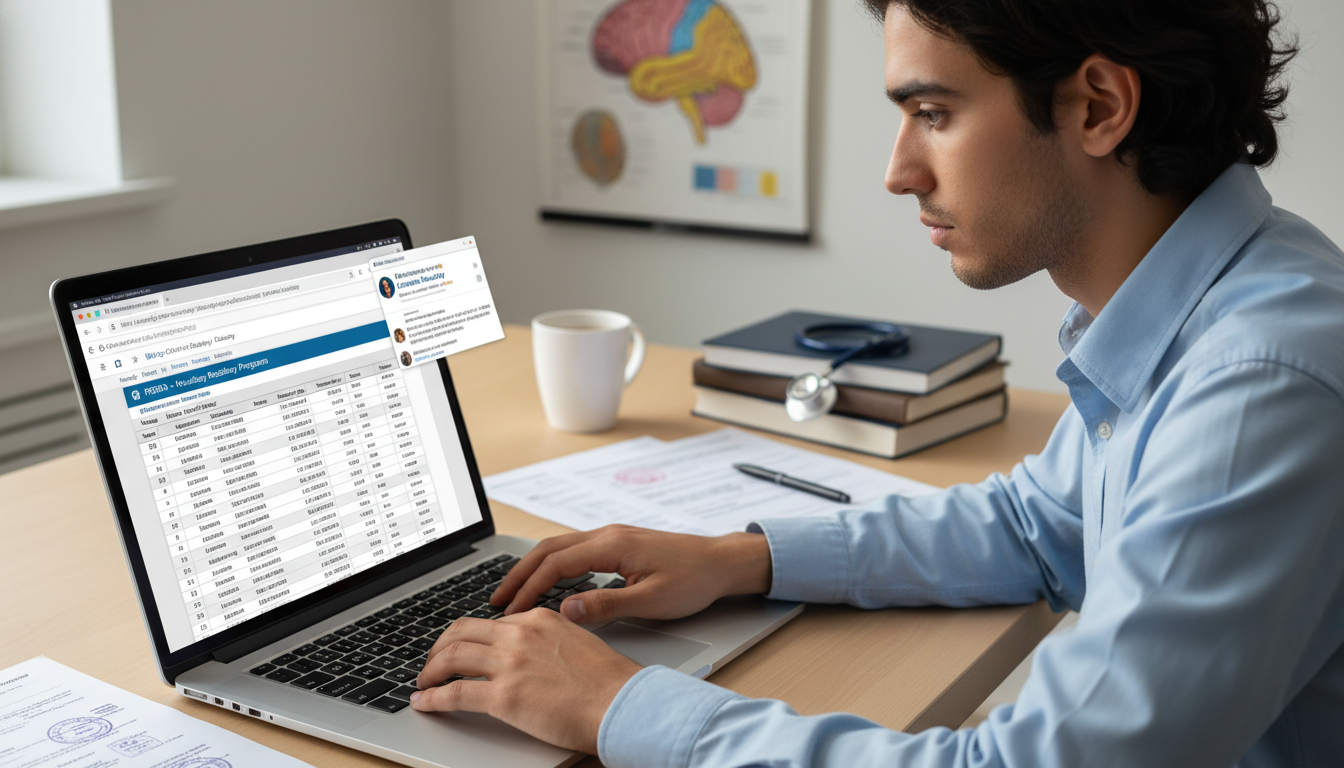
Pre-interview preparation starts with knowing your audience. For a neurology residency interview, “I liked your program because of your diverse patient population and strong teaching” is too generic. You must show that you understand this specific program and why you fit them.
Build a Program Research Template
Create a spreadsheet or notes document for each program with:
- Program basics
- Location (urban/suburban/rural), call structure, size of residency
- Community vs academic center; presence of fellowships (stroke, epilepsy, neuromuscular, neurocritical care, movement disorders, etc.)
- Curriculum and distinctive features
- Dedicated neurocritical care exposure?
- EMG/EEG training – who does the reading? Residents vs fellows
- Research requirements or scholarly activity expectations
- People
- Program Director, Associate PDs, Chief Residents
- Core faculty whose interests align with yours (e.g., behavioral neurology, neuroimmunology)
- Patient population and hospitals
- Primary clinical sites (VA, county, private hospital, academic center)
- Notable patient populations: underserved, immigrant, stroke center, Level I trauma
- Program culture and values
- Emphasis on wellness, diversity, global health, teaching, or research
- Reputation for being “malignant” vs supportive (based on your intel)
- Outcomes
- Board pass rates
- Fellowship match (especially if you’re already eyeing stroke, epilepsy, etc.)
- Alumni practice patterns (academic vs community)
This template helps you tailor your answers and formulate strong questions during the interview.
Use Multiple Information Sources
Official program website
- Look at rotation schedule PDFs, sample block diagrams, didactic schedules.
- Note anything unique you can reference: “neuro boot camp,” simulation lab, continuity clinic model, etc.
FREIDA and AAN resources
- FREIDA: verify program size, visa policies (even as a US citizen IMG, this hints at past IMG receptivity), call schedules.
- American Academy of Neurology (AAN): see if residents present posters or case reports; this shows scholarly expectations.
Social media and resident life
- Program’s Instagram/X/LinkedIn accounts can reveal:
- Resident camaraderie
- Community engagement
- Academic achievements (posters, awards)
- Screen-capture or note specific posts you can mention: “I noticed your residents recently presented at AAN…”
- Program’s Instagram/X/LinkedIn accounts can reveal:
Word-of-mouth
- Talk to:
- Alumni from your medical school who matched into neurology
- US citizen IMGs a year or two ahead of you
- Residents on neurology electives you’ve done in the US
- Ask directly: “How would you describe the culture? What surprised you after you started?”
- Talk to:
Translate Research Into Talking Points
For each program, draft:
- Why this program? (3–4 bullet points)
- One about training structure
- One about patient population or mission
- One about mentorship/research or career alignment
- Why you fit here? (2–3 bullet points)
- Your neurology interests + their strengths
- Your prior experiences (e.g., stroke rotation abroad and a strong stroke program at that institution)
- Personality/values match (e.g., commitment to underserved communities)
This preparation turns a generic answer into something specific, such as:
“I’m particularly drawn to your program because of the early exposure to neurocritical care and the strong stroke service. My final-year elective on a high-volume stroke unit in Ireland confirmed how much I enjoy acute neurology, and your emphasis on resident-run thrombolysis decision-making aligns with the level of responsibility I’m seeking.”
Step 2: Story-Driven Preparation for Common Neurology Interview Questions
Residency interview preparation requires more than memorizing lists of “interview questions residency programs ask.” You need flexible, honest stories that show who you are and what you’ll be like as a neurology resident.
Core Question Categories You Must Be Ready For
Below are high-yield question types and how a US citizen IMG should approach them.
1. “Tell me about yourself” / “Walk me through your CV”
This sets the tone. For an American studying abroad:
- Briefly anchor your background in the US.
- Explain your path to studying medicine abroad.
- Transition naturally into neurology.
Example structure:
- Where you grew up / where you consider “home”
- College/early interest in neuroscience/neurology
- Decision to attend medical school abroad (1–2 sentences, factual and confident, not defensive)
- Neurology-specific experiences that shaped you
- Where you are now and what you’re seeking in residency
Keep it under 2 minutes, conversational, and not over-rehearsed.
2. “Why neurology?” and “Why neurology residency in the US?”
Programs want more than “I find the brain fascinating.”
Strengthen your answer by including:
- A clinical story that made neurology feel meaningful
- A cognitive reason (you enjoy localization, hypothesis-driven thinking)
- A values-based reason (long-term patient relationships, advocacy, multidisciplinary care)
US citizen IMG angle: briefly emphasize your commitment to practicing in the US long-term and your understanding of the healthcare system through shadowing, clerkships, or US clinical experience.
3. “Why this program?” and “What are you looking for in a program?”
Use the research from Step 1. Avoid clichés about “strong teaching and diverse pathology” unless tied to specifics. Show alignment between:
- Your career goals (academic vs community, subspecialty interests)
- Their strengths (e.g., strong EMG lab if you’re interested in neuromuscular)
4. “Tell me about a challenge or failure” (often key for IMGs)
For a US citizen IMG, be ready for:
- Gap years, delayed Step attempts, or exam failures
- Transitioning to a new healthcare system
- Language, cultural, or system differences abroad
Choose one story that shows:
- Insight into what went wrong
- Concrete steps you took to improve
- Evidence of sustained change (not just words)
- Emotional maturity and ownership, not blame
5. “Tell me about a difficult patient or team situation”
Neurology frequently involves complex social and ethical challenges (capacity, prognosis, end-of-life care). Show:
- How you communicate clearly and empathetically
- How you work within a team (neurology, neurosurgery, ICU, psychiatry)
- How you handle conflict or uncertainty
6. Questions about being a US citizen IMG
These may be explicit or implied:
- “How has training abroad prepared you for residency in the US?”
- “What challenges do you anticipate transitioning to our system?”
Prepare a confident, non-defensive narrative:
- Your international education gave you adaptability, resilience, and exposure to diverse pathologies.
- You have already bridged the gap with US clinical experiences, observerships, electives, research, etc.
- You are committed to practicing in the US; your citizenship simplifies logistics and shows long-term planning.
Use a Structured Framework for Answers (STAR or CAR)
To keep your answers tight and coherent, use:
- Situation – Brief context
- Task – Your role or responsibility
- Action – What you did (focus here)
- Result – Outcome and what you learned
Example, for a difficult patient interaction:
- Situation: “On my neurology rotation abroad, I followed a middle-aged patient with new-onset epilepsy who was refusing medication due to stigma.”
- Task: “As the student who had built rapport, I was asked to explore his concerns further.”
- Action: “I sat with him, explored his understanding of epilepsy, involved his family, and used simple analogies to explain seizure risks.”
- Result: “He agreed to start treatment, and his seizures decreased significantly. I learned the value of patient-centered communication and how misconceptions can directly affect outcomes.”
Practice transforming your experiences into 60–90 second STAR/CAR stories.
Step 3: Neurology-Specific Preparation – Showing You Think Like a Neurologist
Neurology interviews sometimes include light clinical or reasoning questions, especially at academic centers. They’re not testing you like a formal viva; they want to see how you think.
Review High-Yield Neurology Fundamentals
Before interviews, refresh:
- Neurologic localization
- “Where is the lesion?” style reasoning
- Cortical vs subcortical vs brainstem vs spinal cord vs peripheral
- Common inpatient neurology topics
- Stroke (ischemic vs hemorrhagic, acute management principles)
- Status epilepticus basics
- Common neuromuscular emergencies (e.g., myasthenic crisis, Guillain-Barré red flags)
- Outpatient neurology basics
- Headache red flags
- Initial workup of neuropathy
- Dementia vs delirium vs depression
You don’t need board-level detail, but you should be able to:
- Explain why neurology appeals to you intellectually, with concrete examples.
- Discuss a neurologic case you handled or observed and what you learned.
Be Ready to Discuss a “Favorite Case”
Programs often ask:
- “Tell me about a memorable neurology patient.”
- “What’s a case that solidified your interest in neurology?”
Choose a case that:
- Represents a common neurology issue (stroke, epilepsy, MS, movement disorder, neuromuscular disease)
- Shows your reasoning and empathy, not just a rare diagnosis
- Includes what you did, what you learned, and how it influenced your career goals
Example focus points:
- How you performed or observed a focused neuro exam and what it revealed
- How you explained the diagnosis to the patient/family
- How you coordinated care with other services (PT, OT, psychiatry, rehab)
Step 4: Logistics, Professionalism, and Presentation
Strong content will not compensate for poor logistics or unprofessional behavior. As a US citizen IMG trying to stand out in neurology, your organization and reliability must be impeccable.
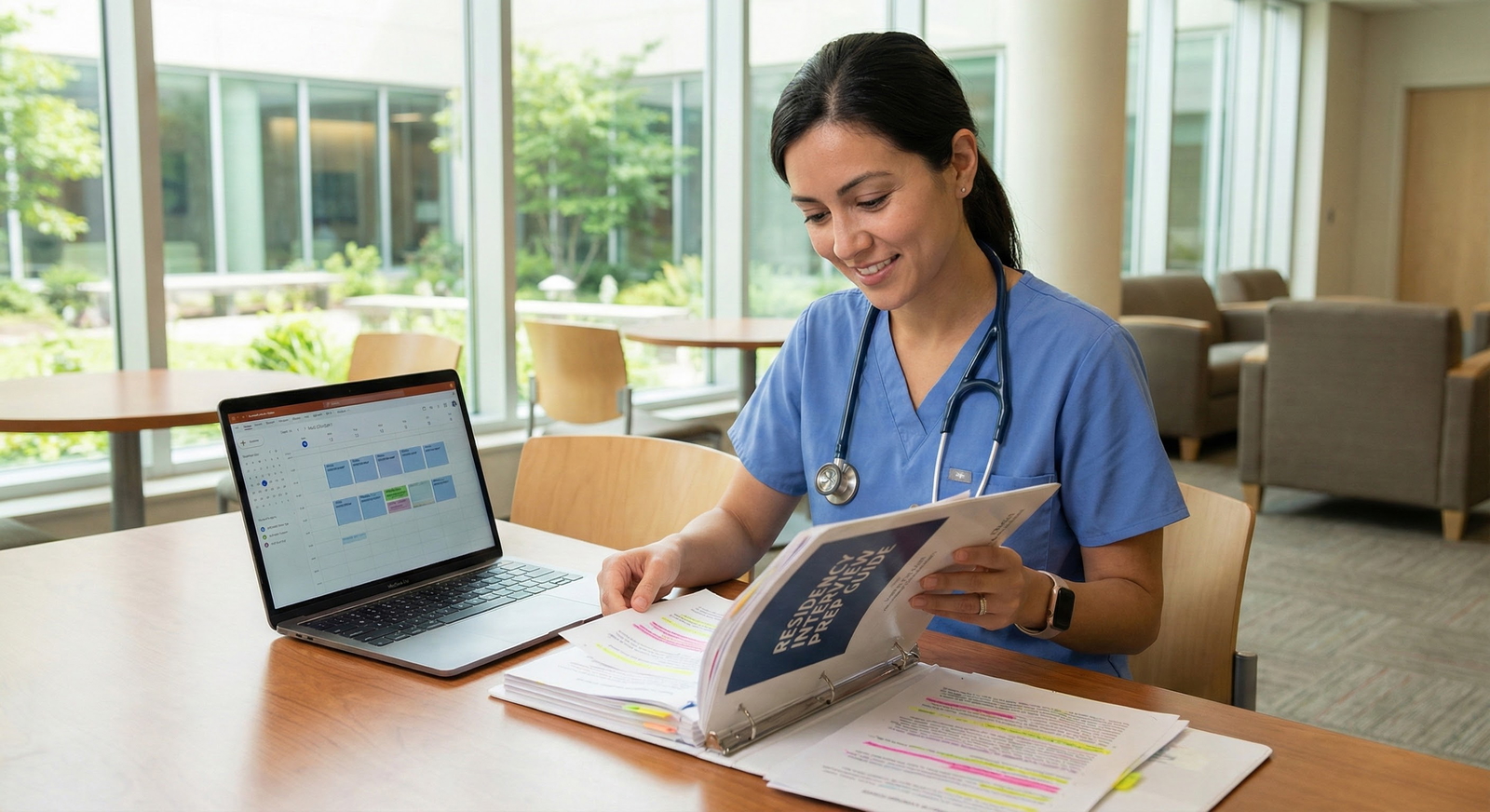
Organize Your Interview Calendar
- Create a master calendar with:
- Dates and times (convert all to your own time zone if needed)
- Platform (Zoom, Thalamus, Webex, proprietary system)
- Interview structure (number of interviewers, breakout rooms, socials)
- Build time buffers:
- Avoid back-to-back interviews on the same day if possible.
- If you’re abroad or traveling, allow extra time for connectivity issues.
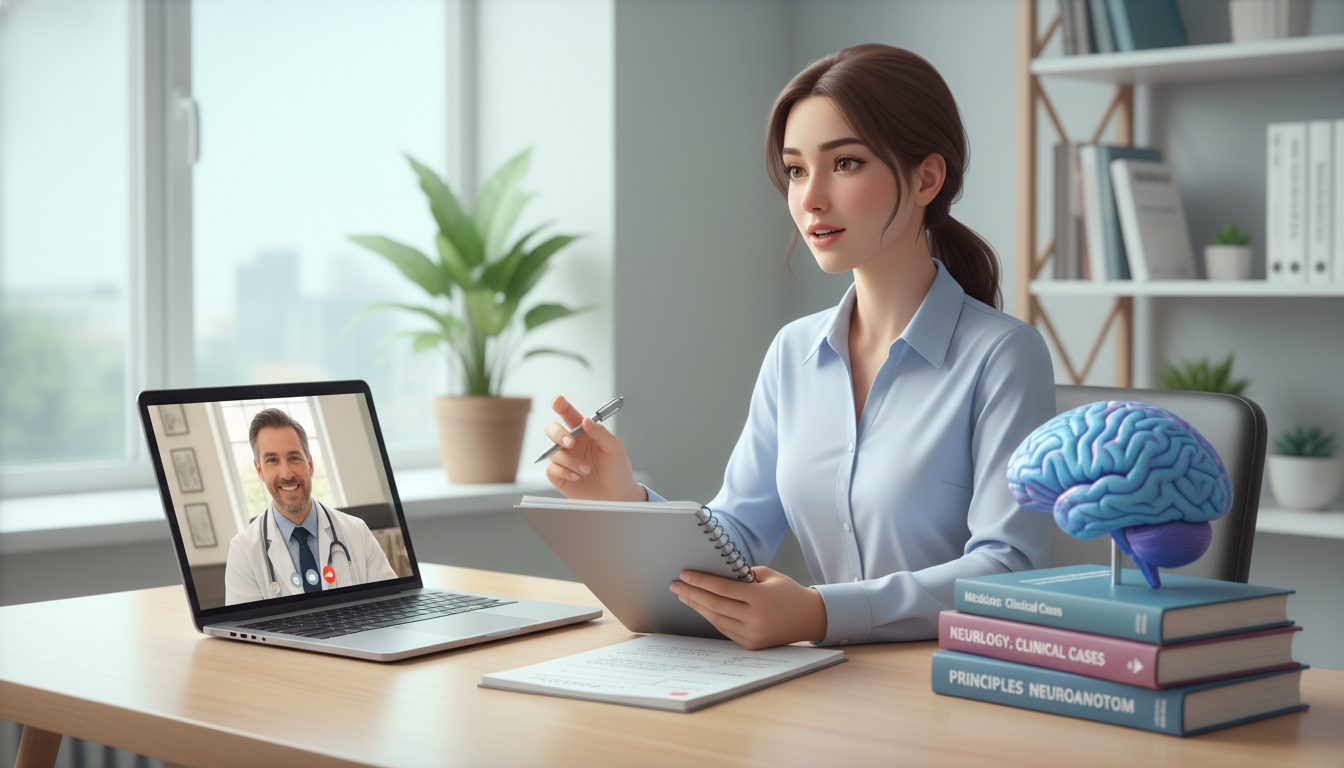
Test Your Technology (For Virtual Interviews)
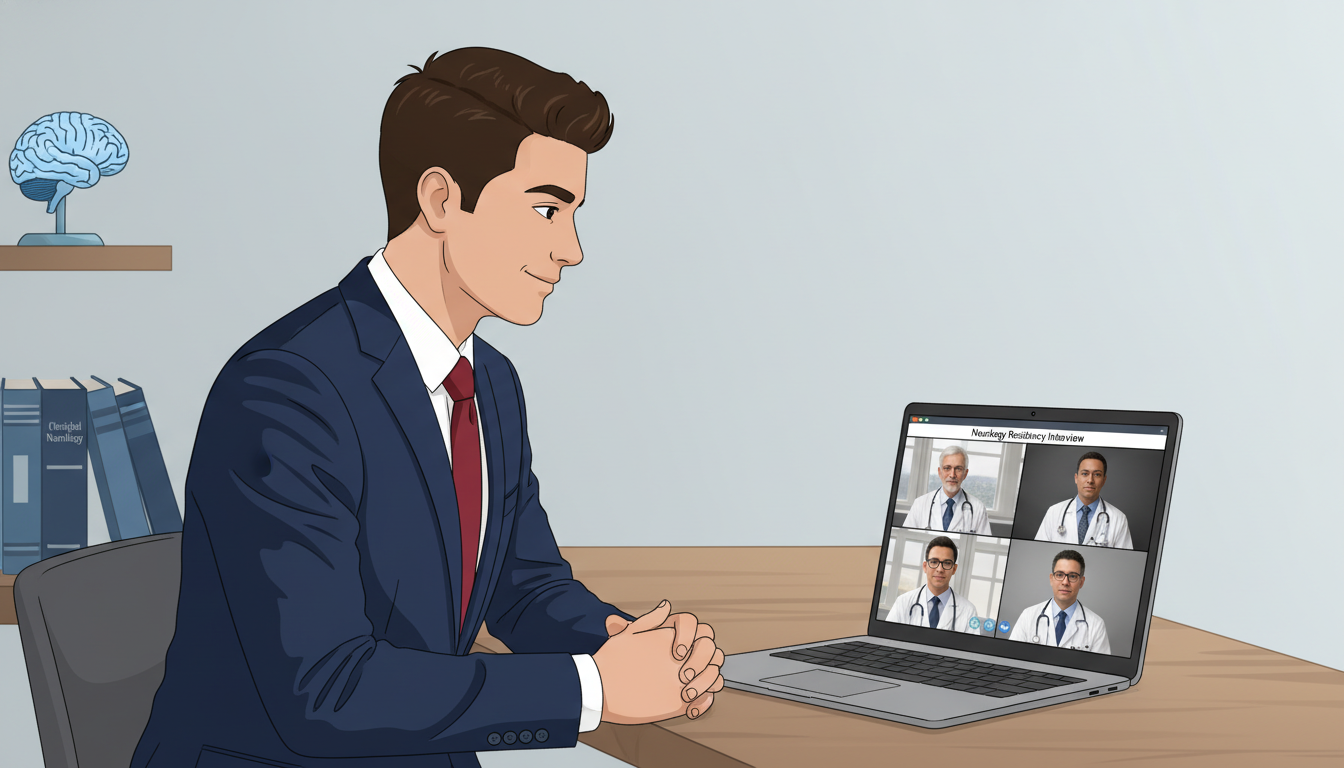
For virtual neurology interviews (still common in many programs):
- Internet: Use wired Ethernet if possible; if not, sit very close to your router.
- Video: Position the camera at eye level; avoid backlighting; test with a friend.
- Audio: Use a dedicated microphone or wired earbuds; test for echo and background noise.
- Background: Neutral, tidy, professional. Bookshelf, plain wall, or desk setting is best.
- Platform familiarity: Test screen sharing, mute/unmute, and breakout room navigation if possible.
Do a full mock interview in your exact setup to simulate the real thing.
Professional Attire and Body Language
- Attire:
- Business formal: suit jacket, dress shirt/blouse; tie optional but often preferred for men.
- Avoid busy patterns; go for solid or subtle designs.
- Body language:
- Sit upright but relaxed.
- Maintain eye contact by looking at the camera, not just the screen.
- Nod and use appropriate facial expressions to show engagement.
- Avoid fidgeting, desk clutter, or distracting gestures.
As an IMG, subtle things like punctuality, appearance, and clear communication strongly influence impressions of reliability and professionalism.
Step 5: Mock Interviews, Feedback, and Refinement
Knowing how to prepare for interviews conceptually is not enough; you must practice out loud.
Set Up Multiple Mock Interviews
Aim for at least:
- 1 mock with someone familiar with US residency interviews (advisor, mentor, or recent resident)
- 1 mock with peer IMGs to simulate back-to-back interviews
- 1 self-recorded session (video) to review your own performance
Ask your mock interviewer to focus on:
- Clarity and structure of answers
- Whether your stories are compelling and memorable
- How effectively you handle questions about being a US citizen IMG
- Non-verbal communication, filler words, and pacing
Refine Answers Without Memorizing Scripts
Write bullet-point skeletons, not full essays, for:
- “Tell me about yourself”
- “Why neurology?”
- “Why this program?”
- Challenge/failure story
- Memorable neurology case
Practice answering from the bullet points so you sound natural and flexible. Over-rehearsed answers can feel robotic and inauthentic.
Prepare for Behavioral and Ethical Questions
Neurology often interfaces with complex ethical issues:
- Capacity and decision-making
- Driving restrictions after seizures
- End-of-life decisions in severe stroke or neurodegenerative diseases
Practice articulating your approach:
- Gathering and clarifying information
- Respecting autonomy while advocating for patient safety
- Involving family, consultants, ethics teams as needed
- Recognizing your limits as a trainee and escalating appropriately
Step 6: Pre-Interview Day Routine and Mental Preparation
By the week of your neurology residency interview, your focus should shift from adding new content to optimizing performance and mental readiness.
Day-Before Checklist
- Re-review:
- Program notes (your bullets for “Why this program?”)
- Your own application (personal statement, research abstracts, CV)
- Top 10 residency interview questions you’re likely to be asked
- Print or save:
- Interview schedule
- Names and roles of faculty interviewers, if provided
- Prepare questions for interviewers:
- At least 2–3 for faculty and 2–3 for residents
- Program-specific, not generic. For example:
- “How do residents get involved in stroke research here?”
- “Can you describe how neurology residents are integrated into the ICU team?”
- Pack or set up:
- Notepad and pen
- Water
- Backup devices (charged laptop, tablet, or phone), charger, and headphones
Mental and Physical Preparation
- Sleep: Prioritize 7–8 hours the night before.
- Nutrition: Light, balanced meals; avoid heavy, greasy foods right before.
- Caffeine: Don’t significantly exceed your usual consumption to avoid jitters.
- Short rehearsal: Run through your “tell me about yourself” and “why neurology” once or twice, then stop. Over-practicing on the day can increase anxiety.
Pre-Interview Warm-Up
30–60 minutes before:
- Log in early and test your connection again.
- Do a 5–10 minute warm-up:
- Speak out loud to loosen up your voice.
- Simple breathing exercises to reduce anxiety (4-7-8 breathing, for example).
- Review:
- Interviewer names and roles.
- One or two program-specific facts you might reference naturally.
Step 7: Post-Interview Reflection and Follow-Up
The interview doesn’t end when the video call closes; your post-interview strategy matters, especially in the neuro match process.
Immediate Reflection
Right after each interview:
- Write down:
- Names of interviewers and one memorable detail from each conversation.
- Your overall impression of the program culture.
- Pros and cons.
- Anything you wish you had answered differently.
- Note your gut feeling about fit and resident happiness.
This reflection will be invaluable when you write your rank list and when programs start blending together later in the season.
Thank-You Emails (If Appropriate)
Different programs and PDs have different preferences regarding post-interview communication. In general:
- Safe to send:
- Brief, sincere thank-you emails to your main interviewers or PD.
- 3–5 sentences:
- Express gratitude.
- Reference a specific part of the conversation.
- Reiterate genuine interest (without making premature commitments).
- Avoid:
- Multiple follow-up emails if no response.
- Overly effusive, generic, or flattering language.
- Any implication of ranking promises.
Example:
Dear Dr. Smith,
Thank you for taking the time to speak with me during my neurology residency interview yesterday. I especially enjoyed our discussion about resident involvement in acute stroke codes and the opportunity to participate in quality improvement projects related to door-to-needle times. Our conversation reinforced my strong interest in your program’s comprehensive training in vascular neurology and its supportive learning environment.
Sincerely,
[Your Name]
Special Considerations for US Citizen IMGs in Neurology
As a US citizen IMG, there are several additional aspects you should consciously address in your pre-interview preparation.
Own Your Educational Path
Programs may wonder:
- Why did you choose to study medicine abroad?
- How comparable is your training?
- How much US clinical exposure do you have?
Prepare a short, confident explanation that:
- Frames your decision as thoughtful and purposeful.
- Highlights strengths of your international experience (diverse pathology, resource-limited settings, adaptability).
- Links your international background to skills valuable in US neurology: communication with diverse patients, resilience, system flexibility.
Avoid sounding apologetic or defensive. You are not “less than”; you are “different and prepared.”
Highlight US-Relevant Experiences
Make it easy for programs to imagine you functioning in their system by emphasizing:
- US clinical electives, sub-internships, or observerships (especially in neurology or medicine).
- US-based research, quality improvement projects, or case reports.
- Familiarity with common EMR systems, US-style documentation, and multidisciplinary team structures.
When interviewed, frame examples from both your international and US experiences to demonstrate that you can bridge both worlds.
Anticipate Visa and Logistics Questions – Even as a US Citizen
You won’t need visa sponsorship, which is a major advantage. Subtly reinforce this by:
- Mentioning your long-term plan to practice in the US.
- Alluding to your knowledge of residency pathways and fellowship training here.
You rarely need to highlight your citizenship directly, but program coordinators and PDs will appreciate your relative simplicity from an administrative standpoint.
FAQs: Pre-Interview Preparation for US Citizen IMG in Neurology
1. As a US citizen IMG, will my neurology residency interviews focus heavily on why I studied abroad?
Usually, yes, it will come up at least once. Programs are curious, not hostile. Prepare a concise, positive explanation (2–3 sentences) that shows your path was intentional and that your training is solid. Then pivot to what you’ve done to align yourself with US neurology—US rotations, research, and clear commitment to practicing in the US.
2. How clinical will my neurology residency interviews be? Will I be quizzed like an exam?
Most neurology programs focus on getting to know you rather than formal oral exams. Some may ask you to discuss a case or describe how you think about common problems (e.g., stroke, seizures, headache). Review high-yield neurology principles and be ready to walk through your reasoning, but don’t expect a Step-style grilling. They care more about your thought process and teachability than obscure details.
3. What are the most important interview questions residency programs will ask that I should practice as an IMG?
For neurology, prioritize:
- “Tell me about yourself.”
- “Why neurology?”
- “Why did you choose to study medicine abroad?”
- “How has your international training prepared you for residency in the US?”
- “Tell me about a challenge or failure and how you handled it.”
- “Describe a memorable neurology patient or case.”
- “Why this program?” (customized for each program)
Strong, story-based answers to these will cover a large portion of what most programs are truly trying to learn about you.
4. How can I show programs that I’m a strong fit for their neurology residency as an American studying abroad?
Demonstrate fit by aligning three things:
- Your story – Clear, genuine reasons for choosing neurology and training in the US.
- Your preparation – US clinical experiences, neurology exposure, research or scholarly work, and familiarity with US systems.
- Your program knowledge – Specific, well-researched reasons you’re excited about each program’s curriculum, patient population, and culture.
During interviews, show curiosity, ask thoughtful program-specific questions, and communicate clearly and professionally. Together, this combination signals that you’re not just a US citizen IMG; you’re a future neurologist who has intentionally prepared for their training environment.