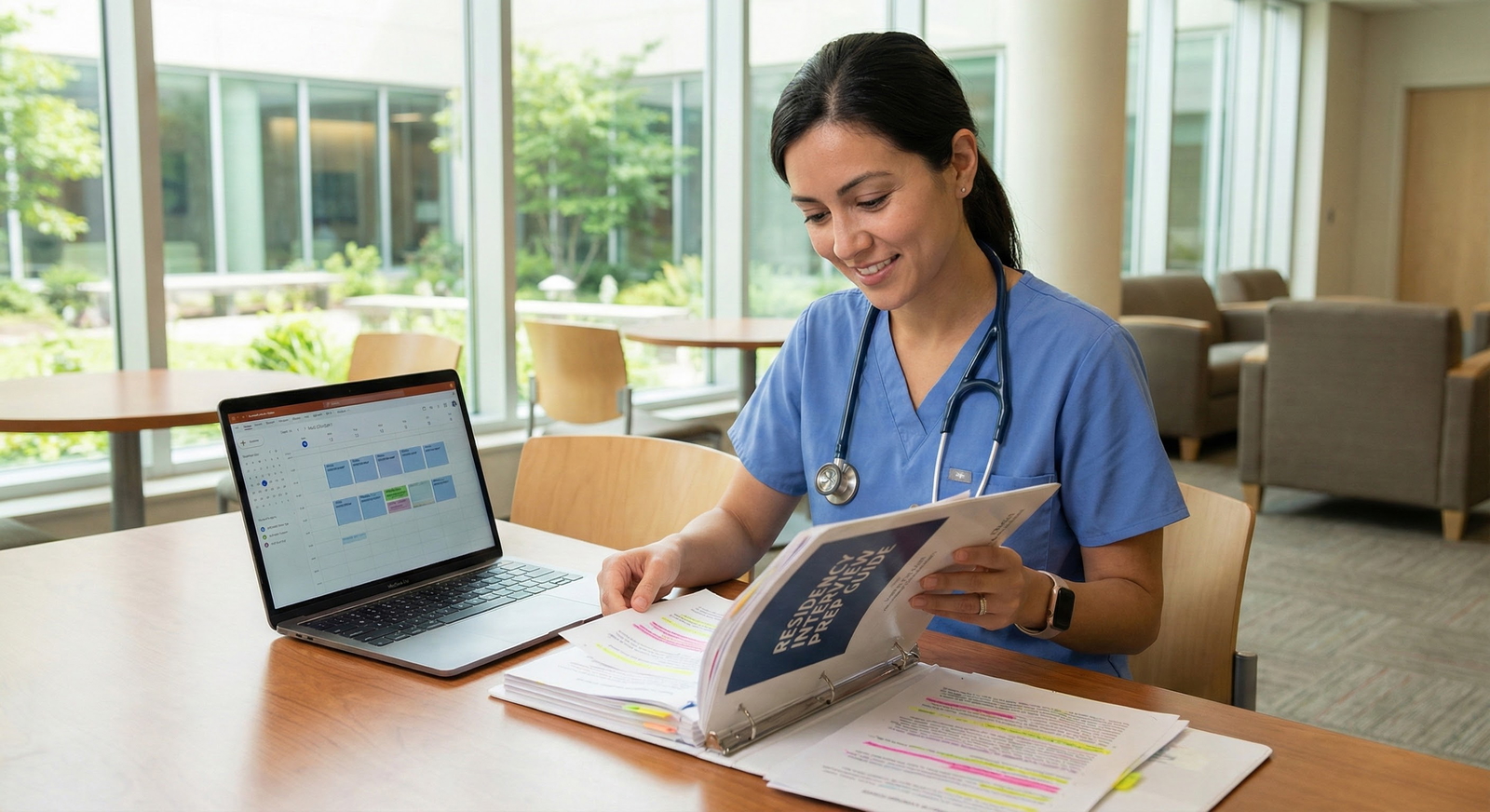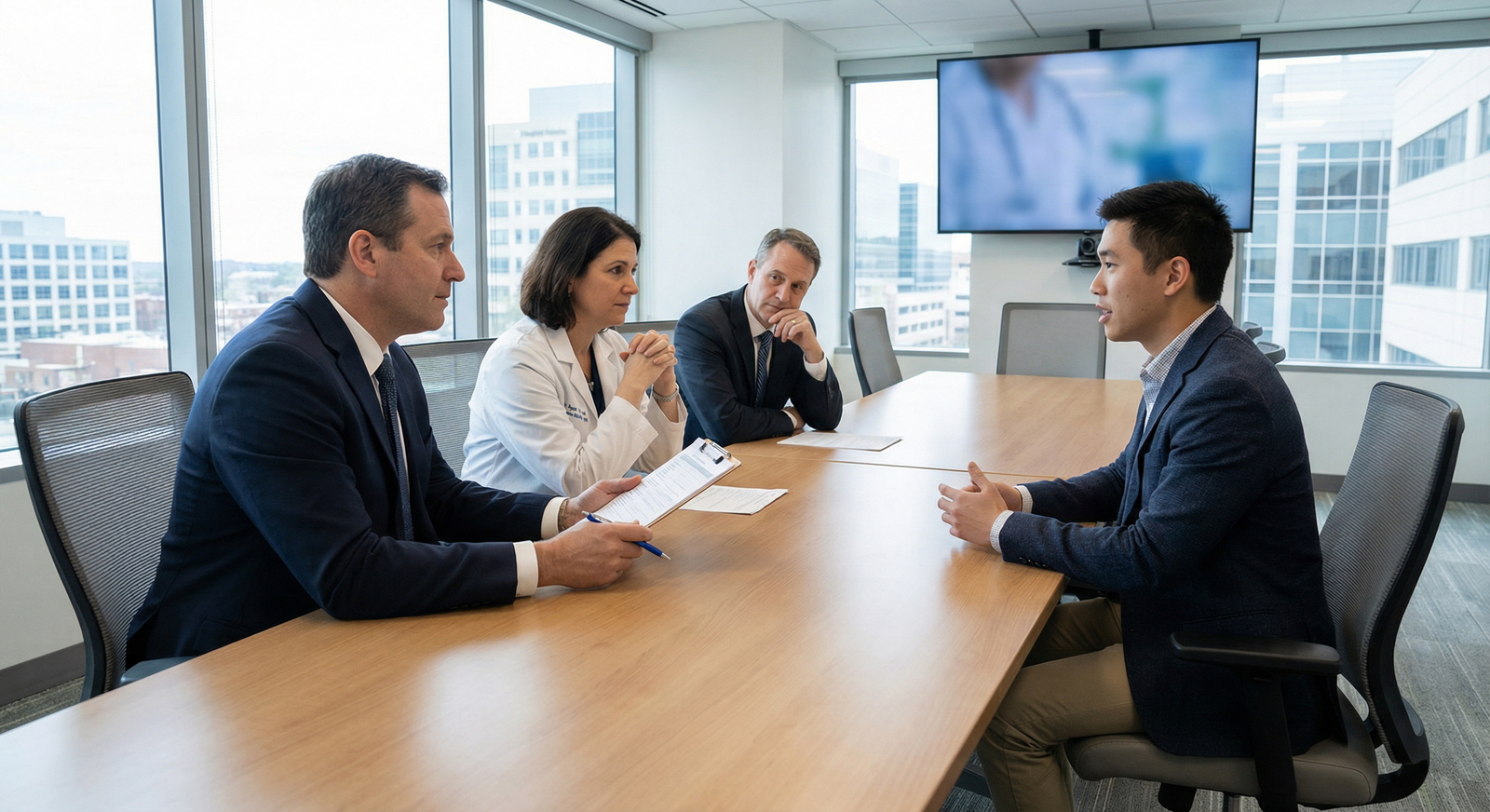
Understanding the Landscape: What Makes Medical Genetics Interviews Unique for Non-US Citizen IMGs
Medical genetics is a small, intellectually demanding, and rapidly evolving specialty. As a non-US citizen IMG or foreign national medical graduate, your pre-interview preparation must address three parallel challenges:
- The specialty itself – Medical genetics programs are small, often with only 1–3 residents per year. Faculty know each other well, and your interview will often be with leaders in the field.
- Your applicant profile as an IMG – You must show that you understand the US clinical system, can work in multidisciplinary teams, and are committed to a long-term career in genetics in the US.
- Visa and regulatory issues – Programs will silently (and sometimes explicitly) evaluate whether sponsoring you is practical and worthwhile.
Before diving into detailed residency interview preparation, clarify the following for yourself:
- Why medical genetics and not another specialty?
- Why you, as a non-US citizen IMG, are especially committed and well-suited to this field?
- How you will overcome structural barriers (visa, limited US clinical experience, fewer home-country genetics resources) and still excel?
These answers will guide every aspect of your pre-interview preparation—from your story to your documents to your responses to interview questions residency programs typically ask.
Step 1: Build a Deep, Current Understanding of Medical Genetics in the US
To stand out in a medical genetics residency interview, you must show that you understand not only the science, but also how genetics is practiced in the US healthcare system.
Learn the Structure of Medical Genetics Training
For pre-interview preparation, be ready to discuss how genetics training works in the US. At minimum, you should be familiar with:
- ACGME-accredited pathways:
- Categorical Medical Genetics and Genomics residencies (often 2-year programs following another residency, but some integrated tracks exist)
- Combined programs (e.g., Pediatrics/Medical Genetics, Internal Medicine/Medical Genetics)
- The role of the American Board of Medical Genetics and Genomics (ABMGG)
- Common training components:
- Dysmorphology and physical exam for congenital anomalies
- Inherited metabolic disorders
- Cancer genetics
- Prenatal and reproductive genetics
- Adult-onset genetic conditions
- Molecular diagnostics, cytogenetics, and biochemical genetics labs
Example:
If asked, “What attracts you to medical genetics?” a good answer includes both your interest in genetic mechanisms and an appreciation of the clinical roles—family counseling, uncertainty management, long-term relationships with rare disease patients, and working in multidisciplinary clinics.
Stay Current with Genetics and Genomics Trends
Before interviews, aim to be conversant—not an expert, but reasonably current—on several core topics:
- Clinical applications of genomics:
- Whole exome/genome sequencing
- Gene panels
- Pharmacogenomics
- Polygenic risk scores (at least at a conceptual level)
- Emerging therapies:
- Gene therapy / gene editing (e.g., CRISPR applications)
- RNA-based therapies
- Enzyme replacement therapies for inborn errors of metabolism
- Ethical and social issues:
- Incidental/secondary findings
- Direct-to-consumer genetic testing
- Data privacy and long-term storage of genetic data
- Equity and access to genomic medicine
Use resources such as:
- ACMG (American College of Medical Genetics and Genomics) practice guidelines
- Major journals: American Journal of Medical Genetics, Genetics in Medicine, JAMA, NEJM
- Online genetics education modules from major academic centers
You don’t need to memorize details, but you should be able to say, for example:
“I recently read an ACMG position statement on secondary findings and found the balance between patient autonomy and clinical responsibility very thought-provoking, especially for families in low-resource settings like where I trained.”
That level of specificity shows authentic engagement.
Understand How Genetics Fits into the US System
As a foreign national medical graduate, you will be evaluated on how well you grasp US healthcare dynamics:
- Referral patterns: how pediatricians, oncologists, obstetricians, and internists refer to genetics
- The role of genetic counselors and interprofessional teams
- Insurance and access issues for expensive genetic tests
- Telehealth and remote counseling in genetics
During your residency interview preparation, create 2–3 short examples of how a genetics team might be involved in:
- A child with multiple congenital anomalies
- A young adult with a strong family history of colon or breast cancer
- A pregnant woman with abnormal screening results
This will help you answer case-based interview questions smoothly.

Step 2: Analyze Your Application and Build Your Personal Story
Before the first email for a genetics match interview arrives, you need a coherent, compelling narrative that connects your background, experiences, and goals directly to medical genetics.
Map Your Experiences to Core Genetics Competencies
Make a simple table for your own use:
| Core Area | Your Related Experience | How It Relates to Genetics |
|---|---|---|
| Analytical thinking | Research, case reports, lab work | Complex variant interpretation and diagnostic reasoning |
| Communication | Teaching, patient counseling, presentations | Explaining complex genetic concepts to families |
| Long-term patient care | Pediatrics, internal medicine, chronic disease clinics | Managing lifelong genetic conditions |
| Interdisciplinary teamwork | Tumor boards, NICU rounds, OB clinics | Working with genetic counselors, neurologists, surgeons, etc. |
| Ethics & cultural sensitivity | Counseling in your home country | Navigating sensitive discussions about hereditary disease and reproductive choices |
During pre-interview preparation, translate each into 1–2 concise stories using the STAR format:
- Situation – context
- Task – your responsibility
- Action – what you did
- Result – outcome and reflection
Example (adapted for genetics):
- Situation: “In my pediatrics rotation, we had a child with multiple unexplained congenital anomalies…”
- Task: “…My role was to coordinate the workup and family meetings…”
- Action: “…I organized the information, created a simplified diagram for the parents, and worked with a pediatric neurologist to explain possible hereditary components…”
- Result: “…Although we did not have advanced testing available in my country, this experience taught me the value of multidisciplinary care and clear communication, which are central in medical genetics.”
Address IMG-Specific Issues Proactively
As a non-US citizen IMG, some unspoken questions programs may have include:
- Can this candidate adapt to US clinical culture?
- Are their USMLE scores, attempts, and experiences sufficient for a competitive field like medical genetics?
- Will visa issues create barriers?
In your pre-interview preparation, decide how you will proactively and confidently address:
USMLE performance
- If scores are strong: tie them to your discipline and readiness.
- If not ideal: briefly acknowledge, then immediately focus on upward trends, later accomplishments, or strong clinical evaluations.
US clinical experience
- Highlight any US observerships, electives, or research.
- Emphasize what you learned about EMR use, communication norms, and interprofessional collaboration.
Visa status
- Know your needs clearly (J-1 vs H-1B).
- Review each program’s typical visa sponsorship patterns before the interview.
- Prepare a calm, concise, factual explanation of your situation if asked.
Example phrasing:
“As a non-US citizen IMG, I will require J-1 sponsorship. I’ve researched your institution’s long history of training international physicians, and I’m fully prepared to meet all ECFMG and visa requirements in a timely manner.”
Refine Your “Why Medical Genetics?” and “Why This Program?” Answers
These are nearly guaranteed interview questions for any genetics match:
Why medical genetics?
Combine:- A personal or patient story
- Your fascination with the intersection of molecular biology and patient care
- Your appreciation for longitudinal relationships and complex diagnostic puzzles
- Your understanding of the specialty’s ethics and impact
Why this program?
Before your interview:- Read the program website carefully
- Note clinics, subspecialty focuses (metabolic, cancer, neurogenetics, etc.)
- Check faculty interests and publications
- Look at their patient population and institutional strengths
Then prepare program-specific points you can mention:
“I am particularly drawn to your strong metabolic genetics service and the opportunity to rotate in the biochemical genetics lab. Coming from a country where inborn errors of metabolism are often underdiagnosed, I feel this training will allow me to bridge that gap in the future.”
Step 3: Systematic Residency Interview Preparation: Content and Practice
You should prepare for three broad categories of interview questions residency programs ask:
- Traditional personal and behavioral questions
- Specialty-specific genetics questions
- IMG- and visa-related questions
Category 1: Traditional and Behavioral Questions
Common questions and preparation strategies:
“Tell me about yourself.”
- Structure: Past → Present → Future
- Past: concise background and medical education
- Present: current activities (research, observerships, clinical work) related to genetics
- Future: specific goals in medical genetics (clinical, research, academic, or global health)
“What are your strengths and weaknesses?”
- Choose strengths that match genetics: analytical thinking, empathy, patience with uncertainty, attention to detail.
- Choose a real but manageable weakness, and show insight and improvement.
Example: “I used to struggle with delegating tasks in team projects. As I took on more research roles, I learned to trust team members, clarify expectations, and focus on areas where I add the most value.”
“Describe a conflict in a team and how you handled it.”
- Use STAR format and highlight respectful communication, listening, and finding solutions.
- Emphasize your adaptability to different cultures and communication styles—critical for a non-US citizen IMG working in diverse US settings.
Create a short practice document with bullet-point answers and rehearse them out loud.
Category 2: Medical Genetics–Specific Questions
These often test your motivation, understanding of the field, and basic clinical reasoning:
Possible questions:
- “What kind of patients do geneticists see?”
- “How would you explain whole exome sequencing to a family?”
- “What ethical issues in genetics interest you most?”
- “Tell me about a case or topic in genetics that fascinated you.”
- “How do you see the role of genetic counselors in the team?”
For each, prepare:
- A simple, patient-friendly explanation of one or two tests (e.g., exome sequencing, carrier screening).
- One or two ethics issues you care about (e.g., disclosure of secondary findings, testing in minors, reproductive decision-making).
- A patient-related story from your own experience—even if your country had limited genetic testing, you can discuss suspected genetic conditions and diagnostic limitations.
Example answer snippet:
“In my home country, we had very limited access to advanced genetic testing. One family with two children with developmental delay and dysmorphic features deeply influenced me. We suspected a syndromic diagnosis but couldn’t confirm it. This experience made me appreciate how powerful comprehensive genetic testing can be, not only for diagnosis but for guiding family planning and connecting families with support networks.”
Category 3: IMG- and Visa-Related Questions
You may be asked directly or indirectly:
- “What challenges do you anticipate as a non-US graduate, and how will you address them?”
- “Do you foresee any issues with visas or relocation?”
- “How have you adapted to the US healthcare system so far?”
Key strategies:
- Stay calm, confident, and factual.
- Emphasize your resilience and track record of adapting to new systems.
- Highlight steps you’ve already taken to learn US medical culture: observerships, simulations, online courses, US-based mentors.
Avoid defensive or apologetic tones. Focus on solutions and strengths.
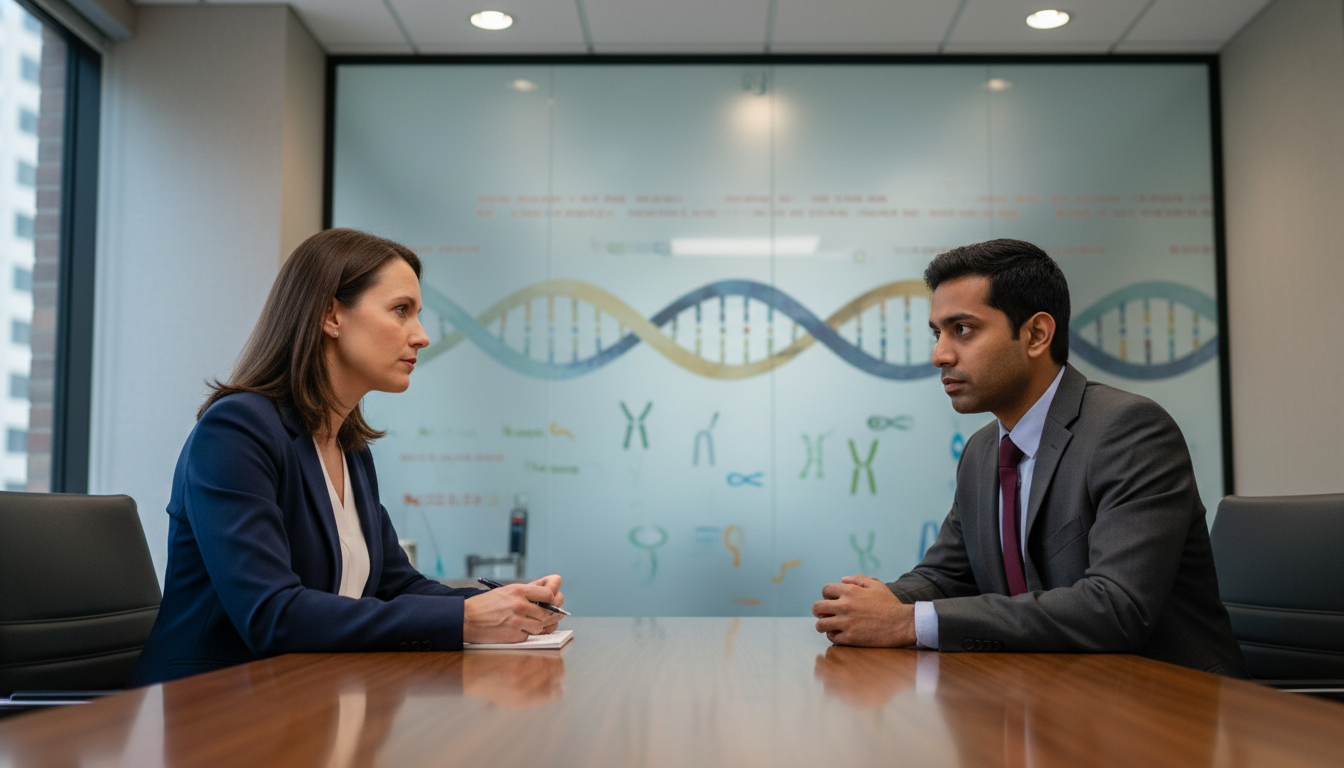
Step 4: Practical Logistics, Documents, and Virtual Interview Setup
Pre-interview preparation is not only about content—it is also about execution and professionalism.
Organize Documents and Program Information
Create a digital or physical folder for each program with:
- Program-specific notes (key faculty, clinics, research areas)
- A copy of:
- Your ERAS application and CV
- Personal statement(s)
- Publications and abstracts
- USMLE scores and ECFMG certificate status
- A list of questions to ask each interviewer:
- About curriculum and rotations
- Research opportunities in genetics
- Interaction with genetic counselors
- Teaching responsibilities
- Support for international graduates and visa sponsorship
Read your own application carefully before each interview day; you should know every detail you’ve written, especially:
- Research projects and what your exact role was
- Dates, institutions, and mentors for experiences
- Any gaps or transitions
Prepare for Virtual Interview Logistics (Common for IMGs Abroad)
Many non-US citizen IMGs will have virtual interviews, especially in early stages or if traveling is difficult.
Checklist for virtual interview preparation:
Technology
- Reliable internet (test speed and stability)
- Updated video platform (Zoom, Teams, Webex, etc.)
- Working microphone, speakers, and camera
- Backup device (phone or tablet) charged and ready
- Test the exact platform with a friend a few days before
Environment
- Neutral, quiet background (plain wall or tidy bookshelf)
- Good lighting (natural light or lamp facing you, not behind you)
- Camera at eye level
- No loud background noise; use headphones if needed
Professional Appearance
- Wear professional attire appropriate for US interviews (typically suit jacket or blazer)
- Avoid busy patterns; solid, calm colors look better on camera
- Keep accessories minimal and neat
Time Zone and Scheduling
- Double-check time zones carefully
- Use calendar reminders
- If there is a time difference, adjust your sleep a few days in advance so you’re alert
Place your notes just off-screen: a brief list of your key points, program-specific notes, and questions. Do not read from them; use them only as a quick visual reminder.
Rehearse with Mock Interviews
If possible:
- Ask a mentor, US-trained physician, or faculty member to conduct a mock interview.
- If that’s not feasible, record yourself answering common interview questions and review your:
- Clarity
- Pace and tone
- Eye contact (look into the camera)
- Use of fillers (“um,” “like”)
- Practice answering in English for 30–60 minutes at a time to simulate the real interview day.
This is especially important for non-US citizen IMGs whose first language is not English. The goal is not to lose your accent, but to be clear, confident, and easily understood.
Step 5: Strategic Questions to Ask and Post-Interview Follow-Up
Your questions reveal how much you understand about the specialty and the program—and how serious you are about the genetics match.
Ask Insightful, Genetics-Specific Questions
Avoid questions easily answered on the website. Instead, ask about:
Training content and structure
- “How are residents exposed to both pediatric and adult genetics?”
- “What is the balance between clinic time and laboratory rotations?”
Research and career development
- “What opportunities exist for residents to participate in genomics research or quality improvement projects?”
- “How have recent graduates positioned themselves for academic versus clinical careers?”
Interdisciplinary collaboration
- “How closely do residents work with genetic counselors on a daily basis?”
- “Are there joint clinics with neurology, oncology, or maternal-fetal medicine?”
Support for IMGs and international work
- “Have you trained non-US citizen IMGs before, and what support structures are in place for them?”
- “Is there any scope for global health genetics or collaborations with low-resource settings?”
Prepare 2–3 questions per interviewer and tailor them:
- Faculty researcher → ask about research mentorship.
- Program director → ask about curriculum and resident evaluation.
- Current resident → ask about workload, culture, and day-to-day life.
Post-Interview Reflection and Thank-You Notes
Immediately after each interview:
Take 5–10 minutes to jot down:
- Who you met
- Key themes discussed
- What you liked about the program
- Any concerns
Draft brief thank-you emails within 24–48 hours:
- One to the program coordinator
- Short, personalized emails to interviewers (if allowed by the program)
Content of a good thank-you email:
- 1–2 sentences thanking them for their time
- 1 specific detail that you appreciated or learned during the conversation
- 1 sentence reaffirming your interest and fit
Example:
“Thank you for taking the time to speak with me about your program’s strong focus on metabolic genetics. Our discussion about caring for patients with rare metabolic disorders reinforced my excitement about training at your institution and contributing to this field as a non-US citizen IMG with experience in low-resource settings.”
Keep it professional, brief, and sincere.
FAQs: Pre-Interview Preparation for Non-US Citizen IMGs in Medical Genetics
1. As a non-US citizen IMG, how early should I start residency interview preparation for medical genetics?
Ideally, begin focused preparation 3–4 months before interview season. Start with understanding the specialty, updating your CV and personal statement, and reviewing your experiences. By the time interview invitations arrive, you should already have:
- A clear “Why medical genetics?” answer
- Practiced responses to common behavioral questions
- Familiarity with current genetics topics
- A basic understanding of US training pathways and visa options
2. Will my limited home-country exposure to genetics hurt my chances?
Not necessarily. Many foreign national medical graduates come from systems with limited formal genetics services. Programs understand this. Focus on:
- Cases where you suspected genetic conditions
- How you managed diagnostic uncertainty
- Your motivation to train in a setting with advanced genetic tools
- Any steps you have taken on your own—online courses, reading, research—to build your genetics foundation
Programs often value the perspective of IMGs who can later help expand genetics access globally.
3. What kinds of medical genetics knowledge will interviewers expect from me?
You are not expected to function as a geneticist before residency. However, you should:
- Understand the general types of patients seen in genetics clinics
- Be able to explain basic tests (e.g., karyotype, microarray, gene panels, exome) in patient-friendly terms
- Show awareness of major ethical issues
- Demonstrate curiosity and willingness to learn
Depth of knowledge is less important than your analytical thinking, communication skills, and authentic commitment to the field.
4. How important is it to discuss my visa status during the interview?
Be prepared but not overly focused on it. Before the interview, check whether the program typically sponsors J-1 or H-1B visas. If asked:
- Provide a straightforward, concise answer about your needs
- Reassure them you are informed about ECFMG and visa timelines
- Shift the focus back to your clinical and academic strengths
You do not need to raise visa issues yourself unless the program specifically asks or their policies are unclear and critical to your decision-making.
By combining solid content knowledge, a coherent personal story, and professional execution of the interview process, you can present yourself as a strong, well-prepared candidate for medical genetics—even as a non-US citizen IMG entering a highly specialized field. Thoughtful pre-interview preparation will not just help you perform better on interview day; it will also help you clarify whether a particular program and a career in medical genetics truly align with your long-term goals.