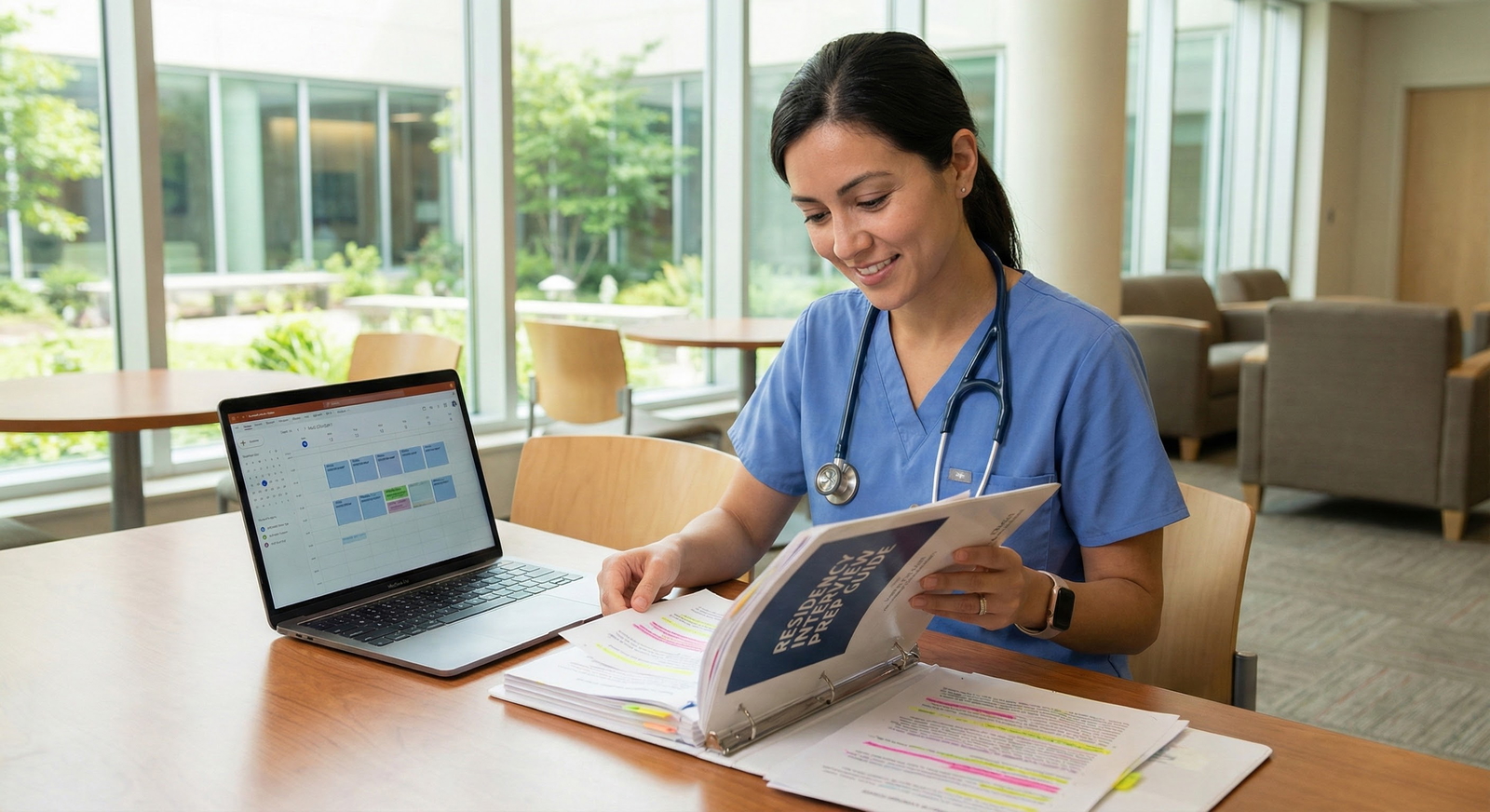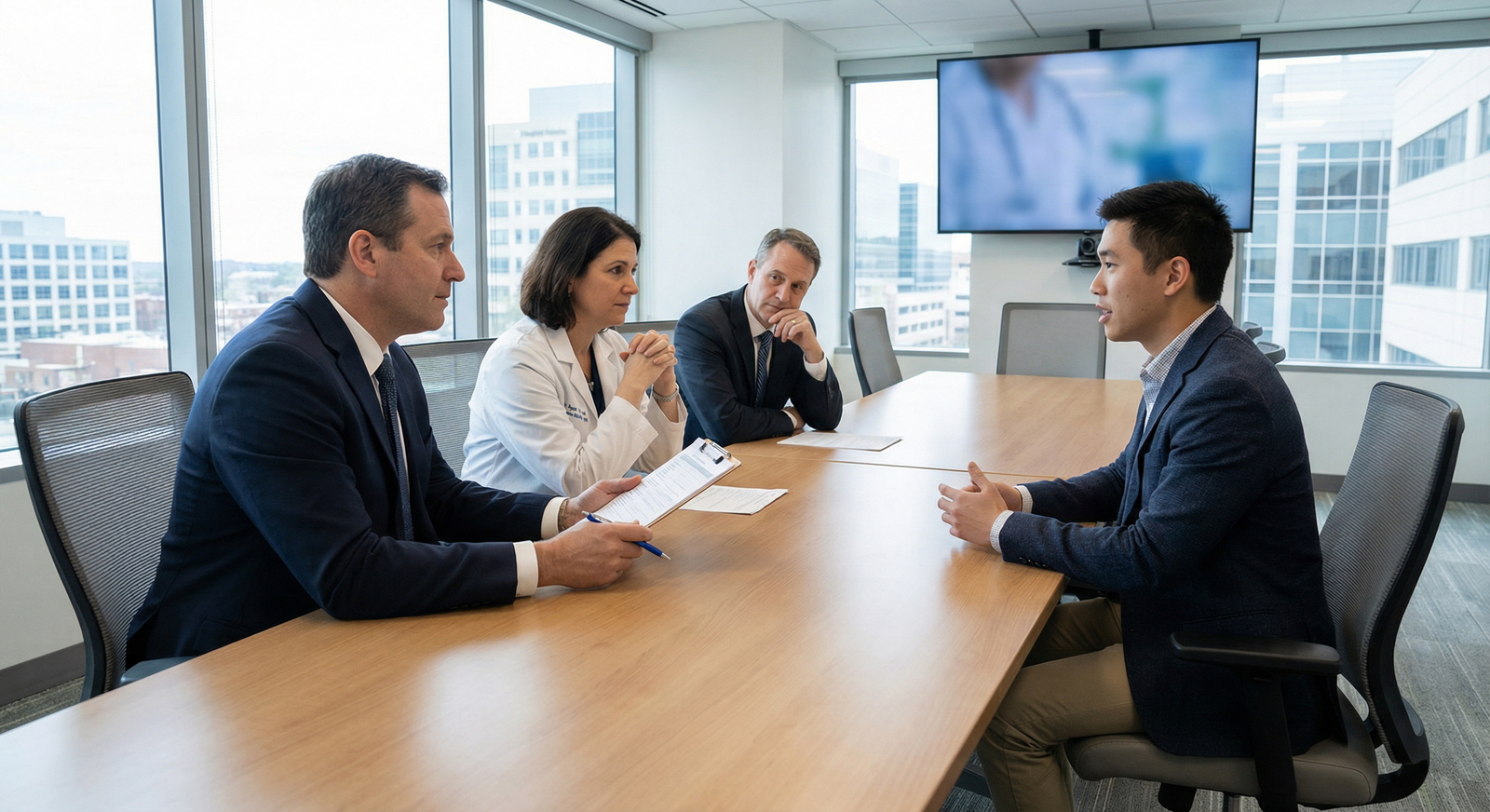
Preparing thoughtful, targeted questions for nuclear medicine residency interviews is just as important as preparing answers. In a relatively small specialty like nuclear medicine—where program structures, clinical exposure, and career paths can vary widely—the questions you ask will significantly shape how well you assess program fit, training quality, and your long‑term opportunities.
This guide will walk you through key domains to explore, provide specific question examples, and help you tailor what to ask program directors, faculty, and residents during nuclear medicine residency interviews and second looks.
Why Your Questions Matter in the Nuclear Medicine Match
Nuclear medicine is a niche but rapidly evolving field, increasingly integrated with radiology, oncology, and cardiology. Because of this:
- Program structures differ (stand‑alone nuclear medicine residency vs. combined programs)
- Case mix can be highly variable across institutions
- Research, theranostics, and advanced imaging (PET/MR, novel tracers) are not universally available
Asking strong, well‑informed questions:
- Shows you understand the field and are serious about a nuclear medicine residency
- Helps you compare programs beyond surface details
- Clarifies which environment best supports your career goals (clinical, academic, or industry)
Think of your questions as an essential tool in your nuclear medicine match strategy—not a formality.
Core Strategy: How to Approach Asking Questions
Before getting into specific examples, it helps to have a strategy.
1. Do Your Homework First
You should not waste valuable interview time asking about information that is clearly stated on the website or in the ERAS program description.
Before interviews, review:
- Program structure and duration
- Affiliated hospitals (academic, VA, cancer center, community)
- Modalities and systems: PET/CT, SPECT/CT, PET/MR, cyclotron, theranostics
- Call schedule and educational structure (lectures, tumor boards)
- Research strengths
Then use your questions to go deeper, rather than to gather basic facts.
2. Tailor Questions to Who You’re Asking
You’ll typically meet:
- Program director (PD) / associate PD
- Faculty (clinical and research)
- Current residents / fellows / nuclear radiology fellows
- Sometimes the department chair or hospital leadership
Aim to focus on:
- Program leadership: vision, curriculum, policies, outcomes
- Faculty: clinical and research opportunities; mentorship
- Residents: culture, workload, real day‑to‑day experience
The same question may be appropriate for different groups, but often you’ll get more candid, nuanced answers by tailoring your approach.
3. Balance Breadth and Depth
Have a list of priority domains:
- Training and case exposure
- Theranostics and advanced imaging
- Education and feedback
- Research and career development
- Culture, wellness, and support
- Logistics (call, schedule, visas, moonlighting, etc.)
You won’t have time to ask everything in one session. Plan to focus on your top 3–4 priorities at each program, and be prepared to adjust based on what you’ve already learned.

Key Questions About Training, Volume, and Clinical Experience
Your most important goal is to understand what kind of nuclear medicine physician you will become at the end of training. This depends heavily on case volume, variety, and how independently you will actually function.
Training Structure and Supervision
Examples of questions to ask the program director or core faculty:
- “How is the nuclear medicine residency structured across the year(s)—what does a typical rotation schedule look like?”
- “Can you walk me through a typical day for a first‑year nuclear medicine resident here? How does that change as we gain more independence?”
- “How are responsibilities shared between nuclear medicine residents, radiology residents on nuclear rotations, and fellows? Does that affect our hands‑on experience?”
- “What level of autonomy do residents have in interpretation, especially later in the year? Are there opportunities for independent readouts with faculty over‑reads?”
- “How are procedures (like lymphoscintigraphy, thyroid uptake and scans, renal scans, cardiac stress testing) taught and supervised?”
Case Mix and Volume
Because nuclear medicine case mix is highly center‑specific, this is critical:
- “What is the annual volume for key modalities—PET/CT, SPECT/CT, cardiac nuclear imaging, and radionuclide therapy?”
- “What proportion of your PET is:
- Oncologic?
- Neurologic?
- Cardiac?
- Infection/inflammation?”
- “Does the program have access to specialized studies like DaTscan, MIBG, PSMA PET, DOTATATE PET, amyloid imaging, or Y‑90 mapping?”
- “Do residents get sufficient exposure to both adult and pediatric nuclear medicine? If so, where does that training occur?”
Ask current residents:
- “Do you feel the case volume is adequate to make you comfortable reading independently by graduation?”
- “Are there particular areas where you wish you had more exposure (e.g., pediatric, cardiac, PET/MR)?”
Call and After‑Hours Experience
Understanding call is important both for lifestyle and for assessing real‑world responsibility.
- “What is the call structure for nuclear medicine residents? How often, and what types of studies do you cover?”
- “Is call in‑house or from home? What is the typical overnight workload?”
- “Do residents interpret urgent nuclear studies independently on call, or always with attending input in real time?”
- “How does the program ensure that call is a meaningful learning experience rather than just service?”
Questions About Theranostics, Technology, and Innovation
Theranostics and advanced molecular imaging are shaping the future of the specialty. Programs vary dramatically in how much exposure they offer.
Radionuclide Therapy and Theranostics
To understand whether a program is strong in this area, ask:
- “What therapeutic nuclear medicine services are available here (e.g., I‑131, Lu‑177 DOTATATE, Lu‑177 PSMA, I‑131 MIBG, Y‑90, Ra‑223)?”
- “How directly involved are residents with therapy consults, consent, dosing, and follow‑up?”
- “Are there structured formal rotations in theranostics, or is experience integrated into daily workflow?”
- “Do graduates feel confident managing patients undergoing radionuclide therapy, or do they need additional fellowship training for that?”
Equipment and Imaging Platforms
Nuclear medicine residency training is technology‑intensive. Clarify what you will actually work with:
- “What scanners and systems are available—how many PET/CT, SPECT/CT, and are there PET/MR capabilities?”
- “How old are most of your scanners? Are there plans to upgrade or expand equipment during the next few years?”
- “Do residents get exposure to the technical aspects of nuclear medicine—protocol development, dose optimization, physics, and quality control?”
Ask current residents:
- “How comfortable do you feel with the technical side of nuclear medicine by this point in training?”
- “Are there opportunities to work with medical physicists or technologists on protocol optimization or QA projects?”
Integration with Radiology, Oncology, and Other Services
Since nuclear medicine is increasingly integrated with other specialties:
- “How is nuclear medicine positioned within the department—separate division, within radiology, or within a cancer center?”
- “Do residents regularly participate in multidisciplinary tumor boards or cardiology conferences?”
- “How often do you interact directly with oncologists, surgeons, cardiologists, and referring providers about cases?”
- “Are there opportunities for combined conferences or joint rotations with diagnostic radiology or radiation oncology?”

Education, Feedback, and Academic Development
Strong programs are intentional about teaching and evaluation. Use your interview questions to uncover how seriously a program takes your growth.
Didactics and Structured Teaching
Questions to ask program leadership:
- “How are didactics structured for nuclear medicine residents? Are there protected teaching sessions, and how often?”
- “Do residents join radiology conferences, or is there a separate nuclear medicine curriculum?”
- “How often are topics like radiopharmaceuticals, physics, dosimetry, and regulatory issues formally taught?”
- “Is there a structured board review curriculum for the ABNM exam (or ABR pathways if applicable)?”
Ask residents:
- “Are didactics truly protected, or are you often pulled away for service?”
- “Which conference formats have been most helpful for your learning?”
Feedback, Evaluation, and Support
You want a program that is invested in you as a learner, not just in your productivity.
- “How do residents receive feedback on their performance—daily case feedback, end‑of‑rotation evaluations, semiannual meetings?”
- “If a resident is struggling in an area (e.g., cardiac nuclear imaging, physics), what support systems are in place?”
- “Are there formal mentoring relationships with faculty, and how are mentors assigned?”
You can also ask residents:
- “Do you feel comfortable seeking help from faculty when you’re unsure about a case?”
- “Has feedback been specific and actionable, or more generic?”
Research, Scholarly Activity, and Career Development
For applicants interested in academic nuclear medicine, this is a major differentiator.
Questions to ask faculty:
- “What types of ongoing research projects are available in nuclear medicine here—clinical, translational, radiopharmaceutical development, physics, AI?”
- “Are residents expected to complete a research or QI project? How much protected time is realistically available for that?”
- “How often do residents present at national meetings (e.g., SNMMI, RSNA, ASNC)? Is funding available for travel when presenting?”
- “What collaborations exist with other departments—oncology, cardiology, neurology, medical physics, or industry partners?”
Ask residents:
- “Have you been able to get involved in projects that genuinely interest you?”
- “How easy or difficult is it to find mentorship for research?”
- “Do you feel the program supports you if you are aiming for an academic career?”
Program Culture, Fit, and Lifestyle: Questions to Ask Residents
Even in a technically demanding field like nuclear medicine, the environment you train in will shape your well‑being and growth. Some of the most revealing questions to ask residency programs are those focused on culture and day‑to‑day life.
Resident Culture and Collegiality
With residents:
- “How would you describe the culture among nuclear medicine residents here—collaborative, independent, competitive?”
- “How is the relationship between nuclear medicine residents and diagnostic radiology residents? Do you work together often?”
- “Do you feel that faculty are approachable and invested in your development?”
- “Have there been any recent changes in leadership or major programmatic shifts? How have those affected the environment?”
Ask for concrete examples:
- “Can you describe a time when the program was particularly supportive during a challenge (personal or professional) for a resident?”
Workload, Schedule, and Wellness
Balance is essential, especially in smaller programs where service needs can be intense.
- “What is a realistic weekly schedule in terms of hours in the department, including call?”
- “Do you frequently stay late to finish cases, or is the workload generally manageable?”
- “How does the program approach wellness and burnout prevention—formal resources, time protected for appointments, mental health support?”
- “Is there flexibility for important life events—family needs, parental leave, unexpected emergencies?”
You can also ask residents more pointed but polite questions:
- “If you had to choose this nuclear medicine residency again, would you?”
- “What is one thing you wish you had known about this program before starting?”
Diversity, Inclusion, and Support
Given the small size of many nuclear medicine departments, inclusivity and support are especially critical:
- “How diverse is your resident and faculty group in terms of background, training, and perspectives?”
- “Are there initiatives or committees focused on diversity, equity, and inclusion?”
- “How has the program responded to feedback from residents in the past?”
Outcomes, Career Paths, and Program Reputation
When deciding how to rank programs in the nuclear medicine match, you need a clear picture of where graduates end up and how the program is perceived in the field.
Graduate Placement and Career Support
Key questions to ask the program director or senior faculty:
- “Where have your recent graduates gone—academic positions, private practice, further fellowships, industry roles?”
- “Do graduates generally feel well‑prepared for their first independent attending roles?”
- “How does the program support residents who want:
- Academic careers?
- Private practice with mixed radiology/nuclear duties?
- Industry or pharma positions?”
- “Are there alumni I could speak with about their post‑residency experience?”
Ask residents:
- “Have senior residents felt supported during their job search—time off for interviews, help with networking, letters of recommendation?”
Board Pass Rates and Accreditation
Without sounding confrontational, you can gather key data:
- “What have your recent ABNM (or relevant board) pass rates been?”
- “Has the program undergone any recent ACGME or institutional reviews? Were there any citations, and how were they addressed?”
Program Reputation and Direction
You want to understand not only where the program is now, but where it is headed.
- “What do you see as the major strengths of this nuclear medicine residency compared to others?”
- “Where do you envision the program in 5 years in terms of technology, volume, and educational structure?”
- “Are there any anticipated changes—new equipment, new leadership, additional sites—that will affect current and future residents?”
How to Use Your Questions Strategically During Interviews
Knowing which questions to ask residency programs is only half the battle; using them well is the other half.
Prioritize and Personalize
Before each interview day:
Identify 3–5 must‑ask questions tailored to that specific program’s profile:
- Strong cancer center → Focus on theranostics and oncology integration
- Major academic center → Ask deeply about research and academic pathways
- Community‑based → Clarify case mix, autonomy, and job prospects
Rephrase common questions to reflect that you’ve done your research:
- Instead of: “Do you have Lu‑177 therapy?”
- Try: “I noticed your center offers Lu‑177 DOTATATE. How involved are residents in those consults and follow‑ups?”
Questions to Ask Program Director vs. Residents
When thinking explicitly about what to ask program director versus what to ask residents, consider:
Ask the PD:
- Vision, curriculum, policies, board performance, recruitment priorities
- “As program director, what qualities are you hoping to build in your nuclear medicine residents?”
- “How has the program changed in recent years based on resident feedback?”
Ask residents:
- Reality of workload, culture, faculty accessibility, how policies are applied day‑to‑day
- “Are there any differences between how the program is described on paper and what you experience in daily life?”
Turn Interview Questions for Them into a Conversation
The best interview questions for them are open‑ended and conversational:
- Start with a question
- Listen actively
- Follow up with one or two probing, respectful follow‑ups
Example:
- You: “How is feedback delivered to residents throughout the year?”
- PD: “We do end‑of‑rotation evaluations and semiannual meetings.”
- You: “Do residents also receive real‑time feedback on reports or cases? How do you make that practical on busy days?”
This not only gives you richer information but also showcases your maturity and genuine interest.
Frequently Asked Questions (FAQ)
1. How many questions should I prepare for each nuclear medicine residency interview?
Prepare a core list of 10–15 questions, but expect to use only 5–7 during any given encounter. Some will be answered organically during presentations or conversations, so remain flexible. Prioritize 3–4 questions you absolutely want answered at each program, focusing on aspects that will significantly impact your rank list (e.g., theranostics exposure, call, career outcomes).
2. Are there any questions I should avoid asking?
Avoid:
- Questions easily answered by the website or brochure (“What’s the salary?” when it’s clearly listed)
- Inappropriately personal or negative questions about specific residents or faculty
- Overly aggressive comparison questions (“How do you compare to [rival program]?”) Instead, frame concerns professionally:
- “How does your program differentiate itself from other nuclear medicine residencies in this region?”
- “How has the program responded to resident feedback in the past?”
3. Is it okay to ask about work–life balance and wellness?
Yes—absolutely. Work–life balance is a legitimate concern and asking about it is appropriate and expected. You can frame it constructively:
- “What systems are in place to support resident wellness?”
- “How manageable is the workload, and how often do residents work late?” Ask residents for candid perspectives, as they’ll give the most accurate picture.
4. What if I run out of questions or everything I planned to ask is already answered?
If many of your planned questions are covered in presentations or earlier sessions, pivot to reflective or follow‑up questions:
- “You mentioned that residents are heavily involved in theranostics. Could you share an example of a resident‑led project or initiative in that area?”
- “I appreciated hearing about your didactic structure. How do you incorporate board review into the curriculum?” You can also end an interview by asking:
- “Is there anything about the program that you think applicants often overlook but is important to understand?”
Thoughtfully chosen questions can transform your nuclear medicine residency interviews from routine conversations into powerful tools for evaluating fit, training quality, and long‑term opportunity. Use this guide to structure your approach, refine what to ask program directors and residents, and enter each interview prepared to get the information that truly matters for your future in nuclear medicine.