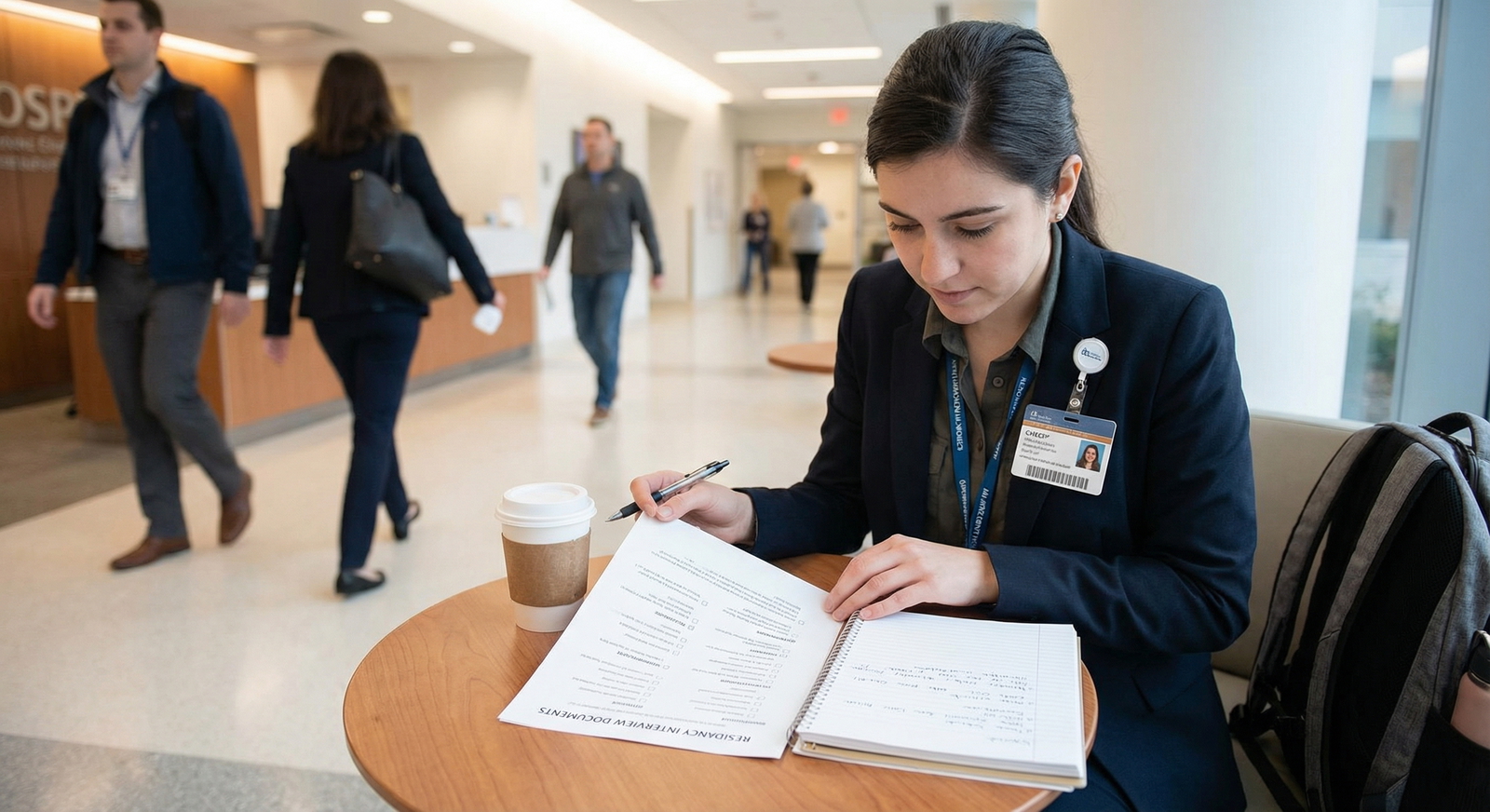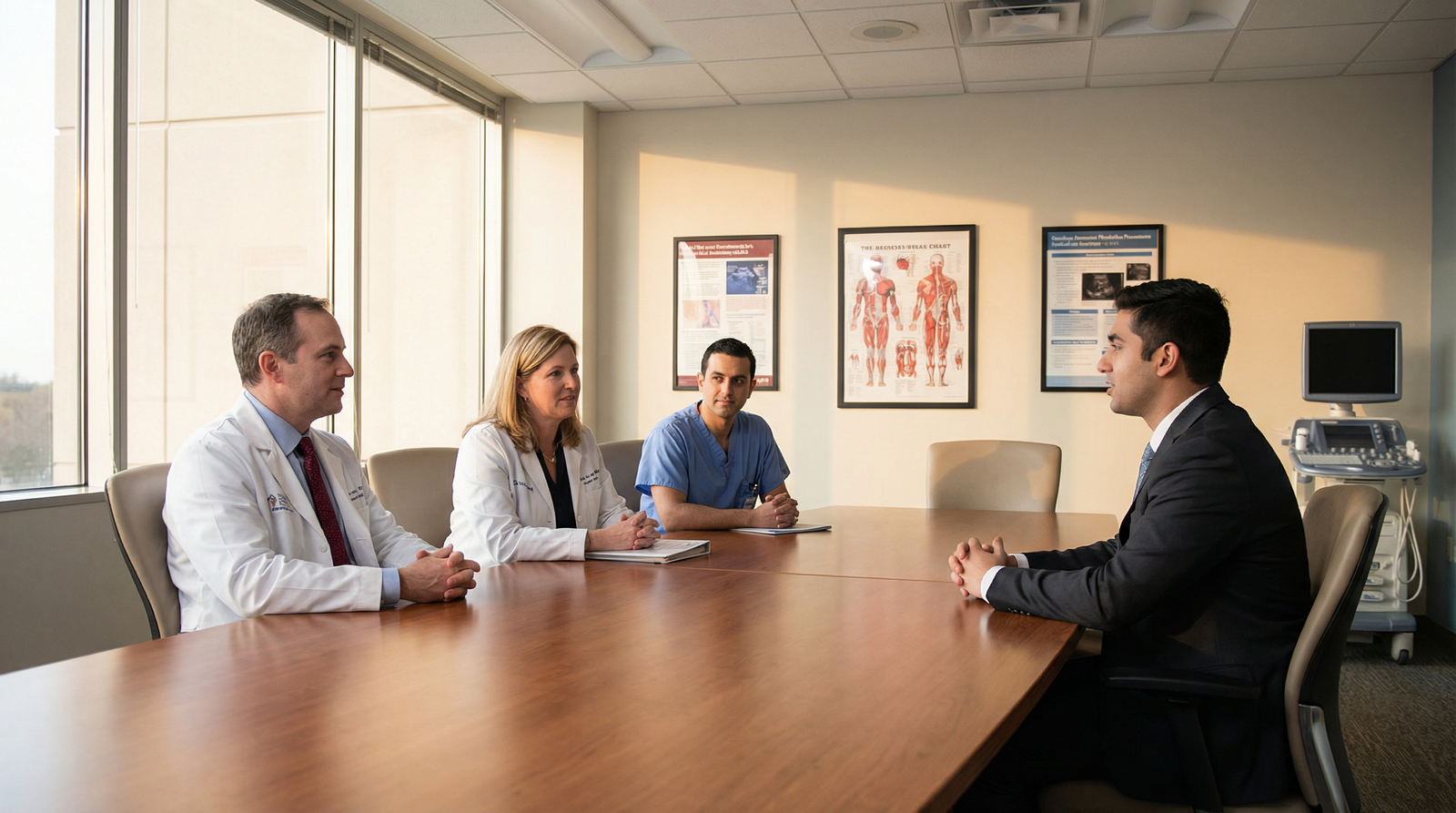
Understanding OB GYN Residency Interviews: What Makes Them Unique
Obstetrics & Gynecology is an emotionally intense, procedure-heavy specialty that demands both technical skill and strong interpersonal capacity. Programs know that a good OB GYN resident must be:
- Calm and reliable under pressure (e.g., emergent C-sections at 3 AM)
- A strong communicator with patients and the care team
- Comfortable with women’s health advocacy and complex social issues
- Resilient, emotionally self-aware, and team-oriented
This shapes how OB GYN residency interviews are conducted and what interviewers look for before ranking you in the obstetrics match.
How OB GYN Programs Evaluate You Before and During the Interview
Before you even log into Zoom or walk into the hospital, programs will already have:
- Your application (ERAS or equivalent)
- Letters of recommendation (often from OB GYN faculty)
- MSPE / Dean’s letter
- Clerkship and sub-I grades (especially OB GYN, Surgery, Medicine)
- Any away rotation feedback
The interview is primarily to answer:
- Will this person be safe and capable on L&D and in the OR?
- Will they be a good teammate at 2 AM during a tough call?
- Are they genuinely committed to OB GYN and to our patient population?
- Do they reflect our program’s mission (academic, community, research, advocacy, etc.)?
This means your pre-interview preparation must go beyond “knowing your CV.” It should be tailored to:
- OB GYN–specific scenarios and values
- The culture and priorities of each program
- Anticipating behavioral and situational interview questions residency programs love to ask
The sections below break down how to prepare for interviews strategically, step by step.
Building Your OB GYN Story: Reflect, Clarify, and Structure
Before memorizing answers, you need a clear internal narrative: why you chose OB GYN, who you are as a future resident, and what you hope to become. This narrative should connect the dots between your experiences and the specialty.
Step 1: Clarify Why OB GYN—Beyond “I Like Surgery and Clinic”
Almost everyone says they enjoy the mix of surgery, continuity clinic, and L&D. You need specifics.
Reflect on:
- An OB GYN patient encounter that stayed with you (e.g., counseling for termination, high-risk pregnancy, intimate partner violence, fetal demise, complex deliveries).
- Moments on L&D when you felt “this is my place.”
- How you respond to urgent situations and uncertainty.
- Your values: advocacy, reproductive justice, global health, patient education, complex family dynamics.
Then, write out a 3–4 sentence core “Why OB GYN?” statement:
- What drew you in initially
- What experiences confirmed your choice
- How OB GYN aligns with your strengths and values
- What kind of OB GYN you hope to be (e.g., minimally invasive surgeon, community generalist, academic educator, MFM, REI, etc.)
You’re not locked into a subspecialty, but a direction shows intention.
Step 2: Identify 4–6 Anchor Experiences
Anchor experiences are specific stories that illustrate multiple qualities: leadership, resilience, empathy, advocacy, teamwork, ethical reasoning, or technical growth. They might include:
- Managing an obstetric emergency (e.g., postpartum hemorrhage, shoulder dystocia) as a student with the team
- Conducting a sensitive pelvic exam or delivering bad news
- Leading a QI project on L&D (e.g., reducing cesarean rates, improving induction protocols)
- Research in maternal morbidity, contraception access, oncologic outcomes, or disparities in care
- Advocacy work: abortion access, maternal mortality, LGBTQ+ health, or global women’s health
- Handling a conflict with a resident, nurse, or attending and resolving it professionally
For each, outline:
- Context: Where were you? What was your role?
- Challenge: What made the situation difficult?
- Actions: What exactly you did (focus on your behavior, not just the team).
- Outcome: What happened, and what you learned.
This structure (similar to STAR: Situation–Task–Action–Result) helps you respond concisely and clearly.
Step 3: Map Anchor Experiences to Common OB GYN Interview Themes
Common OB GYN interview question themes:
- Teamwork and communication under pressure
- Coping with emotionally difficult cases (e.g., fetal demise, cancer diagnosis)
- Advocacy and professionalism in women’s health and reproductive rights
- Dealing with limited resources, systems issues, or biases
- Personal wellness and sustainability in a demanding specialty
Map each anchor story to several potential prompts:
- “Tell me about a time you made a mistake.”
- “Describe a challenging patient interaction.”
- “Tell me about a time you advocated for a patient.”
- “How do you manage stress on busy rotations?”
- “Tell me about a conflict on the team and how you handled it.”
By doing this mapping early, you can flexibly reuse stories across different interview questions residency faculty commonly ask, without sounding rehearsed.
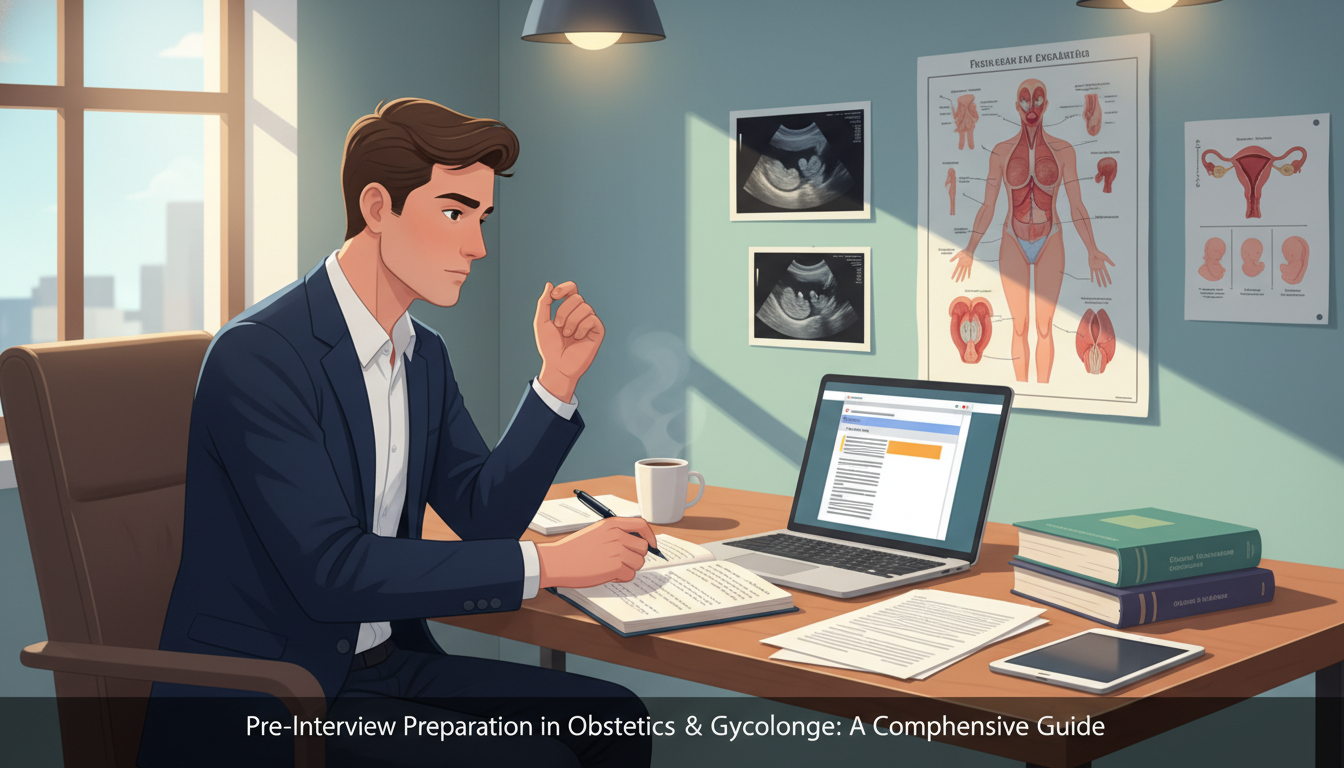
Mastering Core Content: What You Must Know About Yourself and the Program
OB GYN residency interviews are a conversation about fit. That requires knowing yourself and knowing the program. Effective residency interview preparation means doing both with intention.
Know Your Application Better Than the Interviewers Do
Anything in your application is fair game, and you should be ready to discuss it comfortably.
Personal statement
- Re-read before every interview.
- Be prepared to expand on any story, theme, or claim you made.
- If you wrote about advocacy, research, or a formative event, expect follow-up questions like:
- “Tell me more about that experience.”
- “How has that shaped the kind of OB GYN you want to be?”
CV / ERAS experiences
Highlight 5–7 key experiences that best represent your journey:- OB GYN sub-I’s or away rotations
- Leadership in student groups (e.g., SIGs, AMSA, ACOG, advocacy groups)
- Research projects (know your hypothesis, methods, results, and your role)
- Volunteer work that connects to OB GYN (e.g., Planned Parenthood, women’s shelters, global health trips)
For each:
- Be ready to describe what you did, what you learned, and how it translates to residency.
Red flags or questions in your file
Examples:- Step 1 or Step 2 score lower than expected, or a fail
- Leave of absence
- Failed shelf exam or course
- Gap in training, remediation, professionalism concern
Prepare:
- A 2–3 sentence, honest, non-defensive explanation
- What changed: strategies, insight, support systems
- Evidence of improvement (later scores, stronger performance, concrete behavioral change)
Researching OB GYN Programs Strategically
Generic research (“good OB GYN training, level 1 trauma center”) is not enough. Tailor your pre-interview preparation to each program:
Use these sources:
- Program website: curriculum, resident list, mission statement, hospital sites, fellowship placements
- ACGME/other accreditation data: case volumes, fellowship affiliations
- Social media: program’s Instagram/Twitter; resident life, advocacy involvement
- Virtual open houses or info sessions (often recorded)
Look for clues about:
- Clinical strengths: high-risk OB, minimally invasive gynecology, ultrasound, family planning, gyn-onc
- Patient population: urban underserved, suburban, rural, tertiary referral center
- Program culture: resident camaraderie, wellness, leadership responsiveness
- Academic vs community focus: is research heavily emphasized?
- Fellowship track record: do recent graduates match into MFM, REI, Gyn-Onc, etc.?
Create a simple one-page document per program:
- 3–4 features that attract you specifically
- 2–3 questions to ask faculty and residents
- Notes on how you might fit or contribute (e.g., interest in advocacy if they have a strong advocacy track)
This makes your answers feel specific, not scripted, and helps you decide how to rank programs in the obstetrics match later.
Practicing Interview Skills: From Classic Questions to OB GYN Scenarios
The best way to learn how to prepare for interviews is systematic practice. You don’t need to memorize lines, but you do need clarity, structure, and comfort talking out loud about yourself.
Core Question Categories You Must Practice
Motivation & identity
- Why OB GYN?
- Tell me about yourself.
- Where do you see yourself in 5–10 years?
- What are your strengths and weaknesses?
Behavioral scenarios
- Tell me about a time you dealt with a difficult patient.
- Describe a time you made a clinical mistake.
- Tell me about a time you advocated for a patient when it was difficult.
- Describe a time when you had a conflict with a colleague.
OB GYN–specific content
- What aspects of OB, gyn, and surgery do you enjoy most?
- How do you handle emotionally difficult cases like fetal demise or pregnancy loss?
- How do you approach patients with different cultural or religious views about pregnancy or contraception?
- How do you feel about abortion, and how would you navigate caring for patients if your views differ from theirs or your institution’s?
- What OB GYN issues are you most passionate about (e.g., maternal mortality, contraception access, global health, oncologic surgery)?
Programs are often assessing your maturity, respect for diverse viewpoints, and professionalism in controversial areas.
Program fit & logistics
- Why our program?
- What are you looking for in a residency program?
- What would you contribute to our residency class?
- Do you have any questions for us?
Using Structured Frameworks Without Sounding Robotic
For behavioral questions, a framework like STAR (Situation–Task–Action–Result) or PAR (Problem–Action–Result) keeps your answers focused.
Example (advocacy scenario):
- Situation: “During my OB GYN clerkship, I cared for a patient requesting long-acting reversible contraception but faced insurance barriers.”
- Task: “I wanted to ensure she received her preferred method before losing follow-up.”
- Action: “I coordinated with social work, reviewed patient assistance options, and followed up with the pharmacy to expedite authorization.”
- Result: “She received the device at her next visit, and I learned the importance of navigating systems barriers, which is something I hope to continue improving in residency.”
Practice speaking these aloud until you can deliver them calmly and conversationally.
Mock Interviews: High-Yield, Especially for OB GYN
Schedule at least 2–3 mock interviews:
- With your school’s career office or faculty
- With OB GYN mentors who understand specialty-specific expectations
- With peers (record yourselves and critique structure, clarity, and rambling)
Focus on:
- Clear, concise responses (2–3 minutes for most answers)
- Avoiding filler words (“like,” “um,” “you know”)
- Keeping OB GYN themes visible: advocacy, women’s health, team-based care, resilience, professionalism
- Comfort addressing tough topics: mistakes, disagreements, emotionally charged cases
Use feedback to refine—not to script.

Logistics and Professionalism: Before You Step Into the Interview (Virtual or In-Person)
Professionalism often shows through the details. Well-organized pre-interview preparation helps you project confidence and reliability.
Organizing Your Interview Season
Create a centralized spreadsheet or tracker with:
- Program name, date, time, time zone
- Platform (Zoom, Thalamus, Teams, in-person)
- Interviewer names and roles, if provided
- Contact info for the program coordinator
- Key program features and your questions
- Immediate post-interview impressions for ranking
This structure reduces cognitive load and helps you stay consistent throughout the obstetrics match timeline.
Attire and Presentation
OB GYN is a surgical field with a patient-centered, approachable culture. Aim for:
- Attire:
- Professional, conservative suit (jacket + pants or skirt, or equivalent)
- Neutral colors (navy, gray, black)
- Comfortable, clean shoes for in-person interviews
- Grooming:
- Neat hair; keep it off your face if possible
- Minimal jewelry and fragrance
- Subtle, professional makeup if used
Your goal is not to stand out for style, but to look polished and appropriate.
Virtual Interview Setup
For virtual OB GYN residency interviews:
- Background: Clean, simple, non-distracting; a plain wall or tidy bookcase is ideal.
- Lighting: Face a window or use a lamp behind your camera; avoid backlighting.
- Camera: Position at eye level; test framing (head and shoulders visible).
- Audio: Use wired or good-quality wireless headphones; test for echo or background noise.
- Internet: Use wired Ethernet if possible; have a mobile hotspot backup.
Do a full technology test the week before and again the day prior: mic, camera, software updates, login links, and backup devices.
Professional Communication with Programs
Your emails and messages to programs are part of your impression.
- Respond promptly to interview offers.
- Use professional salutations and signatures.
- Confirm details and time zones explicitly.
- If you must cancel or reschedule:
- Do so as early as possible.
- Apologize for the inconvenience and express appreciation for the opportunity.
These actions reflect reliability—the same quality programs want in someone covering L&D overnight.
Pre-Interview Day Preparation
The day before each interview:
Re-read:
- Your personal statement
- Your ERAS application
- The program’s website and your program-specific notes
Prepare:
- A short self-introduction (45–60 seconds) you can adapt
- 3–4 main strengths and 1–2 areas you’re actively working on
- 3–5 questions tailored for residents and 3–5 for faculty/program leadership
Common question types to prepare:
For residents:
- “What changes has the program made in the last few years in response to resident feedback?”
- “How would you describe the culture on L&D nights?”
- “How well does the program support fellowship aspirations or generalist careers?”
For faculty:
- “How do you see the program evolving in the next 3–5 years?”
- “What distinguishes your residents when they graduate?”
- “How does the program address issues of equity and disparities in women’s health?”
Have these questions written down but avoid reading them verbatim; use them as prompts.
Managing Mindset, Wellness, and Authenticity
The interview season is long and emotionally draining. OB GYN in particular can attract passionate, advocacy-driven applicants who put a lot of pressure on themselves. Thoughtful pre-interview preparation includes planning to protect your mental and physical well-being.
Reframing the Interview: Conversation, Not Interrogation
Remind yourself:
- Programs need you as much as you need them.
- Interviews are about mutual fit, not just evaluation.
- Your lived experiences, values, and perspective on women’s health are assets.
This mindset shift can reduce anxiety and help your authentic personality come through.
Strategies to Manage Anxiety
Rehearse, but don’t script: Over-scripting can increase anxiety when you deviate. Instead:
- Know your key points and stories.
- Practice transitions (e.g., “One experience that comes to mind is…”).
Physical basics:
- Sleep: Prioritize 7–8 hours the night before.
- Nutrition: Eat something light but sustaining; stay hydrated.
- Movement: Brief walk or stretching can help center you.
Mental resets:
- Set a pre-interview ritual: 5 minutes of deep breathing, positive self-talk, or visualizing a supportive attending you respect.
- Have a mantra: “I belong here,” “I have something valuable to contribute,” or similar.
Authenticity While Remaining Professional
You don’t need to hide your personality—or your passions.
It’s okay to:
- Show enthusiasm about advocacy, family planning, surgery, or high-risk OB.
- Admit that OB GYN is demanding and that you’ve thought carefully about wellness.
- Share personal, appropriate motivations (e.g., family experiences with childbirth, cancer, or reproductive health), as long as you can speak about them with reflection and boundaries.
Avoid:
- Over-sharing trauma without a clear boundary or reflection.
- Speaking negatively about other fields, programs, or colleagues.
- Presenting yourself as invulnerable; instead, emphasize growth and learning.
Programs aren’t looking for perfect; they’re looking for self-aware, coachable, committed future colleagues.
Frequently Asked Questions (FAQ)
1. How early should I start residency interview preparation for OB GYN?
Begin structured preparation 4–6 weeks before your first expected interview:
- Week 1–2: Reflect on your OB GYN story, identify anchor experiences, and review your application.
- Week 2–3: Research programs, draft tailored questions, and map experiences to common interview questions residency programs ask.
- Week 3–4: Do 2–3 mock interviews and refine answers.
- Ongoing: Update program-specific sheets, practice shorter answers, and refine your mindset and logistics.
If your interview invitations come earlier than expected, even 1–2 weeks of focused prep can make a noticeable difference.
2. What are some OB GYN–specific interview questions I should definitely practice?
Common OB GYN–focused questions include:
- Why did you choose OB GYN over other surgical or primary care fields?
- Tell me about a memorable experience on L&D or during your OB GYN sub-I.
- How do you handle emotionally difficult situations, like fetal demise or maternal complications?
- How do you view the role of advocacy in OB GYN, and what issues are you most passionate about?
- How would you approach caring for patients whose beliefs about pregnancy, contraception, or abortion differ from your own?
Preparing thoughtful, specific responses to these will significantly strengthen your obstetrics match interviews.
3. How do I answer “What are your weaknesses?” without hurting my chances?
Choose a real, professional weakness that:
- Is not a core safety issue (e.g., don’t say you’re “disorganized” or “struggle to follow through” without clear evidence of change).
- You’ve already taken concrete steps to address.
Example:
“Earlier in clinical rotations, I tended to be overly self-critical, especially after difficult patient encounters. I noticed it affected my confidence and learning. Over time, with feedback from residents, I started debriefing with a senior or peer after challenging cases and focusing on specific takeaways instead of generalizing that I did poorly. I also adopted a simple reflection habit after shifts—what went well, what to improve, and one action item. I’m still someone who holds myself to high standards, but now in a way that’s more constructive and sustainable.”
This shows insight, growth, and coachability—qualities OB GYN programs value.
4. How many questions should I ask interviewers, and can I reuse questions across programs?
Aim to ask 1–2 thoughtful questions per interviewer, time permitting. It’s acceptable to reuse strong, open-ended questions across programs, but you should always:
- Tailor at least some of your questions to the specific program (e.g., about a track, clinic structure, or advocacy initiative you saw on their website).
- Avoid questions easily answered online (e.g., basic call schedule details if they’re clearly posted) unless you’re seeking deeper insight (e.g., “How does the call structure affect resident wellness?”).
Thoughtful questions signal genuine interest and preparation, which is crucial in a competitive OB GYN residency landscape.
By investing in thorough, intentional pre-interview preparation—clarifying your OB GYN story, mastering your application, researching programs, practicing key questions, and caring for your mindset—you position yourself to show programs who you really are: a future OB GYN colleague ready to learn, advocate, and contribute meaningfully to women’s health.