Understanding the Orthopedic Surgery Interview Landscape
Orthopedic surgery is one of the most competitive specialties, and the residency interview is a critical step in the ortho match process. Long before you log into Zoom or walk into a conference room, your pre-interview preparation will largely determine how confident, clear, and compelling you appear to programs.
This guide walks through how to prepare for interviews in orthopedic surgery from 4–6 weeks before interview season through the night before your first interview. It focuses on practical, stepwise preparation tailored to ortho, including key interview questions residency programs commonly ask, how to approach technical/orthopedic content, and how to manage the logistics and stress of a demanding interview season.
1. Clarify Your Story: Who You Are as an Orthopedic Applicant
Before you rehearse answers or memorize program facts, you need a clear narrative of who you are and why orthopedic surgery. Programs are deciding if they want to invest 5 years training you; your ability to explain your path and your purpose is foundational.
1.1 Build Your Professional Narrative
Start by drafting a concise “professional snapshot” that you can adapt for:
- “Tell me about yourself.”
- “Walk me through your CV.”
- “How did you become interested in orthopedics?”
Your narrative should:
Be chronological but selective
- Brief background (where you’re from or where you trained)
- Key experiences that shaped your interest in medicine
- The specific turning points that pulled you toward orthopedic surgery
- Where you are now and what you’re looking for in residency
Highlight orthopedic-relevant traits Commonly valued in orthopedic surgery:
- Team orientation (especially with high-acuity teams)
- Work ethic and resilience
- Manual dexterity or comfort with procedures
- Comfort with acute care / trauma situations
- Interest in long-term functional outcomes and patient recovery
Connect experiences to orthopedic surgery, not just to surgery in general
Example:- Instead of: “I realized I like the OR and working with my hands.”
- Use: “On my orthopedic trauma rotation, I saw how operative decision-making impacted a patient’s ability to walk, work, and live independently. That combination of technical precision and functional outcomes confirmed that orthopedics was where I wanted to build my career.”
Draft a 2–3 minute version for traditional interviews and a 60–90 second version for multiple mini interviews (MMI) or more rapid formats.
1.2 Translate Your Application into Talking Points
Read your ERAS application, personal statement, and CV as if you were the interviewer. For each item, ask:
- What might they ask me about this?
- What does this show about my values / skills / interests?
- Is there a story or lesson here?
Create a simple table or list of “anchor stories”:
- Clinical stories
- A challenging fracture case
- Managing a complication
- A time you advocated for a patient
- Team stories
- Conflict in the OR or on rounds
- Leadership role on a sports team or student group
- Professional development stories
- Research setbacks and what you learned
- Learning from negative feedback
- Juggling high workload and well-being
Aim for 10–15 robust stories that you can flexibly use to answer many behavioral questions (e.g., “Tell me about a time you failed,” “Describe a conflict,” “A time you showed leadership,” etc.).
2. Master the Core Orthopedic Interview Content
You are not expected to perform on-the-spot board-style orthopedic surgery questions in residency interviews, but you are expected to demonstrate:
- Authentic interest and exposure to orthopedics
- Basic understanding of what residency life in ortho looks like
- Thoughtful career goals grounded in reality
2.1 Prepare for Common Orthopedic Interview Questions
Below are sample interview questions residency programs commonly ask orthopedic applicants and ways to structure answers.
“Why orthopedic surgery?”
Your answer must go beyond “I like fixing things” or “I like the OR.”
Stronger structure:
- Origin
- The first meaningful exposure (e.g., sports injury, family member’s joint replacement, early clinical rotation).
- Confirmatory experiences
- Specific patient or OR cases that confirmed your interest.
- Mentors who modeled the kind of surgeon you want to be.
- What fits about the field
- Emphasize 2–3 elements: biomechanics, long-term function, trauma care, complex reconstruction, team-based care, etc.
- Vision for your career
- Not a rigid fellowship plan, but a general vision: “I’m drawn to trauma and academic practice where I can combine operative care, teaching, and quality improvement.”
“Why our program?”
This is where pre-interview preparation matters most. A generic answer here is a major missed opportunity.
Your answer should be a Venn diagram of:
- What you want (high-volume trauma, strong sports medicine, research infrastructure, early operative exposure, community patient population, etc.)
- What the program actually offers (be specific)
- How you will contribute (your interests, research skills, teaching, language abilities, etc.)
Example structure:
- One sentence recognizing the program’s strengths
- 2–3 specific aspects you’re excited about (specific rotations, trauma level, research, mentorship culture, resident autonomy)
- A closing line about “fit” and how you plan to grow there
“What are your career goals?”
You do not need a fixed fellowship decision. A reasonable answer:
- Convey areas of interest (e.g., trauma, sports, pediatrics, joints)
- Show awareness of the training pathway (residency → potential fellowship → practice setting)
- Leave room for evolution
Example:
“Right now I’m most drawn to trauma and sports, but I recognize that will evolve as I gain more exposure. I see myself in an academic or large tertiary-care center where I can maintain a high case volume, teach residents, and maintain a research niche in outcomes or biomechanics.”
2.2 Addressing Orthopedic-Specific Concerns
Interviewers may probe your understanding of ortho’s challenges:
- Long hours and demanding call schedules
- Physically taxing work
- Complex postoperative care and complications
- Pressure for productivity and RVUs in practice
Prepare honest, grounded answers that:
- Acknowledge the reality of the field
- Show you’ve seen residents/attendings handle these demands
- Explain personal strategies you’ve used to maintain performance and wellness during high-intensity experiences (e.g., Sub-I, trauma rotation)
Example prompt:
“Orthopedics is known for being a demanding specialty. How have you prepared yourself for that?”
You might discuss:
- High-intensity rotations and how you adapted
- Time-management and support systems
- Your enjoyment of team-based, high-acuity environments
3. Researching Programs Strategically
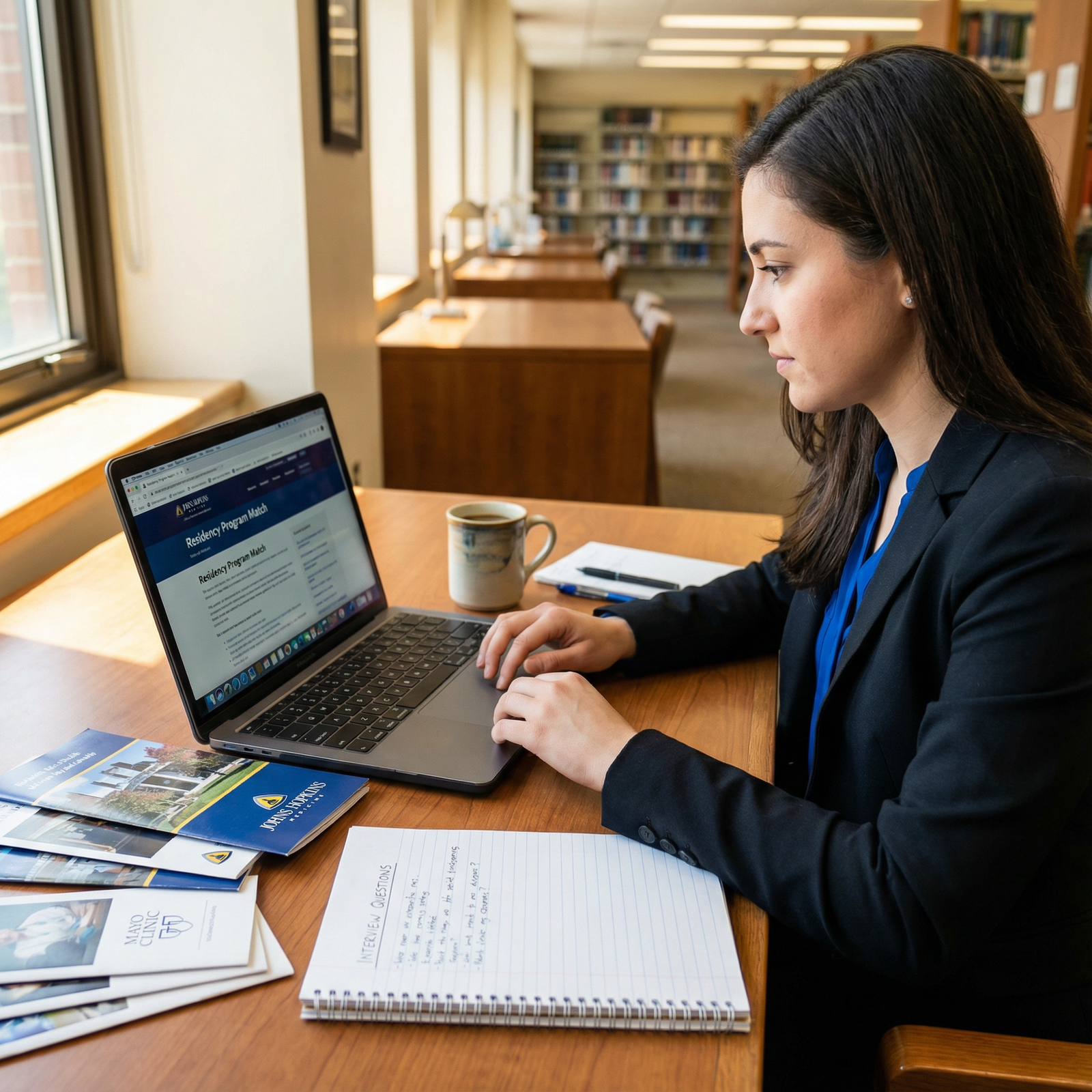
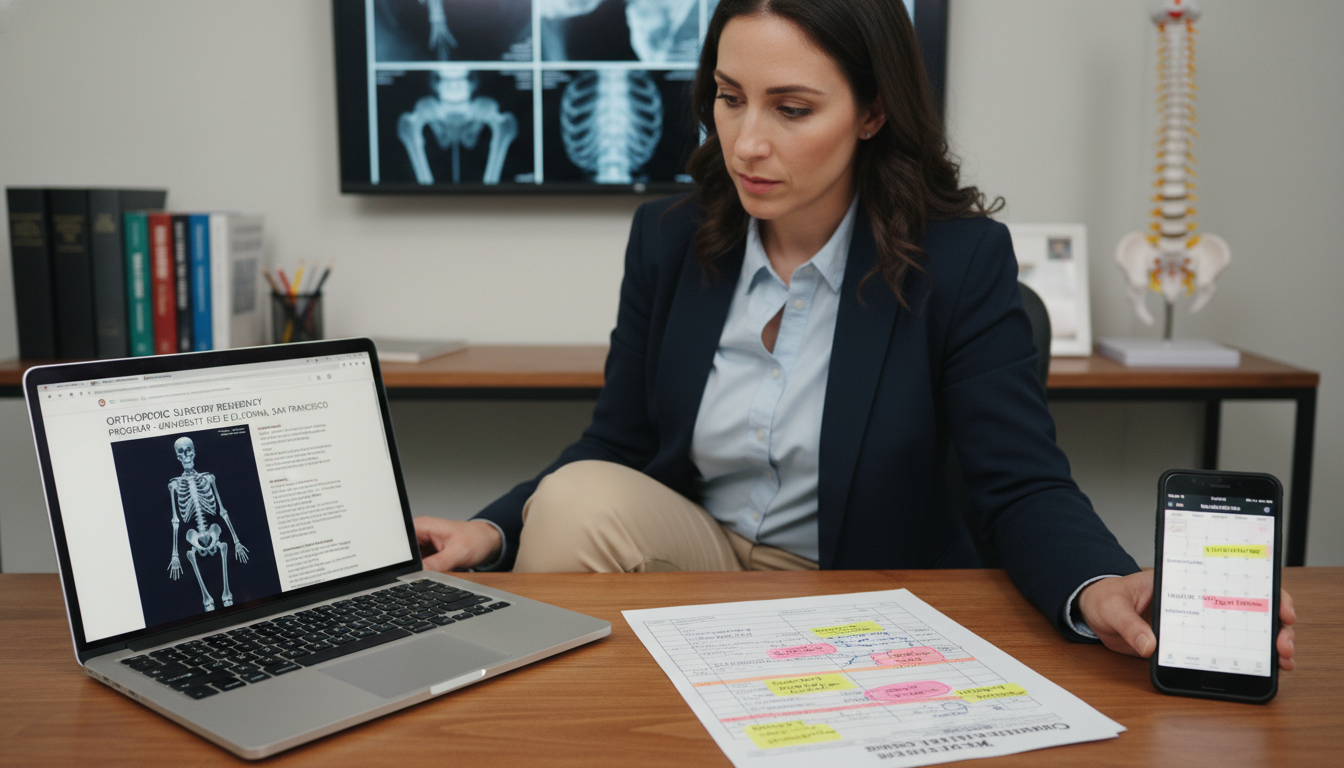
Knowing how to prepare for interviews includes knowing how to prepare for each interview. Program-specific research is one of the highest-yield parts of pre-interview preparation for an orthopedic surgery residency.
3.1 Build a Program Research System
As you get interview invites, immediately create a tracking document (spreadsheet or note app) with:
- Program name and location
- Interview date and format (virtual vs in-person)
- Key faculty (PD, chair, APDs, notable researchers)
- Resident class size
- Notable features:
- Level 1 trauma? Pediatric hospital? VA?
- Research infrastructure: lab? biomechanics center? database access?
- Clinical strengths: sports, joints, spine, hand, oncology, etc.
- Your specific interests relative to that program
- Questions you want to ask
For each program, collect information from:
- Official website and recent news/press releases
- FREIDA / program overview documents
- Social media (often provides authentic insight into culture, wellness, and resident camaraderie)
- Residents and alumni from your school, if available
3.2 Identify “Fit” Angles for Orthopedics
Ortho programs often define themselves by:
- Case mix and trauma volume
- Level of resident autonomy in the OR
- Fellowship match patterns (do grads match in the subspecialties you’re interested in?)
- Research support and expectations
- Community vs academic environment
As you research, identify how your background and goals intersect with those elements. Examples:
- You have strong research experience → highlight interest in the program’s biomechanics lab or outcomes database.
- You have an athletic background → connect with strong sports medicine faculty and a focus on return-to-play.
- You speak another language → mention how you’d be valuable in caring for diverse local patient populations.
Use this to craft 2–3 program-specific points to weave into your “Why this program?” answer and your questions for faculty/residents.
4. Practicing High-Yield Interview Skills
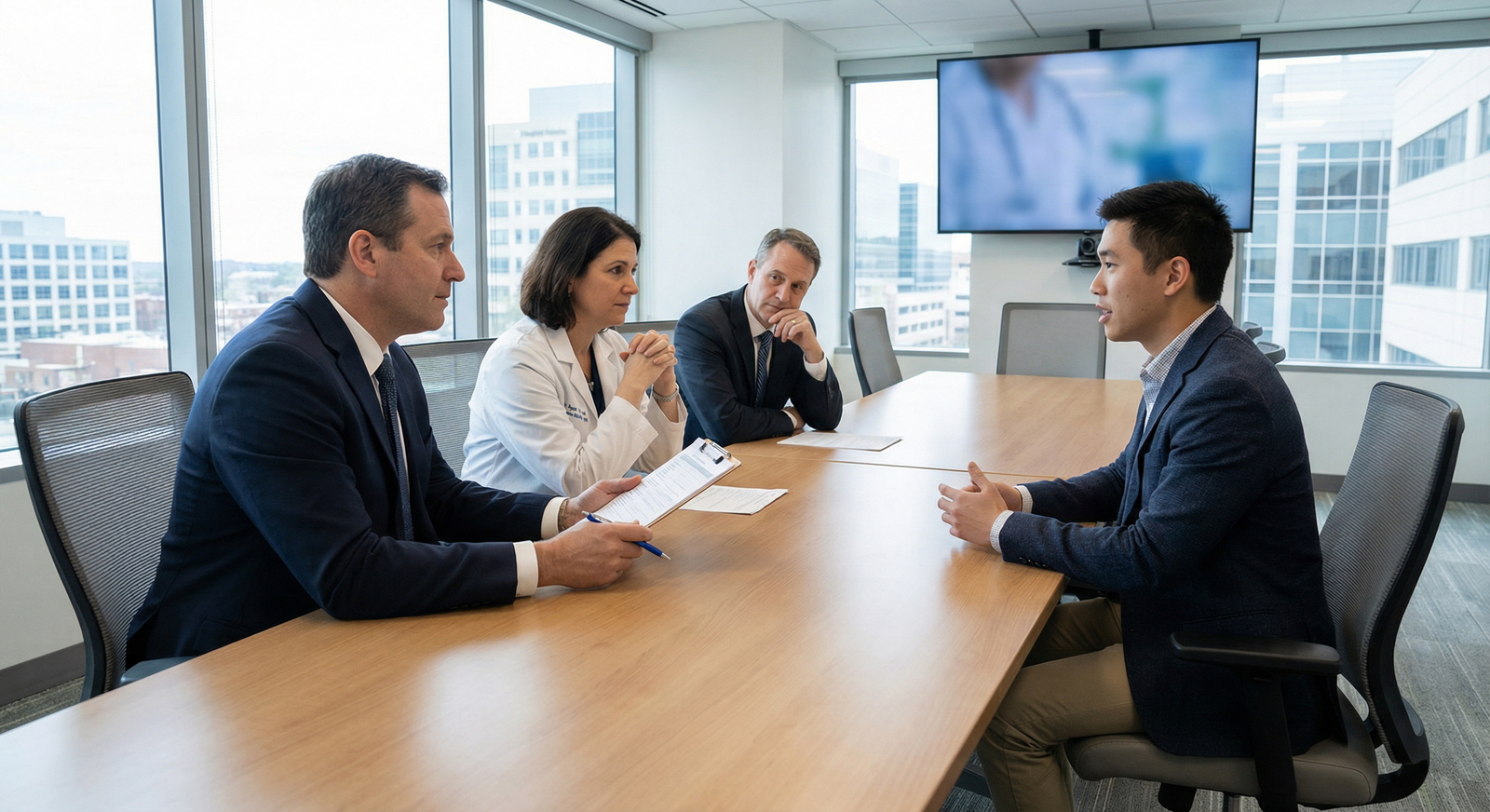
4.1 Mock Interviews: Frequency and Focus
Aim for 3–6 structured mock interviews before your first actual interview:
- At least one with:
- An orthopedic faculty member or fellow (for content and professionalism)
- A non-ortho but experienced interviewer (for general performance)
- A peer or mentor for repeated practice
Simulate the real environment:
- Dress in interview attire for at least some mocks
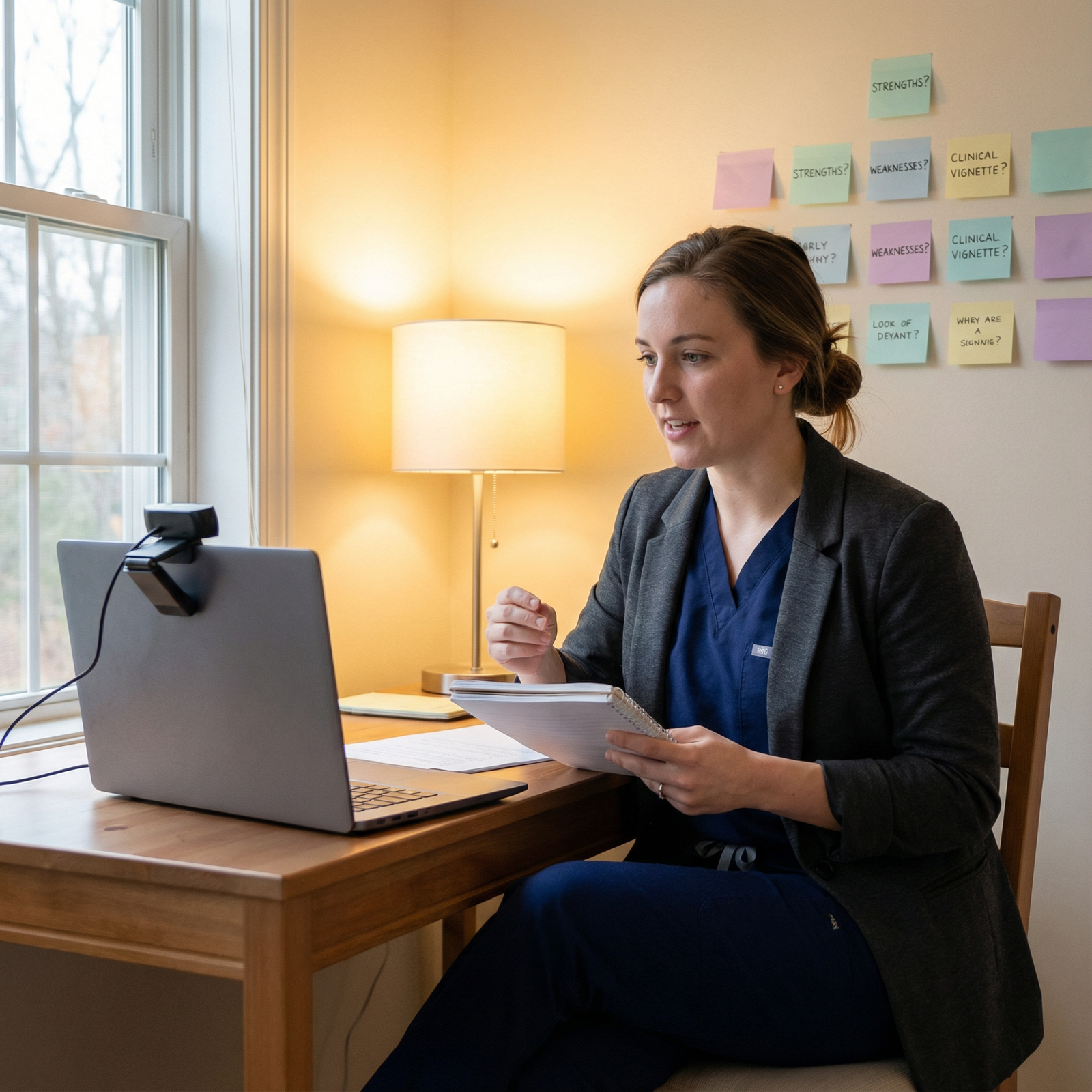
- Use the same platform (Zoom, Teams) if interviews are virtual
- Sit with a neutral background and good lighting
- Practice logging in early, camera framing, and sound check
Ask for specific feedback on:
- Clarity and concision of answers
- Professionalism and demeanor
- Over-use of filler words (“um,” “like”)
- Body language and eye contact (look at the camera for virtual interviews)
4.2 Behavioral and Situational Questions
Residency interview preparation must emphasize behavioral questions that probe professionalism, ethics, and teamwork. Some common prompts:
- “Tell me about a time you made a mistake.”
- “Describe a conflict with a team member and how you handled it.”
- “Tell me about a time you received critical feedback.”
- “Describe a stressful situation and how you managed it.”
Use a structured approach like STAR:
- Situation – Brief context
- Task – Your role or responsibility
- Action – What you did (focus most here)
- Result – What happened and what you learned
Example (feedback):
- Situation: Sub-I in orthopedics; overshot length of presentations.
- Task: Improve efficiency while preserving key details.
- Action: Asked senior for specific examples, practiced structured presentations, timed myself.
- Result: More concise, positive feedback, now use that framework regularly.
Prepare 8–10 adaptable STAR stories ahead of time. Many questions can be answered with variations of these stories.
4.3 Handling Difficult or Sensitive Questions
You may face questions about:
- USMLE/COMLEX failures or low scores
- Leaves of absence or gaps
- Changes in specialty choice
- Past professionalism concerns
Effective approach:
- Be honest and concise.
- Take ownership, avoid blaming others.
- Emphasize growth: what you changed, how you improved.
- Connect to readiness for residency: organizational strategies, wellness practices, study methods, etc.
Example:
“I had a failure on Step 1, which was a pivotal moment. I re-evaluated my study strategies, developed a structured schedule with question blocks and spaced repetition, and sought guidance from upperclassmen. I passed comfortably on my second attempt and performed strongly on Step 2, which I think better reflects how I’ll approach the preparation and consistency expected in residency.”

5. Logistics, Professionalism, and Performance Optimization
Orthopedic surgery interview days can be long, intense, and multi-session. Your pre-interview preparation isn’t just about content; it’s also about logistics, presentation, and stamina.
5.1 Organizing an Intensive Interview Schedule
Ortho interview seasons are compressed and competitive. Once invites start:
- Use a master calendar to track:
- Interview dates and times (local vs program time zone)
- Social events the evening before (resident Zooms, dinners)
- Travel time if in-person
- Color-code:
- Confirmed interviews
- Wait-listed or hold offers
- Conflicts needing resolution
If doing in-person interviews:
- Plan travel to arrive at least the day before, early enough to rest.
- Have contingency plans for winter weather (alternative flights, extra time).
- Keep all important documents (itinerary, program contacts) on your phone and printed as backup.
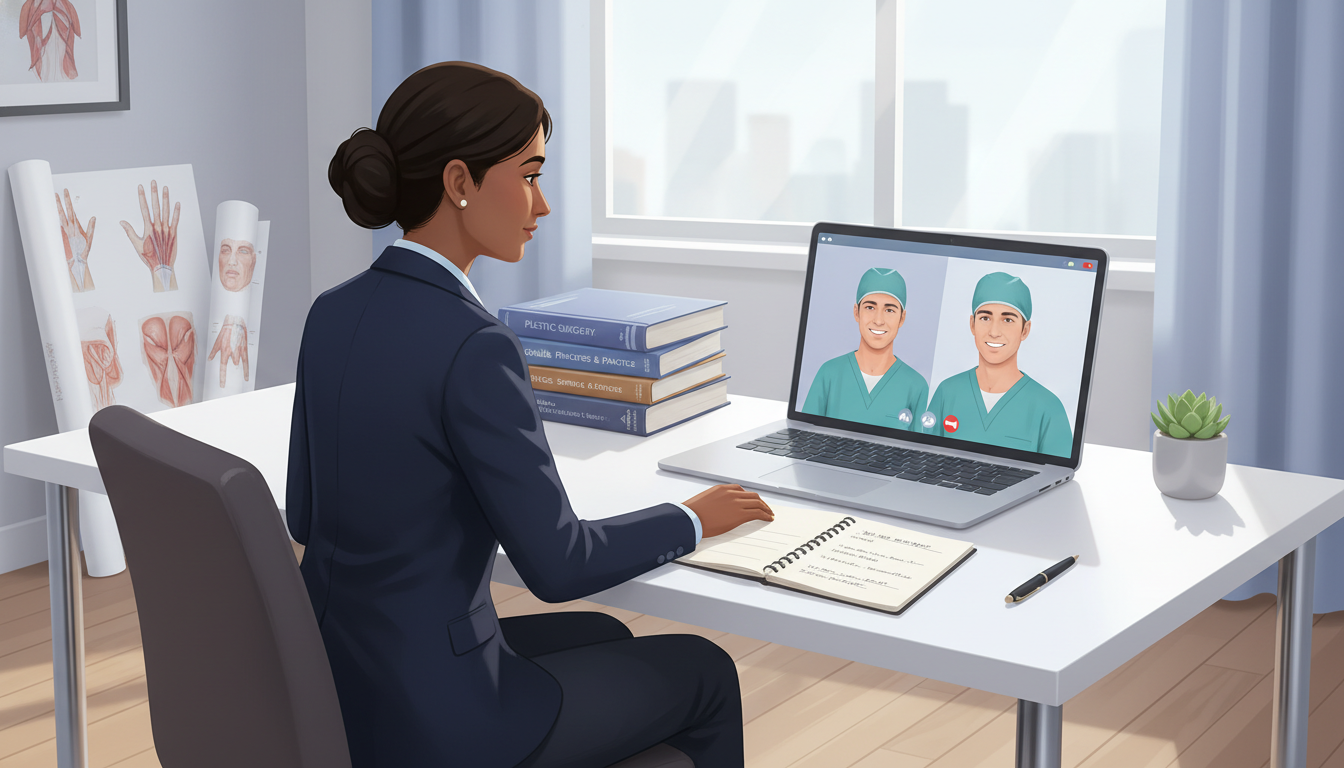
5.2 Virtual Interview Setup for Orthopedics
For virtual orthopedic surgery residency interviews:
Environment:
- Quiet room with stable internet
- Neutral, uncluttered background (plain wall or subtle bookshelf)
- Adequate front-facing light (window or ring light)
- Camera at eye level
Technical checklist:
- Test your platform (Zoom, Thalamus, Teams) in advance
- Ensure your username and photo are professional
- Disable notifications on computer and phone during interviews
- Have a backup device and hotspot option if possible
Materials at your desk:
- Printed or digital one-page summary of each program
- A short list of questions for faculty and residents
- Pen, notepad, and a glass of water
- Copy of your CV and personal statement (for your own reference only)
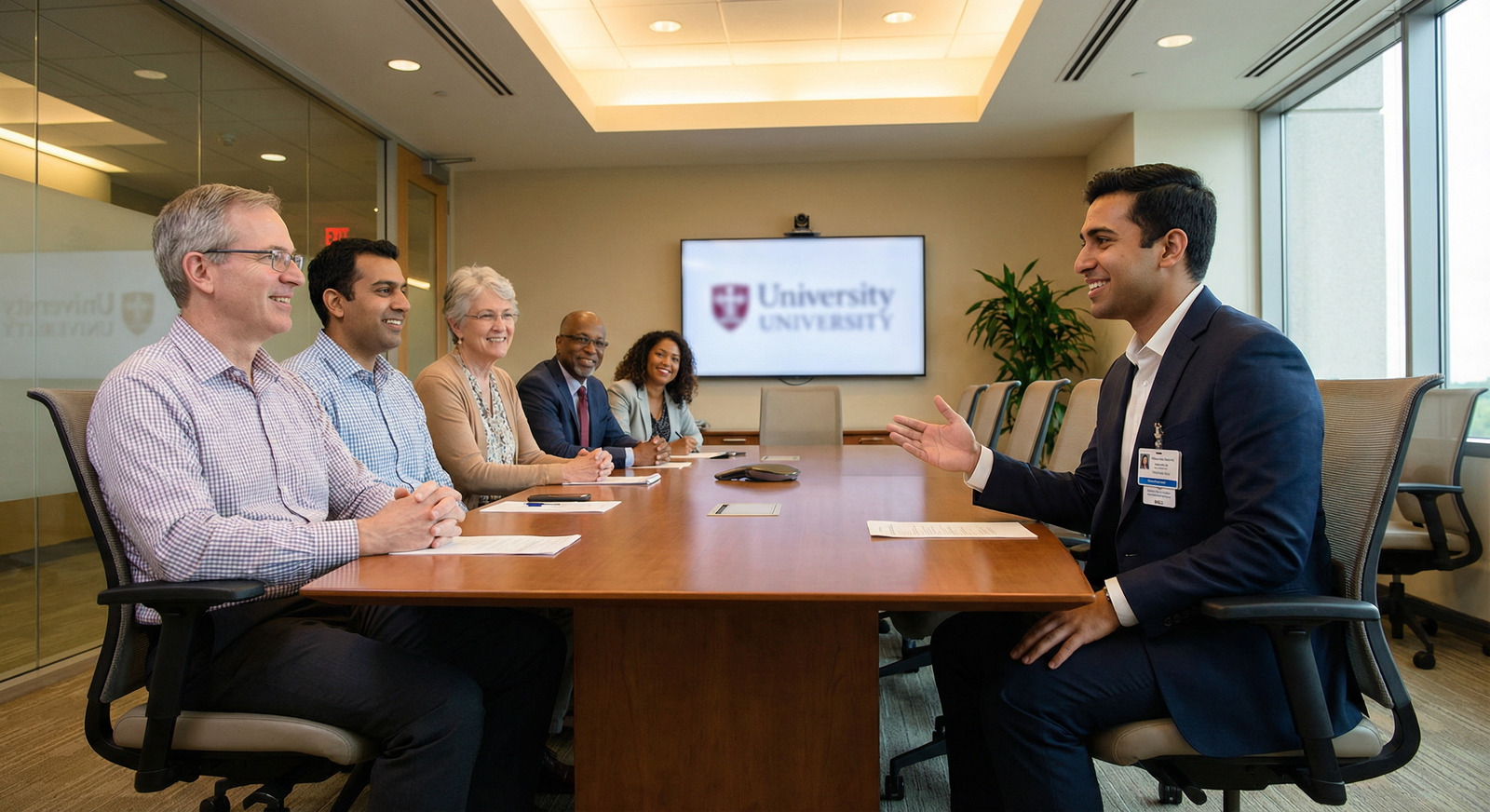
5.3 Professional Appearance and Nonverbal Communication
Orthopedic culture tends toward conservative, professional dress.
- Typically: dark suit (navy/charcoal), light shirt/blouse, simple tie or no tie, minimal jewelry.
- Grooming: neat, clean, professional hairstyles and facial hair.
- For in-person interviews, comfortable but polished shoes (you may walk or stand a lot).
Nonverbal tips:
- Sit upright, slightly leaning forward.
- Maintain eye contact (or look at the camera virtually).
- Use natural hand gestures, but avoid fidgeting.
- Nod or verbally acknowledge to show engagement, especially in group sessions.
6. Strategic Question Asking and Final Pre-Interview Steps
Your questions reflect how seriously you’re considering a program and how thoughtfully you’ve approached residency interview preparation.
6.1 High-Value Questions for Orthopedic Surgery Programs
Prepare distinct questions for:
- Program director / chair
- Faculty interviewers
- Residents
Examples:
For program leadership:
- “How do you see the program evolving over the next 5 years, particularly regarding trauma volume or subspecialty expansion?”
- “How do you balance operative autonomy with appropriate supervision for residents at different PGY levels?”
- “What qualities do you think distinguish your graduates in fellowship or practice?”
For research-oriented faculty:
- “How are residents supported to pursue research during busy clinical rotations?”
- “Are there structured opportunities for residents to present at national orthopedic meetings?”
For residents:
- “What surprised you most after starting here?”
- “How would you describe the culture between residents and attendings in the OR?”
- “How is wellness realistically supported on trauma-heavy rotations?”
- “If you could change one thing about the program, what would it be?”
Avoid questions that:
- Are easily answered on the website (“Do you have a sports medicine rotation?”)
- Seem primarily about lifestyle or moonlighting in early years
- Put residents in an uncomfortable position (e.g., “Who are the worst attendings?”)
6.2 The Night Before: Final Preparation Checklist
The last 24 hours before an interview should be about fine-tuning and calming, not cramming.
The night before:
- Review your program-specific notes (10–15 minutes).
- Scan your CV/personal statement for any areas you haven’t discussed recently.
- Rehearse, out loud, your:
- “Tell me about yourself”
- “Why orthopedic surgery?”
- “Why this program?”
- Confirm:
- Interview time and time zone
- Link or physical address
- Contact info in case of emergencies
- Lay out clothes and test your tech (for virtual).
Prioritize sleep:
- Aim for 7–8 hours; protect your sleep window.
- Light exercise or a short walk can reduce pre-interview anxiety.
- Avoid major last-minute changes (e.g., new software, new computer).
6.3 Mindset on Interview Day
Orthopedic programs are evaluating fit, collegiality, and trainability, as much as raw knowledge. Frame your mindset as:
- “I am here to see if I can thrive in this environment and if we’re a mutual fit.”
- “I will answer honestly, with specific examples, and show who I really am.”
- “I have prepared thoroughly; I can trust my preparation.”
During the day:
- Take brief notes right after each interaction (names, key themes, your impressions).
- Stay consistent: every interaction counts (coordinators, residents, accidental hallway conversations).
- Remember: programs are not looking for perfection, but for genuine, hardworking, team-oriented future colleagues.
Frequently Asked Questions (FAQ)
1. How early should I start residency interview preparation for orthopedic surgery?
Start structured prep 4–6 weeks before the expected start of interview season. Earlier than that, you can:
- Build and refine your narrative (“why ortho,” career goals)
- Collect stories for behavioral questions
- Begin a rough program research framework
Intensive mock interviews, program-specific research, and logistics planning typically ramp up once invitations begin arriving.
2. Will I be asked technical orthopedic questions during interviews?
Most programs do not heavily test detailed orthopedic knowledge during residency interviews. Some faculty may informally ask about:
- Your favorite case and what you learned
- How you approached a complex call situation
- General understanding of fracture management principles
You are not expected to perform an oral boards exam. Focus on demonstrating curiosity, sound clinical reasoning at your level, and a willingness to learn.
3. How can I stand out in a competitive ortho match without a top Step score?
Pre-interview preparation can highlight strengths beyond scores:
- Clear, authentic narrative about why orthopedics
- Strong letters and examples of being a reliable team member
- Concrete research or quality improvement experiences
- Demonstrated resilience and growth from any setbacks
- Thoughtful, specific knowledge of each program and how you’d contribute
Your interview is an opportunity to “round out” your application and show that you’re a capable, personable future colleague.
4. How many mock interviews should I do before my first orthopedic surgery interview?
Aim for 3–6 structured mock interviews, including:
- At least one with orthopedic faculty or someone familiar with the field’s culture
- One focused on behavioral questions and professionalism
- One that simulates the exact conditions (virtual or in-person) and dress code
Beyond that, additional practice can be done with peers, focusing on refining your stories, reducing filler words, and improving comfort and confidence on camera or in person.
Thoughtful, systematic pre-interview preparation can dramatically improve your comfort and performance throughout orthopedic surgery residency interviews. By clarifying your story, mastering core content, researching programs strategically, practicing deliberately, and optimizing logistics, you position yourself to make a compelling impression and navigate the ortho match with confidence and poise.