Understanding the Pathology Residency Interview Landscape
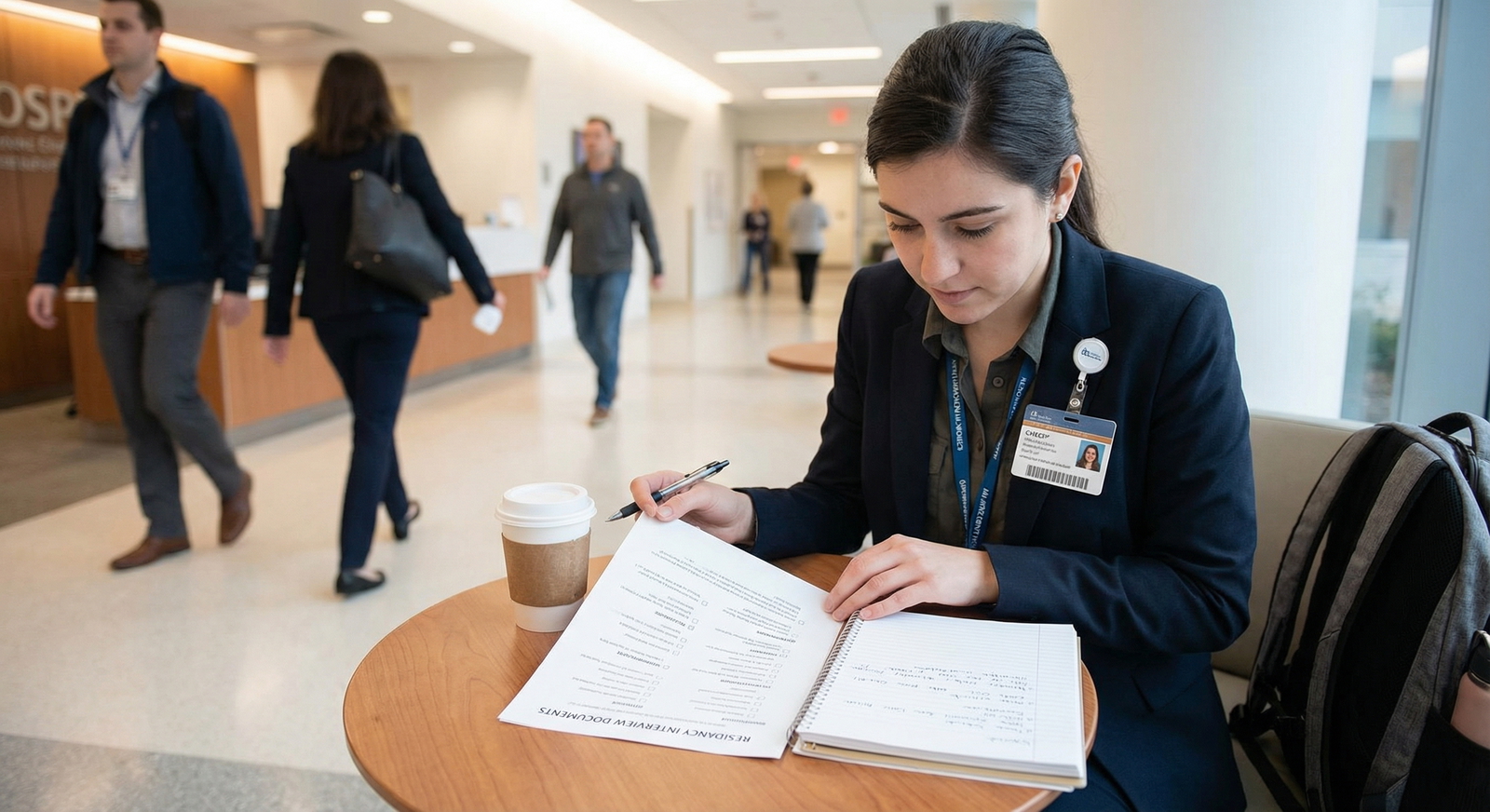
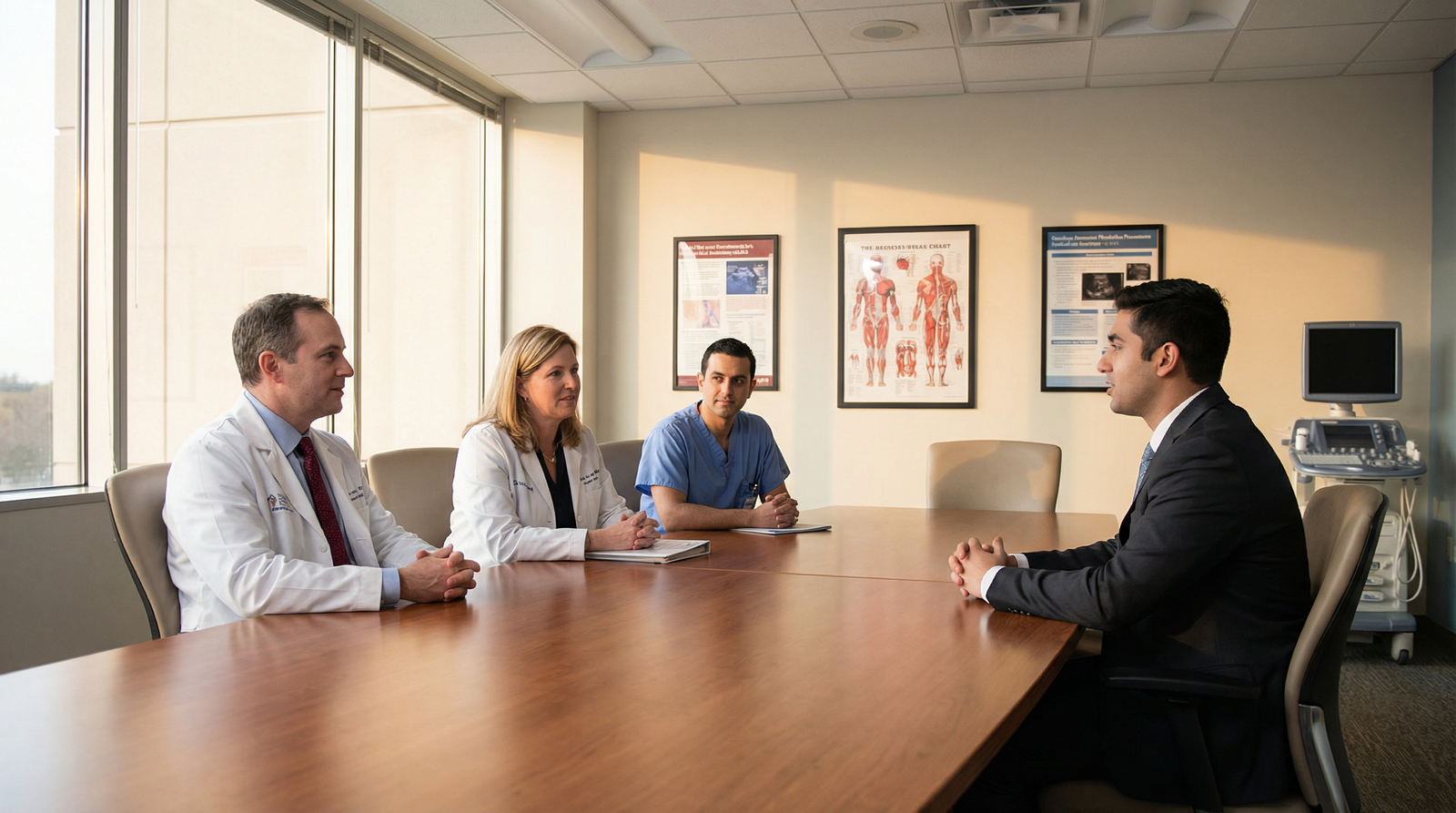
Pathology residency interviews are unique compared with other specialties. You’ll talk less about “favorite cases on rounds” and more about microscope exposure, research, analytical thinking, and your understanding of what pathologists actually do. Effective pre-interview preparation in pathology can transform a stressful season into a strategic opportunity.
Programs are evaluating:
- Your understanding of the field of pathology (AP, CP, subspecialties, role in patient care)
- Your fit for their training environment (academic vs. community, research vs. diagnostic focus)
- Your communication skills—critical for consultations, tumor boards, and interdepartmental work
- Your curiosity, detail orientation, and work ethic
- Your potential as a collegial, teachable resident who will represent the program well
Your preparation should aim to:
- Clarify your own goals in pathology
- Develop polished, authentic answers to common interview questions residency programs will ask
- Understand each program well enough to ask insightful questions and demonstrate genuine interest
- Organize your application “story” so everything is coherent and compelling
The guide below focuses on what to do in the 4–6 weeks before interviews, with an emphasis on pathology.
Step 1: Build a Strong Foundation in Pathology-Specific Knowledge
You’re not expected to be a pathologist yet, but you are expected to understand the field you’re entering. Before interview season, invest time in structured learning so your answers sound informed and realistic.
A. Clarify Your Understanding of Pathology as a Specialty
Be prepared to discuss:
- What pathology actually entails
- Anatomic pathology (AP): surgical pathology, cytology, autopsy
- Clinical pathology (CP): hematology, transfusion medicine, microbiology, chemistry, molecular diagnostics
- Where pathologists work
- Academic centers, community hospitals, private labs, industry, public health, forensic settings
- How pathologists impact patient care
- Diagnostic accuracy, prognostic information, therapy selection (e.g., biomarkers, molecular tests), interdisciplinary communication
Actionable steps:
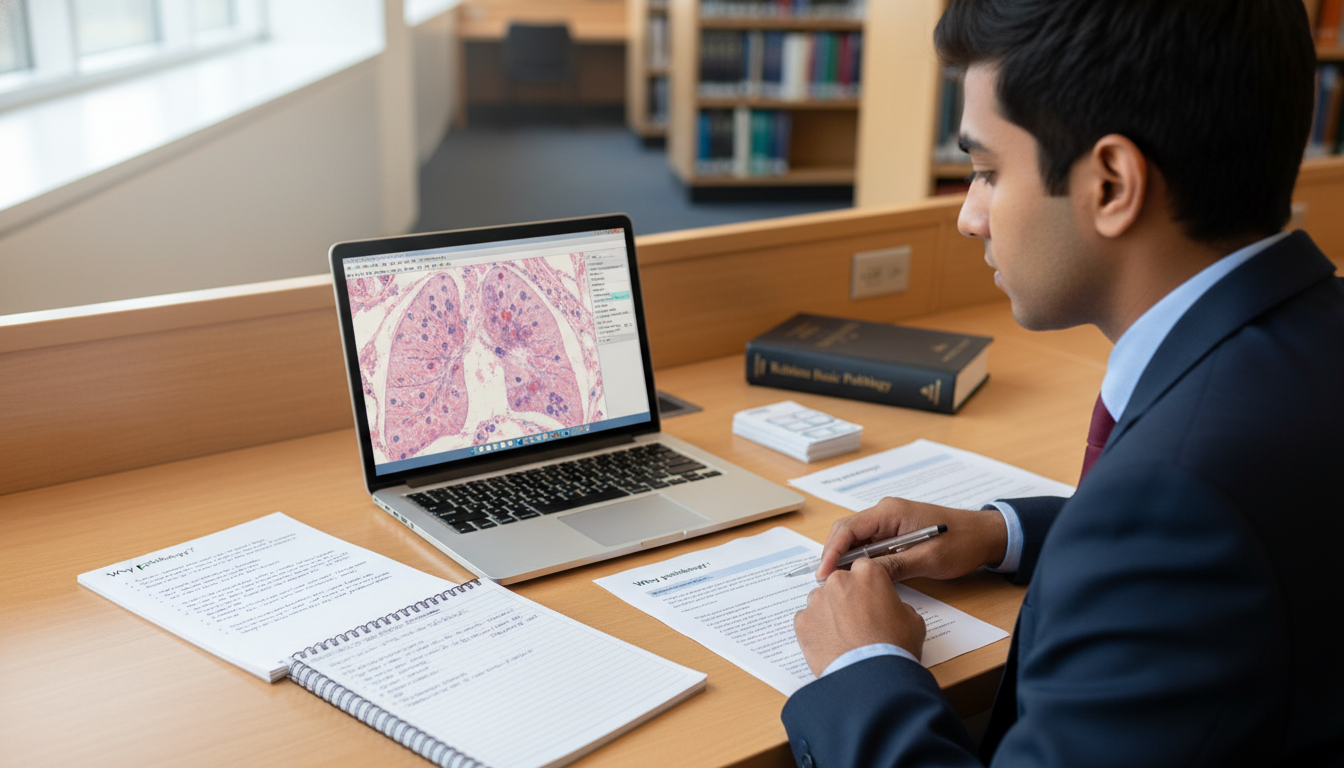
- Review a concise pathology textbook or trusted online resource focused on the role of pathologists in clinical care (e.g., chapters on the practice of pathology, not just disease entities).
- Watch 2–3 short videos or webinars by practicing pathologists explaining their day-to-day work.
- Talk to at least one practicing pathologist (in person, email, or video) and ask:
- “What do you wish applicants understood about pathology?”
- “What skills make a pathology resident successful in your program?”
Use what you learn to refine your answer to:
“Why pathology?” and “Why AP/CP?” (or another track, if applicable).
B. Review Your Own Pathology-Related Experiences
Expect interviewers to probe your prior exposure:
- Electives in pathology (surgical path, autopsy, CP rotations, subspecialties)
- Shadowing or observerships
- Research in pathology, basic science, or adjacent fields
- QA/QI projects involving lab processes, test utilization, or reporting
- Tumor board participation or multidisciplinary conferences
For each experience, outline:
- What you did (your role, level of independence)
- What you learned about pathology
- How it shaped your career goals
- A specific patient, case, or project that stands out—without violating confidentiality
Example:
- Experience: 4-week surgical pathology elective
- Key learning: The importance of grossing quality, good clinical history, and communication with surgeons
- Impact: Confirmed your interest in oncologic pathology and solidified desire for strong AP training
- Specific case: Advanced breast carcinoma where pathology staging and receptor status changed management
Have 2–3 of these examples ready; you’ll use them often in answers.
Step 2: Analyze Your Application and Craft Your “Pathology Story”
Before any residency interview preparation, you must deeply know your own application. Program faculty will likely have it open in front of them.
A. Re-Read Every Part of Your Application
Carefully review:
- ERAS application (education, experiences, publications, presentations)
- Personal statement
- CV
- Letters of recommendation (if you’ve seen them or know the main points)
- USMLE/COMLEX transcripts
- MSPE (Dean’s Letter), if available
For each experience, ask:
- Why did I include this?
- What did I actually do?
- What did I learn?
- How does it relate (directly or indirectly) to being a good pathology resident?
Expect questions like:
- “Tell me more about this research project.”
- “I see you did an internal medicine sub-internship—how did that influence your decision to choose pathology?”
- “You spent a year in basic science research. How does that fit into your long-term goals?”
Prepare 2–3 bullet points you can talk about for each major item.
B. Develop a Coherent Career Narrative
Programs favor applicants with a clear, believable trajectory into pathology—even if it evolved late.
Build a consistent “story” that ties your experiences together:
- Initial exposure to pathology (course, mentor, autopsy, case, research).
- Exploration: electives, research, shadowing confirming your interest.
- Decision point: when you realized pathology was the right choice.
- Current goals: what you’re looking for in a residency program and early career.
- Future direction: tentative interest in subspecialties, academic vs. community practice, research vs. purely diagnostic roles.
Example skeleton:
“During my third-year IM rotation, a complex lymphoma case introduced me to the pathology report as the central guide to therapy. That curiosity led me to a pathology elective, where I realized how much I enjoyed diagnostic reasoning at the microscope. Subsequent electives in hematopathology and transfusion medicine confirmed that I thrive in environments that require careful analysis and collaboration with clinical teams. Now I’m applying to AP/CP programs where I can build a strong diagnostic foundation and explore subspecialties, particularly hemepath and molecular pathology.”
Practice telling this narrative in 60–90 seconds. It will form the core of your answers to “Tell me about yourself” and “Why pathology?”
Step 3: Master Common Pathology Residency Interview Questions
Good residency interview preparation means actively practicing for the most likely questions. You don’t need word-for-word scripts, but you should have clear, structured talking points.
A. High-Yield General Questions (Asked in Most Specialties)
“Tell me about yourself.”
- Structure: Brief background → key experiences → current interests in pathology → something personal/humanizing.
- Aim for 60–90 seconds, conversational, not your CV read aloud.
“Why pathology?”
- Connect 2–3 specific experiences to features of the field:
- Enjoyment of pattern recognition and analytical reasoning
- Satisfaction from solving diagnostic puzzles
- Appreciation for behind-the-scenes impact on patient care
- Attraction to lab-based, microscopic, or molecular work
- Avoid vague answers like “I like labs and don’t like talking to patients.”
- Connect 2–3 specific experiences to features of the field:
“Why AP/CP (or other track)?”
- Show you understand what AP and CP entail.
- Explain how both are important for your career (even if you lean toward one).
- If you’re thinking about fellowships, mention 1–2 areas of interest, but stay open-minded.
“What are your strengths?”
Tailor to pathology-relevant qualities:- Attention to detail and accuracy
- Ability to synthesize complex data
- Reliability and time management
- Curiosity and love of learning
- Professionalism and collegiality
“What are your weaknesses?”
- Choose a real but manageable area.
- Show insight and a concrete plan for improvement.
- Example: “I can be overly thorough, which initially slowed me down. I’ve been working on balancing thoroughness with efficiency by setting time limits and prioritizing key diagnostic features.”
“Tell me about a time you had a conflict / made a mistake / faced a challenge.”
- Use the STAR method (Situation, Task, Action, Result).
- Focus on communication, professionalism, and what you learned.
“Where do you see yourself in 5–10 years?”
- Show you’ve thought about:
- Academic vs. community practice
- Possible subspecialties (e.g., hemepath, GI, derm, molecular, cytology, forensic)
- Emphasize openness to growth and further exposure during residency.
- Show you’ve thought about:
B. Pathology-Specific Interview Questions
These are central to interview questions residency programs in pathology often ask:
- “What aspects of pathology do you find most appealing?”
- “Which did you like more during your electives: AP or CP, and why?”
- “How do you see pathologists interacting with other clinicians?”
- “Tell me about a memorable case from a pathology rotation.”
- “What do you think are the biggest challenges facing pathology today?”
- “How comfortable are you with limited direct patient interaction?”
- “How do you stay motivated working behind the scenes?”
Preparation strategy:
Memorable case:
- Brief clinical context → pathology findings → your role → what you learned.
- Emphasize communication, diagnostic reasoning, and impact on patient care.
Challenges in pathology (pick 1–2 you understand):
- Increasing workload and complexity
- Rapid growth of molecular/genomic diagnostics
- Reimbursement and resource constraints
- AI and digital pathology—opportunities and limitations
- Maintaining visibility within the healthcare team
Motivation and fit for pathology:
- Emphasize that you genuinely enjoy:
- Detailed visual analysis
- Pattern recognition and differential diagnosis
- Integrating clinical, radiologic, and pathologic data
- Emphasize that you genuinely enjoy:
C. Prepare for Behavioral and “Fit” Questions
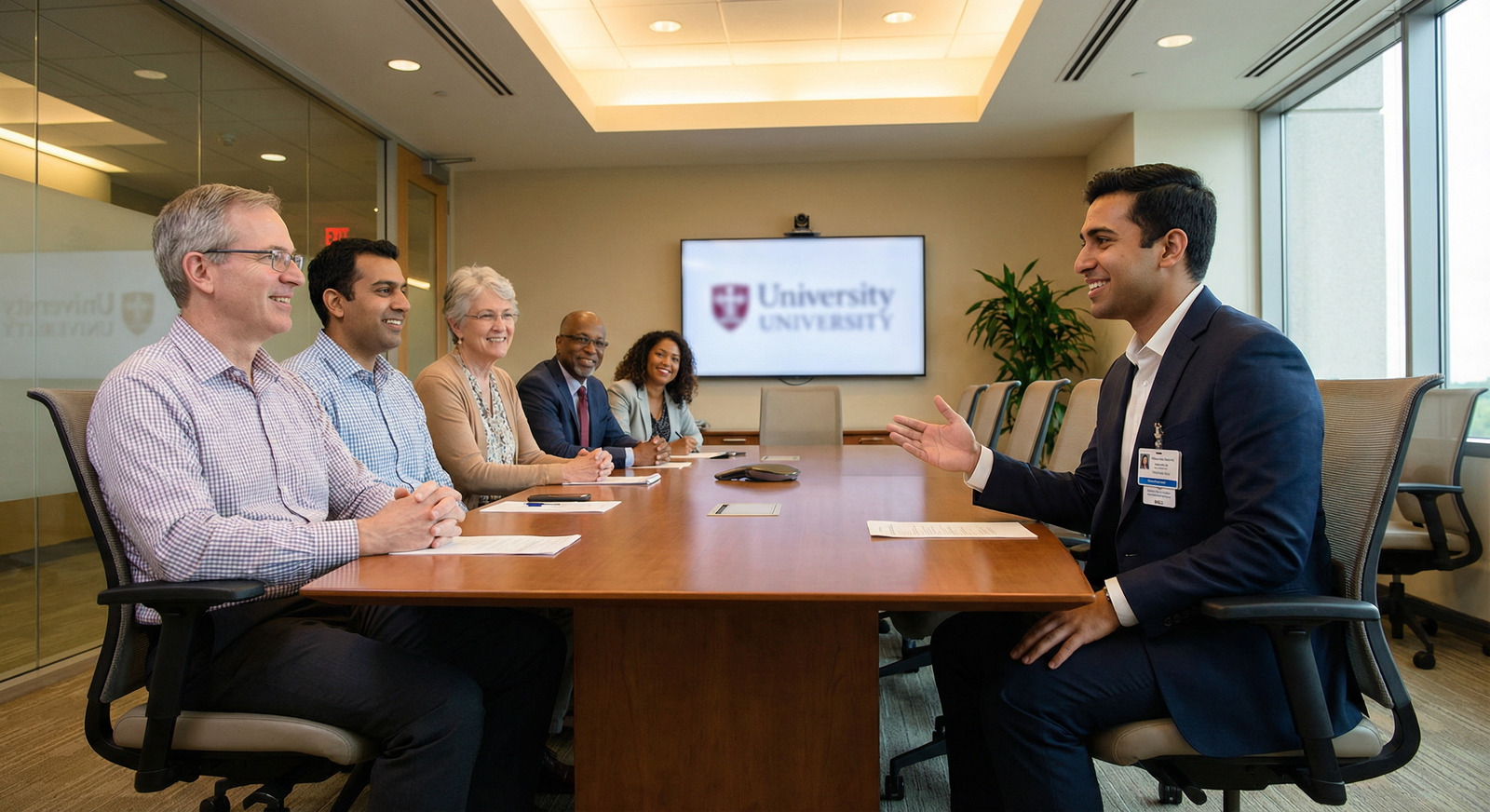
Programs are assessing if you’re someone they’d like to work with daily for 4+ years.
Expect:
- “How do you handle stress or high workload?”
- “Tell me about a time you worked in a team.”
- “Describe a situation where you received critical feedback.”
- “What do you do outside of medicine?”
Tips:
- Use concrete examples.
- Emphasize reliability, humility, and growth.
- Have at least two non-medical interests you can discuss briefly.
D. Practice Out Loud, Not Just in Your Head
- Do mock interviews with:
- A faculty member in pathology
- A career advisor
- A peer also applying to residency
- Record yourself answering 5–10 common questions and review:
- Clarity and structure
- Filler words (“um,” “like”)
- Body language and eye contact (for video interviews, look at the camera)
Focus on sounding natural, confident, and concise, not memorized.

Step 4: Research Programs and Prepare Intelligent Questions
Good pre-interview preparation includes program-specific research. Interviewers can tell when you’ve done your homework.
A. How to Research Pathology Programs
For each program:
Review the website thoroughly
- AP/CP curriculum structure (block vs. longitudinal)
- Required vs. elective rotations
- Distribution of AP vs. CP time
- Fellowship offerings and where graduates match
- Research opportunities and areas of focus
- Call responsibilities (frozen sections, CP call, transfusion, microbiology)
- Resident benefits and wellness-related initiatives
Check faculty and subspecialty strengths
- Major divisions: hemepath, GI, dermpath, neuropath, cytopath, molecular, forensic, transfusion, etc.
- Any niche you are particularly interested in (e.g., informatics, digital pathology, global health)
Look up resident profiles
- Educational backgrounds and interests
- Resident-run social media or blogs detailing their experiences
Search for recent departmental news
- New labs or facilities
- Grants, awards, or notable projects
- Implementation of digital pathology or new molecular platforms
Keep a one-page summary for each program with:
- Distinct features
- 2–3 reasons you’re genuinely interested
- 3–4 tailored questions you want to ask
B. Prepare Insightful Questions to Ask Interviewers
Good questions demonstrate maturity, real interest, and understanding of pathology training. Avoid questions easily answered by the website.
Examples:
- Curriculum and training:
- “How does your program balance exposure to common bread-and-butter cases with more complex subspecialty material?”
- “What opportunities are there for residents to gain early microscopic responsibility under supervision?”
- Mentorship and career development:
- “How are residents supported in choosing fellowships and career paths?”
- “Is there a formal mentorship program, and how are mentors assigned?”
- Research and scholarly activity:
- “What kinds of resident-led research or QI projects are most common here?”
- “How accessible are faculty for collaborative projects?”
- Culture and wellness:
- “How would you describe the culture of the department and resident group?”
- “What are typical strategies the program uses to help residents cope with heavy service rotations?”
- CP and lab management:
- “What is the resident’s role in laboratory management and quality improvement?”
- “How is CP training integrated into the day-to-day resident experience?”
Tailor specific questions to program strengths. For example, if a program is known for hemepath:
“I noticed your department’s strong focus on hematopathology, including several faculty active in clinical trials. How are residents integrated into these services and related conferences?”
Have different questions ready for faculty vs. residents. Residents are often best for:
- Real schedule, workload, and call expectations
- Departmental culture
- Support in times of personal difficulty
- City life and affordable housing
Step 5: Logistics, Presentation, and Final Polishing
The “small details” can derail an interview day if neglected. Systems-oriented preparation reduces last-minute stress.
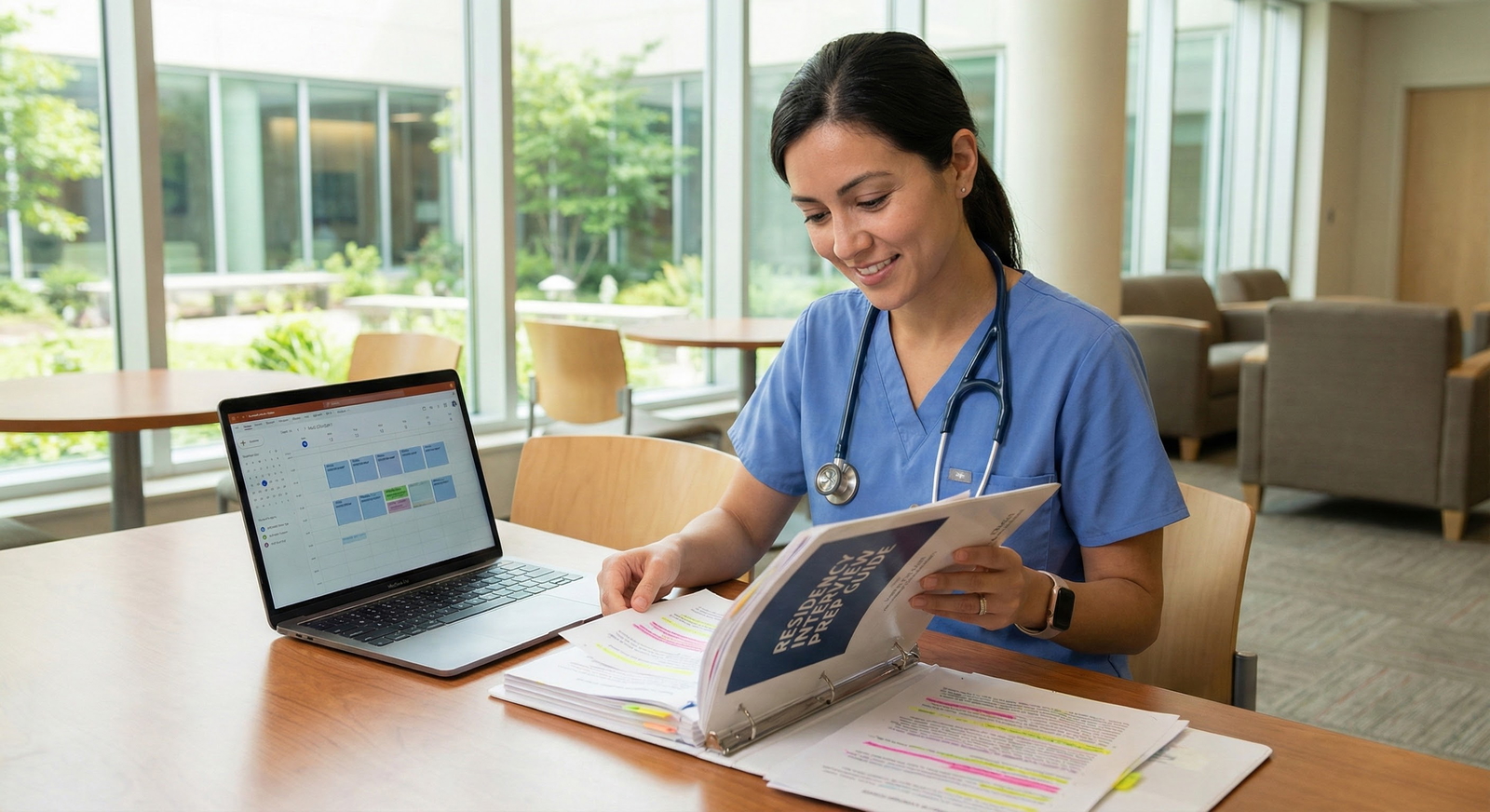
A. Organize Your Interview Calendar
Maintain a master spreadsheet for the pathology match season:
- Program name and location
- Date and time (with time zone) of interview
- Interview format (virtual vs. in-person)
- List of interviewers (if provided)
- Links to Zoom/Teams, schedule, and candidate information packet
- Notes about the program and your impressions after the interview
- Priority ranking or initial “gut feeling” (for later review)
For virtual interviews:
- Double-check time zones, especially if interviewing across states or countries.
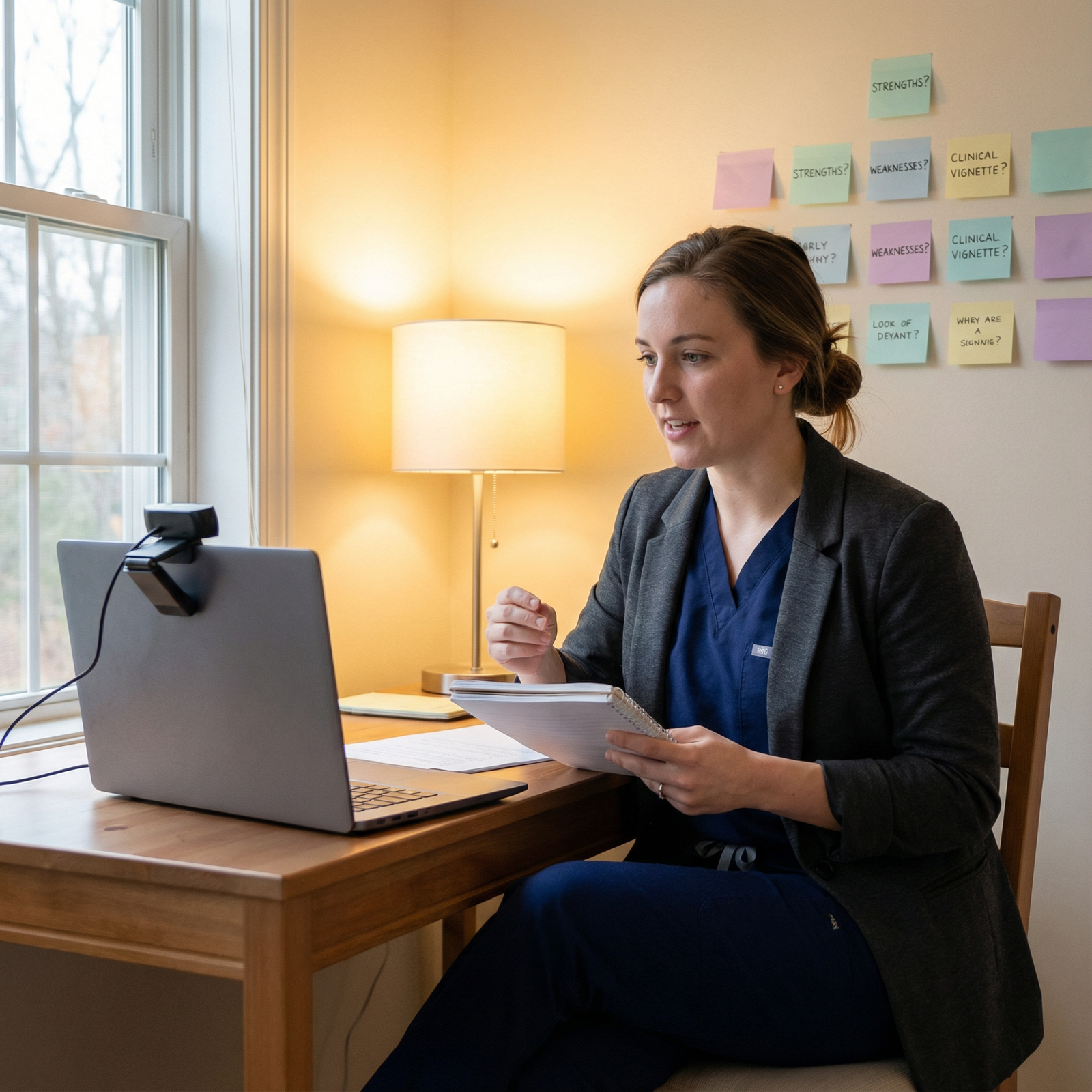
- Do a tech rehearsal (test camera, microphone, background, internet).
B. Professional Appearance and Environment
Even if pathology is perceived as less “formal” than some clinical specialties, professionalism matters.
- Attire:
- Wear standard interview business attire (suit jacket, dress shirt/blouse, conservative colors).
- Make sure your clothing is comfortable for a full day.
- Virtual background:
- Neutral, uncluttered, well-lit background.
- Camera at eye level, with your face centered.
- In-person considerations:
- Bring a simple folder with a notepad, pen, printed schedule, and a copy of your CV.
- Comfortable but professional shoes—there may be walking tours of the hospital and labs.
C. Review Basic Etiquette and Communication Skills
- Address interviewers formally unless invited otherwise.
- Listen fully before responding; don’t interrupt.
- Keep answers generally in the 1–2 minute range unless prompted to elaborate.
- Prepare brief, polite responses to potentially awkward questions (e.g., couples match, backup specialties, visa needs).
D. Mental and Physical Preparation
Pathology interviews may involve multiple one-on-one sessions plus group sessions and presentations. Fatigue can show.
- Sleep well for several nights preceding the interview.
- Eat something light but substantial the morning of.
- Hydrate, but schedule bathroom breaks during natural pauses.
- Practice a short mindfulness or breathing routine to reduce anxiety before logging in or walking into the department.
Have a short pre-interview ritual:
- Review the program’s one-page summary.
- Revisit your key strengths and “why pathology” points.
- Glance at your list of questions for interviewers.
- Take three slow, deep breaths.
Step 6: Post-Interview Reflection and Continuous Improvement
Preparation doesn’t end once the interview is over. A structured post-interview process will make your later ranking decisions more accurate and help you improve over time.
A. Immediately After Each Interview
Within 24 hours, jot down:
- People you met and any memorable details
- Your overall impression of:
- Program culture
- Faculty-resident interactions
- AP and CP strengths
- Research and fellowship opportunities
- Pros and cons:
- Strengths that align with your goals
- Concerns (e.g., case volume, limited CP exposure, fellowship placement)
- Any questions that remain unanswered
This debrief helps you avoid blending programs together later in the pathology match season.
B. Thank-You Emails (If Appropriate)
Not all programs expect thank-you notes, but brief, sincere messages can reinforce interest.
- Send within 24–72 hours.
- Keep them short:
- Thank them for their time.
- Mention a specific topic you discussed.
- Reiterate one reason you’re excited about the program.
- Do not:
- Make promises about ranking.
- Ask for special favors or exceptions.
C. Ongoing Self-Improvement
If you have several interviews spaced out:
- After the first 1–2, reflect:
- Which questions did you struggle with?
- Any feedback you got, explicit or implicit?
- Adjust your preparation:
- Refine weak answers.
- Prepare new examples for behavioral questions.
- Practice your delivery to sound more natural.
Over several interviews, your confidence and clarity should improve—if you deliberately review and refine.
Frequently Asked Questions (FAQ)
1. How early should I start my pathology residency interview preparation?
Begin focused pre-interview preparation about 4–6 weeks before your first interview. That gives time to:
- Refresh your understanding of pathology as a specialty
- Review your application thoroughly
- Develop and practice answers to common interview questions residency programs will ask
- Research individual programs
- Set up your logistical systems and virtual interview environment
If you anticipate multiple interviews, start earlier so you’re not cramming between interview days.
2. Do I need to review specific pathology content (e.g., histology) before interviews?
You won’t be formally tested on histology or asked to sign out cases, but a basic comfort with pathology concepts helps you speak convincingly. Focus on:
- The structure of AP and CP training
- The role of pathology in diagnosis and management (tumor boards, biomarker testing, lab medicine)
- Your own pathology rotations or research—be prepared to explain them clearly
Deep disease-level detail isn’t necessary, but understanding how pathology fits into patient care is essential in a pathology residency interview.
3. How can I show genuine interest in a specific pathology program?
Demonstrate interest by:
- Doing clear research on their program (curriculum, fellowships, unique strengths)
- Asking program-specific questions that reflect that research
- Referencing aspects of their training that align with your goals (e.g., strong CP emphasis, digital pathology, particular subspecialty strengths)
- Mentioning any connections (e.g., you met their residents at a conference, read a faculty member’s paper)
Programs quickly notice generic vs. thoughtful engagement.
4. I’m switching to pathology from another specialty. How should I address this?
Be honest, reflective, and forward-looking:
- Explain what you learned from the prior specialty and why it ultimately wasn’t the right long-term fit.
- Emphasize how that experience adds value to your pathology training (e.g., clinical insight, communication with clinicians, understanding workflow).
- Describe clearly what drew you to pathology and how your exposure solidified that decision.
- Avoid speaking negatively about other fields or institutions; keep the tone professional.
Programs accept career changes as long as your rationale is thoughtful and your commitment to pathology is clear.
Effective pre-interview preparation in pathology blends self-knowledge, specialty understanding, and strategic planning. By investing in these steps—clarifying your narrative, practicing responses, researching programs, and managing logistics—you set yourself up not only to perform well on interview day, but also to identify the training environment where you will genuinely thrive as a future pathologist.