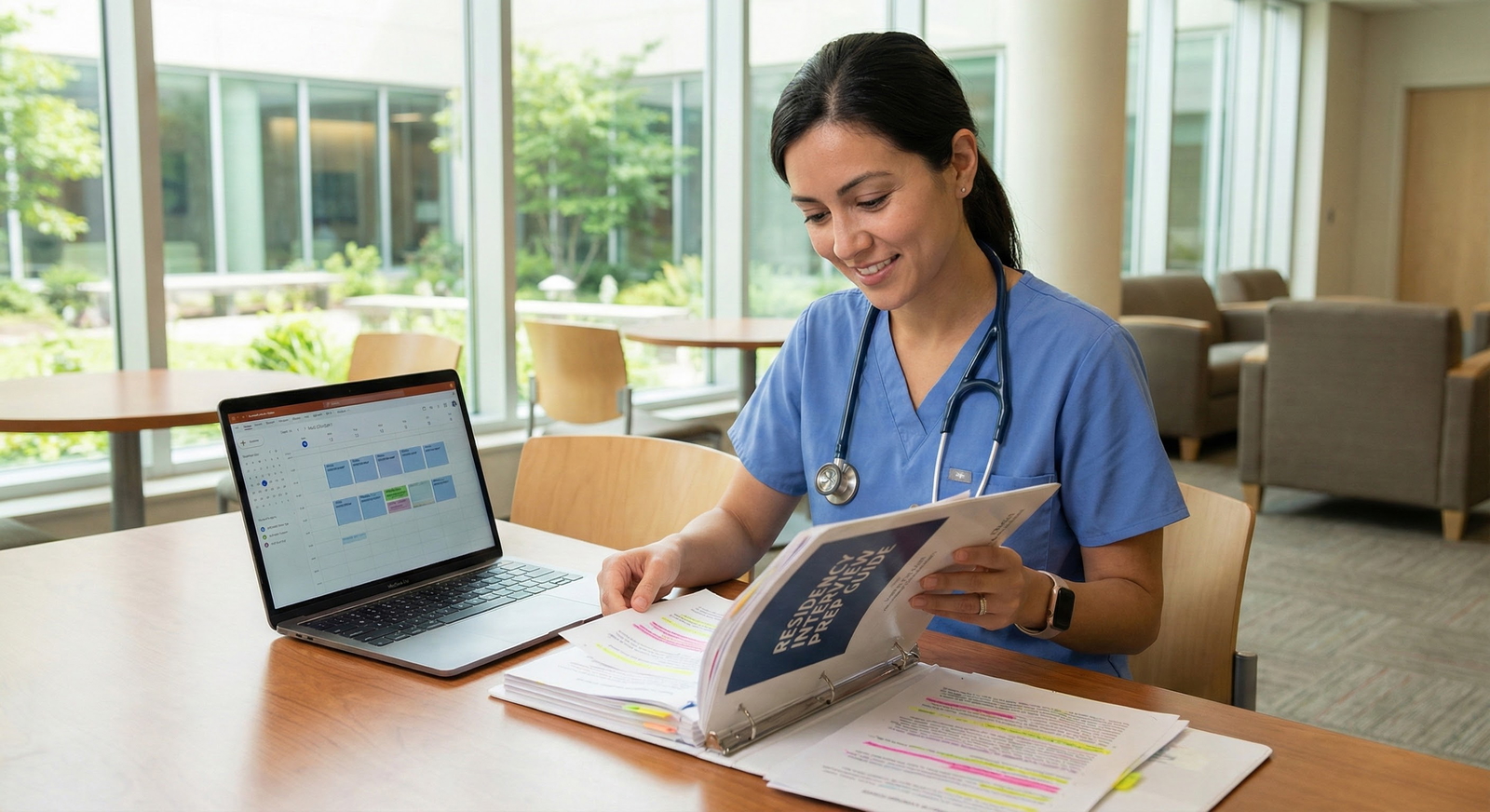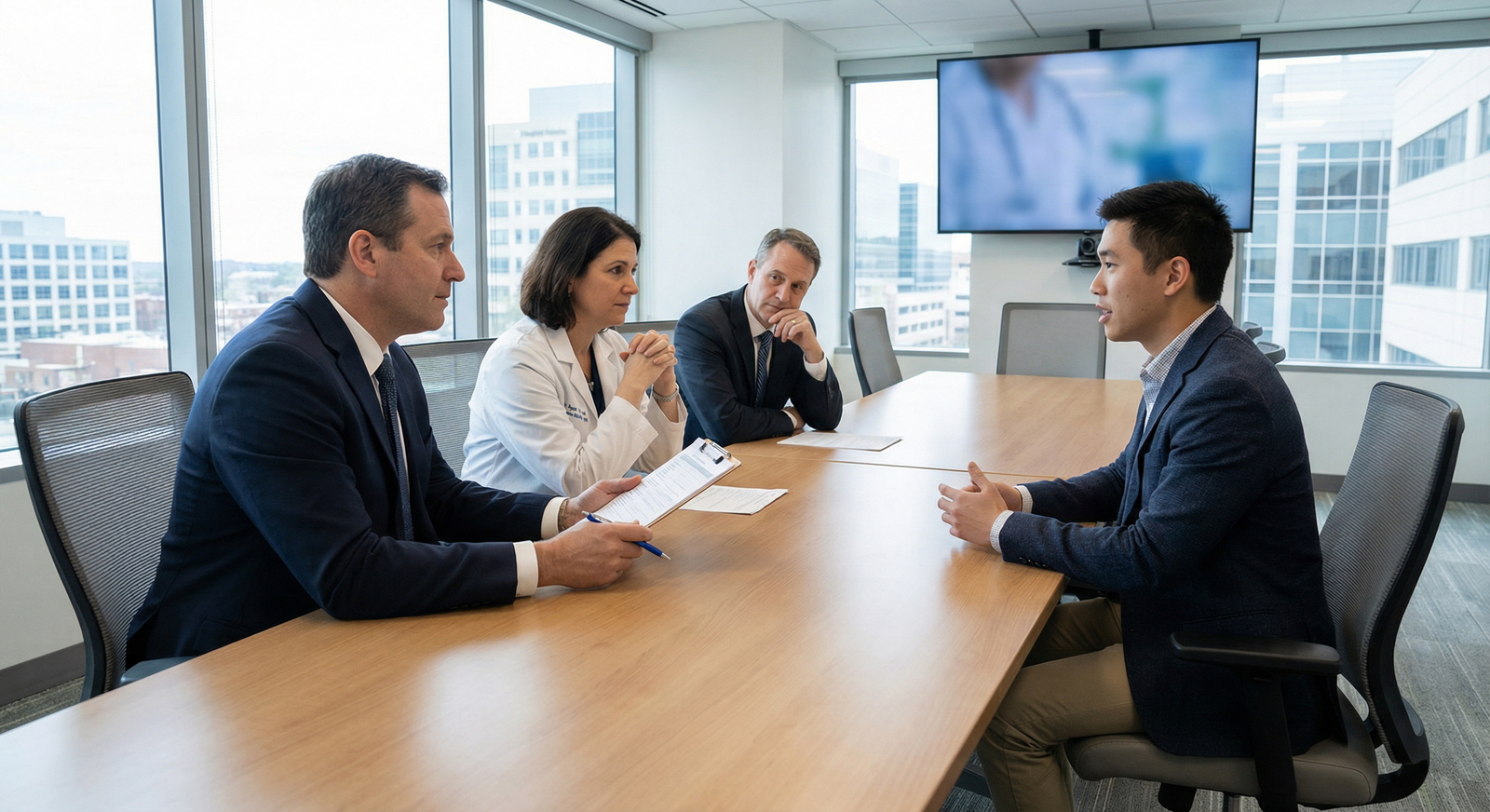
Pediatrics-Psychiatry (Peds-Psych) and Triple Board residency pathways attract applicants who are thoughtful, reflective, and motivated to care for children and families across both medical and mental health domains. Because the field is relatively small and highly specialized, strong pre-interview preparation is essential—not only to impress programs, but to determine whether a specific peds psych residency or triple board program is truly a good fit for you.
Below is a comprehensive guide on how to prepare for interviews in Pediatrics-Psychiatry, with practical steps, examples, and tools you can start using today.
Understanding the Unique Nature of Pediatrics-Psychiatry Interviews
Before diving into logistics and strategy, it helps to understand what makes interviews for a peds psych residency or triple board program different from categorical pediatrics or psychiatry alone.
What Programs Are Really Assessing
Programs are looking for:
Genuine dual interest in pediatrics and psychiatry
They want to see more than “I like kids and I like psych.” They’re assessing your curiosity about child development, family systems, chronic illness, trauma, and how physical and mental health interact.Capacity for reflection and integration
Can you reflect on complex cases that cross the medical-psychiatric boundary? Do you think like a systems-level clinician?Resilience and adaptability
Peds psych and triple board training are demanding—interviewers will gauge how you handle uncertainty, heavy emotional content, and multiple role transitions.Long-term vision
They want to know how you might use this highly specialized training: academic medicine, integrated care, consultation-liaison, health policy, community work, etc.
Common Themes You’ll Encounter
Expect your interview questions (residency) to center on:
- Why combined training instead of pediatrics or psychiatry alone
- Experiences caring for children with complex medical and psychosocial needs
- Your responses to emotionally intense situations (suicidality, child protection, chronic illness)
- Evidence of advocacy, public health interest, or systems-level thinking
- How you handle burnout, secondary trauma, and work–life boundaries
Understanding this context shapes how you prioritize your pre-interview preparation.
Researching Programs Strategically: Beyond the Website
Robust program research is the backbone of effective residency interview preparation. For a niche field like Pediatrics-Psychiatry, you must go beyond basic website browsing.
Step 1: Clarify Your Own Priorities
Before you explore programs, define what matters most to you. Examples:
Clinical focus
- Strong exposure to child & adolescent psychiatry?
- Robust medically complex pediatrics and NICU/PICU experiences?
- Integrated behavioral health in primary care clinics?
Program type
- Triple Board (Pediatrics–General Psychiatry–Child & Adolescent Psychiatry)
- Peds/Psych/Child Psych combined
- Pediatrics with strong dedicated child psychiatry rotations or tracks
Career goals
- Academic vs. community practice
- Consultation-liaison, integrated care, policy, global health, or advocacy
- Research vs. primarily clinical
Make a 3-column list: Must-Haves, Nice-to-Haves, Not Important. Use this list to evaluate each program.
Step 2: Collect Core Information on Each Program
For each peds psych residency or triple board program, gather:
Structure & logistics
- Program type and length (often 5 years for triple board)
- Rotational breakdown by year: pediatrics, psychiatry, child psych, electives
- Call schedule, night float systems, vacation policies
Clinical strengths
- Children’s hospital vs. general hospital setting
- Specialized services:
- Eating disorders, autism, developmental pediatrics
- Pediatric consultation-liaison psychiatry
- Inpatient child psych units, partial programs
- Experience with underserved or diverse populations
Educational & scholarly opportunities
- Protected didactics for both peds and psych
- Mentored research or QI projects
- Options for MPH, MEd, or other dual degrees
Culture and support
- Size of the combined or triple board cohort
- Faculty who are dually trained or actively practicing integrated care
- Wellness initiatives and mentoring structures
Use a spreadsheet or structured note template to keep information comparable across programs.
Step 3: Deepen Your Insight Beyond Official Materials
To prepare for interviews effectively, go further than brochures:
Talk to current or recent residents
- Use school alumni networks, mentors, or LinkedIn
- Ask targeted questions (e.g., “How easy is it to integrate pediatrics and psych identities?” “How are you supported during emotionally heavy rotations?”)
Review scholarship from the program
- PubMed searches for faculty names
- Look for publications on integrated care, child psychiatry, chronic illness, etc.
Scan for program reputation and niche
- Which programs are known for:
- Strong inpatient pediatrics with psych integration?
- Cutting-edge autism or neurodevelopmental work?
- Global mental health or policy/advocacy?
- Which programs are known for:
This level of research will give you rich material to personalize your answers and formulate insightful questions on interview day.

Preparing Your Narrative: Telling a Convincing Pediatrics-Psychiatry Story
In a small specialty, your story matters. You need a clear, cohesive explanation of why Pediatrics-Psychiatry and why this specific training pathway.
Crafting Your Core “Why Peds Psych / Why Triple Board” Message
Use a simple three-part framework:
Origin: Where your interest began
- A specific patient encounter (de-identified)
- A formative rotation, personal background, or longitudinal experience
Evolution: How the interest matured
- Additional electives in child psych or developmental pediatrics
- Longitudinal projects: school-based clinics, foster care, advocacy, integrated care QI
- Reflection on where categorical pediatrics or psychiatry alone felt incomplete
Destination: Why combined training is the right fit now
- Clear career goals that require dual expertise
- Vision of your role in integrated systems, academic work, or leadership
- Concrete ways you plan to use training from both sides
Example (condensed):
- Origin: “On my pediatric inpatient rotation, I took care of a 14-year-old with cystic fibrosis and depression who repeatedly missed treatments. I was struck by how his lung function and mood were inextricably connected.”
- Evolution: “I sought out an elective in pediatric consultation-liaison psychiatry where I followed children with chronic illness, eating disorders, and suicidality on the medical floors. I realized I felt at home engaging the family, navigating complex systems, and thinking about both physiology and meaning.”
- Destination: “I see myself practicing in a children’s hospital as a triple board-trained physician, leading an integrated care service that supports children with complex medical and psychiatric needs while teaching residents how to approach these cases holistically.”
Practice a 60–90 second version of this narrative; it will be the backbone of many answers.
Curating Your Experiences: What to Highlight
When preparing for interviews, selectively emphasize experiences that show:
Dual interest and integration
- Pediatrics rotations where mental health was central
- Psychiatry rotations with child/adolescent cases
- Projects linking physical health, family dynamics, and psychosocial context
Systems thinking and advocacy
- Work with schools, foster care, juvenile justice, or community agencies
- Quality improvement, access to care, or health equity initiatives
Longitudinal commitment
- Ongoing roles (e.g., Big Brothers Big Sisters, mentoring programs, child advocacy centers)
- Research or outreach that spans multiple years
For each key experience, prepare succinct “mini-stories”:
- Situation – short context
- Your role – what you specifically did
- Impact – what changed or what you learned
- Reflection – how it guided you toward peds psych / triple board
Aligning Your Narrative With Each Program
Tailor your message to each program by connecting:
- Program strengths → aspects of your career goals
- Specific faculty interests → your scholarly or clinical interests
- Patient populations served → communities or issues you care about
You might say:
“I’m particularly excited about your strong consultation-liaison service and integrated primary care clinics, because my long-term goal is to lead an integrated pediatric mental health program in a large children’s hospital.”
This level of specificity signals genuine interest and preparation.
Mastering Common Pediatrics-Psychiatry Residency Interview Questions
Effective residency interview preparation requires anticipating question themes and practicing aloud. Below are categories and examples particularly relevant to peds psych and triple board.
1. Motivation & Fit
- “Why Pediatrics-Psychiatry instead of Pediatrics or Psychiatry alone?”
- “What drew you to triple board training specifically?”
- “How do you see yourself using combined training in 10 years?”
Preparation Tips:
- Emphasize integration, not indecision.
- Link your answer to specific career paths (consultation-liaison, integrated primary care, academic leadership, policy work, etc.).
- Show you understand the realities of the training structure.
2. Clinical Scenarios With Ethical and Emotional Complexity
Expect cases reflecting real challenges:
- A child with suicidal ideation on the pediatric service whose parents are minimizing risk
- An adolescent with eating disorder refusing treatment despite medical instability
- A medically complex child whose family is overwhelmed and non-adherent
- A patient in foster care facing placement instability and trauma
How to prepare:
Use a structured approach such as:
- Safety first: Risk assessment, emergent needs, team communication
- Collaboration: With pediatrics, psychiatry, nursing, social work, family
- Developmental lens: Tailor communication to age and cognitive level
- Cultural humility: Consider family beliefs, stigma, and context
- Systems thinking: Schools, child protective services, outpatient follow-up
- Self-awareness: Recognize your emotional response and need for supervision/support
You don’t need “perfect” answers; you need to show thoughtful reasoning and comfort with uncertainty.
3. Behavioral Questions
Many interview questions residency programs ask will be behavioral:
- “Tell me about a time you had a conflict on the healthcare team.”
- “Describe a situation where you made a mistake and how you handled it.”
- “Tell me about a time you felt emotionally overwhelmed in clinical work.”
Use the STAR method (Situation, Task, Action, Result) plus Reflection:
- End with what you learned and how you’ll apply it in residency.
- Avoid blaming others; demonstrate maturity and growth.
4. Burnout, Boundaries, and Wellness
Given the emotional intensity of pediatrics-psychiatry work, programs will ask:
- “How do you take care of yourself after tough patient encounters?”
- “What will you do if you start to feel burned out as a resident?”
- “How do you maintain boundaries with emotionally demanding cases?”
Prepare honest, specific responses that include:
- Concrete strategies (exercise, supervision, therapy, peer support, creative outlets)
- Willingness to seek help early
- Reflection on lessons from prior stress and burnout
5. Program-Specific and Curriculum-Focused Questions
You may be asked:
- “What aspects of our curriculum excite you most?”
- “How do you envision using both pediatrics and psychiatry training here?”
- “What concerns do you have about triple board training?”
Your prior research should allow you to answer with specificity. If you have concerns, phrase them as genuine questions (e.g., about transitions between services or support structures) rather than criticisms.
Practical Logistics: Step-by-Step Interview Preparation Plan
Even the strongest narrative can be undercut by poor logistics or on-camera presence. Organize your residency interview preparation with a clear plan.
1. Build a Pre-Interview Checklist
At least 1–2 weeks before each interview, confirm:
- Date, time, and time zone
- Format (virtual vs. in-person; number and length of interviews)
- Required platforms (Zoom, Thalamus, Webex, etc.)
- Any pre-interview tasks (surveys, preference forms)
Prepare:
- Updated copy of your CV and ERAS application
- Personal statement (re-read it; you will be asked about it)
- Program-specific notes and questions
- A one-page summary sheet per program (key facts + people you’ll meet)
2. Practice Out Loud—Not Just in Your Head
Schedule mock interviews with:
- Advisors or faculty (especially in pediatrics and psychiatry)
- Career office or residency prep workshops
- Peers also applying in competitive specialties
Focus on:
- Concise, structured answers
- Avoiding rambling or “chronological autobiography”
- Clear articulation of why this specialty and this program
Consider recording yourself (video or audio) and reviewing:
- Eye contact and body language (for virtual, look at the camera)
- Filler words (“um,” “like,” “you know”)
- Speaking volume and pace
3. Prepare Thoughtful Questions for Programs
Every interviewer will ask, “What questions do you have for me?” Arriving with program-specific, substantive questions demonstrates genuine interest and preparation.
For Pediatrics-Psychiatry and Triple Board, consider:
Training integration
- “How do residents maintain a cohesive cohort identity as they move between pediatrics and psychiatry?”
- “How are transitions between services (peds vs. psych) supported?”
Curriculum & electives
- “What opportunities exist for residents to pursue additional training in integrated care or consultation-liaison?”
- “How much flexibility do residents have for electives or research?”
Mentoring & career development
- “Are there dually trained faculty who serve as longitudinal mentors?”
- “Where have recent graduates gone, and how did the program support their transition?”
Wellness & culture
- “How does the program support residents during particularly emotionally challenging rotations?”
- “What does feedback look like—both to and from residents?”
Avoid questions easily answered by the website; aim for nuance and insider perspectives.
4. Optimize for Virtual Interviews (Still Common)
If your interviews are virtual:
Technology
- Test your internet, microphone, and camera in advance
- Have a backup device and hotspot if possible
Environment
- Quiet space with neutral, uncluttered background
- Good lighting (facing a window or ring light)
- Camera at eye level
Professionalism
- Dress as you would for an in-person interview (professional, comfortable, not distracting)
- Close all unnecessary apps and notifications
Have a printed or digital note nearby with:
- Program-specific highlights
- Names of key faculty
- 3–5 questions you want to ask

Mental Preparation: Mindset, Confidence, and Authenticity
Beyond content and logistics, how you show up psychologically on interview day matters enormously.
Shift From “Audition” to “Mutual Fit”
Yes, you are being evaluated—but you are also evaluating programs. This mindset:
- Reduces anxiety and perfectionism
- Encourages more authentic interactions
- Helps you ask better, deeper questions
Remind yourself: You are interviewing them, too.
Manage Anxiety With Specific Strategies
Common approaches that work well for many applicants:
Pre-interview ritual
- A short walk, stretching, breathing exercises, or a brief mindfulness app
- A few minutes reviewing your “why” and a list of personal strengths
Cognitive reframing
- Replace “I must impress them” with “I will share who I am and see if we’re a good match.”
- View each interview as practice; one difficult question doesn’t sink the day.
Sleep, nutrition, and pacing
- Aim for good sleep in the days before (not just the night before)
- Stay hydrated and have a light, stable breakfast or lunch
- Schedule downtime between interviews, especially for longer interview days
Emphasize Authenticity Over Performance
Programs in a small field like peds psych value residents who:
- Are self-aware about their strengths and growth areas
- Can share personal motivations without oversharing or dramatizing
- Acknowledge limitations and eagerness to learn
If you don’t know an answer, it’s acceptable to say:
“That’s a great question—I don’t have enough experience yet to answer fully, but my instinct would be to start by… and I would absolutely seek supervision from…”
Honesty plus thoughtful reasoning is more compelling than a rehearsed, generic answer.
FAQs: Pre-Interview Preparation for Pediatrics-Psychiatry Applicants
1. How is residency interview preparation different for Pediatrics-Psychiatry or Triple Board compared to categorical programs?
Peds psych and triple board interviews place much greater emphasis on integration, reflection, and long-term vision. You’ll need a particularly clear explanation for why combined training is the right path for you and how you’ll use it. Programs expect you to understand the demands of multiple board certifications, complex patient populations, and cross-disciplinary work. Your preparation should therefore focus more on crafting a cohesive narrative and anticipating emotionally and ethically complex scenarios than simply listing research or clerkship achievements.
2. What kinds of clinical experiences are most important to highlight during interviews?
Prioritize experiences that bridge pediatrics and mental health, such as:
- Pediatric consultation-liaison psychiatry electives
- Child and adolescent psychiatry rotations
- Work with children with chronic illness and psychosocial complexity
- Advocacy or community work with vulnerable youth (foster care, juvenile justice, school-based mental health)
Rather than listing every pediatric or psych patient you’ve seen, choose a few representative cases that show your curiosity, empathy, and capacity for systems-level thinking.
3. What if I don’t have a lot of formal child psychiatry experience?
You can still be a strong applicant if you:
- Clearly articulate why you’re drawn to child mental health and integrated care
- Highlight tangentially related experiences: working with children with developmental delays, behavioral challenges, trauma, or family stress
- Show initiative in learning: elective readings, mentorship, relevant QI projects, or advocacy programs
During interviews, be honest about your current level of exposure but emphasize eagerness to learn, self-directedness, and how you’ve already started seeking out related opportunities.
4. How can I tell if a specific peds psych or triple board program is the right fit for me?
Use your interviews to evaluate:
- Whether faculty and residents seem genuinely enthusiastic about combined training
- How well the program integrates pediatrics and psychiatry (or whether they function more like two separate residencies)
- The quality of mentoring, especially from dually trained faculty
- Graduate outcomes—do they align with your own career aspirations?
- Culture: Do residents seem supported, candid, and balanced? Can you imagine yourself thriving among them?
Take notes immediately after each interview day while impressions are fresh. Later, compare programs using your Must-Have / Nice-to-Have / Not Important criteria.
Preparing thoroughly for Pediatrics-Psychiatry and Triple Board residency interviews is not just about performance; it’s about deepening your understanding of your goals, your strengths, and the kind of training environment where you will grow into the clinician you aspire to be. With structured research, a clear narrative, practiced responses to core questions, and a grounded mindset, you’ll walk into each interview ready to have substantive, authentic conversations about your future in this uniquely meaningful field.