Understanding the PM&R Residency Interview Landscape
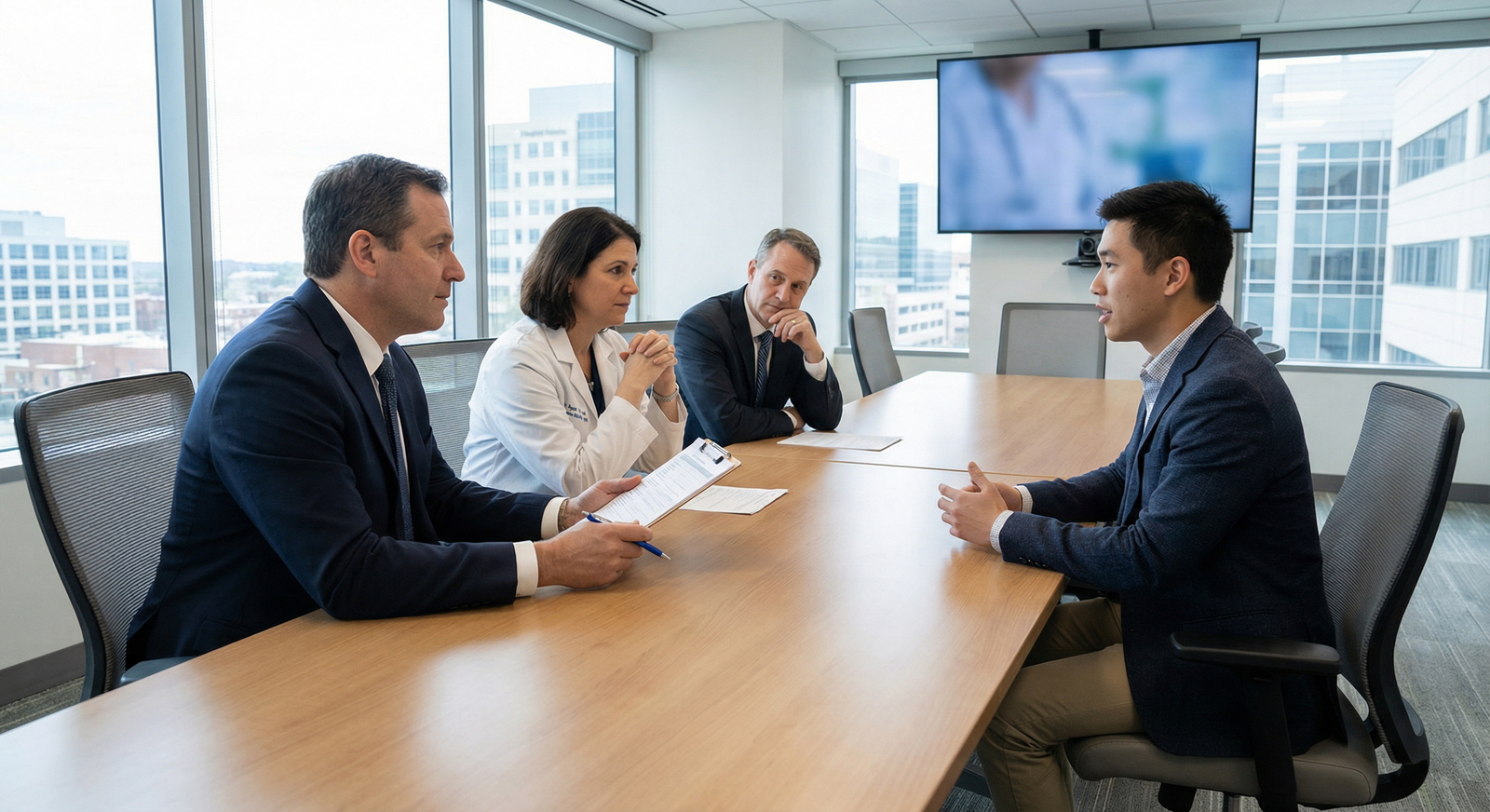
Physical Medicine & Rehabilitation (PM&R) attracts applicants who value function, teamwork, and longitudinal patient care. That personality-focus means interview preparation must go beyond memorizing answers. Programs are trying to understand who you are, how you think, how you work in a team, and whether you truly understand physiatry.
Before diving into step-by-step residency interview preparation, it helps to understand what PM&R programs are looking for:
- Genuine interest in physiatry: Awareness of what PM&R is (and is not), typical patient populations, inpatient vs. outpatient, and interdisciplinary care.
- Team orientation: Comfort working with PT/OT, speech, nursing, psychologists, prosthetists, and others.
- Communication skills: Ability to talk with patients with communication challenges (e.g., aphasia, cognitive impairment, spinal cord injury) and with families.
- Resilience and emotional maturity: Rehab can involve chronic disability, end-of-life nuances, and complex family dynamics.
- Reflective thinking and coachability: How you respond to feedback and learn from experiences.
- Alignment with program’s mission and patient population: Academic vs. community, research-heavy vs. clinically focused, strong sports vs. strong SCI/TBI exposure, etc.
Every step of your pre-interview preparation should be designed to clearly demonstrate these qualities.
Step 1: Strategic Research – Know the Program, the People, and the Path
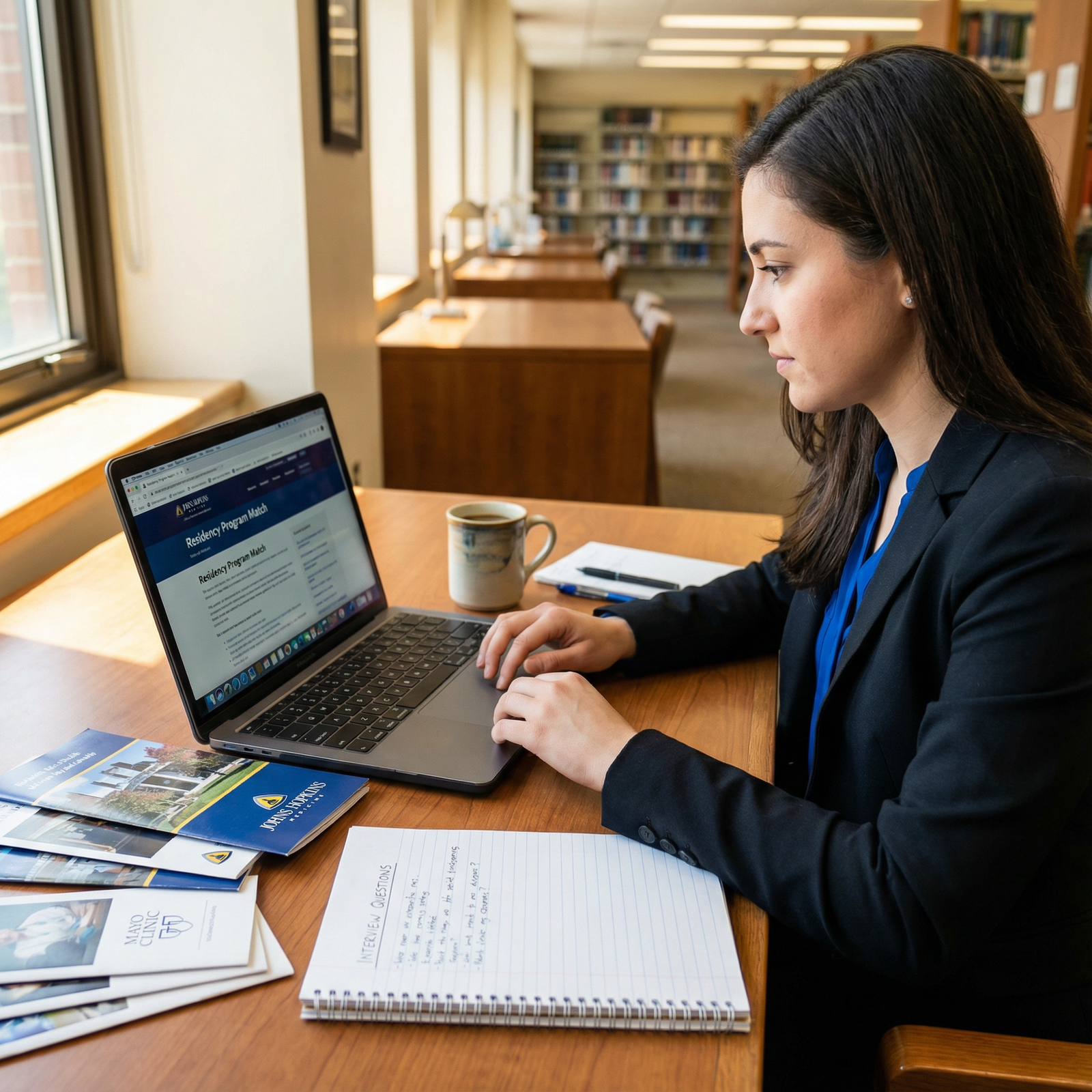
Serious residency interview preparation starts weeks before you log onto Zoom or walk into the hospital. Thorough, targeted research is one of the biggest differentiators between a generic interview and a memorable one.
1.1 Understand PM&R in General (If You Haven’t Already)
Even if you’ve completed PM&R rotations, explicitly organize your understanding so you can articulate it smoothly:
- Core domains:
- Inpatient rehab (stroke, TBI, SCI, amputation, polytrauma, debility)
- Outpatient MSK and sports
- EMG and neuromuscular
- Pediatric rehab
- Pain management and interventional procedures
- Interdisciplinary team roles:
- PT: mobility, gait, strength, balance
- OT: ADLs, fine motor, cognitive strategies
- SLP: communication, swallowing, cognitive-communication
- Rehab nursing, psychology, prosthetists/orthotists, social work
- Physiatrist’s role:
- Coordinating and integrating care
- Goal setting with patients and families
- Medical management of disability and function
Be prepared to answer “Why PM&R?” with both intellectual and emotional clarity.
1.2 Research Each Program in Depth
For each program on your interview calendar, create a one-page “Program Snapshot” you can review before the interview. Include:
Basic profile
- Program size and structure (categorical vs. advanced, PGY-2 start)
- Locations: main hospital, VA, children’s hospital, private practice sites
- Notable strengths: e.g., “Strong SCI program,” “EMG-focused,” “Sports + ultrasound heavy”
Clinical and research strengths
- Unique tracks or concentrations (research track, sports track, global health)
- Recognized leaders in subfields (e.g., TBI, pediatric rehab, interventional spine)
- Required vs. elective rotations that match your interests
Culture and training environment
- Call schedule and inpatient vs. outpatient balance
- Resident wellness initiatives and mentorship structure
- Program mission statement or values (often on their website)
Practical details
- City and lifestyle factors (cost of living, commute, family considerations)
- Fellowship opportunities within or affiliated with the program
Use sources like:
- Program website and resident bios
- AAPM&R and AAP websites (for understanding broader PM&R context)
- Social media (program accounts, resident-run pages)
- Doximity / FREIDA (cautiously—use as starting points, not final truth)
1.3 Identify Your Alignment Points
For each program, explicitly list 3–5 ways you align:
- Clinical interests (e.g., SCI, MSK, pediatric rehab) that match their strengths
- Learning style that fits their structure (e.g., mentorship-heavy vs. independent)
- Career goals (academics vs. community practice vs. fellowship training)
- Personal factors (family geography, community involvement, language skills relevant to patient population)
These alignment points become the backbone of your responses to:
- “Why this program?”
- “What are you looking for in a residency?”
- “How do you see yourself contributing here?”
Step 2: Develop Your Personal Narrative and Key Messages
Interviewers will remember a few clear things about you, not every detail. Pre-interview preparation is largely about deliberately deciding what those key takeaways should be.
2.1 Clarify Your “Why PM&R?” Story
You must be ready with a genuine, specific, and concise narrative. Avoid vague lines like “I like helping patients regain function” without detail.
Build your story around:
- A spark: What first exposed you to PM&R (patient encounter, mentor, rotation)?
- A deepening: How did you explore PM&R further (electives, shadowing, research, volunteering)?
- A fit: What aspects of PM&R uniquely match your skills, personality, and values?
Example structure:
- Spark: “My first real exposure to PM&R was during an inpatient rehab rotation when I followed a patient with a C5 spinal cord injury from ICU to rehab.”
- Deepening: “I was struck by how the physiatrist coordinated the team and how goals shifted from survival to independence. That led me to seek out a dedicated PM&R elective and start a QI project on spasticity management.”
- Fit: “I realized I’m most fulfilled in settings where I can build relationships over time, problem-solve with a team, and focus on functional outcomes. PM&R aligns with my interest in neuroanatomy, communication, and systems-based care.”
2.2 Identify 3–4 Core Themes About You
Decide on 3–4 themes you want interviewers to remember. For example:
- “Team-oriented, collaborative communicator”
- “Motivated by complex neuro rehab cases”
- “Committed to patient-centered goal setting and shared decision-making”
- “Interested in academic PM&R and resident education”
Every answer you give is an opportunity to reinforce one or more of these themes through specific examples.
2.3 Build and Rehearse Short “Anchor Stories”
For strong residency interview preparation, pre-build a set of stories that can be adapted to multiple questions. Use the STAR (Situation-Task-Action-Result) or CAR (Context-Action-Result) framework.
Aim for:
- 6–8 core stories that can answer many behavioral questions
- 60–90 seconds each when spoken out loud
Suggested story categories:
- Teamwork: Working with PT/OT/nursing on a challenging case.
- Conflict resolution: Disagreement on the plan for a rehab patient.
- Leadership: Organizing a journal club, QI project, or volunteer initiative.
- Adversity and resilience: Academic setback, personal challenge, or difficult rotation.
- Ethical challenge: Goals-of-care discussion, disagreement with a family’s expectations of rehab.
- Quality improvement or systems-thinking: Project that improved discharge planning or communication between rehab and acute care.
- Teaching/mentorship: Working with junior students or patients/families as learners.
- Failure and growth: A time you made a mistake and what changed after.
Your rehab-specific stories can stand out. For example:
- A patient whose functional goals were misaligned with the therapy plan and how you helped realign expectations.
- A multidisciplinary team meeting where you helped integrate the patient’s personal life goals into the rehab plan.
Step 3: Anticipate and Practice Common PM&R Residency Interview Questions
While you can’t script everything, proactive “how to prepare for interviews” planning means working through the most common interview questions residency programs ask and tailoring them to PM&R.
3.1 High-Yield, PM&R-Specific Questions to Practice
“Why PM&R?”
- Use your narrative: spark, deepening, fit.
- Highlight both patient-centered and systems-based reasons.
“Why our PM&R residency program?”
- Use your program-specific research.
- Mention specific rotations, faculty, populations, or program initiatives.
- Connect back to your career goals and learning needs.
“What are your career goals in physiatry?”
- Be honest but show you’ve thought about realistic possibilities:
- Procedural vs. non-procedural
- Academic vs. community practice
- Subspecialties you are curious about (e.g., Sports, SCI, TBI, Pain, Pediatric Rehab, EMG)
- It’s fine to say you’re exploring multiple areas as an MS4, but show that you understand potential paths.
- Be honest but show you’ve thought about realistic possibilities:
“Tell me about a challenging patient and what you learned.”
- Choose a rehab-relevant case:
- Patient struggling with motivation in stroke rehab
- Family requesting unrealistic goals after severe TBI
- Patient with chronic pain and limited treatment options
- Emphasize communication, empathy, and working with the team.
- Choose a rehab-relevant case:
“How do you handle working in an interdisciplinary team?”
- Provide examples where:
- You facilitated communication between services.
- You clarified goals between patient, family, and therapists.
- You respected others’ expertise and integrated their input.
- Provide examples where:
“What do you consider your strengths and weaknesses?”
- Strength examples tailored to PM&R:
- Active listening
- Patience with long-term progress
- Ability to explain complex issues simply
- Weakness examples with clear improvement strategies:
- “I used to overcommit to projects; I’ve been learning to set realistic limits and prioritize.”
- “I felt less comfortable with difficult conversations, so I sought formal training in serious illness communication and more deliberate feedback.”
- Strength examples tailored to PM&R:
“Tell me about a time you received critical feedback.”
- Use a real example.
- Show humility and concrete change afterwards.
“How do you handle burnout or stress?”
- Describe specific strategies:
- Boundaries, exercise, therapy, family/friends, structured reflection.
- Include how you support peers and contribute to team morale.
- Describe specific strategies:
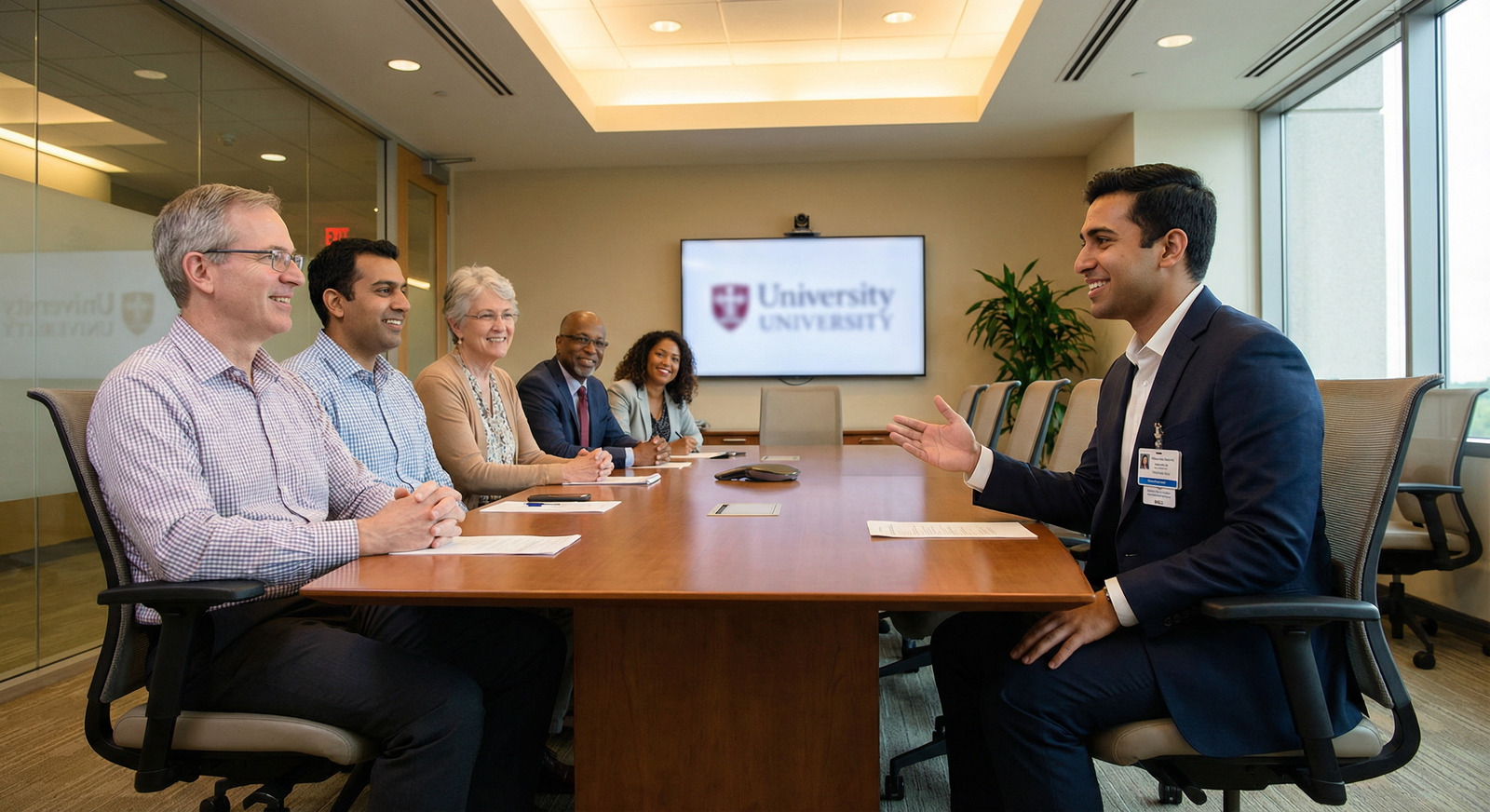
3.2 Practicing Aloud and Getting Feedback
Make your residency interview preparation active, not just mental:
Solo practice
- Record yourself answering 8–10 common questions.
- Listen for filler words, rambling, and lack of structure.
- Tighten answers to 60–120 seconds for most questions.
Peer/mock interviews
- Pair with another applicant or PM&R resident (if available).
- Ask them to specifically evaluate:
- Clarity of why PM&R
- Strength of your examples
- Non-verbal communication (eye contact, pace, tone)
Faculty/mentor mock interviews
- Useful for more challenging or academic programs.
- Ask for feedback on your fit narrative and how you present your CV and experiences.
For virtual interviews, this practice should also include testing your technology and on-camera presence (see Step 5).
Step 4: Polish Your Application Materials and Talking Points
Interviewers frequently reference your ERAS application, personal statement, and letters. Pre-interview preparation includes fully owning and understanding every line in your file.
4.1 Know Your Application Inside and Out
Be ready to discuss:
- Every research project, even if small or incomplete:
- Your role, question, methods, and takeaways.
- Every listed activity:
- What you actually did and what you learned.
- Any gaps, red flags, or unusual paths:
- Leaves of absence, failed exams, major career changes.
- Prepare brief, honest, non-defensive explanations emphasizing growth and current stability.
4.2 Re-Read Your Personal Statement Before Each Interview
Programs may quote lines from your personal statement. Before each interview day:
- Re-read your statement to:
- Reconnect with your own story and motivations.
- Identify specific themes you want to reinforce during the conversation.
- Be ready for:
- “I read that you had a formative experience with a particular patient. Can you tell me more about that?”
- “You mention being drawn to interdisciplinary care—how have you lived that out so far?”
4.3 Prepare Tailored Questions for Each Program
Asking thoughtful questions is part of strong residency interview preparation and signals genuine interest. Avoid questions answered clearly on the website; instead, target nuance and personal perspective.
Examples:
- Training and curriculum
- “How do residents get exposure to both inpatient and outpatient PM&R early in training?”
- “How much autonomy do seniors have on the inpatient rehab units?”
- Mentorship and career development
- “How does the program support residents interested in [sports/SCI/TBI/peds/pain/EMG]?”
- “Are there structured research mentors for residents, and when do residents typically start projects?”
- Program culture
- “What qualities do you see in residents who thrive in this program?”
- “How does the program support resident wellness, especially during busy inpatient months?”
- Graduates and outcomes
- “What types of positions have recent graduates pursued, and how does the program help them get there?”
Write down 5–8 questions per program, then select the most relevant based on who you’re speaking with (PD vs. faculty vs. resident).
Step 5: Master the Logistics – Virtual and In-Person Readiness
Even the best content can be overshadowed by poor logistics. Thoughtful residency interview preparation includes attention to environment, timing, and professional presence.
5.1 Virtual Interview Setup (Common in PM&R)
Most PM&R programs still conduct many interviews virtually. Prepare at least a week before:
Environment
- Quiet, private space where you won’t be interrupted.
- Neutral, uncluttered background; remove distracting posters or personal items.
- Good lighting: face a window if possible; avoid backlighting.
Technology
- Reliable computer (not just a phone).
- External webcam and microphone if your laptop quality is poor.
- Stable internet connection; test bandwidth with video.
- Install and test the specific platform (Zoom, Teams, Webex) in advance.
- Practice logging in to see how your name displays—use a professional format (e.g., “First Last, MD Candidate”).
Camera and audio
- Camera at eye level; look at the camera when speaking to simulate eye contact.
- Use wired or subtle wireless headphones if needed to avoid echo.
- Turn off notifications on computer and phone.
5.2 In-Person Interview Logistics
If you have in-person interviews:
- Confirm:
- Exact location, parking instructions, and building entrances.
- Dress code and schedule.
- Travel:
- Arrive in town the day before when possible.
- Build in buffer time for traffic or transit delays.
- Materials:
- Portfolio or simple folder with:
- A few copies of your CV
- Pen and notepad
- A list of your top questions
- Portfolio or simple folder with:
5.3 Professional Appearance and Non-Verbal Communication
PM&R is generally collegial, but professional standards still apply.
Attire
- Business formal:
- Suit (two-piece) in neutral colors (navy, charcoal, black).
- Simple shirt or blouse; avoid loud patterns.
- Professional, closed-toe shoes.
- Consider comfort; interviews can be long days.
Non-verbal skills
- Sit upright but relaxed.
- Nod and show engagement; avoid crossing arms.
- Use natural hand gestures when appropriate.
- Smile genuinely; PM&R emphasizes approachability and bedside manner.
Practice with your mock interviewer focusing on:
- Eye contact (camera, not screen, for virtual)
- Tone (calm, confident, interested)
- Pace (not too fast or monotone)
Step 6: Mental Preparation, Wellness, and Day-Before Checklist
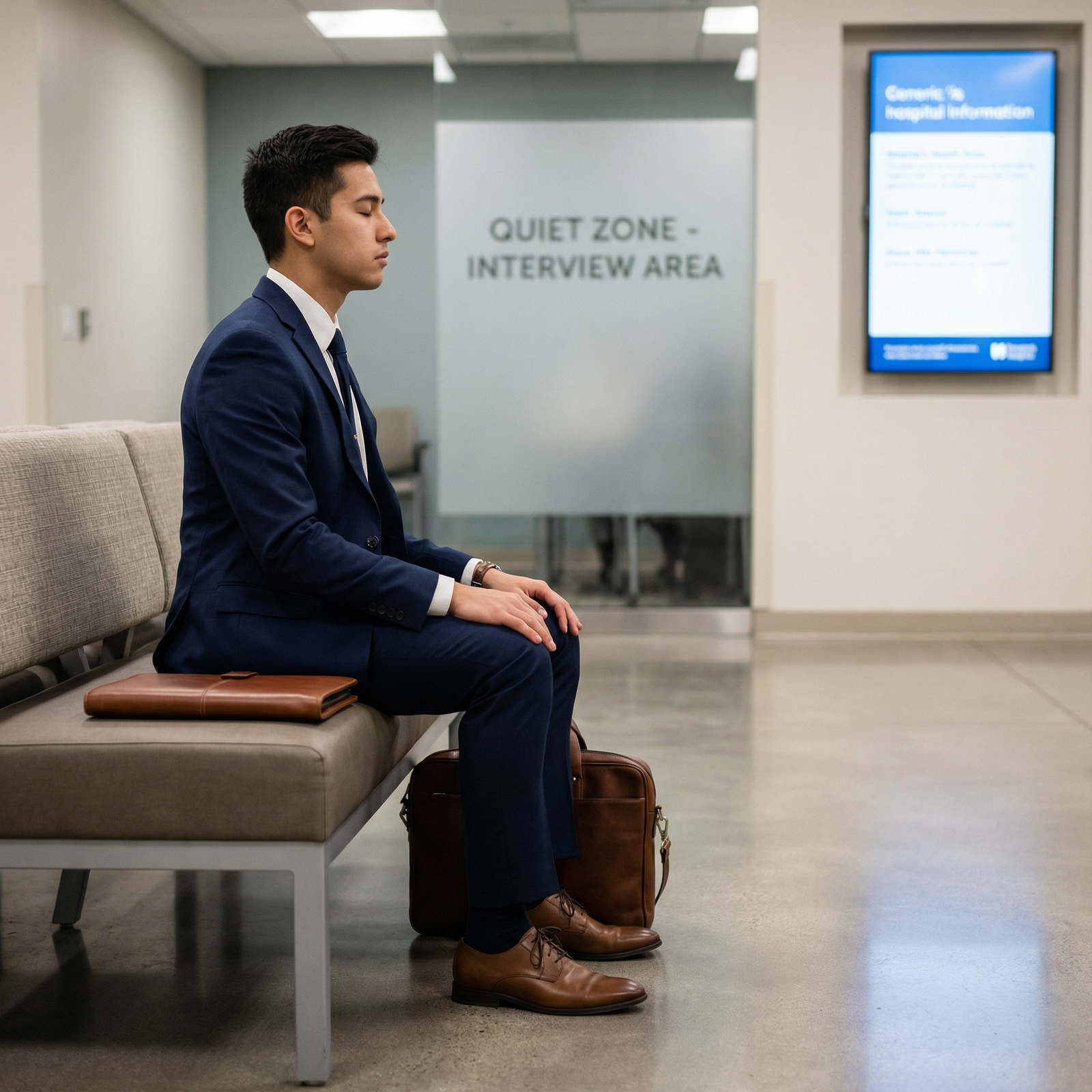
Strong residency interview preparation also includes mental and physical readiness. Burnout and anxiety can undercut your performance, especially across multiple PM&R interview days.
6.1 Manage Anxiety with Structure
Use concrete tools:
Interview calendar:
- Keep a detailed schedule of all interviews, time zones, and contact info.
- Note which faculty/residents you’re meeting if known.
Pre-interview routine:
- The night before: review your “Program Snapshot,” your application, and your story bank.
- The morning of: short walk, light breakfast, hydration; avoid last-minute cramming.
Post-interview notes:
- Immediately after each interview day, jot down:
- People you met and their roles.
- Your overall impression of the program culture.
- Specific features you liked or had concerns about.
- These notes will be invaluable when making your rank list.
- Immediately after each interview day, jot down:
6.2 Protecting Your Voice and Energy
Especially for back-to-back virtual interviews:
- Have water nearby during the day.
- Plan simple, easy-to-eat snacks or meals between sessions.
- Schedule short movement breaks to avoid fatigue and stiffness.
6.3 Day-Before Checklist
Create a reusable checklist for each interview:
- Re-read personal statement and ERAS application.
- Review program snapshot and top 3–5 “fit” points.
- Prepare/refresh questions specific to this program.
- Test technology (for virtual): audio, video, platform link.
- Confirm time zone and schedule.
- Lay out interview attire.
- Print or open digitally: schedule, names of interviewers (if provided).
- Plan meals and breaks.
- Sleep: aim for a reasonable bedtime, not late-night cramming.
Conclusion: Turning Preparation into Confidence
Pre-interview preparation for PM&R residency is not about memorizing perfect answers or projecting a “type.” It’s about:
- Deeply understanding why physiatry fits you.
- Clearly articulating your strengths, experiences, and growth.
- Demonstrating your alignment with each program’s mission and patient population.
- Showing that you will be a collaborative, reflective, and resilient physiatry resident.
If you approach your physiatry match process with this level of intentionality—structured research, well-developed narratives, practiced communication, and thoughtful logistics—you’ll not only perform better in interviews, you’ll also gain clarity on which PM&R residency programs are truly the right fit for you and your future patients.
Frequently Asked Questions (FAQ)
1. How early should I start residency interview preparation for PM&R?
Begin light preparation as soon as you submit ERAS, especially reviewing your application and clarifying your “Why PM&R?” narrative. More intensive preparation—program research, mock interviews, and technology checks—should start 2–3 weeks before your first scheduled interview. This spacing allows you to refine your approach without feeling rushed.
2. Are PM&R residency interviews more “laid-back” than other specialties?
Many applicants perceive PM&R faculty and residents as personable and collegial, but you should never interpret that as a reason to under-prepare. Programs still evaluate professionalism, insight, and communication skills rigorously. Aim for a tone that is warm, engaged, and authentic while maintaining clear professionalism and structure in your answers.
3. What if I haven’t done a home or away PM&R rotation?
You can still succeed in the physiatry match. Focus on:
- Demonstrating your understanding of PM&R through self-directed learning (reading, AAPM&R resources, shadowing).
- Translating experiences from neurology, internal medicine, orthopedics, or primary care into rehab-relevant skills (teamwork, functional thinking, chronic disease management).
- Clearly articulating why, despite limited formal exposure, PM&R is the field that best fits your long-term interests and strengths.
Programs understand that not every school has robust PM&R offerings; they are more interested in your insight, motivation, and trajectory.
4. How important is it to ask questions during the interview?
Very important. Thoughtful questions:
- Demonstrate your genuine interest in the program.
- Show that you have done your homework.
- Help you determine whether the program fits your learning style and career goals.
Prepare several questions specific to PM&R and to each individual program. Avoid generic questions that could apply to any specialty or that are clearly answered on the website. Rotate your questions based on who you’re speaking with (program director, faculty, residents) to gather different perspectives and use your limited time wisely.