Understanding the PM&R Residency Interview Landscape as an MD Graduate
Physical Medicine & Rehabilitation (PM&R) is increasingly competitive, and as an MD graduate you are entering a field that values both clinical acumen and non‑cognitive skills like communication, empathy, and teamwork. Pre‑interview preparation for a PM&R residency is not just about rehearsing answers—it’s about aligning your story, experiences, and goals with what physiatry programs are truly looking for.
Key things programs seek in PM&R residency applicants:
- Clear understanding of what PM&R is (and is not)
- Long‑term commitment to a career in physiatry, not a “backup” choice
- Strong musculoskeletal, neurologic, and functional medicine interest
- Evidence of teamwork and interprofessional collaboration
- Empathy, communication skills, and professionalism
- Growth mindset and resilience in the face of complexity and chronic illness
Because PM&R is relatively smaller than many other specialties, word‑of‑mouth and perceived “fit” carry significant weight. Thoughtful pre‑interview preparation can help you show up as your authentic, best self—organized, insightful, and well‑informed.
This guide is designed for the MD graduate targeting an allopathic medical school match in PM&R and covers how to prepare for interviews step‑by‑step, from research and reflection to logistics and practice, with a focus on physiatry‑specific nuances.
Laying the Foundation: Self‑Assessment and Application Review
Effective residency interview preparation begins with knowing yourself and your application inside out. Before rehearsing specific interview questions residency programs might ask, take time to understand your own narrative.
1. Clarify Your PM&R Story
You will almost certainly be asked:
- “Why PM&R?”
- “Why not neurology/orthopedics/family medicine?”
To answer convincingly, you need a coherent, honest story.
Ask yourself:
- First exposure: When and how did you first discover PM&R? (Inpatient rehab rotation, sports clinic, pre‑clinical lecture, mentor, personal/family experience with disability, etc.)
- Defining experiences: Which specific clinical encounters confirmed that this field matches your values and interests?
- Core themes: What aspects of PM&R resonate most with you?
- Longitudinal relationships and functional outcomes
- Interdisciplinary teamwork (PT, OT, SLP, nursing, social work, neuropsych)
- Musculoskeletal and sports medicine
- Brain/spinal cord injury, stroke, cancer rehab
- Procedures (EMG, spasticity management, ultrasound‑guided injections)
Create a one‑paragraph summary that answers:
- How you discovered PM&R
- Why it fits you
- How your experiences support that decision
You don’t need to recite this verbatim on interview day, but it should guide your responses consistently.
2. Audit Your ERAS Application and Personal Statement
Interviewers often base questions directly on your application and personal statement. Re‑read everything carefully:
Personal statement
- Identify 2–3 themes (e.g., restoring function, empathy for patients with disability, love for team‑based care) that you can expand on with examples.
- Highlight any “claims” you made: leadership, resilience, dedication to underserved populations. Prepare concrete stories that back them up.
Experiences section
- For each listed activity (research, volunteering, leadership, jobs, teaching), be ready to answer:
- What did you do specifically?
- What did you learn?
- How did this shape your interest in PM&R or your skills as a resident?
- Focus especially on:
- PM&R rotations and electives
- Neurology, orthopedics, rheumatology, sports medicine, geriatrics, and ICU experiences
- Team‑based or interprofessional roles
- For each listed activity (research, volunteering, leadership, jobs, teaching), be ready to answer:
Publications and research
- Know your hypotheses, methods, results, and limitations.
- If non‑PM&R research: be ready to connect skills gained (statistics, critical appraisal, communication, persistence) to your future as a physiatrist.
3. Identify Your Strengths and Gaps
Be honest with yourself about your profile as an MD graduate:
Potential strengths:
- Strong letters of recommendation from physiatrists
- Solid Step scores or strong clinical evaluations
- Longitudinal exposure to rehab or disability advocacy
- Collegial personality and communication skills
Possible “red flags” or concerns:
- USMLE failures or significant score drop
- Gap years or extended time to graduate
- Specialty switch (e.g., previously applied to ortho or neurology)
- Limited PM&R elective exposure
For each concern:
- Write a brief, honest explanation (no blame, no excuses).
- Emphasize what you learned and what changed since then.
- Practice a calm, concise response (60–90 seconds) that acknowledges the issue and pivots to growth.
Deep Program Research: Going Beyond the Website
One of the most common weaknesses in residency interview preparation is superficial program knowledge. To stand out in the allopathic medical school match for PM&R, you need to demonstrate that you understand each program’s identity and can articulate why you’d be a good fit.
1. Core Elements to Research for Each PM&R Program
Create a spreadsheet or document for each invited interview with notes on:
Program structure
- Number of positions
- Categorical vs advanced vs physician‑only tracks
- Amount of inpatient vs outpatient exposure
- Rotations in TBI, SCI, stroke, MSK/sports, pediatrics, cancer rehab, pain, EMG
Clinical and procedural strengths
- EMG volume and formal EMG teaching
- Ultrasound‑guided procedures
- Spasticity management, baclofen pumps, Botox
- Interventional pain exposure (if any)
Affiliated institutions and patient population
- Academic hospital vs community rehab hospital
- VA exposure
- Standalone rehabilitation hospitals or systems (e.g., national rehab networks)
- Diversity of patient population and case mix
Research and scholarly opportunities
- Funded research tracks or protected research time
- Strong emphasis in neurorehab, MSK/sports, SCI, TBI, pediatrics, pain, or outcomes research
Culture and teaching
- Resident testimonials on websites and social media
- Call structure and work‑life balance perception
- Reputation for collegiality, mentorship, and support
2. Using Multiple Information Sources
Go beyond the official program website:
Program social media (X/Twitter, Instagram, LinkedIn)
- Look for resident life, educational conferences, wellness events, and community involvement.
Virtual open houses, info sessions, and pre‑interview dinners
- Take notes on what residents and faculty emphasize: autonomy, procedures, research, mentorship, geographic advantages.
Alumni and mentors
- Ask PM&R attendings or upper‑level residents:
- “What do you know about the culture at X program?”
- “What kind of resident thrives there?”
- Ask PM&R attendings or upper‑level residents:
3. Preparing Program‑Specific Talking Points
For each program, write:
- 3–4 things you genuinely LIKE about the program (concrete, not generic)
- 1–2 ways you could contribute based on your background (e.g., already comfortable with QI, experience in adaptive sports, interest in neurorehab outcome measures)
- 2–3 tailored questions to ask faculty and residents
Examples of tailored questions:
- “I’m particularly interested in neurorehab and long‑term functional outcomes after TBI. How does your program support residents with this interest in terms of research and mentorship?”
- “I’ve noticed your residents have strong exposure to EMG. How early in training do residents start performing studies independently?”
- “How would you describe the culture between residents and attending physiatrists here?”
Avoid questions that are easily answered on the website or that could be perceived as primarily lifestyle‑seeking (e.g., vacation days) unless contextually appropriate.
Practicing High‑Yield PM&R Residency Interview Questions
To prepare for interviews effectively, you need to anticipate the most common interview questions residency programs ask and build a library of flexible, authentic answers.
1. Core “Tell Me About Yourself” and Motivation Questions
These openers set the tone:
- “Tell me about yourself.”
- “Walk me through your journey to PM&R.”
- “Why PM&R and not another specialty?”
Preparation strategy:
Structure your response chronologically but keep it focused:
- Brief background (where you grew up/medical school—10–15 seconds)
- Key experiences that shaped your interest in PM&R
- What you’re looking for in a residency and career
Connect consistently to PM&R themes:
- Function, quality of life, patient‑centered goals
- Team‑based, interdisciplinary care
- Neuro/MSK integration
- Longitudinal relationships
Example framework (adapt to your story):
“I grew up in [place], and during medical school at [school], I initially thought I would pursue neurology. On my neurology rotation, I enjoyed the pathophysiology, but I found myself most interested in what happened to patients after the acute phase—how they regained independence. My first exposure to PM&R was on an inpatient rehab rotation caring for stroke and spinal cord injury patients. I was struck by the emphasis on function, goal‑setting, and the team‑based approach.
Since then, I’ve done [outpatient MSK rotation / EMG elective / research / adaptive sports volunteering], which confirmed that I enjoy integrating neurology and musculoskeletal medicine while working closely with therapists and patients on long‑term outcomes. I see myself in a career that combines [inpatient neurorehab / MSK & sports / EMG / pain] with teaching and quality improvement, and I’m looking for a residency that provides strong [neurorehab + MSK] training in a supportive, collaborative environment.”
2. Behavioral and Situational Questions
Residency interview preparation isn’t complete without behavioral practice. PM&R particularly values emotional intelligence and collaboration.
Common prompts:
- “Tell me about a time you had a conflict on a team.”
- “Describe a challenging patient interaction and how you handled it.”
- “Tell me about a time you made a mistake.”
- “Describe a situation where you received critical feedback and how you responded.”
Use the STAR format (Situation, Task, Action, Result):
- Choose examples highlighting:
- Interprofessional teamwork (residents, PT/OT, nurses, case managers)
- Adaptability to complex, chronic, or disabled patients
- Communication with families about prognosis and function
Keep stories factual, avoid blaming, and always end with what you learned and how you changed your practice.
3. PM&R‑Specific and Knowledge Questions
While most PM&R residency interviews are not oral board exams, interviewers may assess your basic understanding of the field:
Potential questions:
- “What do you think are the biggest challenges in PM&R today?”
- “How would you explain the role of a physiatrist to a patient or family member?”
- “Which patient population in PM&R interests you the most, and why?”
- “How do you see the future of PM&R evolving?”
Preparation tips:
- Read an overview chapter from a PM&R textbook or a review book (e.g., Braddom’s Physical Medicine & Rehabilitation introduction chapters).
- Stay current with major PM&R themes:
- Value‑based care and outcomes
- Function‑focused medicine and disability advocacy
- Integration of technology (wearables, robotics, VR)
- Growth of MSK, pain, and sports rehab
Your goal is not to sound like a subspecialist but to show an informed, curious, big‑picture understanding of physiatry.
4. Handling “Red Flag” and Difficult Questions
Common challenging questions:
- “You had a dip in your Step scores. Can you tell me about that?”
- “Why did you switch from [another specialty] to PM&R?”
- “We see you had a leave of absence—what would you like us to know about that?”
Approach:
- Answer directly and succinctly.
- Take responsibility for your part.
- Emphasize insight and what you changed.
- Pivot to strengths or growth.
Example:
“During my second year, I struggled with time management and test strategy, which contributed to my initial Step score being lower than I had hoped. I sought help from our learning specialist, changed how I studied, and developed a more structured, spaced‑repetition approach. Since then, my performance on clinical rotations and shelf exams has been consistently strong, and I feel that experience made me more disciplined and self‑aware.”
Practical Steps: Mock Interviews, Logistics, and On‑Camera Presence
Once you understand your story, application, and PM&R landscape, the next phase of residency interview preparation is practice and logistics.
1. Conduct Structured Mock Interviews
Set up at least 2–3 mock interviews:
- With:
- A faculty mentor (preferably in PM&R)
- A resident or recent graduate
- A peer who can provide honest feedback
Simulate a real interview:
- Dress in interview attire.
- Use the same video platform (Zoom, Teams, Thalamus, etc.) when possible.
- Ask your mock interviewer to:
- Use both behavioral and PM&R‑specific questions.
- Comment on clarity, conciseness, and warmth.
- Identify filler words or distracting mannerisms.
Record at least one mock. Watch yourself critically:
- Are your answers too long? Aim for 60–90 seconds for most questions.
- Do you maintain eye contact with the camera?
- Do you appear engaged and enthusiastic without over‑rehearsed stiffness?
2. Refine Your Answer Length and Structure
Practically, how to prepare for interviews without sounding scripted:
- Jot down bullet points for each common question instead of full paragraphs.
- Practice answering the same question differently each time using those bullets.
- Focus on having 2–3 main points per question instead of memorizing sentences.
This approach preserves authenticity while ensuring you hit key themes.
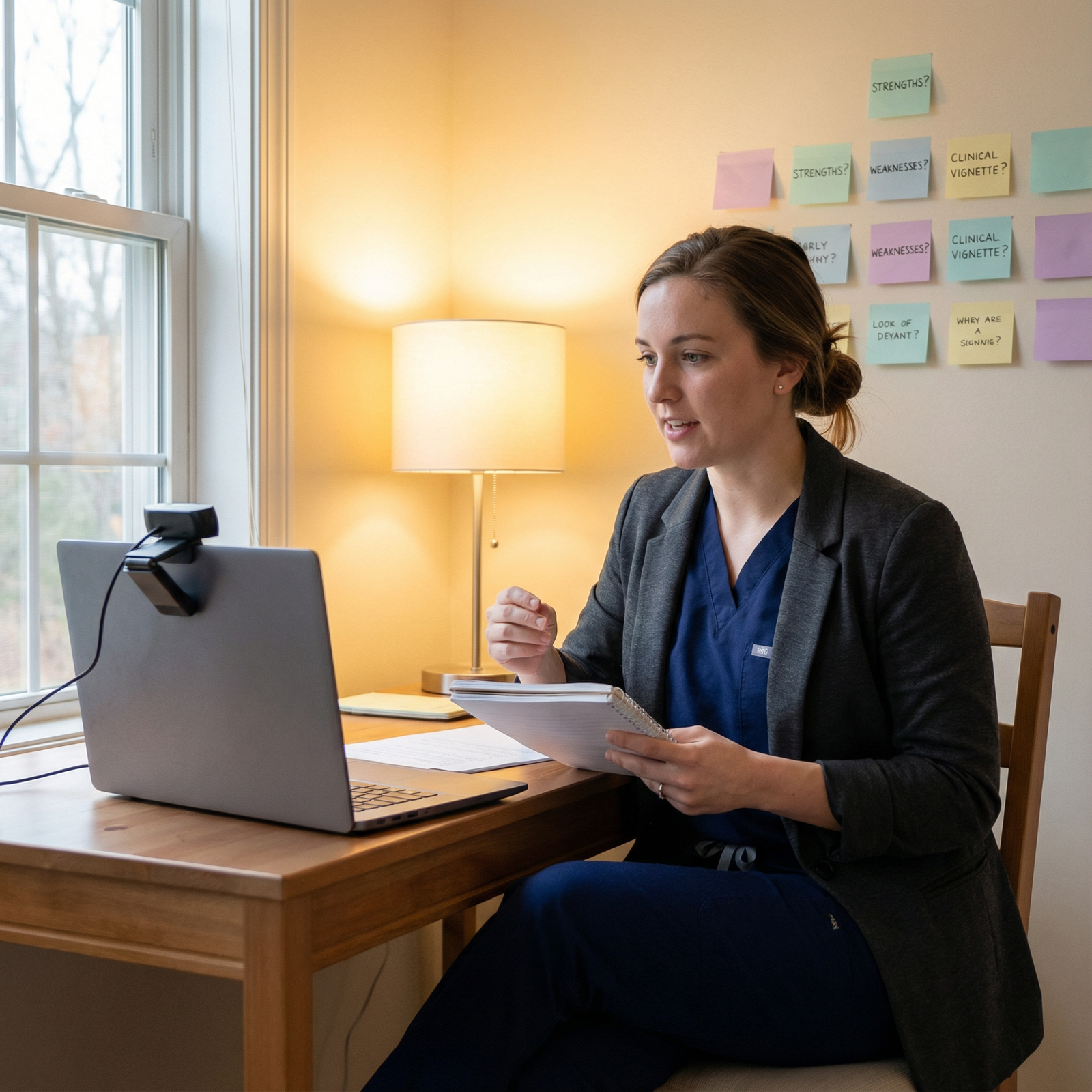
3. Virtual Interview Setup and Technology
For most cycles, even if in‑person options are offered, many PM&R programs still use virtual interviews. Treat your setup seriously:
- Background: Neutral, uncluttered; avoid distracting posters or busy rooms.
- Lighting: Face a window or use a soft ring light; avoid backlighting.
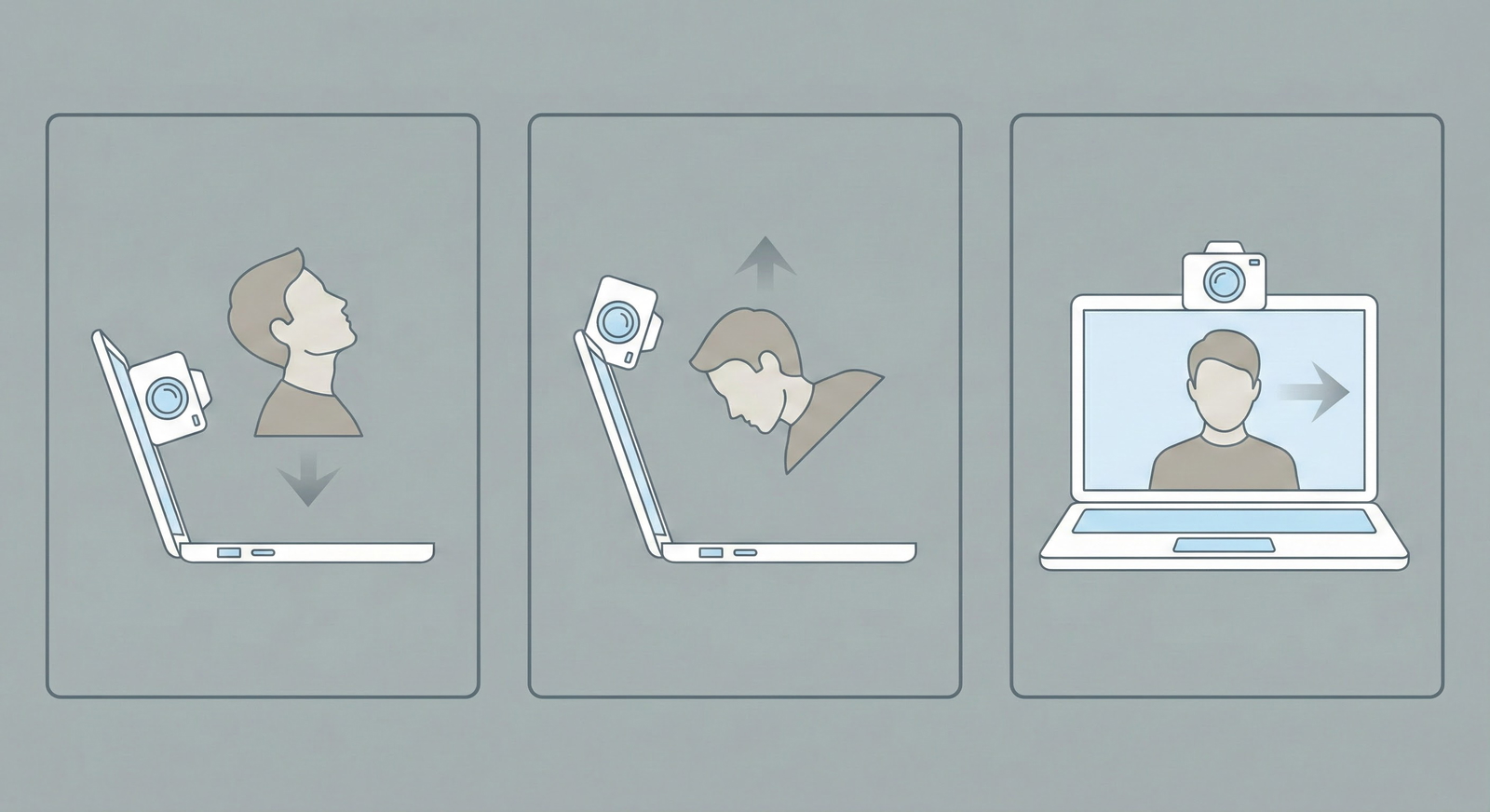
- Camera angle: Eye‑level, not looking up or down.
- Sound: Test your microphone, avoid echo; wired headphones often work well.
- Internet: Use wired connection if possible; close bandwidth‑heavy apps.
Run a full test with a friend before your first interview day.
4. Professional Appearance and Nonverbal Communication
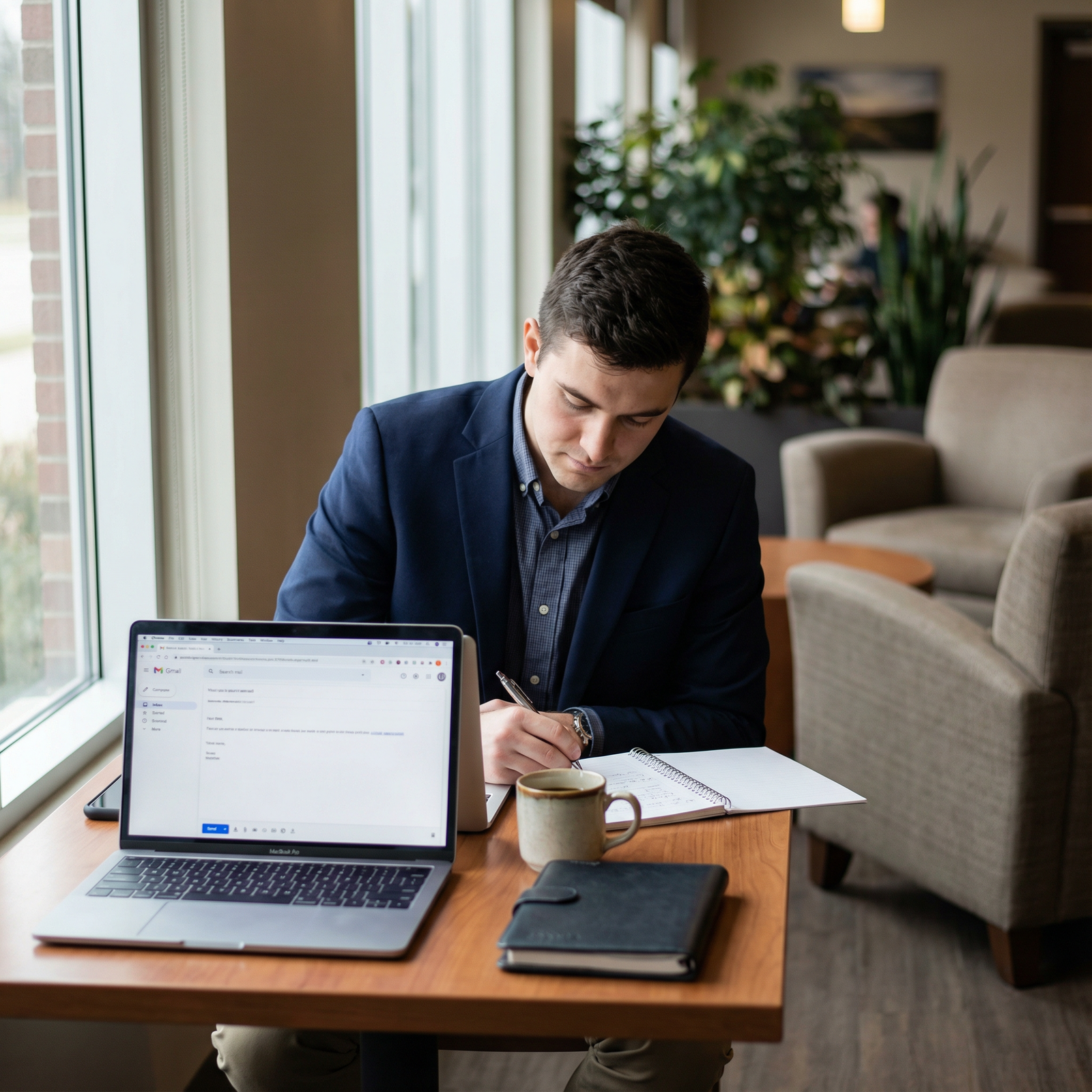
- Attire: Conservative professional dress (suit jacket, collared shirt or blouse).
- Posture: Sit upright, lean slightly forward to convey engagement.
- Eye contact: Look at the camera when speaking; glance at the screen when listening.
- Facial expression: Neutral to pleasant; nod occasionally to show active listening.
Nonverbal warmth and professionalism can distinguish you in a competitive physiatry match.
Strategic Day‑Before and Day‑Of Interview Planning
Even outstanding content can be undermined by poor planning. Have a clear system for each PM&R residency interview day.
1. The Day Before: Organize and Mentally Rehearse
Re‑review:
- Your notes on the program (structure, strengths, questions to ask).
- Your own application, especially the experiences you’re most proud of.
Prepare:
- A printed or digital one‑page “cheat sheet” with:
- Names and roles of key faculty (if provided)
- 3–4 reasons you like the program
- 2–3 tailored questions for faculty, 2–3 for residents
- A printed or digital one‑page “cheat sheet” with:
Logistics:
- Confirm time zones and schedule for each interview block.
- Charge all devices; have charger nearby.
- Lay out your interview attire.
Mindset:
- Briefly review affirmations like:
- “I have worked hard to get here; my story is valid.”
- “I don’t need to be perfect, only prepared and authentic.”
- Prioritize sleep, hydration, and a balanced meal.
- Briefly review affirmations like:
2. The Morning of the Interview
- Eat a light but steadying meal.
- Do a brief vocal warm‑up (reading aloud for a few minutes).
- Restart your computer and log in early (10–15 minutes).
- Silence your phone and notifications.
Mentally, anchor yourself:
- You are there not just to be evaluated, but to evaluate the program.
- You are exploring whether this particular environment will help you become the kind of physiatrist you want to be.
3. During the Interview: Connecting and Communicating
Start each interaction with a warm greeting and, if appropriate, brief appreciation:
- “Thank you for taking the time to meet with me today.”
Listen actively:
- If an interviewer shares about their research or role, reference it in your responses or questions later.
Be consistent:
- Align your answers with your written application and personal statement.
- Reinforce recurring themes: function, teamwork, communication, your PM&R interests.
Ask insightful questions:
- For faculty: focus on training, mentorship, program changes, and resident opportunities.
- For residents: ask about culture, workload, teaching quality, and how the program responds to feedback.
4. After the Interview: Reflection and Tracking
Immediately after each interview:
- Take 10–15 minutes to write:
- Overall impression of the program culture
- Pros and cons for your priorities (location, training strengths, research, lifestyle)
- Memorable people or conversations
- Any concerns or “green flags”
This will be invaluable when building your rank list.
FAQs: Pre‑Interview Preparation for PM&R Residency
1. How many mock interviews should I do for PM&R residency?
Aim for at least 2–3 structured mock interviews, including one with a PM&R physician or resident if possible. More can be useful if you receive consistent feedback that your answers are too long, too vague, or lack structure. Stop when you feel you can answer common questions naturally, clearly, and consistently, without sounding memorized.
2. How specific do I need to be about my PM&R career plans?
You don’t need to know your exact fellowship yet, but programs like to see thoughtful direction. It’s reasonable to say you’re leaning toward areas like inpatient neurorehab, SCI, MSK/sports, or EMG, while emphasizing openness to exploration. Avoid sounding undecided about PM&R itself; uncertainty about subspecialty is fine.
3. What if I have limited PM&R exposure as an MD graduate?
A limited number of PM&R rotations is not fatal, but you must convincingly show that you understand the field and are committed. Emphasize:
- Why PM&R fits your values and interests
- Experiences in neurology, orthopedics, sports medicine, geriatrics, or ICU that align with PM&R
- Any self‑directed learning, shadowing, or research in rehab or disability care
Programs will care more about your insight and motivation than the exact number of PM&R weeks, assuming you’ve had at least some direct exposure.
4. How can I stand out in the physiatry match during interviews?
You stand out by combining preparation and authenticity:
- Show a clear, well‑articulated PM&R story.
- Demonstrate program‑specific knowledge and ask thoughtful questions.
- Highlight skills highly valued in PM&R: teamwork, communication, adaptability, and genuine interest in functional outcomes.
- Be kind, engaged, and respectful to everyone you meet—residents, coordinators, and faculty.
In a relationship‑based specialty like PM&R, the impression that you would be a reliable, collaborative, and teachable colleague is often what moves you higher on a rank list.
With deliberate self‑assessment, targeted program research, consistent practice with high‑yield interview questions, and careful logistical planning, you can approach your PM&R residency interviews with confidence. As an MD graduate seeking an allopathic medical school match in physiatry, your goal is to show that you understand the specialty, know yourself, and are ready to grow into a capable, compassionate physiatrist.