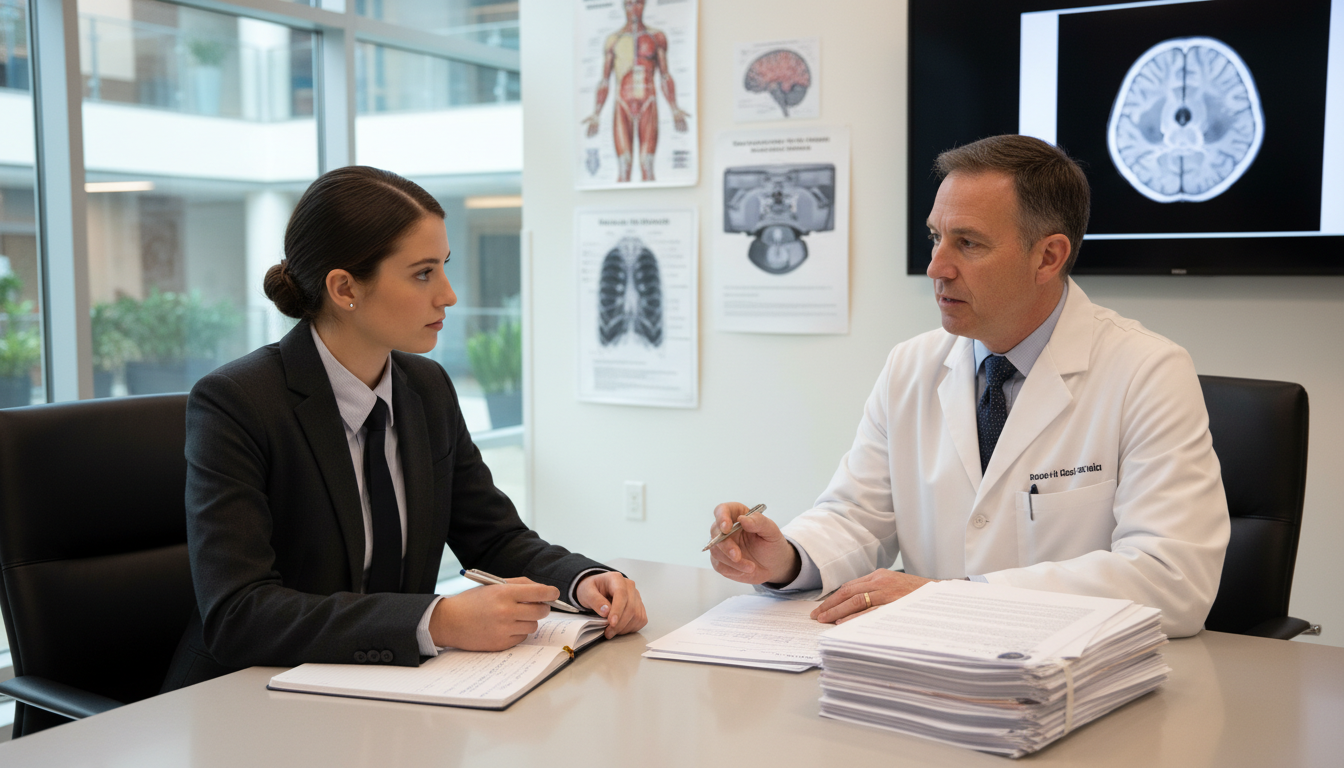
Why Your Questions Matter in PM&R Residency Interviews
Residency interviews are not just about how well you answer questions—they’re also about how thoughtfully you ask them. In Physical Medicine & Rehabilitation (PM&R), the nuances of programs can be hard to see on paper. The questions you ask residency programs during interview season are one of your most powerful tools to:
- Decide where you’ll thrive clinically and personally
- Understand each program’s culture, strengths, and limitations
- Show genuine engagement, insight, and maturity as an applicant
For the physiatry match specifically, programs want residents who understand the breadth of PM&R—neurologic rehab, musculoskeletal medicine, EMG, pain, pediatrics, sports, spinal cord injury, and more—and who are actively thinking about how a particular program will shape their career.
This guide provides structured, high-yield questions to ask residency programs in PM&R, along with context about why each question matters and how to interpret the answers. You’ll also see tailored suggestions on what to ask program directors, residents, coordinators, and faculty across different settings.
Core Strategy: How to Choose the Right Questions
Before diving into lists, it’s critical to have a strategy. You don’t need to ask 25 questions every interview day—you need to ask smart, prioritized questions that reflect your goals.
Step 1: Clarify Your Priorities
Before interview season, rank your top 5–7 priorities. Examples:
- Strong exposure to neurorehab (stroke, TBI, SCI)
- Robust EMG and ultrasound experience
- Opportunities in sports / MSK or interventional pain
- Desire for fellowship afterwards (pain, SCI, sports, peds, TBI, etc.)
- Balanced lifestyle / reasonable call
- Geographic location / family support
- Research and academic career vs. community practice focus
Your questions to ask programs should map directly onto these priorities.
Step 2: Tailor Questions to the Audience
Different people give different perspectives. Think in four buckets:
- Program leadership (program director, chair, associate PDs)
- Current residents (ideally at various levels: PGY2–4)
- Faculty / attendings (clinic and inpatient-based)
- Program coordinators / admin staff
Use leadership for strategy, vision, and structure.
Use residents for culture, workload, “real life.”
Use faculty for teaching quality and clinical depth.
Use staff for logistics, wellness supports, and “hidden curriculum.”
Step 3: Avoid Questions You Could Answer Yourself
Don’t ask things clearly listed on the website (e.g., “How many residents do you have per year?”). Instead, build on that information:
- “I saw on your website…” → “…Can you tell me how that works in practice?”
This shows preparation and maturity.
High-Yield Questions to Ask the Program Director and Leadership
Your time with leadership is usually limited. Prepare 5–8 strong questions, then pick the 2–4 most relevant on each interview day. These are especially useful when you’re wondering what to ask the program director specifically.
1. Questions About Program Vision and Philosophy
“How would you describe the philosophy of this PM&R residency, and what kind of resident tends to thrive here?”
Why it matters: Helps you see if your learning style and values match the culture (e.g., highly independent vs. heavily structured; research-focused vs. clinically focused).“What changes or improvements have you made to the residency in the last 3–5 years, and what changes do you anticipate in the next few years?”
What to listen for: Programs actively refining rotations, wellness initiatives, or curricula likely respond better to feedback and resident needs.“What differentiates this PM&R residency from other programs in the region or nationally?”
Why it matters: Forces them to articulate their unique strengths (VA-based, SCI depth, sports exposure, trauma center, research, etc.).
2. Questions About Clinical Training and Rotations
“Can you walk me through the progression of responsibility from PGY2 to PGY4?”
Listen for: Gradual autonomy, appropriate supervision, and clear milestones.“Where do graduates feel the strongest clinically, and where do they sometimes wish they had more exposure?”
Why it matters: No program is perfect; a transparent answer is a green flag.“How do you ensure residents get adequate experience in both inpatient rehab and outpatient/MSK care?”
Context: PM&R residency must balance robust inpatient exposure (stroke, SCI, TBI, polytrauma, amputation) with outpatient (MSK, pain, EMG, sports, procedures).“How do you handle procedural training in EMG, ultrasound-guided injections, spasticity management (Botox, phenol), and interventional pain?”
Listen for: Defined minimum numbers, structured teaching, progressive independence, and clear supervision.
3. Questions About Evaluation, Feedback, and Support
“How are residents evaluated, and how often do they receive formal feedback?”
Why it matters: Healthy programs have regular, structured feedback and transparency.“What kind of support is available for residents who are struggling—academically, clinically, or personally?”
Listen for: Remediation plans, mentorship, wellness resources, and non-punitive approaches.“Can you tell me about the mentorship structure here—do residents have assigned mentors and/or choose their own?”
Context: For a long career in physiatry, mentoring in career planning, research, and fellowship is critical.
4. Questions About Career Outcomes and the Physiatry Match
“What have your graduates done over the last 3–5 years in terms of fellowships and jobs?”
Listen for: Diversity of paths—pain, sports, SCI, TBI, peds, general rehab, academic vs. community.“How do you support residents who are pursuing competitive fellowships (e.g., pain, sports, SCI) or academic careers?”
Why it matters: Indicates faculty advocacy, letters, networking, and flexible elective time.“For residents interested in community practice or private practice right after residency, what resources or connections do you offer?”
Context: Many PM&R residents enter private practice; programs strongly tied to local groups can ease that transition.
5. Questions About Program Culture and Well-Being
“How would you describe the culture among residents and between residents and faculty?”
Listen for: Concrete examples, not vague “We’re very friendly.”“What are your primary concerns or priorities regarding resident wellness right now, and how are you addressing them?”
Why it matters: Workload, burnout, and mental health are real issues in all specialties, including PM&R.“If there was one thing you wish you could improve immediately about the residency, what would it be?”
A good sign: Honest, specific answers (e.g., increasing SCI beds, more ultrasound machines) rather than “Nothing—we’re perfect.”
High-Impact Questions to Ask Current Residents
Residents are your best window into the day-to-day reality of PM&R residency. This is where you can ask the most candid, detailed interview questions for them.
1. Daily Life, Workload, and Call
“What does a typical day look like on your main inpatient rehab rotations? What time do you usually pre-round, sign out, and leave?”
Why it matters: See if expectations align with your comfort level and work–life balance goals.“How is call structured—home vs. in-house, frequency, and typical volume?”
Listen for: Reasonable frequency, good backup from seniors/attendings, and fair distribution.“Do you feel the service is usually staffed at a sustainable level, or do you often feel short-staffed?”
Red flag: Chronic understaffing, constant cross-coverage, or residents doing non-educational scutwork.“On busy rotations, what helps the team get through? Are attendings and other services generally supportive?”
Context: PM&R interfaces with neurology, trauma surgery, orthopedics, primary care, and pain; relationships with other services matter a lot.
2. Teaching and Supervision
“Do faculty actually teach on rounds and in clinic, or does education get sidelined when things are busy?”
Why it matters: Realistic view of teaching culture.“How comfortable did you feel managing common PM&R issues (spasticity, neurogenic bowel/bladder, MSK pain, prosthetics/orthotics) by the end of PGY2? PGY3?”
Listen for: Progressive confidence and clear growth.“Are senior residents given autonomy while still having backup when needed?”
Balance: Too little autonomy vs. unsafe independence.
3. Procedural and Clinical Exposure
“How many EMG studies and ultrasound-guided injections do most residents complete by graduation?”
Look for: Specific numbers or ranges; vague answers may indicate underdeveloped procedural training.“Do residents ever struggle to get enough experience in a particular area, like SCI, TBI, pain, or pediatrics?”
Follow-up: “How does the program try to fill those gaps?”“Do you feel prepared to practice independently right after graduation, or pursue the fellowships you’re interested in?”
Green flag: Residents expressing confidence and specific examples (e.g., “Our PGY4s function almost like junior attendings on SCI service”).
4. Culture, Support, and Fit
“How would you describe the relationship among residents—socially and professionally?”
Listen for: Genuine camaraderie, mutual help with notes, studying together, group events.“Have you ever considered leaving or seriously struggled here, and if so, how did the program respond?”
Why it matters: Reveals how the program handles stress and hardship.“How do residents handle conflict—whether with co-residents, attendings, or other services?”
Context: A culture of professionalism and open communication is critical in a field built on teamwork and multidisciplinary care.“What do you like most and least about this program?”
Red flag: Hesitation, canned answers, or avoidance. Look for real pros and cons.
5. Life Outside the Hospital
“Is it realistically possible to maintain hobbies, family life, or outside interests here?”
Why it matters: PM&R often attracts applicants who value a sustainable career and broader life interests.“How affordable is the area on a resident salary, including housing and commuting?”
Consider: Transportation, parking, neighborhood safety, childcare if applicable.“What do you wish you had known about this program before you started?”
Some of the most honest and useful insights come from this question.
Targeted Questions for Faculty and Subspecialty Attendings
Faculty can help you understand how you’ll be trained across PM&R’s diverse subspecialties.
1. Subspecialty Depth (SCI, TBI, Stroke, Pain, Sports, Peds)
“For residents interested in [SCI / TBI / stroke / sports / pain / pediatrics], what specific opportunities exist beyond the standard rotations?”
Examples: Extra electives, longitudinal clinics, research, specialized conferences.“How closely do residents work with therapists (PT, OT, SLP), psychologists, prosthetists, and other members of the rehab team?”
Why it matters: Interdisciplinary care is the core of PM&R; strong collaboration is essential.“Do residents have exposure to different practice environments—VA, county hospital, private practice clinics, academic tertiary centers?”
Context: Variety prepares you for different post-residency settings.
2. Research, Quality Improvement, and Academic Opportunities
“What types of research or quality improvement projects are residents typically involved in?”
Listen for: Real, attainable opportunities, not just “You can do research if you want.”“Are there protected research blocks or dedicated time for scholarly work?”
Good sign: Structured time and expectations (posters, presentations, publications).“How often do residents present at local, regional, or national PM&R conferences, and what support does the program provide for that?”
Support may include: Funding for travel, conference days off, abstract mentorship.
3. Teaching, Feedback, and Professional Development
“How do you approach teaching residents during busy clinics or inpatient days?”
Why it matters: Shows whether faculty are intentional about bedside/lived teaching.“What qualities do you look for in a successful PM&R resident, and what distinguishes your strongest graduates?”
Use this: To assess what the program truly values—procedural skill, bedside manner, systems thinking, leadership, etc.“How does the program prepare residents for the non-clinical aspects of practice, such as billing, documentation efficiency, or working in interdisciplinary systems?”
Context: Many new attendings feel unprepared for these realities; a program that addresses them is ahead of the curve.
Smart Questions for Coordinators and Administrative Staff
Program coordinators are often the backbone of residency operations. They also have a clear view of how residents are treated.
“How flexible is the program when residents have family emergencies, medical issues, or parental leave needs?”
Why it matters: Policy on paper vs. practice in reality.“How are schedule changes, vacation requests, and coverage handled?”
Listen for: Transparency, fairness, and timely communication.“From your perspective, what makes residents successful and happy in this program?”
Unique angle: Coordinators often see patterns the residents themselves may not articulate.“Do residents typically complete the program on time, or are there frequent delays or leaves?”
Context: Occasional leaves are normal; patterns could be concerning.
Practical Tips: How to Use These Questions Effectively
Don’t Just Memorize—Curate
For each program, pick 6–10 total questions you genuinely care about. Then:
- Prioritize 2–3 for the program director
- 3–5 for residents
- 1–3 for faculty or coordinators
You don’t have to ask every question at every interview. Quality > quantity.
Frame Questions With Context
Instead of:
“What research opportunities are there?”
Try:
“I’m interested in neurorehab outcomes research, and I saw on your website that you have a stroke registry. How have residents been involved in that project, and how would someone like me get started?”
This shows preparation, maturity, and a clear sense of your interests—especially important during the physiatry match, where programs want residents who understand PM&R’s possibilities.
Listen for Both Content and Tone
Pay attention not only to what is said, but how:
- Are answers specific or vague?
- Do different people give consistent stories?
- Do residents seem guarded or relaxed?
- Do people talk about each other with respect?
Inconsistencies can reveal red flags or misalignment between marketing and reality.
Take Notes Immediately After Each Interview
Right after the interview day, jot down:
- Key strengths and concerns
- Memorable quotes or stories (good or bad)
- How you felt interacting with people
These notes will be invaluable when ranking programs.
Sample Question Sets for Different Applicant Profiles
Below are tailored examples for commonly seen PM&R applicant goals.
If You’re Interested in Sports / MSK / Ultrasound
- “How much exposure do residents get to dedicated sports or MSK clinics, and are there opportunities to cover events or team sports?”
- “What is the structure of ultrasound training—formal curriculum, number of scans, supervised injections?”
- “Do any graduates match into sports medicine fellowships, and how is the program regarded by fellowship directors?”
If You’re Aiming for Interventional Pain
- “How much exposure do residents get to fluoroscopy- and ultrasound-guided pain procedures during residency?”
- “Do you have pain-trained physiatrists on faculty, and do they mentor residents interested in pain fellowships?”
- “How successful have your graduates been in the pain fellowship match in recent cycles?”
If You’re Drawn to Neurorehab (SCI, TBI, Stroke)
- “How many dedicated inpatient SCI and TBI beds are there, and how are these rotations structured for residents?”
- “Are there opportunities for continuity clinics in SCI or brain injury rehab?”
- “Do any graduates pursue SCI or TBI fellowships, and what kind of projects do they work on as residents?”
If You Value Work–Life Balance and Location
- “On your busiest rotations, what is a typical weekly time commitment, including call and documentation?”
- “Do residents feel they have enough time for board prep, family, and personal life?”
- “What do residents enjoy most about living in this area outside of work?”
Frequently Asked Questions (FAQ)
1. How many questions should I ask during a PM&R residency interview day?
Aim for 2–4 well-chosen questions per formal interview (e.g., with the program director or faculty) and another 3–5 questions in resident-only sessions. You want to show engagement without dominating the conversation. If others have already asked many of your questions, pivot to alternatives from your list.
2. Is it okay to ask tough or critical questions?
Yes—if you ask professionally and respectfully. For example:
- “I’ve heard that PM&R residents sometimes struggle to get enough EMG volume at some programs. How does your program ensure adequate EMG experience?”
Direct but polite questions show that you’ve done your homework and care about your training. Avoid sounding accusatory; frame things as curiosity, not criticism.
3. Can I ask about fellowship and job placement without sounding overly competitive?
Absolutely. Programs expect this. PM&R has multiple fellowship pathways, and it’s normal to ask:
- “What have recent graduates done in terms of fellowships and practice settings?”
This signals long-term thinking, not arrogance. You don’t have to commit to a specific fellowship—just be honest about your evolving interests.
4. What are red flags in the answers I receive?
Be cautious if you notice:
- Residents consistently avoiding or minimizing discussion of workload or wellness
- Vague or evasive answers about procedural volume or clinical exposure
- Major discrepancies between what leadership and residents say
- A culture that discourages feedback or acknowledges “problems” but never shows examples of change
Trust both your data and your instincts. In a 3-year PM&R residency (plus prelim or transitional year), program fit will significantly shape your development as a physiatrist.
By approaching your PM&R residency interviews with thoughtful, well-structured questions, you transform the process from a one-sided evaluation into a genuine two-way conversation about fit, growth, and your future in physiatry. Use this guide as a flexible framework, adapt it to your own goals, and let your curiosity and professionalism guide you through the physiatry match.