As a DO graduate heading into residency season, the pre-interview dinner (or “resident dinner”) can feel like one of the most mysterious parts of the process. It’s informal—but still evaluative. It’s social—but still professional. And it’s one of the most powerful opportunities you’ll have to learn what life is really like in that program.
This guide is designed specifically for the DO graduate residency applicant navigating the osteopathic residency match and ACGME programs. You’ll learn how to approach the pre-interview dinner with confidence, what to wear, what to ask at dinner, and how to avoid common pitfalls that can quietly hurt your chances.
Understanding the Purpose of the Pre-Interview Dinner
Before you can master etiquette, you need to understand the “why” behind the resident dinner.
What Is a Pre-Interview Dinner?
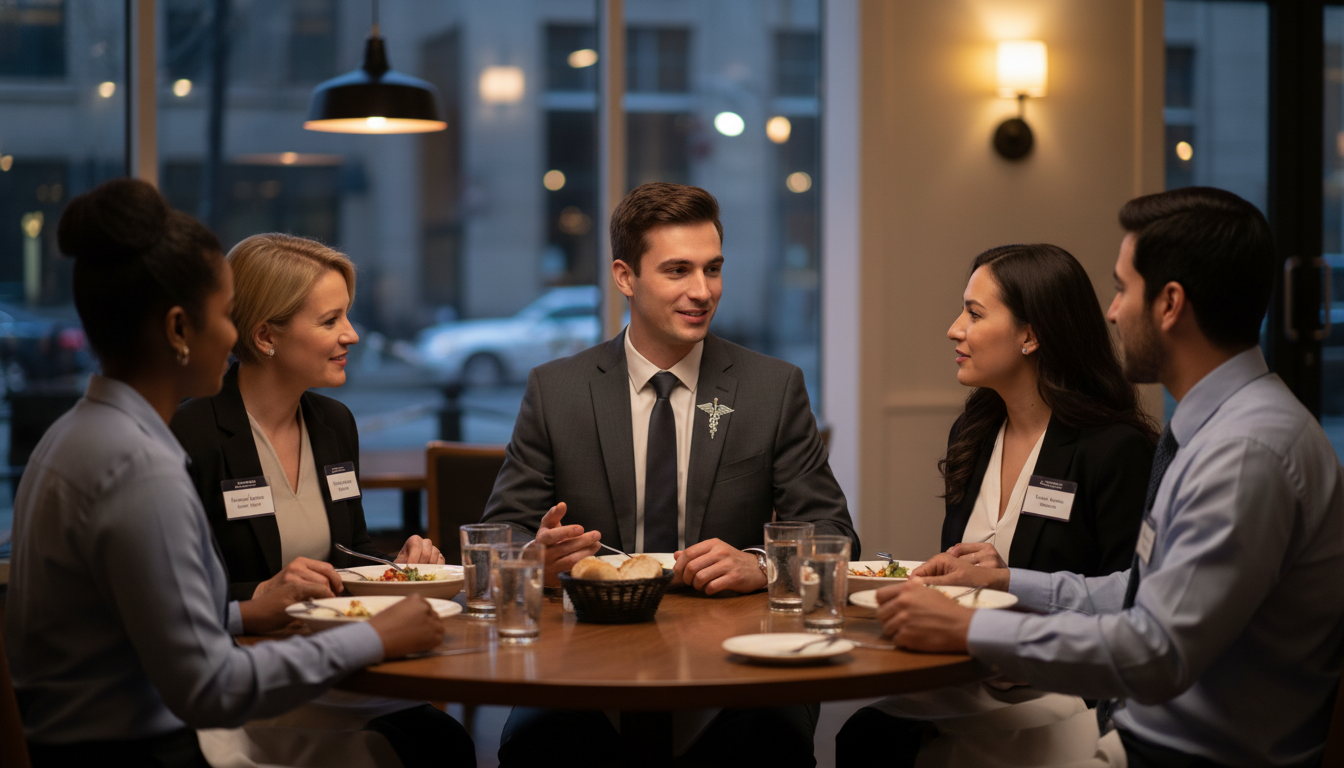
A pre-interview dinner is usually held the evening before your interview day. It’s hosted by the residents—occasionally with a chief resident or program representative—and often without faculty present. It may be called:
- Pre-interview dinner
- Resident dinner
- Social mixer or meet-and-greet
- Pre-interview social (sometimes virtual)
The goal: give you a low-pressure environment to see the culture, ask candid questions, and decide if you’d be happy training there. At the same time, residents are forming impressions of you that often get shared—informally or formally—with the program.
Why It Matters in the Osteopathic Residency Match
For a DO graduate, the pre-interview dinner can carry added importance:
- Culture fit and respect for DO training: You’ll quickly sense whether DO graduates are welcomed, represented among residents, and respected by faculty.
- Validation of osteopathic principles: You can explore how OMT, holistic care, and interprofessional collaboration fit into the program’s practice.
- Hidden curriculum: Residents may be more open during dinner about how DO graduates fare in fellowship placement, leadership roles, and educational opportunities.
While few programs will explicitly “score” you on the dinner, your professionalism and demeanor can absolutely influence how comfortable residents feel advocating for you.
How to Prepare Before the Resident Dinner
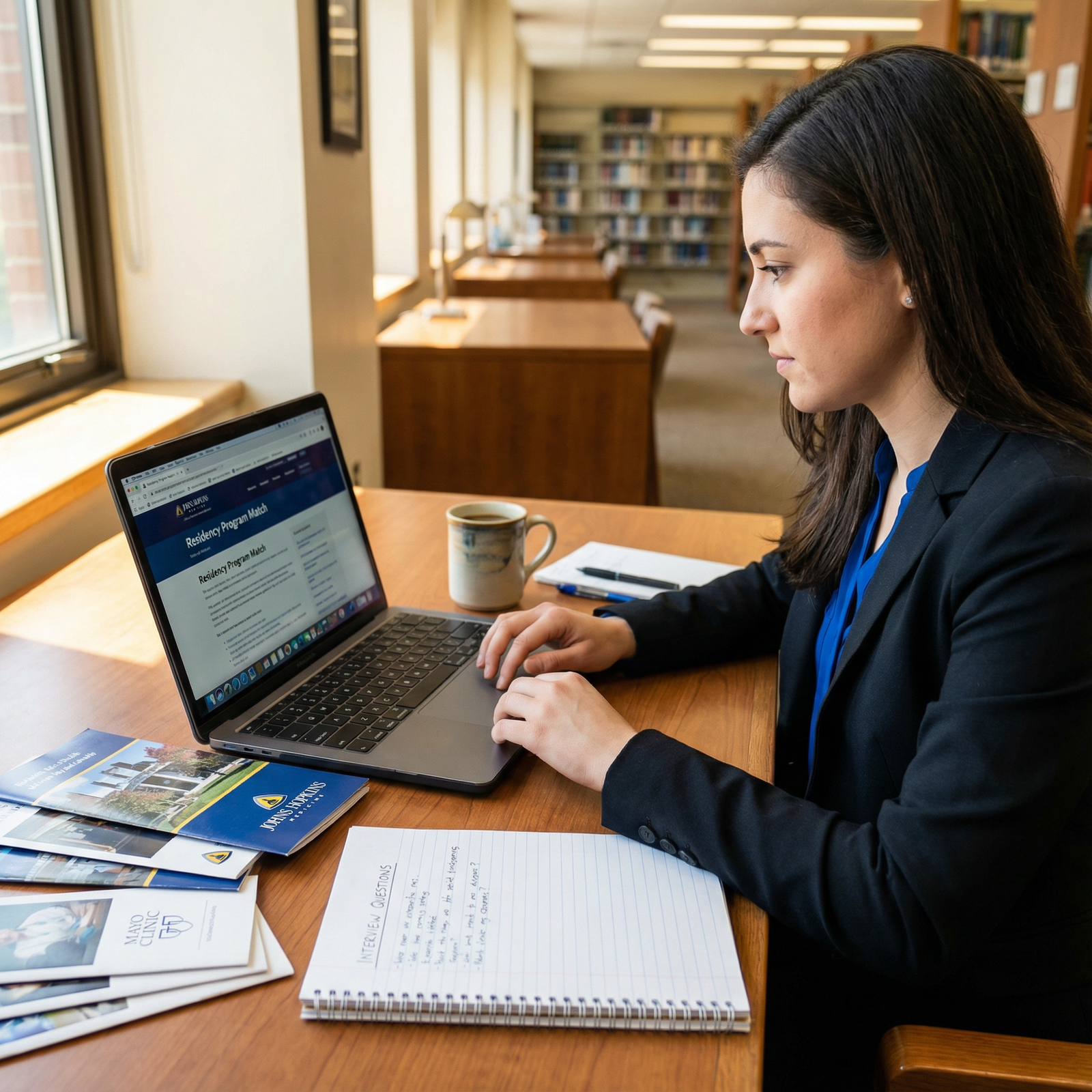
Thoughtful preparation will make you more relaxed and better able to focus on connecting with residents.
1. Confirm Logistics and RSVP Etiquette
- RSVP promptly: Reply within 24–48 hours to invitations. If you can’t attend, politely decline and thank them.
- Ask if unsure: If the invite doesn’t specify dress code or location details, it’s appropriate to respond with:
“Thank you for the invitation—could you share the expected attire for the dinner?” - Plan transportation: If you’re unfamiliar with the area, confirm parking, rideshare options, and how long it will take to arrive.
If you’re in the osteopathic residency match with multiple interviews in a region, be realistic about travel fatigue. Don’t commit to a dinner if your flight likely won’t arrive in time or you’ll be dangerously tired driving after a long day.
2. Review the Program and Residents
Spend 20–30 minutes researching:
- Resident roster: any DO graduates? Alumni of your COM or rotations?
- Program strengths: clinical sites, patient population, unique tracks (e.g., OMT clinic, community medicine).
- Recent changes: mergers, new leadership, expansion of class size.
Having this background helps you ask more thoughtful questions and show genuine interest.
3. Clarify Your “Three Themes”
Before you walk in, define 2–3 things you want residents to remember about you. For example:
- “DO graduate passionate about rural primary care and community engagement.”
- “Strong interest in OMT integration within inpatient medicine and MSK care.”
- “Team-centered, loves teaching; wants an academic career with resident education.”
These themes can subtly shape your answers and examples throughout conversation.
What to Wear, How to Arrive, and First Impressions
Residents are often relaxed at the pre-interview dinner—but you are still the applicant.
Dress Code: Striking the Right Balance
When in doubt, err one small step below full interview attire, but above casual.
Men / masculine attire:
- Slacks or chinos
- Button-down shirt or neat sweater
- Optional blazer; tie usually not required
- Closed-toe dress shoes or clean dressy loafers
Women / feminine attire:
- Dress pants or modest skirt with blouse, or
- Simple dress with cardigan or blazer
- Closed-toe flats or low heels
Avoid:
- Jeans with rips, shorts, sneakers (unless explicitly told casual), flashy accessories, strong perfume/cologne, or anything revealing.
If the invite specifically says “casual,” you can adjust slightly (e.g., dark, neat jeans with a button-down), but still lean polished. Remember: you’re not a resident yet.
Timing and Arrival Etiquette
- Aim to arrive 10–15 minutes early, especially if parking or location might be tricky.
- If you’re running late:
- Email or message the contact person listed in the invitation as soon as you know.
- Brief apology on arrival; don’t over-explain or dwell.
As you enter:
- Introduce yourself with your full name and a brief tag line:
“Hi, I’m Jordan Patel, DO—great to meet you. I’m interviewing for internal medicine tomorrow.” - Offer a firm, brief handshake if culturally appropriate and welcome. If people are skipping handshakes, a warm verbal greeting and nod suffice.
First impressions are formed in seconds. Demonstrate:
- Good posture
- Warm but not overly familiar demeanor
- Calm energy rather than frenetic or anxious behavior
Dining, Conversation, and Etiquette at the Table
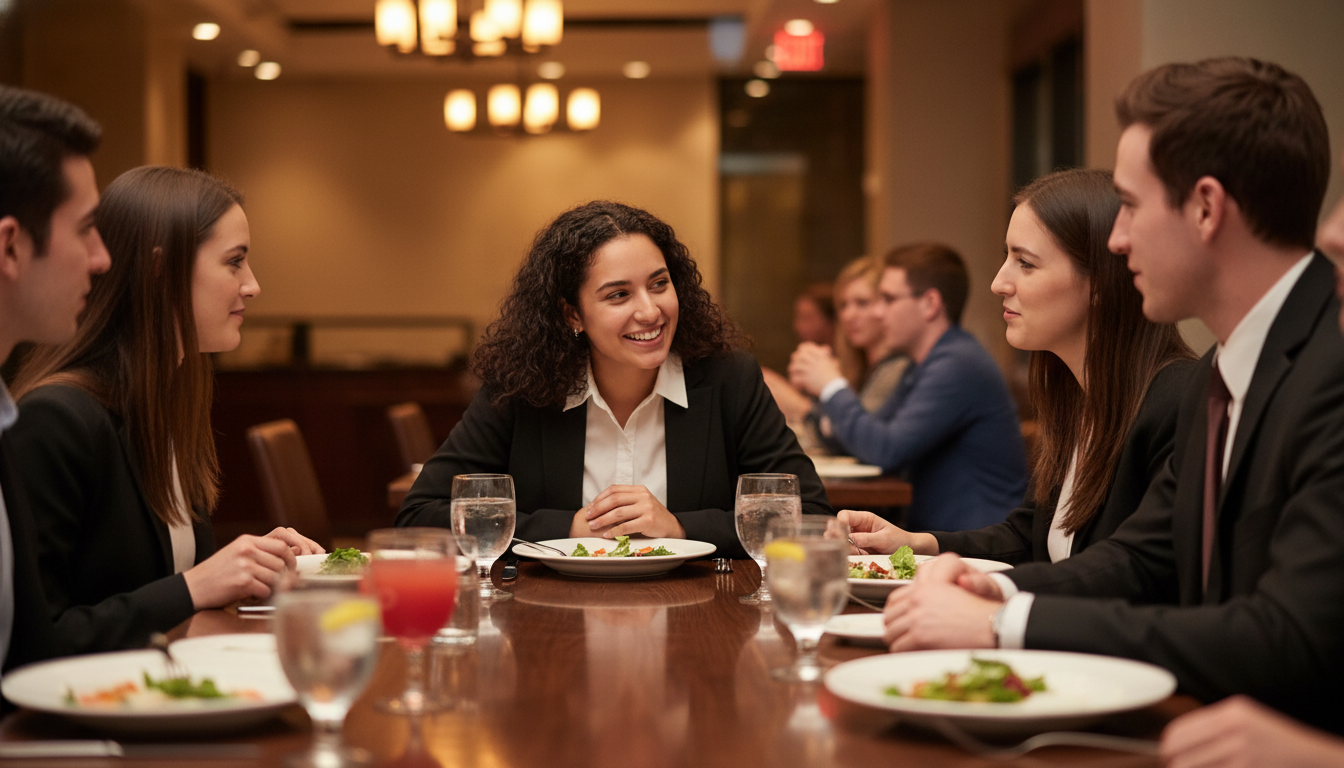
This is where pre-interview dinner etiquette really matters. Residents are observing how you carry yourself as a potential colleague.
1. Food and Beverage Choices
Ordering Food
- Follow the resident’s lead: if they say, “Order whatever you like,” you can choose freely but modestly.
- Avoid:
- Messy foods (ribs, oversized burgers, wings dripping in sauce).
- Very strong-smelling dishes.
- The most expensive item on the menu (unless everyone is encouraged to order it).
- If unsure, choose a mid-priced entrée that’s easy to eat while talking.
Alcohol Use
This is one of the most common resident dinner tips—and one of the biggest pitfalls.
- If residents order alcohol:
- It is acceptable to join in moderation: typically one drink, slowly sipped.
- If you prefer not to drink (for personal, cultural, or strategic reasons), simply say:
“I’ll just have a sparkling water / soda / mocktail, thanks.”
- Never:
- Be the first to suggest alcohol.
- Have more than one drink.
- Appear tipsy, loud, or disinhibited in any way.
For many DO graduates, especially those emphasizing professionalism and holistic wellness, skipping alcohol entirely is common and never needs justification.
2. Core Table Manners
Programs aren’t grading your fine-dining skills, but basic etiquette reflects on your professionalism.
- Place your napkin on your lap shortly after sitting.
- Wait for others to receive their food before starting if the pace allows.
- Chew with your mouth closed; avoid talking with food in your mouth.
- Keep your phone off the table and on silent. If you must check a time-critical message:
- Brief apology, quick check, then put it away.
- Tip is usually handled by the program; if you’re paying for your own meal (rare), tip appropriately.
3. Conversation Style: Professional but Genuine
Think of the dinner as a professional social event with the following goals:
- Build rapport with residents.
- Learn what day-to-day life is actually like.
- Show that you’d be a supportive, reliable colleague.
Key communication strategies:
- Listen > speak. Ask questions and show curiosity about residents’ experiences.
- Use names when possible: “That’s really helpful, Sarah—thank you.”
- Share about yourself, but avoid dominating the conversation or oversharing personal details.
Topics that work well:
- Resident life: schedules, call, team dynamics
- Educational experience: procedures, conferences, OMT opportunities
- Community: living in the area, commuting, safety, things to do
- Wellness: how residents handle stress, support systems
Topics to avoid or handle with care:
- Program gossip, comparisons, or “rank lists talk.”
- Politics, religion, or polarizing social issues (unless residents bring something up directly and you respond neutrally).
- Complaints about prior rotations, faculty, or schools.
- Salary or compensation details beyond what’s publicly available.
What to Ask at Dinner: Strategic Questions for DO Graduates
Knowing what to ask at dinner is one of your biggest advantages. Your questions should:
- Help you assess the program.
- Show that you understand the realities of residency.
- Highlight your DO background and interests without boasting.
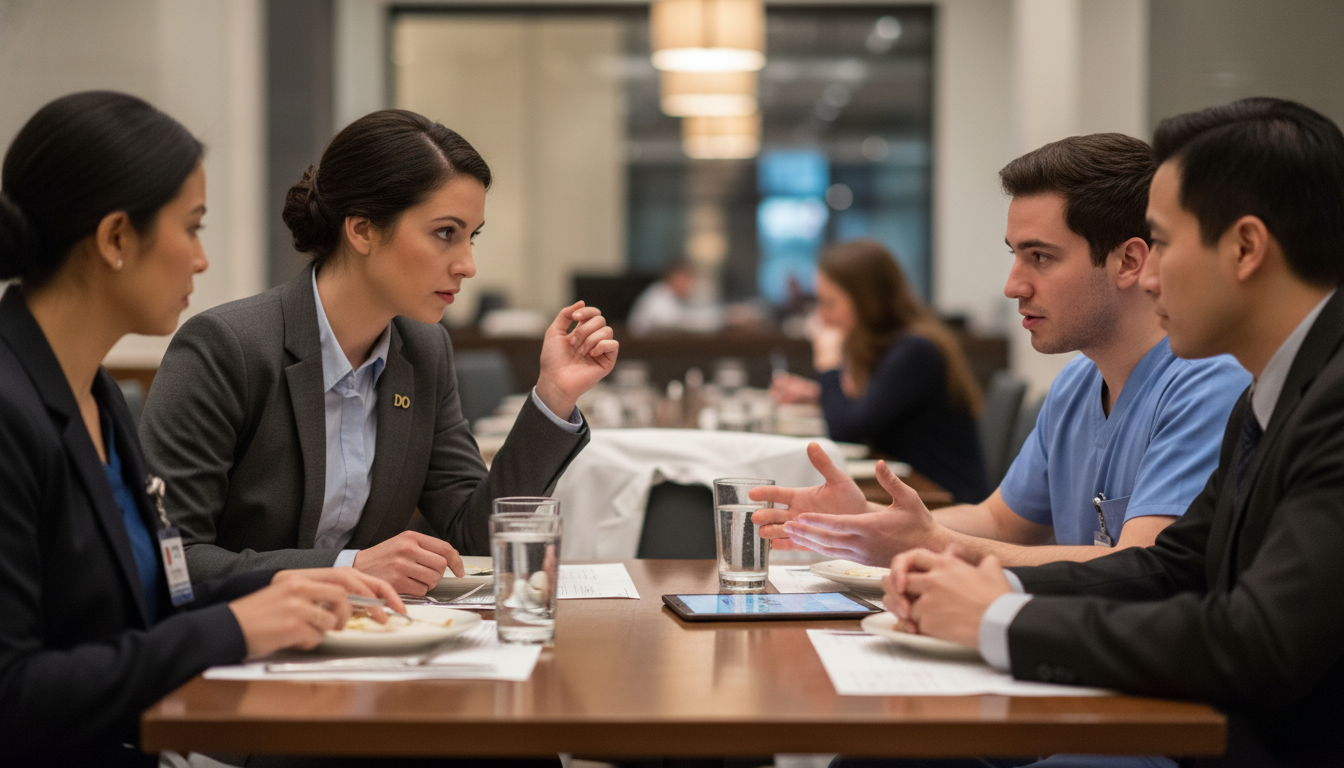
Questions About Culture and DO-Friendliness
These are especially important in the context of a DO graduate residency search:
- “How many DO graduates are in the program now? Do you feel there’s any difference in how DOs and MDs are treated?”
- “Were there any challenges DO residents faced early on in terms of assumptions or expectations?”
- “Has the program historically been supportive of DO graduates applying for fellowships or leadership roles?”
Pay attention not just to the words, but the tone and body language of the residents as they answer.
Questions About Training, Education, and OMT
- “How strong is the hands-on training here? Do you feel confident with procedures or core clinical skills by second year?”
- “For DO residents, is there room to use OMT in clinic or inpatient settings if that aligns with our interests?”
- “What kind of feedback and teaching do you get from faculty on rounds?”
If osteopathic manipulation isn’t formally integrated, you could ask:
- “If a DO resident wanted to maintain their OMT skills, how have people done that here—clinics, electives, or working with particular attendings?”
Questions About Day-to-Day Life
This is where the resident dinner is invaluable:
- “What does a typical call day look like for you?”
- “How manageable is the workload? Do you feel you have time for life outside the hospital?”
- “How approachable is the leadership when issues come up—like schedule conflicts, wellness concerns, or safety worries?”
For DO graduates relocating to a new region:
- “What surprised you about living in this city?”
- “Where do most residents live? Is it realistic to walk or rely only on public transportation?”
- “What’s the social dynamic like among the residents—do people spend time together outside of work?”
Questions That Quietly Signal You’re a Strong Candidate
Some questions show you’re already thinking like a responsible, thoughtful resident:
- “How does the program support residents who are struggling, either clinically or personally?”
- “What would you say differentiates a resident who thrives here from one who struggles?”
- “If you could change one thing about the program, what would it be?”
These demonstrate maturity, self-awareness, and a realistic understanding of residency challenges.
Common Mistakes to Avoid at the Pre-Interview Dinner
Even strong applicants can unintentionally undermine themselves by misjudging the tone or boundaries of the event. These are some of the most frequent missteps in resident dinner tips shared by PDs and residents.
1. Over-Relaxing and Forgetting It’s Still an Interview Context
Residents may say “This doesn’t affect your application—just be yourself.” Believe them about the informality, but assume your behavior can still get back to the program.
Avoid:
- Excessive swearing or crude jokes.
- Gossip about other programs or applicants.
- Complaints about the match process, COMLEX/USMLE, or “unfair” treatment of DOs.
Residents want a future colleague who vents appropriately, not constantly.
2. Alcohol-Related Misjudgments
As noted earlier, alcohol is a major source of trouble. Red flags include:
- Being the only one to order another drink when everyone else stops.
- Getting visibly more loud, animated, or touchy after drinking.
- Pressuring others to drink (“Come on, just one more!”).
Many residents have a story of “the applicant we didn’t rank” because of poor judgment tied to alcohol.
3. Turning the Dinner into a Personal Sales Pitch
You should absolutely share your interests and background—but avoid:
- Repeatedly listing achievements, board scores, or research.
- Monopolizing conversation with long monologues about yourself.
- Correcting other applicants or residents to appear more knowledgeable.
A better strategy is to connect your experiences briefly to the conversation:
- “At my osteopathic school, we did a lot of community-based care, so I’m really interested in how you work with underserved populations here.”
4. Asking Inappropriate or Overly Aggressive Questions
Examples of what not to ask at dinner:
- “Where do you think I’ll fall on your rank list?”
- “How many applicants do you reject after the dinner?”
- “Which attendings are the worst to work with?”
- “Do you think the program director knows what they’re doing?”
If residents volunteer sensitive information, listen quietly and thank them for their honesty—don’t push for names, drama, or confirmation.
After the Dinner: Reflection, Notes, and Follow-Up
The value of the pre-interview dinner extends beyond that night. What you do afterward can help you both on interview day and when finalizing your rank list.
1. Take Quick Notes That Night
Within an hour of getting back to your room:
- Jot down:
- Names and brief descriptors of residents you met.
- Specific comments that stood out (positive or negative).
- Overall “vibe” of the culture: supportive? burned out? competitive? welcoming to DOs?
- Tag your notes with your immediate gut feeling:
- “Strong fit,” “maybe,” or “concerns.”
These impressions often fade by the time you’re deep into the residency match and applications process.
2. Use the Dinner to Guide Your Interview Day Questions
If you heard something at dinner that needs clarification, you can frame it professionally with faculty:
- “Last night, some residents mentioned they appreciate the autonomy here. How does the program balance supervision with progressive responsibility?”
- “I heard that DO graduates have matched into strong fellowships from this program. Can you share how faculty support DO residents who are fellowship-bound?”
This shows you listened to residents and are thinking deeply about training quality.
3. Thank-You Messages: Optional but Helpful
You’re not required to send thank-you notes to residents after a dinner, but a brief, sincere email to the chief resident or main organizer can leave a positive impression:
Dear Dr. Smith,
Thank you again for organizing the resident dinner last night. It was very helpful to hear honest perspectives about the program’s culture, schedule, and support for DO graduates. I appreciated how welcoming everyone was and enjoyed learning more about the patient population and community here.
Best regards,
[Your Name], DO
Keep it short, specific, and genuine. There’s no need to comment on rankings or promise anything.
Putting It All Together: A DO Graduate’s Example Scenario
Imagine you’re a DO graduate applying to internal medicine. You arrive at the resident dinner:
- You’re dressed in smart-casual attire—slacks, button-down, blazer.
- You greet the residents by name as they introduce themselves, mentioning your school and interests briefly.
- You order a mid-priced entrée and a sparkling water, even though some residents order beer.
Throughout the meal:
- You ask residents how they felt initially as DO graduates in a mixed DO/MD cohort.
- You inquire about opportunities to practice OMT in clinic and whether any attendings actively encourage it.
- You listen carefully when a senior resident honestly discusses work hours and burnout, thanking them for their transparency rather than pressing for gossip.
You share two or three short anecdotes:
- One about a community health project during your osteopathic training.
- One about an OMT case that helped you see the unique contribution of DO principles.
- One about a tough rotation where you learned to manage time and ask for help early.
You don’t:
- Bring up board scores.
- Complain about prior programs or faculty.
- Dominate conversation or drink excessively.
After the dinner:
- You note that the residents seemed genuinely collegial, frequently mentioned supporting each other, and spoke positively about how DO residents have done at the program.
- You use these impressions during interview day to shape your questions and, later, to rank the program confidently.
That is exactly how a strong DO graduate residency applicant uses pre-interview dinner etiquette to their advantage.
FAQs: Pre-Interview Dinner Etiquette for DO Graduates
1. Is the pre-interview dinner really part of the evaluation?
Formally, many programs say no—but informally, yes, it often is. Residents discuss applicants afterward, especially if someone stood out (positively or negatively). Professional, pleasant behavior can help; unprofessional behavior can absolutely hurt your chances. Assume you’re being evaluated, but don’t be robotic—be your best professional self.
2. As a DO graduate, should I bring up OMT and osteopathic principles at dinner?
Yes, if it’s natural and authentic to your interests. You might ask:
- “How have DO residents incorporated OMT into their continuity clinics?”
- “Are there any attendings particularly supportive of osteopathic manipulative treatment?”
Keep it balanced: you don’t need to center every conversation on OMT, but it’s appropriate to explore how your osteopathic training fits within the program.
3. What if I can’t attend the resident dinner—will it hurt my chances?
Programs understand that travel, cost, and personal obligations can interfere. If you can’t attend:
- RSVP with a polite, timely explanation (brief, no excessive detail).
- Express enthusiasm about meeting everyone on interview day.
Not attending usually does not hurt your chances, especially if explained. Just ensure your behavior on interview day shows the same curiosity and professionalism you would have at dinner.
4. How honest can residents really be with me at dinner?
Residents tend to be more candid at the pre-interview dinner than during formal interview sessions, but they still represent the program. You’ll often get the clearest picture by:
- Listening for patterns (e.g., several residents mention workload or leadership support).
- Noting what they emphasize (wellness, education, procedures, camaraderie).
- Paying attention to tone and nonverbal cues.
Use the dinner to gather impressions and then, if needed, ask clarifying but professional questions the next day.
Handled thoughtfully, the pre-interview dinner is one of your best tools as a DO graduate to evaluate fit, highlight your strengths, and signal that you’re ready to be a collegial, professional resident. With the right etiquette strategies, you’ll walk in prepared—and walk out with insights that will genuinely shape your residency match decisions.