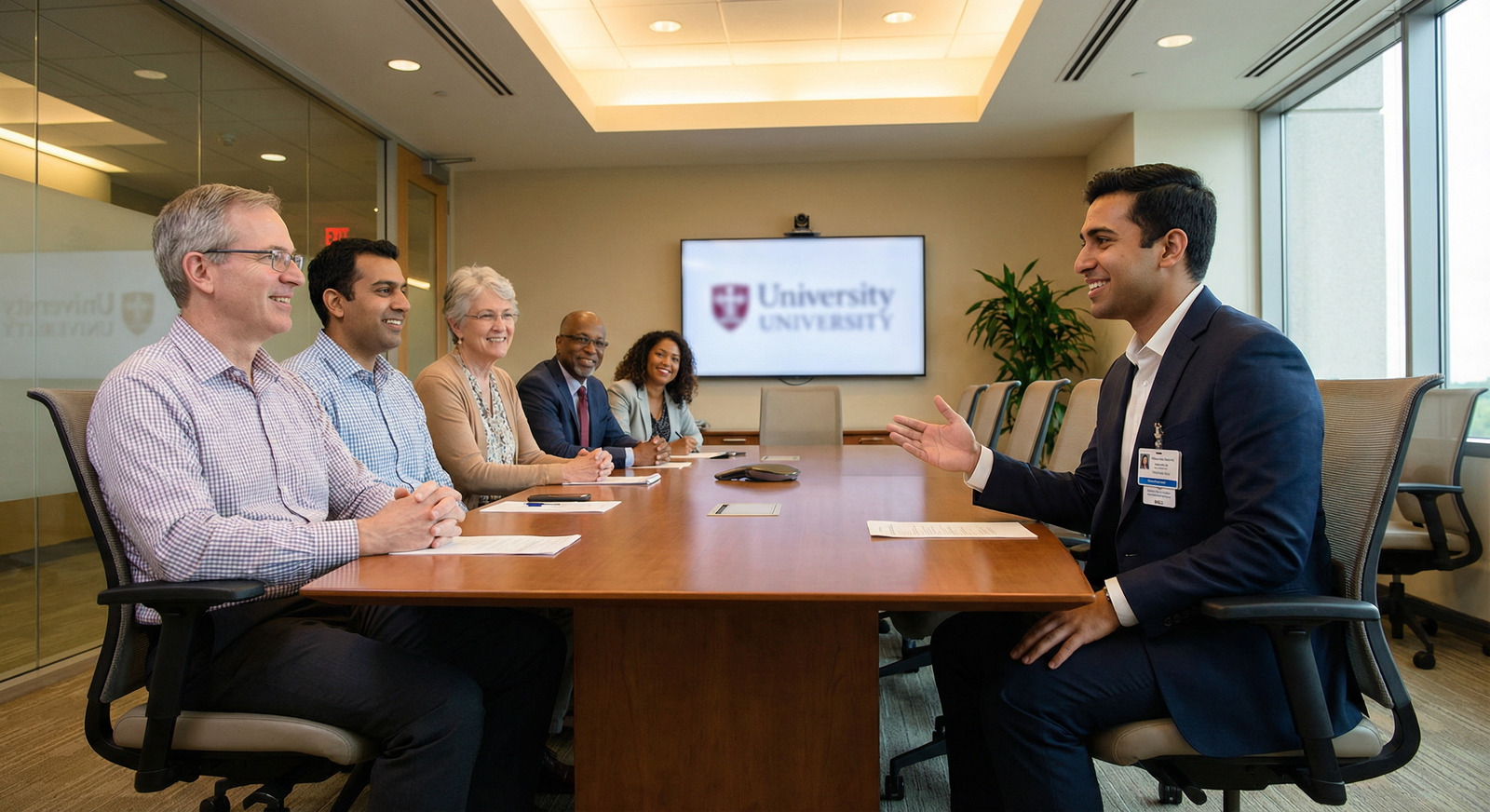
Understanding the Purpose of the Pre-Interview Dinner
The pre-interview dinner can feel like a mysterious, high-stakes social test. You’re technically “off the clock,” but everyone knows it still matters. Understanding what this event really is—and isn’t—will help you navigate it with confidence.
Why Programs Host Pre-Interview Dinners
Programs invest time and money in pre-interview dinners for several reasons:
- Culture check (for both sides): They want to see how you interact with residents and peers in a more natural setting—and you get to see what daily life might feel like in this program.
- Resident-driven perspective: Residents usually have more influence on the rank list than applicants realize. The dinner is their primary chance to get to know you.
- Candidate experience: Programs want you to leave with a positive impression, feeling welcomed and informed.
- Fit assessment: They’re gauging if you would mesh with the team, communicate respectfully, and represent the program well.
What the Dinner Is Not
Clarifying misconceptions can reduce anxiety:
- It’s not a formal interview with structured questions.
- It’s not the time to aggressively sell yourself, recite your CV, or dominate the conversation with achievements.
- It’s not mandatory fun—but it’s a valuable opportunity. Skipping it without a good reason can be a missed chance to learn and connect.
- It’s not the place for complaints about other programs, medical school, or the match.
Think of the pre-interview dinner as an extended “hallway conversation” with potential future colleagues—still professional, but more relaxed than interview day.
How to Prepare Before the Pre-Interview Dinner
Being ready in advance allows you to focus on connections instead of logistics or nerves.
Confirming Attendance and Logistics
Once you receive the invitation, usually via email:
- RSVP promptly (ideally within 24–48 hours).
- Clarify:
- Time and exact location (and whether transport is provided).
- Expected duration (usually 1.5–3 hours).
- Dress code (if not stated, you can ask the coordinator or residents).
- If you have dietary restrictions (allergies, religious restrictions, vegetarian/vegan, etc.):
- Inform the coordinator or chief resident in advance.
- Phrase it simply: “I’m vegetarian; could you please let me know if that can be accommodated at the dinner?”
Failing to RSVP or repeatedly changing your plans can signal disorganization—avoid it if possible.
Choosing Appropriate Attire: How Formal Is “Business Casual”?
Most pre-interview dinners are explicitly business casual, not full suit attire. It’s safer to be slightly overdressed than noticeably underdressed.
For all genders, business casual generally means:
- Tops
- Button-down shirt, blouse, or neat sweater.
- Avoid loud logos or very bold, distracting prints.
- Bottoms
- Dress pants, chinos, or a modest skirt.
- Dark jeans may be acceptable in some regions or specialties, but only if they are clean, well-fitted, and non-distressed.
- Shoes
- Clean closed-toe flats, loafers, or low heels.
- Avoid athletic sneakers, flip-flops, or very casual sandals.
- Overall look
- Neat, clean, ironed clothing.
- Light, natural makeup if you choose to wear it; minimal fragrance.
- Jewelry should be simple and not distracting.
If in doubt, you can email:
“Could you please share what typical attire is for the pre-interview dinner (e.g., business casual versus casual)? I’d love to match the program’s culture.”

Mental Preparation: How to Show Up as Your Best Self
You don’t need to script the evening, but some thoughtful preparation helps:
- Review your application: Know your own CV well. Residents might ask about your rotations, interests, or hobbies.
- Skim the program website:
- Have a sense of program size, rotation sites, and any unique features.
- Notice any resident-led initiatives, wellness efforts, or tracks you’re curious about.
- Prepare a few talking points:
- A brief, natural way to introduce yourself: “I’m a 4th-year at X, interested in Y, and I really enjoy Z outside of medicine.”
- A couple of non-medical topics you’re comfortable discussing (hobbies, sports, travel, books, etc.).
- Sleep, food, and hydration:
- Don’t arrive exhausted or extremely hungry if you can avoid it.
- A small snack beforehand can prevent overeating or drinking too quickly.
Being calm, attentive, and genuinely interested in others is more important than being witty or impressive.
Etiquette at the Pre-Interview Dinner: Do’s and Don’ts
This is the heart of pre-interview dinner etiquette—how to behave in a way that reflects professionalism and collegiality without feeling stiff.
Punctuality and First Impressions
- Aim to arrive 5–10 minutes early.
- Factor in traffic, parking, or public transit variability.
- If you’re running late, communicate early:
- Email or call the coordinator: “I may be 10–15 minutes late due to traffic; my apologies.”
- On arrival:
- Offer a friendly smile and handshake (or culturally appropriate greeting).
- Introduce yourself clearly with your name and medical school.
- Make brief eye contact and try to remember names, especially key residents.
Even though this is “just” dinner, many residents will remember whether you seemed courteous and engaged.
Seating, Phones, and Body Language
Seating:
- If there’s no assigned seating, aim to:
- Sit near a mix of residents and applicants.
- Avoid clumping exclusively with your friends or classmates.
- If a resident suggests where to sit, follow their lead.
Phone etiquette:
- Silence your phone before arriving.
- Keep it off the table or face-down if needed for emergency family matters.
- Do not scroll through social media or text during conversation.
- If you must take a call (rare), excuse yourself quietly: “I’m so sorry, I need to briefly step out for an urgent call.”
Body language:
- Sit upright but relaxed.
- Face people you’re speaking to; avoid closed-off posture (arms tightly crossed, turned away).
- Show active listening: nod, maintain comfortable eye contact, and respond thoughtfully.
These nonverbal signals often matter more than your exact words.
Alcohol, Food, and Table Manners
Alcohol Guidelines
Alcohol is one of the most anxiety-provoking aspects of pre-interview dinners. A few rules keep you safe:
- If you do not drink (for personal, religious, or health reasons), simply say:
- “I’ll just have a soda/water/tea, thanks.”
- No explanation is necessary, and no program should penalize you for not drinking.
- If you do drink occasionally:
- Stick to no more than one standard drink for the entire evening.
- Sip slowly and alternate with water.
- If residents start ordering rounds, it does not obligate you to keep pace.
- If residents are drinking heavily:
- That’s data about program culture. You can quietly choose to maintain your own limits.
- You are never required to stay late drinking.
Food Choices and Eating Etiquette
You’re there to talk, not to maximize calories.
- Avoid very messy or complicated foods: large burgers, saucy ribs, giant sandwiches that fall apart.
- Choose foods that are:
- Easy to cut.
- Not excessively spicy (to avoid discomfort).
- Familiar enough that you won’t be distracted by how to eat them.
- If it’s shared plates or tapas:
- Don’t rush to take more than your share.
- Let others serve themselves first occasionally.
General table manners:
- Wait to start eating if it’s clearly a shared start (e.g., everyone receives their plate at the same time).
- Use utensils appropriately; don’t talk with your mouth full.
- Be polite to servers—say “please” and “thank you.” Residents notice how you treat staff.
If you have allergies or dietary restrictions you haven’t previously disclosed, you can discreetly ask the server about ingredients, but avoid making it the centerpiece of conversation.
Conversation Strategy: What to Talk About (and What to Avoid)
The most common question applicants have is: What do I talk about, and what do I ask at dinner? Thoughtful conversation shows social awareness and genuine interest.
Good Topics and Resident Dinner Tips for Conversation
Aim for balanced, two-way conversation. Here are safe, productive categories:
Program life
- “What do you like most about training here?”
- “How would you describe the program culture?”
- “What does a typical day or week look like as an intern?”
City and lifestyle
- “How do residents usually spend their days off?”
- “What neighborhoods do residents typically live in?”
- “What’s your commute like?”
Resident experience
- “How has the program responded to resident feedback?”
- “Have there been any recent changes to the rotation schedule or curriculum?”
- “How does the program support resident wellness or mental health?”
Your genuine interests and theirs
- Ask about their hobbies, interests, or non-medical pursuits.
- Share your own in a modest, conversational way.
Training and career development
- “How supportive is the program for fellowship applications?”
- “What kind of mentorship have you found here?”
- “Do many residents do research or QI projects?”
What to Ask at Dinner: Targeted, High-Yield Questions
You don’t need to impress with brilliant questions; you need to ask honest, practical ones. Here are examples of what to ask at dinner that often yield valuable insights:
About the program environment
- “How does the program handle conflicts or concerns raised by residents?”
- “Would you say the program is more resident-driven or attending-driven in decision-making?”
About workload and support
- “How manageable are the call schedules and night floats?”
- “Do you feel supported when something difficult happens on service?”
About education quality
- “How protected is your didactic time?”
- “Do attendings typically teach on rounds or at the bedside?”
About long-term satisfaction
- “If you could change one thing about the program, what would it be?”
- “Do people generally stay in the area after graduation, or move elsewhere?”
These questions show that you’re thinking realistically about your day-to-day life, not just prestige or name recognition.

Topics to Avoid
There are some clear red-flag topics that can make residents uncomfortable or reflect poorly on you:
- Salary, stipends, or moonlighting as your first or primary line of questioning.
- These can be asked tactfully, but avoid sounding money-obsessed.
- Gossip and negativity
- Do not badmouth other programs, your medical school, or specific attendings.
- Avoid complaining about the match or airing personal grievances.
- Controversial or polarizing topics
- Politics, religion, or divisive social issues should be approached cautiously, if at all.
- If residents bring them up, you can stay neutral or redirect.
- Resident ranking influence
- Avoid questions like, “How much do residents influence the rank list?” or “Will tonight affect how I’m ranked?”
- Personal questions that are too intrusive
- Questions about marital status, fertility, or finances can easily cross boundaries.
If a conversation drifts into sensitive waters, you can gently pivot:
“That’s an interesting point. On a related note, I was curious how the program…”
Balancing Listening and Speaking
Strong candidates:
- Listen more than they talk while still contributing.
- Ask follow-up questions that show they were paying attention.
- Share responses that are concise and relevant, without turning every topic into a monologue.
For example, if asked, “What do you like to do outside medicine?”:
- A strong answer:
“I love running and recently started training for half-marathons—it’s been a nice way to clear my head after rotations. I also really enjoy cooking simple recipes; it’s my go-to way to relax.”
This answer is easy to build on (“Oh, where do you run?” or “What do you like to cook?”) and doesn’t sound rehearsed or boastful.
Common Scenarios, Special Situations, and After-Dinner Follow-Up
Scenario 1: You’re Introverted or Socially Anxious
Pre-interview dinners can be draining if you’re not naturally extroverted. Strategies:
- Set a small goal: speak meaningfully with 2–3 residents instead of trying to work the entire room.
- Use open-ended questions to shift the focus onto others.
- Take short mental breaks—e.g., in the restroom—to reset.
- Remember: you’re not being graded on charisma; you’re demonstrating basic collegiality and professionalism.
Scenario 2: There’s a Dominant or Inappropriate Applicant
Occasionally, another applicant may:
- Monopolize conversation.
- Interrupt others frequently.
- Make inappropriate jokes or comments.
Your job is not to correct them—but also not to join in or encourage the behavior.
- Stay composed, keep your contributions measured.
- If they talk over you repeatedly, it’s okay to gently reclaim space:
- “I’d actually be curious to hear what you were saying earlier about your rotation, [resident’s name].”
Residents can usually separate one problematic applicant from the rest and may respect your professionalism for not joining the behavior.
Scenario 3: You Don’t Click with the Group
Not every program will feel like “your people.”
- If you feel left out or there’s low energy, stay polite, show interest, and engage when you can.
- Remember that:
- Not all residents can or will attend.
- The vibe can be different on interview day or with different residents.
- Use this as data about program culture:
- Would you feel comfortable here long-term?
- Are your personalities and values a good match?
It’s okay if the answer is “Maybe not”—that’s exactly what the dinner is for.
Scenario 4: Virtual Pre-Interview Dinners
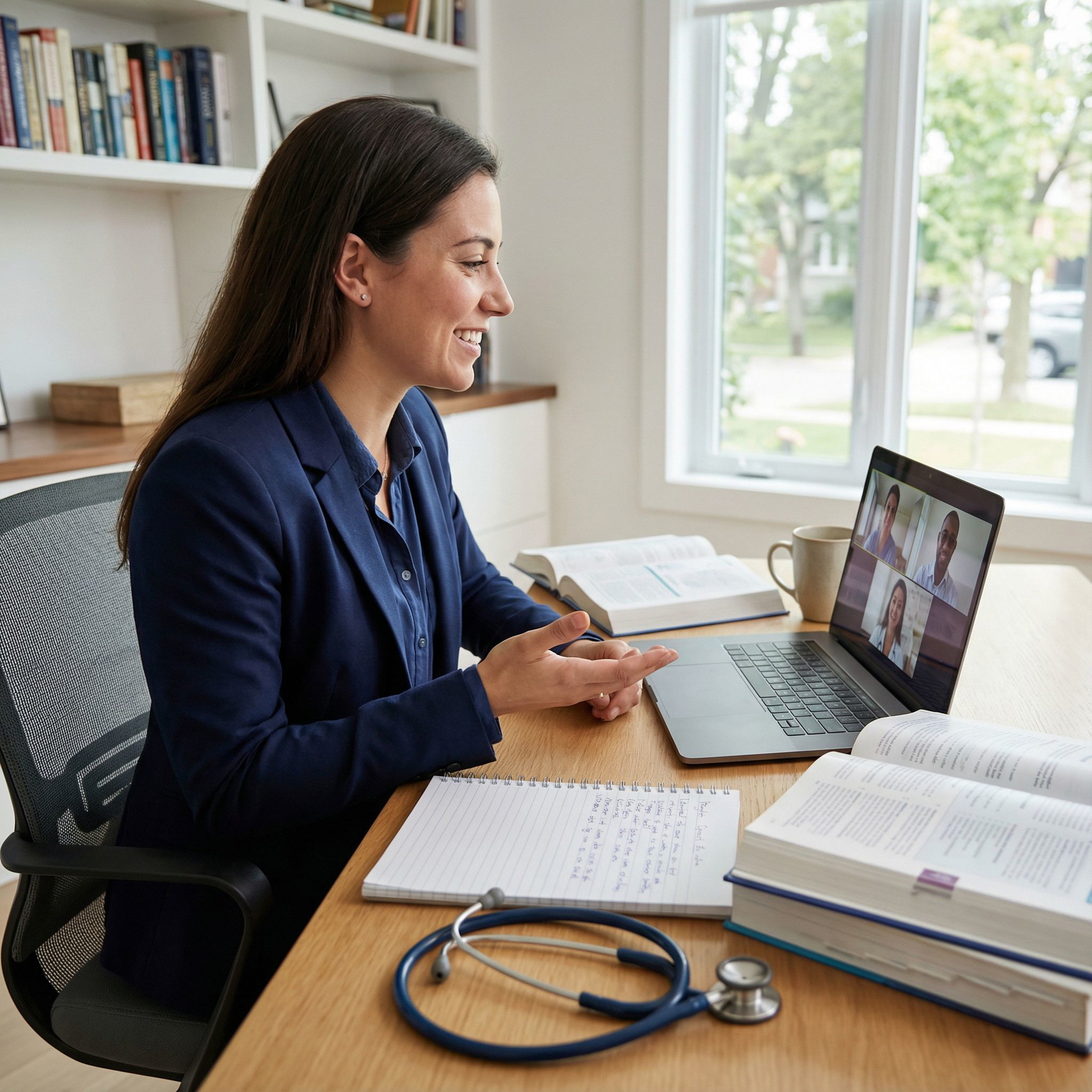
Some programs still host virtual pre-interview dinners via Zoom or similar platforms. Much of the etiquette is similar, with a few twists:
- Tech prep:
- Test audio/video beforehand.
- Use a neutral background and good lighting.
- Dress code:
- Still business casual from at least the waist up.
- On-camera behavior:
- Look at the camera when speaking.
- Avoid eating loudly on mic; a light snack is okay if others are also eating.
- Breakout rooms:
- Engage actively in small-group discussions, as they’re often where the real connection happens.
The same resident dinner tips apply: be curious, respectful, and authentic.
Ending the Evening Gracefully
When the dinner wraps up:
- Thank the residents and organizers personally:
- “Thank you so much for organizing tonight. It was really helpful to hear your experiences.”
- Don’t be the last applicant lingering if residents clearly need to go home.
- Say goodbye to at least a few residents by name if possible.
If you need to leave slightly early due to fatigue or logistics:
- Give a brief heads-up:
- “I have an early start tomorrow, so I’m going to head out, but thank you all for a great evening.”
- Do not slip out without saying anything.
After-Dinner Follow-Up
You’re not required to send thank-you notes after every pre-interview dinner, but a short, sincere message can be helpful if:
- You had a particularly meaningful conversation with a resident.
- The dinner genuinely improved your view of the program.
Example email:
Subject: Thank you for the pre-interview dinner
Dear Dr. [Resident Last Name],
Thank you again for taking the time to attend the pre-interview dinner last night. I really appreciated hearing your perspective on resident life at [Program Name], especially your comments about [specific detail, e.g., mentorship, schedule changes, wellness initiatives].
The evening gave me a much clearer sense of the program’s culture, and I’m looking forward to the interview day tomorrow.
Best regards,
[Your Name], MS4
[Your Medical School]
Keep it short, specific, and genuine.
FAQs About Pre-Interview Dinners
1. How important is the pre-interview dinner for my chances of matching?
The pre-interview dinner is one part of the holistic impression you make. You’re unlikely to match or not match a program solely because of dinner, but:
- A very negative impression (e.g., being rude, intoxicated, or inappropriate) can seriously hurt you.
- A positive, collegial presence can reinforce a strong application and help residents advocate for you.
Think of it as an opportunity to confirm and deepen the positive narrative your application has already started.
2. What if I can’t attend the pre-interview dinner?
If you truly can’t attend due to travel, illness, or a schedule conflict:
- Inform the coordinator as early as possible.
- Briefly explain, without excessive detail:
“Unfortunately, due to travel constraints, I won’t be able to make the pre-interview dinner, but I’m very much looking forward to interview day.” - You will not be automatically penalized, but you might miss valuable informal insights.
Avoid repeatedly skipping pre-interview dinners without clear reasons—it can suggest disinterest or poor time management.
3. Is it okay to take notes during or after the dinner?
Discreet note-taking after the dinner is an excellent idea. During the dinner:
- Don’t pull out a notebook or your phone to write things down while people are talking; it can feel transactional.
- Instead, when you get back to your hotel or home, jot down:
- Resident names and key impressions.
- Pros/cons you noticed.
- Specific examples residents mentioned about culture, schedule, or support.
These notes will be invaluable when you create your rank list and the programs start to blend together.
4. Can I ask residents where they ranked the program or where else they interviewed?
It’s better to avoid asking:
- “Where did you rank this program?”
- “Did you match here as your first choice?”
- “Where else did you interview?”
These questions can be uncomfortable and put residents in an awkward position. Instead, you can ask:
- “What made you decide this program was the right fit for you?”
- “What factors mattered most to you when you were ranking programs?”
These questions focus on their decision-making process rather than prying into their personal match history.
By understanding the goals of the pre-interview dinner, preparing thoughtfully, and approaching the evening with professionalism and warmth, you’ll not only avoid missteps—you’ll gain rich, authentic insight into whether a program is the right place for your residency training.