Understanding the Purpose of the Pre-Interview Dinner
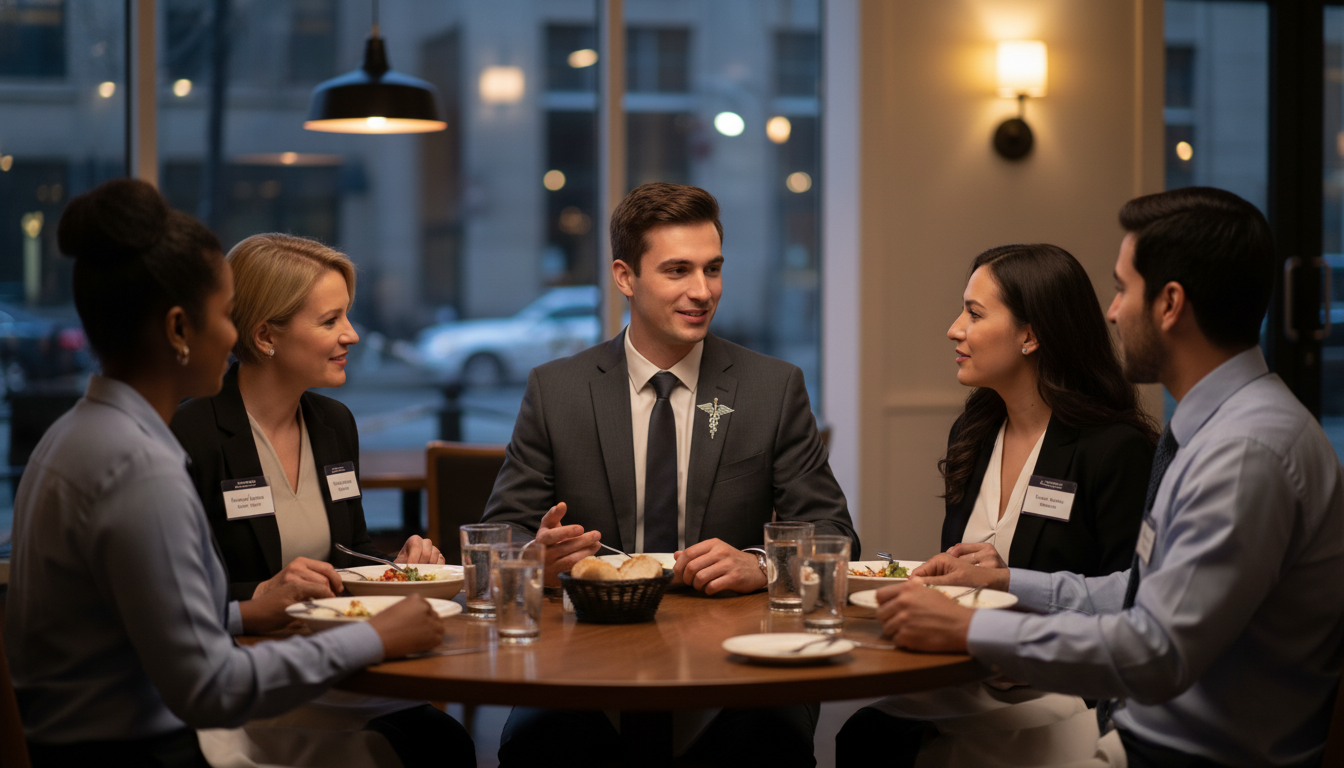
For many programs, the pre-interview dinner (or resident social) is your first real contact with the residents who might become your future colleagues. For a US citizen IMG or American studying abroad, this event can feel especially high-stakes: you may be flying in from overseas, trying to shake off jet lag, and wondering how much the evening “counts.”
The key perspective:
The pre-interview dinner is part interview, part culture check, and part recruitment. It is not officially scored at most programs, but impressions from this dinner often get discussed in resident meetings and can influence how strongly residents advocate for (or against) you.
Why Programs Host Pre-Interview Dinners
Programs invest time and money into these dinners because they:
- Showcase the culture and camaraderie of the residents
- Let applicants see how people actually get along outside of the hospital
- Give residents a chance to identify applicants who:
- Fit well with the team’s personality and values
- Communicate respectfully and comfortably
- Don’t raise professionalism concerns (e.g., rudeness, intoxication, inappropriate comments)
For US citizen IMGs, it’s also one of the best opportunities to:
- Demonstrate you are well-integrated culturally in the US medical system despite training abroad
- Humanize your application beyond test scores and transcripts
- Help residents see you as “someone we’d enjoy spending a 28-hour call with”
How Much Does It “Count” for US Citizen IMGs?
While most programs don’t give the dinner a numeric score, residents often discuss:
- Who seemed genuinely interested in the program
- Who asked thoughtful questions
- Who made a strong interpersonal impression
- Any red flags (rude behavior, excessive alcohol, unprofessional remarks)
As a US citizen IMG, this dinner can help counteract:
- Misconceptions about your training environment abroad
- Worries that you might struggle to adjust to US hospital culture
- Concerns about communication style or professionalism
Bottom line: The pre-interview dinner is not the place to “relax and forget it’s an interview.” It is more casual, but it’s still a professional event where people are deciding if they want you on their team.
How to Prepare Before the Pre-Interview Dinner (Especially as a US Citizen IMG)
Thoughtful preparation lets you show up relaxed, confident, and ready to connect. This matters even more if you’re an American studying abroad and flying long distances for each interview.
1. Logistics and Timing
- Confirm details: Double-check time, location, dress code, and whether RSVP is required.
- Plan your route: Use maps to estimate travel time; factor in traffic, weather, and parking.
- Arrive 5–10 minutes early: Being punctual shows respect for residents’ off-duty time.
- If you’re jet-lagged or exhausted, still attend if at all possible; you can keep it short but your presence signals genuine interest.
2. Dress Code: Business Casual With a Professional Lean
Most pre-interview dinners are business casual, but the spectrum varies by program and city. A safe rule: lean slightly more professional than casual, never more casual than residents.
For all genders, good options include:
- Slacks or chinos with a button-down shirt or modest blouse
- A simple knee-length dress with a cardigan or blazer
- Closed-toe flats, loafers, low heels, or clean dress shoes
- Avoid very bright, flashy outfits or loud logos
Skip:
- Jeans (unless the program explicitly says they’re fine)
- T-shirts, hoodies, flip-flops, revealing clothing
- Strong perfumes/colognes (small, crowded spaces can make scents overwhelming)
As a US citizen IMG returning from abroad, aim for mainstream US workwear even if your medical school culture is more casual.
3. Mental Preparation: Your Social Strategy
Pre-interview dinners are about conversation, not performance. Still, having a plan helps.
You should:
- Review the program website beforehand
- Know key features: tracks, call schedule, clinic structure, research highlights
- Identify 2–3 things you’re genuinely curious about
- Prepare your quick intro:
- “Hi, I’m Alex, I’m a US citizen IMG studying at [School] in [Country]. I grew up in [City/State], and I’m really interested in [field/aspect] because…”
- Reflect on:
- Why this specialty and this type of program suit you
- What you want from a training environment (teaching style, patient population, geography)
This gives you extra confidence when small talk turns into deeper discussion.
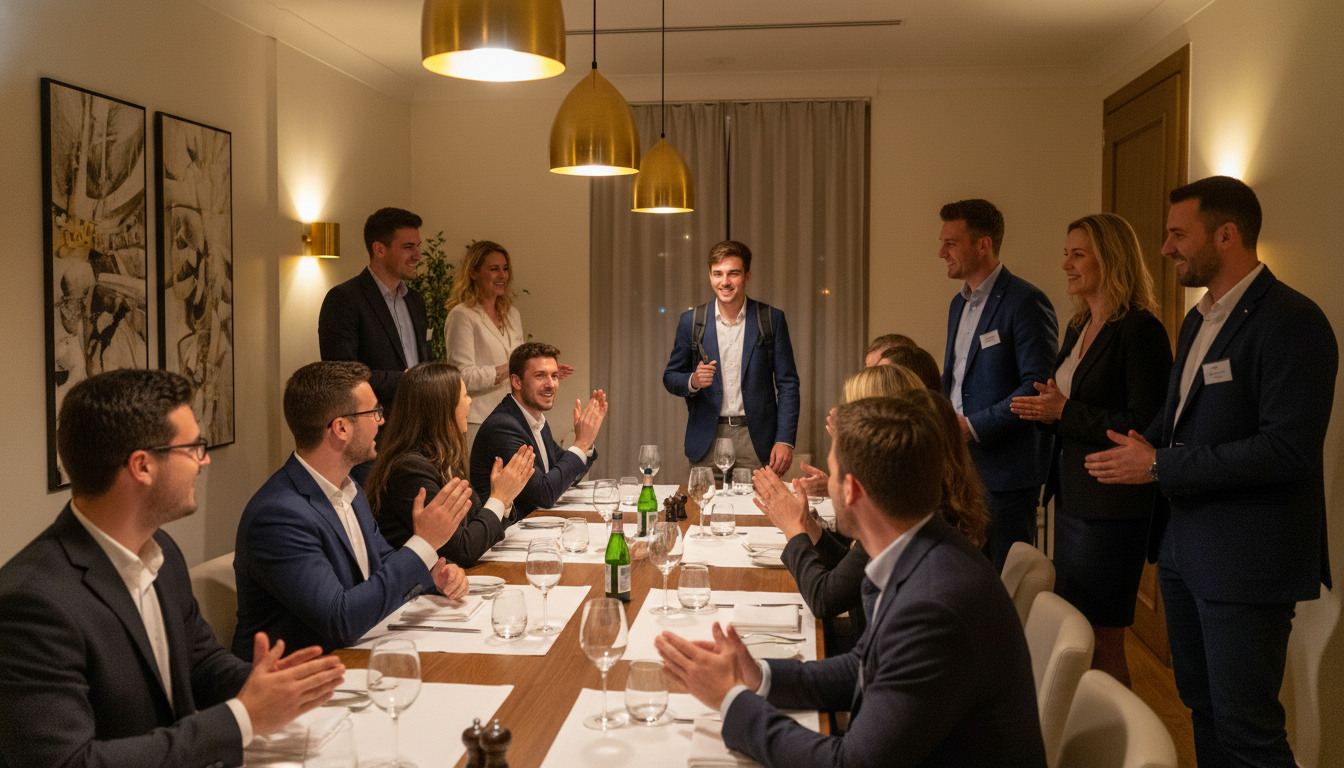
Etiquette at the Pre-Interview Dinner: What To Do (and Avoid)
Think of the event as “friendly professional”—less formal than interview day, but still very much part of your overall impression.
1. How to Enter, Introduce Yourself, and Get Settled
- Check in with the host (often a chief resident or coordinator) when you arrive.
- Introduce yourself to nearby residents and applicants:
- Use a clear, confident greeting:
“Hi, I’m Jasmine, I’m a US citizen IMG from [School] in [Country]. Nice to meet you.” - Offer a handshake if it feels natural and culturally appropriate.
- Use a clear, confident greeting:
- Don’t cling to one person; after 10–15 minutes, mingle and meet others.
For US citizen IMGs, this is a key moment to come across as:
- Comfortable in US social norms
- Engaged and easy to talk to
- Respectful and interested in others
2. Seating Etiquette
You’re usually free to choose your seat:
- Prefer sitting among residents, not only beside other applicants.
- Avoid gravitating only to people who share your background or school.
- If possible, sit near a mix of PGY levels (interns, seniors, maybe a chief).
This helps you gather broader perspectives and shows you are proactive in connecting.
3. Alcohol: Whether to Drink and How Much
Alcohol is a frequent source of problems at pre-interview dinners.
General recommendations:
- If you don’t drink:
- You are under zero obligation to do so. Simply say:
“I’ll just have water/soda, thanks.”
No explanation needed.
- You are under zero obligation to do so. Simply say:
- If you do drink:
- Consider not drinking at all, especially if jet-lagged or nervous.
- If you choose to drink, limit to one standard drink, sipped slowly.
- Never be the first person to order alcohol; see what residents do.
- Never:
- Get tipsy, loud, or disinhibited
- Encourage others to drink more
- Make jokes about how much you can drink
For US citizen IMGs, this is not the time to “show you can hang.” Programs want colleagues who are reliable and composed.
4. Phone and Technology Etiquette
- Keep your phone on silent and out of sight.
- Only check messages briefly if absolutely necessary (e.g., travel issues).
- If you must take a call, step away and keep it brief with a polite explanation.
You want residents to remember your conversation, not your screen time.
5. Table Manners and Ordering Food
You’re not expected to have perfect “fine dining” training, but basic etiquette is important:
- Follow the group when ordering (if many order appetizers or just mains, mirror that).
- Don’t order the most expensive item on the menu.
- Avoid messy foods if possible (huge burgers, ribs, very saucy dishes).
- Pace yourself; you don’t want to be still eating long after others finish.
If you’re unsure about utensils or customs:
- Watch what others do and copy subtly.
- Ask simply if needed:
“Is this family-style or are we each ordering individually?”
As a US citizen IMG who may have trained where dining customs differ, the safest approach is to observe, adapt, and stay understated.
What to Talk About (and What to Avoid)
The heart of pre-interview dinner etiquette is conversation. What you talk about—and how you talk about it—strongly shapes residents’ impressions.
High-Yield Topics: What You Should Talk About
1. Program Culture and Daily Life
These are ideal resident dinner tips for content and tone. Ask residents about:
- “What does a typical day on wards look like for interns?”
- “How would you describe the overall culture—more laid-back or high-intensity?”
- “What’s the relationship like between residents and attendings?”
- “How do residents support each other on tough rotations?”
Questions like these show you’re thinking seriously about fit, not just prestige.
2. Education, Mentorship, and Career Development
Residents appreciate when you’re curious about growth:
- “How is teaching structured on busy inpatient rotations?”
- “Do you feel faculty are approachable for mentorship?”
- “What kind of support do residents get for fellowships or job placement?”
- “Are there opportunities for US citizen IMGs or American students studying abroad to get involved in research early?”
These communicate that you’re motivated and forward-looking, not just focused on surviving residency.
3. City, Housing, and Life Outside the Hospital
You’re not just matching to a program, but to a city:
- “Where do most residents live? What’s the commute like?”
- “What do people usually do on days off around here?”
- “How’s the cost of living compared with your previous city?”
- “Do residents generally feel they have enough time for family/hobbies?”
Programs like seeing that you’re realistically thinking about your life there for 3+ years.

What to Ask at Dinner: Tailored Advice for US Citizen IMGs
Many applicants wonder specifically what to ask at dinner to make a good impression without sounding rehearsed. As a US citizen IMG, you also want to clarify how the program supports graduates from international schools while showing you’re fully prepared for US training.
Smart, Program-Focused Questions
Clinical and Training Structure
- “How does the program help interns transition at the beginning of the year, especially those who trained abroad?”
- “How much autonomy do residents feel they have on night float or ICU rotations?”
- “How is feedback given? Is it mostly formal, or do you get real-time feedback on rounds?”
Support and Wellness
- “What kind of support systems are in place for residents going through difficult rotations or personal challenges?”
- “How is vacation scheduled? Do you feel the program respects time off?”
- “Are there wellness resources that residents actually use?”
Career Outcomes
- “Where have recent graduates matched for fellowship or gone for jobs?”
- “Are there particular faculty who are strong advocates for residents applying to competitive fellowships?”
- “Do US citizen IMGs here feel they’re well-supported in obtaining fellowships or hospitalist positions in the US?”
These questions are substantive and signal that you’re thinking about long-term success, not just matching anywhere.
Questions That Highlight You as a US Citizen IMG (In a Positive Way)
You don’t need to make your IMG status the centerpiece of every conversation, but you can acknowledge it strategically:
- “Coming from a school in [Country], how did you find the transition to US residency?”
(Ask this to any current resident who also trained abroad.) - “Do you feel the program is experienced in helping IMGs get oriented to documentation and EMR systems?”
- “If you’ve had US citizen IMGs in the program, have you noticed any particular strengths they bring to the team?”
This shows self-awareness without insecurity.
Topics and Questions to Avoid
Some areas are poor choices for the pre-interview dinner; they can make residents uncomfortable or leave a negative impression.
Avoid:
- Direct questions about ranking:
- “Where should I rank your program?”
- “Do you think I’d be ranked high here?”
- Salary, moonlighting, and money-focused questions:
- Acceptable to discuss briefly if residents bring it up, but don’t fixate on it.
- Gossip or negativity about other programs or applicants:
- Never compare programs critically: “I liked your call schedule better than [Program X]; theirs felt awful.”
- Overly personal or sensitive topics:
- Politics, religion, controversial social issues, or anything that can polarize
- Overemphasis on visa issues (if not applicable):
- As a US citizen IMG, you don’t need a visa—that’s actually an advantage. You can mention it simply if it helps clarify your status, but don’t dwell on it.
If a conversation drifts toward a landmine topic, gently pivot:
“That’s definitely a big issue, but I’m actually very curious—how has call scheduling changed here over the last couple of years?”
Common Mistakes at Pre-Interview Dinners (And How to Avoid Them)
Even strong applicants can unintentionally harm their chances at the pre-interview dinner. Knowing what to watch for is especially useful if you’re juggling multiple interviews across time zones.
1. Treating the Dinner as Completely “Off the Record”
Reality: Residents often debrief after socials. Red flags mentioned at these meetings can significantly hurt your chances.
Avoid:
- Complaining about your medical school, classmates, or other programs.
- Making off-color jokes or insensitive comments.
- Flirting or overly personal behavior with other applicants or residents.
You can be relaxed and authentic without being unfiltered.
2. Overemphasizing Scores, Prestige, or Status
Trying too hard to prove you “belong” by talking about:
- Your board scores repeatedly
- How many interviews you have
- Which “top-tier” programs invited you
…often backfires. Instead, let your curiosity, professionalism, and warmth demonstrate your quality.
As a US citizen IMG, you may feel pressure to prove your competitiveness. Channel that energy into being:
- Well-prepared
- Engaged
- Easy to work with
3. Only Talking to Residents (or Only to Applicants)
Balance matters:
- Make an effort to connect with multiple residents—interns, seniors, maybe a chief.
- Also be kind and collegial with other applicants.
- Avoid forming a clique with applicants from your school or region only.
Residents notice applicants who are inclusive and respectful to everyone.
4. Dominating or Withdrawing From Conversation
Two extremes to avoid:
- Dominating:
- Talking excessively about yourself
- Interrupting or steering every conversation your way
- Withdrawing:
- Saying very little
- Looking at your phone
- Appearing disengaged
Aim for middle ground:
- Listen actively
- Ask follow-up questions
- Share some stories or experiences, but keep them concise
If you’re naturally introverted, set a small goal:
- “I will introduce myself to at least 4–5 new people.”
- “I’ll ask at least 3 thoughtful questions about the program.”
5. Forgetting That Residents Are Also Assessing Fit
You are absolutely assessing programs—but residents are assessing you too. They are thinking:
- “Would I feel comfortable doing sign-out with this person at 3 am?”
- “Do they seem teachable, humble, and collegial?”
- “Would they treat nurses, staff, and patients well?”
Let your behavior answer “yes” to all of those.
After the Dinner: How to Follow Up and Reflect
What you do after the pre-interview dinner matters almost as much as how you behave during it.
1. Debrief While It’s Fresh
As soon as you return to your hotel or home:
- Jot down:
- Names of residents you spoke with
- Key impressions of the program culture
- Pros and cons you noticed
- Any concerns that arose
- Note how you felt:
- Comfortable and welcomed?
- Intimidated or dismissed?
- Genuinely excited?
These notes help you later when creating your rank list, especially after multiple interviews blur together.
2. Consider a Brief Thank-You Message
Not mandatory, but appropriate if:
- You had a lengthy or particularly helpful conversation with a resident
- They provided detailed advice, personal insights, or specific guidance helpful to a US citizen IMG
A simple email or message via the program coordinator could say:
“Thank you again for taking the time to talk at the pre-interview dinner on [date]. As a US citizen IMG, I really appreciated your perspective on how the program supports residents from diverse training backgrounds. Our conversation about [topic] reinforced my interest in [Program Name].”
Keep it short, sincere, and free of over-the-top flattery.
3. Integrate the Dinner Experience Into Your Overall Evaluation
When deciding how to rank programs, weigh:
- Did residents seem genuinely happy, or burned out and cynical?
- Was there diversity of backgrounds and training paths, including IMGs?
- Did anyone make you feel unwelcome as an American studying abroad?
- Did the reality of residents’ experiences match what the website describes?
Your time at the pre-interview dinner is one of the best predictors of your day-to-day life if you match there.
FAQs: Pre-Interview Dinner Etiquette for US Citizen IMGs
1. Is it a red flag if I skip the pre-interview dinner?
If you can attend, you should—especially as a US citizen IMG who wants to show commitment and assess cultural fit. However, understandable reasons (travel delays, illness, exam conflicts) are usually not held against you if communicated professionally.
If you must miss it:
- Notify the program coordinator in advance
- Offer a brief, honest reason
- Express that you’re still very excited to interview
2. Should I mention that I’m a US citizen IMG or just say IMG?
You can say either, but for clarity—especially around visa assumptions—it’s often helpful to identify yourself as a US citizen IMG or American studying abroad:
“I grew up in [State] and went to medical school in [Country], so I’m a US citizen IMG.”
This can preempt incorrect assumptions about visa needs and highlight your familiarity with US culture.
3. What if residents complain about the program during dinner?
Listen carefully and read the tone:
- Occasional honest criticism is normal and can be helpful.
- If residents are overwhelmingly negative, that’s data you should consider seriously.
Don’t contribute to complaining or probe for gossip. Instead, ask balanced questions:
“That sounds challenging. What has the program done to address those issues?”
“Have things improved over time?”
Use their responses to inform your ranking decisions.
4. How honest can I be about my concerns as an IMG?
You can be authentic, but stay professional:
- It’s fine to say you’re interested in support for the transition from an international school.
- Phrase concerns as curiosity and desire to succeed, not anxiety or blame.
For example:
“Coming from [Country], I’m particularly interested in how interns are oriented to the EMR and documentation. How has the program supported that transition for residents from international schools?”
This signals self-awareness and maturity rather than insecurity.
By treating the pre-interview dinner as a strategic, professional, yet human interaction, you can turn it into a strong asset in your application. As a US citizen IMG, your ability to connect easily, ask thoughtful questions, and demonstrate readiness for US residency will stand out—and help residents picture you as a trusted colleague on their team.