Understanding the Medicine-Psychiatry Landscape as a Caribbean IMG
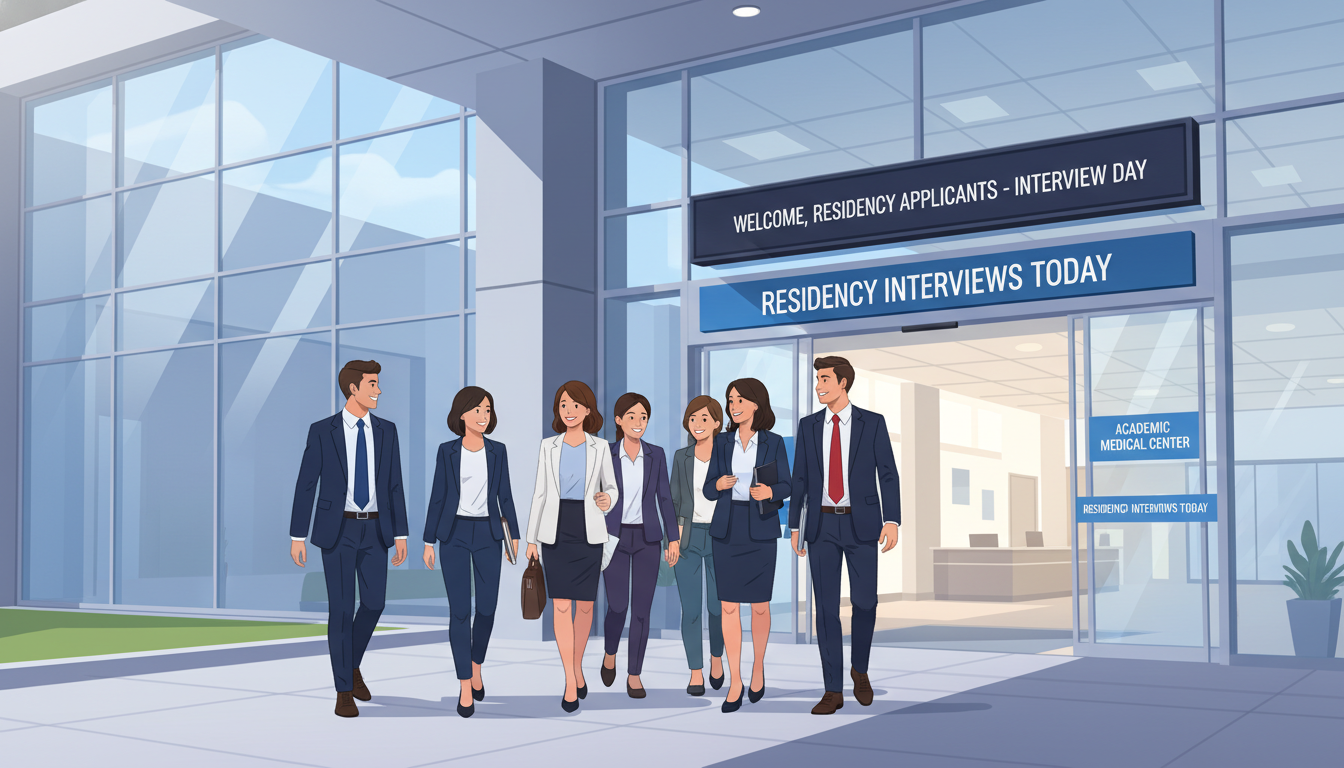
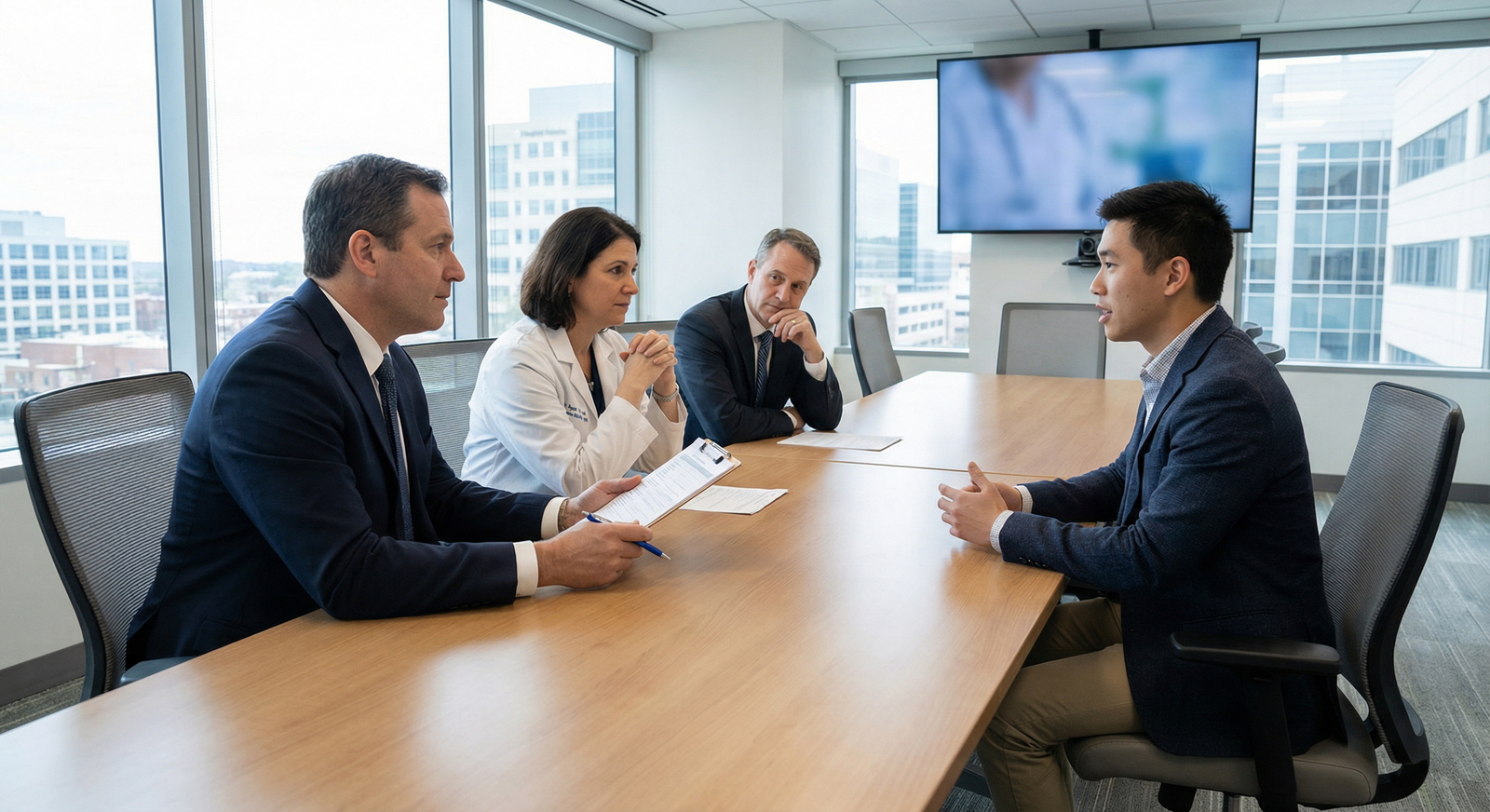
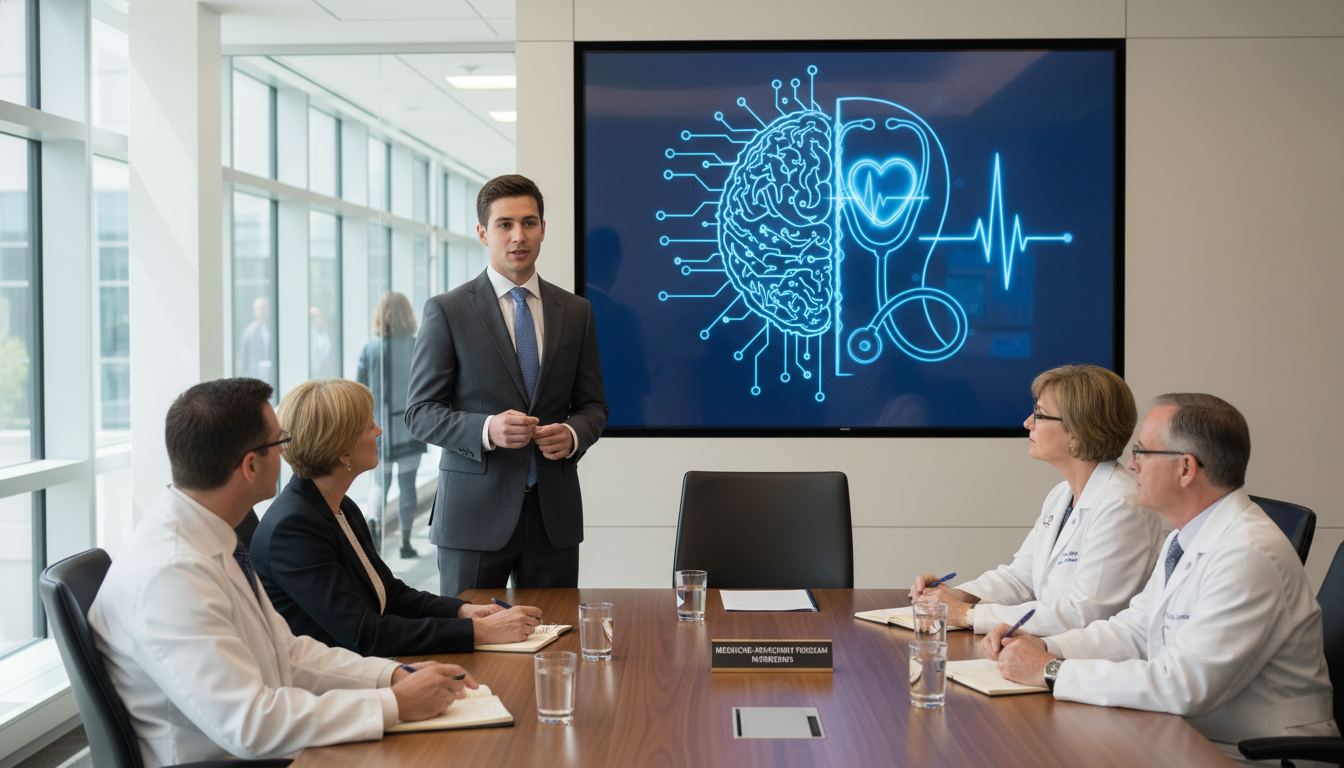
As a Caribbean IMG aiming for a medicine-psychiatry (med psych) residency, your pre-interview preparation must be more deliberate and structured than average. This combined specialty is small, highly focused, and intellectually demanding. Programs expect candidates who can clearly articulate why they want a medicine psychiatry combined career—not just internal medicine or psychiatry separately.
Before you start residency interview preparation, you need to understand several contextual realities:
1. The Competitive Context for Caribbean IMGs
Whether you attended SGU, AUA, Ross, Saba, or another Caribbean medical school, you likely already know:
- Programs may initially screen more strictly based on:
- Step scores and number of attempts
- Gaps in training
- Visa status (if applicable)
- Some programs may have biases or misconceptions about Caribbean medical graduates
- Others, including several that frequently recruit from Caribbean schools, know that many CMGs perform very well clinically and match successfully
The SGU residency match and other Caribbean school match lists offer useful insight:
- Identify med psych or strong categorical IM and psych programs that have previously taken Caribbean graduates
- Note patterns: geographic regions, community vs academic, safety-net hospitals
This should guide where you invest your deepest pre-interview preparation time.
2. Unique Expectations in Medicine-Psychiatry
Combined medicine-psychiatry programs look for candidates who:
- Think in biopsychosocial terms naturally
- Are comfortable balancing complexity and uncertainty
- Enjoy both acute medical care and longitudinal, relationship-based psychiatric care
- Can work with highly vulnerable populations: serious mental illness, substance use, homelessness, medically complex patients with psychiatric comorbidities
Before interviews, you must be able to:
- Explain clearly why you want med psych residency, not just “I like both”
- Give concrete examples where you integrated medical and psychiatric thinking
- Show that you understand what the actual training looks like (rotations, call, boards, career paths)
Your pre-interview task: develop a coherent narrative that connects your Caribbean medical school experience, your exposure to both medicine and psychiatry, and your long-term career goals.
Building Your Core Story: Personal, Professional, and Specialty Fit
Residency interviewers are fundamentally assessing one question: Are you a safe, reliable, motivated physician who will thrive in this specific program? As a Caribbean IMG in medicine-psychiatry, your story has three layers you must prepare before any interview.

1. Your Personal Narrative: Who You Are and How You Got Here
Refine a short, memorable narrative that answers “Tell me about yourself” in 2–3 minutes. Structure it:
Background and identity (brief)
- Where you are from (Caribbean or elsewhere)
- One or two personal elements that shaped you (family, early experiences, community values)
Path to medicine
- Why medicine overall (not just clichés—tie to actual experiences)
Why Caribbean medical school?
- Be honest but positive:
- Limited spots in home country
- Desire for U.S.-style curriculum and clinical training
- Global perspective, adaptability
- Be honest but positive:
Your evolution toward medicine-psychiatry
- Early experiences with mental health or medically complex patients
- Observations during rotations that made you see the need for integrated care
Aim for:
- Clear, simple language
- A tone that is confident but humble
- No defensiveness about being a Caribbean IMG—frame it as a strength (adaptability, resilience, exposure to diverse pathology and resource settings)
2. Your Professional Narrative: Clinical and Academic Trajectory
Next, prepare to walk interviewers through your training path, especially if it’s non-linear:
- Preclinical years:
- Highlight strong study habits, self-directed learning, group leadership
- Key clerkships that shaped your path:
- A cardiac failure patient with depression that altered adherence
- A patient with psychosis and uncontrolled diabetes where you coordinated care
- Research or scholarly work:
- Even case reports or QI projects count—especially if they combine IM + psych themes
- US clinical experience (USCE):
- Emphasize any internal medicine, psychiatry, or consult-liaison rotations
- Be prepared to discuss at least 2–3 cases in detail that show your integrated thinking
Have 2–3 polished case stories ready where:
- A medical issue was complicated by psychiatric or social factors, or
- A psychiatric condition had serious medical complications
You’ll use these cases to answer many interview questions residency programs ask:
- “Tell me about a challenging patient.”
- “Tell me about a time you made a mistake.”
- “Describe a complex case you managed.”
3. Your Specialty Narrative: Why Medicine-Psychiatry Combined?
Most critical for med psych:
You must be able to answer “Why medicine psychiatry combined instead of just internal medicine or psychiatry alone?” in under 90 seconds.
Prepare a structured answer:
Core motivation
- You repeatedly saw patients whose care was fragmented between medicine and psychiatry
- You felt frustrated watching good intentions fail because care wasn’t integrated
Concrete examples
- A patient with uncontrolled diabetes and severe depression who kept being admitted
- A patient with alcohol use disorder and cirrhosis bouncing between medical floor and psych unit
What combined training offers
- The skills to manage complex medical illness and psychiatric disease in one clinician
- Ability to work in settings like:
- Integrated primary care
- Consult-liaison psychiatry
- Medical-psychiatric units
- VA systems and safety-net hospitals
Long-term vision
- “In 10 years, I see myself practicing in a safety-net hospital or VA, caring for patients with severe mental illness and complex medical disease, leading integrated teams.”
Rehearse this specialty narrative until it is fluent but not robotic.
Researching Programs and Tailoring Your Preparation
Effective residency interview preparation means you walk into each interview with clear, personalized knowledge about that specific program—especially important in a small field like med psych.
1. Understand the Specific Program Structure
Before each interview, research:
- Length of training (usually 5 years) and board eligibility in both IM and psychiatry
- Rotation breakdown:
- How many months in inpatient medicine vs inpatient psychiatry
- Exposure to consult-liaison, addiction, integrated primary care, emergency psychiatry
- Night float, ICU time, ambulatory clinics
Sources:
- Program website
- FREIDA and NRMP data
- Current residents’ LinkedIn profiles
- Any program-specific videos or webinars
Prepare at least 3 program-specific reasons why you are interested in them:
- Unique integrated clinics
- Strong consult-liaison service
- Collaboration with VA or community mental health
- History of working with underserved or immigrant populations
2. Identify Caribbean-Friendly and IMG-Supportive Programs
As a Caribbean IMG, be strategic:
Review past match lists (e.g., SGU residency match) and other Caribbean schools’ data to see:
- Which medicine-psychiatry or related programs have accepted Caribbean graduates
- Whether they are university-based or community-based with academic affiliation
Look for language on websites indicating:
- “We welcome IMGs”
- “Diverse resident backgrounds”
Research whether the program:
- Sponsors visas if you need one
- Has faculty or residents who are IMGs
- Provides dedicated board support or remediation
Then tailor your interview approach:
- Highlight how your background aligns with their diverse patient population
- Emphasize your track record of adapting to new systems and cultures
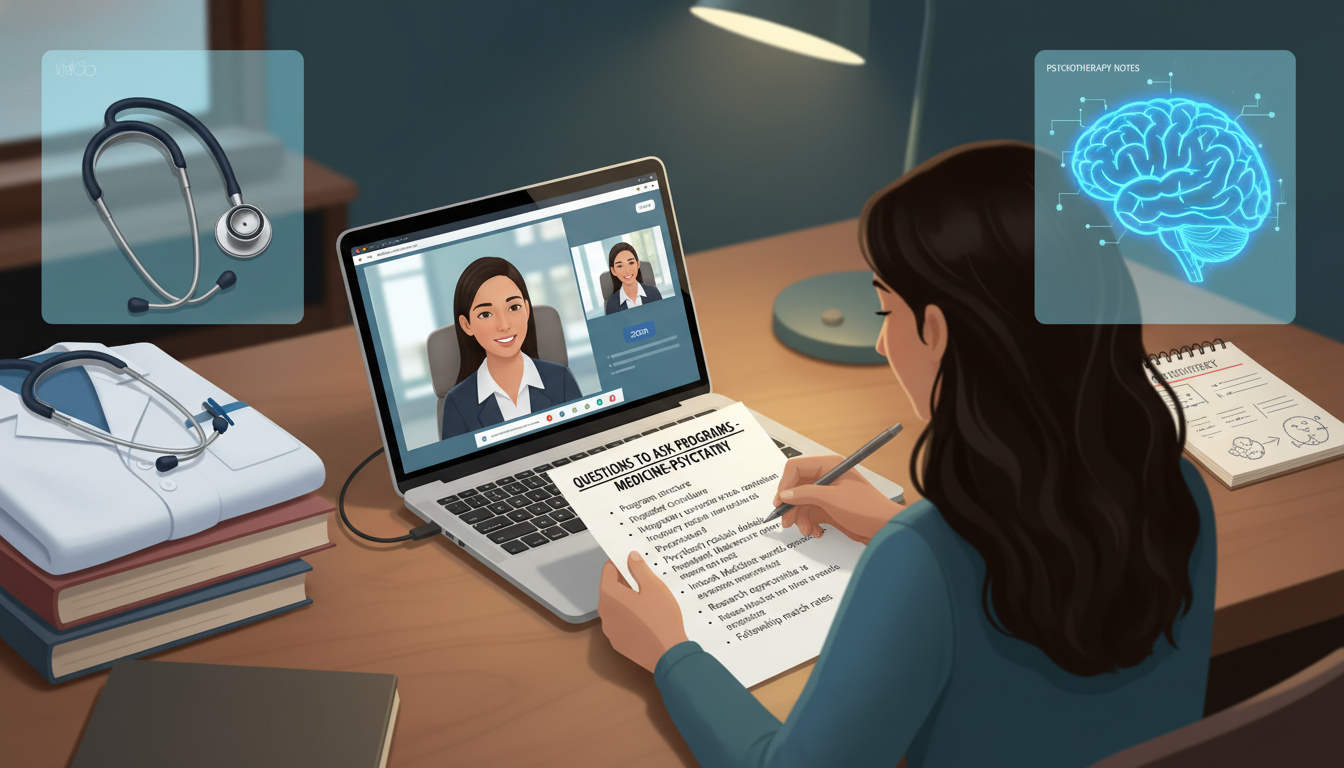
3. Prepare Thoughtful, Program-Specific Questions
Interviewers nearly always ask, “What questions do you have for us?” Arriving without strong questions signals poor preparation.
Prepare 3–5 high-yield questions per program, for example:
- “How does your program intentionally integrate internal medicine and psychiatry teaching on rotations?”
- “Can you describe typical career paths of your recent med psych graduates?”
- “How do residents get exposure to patients with serious mental illness and high medical complexity?”
- “What systems are in place to support residents who may struggle with board exams or personal stress?”
- “How have you supported IMGs in adapting to the program and U.S. healthcare system?”
Write these out and bring them on a notepad for quick reference.
Mastering Common Residency Interview Questions (With a Med-Psych Lens)
The fastest way to feel confident is to prepare for the most common interview questions residency programs ask—then add a medicine-psychiatry and Caribbean IMG perspective.

1. “Tell Me About Yourself”
Structure:
- 20% personal background
- 30% education and training path (including Caribbean medical school)
- 50% evolution toward medicine-psychiatry
Sample outline:
- Origin and early influences (e.g., growing up in [X] and seeing mental health stigma and chronic disease)
- Choosing Caribbean medical school for U.S.-focused training
- Rotations where you saw the intersection of medical and psychiatric illness
- Current goal: training in integrated med-psych care to serve complex, underserved populations
2. “Why Medicine-Psychiatry Combined?”
You already built this in your specialty narrative. Prioritize:
- Clear examples
- Insight into system-level issues (fragmented care, readmissions, poor follow-up)
- Your long-term vision
Avoid:
- “I couldn’t decide between the two.”
- Overly vague phrases like “I just love holistic care” without evidence.
3. “Why Our Program?”
Use your program research:
Mention specific features of their program:
- “Your longitudinal med-psych clinic at the VA”
- “The combined inpatient medical-psychiatry unit”
- “Faculty interests in addiction or psychosomatic medicine”
Connect these to your experience and goals:
- “In my rotation at [X], I saw how powerful integrated care can be for patients with HIV and depression. Your HIV-psychiatry clinic really aligns with what I’d like to do long-term.”
This shows genuine interest and preparation.
4. Behavioral Questions: Using the STAR Method
Program directors assess professionalism, communication, and resilience. For questions like:
- “Tell me about a time you had a conflict with a colleague.”
- “Describe a time you made a mistake and what you learned.”
- “Tell me about a time you cared for a difficult patient.”
Use STAR:
- Situation – brief context
- Task – what your role/responsibility was
- Action – what you did (specific behaviors)
- Result – outcome and what you learned
Prepare 4–5 stories in advance, ideally:
- At least 1 story involving an integrated med-psych issue
- 1 story showing cultural sensitivity (very relevant as a Caribbean IMG)
- 1 story where you dealt with limited resources (possibly from your Caribbean or early clinical experiences)
- 1 story about feedback you received and how you changed
5. Addressing Caribbean IMG–Specific Topics
You may be asked directly or indirectly about your path:
“Why did you choose a Caribbean medical school?”
- Be honest, succinct, and positive: limited positions at home, desire to train in an international/U.S.-based system, comfort with moving abroad, etc.
- Highlight what this path taught you: adaptability, resilience, cultural competence.
“How has your training prepared you for residency here?”
- Emphasize:
- Strong clinical exposure, especially in resource-variable environments
- USCE experiences that familiarized you with U.S. documentation and workflows
- Familiarity with multidisciplinary teams
Gaps, red flags, or exam issues (if applicable):
- Use a non-defensive, growth-oriented approach:
- Briefly explain context (no excuses)
- Describe specific actions taken to improve (new study methods, mentorship, time management changes)
- Share better outcomes since then (subsequent exam performance, clinical evaluations)
Practical Steps: How to Prepare for Interviews Day-by-Day
Transforming all of this into action requires a clear plan. Here’s a structured, practical approach to how to prepare for interviews as a Caribbean IMG targeting medicine-psychiatry.
1. Build a Preparation Binder (Digital or Physical)
Organize your materials:
Master documents:
- Final ERAS application and personal statement
- Updated CV
- List of all programs with notes (interview dates, key features, status)
For each program:
- 1–2 pages of program-specific research
- Names, titles, and interests of key faculty (especially med-psych leadership)
- At least 3 tailored questions you plan to ask
Answer bank:
- Bullet points for major questions (tell me about yourself, why med psych, why our program, strengths/weaknesses, difficult patient, conflict, etc.)
2. Schedule Mock Interviews
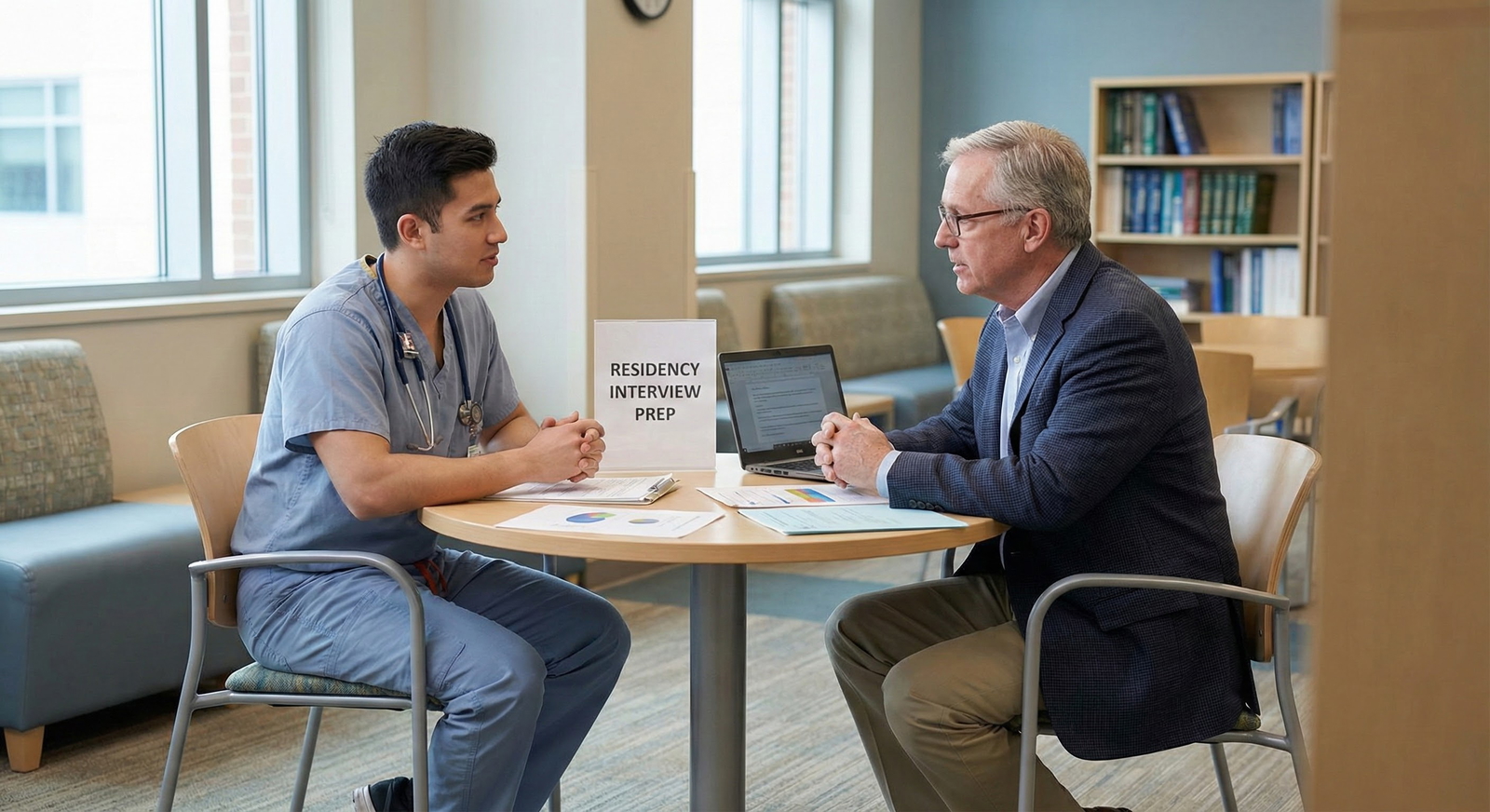
Do at least 2–3 mock interviews:
- With a mentor, faculty member, or advisor
- With peers applying to other specialties
- If available, through your Caribbean medical school’s career office or alumni network
Ask for feedback on:
- Clarity of answers
- Non-verbal communication (eye contact, pacing, tone)
- How well you articulate your rationale for medicine-psychiatry
- Any unnecessary defensiveness about being an IMG
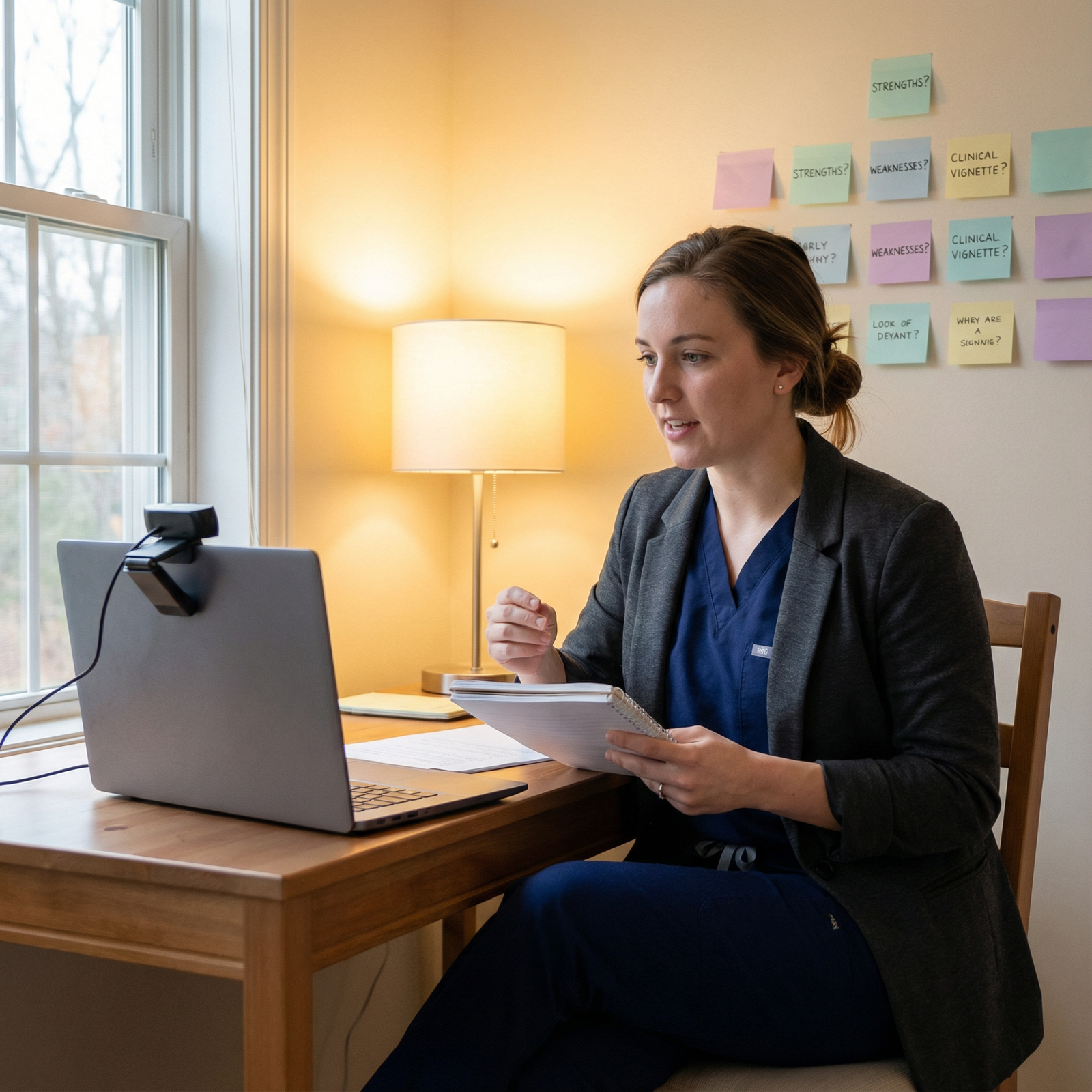
Record yourself (video or audio) and look for:
- Overuse of filler words (“um,” “like”)
- Speaking too fast (common with nervousness)
- Rambling beyond 2–3 minutes for any answer
3. Prepare for Virtual Interview Logistics
Many programs continue to use virtual formats:
Technology:
- Stable internet, backup device if possible
- Good-quality webcam and microphone
- Test sound, lighting, and framing several days before
Environment:
- Neutral background (plain wall, tidy bookshelf)
- Good lighting facing you (not from behind)
- Quiet setting; turn off phone and notifications
Professional presence:
- Dress in full professional attire (even if only top is visible)
- Maintain eye contact by looking at camera rather than screen when speaking
- Practice short pauses after questions to organize your thoughts
4. Build a Pre-Interview Routine
On the day before and day of each interview:
Day before:
- Review your notes for that specific program
- Skim your own ERAS application and personal statement (so you are not surprised by what they reference)
- Rehearse your top 10 questions and narratives
- Prepare your outfit, documents, and tech setup
Day of:
- Light breakfast, hydrate
- Arrive/log in early (10–15 minutes before start time)
- Do a 2-minute breathing exercise to slow your heart rate
- Have a notepad with:
- Names of interviewers (as you learn them)
- Key points you want to convey
- Program-specific questions
5. Plan Your Post-Interview Follow-Up
Immediately after each interview:
- Write down:
- Who you spoke to
- Memorable topics discussed
- Program features you liked or disliked
- Any concerns you have
That same day or within 24–48 hours:
- Consider sending a brief, personalized thank-you email to the program coordinator or individual interviewers, depending on program guidelines:
- Mention something specific from your conversation
- Reaffirm your interest, especially if it’s a top choice
This information becomes crucial later when building your rank list.
FAQs: Pre-Interview Preparation for Caribbean IMG in Medicine-Psychiatry
1. As a Caribbean IMG, do I need to prepare differently for medicine-psychiatry interviews than for categorical internal medicine or psychiatry?
Yes. You must do everything a competitive IM or psych candidate does, plus clearly demonstrate:
- A deep understanding of what medicine psychiatry combined training entails
- A coherent explanation of why combined training is the best fit for your interests and career goals
- Concrete experiences where you integrated medical and psychiatric perspectives
Without this, you risk being viewed as someone who “couldn’t decide” between specialties.
2. How can I address concerns programs may have about my Caribbean medical school background?
You don’t need to be defensive. Instead:
- Frame your training as an asset: adaptability, exposure to diverse and often under-resourced settings, resilience
- Highlight strong US clinical experiences to show familiarity with U.S. healthcare
- If you know a program has taken Caribbean graduates before (e.g., through SGU residency match or other data), you can be reassured they’re open to IMGs
- Emphasize consistent improvement and strong recent performance (Step scores, clinical evaluations, letters)
3. What are some med psych–specific interview questions I should definitely prepare for?
Common med psych–focused questions include:
- “Why combined medicine-psychiatry rather than a single specialty?”
- “Tell me about a patient where both medical and psychiatric issues were central to their care.”
- “How do you handle complex patients with multiple comorbidities?”
- “What do you see yourself doing in 10 years with a med psych background?”
For each, prepare clear examples and a forward-looking answer that shows you understand integrated care settings (consult-liaison, medical-psychiatry units, VA, etc.).
4. Where can I find good examples of strong candidate profiles for med psych as a Caribbean IMG?
Use multiple sources:
- Your own Caribbean medical school alumni network (ask specifically for med psych, IM with heavy psych focus, or psych with strong medical interest)
- Program websites that list current residents—look for IMGs or Caribbean graduates
- Online forums and professional networks (e.g., alumni LinkedIn groups)
When you identify someone with a similar path, politely reach out for a short informational conversation about their application and interview experience. Their insights can further refine your own residency interview preparation strategy.
By investing in this structured pre-interview preparation—building a strong narrative, understanding the med psych landscape, researching each program in depth, and practicing common questions—you position yourself as a thoughtful, purposeful candidate. As a Caribbean IMG, that level of preparation not only offsets potential biases but can become one of your greatest strengths.