Understanding the PM&R Residency Landscape as a Caribbean IMG
Physical Medicine & Rehabilitation (PM&R), or physiatry, is a rapidly growing specialty focused on restoring function and quality of life for patients with disabilities, injuries, and chronic conditions. For a Caribbean IMG, breaking into this field is absolutely possible—but it requires thoughtful, early, and structured pre-interview preparation.
Many applicants from Caribbean medical schools (including those aiming for an SGU residency match or from similar institutions) underestimate how unique PM&R is compared to other specialties. Interviewers look for:
- Clear understanding of what physiatrists actually do day-to-day
- Genuine commitment to function-focused, team-based care
- Excellent communication and empathy skills
- Evidence of resilience and professionalism (especially important for Caribbean IMGs)
Before you even think about specific residency interview questions, residency interview preparation starts with understanding:
- Program priorities: Many PM&R programs value multidisciplinary teamwork, exposure to neurologic and musculoskeletal rehab, and research in outcomes or quality of life.
- Your identity as a Caribbean IMG: Be ready to discuss your path, why you attended a Caribbean medical school, what you learned from that experience, and how it prepared you for residency in the U.S.
- Your patient population interests: Neurorehab (stroke, TBI, SCI), pain medicine, pediatrics, amputee care, sports and spine, cancer rehab, and more.
Think of pre-interview preparation as creating three pillars:
- Content – what you will talk about (stories, experiences, insights).
- Delivery – how you will communicate (clarity, confidence, empathy).
- Strategy – which programs you target and how you tailor your message.
The stronger your work before the interview day, the more naturally you will perform when it matters.
Step 1: Clarify Your PM&R Story and Career Vision
Before answering a single practice question, clarify your narrative: why PM&R, and why you.
A. Build a Clear “Why PM&R?” Narrative
For a strong physiatry match, “I like lifestyle” or “I like procedures” is not enough. Programs want to see alignment with PM&R’s core philosophy.
Reflect and write down:
First exposure to PM&R
- Was it an inpatient rehab rotation, consult service, sports clinic, or elective?
- What patient or experience changed how you viewed function and disability?
Key clinical moments
- A stroke patient re-learning to walk
- A spinal cord injury patient setting new life goals
- A chronic pain patient improving function with an interdisciplinary approach
What PM&R uniquely offers you
- Longitudinal relationships with patients
- Interdisciplinary teamwork (PT/OT/SLP, psychology, nursing, orthotics, etc.)
- Focus on function, quality of life, and patient-centered goals
- Balance of procedures (EMG, injections, ultrasound-guided interventions) and cognitive work
Turn this into a concise, 60–90 second answer:
“My interest in PM&R began when…
I realized that what matters most to me is…
PM&R fits me because I value… and I hope to build a career in…”
Practice aloud until it feels natural, not memorized.
B. Integrate Your Caribbean IMG Experience
Program directors know a Caribbean medical school residency route can be challenging. Instead of being defensive, show insight and growth:
Why Caribbean school?
- Concise, honest one-liner (e.g., late decision for medicine, GPA/MCAT issues, change in circumstances).
- Immediately shift focus to how you maximized the opportunity.
What you gained from your Caribbean training:
- Adaptability (different health systems, diverse patient populations).
- Strong clinical exposure during core rotations.
- Resilience and self-discipline (especially studying for USMLE with less structured support).
How it makes you a better PM&R resident:
- Comfort with diverse and underserved populations.
- Ability to work in resource-variable environments.
- Persistence through setbacks—critical in rehab medicine, where patient progress is gradual and challenging.
A possible structure:
“Attending a Caribbean medical school was not my original plan, but it became a pivotal part of my growth. It taught me to be resourceful, self-motivated, and adaptable. These qualities translate directly to PM&R, where patients face long, difficult recoveries and need physicians who are persistent, optimistic, and team-focused.”
Step 2: Know the Specialty Deeply – Beyond the Buzzwords
Pre-interview preparation for PM&R requires more than “I like rehab patients.” Programs can tell when candidates know the field versus when they’ve just skimmed a summary.
A. Understand Core PM&R Settings
Make sure you can speak intelligently about these environments:
Inpatient Rehabilitation
- Stroke, spinal cord injury, traumatic brain injury, polytrauma, amputees.
- Physiatrist’s role: admission criteria, coordinating care, goal setting, discharge planning, family counseling.
Consults (acute hospital consult service)
- Early mobilization, disposition planning, spasticity management, contracture prevention.
Outpatient Clinics
- Musculoskeletal/sports, spine, chronic pain, EMG clinics, prosthetics/orthotics clinics, cancer rehab, pediatric rehab.
For each setting, draft 1–2 examples of patients you’ve seen or read about and what a physiatrist contributed.
B. Learn Common Diagnoses and Concepts
You don’t need fellowship-level knowledge, but you should know:
- Stroke rehab basics: functional goals, PT/OT/SLP roles, spasticity, fall risk
- Spinal cord injury: levels of injury, bowel/bladder issues, pressure sore prevention
- Traumatic brain injury: cognitive/behavioral issues, interdisciplinary management
- Musculoskeletal issues: back pain, radiculopathy, sports injuries, osteoarthritis
- Chronic pain concepts: biopsychosocial model, non-opioid approaches, function-based outcomes
Use PM&R textbooks (e.g., Braddom snippets), review articles, or reputable sites (AAPM&R, PM&R KnowledgeNow) to refresh. You are not being tested like on USMLE, but this knowledge allows you to converse more naturally and thoughtfully during interviews.
C. Understand Current and Future Directions in PM&R
Programs value applicants who see where the field is going:
- Technologic advances: robotics, exoskeletons, neuromodulation
- Ultrasound-guided procedures
- Cancer and cardiac rehab expansion
- Outcomes research and quality of life metrics
- Value-based care and functional outcomes
Prepare 1–2 talking points on trends that interest you and why.
Step 3: Strategic Residency Interview Preparation – From Research to Scripts
Once you have your PM&R foundation and personal story clarified, the next step is structured, strategic preparation for the actual interview process.
A. Research Each Program in Depth
For a strong physiatry match, generic answers are a major red flag. Before each interview:
Review the program’s website
- Rotations: inpatient vs outpatient balance
- Special tracks: research, sports & spine, pediatrics, pain
- Affiliated hospitals and rehab centers
- Call schedule and wellness initiatives
Identify 3–5 program-specific talking points
- Example: “Your strong SCI program,” “your cancer rehab exposure at [name of center],” or “your ultrasound curriculum.”
Find Caribbean IMG- or IMG-friendly signals
- Presence of IMGs on resident roster
- Statements about diversity or mentorship
- Match outcomes indicating Caribbean medical school residency representation
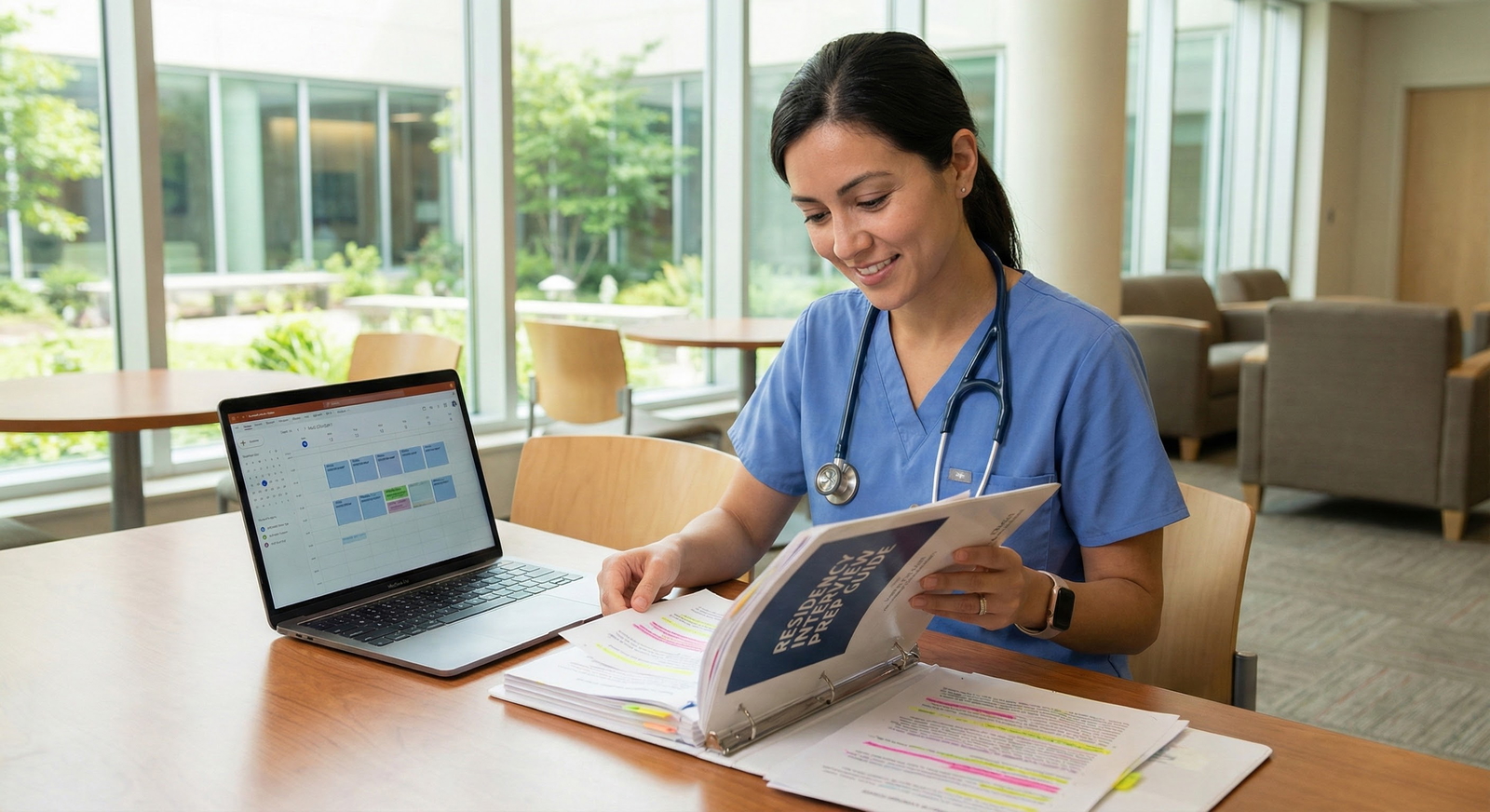
Document this in a simple spreadsheet or notebook. Under each program, list:
- “Why this program?” points
- People you may mention (program director, faculty, alumni you’ve met)
- Unique features you want to highlight in questions
B. Prepare Core Answer “Skeletons”
You don’t want to memorize word-for-word answers, but having structured frameworks for common residency interview questions keeps you organized and calm.
Key questions residency applicants almost always receive:
- “Tell me about yourself.”
- “Why PM&R?”
- “Why our program?”
- “What are your strengths and weaknesses?”
- “Tell me about a time you faced a challenge/failed/conflict.”
- “Case you found meaningful or difficult.”
- “What are your career goals in PM&R?”
- “How do you handle stress and burnout?”
- “Tell me about your research/leadership/volunteering.”
Use the STAR method for behavioral questions:
- Situation – context
- Task – what needed to be done
- Action – what you did
- Result – outcome and what you learned
Example (challenge during a Caribbean clinical rotation):
- S: Busy inpatient service during medicine rotation in New York; high patient load and limited support.
- T: Needed to efficiently manage tasks while ensuring safe, thorough patient care.
- A: Created a prioritized checklist, coordinated with nurses, clarified expectations, and stayed late to pre-chart.
- R: Improved workflow, received positive feedback from attending, and learned strategies to carry forward to residency.
Having these skeletons reduces anxiety and allows you to adapt smoothly.
C. Align Your Experiences with PM&R Values
For each major experience on your CV or ERAS application, ask:
- How does this show my teamwork?
- How does this show my communication with patients or families?
- How does this show my resilience or ability to handle tough situations?
- How does this relate to function, disability, or long-term patient care?
Even non-PM&R experiences (internal medicine, surgery, psychiatry) can be reframed with a functional lens:
“On my internal medicine rotation, I noticed that while we focused on lab values and discharge timing, many patients struggled with basic mobility, ADLs, or returning to work. That gap is what drew me to PM&R, where we explicitly address these issues.”

Step 4: Practice Delivery – Mock Interviews, Communication, and Presence
Knowing how to prepare for interviews conceptually is only half the battle. You also need to practice performing.
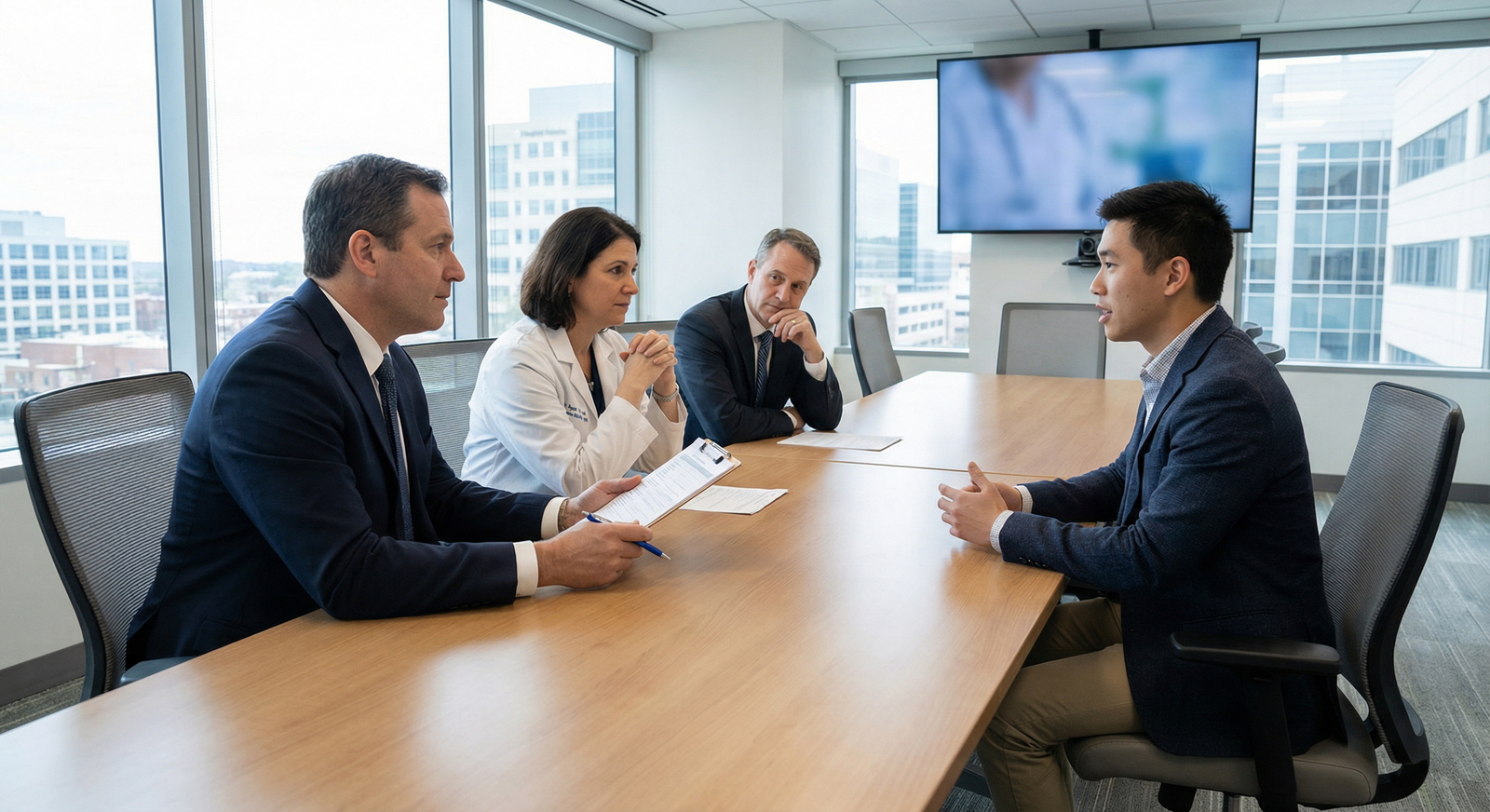
A. Set Up Mock Interviews
Arrange at least 2–3 mock interviews before your real ones:
- Ask PM&R attendings, residents, or advisors (including SGU residency match advisors or your own Caribbean school advisors) if they can simulate interviews.
- If you lack PM&R contacts, use your school’s career office, IMG forums, or trusted peers.
- Record at least one mock interview (video if possible) and review your:
- Eye contact
- Filler words (“um,” “like”)
- Speed and clarity of speech
- Posture and facial expressions
Ask for targeted feedback: “Did my answers show commitment to PM&R? Did any responses raise concerns?”
B. Practice Common Interview Questions Residency Programs Ask
Make a practice document with bullet points for:
- “Tell me about yourself” (90 seconds, chronological, ending in PM&R and your goals).
- “Why PM&R?” (patient story + personal values + future vision).
- “Why this program?” (3 specific reasons + how you will contribute).
- “Weakness or failure” (choose a real, fixable weakness with clear growth).
- “Ethical dilemma or difficult patient interaction.”
Practice aloud, ideally daily, leading up to interview season. The goal is conversational fluency, not memorization.
C. Address Caribbean IMG-Specific Concerns Confidently
You may be asked (directly or indirectly) about:
- Gaps in training
- Step exam attempts
- Need for visa sponsorship
- Limited U.S. clinical experience
Prepare honest, concise, and growth-focused responses:
- Acknowledge the issue.
- Explain briefly (no long justifications).
- Emphasize what you did to improve or how you’ve grown.
- Connect back to future performance and reliability as a resident.
Example:
“I needed two attempts for Step 1. Initially, I struggled with self-directed learning and time management. I sought mentorship, created a strict schedule, and changed my study strategies. My subsequent Step scores improved significantly, and I’ve applied those same habits to my clinical rotations and ongoing board preparation.”
Programs care more about trajectory and self-awareness than perfection.
Step 5: Logistics, Professionalism, and Final Polishing
No matter how strong your answers are, logistical missteps can hurt your chances. Pre-interview preparation also includes details that seem small but matter a lot.
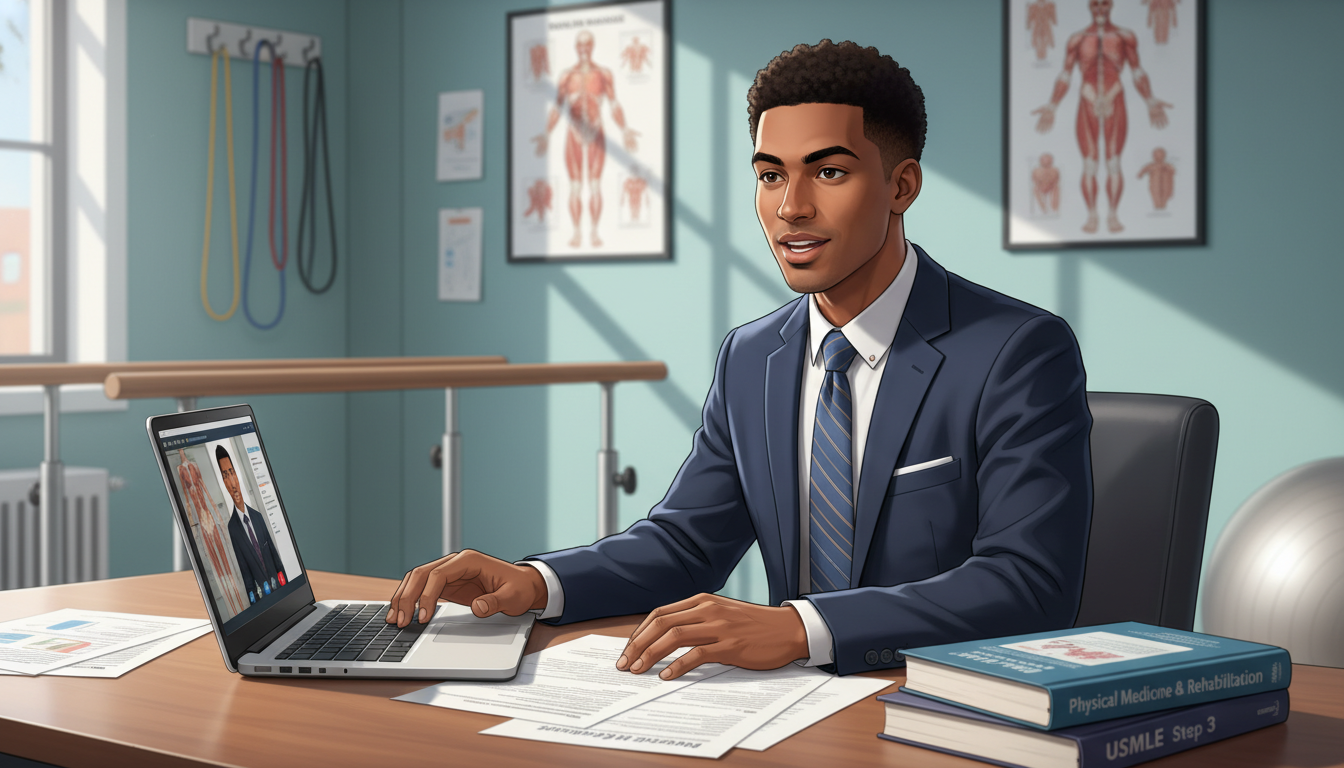
A. Optimize Your Interview Environment (for Virtual Interviews)
Many PM&R interviews remain virtual or hybrid. Prepare:
- Background: Neutral, uncluttered, professional.
- Lighting: Face a window or use a lamp behind your screen, not behind you.
- Sound: Use headphones if needed; test microphone quality.
- Internet: Backup plan (phone hotspot) if home Wi-Fi is unstable.
- Camera position: Eye level, with your face centered.
Run a full test call with a friend, including screen name and log-in process.
B. Prepare Your Materials
Have ready:
- Printed copy of your CV and personal statement
- List of programs and interview dates
- Notepad and pen
- List of thoughtful questions for each program:
- “How does your program support residents interested in sports/spine/pain/pediatrics?”
- “How are residents involved in interdisciplinary team leadership?”
- “Can you describe a typical week on inpatient rehab for a PGY-2?”
- “How does the program incorporate wellness and prevent burnout?”
Avoid questions you can easily answer from the website.
C. Professional Dress and Demeanor
Even in a virtual setting:
- Conservative, professional attire (suit or blazer).
- Simple grooming and minimal distractions (jewelry, background noise).
- Practice calm body language: shoulders relaxed, slight forward lean, nodding appropriately.
Remember: PM&R is team-heavy and patient-facing. Programs will imagine you on rounds, in family meetings, and coordinating care. Your demeanor should convey:
- Calmness
- Reliability
- Empathy
- Collegiality
D. Post-Interview Reflection and Notes
Immediately after each interview:
- Write down:
- Who you spoke with
- Key program features you liked
- Any concerns or “red flags”
- Cases or stories you discussed
These notes will help with:
- Thank-you emails (if you choose to send them; some programs discourage them—follow instructions).
- Ranking decisions later.
- Avoiding repeated stories if you meet the same faculty at later stages.
Special Considerations for a Caribbean IMG Targeting PM&R
A. Strengthening Your Application Before Interview Season
Even if the article focuses on pre-interview preparation, some elements can still be bolstered before interviews:
Secure strong PM&R letters of recommendation
- If possible, from U.S. PM&R faculty who know you clinically.
- Request letters early and provide them with your CV + personal statement.
Highlight any PM&R-related activities
- Rehab or disability volunteering
- Research or QI projects in functional outcomes, musculoskeletal issues, or pain
- Shadowing experiences in outpatient physiatry, sports/spine, or inpatient rehab
Clarify your US clinical experience (USCE)
- Be prepared to differentiate observerships vs hands-on experiences.
- Emphasize what you actually did (notes, H&Ps, presenting on rounds, procedures observed or assisted).
B. Framing Your Caribbean Background as a Strength
Being a Caribbean IMG is not a disqualifier. Many have successfully matched into PM&R, including competitive sites, with strong preparation and clear narratives.
You can emphasize:
- Cultural competence with diverse American and international patients.
- Flexibility in adapting to different healthcare systems (Caribbean + U.S.).
- A strong work ethic typical of those who had to work harder for opportunities.
The key is authenticity. Programs can quickly sense scripted or defensive answers. Accept your path proudly and connect it to who you’ve become as a future physiatrist.
Frequently Asked Questions (FAQ)
1. How competitive is PM&R for a Caribbean IMG, and what can I do pre-interview to improve my chances?
PM&R is moderately competitive and becoming more popular. As a Caribbean IMG, you may face higher scrutiny, but many have matched successfully, including into strong programs. Pre-interview, you can:
- Sharpen your PM&R knowledge so you can speak fluently about the specialty.
- Secure strong PM&R letters and know your application inside-out.
- Develop clear, honest narratives for “Why PM&R?” and “Why Caribbean school?”
- Practice mock interviews to refine your communication and professionalism.
Your goal is to show you are prepared, dependable, and genuinely committed to the specialty.
2. What interview questions do PM&R programs usually ask, and how should I prepare?
Common interview questions residency programs in PM&R ask include:
- Why PM&R?
- Why our program?
- Tell me about yourself.
- A challenging patient or clinical situation.
- Handling conflict with a team member.
- Dealing with stress or burnout.
- Career goals in PM&R (sports, pain, SCI, general rehab, etc.).
Prepare using structured frameworks like STAR, and practice out loud. Make sure your stories highlight teamwork, empathy, resilience, and interest in function and disability. Tailor “Why this program?” answers to each institution based on your research.
3. How can I stand out as a Caribbean IMG during PM&R interviews?
You can stand out by:
- Showing deep understanding of PM&R: specific patient stories, knowledge of settings, and awareness of future directions.
- Demonstrating maturity about your Caribbean path: no excuses, just growth and reflection.
- Communicating clearly and warmly—PM&R values excellent interpersonal skills.
- Asking thoughtful, program-specific questions that show genuine interest.
- Highlighting unique experiences (work with disability communities, leadership roles, global health, research).
Residency interview preparation that focuses on authenticity and clarity will make you memorable in a positive way.
4. How important is my school (e.g., SGU or other Caribbean schools) compared to my interview performance?
Coming from a well-known Caribbean medical school (like SGU), with a strong SGU residency match record, can help signal structure and support, but it does not replace interview performance. Programs ultimately choose residents they feel:
- Understand the specialty
- Fit their culture and values
- Will work hard and collaborate
- Communicate well with patients and teams
Your pre-interview preparation—in-depth knowledge, strong narratives, and polished communication—can significantly outweigh concerns about school location, especially if your clinical performance and letters are strong.
By investing time in these steps—clarifying your story, learning PM&R deeply, building answer frameworks, practicing delivery, and tightening logistics—you move from “hoping to match” to strategically positioning yourself for a successful physiatry match as a Caribbean IMG.