Understanding the Pediatrics Residency Landscape as a DO Graduate
Pediatrics is one of the most welcoming specialties for osteopathic physicians, but success still requires deliberate, structured pre-interview preparation. As a DO graduate, you bring unique strengths—holistic training, OMM/OMT skills, and strong communication—but you may still worry about how program directors perceive osteopathic applicants, how to stand out in the peds match, and how to prepare for interviews in a way that highlights your training.
Before diving into detailed residency interview preparation, you need a clear overview of the pediatrics residency ecosystem as it relates to DO graduates:
The DO Graduate in the Pediatrics Residency Match
- Pediatrics is DO-friendly. Compared with many competitive specialties, pediatrics has historically been more open to osteopathic graduates and community-oriented training backgrounds.
- Single accreditation has changed dynamics. Since AOA and ACGME accreditation unified, DO graduates apply alongside MD graduates to the same programs. Many programs now explicitly state that they welcome or even prefer DO applicants with strong clinical performance and a genuine interest in pediatrics.
- Holistic review is common. Pediatrics program directors tend to weigh personal qualities—empathy, communication, teamwork, and resilience—more heavily than some other specialties, which aligns well with osteopathic training.
From a pre-interview standpoint, this means your strategy should capitalize on:
- Your osteopathic identity (how being a DO informs your approach to child and family care).
- Your clinical experiences with children (especially continuity clinics, community pediatrics, and underserved settings).
- Your alignment with the program’s mission (primary care, community health, academic pediatrics, advocacy, etc.).
Understanding this context will help you shape how you talk about yourself and how you answer common interview questions for residency.
Step 1: Clarify Your Pediatrics Story and Career Vision
Before you focus on what to say in interviews, you must be crystal clear on your own narrative. Interviewers are evaluating not just your qualifications, but also the clarity, consistency, and authenticity of your story.
Define Your “Why Pediatrics?”—and “Why as a DO?”
Expect to answer “Why pediatrics?” in nearly every interview. For a DO graduate, you’ll benefit from going one level deeper:
- Why medicine?
- Why pediatrics?
- Why pediatrics as a DO? (i.e., how osteopathic principles shape the way you care for children and families)
Work through each step:
Why medicine?
Reflect on:- Early influences (family illness, mentorship, volunteer work)
- Your first meaningful exposure to patient care
- What keeps you committed when medicine is difficult
Why pediatrics?
Focus on experiences that specifically convinced you:- Clinical rotations where you connected strongly with pediatric patients or families
- Longitudinal experiences (school-based clinics, children’s hospitals, camps for kids with chronic illness)
- Traits you see in yourself that fit pediatrics (patient, playful, good at explaining complex topics simply, advocate mindset)
Why pediatrics as a DO?
Show how osteopathic principles integrate with pediatric care:- Holistic view of the child within their family, school, and community environment
- Emphasis on prevention, development, and function (not just disease treatment)
- Collaborative, non-hierarchical approach with families
- OMM/OMT used thoughtfully (e.g., for neonates, musculoskeletal complaints, headaches), when applicable
Create a Coherent Professional Identity
Residency interviews favor applicants who present a clear professional identity, even if they remain open-minded about the future. Your identity might be:
- “Aspiring community pediatrician focused on underserved children”
- “Future academic pediatrician interested in medical education and quality improvement”
- “Primary care pediatrician passionate about developmental-behavioral pediatrics and advocacy”
As a DO graduate, think about how your osteopathic training supports that identity. For example:
- Community clinic experience during osteopathic training matches community pediatrics missions.
- Longitudinal osteopathic principles course complements interest in holistic primary care.
- Hands-on OMM/OMT skills support interest in children with complex medical and musculoskeletal conditions.
Write a 3–4 sentence summary of your professional identity and practice saying it out loud. This can anchor your intro response when interviewers say, “Tell me about yourself.”

Step 2: Deep Research on Programs and Tailored Preparation
Real pre-interview preparation starts long before you log into Zoom or walk into the conference room. The most successful DO graduate residency applicants treat each program individually, not as a generic pediatrics residency.
Build a Program Research System
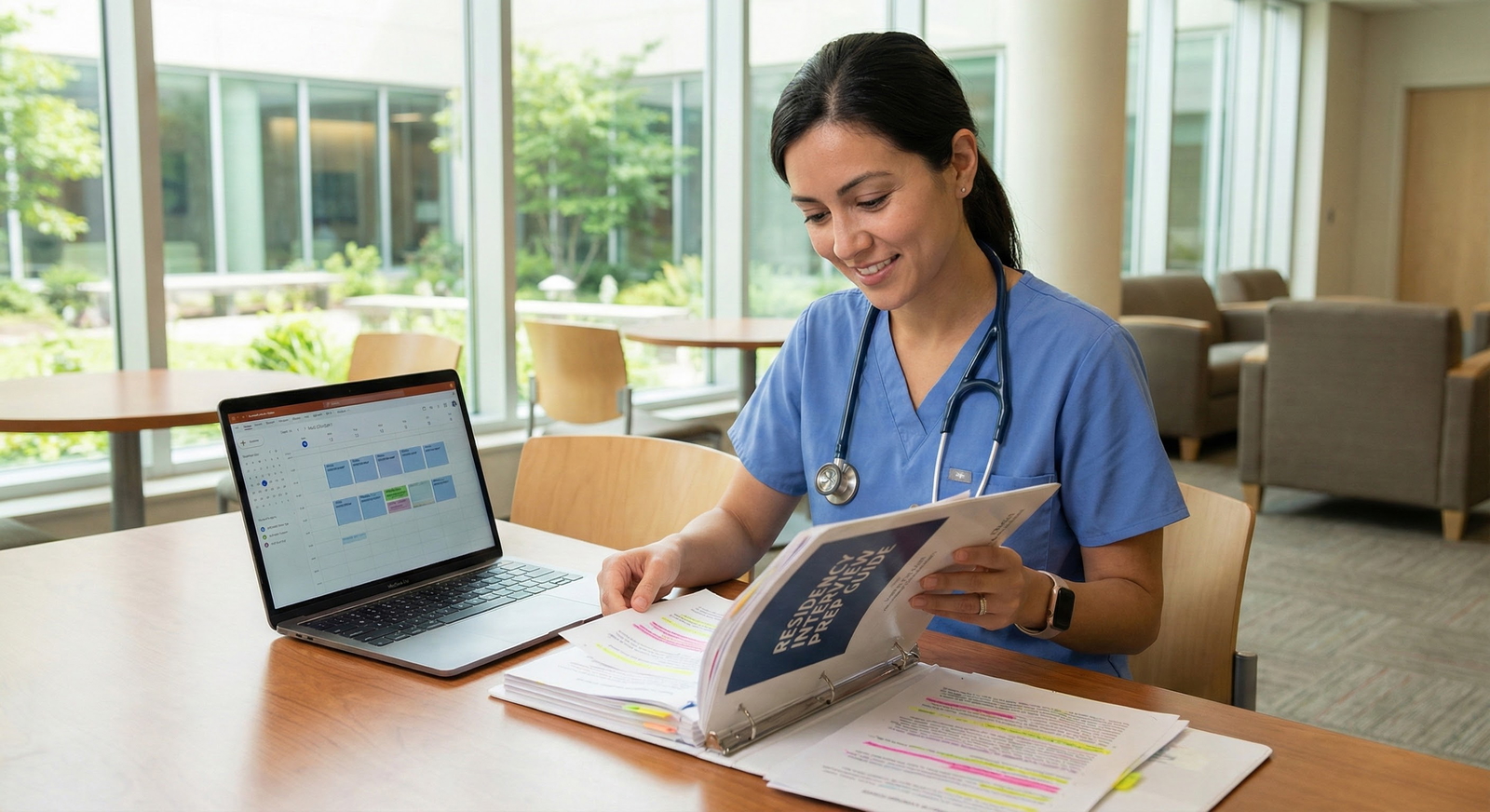
For each program where you have an interview, create a one-page document (digital or printed) including:
- Program basics
- Location, size, type (university, community, hybrid)
- Associated children’s hospital or health system
- Length (3 years categorical, any special tracks)
- Mission and strengths
- Community vs. academic focus
- Emphasis on primary care vs. subspecialty exposure
- Prominent features (advocacy, global health, rural track, child protection, simulation, research)
- DO-friendliness indicators
- Current DO residents or faculty (from website or social media)
- Past statements about DOs on their site or in interviews/webinars
- Historically accepting DOs in the osteopathic residency match, if data is available
- Curriculum highlights
- Continuity clinic structure
- Inpatient vs. outpatient balance
- NICU/PICU exposure
- Elective options (adolescent medicine, emergency pediatrics, developmental-behavioral peds)
- Your alignment points
- 2–3 specific ways your background fits (e.g., community experience, interest in advocacy, research alignment)
- 2 personalized questions you want to ask faculty or residents
This level of preparation makes it much easier to answer:
- “What interests you about our program?”
- “How do you see yourself fitting in here?”
- “Why did you choose to apply to [Program Name]?”
Translate Your DO Experiences to Each Program
When considering how to prepare for interviews as a DO applying to pediatrics, intentionally reframe your osteopathic experiences in program-specific terms.
Examples:
- Community-based osteopathic school → “Your program’s strong community pediatrics and continuity clinic model really resonates with my training, where I worked extensively in community health centers and school-based clinics.”
- OMM training → “I appreciate the focus your program places on comprehensive care. My OMM training has reinforced my approach to assessing function and environment alongside disease, which I think fits well with your holistic, family-centered mission.”
- Rural/underserved rotations → “Your rural track and mobile clinic outreach reflect the kind of work I did during my osteopathic training in migrant health and rural areas, and I’d love to continue that here.”
You’re not just “a DO graduate in pediatrics”; you’re a specific DO graduate whose background fits this specific program.
Step 3: Mastering Core Residency Interview Questions
Effective residency interview preparation means you should never be surprised by the central questions. Particularly for pediatrics and DO applicants, certain themes appear repeatedly.
Below are core interview questions residency programs commonly use, with guidance and example structures.
1. “Tell Me About Yourself”
Structure a 60–90 second answer:
- Training identity
- “I’m a fourth-year DO graduate from [School], originally from [Region/State].”
- Key experiences and interests
- Highlight pediatrics-related experiences, leadership, research, or advocacy.
- Why pediatrics / future direction
- Brief statement of your career interests.
- Connection to program type/mission
- Subtle tie-in to the kind of program you’re interviewing with.
Example:
“I’m a fourth-year DO student at Lakeside College of Osteopathic Medicine, originally from a small town in Ohio. During medical school, I found myself drawn to pediatrics through my continuity clinic in a community health center, where I followed several children with asthma and obesity over two years. I’ve developed a strong interest in primary care pediatrics with a focus on preventive medicine and family education, which really aligns with osteopathic principles of holistic, patient-centered care. I’m looking for a program like yours that emphasizes community engagement and close relationships with families while still offering exposure to subspecialty pediatrics.”
2. “Why Pediatrics?”
Organize your response around:
- A formative story (a particular patient or rotation)
- The skills and traits you bring that fit pediatrics
- How your DO background complements your interest in peds
Include elements like:
- Enjoying longitudinal relationships with families
- Comfort communicating at different developmental levels
- Commitment to prevention, wellness, and advocacy
- Ability to partner with parents and caregivers as a team
3. “Why Our Program?”
Use your research:
- Mention 2–3 specific features (not generic, like “good teaching” or “nice residents”).
- Connect these features directly to your goals and prior experiences.
- If relevant, include how the program’s culture matches your osteopathic, holistic approach.
Example:
“I’m drawn to your program for several reasons. First, your strong community pediatrics and school-based clinic experiences align with my background in community health during osteopathic school. Second, the structured advocacy curriculum and association with the state AAP chapter speak to my interest in child health policy. Finally, I really appreciate that you have several DO faculty and residents; it tells me this is an environment where osteopathic training is understood and valued.”
4. “Tell Me About a Challenging Case or Situation”
For clinical or interpersonal challenges, use the SBAR or STAR framework:
- S/T – Situation/Task: Briefly set the scene.
- B – Background: Necessary context.
- A – Action: What you did, including communication and teamwork.
- R – Result/Reflection: Outcome and what you learned.
In pediatrics, try to choose cases that highlight:
- Communication with parents
- Developmentally appropriate explanations
- Working with multidisciplinary teams (nurses, social workers, child life specialists)
- Sensitivity to cultural or socioeconomic context
As a DO, you can weave in holistic assessments (“We considered not just the child’s asthma but also housing conditions, school environment, and parental understanding of inhaler use.”).
5. “What Are Your Strengths and Weaknesses?”
- Strengths: Choose traits relevant to pediatrics—patience, communication, adaptability, teamwork, advocacy orientation.
- Weaknesses: Avoid clichés (“I’m too much of a perfectionist”) and choose something genuine but modifiable, then emphasize what you’re actively doing to improve.
Example weakness:
“I can be hesitant initially to speak up in large group settings, especially around senior faculty. I’ve been working on this by volunteering to present more often on rounds and in case conferences, and by preparing concise points ahead of time. Over the last year I’ve noticed I’m more comfortable contributing and advocating for my patients in team discussions.”
6. DO-Specific or Osteopathic Questions
Some programs may directly ask:
- “Tell us about your osteopathic training and how it will influence your practice as a pediatrician.”
- “How do you see OMM fitting into your future practice?”
Prepare:
- 2–3 concrete examples of using OMM/osteopathic principles
- How you integrate structure-function thinking into your patient assessments
- A clear, realistic approach to using OMM in residency (respecting program workflow and evidence-based practice)
Step 4: Logistics, Presentation, and Communication Skills
Polished residency interview preparation is not just about what you say—it’s also how you show up, how you present yourself, and how you manage the entire interview process.
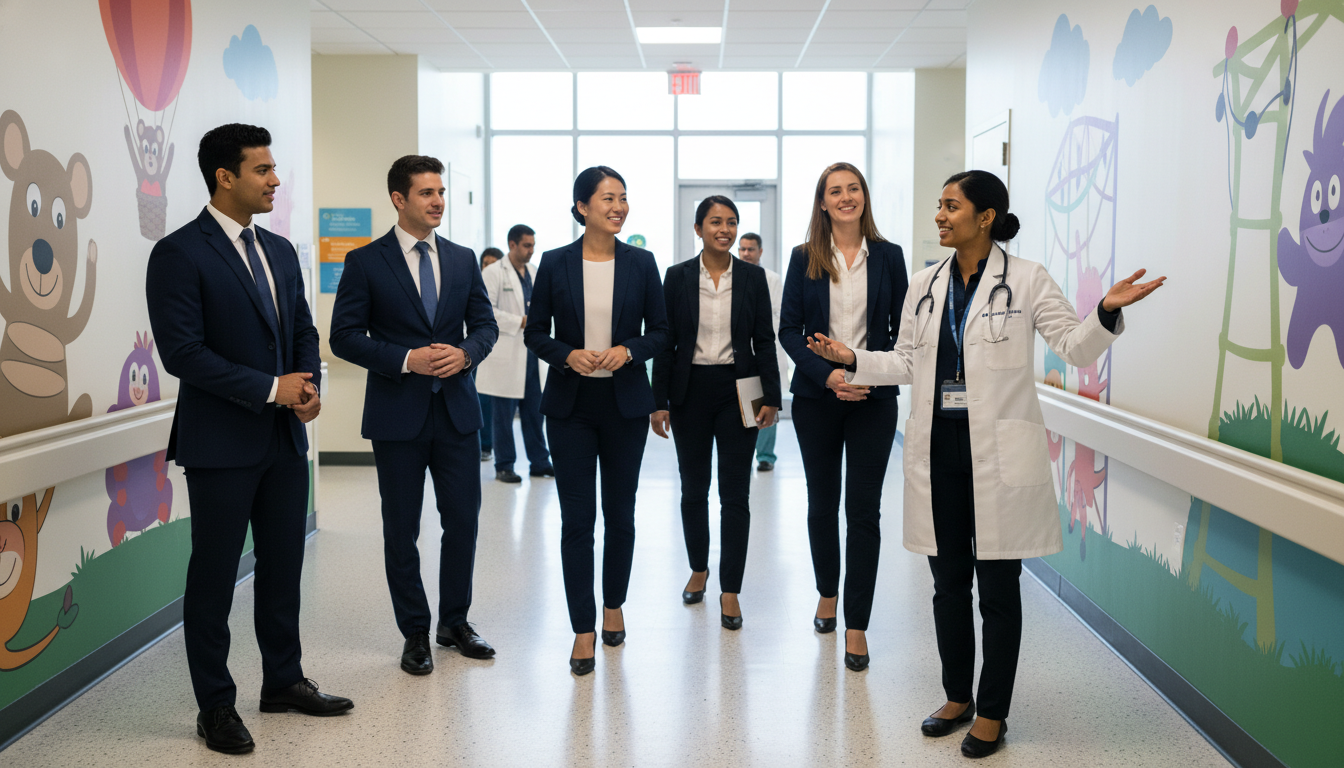
Professional Appearance and Demeanor
- Attire:
- Business formal: suit or blazer with conservative shirt/blouse, closed-toe shoes.
- Neutral colors; avoid distracting patterns.
- Body language:
- Sit upright, lean slightly forward to show engagement.
- Maintain comfortable eye contact (not staring).
- Nod and respond non-verbally to show active listening.
- Tone:
- Warm, respectful, genuine.
- Avoid speaking negatively about other programs, schools, or colleagues.
Virtual Interview Setup (Still Common)
If interviews are virtual (fully or hybrid), treat your environment as part of your professional image.
Checklist:
- Background: Clean, uncluttered, ideally neutral or academic (bookshelf, desk).
- Lighting: Face a window or use a soft lamp in front of you (not behind).
- Camera position: Eye level, with your head and upper torso visible.
- Sound: Use headphones or a good-quality mic to reduce echo.
- Tech prep:
- Test platform (Zoom, Thalamus, Teams) beforehand.
- Confirm internet stability; have a backup hotspot if possible.
- Log in 10–15 minutes early.
Communication Style for Pediatrics
Pediatrics values communication skills highly. Convey this by:
- Speaking clearly, at a moderate pace.
- Demonstrating that you can explain complex concepts simply.
- Using family-centered language when describing cases (“we worked with the family to…”).
- Showing empathy in your stories, especially around serious illness or end-of-life cases.
Step 5: Mental Rehearsal, Mock Interviews, and Self-Care
Structured Practice: How to Prepare for Interviews Effectively
Residency interview preparation isn’t just reading questions—it’s saying the answers out loud.
Plan 3 levels of practice:
Solo rehearsal
- Write bullet-point answers for common questions.
- Practice out loud in front of a mirror or camera.
- Time yourself (most answers: 1–2 minutes).
Peer or mentor mock interviews
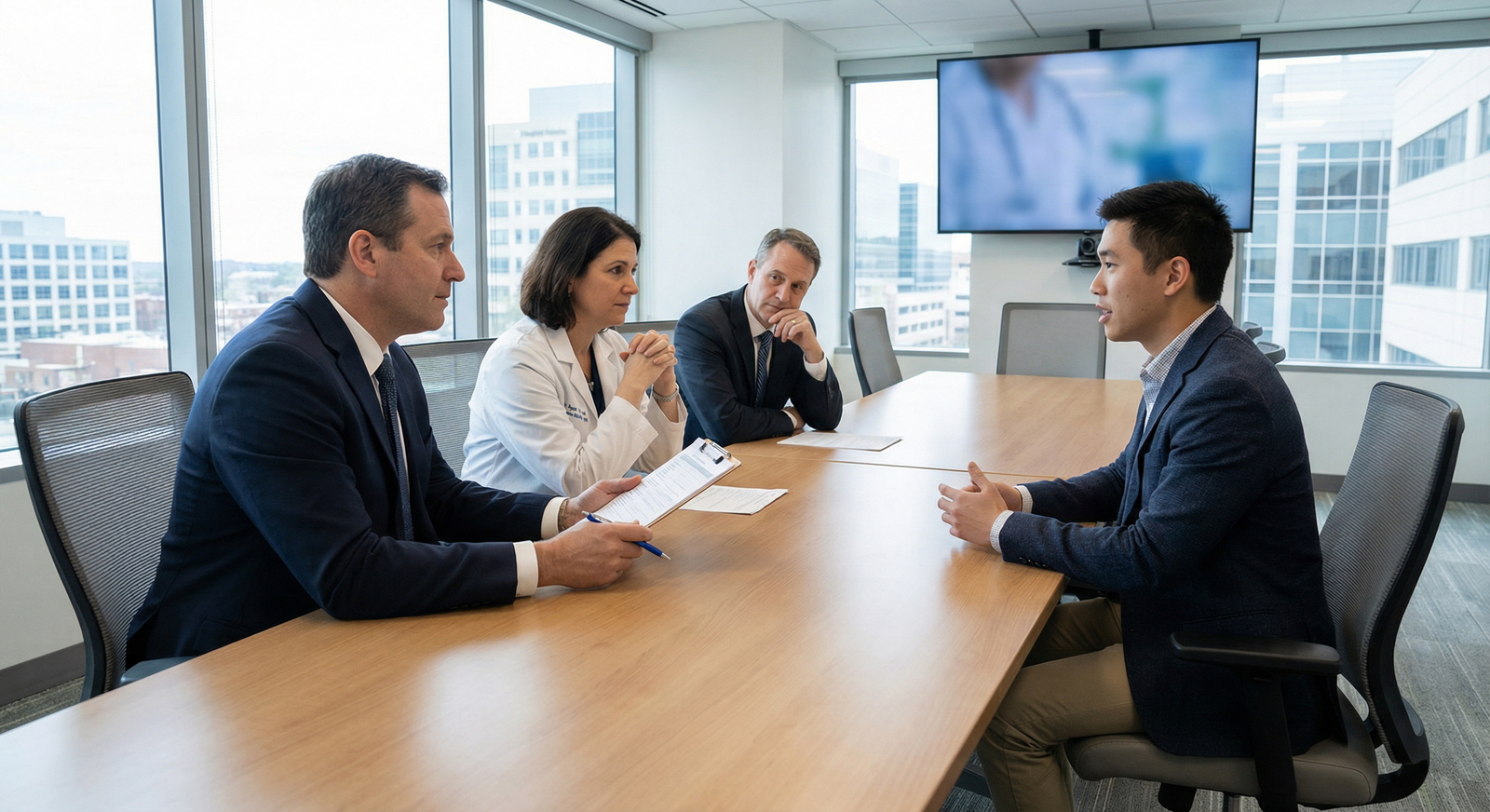
- Ask a faculty advisor, chief resident, or upperclassman who matched in pediatrics to conduct a mock interview.
- Specifically request feedback on:
- Clarity and structure of your answers
- Nonverbal communication
- How well you highlight your DO background without overemphasizing it
- Record if possible, then review once for self-critique.
School or career services mock interviews
- Many osteopathic schools offer formal mock interviews through student affairs or career offices.
- Ask for pediatrics-specific questions and feedback on your competitiveness and messaging.
Handling Peds-Specific and Behavioral Scenarios
Expect some scenario-based questions, for example:
- “How would you handle a parent who refuses vaccines?”
- “A teenager requests confidentiality about sexual activity; how do you respond?”
- “How would you approach suspected child abuse?”
Prepare by:
- Reviewing AAP policy statements on vaccines, adolescent confidentiality, and child protection.
- Reflecting on ethical principles (autonomy, beneficence, non-maleficence, justice).
- Emphasizing:
- Clear, non-judgmental communication.
- Evidence-based counseling.
- Respect for legal and ethical requirements in your jurisdiction.
- Collaboration with interprofessional teams and supervisors.
Managing Stress and Maintaining Perspective
The peds match process can be exhausting. Protecting your mental health is a key part of pre-interview preparation.
Strategies:
Schedule management:
- Avoid booking interviews back-to-back for many consecutive days, if possible.
- Leave time to decompress and write notes after each interview.
Sleep and routines:
- Maintain consistent sleep schedule, nutrition, and light exercise.
- Prepare outfits, technology, and directions the night before.
Reframing anxiety:
- Remember pediatrics programs often seek kind, teachable, team-oriented residents rather than “perfect” applicants.
- See interviews as conversations to explore mutual fit—not as interrogations.
After each interview:
- Immediately jot down:
- Names and roles of people you met.
- Specific details you liked or disliked.
- Program culture impressions.
- This will help later with ranking and follow-up communication.
- Immediately jot down:
Frequently Asked Questions (FAQ)
1. As a DO graduate, do I need to address my degree during pediatrics residency interviews?
You don’t need to justify being a DO, but you should show how osteopathic training is a strength. Briefly:
- Explain how osteopathic principles (holistic care, structure-function relationships, prevention) influence your pediatric care.
- Provide 1–2 examples where your OMM/OMT skills or osteopathic perspective improved your understanding of a child’s condition or family context.
- Avoid defensiveness; present your DO background confidently and matter-of-factly.
Many pediatrics programs are already DO-friendly. Your goal is to reinforce that you understand your training and can integrate it seamlessly into pediatric residency.
2. How competitive is the pediatrics residency match for DO graduates, and how can interview prep improve my chances?
Pediatrics remains relatively welcoming compared to more competitive specialties, and DO candidates often perform well in the osteopathic residency match. However, the combined ACGME environment is increasingly competitive at certain programs (academic, large children’s hospitals, urban centers).
Strong residency interview preparation significantly improves your chances by:
- Translating your experiences into clear, compelling stories.
- Demonstrating maturity, insight, and strong communication skills.
- Showing a well-researched, sincere interest in each program.
- Highlighting your DO training as an advantage, not a limitation.
3. What are some pediatrics-specific topics I should review before my interviews?
You don’t need to study for a medical exam, but you should be comfortable discussing:
- Common pediatric conditions you’ve seen (asthma, bronchiolitis, otitis media, obesity, ADHD).
- Basic concepts of growth and development.
- Vaccine counseling and addressing hesitancy.
- Working with families from different cultural and socioeconomic backgrounds.
- Experiences with child advocacy, community health, or school-based initiatives.
You may be asked more about how you think and communicate than specific medical details, but being prepared will boost your confidence and fluency.
4. How should I respond if I’m asked about weaknesses in my application (COMLEX scores, limited research, or gaps)?
Answer honestly, briefly, and with a focus on growth:
- Acknowledge the issue without making excuses.
- Provide context if appropriate (e.g., health or family challenges) without oversharing.
- Emphasize what you have done since then:
- Improved performance on later rotations or exams.
- Additional clinical or academic work in pediatrics.
- Skills or experiences that compensate (strong clinical evaluations, leadership, community work).
Example:
“My COMLEX Level 1 score is not as strong as I would have liked. That experience pushed me to refine my study strategies and seek early feedback on my clinical performance. Since then, my clerkship evaluations—especially in pediatrics—have been very strong, and I’ve consistently taken on additional responsibilities in clinic. I believe my clinical performance and growth mindset better reflect how I’ll function as a resident.”
By investing time in structured pre-interview preparation—clarifying your pediatrics story, tailoring your message to each program, mastering core questions, refining your professional presentation, and caring for your own well-being—you put yourself in an excellent position in the peds match as a DO graduate. Your osteopathic background is not just a credential; it’s a foundation for deeply humane, holistic pediatric care. Use your interviews to let programs see that clearly.