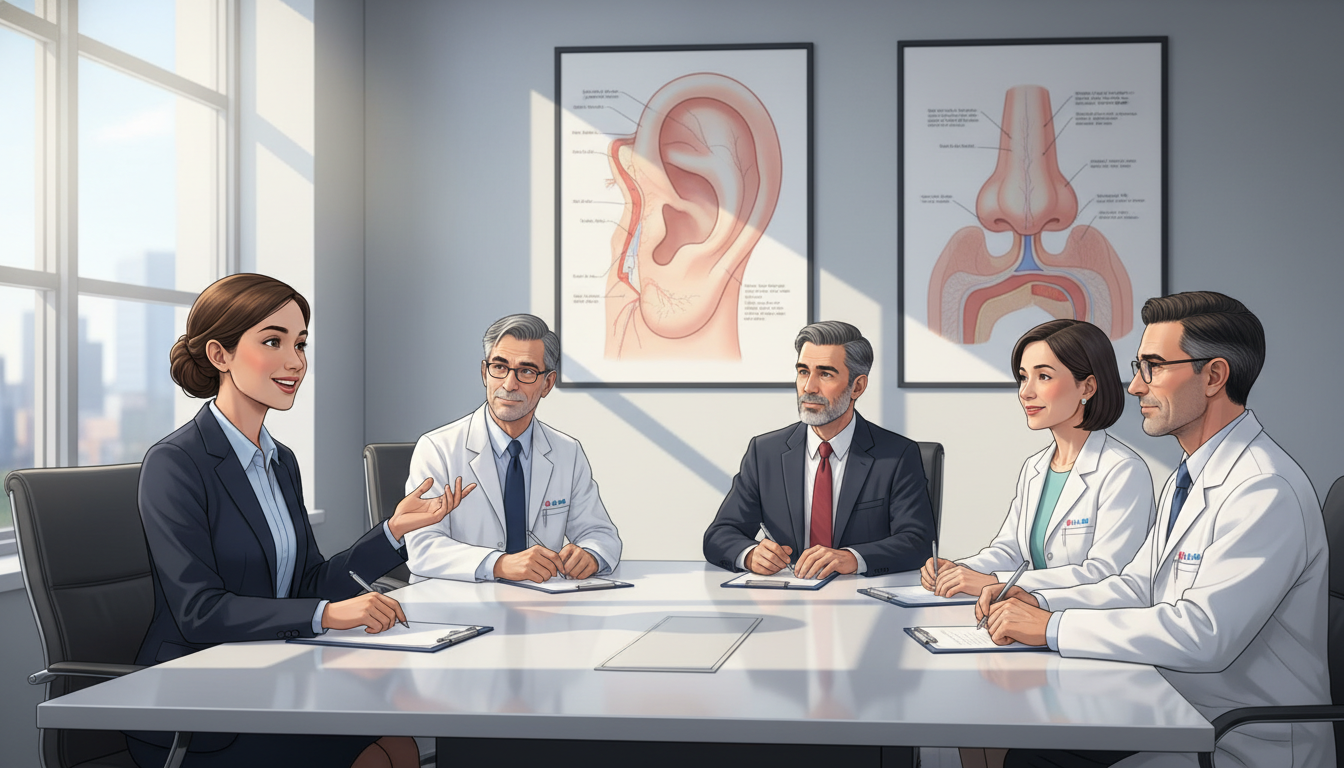
As a DO graduate targeting a Transitional Year (TY) residency, the pre-interview phase is where you can gain the biggest edge. TY programs are increasingly competitive, and osteopathic candidates need to show not just that they can succeed clinically, but that they fit the unique flexibility and bridge role of a transitional year residency.
Below is a detailed, practical guide on how to prepare for interviews specifically as a DO graduate applying to Transitional Year programs.
Understanding the Transitional Year Landscape as a DO Applicant
Before you can prepare effectively, you need to understand what you are preparing for.
What Makes Transitional Year Programs Unique?
A Transitional Year residency (TY program) is typically a one-year, broad-based clinical year that fulfills preliminary training requirements for many specialties (radiology, PM&R, anesthesiology, dermatology, ophthalmology, neurology, etc.). TY programs emphasize:
- Rotational variety (medicine, surgery, emergency, electives)
- Foundational clinical skills
- Adaptability and teamwork
- Readiness for advanced specialty training
Unlike categorical residencies, your TY interviewers will be thinking about how well you:
- Function as a flexible, reliable intern in many settings
- Represent their program to advanced specialty residencies
- Handle high volume cross-cover and diverse patient care
DO Graduate Residency Considerations
As a DO graduate, your application will often be read through the lens of:
- Osteopathic training and philosophy
- COMLEX vs. USMLE scores
- Exposure to allopathic environments (audition rotations, sub-Is, research)
- Your ability to work smoothly in a fully ACGME-accredited, often MD-heavy environment
You should be prepared to address:
- Why you chose osteopathic medical school
- How osteopathic principles (e.g., holistic care, OMT training) shape your approach
- How you adapt to different practice styles, EMR systems, and team cultures
What TY Programs Are Looking For
Common qualities TY program directors value:
- Reliability and work ethic: Can you be trusted on nights, cross-cover, and busy services?
- Clinical readiness: Solid foundation in H&P, assessment, and initial management
- Professionalism: Good communication, teachability, and respect for team hierarchy
- Fit with program’s mission: Education-focused vs. service-heavy vs. research-leaning
- Future direction: Clarity on your advanced specialty and how TY supports that path
Make sure your pre-interview preparation is aimed at demonstrating these qualities at every step—from your answers to your demeanor.
Strategic Preparation: Know Your Story, Your Application, and Your Programs
Step 1: Audit Your Application Like a Program Director
Before your first interview, print or open:
- ERAS application and CV
- Personal statement(s)
- List of TY programs you applied to
- COMLEX/USMLE score report(s)
- Research, presentations, posters, and publications
- Significant experiences (leadership, volunteering, work, OMM clinic, etc.)
Read everything as if you are a program director meeting you for the first time. Ask:
- What themes stand out?
- Are there any red flags (low scores, leave of absence, gaps, failed exam)?
- What is the clear narrative of my path from DO school → Transitional Year → final specialty?
For every entry, be ready to answer:
- “Tell me more about this.”
- “What did you learn from this experience?”
- “How does this prepare you for a Transitional Year?”
Anything in your application is fair game for interview questions residency programs may ask.
Step 2: Define Your Core Narrative as a DO Graduate
You should have a concise, consistent story that threads through your:
- “Tell me about yourself” answer
- Personal statement
- Responses about career goals
- Explanation of why you chose a TY program
Your narrative might look like:
- Background: Where you grew up, major influences, undergrad path
- Why medicine: Key turning point or experience
- Why DO: What drew you to osteopathic training, holistic care, OMT exposure
- Why Transitional Year:
- Need for broad-based foundation before advanced specialty
- Desire to strengthen inpatient medicine/surgery/ER skills
- Preference for a rich, varied intern year
- Long-term goal: The specialty you’re pursuing and why
Example structure for a 60–90 second “Tell me about yourself”:
“I grew up in a small town in Ohio and did my undergraduate degree in biology, where I first became interested in how social and structural factors affect health outcomes. During college, I volunteered in a community clinic and saw firsthand how important it was for physicians to address the whole person, not just their immediate complaint. That led me to pursue osteopathic medical training at ___, where I appreciated the emphasis on holistic care and hands-on physical diagnosis.
During third and fourth year, I discovered that I enjoy managing complex, inpatient cases and working closely with multidisciplinary teams, particularly on my internal medicine and emergency rotations. I’m applying to a Transitional Year residency because I want a strong, broad-based clinical foundation before starting my advanced training in diagnostic radiology. I’m looking for a TY program that will challenge me on busy services, provide structured teaching, and support my growth as a well-rounded intern who can care for diverse patients.”
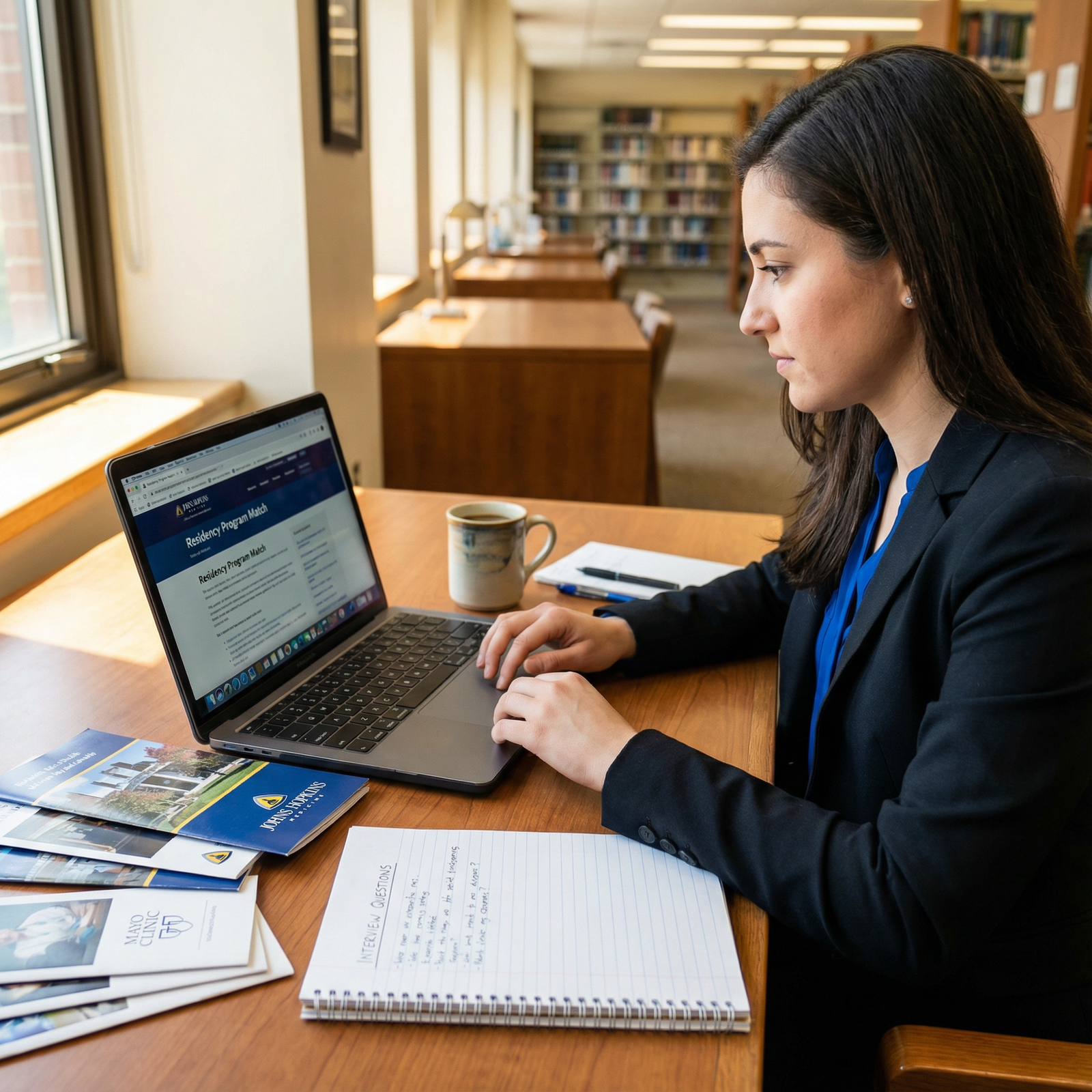
Step 3: Research Each Program Thoroughly
Basic program familiarity is not enough. TY program interviews are often compressed, and you’re competing with other strong applicants, including MDs and DOs with advanced positions already secured.
For each program, know:
- Program size (number of TY residents)
- Major affiliated hospital(s) and patient population
- Typical rotation schedule (medicine, surgery, ER, electives)
- Unique features (global health, research, simulation, night float structure)
- Educational structure (didactics, morning report, noon conference)
- Program mission or values
- Integration with advanced specialties at that institution
Use:
- Program websites
- FREIDA, AAMC/ACGME listings
- Resident bios and alumni lists
- Social media (Instagram, X/Twitter, LinkedIn)
- Any AMA/Ask Me Anything sessions or webinars
Prepare 2–3 specific reasons you’re interested in each program that go beyond generic statements like “good teaching” or “diverse pathology.”
Example:
“I’m particularly drawn to your TY program because of the strong internal medicine experience at your main county hospital, the emphasis on simulation-based education in the first half of the year, and the flexibility you offer for electives that align with my interest in PM&R.”

Mastering Common Transitional Year and DO-Focused Interview Questions
Your residency interview preparation should include focused practice on high-yield questions, with an emphasis on Transitional Year context and your DO background.
Core Questions You Must Nail
Tell me about yourself.
- Aim for 60–90 seconds.
- Include DO training and future specialty.
Why medicine?
- Use a specific story or turning point.
- Avoid generic “I like science and helping people” without detail.
Why did you choose osteopathic medicine?
- Highlight:
- Holistic care
- OMT as a diagnostic/thinking framework (even if you don’t plan to use it daily)
- Patient-centered philosophy
Example:
“I chose osteopathic medicine because I was drawn to the emphasis on treating the whole person rather than just the disease. During my time at ___COM, OMT training sharpened my physical exam skills and taught me to think about biomechanics and function, which I’ve found useful even when I’m not performing manipulative treatment. That holistic framework shapes how I approach complex, multi-morbidity patients on the wards.”
- Highlight:
Why a Transitional Year residency?
- Connect:
- Your future specialty
- The value of breadth
- Your readiness to work hard in a mixed-rotation environment
Example elements:
- “I want to strengthen my inpatient medicine skills before radiology/PM&R/derm.”
- “I value having a broad clinical base to better collaborate with other specialties.”
- “I’m eager for a rigorous, diverse intern year that builds my confidence across settings.”
- Connect:
What are your career goals?
- Be specific about specialty interest and setting if known (academic vs. community, research vs. clinical focus).
What are your strengths and weaknesses?
- Choose strengths relevant to TY: reliability, communication, adaptability, willingness to ask for help early.
- For weaknesses:
- Pick a real, non-fatal issue (e.g., difficulty delegating, over-detail oriented)
- Show insight and concrete steps you’ve taken to improve.
Tell me about a difficult patient or conflict with a team member.
- Use the STAR method (Situation, Task, Action, Result).
- Emphasize communication, professionalism, and follow-up.
Describe a time you made a mistake in clinical care.
- Show:
- Ownership, no defensiveness
- Patient safety focus
- Lessons learned and changed behavior
- Show:
How do you handle stress and long hours?
- Provide concrete strategies:
- Exercise, sleep hygiene, time management, debriefing with peers, mentorship.
- Provide concrete strategies:
Why our program?
- Use your prior research.
- Mention:
- Specific rotations or curriculum features
- Culture or values that resonate with you
- How the program aligns with your future specialty
DO-Specific and TY-Specific Questions to Anticipate
- “How has your osteopathic training prepared you for residency?”
- “Do you plan to use OMT in your practice?”
- “Have you worked in primarily allopathic or mixed environments before?”
- “What do you expect will be the biggest challenge in a Transitional Year program?”
- “How will you make the most of your electives?”
- “You’re pursuing [advanced specialty]; why not just do a prelim medicine/surgery year?”
Prepare thoughtful, honest answers that:
- Acknowledge your DO perspective as a strength
- Show respect and ease in MD-dominated environments
- Emphasize adaptability and eagerness to learn
Practicing Out Loud: From Script to Natural Delivery
- Draft bullet points, not full scripts, for major questions.
- Practice out loud (alone, with friends, or with a mentor).
- Record yourself answering:
- “Tell me about yourself”
- “Why DO?”
- “Why TY?”
- “Why our program?”
- Refine based on:
- Clarity
- Filler words (um, like, you know)
- Rambling vs. concise answers
Behavioral, Ethical, and Scenario-Based Questions: How to Think, Not Just What to Say
Programs increasingly use behavioral and scenario-based interview questions residency applicants may not expect. Your preparation should focus on frameworks and principles.
Behavioral Question Approach: STAR Method
For questions like:
- “Tell me about a time you had a conflict with a nurse or resident.”
- “Describe a time you were overwhelmed and how you handled it.”
- “Tell me about a leadership experience.”
Use STAR:
- Situation: Brief background
- Task: What you needed to do
- Action: What you actually did
- Result: Outcome and what you learned
Example (conflict):
- S: Third-year medicine rotation, disagreement with a nurse about discharge readiness.
- T: Ensure safe discharge while maintaining team communication.
- A: Clarified orders, sought input from attending, had direct, respectful conversation with the nurse.
- R: Resolved misunderstanding, adjusted plan, patient discharged next day with better follow-up; learned value of early, direct communication.
Ethical and Clinical Scenarios
You might be asked:
- “What would you do if a senior resident asked you to do something you think is unsafe?”
- “How would you respond if you saw a colleague behaving unprofessionally?”
- “How would you handle a family that demands a treatment you think is not indicated?”
Prepare by grounding your answers in:
- Patient safety first
- Respect for hierarchy, but not at the expense of safety
- Clear communication and documentation
- Use of institutional resources (ethics consult, attending, program leadership)
Transitional Year programs in particular want to see that you can:
- Navigate uncertainty
- Speak up appropriately
- Balance humility with advocacy

Logistics, Professionalism, and Technology: The Non-Negotiables
Pre-interview preparation isn’t only about content. It’s also about the details that communicate reliability and professionalism—critical in a DO graduate residency applicant.
Organizing Your Interview Season
Create a spreadsheet or tracker with:
- Program name and ACGME code
- Interview date, time, and time zone
- Interview format (virtual vs. in-person)
- Names/roles of interviewers (if provided)
- Key features/notes about the program
- Questions you want to ask them
- Post-interview impressions and pros/cons
This organization helps you:
- Avoid double-booking
- Tailor your questions to each program
- Remember details when ranking programs later
Technology Prep for Virtual Interviews
Many TY programs still use virtual interviews. At least 1 week before:
- Test:
- Internet connection (prefer wired if possible)
- Webcam and microphone
- Lighting (front-lit, not back-lit)
- Background (neutral, uncluttered)
- Install and test the platform:
- Zoom, Microsoft Teams, WebEx, or program-specific system
- Create a professional display name and profile photo if visible
Day before:
- Print or open:
- Your CV and ERAS application
- Program info and your tailored notes
- List of questions to ask
- Plan backup:
- Phone hotspot
- Tablet or second computer
- Confirm:
- Time zone
- Meeting links
- Contact number in case of tech issues
Professional Appearance and Presence
For both virtual and in-person interviews:
- Dress:
- Business formal (suit or equivalent)
- Conservative colors (navy, black, gray)
- Clean, well-fitting, minimal distractions
- Body language:
- Sit upright
- Make “eye contact” by looking at the camera (for virtual)
- Nod, lean slightly forward to show engagement
- Avoid fidgeting
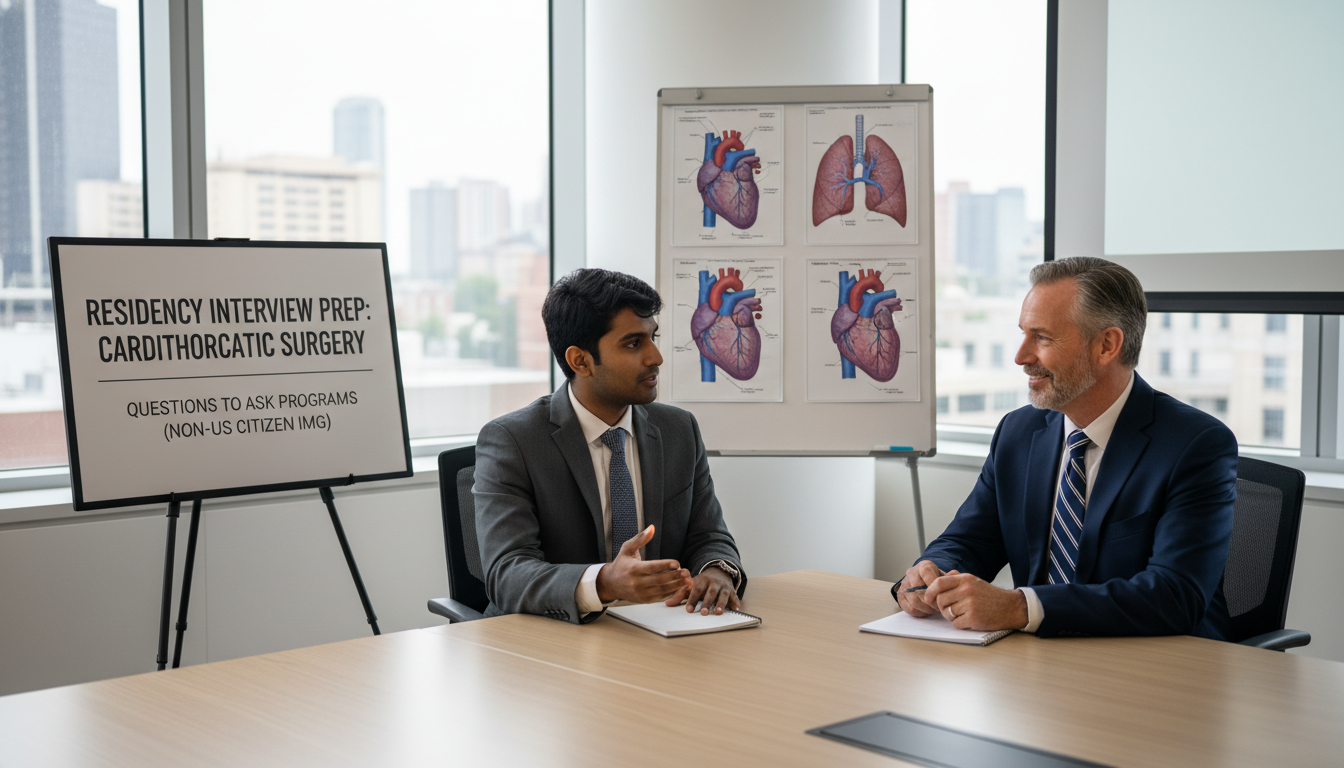
Questions to Ask Programs
Always prepare a few thoughtful questions. Good categories for TY programs:
Clinical training
- “How is the balance between service and education on the inpatient rotations?”
- “How are TY residents integrated into the medicine and surgery teams?”
Education and support
- “What systems are in place to support interns who are struggling?”
- “How does feedback work during the year?”
Electives and customization
- “How much flexibility do TY residents have in selecting electives?”
- “Have past TY residents successfully tailored their year toward [my specialty]?”
Wellness and culture
- “How would residents describe the program culture?”
- “Are there wellness initiatives specifically geared toward interns?”
Avoid questions you could easily answer from the website (e.g., “How many residents are in the program?”).
Advanced Strategies for DO Graduates: Standing Out and Addressing Weaknesses
Showcasing Your Osteopathic Identity Positively
You want to quietly reassure programs that:
- You are comfortable in ACGME environments
- Your DO background is an asset, not a limitation
Concrete ways to do this:
- Mention multidisciplinary, interprofessional teamwork experiences
- Highlight how OMT training sharpened your diagnostic reasoning and physical exam
- Share examples of holistic care and patient communication that reflect osteopathic principles
- If applicable, note any experiences working alongside MDs in core or audition rotations
If You Have COMLEX Only (or Lower Scores)
Be prepared for implicit or explicit questions about:
- Taking or not taking the USMLE
- Score trends
When asked:
- Be concise, honest, and non-defensive
- Emphasize growth, study strategy improvements, and recent stronger clinical evaluations
- Tie your response back to your strong performance on rotations and letters of recommendation
Example:
“I elected to focus on COMLEX given my school’s curriculum and scheduling constraints, and my scores are in line with my performance and growth over time. More importantly, my clinical evaluations and letters from my core and sub-internship rotations reflect the work ethic and clinical judgment I bring to patient care, which I believe are better indicators of how I’ll perform as an intern.”
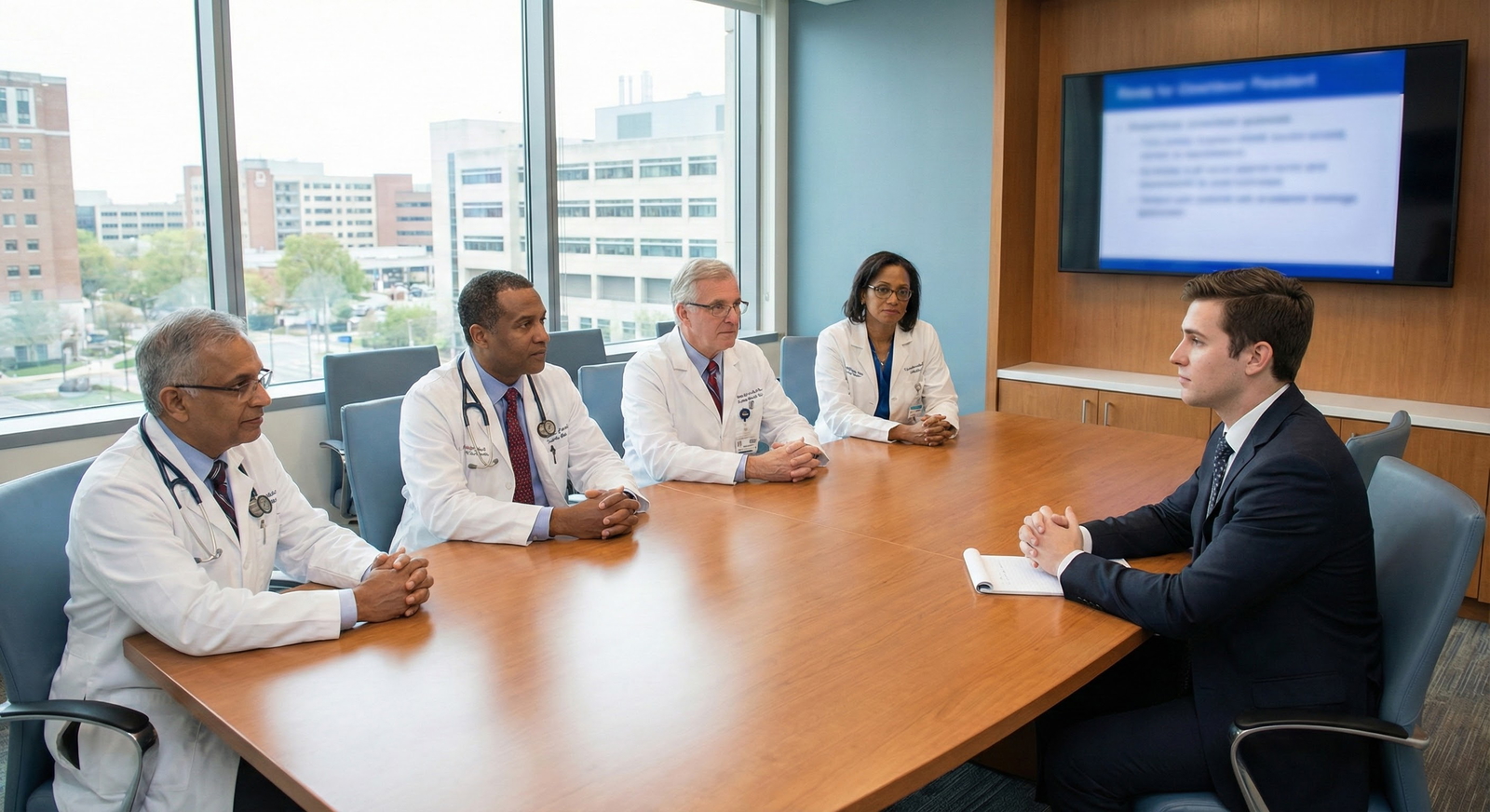
Practice with Mock Interviews
Structured mock interviews help enormously with how to prepare for interviews in a realistic way.
Options:
- School’s career/residency advising office
- Faculty mentors (especially those familiar with TY or your specialty)
- Recent graduates who matched into transitional year residencies
- Online mock interview services (if accessible)
Ask for feedback on:
- Clarity and structure of answers
- Professionalism and body language
- Overuse of jargon or filler words
- How well you highlight your DO training and future specialty goals
Frequently Asked Questions (FAQ)
1. As a DO graduate, should I emphasize my osteopathic training during TY interviews?
Yes, but strategically. You don’t need to over-focus on OMT techniques, especially if you’re not planning to use them routinely. Instead, emphasize:
- Holistic approach to patient care
- Strong physical exam and diagnostic skills
- Communication and rapport-building
Show how your osteopathic background complements the ACGME environment and prepares you to function well on diverse teams.
2. How is pre-interview preparation different for Transitional Year versus categorical residencies?
For a transitional year residency, your preparation should emphasize:
- Breadth of interest across medicine, surgery, and emergency care
- Adaptability and willingness to work hard in varied settings
- Clarity on how this year fits into your long-term specialty path
While categorical interviews often focus heavily on long-term fit within that specialty, TY interviews will balance your immediate intern-year readiness with your future specialty direction.
3. What are the most common mistakes DO applicants make in TY interviews?
Common pitfalls:
- Vague answers to “Why Transitional Year?” or “Why our program?”
- Focusing too much on the advanced specialty and not enough on the value of the intern year
- Overly casual or overly rehearsed delivery
- Not being prepared to discuss COMLEX vs. USMLE or score patterns
- Failing to ask thoughtful, program-specific questions
4. How many practice sessions should I do for residency interview preparation?
Aim for at least:
- 1–2 full mock interviews with a mentor or advisor
- 3–5 solo practice sessions focusing on your core questions (“Tell me about yourself,” “Why DO,” “Why TY,” “Why our program”)
- Short, focused practices in the days leading up to interviews to keep answers fresh and natural
The goal is to be fluent but not scripted—comfortable enough with your story and key points that you can adapt to different interviewers and settings.
With deliberate, structured preparation—grounded in your unique strengths as a DO graduate—you can enter your Transitional Year interviews calm, confident, and ready to present a clear, compelling narrative. Pre-interview preparation is not about memorizing perfect answers; it’s about knowing yourself, your application, and your programs so well that you can have genuine, focused conversations that demonstrate you are exactly the kind of intern they want on their team.