Understanding the Anesthesiology Residency Landscape as a DO Graduate
As a DO graduate entering the anesthesiology residency match, you’re applying to a specialty that is both highly technical and deeply interpersonal. Pre-interview preparation is not just about memorizing answers—it’s about understanding the field, knowing your strengths as an osteopathic physician, and clearly articulating why anesthesiology is the right fit for you.
From an osteopathic perspective, you bring a holistic, patient-centered approach and a strong foundation in physiology and musculoskeletal medicine that can be a real asset in anesthesia. However, the osteopathic residency match process has fully merged into the single ACGME system, so you’re competing in the same pool as MD graduates. That reality makes deliberate residency interview preparation essential.
Before you begin, define three core messages you want every interviewer to remember about you:
Why anesthesiology?
A clear, compelling, and personal reason for choosing anesthesia.Why you will be a strong anesthesia resident.
Evidence of work ethic, teamwork, composure under pressure, and technical aptitude.Why your DO background adds value.
How your osteopathic training influences patient care, communication, and your approach to perioperative medicine.
Every step of your pre-interview preparation should reinforce these three messages.
Step 1: Build a Strong Foundation in Anesthesiology and the DO Perspective
Before you sit in any anesthesia match interview, you should be able to discuss the specialty with insight and authenticity. This is especially important for a DO graduate, as some programs will probe how well you understand the scope of modern anesthesiology.
Clarify Your Anesthesiology Story
Program directors want to hear more than “I like pharmacology and physiology.” Prepare a concise narrative that links your experiences to anesthesia:
- A specific patient encounter during surgery, ICU, or ED that drew you toward perioperative medicine.
- A meaningful interaction with an anesthesiologist mentor.
- Research, a quality improvement project, or an elective that solidified your interest.
- As a DO, maybe an experience where holistic pre-op assessment or OMT informed perioperative planning or pain control.
Your story should:
- Be honest and specific (real people, real moments, real feelings).
- Show evolution (how your interest grew and matured).
- Connect naturally to your future goals (critical care, regional anesthesia, perioperative medicine, academic vs community practice, etc.).
You will use this core story repeatedly when answering:
- “Tell me about yourself.”
- “Why anesthesiology?”
- “Walk me through your path to anesthesia.”
Know the Role of the Anesthesiologist
Prepare to discuss what anesthesiologists actually do and how that matches your abilities:
- Preoperative: Risk assessment, optimization of comorbidities, medication management.
- Intraoperative: Airway management, hemodynamic monitoring, pharmacologic control of anesthesia, crisis management, communication with surgeons and OR staff.
- Postoperative: Pain control, recovery assessment, ICU management in certain settings.
Be ready with 2–3 specific aspects of the field that resonate with you, such as:
- Real-time physiology and pharmacology.
- Critical care and resuscitation.
- Procedural skills (intubations, central lines, regional blocks).
- High-stakes decision making and crisis leadership.
- Patient advocacy when patients are most vulnerable (unconscious or sedated).
Highlight the Osteopathic Advantage
In the osteopathic residency match era, many anesthesiology programs value the DO mindset:
- Holistic assessment in pre-op clinic: attention to functional status, social factors, and pain history.
- Communication style: explaining complex plans to anxious patients in understandable language.
- Musculoskeletal and pain understanding: relevant to regional anesthesia and chronic pain management.
- OMT experience (if applicable): can be particularly relevant in perioperative pain control, respiratory mechanics, and post-op recovery, even if not performed directly in the OR.
Prepare 1–2 concrete examples of how your DO training impacted your care decisions or communication in a clinical setting; these are powerful to share in interviews.
Step 2: Research Programs Strategically and Deeply
Generic answers are obvious in interview settings. Strong pre-interview preparation means you can clearly articulate why you’re interested in each specific program.
Build a Program Research Framework
For each anesthesiology residency on your list, research:
- Program structure
- Size of the program and class size.
- 4-year categorical vs. advanced with separate internship.
- Variety of rotations (cardiac, pediatric, neuro, ICU, regional anesthesia).
- Case mix and volume
- Level 1 or 2 trauma center?
- Exposure to transplant, cardiac, or high-risk OB?
- Academic vs community vs hybrid setting.
- Educational philosophy
- Simulation training.
- Didactic schedule and board exam preparation.
- Resident autonomy vs supervision balance.
- Fellowships and subspecialty exposure
- On-site fellowships in critical care, cardiac, regional, pain, peds.
- Opportunities for research or scholarly work.
- Culture and environment
- Resident wellness and support.
- Diversity and inclusion efforts.
- Reputation for being DO-friendly or having DO faculty/residents.
- Location considerations
- Geographic preference, cost of living, support systems.
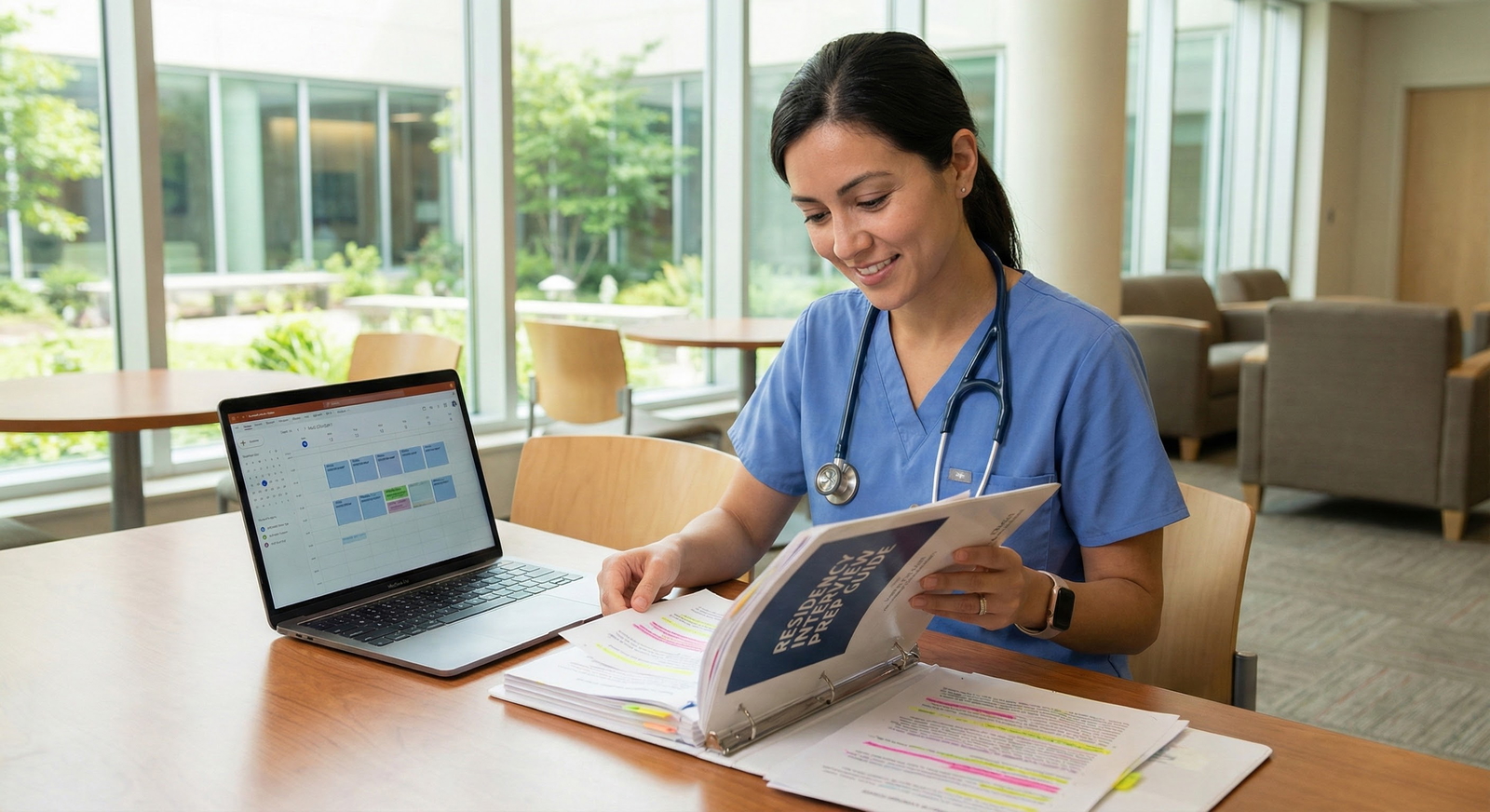
Create a spreadsheet with columns for each of these elements and add notes as you research. This document will become invaluable when organizing your thoughts before each residency interview.
Use DO-Specific Data Where Possible
As a DO graduate, you’ll want to know:
- Does the program currently have or historically accept DO residents?
- Are DOs in leadership or faculty positions?
- Do they mention osteopathic applicants positively on their website, open houses, or social media?
You can gather this information via:
- Program websites and resident bios.
- Instagram/X/LinkedIn accounts showing resident spotlights.
- FREIDA, program PDFs, and virtual open houses.
- Reaching out to current residents, especially DOs.
This research will help you prioritize where to apply and interview, and it gives you concrete talking points during your meetings with faculty and residents.

Step 3: Master Common Residency Interview Questions (With an Anesthesia Focus)
Understanding how to prepare for interviews means anticipating and practicing answers to the most common interview questions residency programs ask—and tailoring them to anesthesiology and your DO background.
Below are categories and examples of frequently asked interview questions residency applicants face, along with guidance on shaping your responses.
Core Personal Questions
“Tell me about yourself.”
- Keep it 1–2 minutes.
- Follow a simple structure:
- Brief background (where you grew up/undergrad/DO school).
- Key experiences that led you toward medicine and anesthesiology.
- Current interests and future goals.
- End by connecting to why you’re excited about their specific program or city.
“Why anesthesiology?”
Integrate:- A story or moment that drew you in.
- Alignment of your personality traits with the specialty (detail-oriented, calm under pressure, enjoys procedures, likes physiology).
- Your vision of your future practice (e.g., critical care, cardiac, academic, or regional/pain).
“Why did you choose a DO pathway?”
Address directly:- Your philosophy toward patient care (treating the whole person).
- Any specific osteopathic mentors or role models.
- How OMM/OMT and the osteopathic curriculum shaped how you think clinically, even if you don’t plan to use OMT in the OR frequently.
Academic and Performance Questions
“Walk me through any challenges in your academic record” (low COMLEX/USMLE score, failed exam, repeated course).
Use a 3-part structure:- Briefly acknowledge the issue—no excuses.
- Explain what you learned and specific changes you made (study strategy, time management, seeking help).
- Show evidence of improvement (better scores, strong clinical evaluations, improved test performance later).
“How have you prepared for the anesthesia match academically?”
Highlight:- Strong performance in anesthesia, ICU, surgery, or ED rotations.
- Self-directed reading (e.g., Miller’s Basics, Morgan & Mikhail, or pocket anesthesia handbooks).
- Practice questions or anesthesia electives/sub-internships.
- Any exposure to anesthesia simulation or airway labs.
Behavioral and Situational Questions
Programs need anesthesiology residents who handle stress well. Be ready with structured responses using the STAR method (Situation, Task, Action, Result).
“Tell me about a time you were under significant pressure.”
Choose an example from:- A busy call shift.
- A deteriorating patient in the ED/ICU.
- A high-stakes exam period with personal responsibilities. Emphasize calm decision-making, communication, and learning.
“Tell me about a conflict with a team member and how you resolved it.”
- Never disparage others personally.
- Show insight, communication skills, and respect for hierarchy and teamwork.
“Describe a clinical situation where you made a mistake or would do something differently.”
- Own the error honestly.
- Focus on what you learned and how it changed your practice.
Anesthesiology-Specific Questions
“What do you think will be the hardest part of anesthesiology residency for you?”
Possible answers:- Balancing steep learning curves in procedures and complex pharmacology.
- Managing perioperative complications early in training.
- Working night shifts and long hours while maintaining wellness.
Follow with how you’ve already developed strategies to handle similar challenges.
“What aspects of anesthesia are you most excited to learn?”
Examples:- Airway management and advanced intubation techniques.
- Regional anesthesia and ultrasound-guided blocks.
- Critical care and hemodynamic monitoring.
- Perioperative medicine and risk stratification.
“Tell me about any anesthesia-related research or projects you’ve done.”
If you have:- Practice presenting your work succinctly (research question, methods, findings, and implications). If you don’t:
- Discuss related QI projects, chart reviews, or scholarly presentations that still show academic curiosity.
Program Fit and Future Goals
“Where do you see yourself in 5–10 years?”
- Be honest but flexible (e.g., considering critical care or regional fellowship, or being open to discovering interests in residency).
- Mention interest in teaching, research, quality improvement, or leadership if applicable.
“Why our program?”
Tie your answer to your research:- Specific strengths of their case mix, simulation, fellowships, or mentorship structure.
- Culture, camaraderie among residents, or evidence of DO inclusion.
- Geographic or personal reasons that are thoughtful (not just “I like the city”).
“Do you have any questions for us?”
Always come prepared with 3–5 thoughtful questions, such as:- “How does your program support residents preparing for board exams in anesthesiology?”
- “What characteristics have you seen in your most successful residents?”
- “How are DO graduates integrated into your teaching and leadership structure?”
- “Can you describe how autonomy increases from CA-1 to CA-3?”
Interviewers interpret your questions as a reflection of your priorities and interest. Avoid questions you could have answered by reading the website.
Step 4: Practice, Mock Interviews, and Communication Skills
Knowing how to prepare for interviews conceptually is different from performing well under pressure. You need rehearsal.
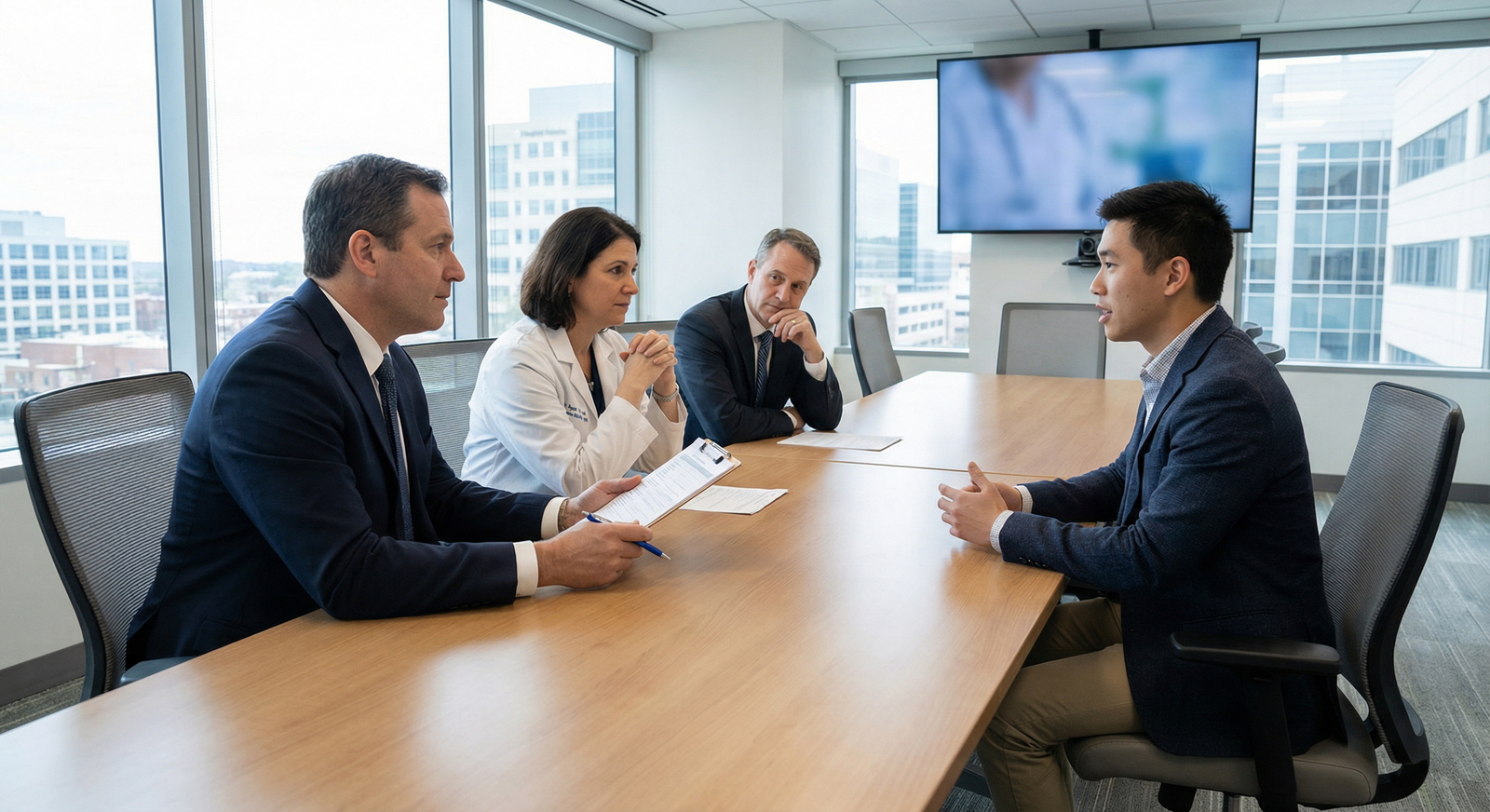
Set Up Mock Interviews
Arrange at least 2–3 mock interviews:
- With faculty anesthesiologists (if available).
- With a career advisor or dean.
- With peers applying to other specialties (have them use a list of standard interview questions residency programs ask).
Ask for feedback on:
- Clarity and conciseness.
- Nonverbal communication (eye contact, posture, fidgeting).
- Overuse of filler words (“um,” “like,” “you know”).
- How convincingly you convey interest in anesthesiology.
Record at least one session on video and watch it critically. This step alone can significantly improve your performance.
Practice Behavioral Answers Aloud
Prepare 6–8 “go-to” stories that you can adapt to multiple questions:
- A challenging patient care situation.
- A time you worked on a high-performing team.
- A time you dealt with conflict or miscommunication.
- An example of leadership.
- An example of failure and growth.
- A time you had to learn a new skill quickly.
Organize them with the STAR method and rehearse them out loud until they feel natural but not memorized.
Refine Your Communication Style for Anesthesiology
Anesthesiologists must explain complex topics simply and calmly to patients and OR teams. Demonstrate that style in your residency interview preparation:
- Speak clearly at a moderate pace.
- Avoid heavy jargon unless the interviewer uses it first.
- When asked a tough question, pause briefly to collect your thoughts rather than rambling.
- It’s acceptable to say, “That’s a great question, let me think for a moment,” and then answer succinctly.

Step 5: Logistics, Professionalism, and Virtual Interview Setup
Content preparation is only one part of solid residency interview preparation. Details and professionalism matter—especially in the anesthesia match, where composure and attention to detail are core expectations.
Organize Your Interview Calendar
Once interview offers arrive:
- Use a calendar or spreadsheet to track:
- Date and time (including time zone).
- Platform (Zoom, Thalamus, Teams, proprietary system).
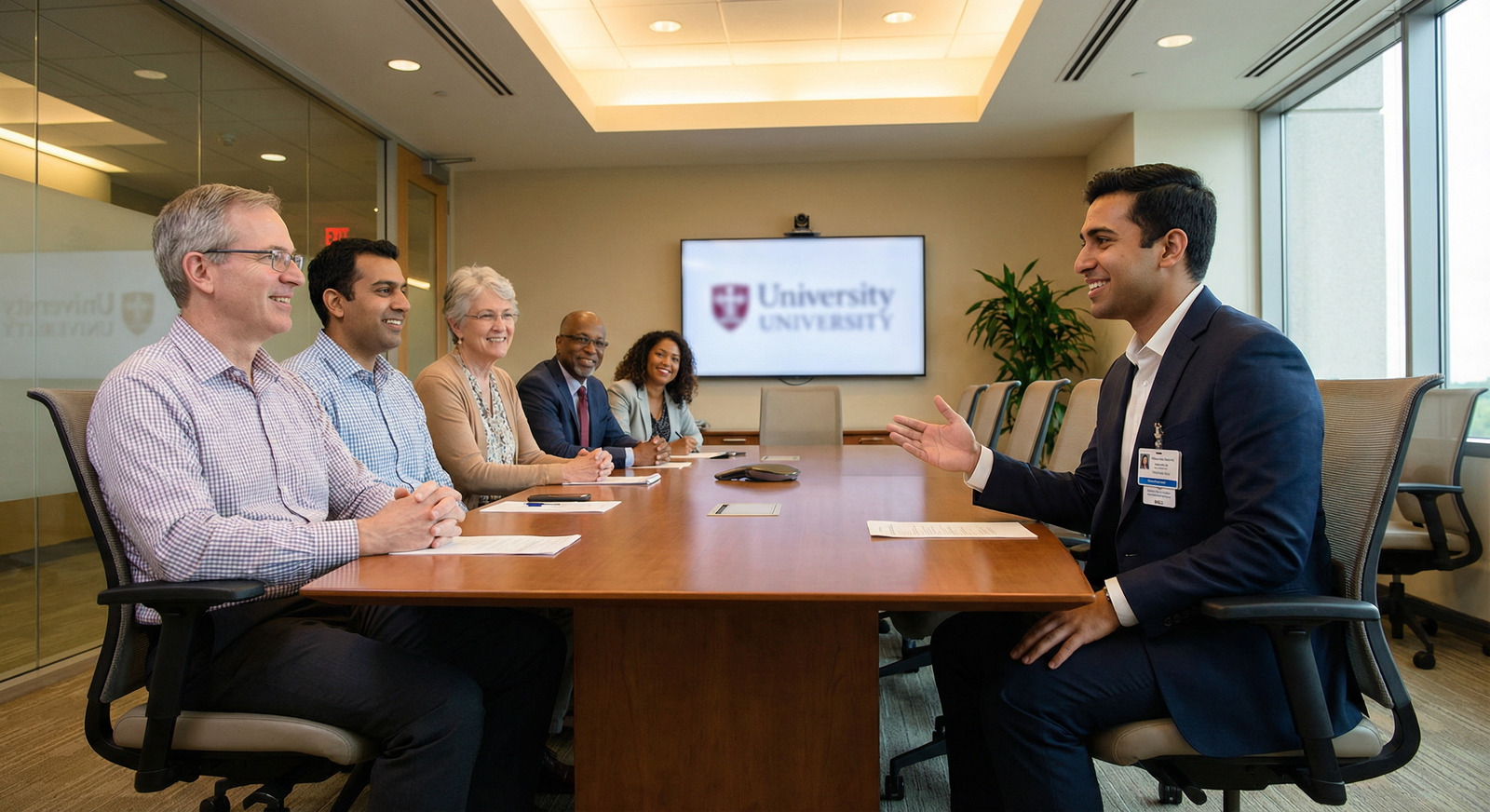
- Interview format (panel, multiple 1:1s, breakout rooms).
- Key contacts and backup phone numbers.
- Avoid scheduling more than two interviews per day during peak season if possible—you want to be fresh and focused.
For each program:
- Review your personal statement application and ERAS materials the day before.
- Re-read the program’s website and your notes.
- Prepare 3–5 program-specific questions.
- Know the names and roles of the PD, APDs, and key faculty if listed.
Create a Professional Virtual Interview Environment
If your interviews are virtual (common in many anesthesia match cycles):
Technical setup:
- Use a reliable laptop rather than a phone.
- Position the camera at eye level, with your face centered.
- Test your internet connection with a full-length mock call.
- Check audio quality (microphone and speakers or wired headphones).
- Close all unnecessary programs and notifications.
Background and lighting:
- Neutral, uncluttered background (plain wall, bookshelf, or tidy workspace).
- Avoid distracting posters or personal items.
- Face a light source (window or lamp) so your face is well-lit.
Dress code:
- Professional business attire (suit jacket and tie for most men; suit jacket/top and slacks/skirt for most women).
- Solid, neutral colors photograph better than busy patterns.
- White coat is not necessary unless specifically requested.
Prepare Your Documents and Talking Points
Have ready:
- A printed or digital copy of your ERAS application and personal statement.
- Your CV and a quick reference list of your experiences.
- A one-page “cheat sheet” with:
- Top 3 strengths and 2–3 weaknesses with plans for improvement.
- Brief versions of your key clinical stories.
- Key questions to ask each program.
Do not read from these during the interview, but they can help you quickly refresh between sessions.
Professional Etiquette and Follow-Up
During interviews:
- Join the session 5–10 minutes early.
- Greet each interviewer politely and use their title (Dr. ___) unless invited otherwise.
- Keep your camera on, maintain eye contact by looking into the camera regularly.
- Thank each interviewer genuinely at the end of the conversation.
Afterwards:
- Jot down impressions, pros/cons, and key moments from each interview immediately.
- Send brief, professional thank-you emails within 24–48 hours, especially to program directors and anyone with whom you had a meaningful interaction. Mention:
- Something specific you discussed.
- A short reaffirmation of your interest.
- Appreciation for their time and insights.
These notes will help you later when it’s time to create your rank list and reflect on which anesthesiology residency programs truly felt like a good fit.
Step 6: Mental Preparation, Confidence, and Wellness
Residency interview season can be intense. Creating space for mental and physical preparation can significantly improve your performance and help you convey the calm, focused demeanor that anesthesiology demands.
Build Confidence from Your Strengths as a DO Graduate
Before each interview, remind yourself:
- You’ve completed a rigorous medical education and passed licensing exams.
- You bring strong communication and holistic assessment skills.
- You have unique experiences that will add diversity to any residency class.
Create a “confidence list” with:
- 5 clinical moments you’re proud of.
- 3 personal qualities that will make you a strong anesthesia resident.
- 2 ways your DO training adds value in perioperative care.
Review this list before interviews to center yourself.
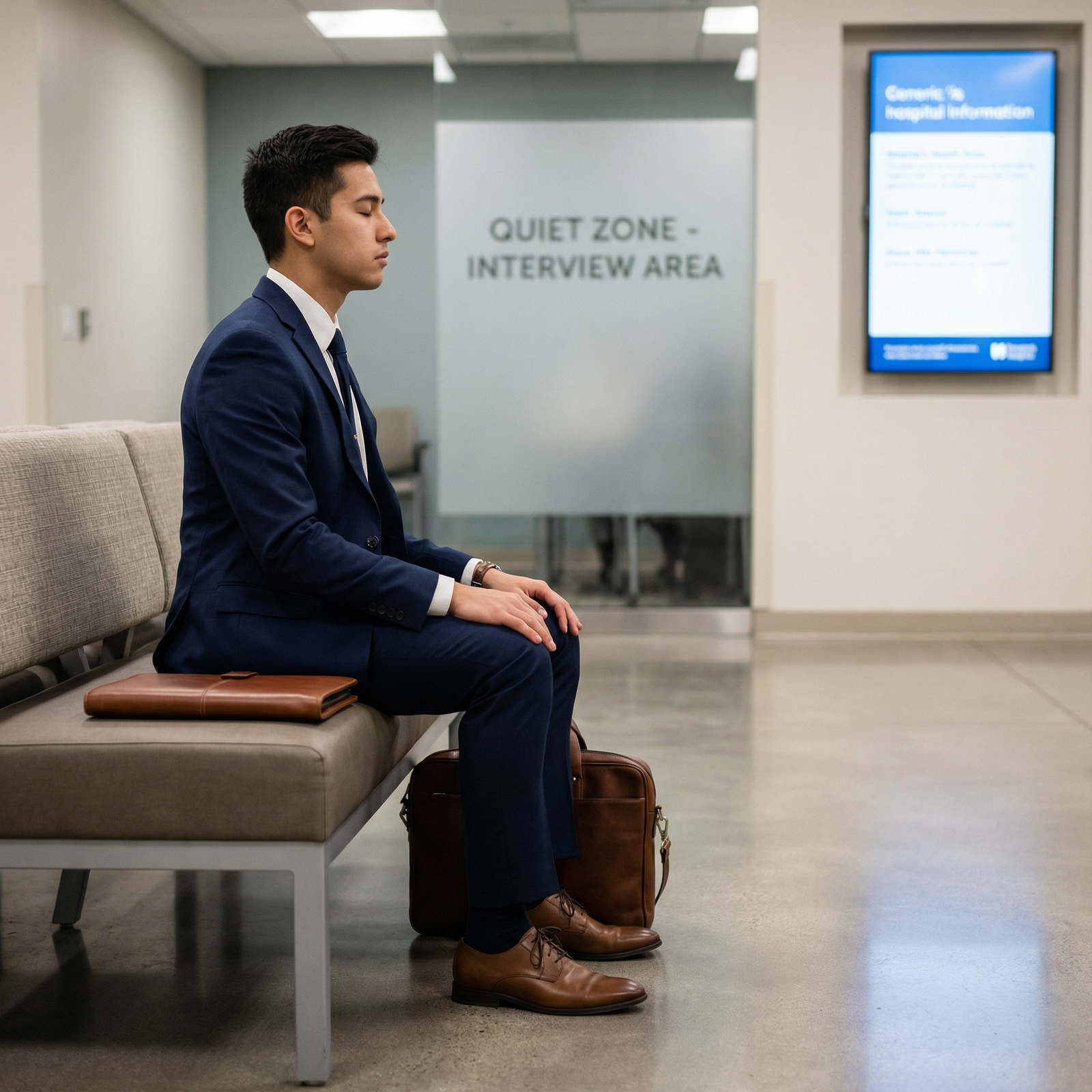
Manage Anxiety and Performance Pressure
Practical strategies:
- Sleep: Protect 7–8 hours of sleep the night before each interview whenever possible.
- Nutrition: Eat light, balanced meals that won’t make you sluggish.
- Body language practice: Before logging on, do 1–2 minutes of deep breathing and simple stretches.
- Positive visualization: Spend a few minutes imagining a smooth, conversational interview where you connect well with faculty and residents.
If you’re prone to high anxiety, rehearse a few grounding techniques:
- 4–7–8 breathing.
- Brief mindfulness exercises (focus on physical sensations: feet on the floor, air movement as you breathe).
Reframe the Power Dynamic
Instead of viewing interviews as one-sided evaluations, remember:
- You are also evaluating whether the program is a place where you can thrive.
- You bring skills and perspectives that anesthesia programs need.
- This is a conversation between colleagues at different stages of training.
This mindset shift often naturally reduces nervousness and improves the authenticity of your responses.
FAQs: Pre-Interview Preparation for DO Graduates in Anesthesiology
1. As a DO graduate, do I need USMLE scores for the anesthesiology residency match, or is COMLEX enough?
Many anesthesiology residency programs now accept COMLEX alone, but some still prefer or strongly favor applicants with USMLE scores. For future cycles, always check each program’s stated requirements on their website or in ERAS. If you already have USMLE scores, be prepared to discuss any discrepancies between COMLEX and USMLE performance and how you improved over time.
2. How can I address limited anesthesia exposure on my CV during interviews?
If you had minimal formal anesthesiology rotations, emphasize:
- ICU, ED, and surgical rotations that exposed you to perioperative or critical care concepts.
- Any shadowing of anesthesiologists, even if brief.
- Independent reading in anesthesia texts or participation in relevant interest groups.
In your responses, show that you sought out opportunities to understand the specialty and that you’re genuinely committed to anesthesia despite structural limitations in your curriculum.
3. What’s the best way to explain using OMT/OMM in the context of anesthesiology?
You don’t need to promise frequent OMT in the OR. Instead:
- Explain how OMT training sharpened your palpation, anatomical understanding, and appreciation of musculoskeletal and respiratory mechanics.
- Share an example of how osteopathic principles improved patient comfort, respiratory function, or pain control pre- or post-operatively.
- Emphasize that your osteopathic lens enhances your holistic perioperative assessments, even when you are not actively performing OMT techniques.
4. How many anesthesiology programs should I interview at as a DO applicant?
The exact number depends on your academic profile, exam scores, geographic flexibility, and the competitiveness of the cycle. Many DO graduates target 12–18 anesthesiology interviews when possible, though some match successfully with fewer. The key is to:
- Apply broadly at the start.
- Prioritize programs with a history of accepting DOs.
- Use each interview to assess real fit rather than just quantity.
Discuss your specific situation with your school’s advisor or a mentor who understands the anesthesia match for a tailored target number.
Preparing thoughtfully and systematically before your anesthesiology residency interviews—especially as a DO graduate—positions you to present the very best version of yourself. When you combine a clear anesthesiology story, strong program research, practiced communication, and a grounded mindset, you’ll walk into each interview ready not just to answer questions, but to show programs why you belong in their ORs and call rooms as a future anesthesiology resident.