Understanding the Landscape: What Makes Neurosurgery Interviews Different for a DO Graduate
Neurosurgery is one of the most competitive specialties in the residency match, and that’s true whether you are an MD or a DO. As a DO graduate, you bring unique strengths—training in holistic, patient-centered care, procedural skills from osteopathic manipulative medicine (OMM), and often substantial grit and resilience. The key is to convert those strengths into a compelling story that resonates with neurosurgery program directors.
Before you dive into residency interview preparation, it helps to understand how your background will be viewed and what programs are assessing.
Unique Challenges and Advantages for DO Graduates
Potential challenges:
- Fewer DOs in academic neurosurgery: Some programs may have little experience training DO residents, so you may face more questions about your background.
- Perceived hierarchy of degrees: Despite unified accreditation, bias still exists in some circles. You must be ready to confidently address why your DO training is an asset.
- Research expectations: Academic neurosurgery heavily values publications, presentations, and significant scholarly work. DO schools sometimes provide fewer embedded research opportunities, so you must be strategic in highlighting what you have done.
Real advantages you can leverage:
- Whole-person perspective: Your osteopathic training in structure-function relationships and functional neurology often aligns naturally with brain and spine disorders.
- Procedural comfort: Many DO schools emphasize hands-on skills early, which can translate to comfort in the OR and clinic.
- Often strong clinical and interpersonal skills: Your training often emphasizes communication, empathy, and longitudinal relationships—critical in neurosurgery where patient and family counseling is central.
What Programs Are Evaluating in Pre-Interview and Interview Phases
Neurosurgery programs use interviews to assess:
Cognitive and technical potential
- Depth of understanding of neuroanatomy, pathophysiology, neurosurgical decision-making.
- Comfort discussing research and critical appraisal of the literature.
Grit and resilience
- Neurosurgery residency is long (7+ years) and intense. Programs want evidence you can sustain effort and recover from setbacks.
Team compatibility and professionalism
- Are you coachable? Do residents want you on call with them at 3 a.m.?
- Are you dependable, honest, and emotionally stable?
Clarity of motivation
- Do you understand what neurosurgery really entails?
- Are you choosing it for the right reasons, not prestige alone?
Your pre-interview preparation should be engineered to show strength across all four domains—through your answers, demeanor, and the narrative that ties your DO background to neurosurgery.
Core Content Prep: Clinical, Technical, and Program Knowledge
You cannot “wing” a neurosurgery residency interview. Solid residency interview preparation requires deliberate work on both content knowledge and communication skills.
Mastering the Neurosurgery Fundamentals You May Be Asked About
Neurosurgery interviews can vary from entirely behavioral to heavily technical. Academic programs, in particular, may ask clinical or conceptual questions to assess how you think.
Focus your prep on:
1. Foundational Neuroanatomy and Pathophysiology
Be fluent in:
Neuroanatomy:
- Major cortical lobes and functional areas
- Brainstem anatomy and cranial nerves
- Basal ganglia, thalamus, cerebellum
- Spinal cord tracts and segment levels
- Vascular territories (MCA/ACA/PCA, brainstem perfusion)
Common neurosurgical pathologies:
- Intracranial tumors (glioblastoma, meningioma, metastases)
- Intracerebral hemorrhage, subarachnoid hemorrhage, subdural/epidural hematoma
- Hydrocephalus, normal-pressure hydrocephalus
- Degenerative spine disease, spinal stenosis, cauda equina
- Traumatic brain injury and spinal cord injury
You’re not expected to function as a chief resident, but you should be able to talk through these conditions clearly and logically.
Action step: Create one-page “quick sheets” for 10–15 common neurosurgical diagnoses (key features, imaging findings, indications for surgery vs conservative management). Review them the week before each interview.
2. How You Think Through a Case
Programs may present a brief scenario, like:
“A 65-year-old on anticoagulation presents with acute right-sided weakness. CT head shows a left-sided subdural hematoma with 8 mm midline shift.”
They want to hear how you think, not just facts. Walk through:
- Stabilization and initial steps
- Need for emergent neurosurgical consultation
- Key imaging and clinical findings that would push toward surgery
- Post-op care and monitoring at a high level
Use a structured approach (e.g., ABCs, neurologic exam, imaging, decision-making, post-op considerations). This calm, organized style signals that you’ll be safe on call.
Research and Scholarly Activity: Talking Like an Academic
Nearly every neurosurgery program values research. Even if your CV is modest, you need to speak comfortably about your work and interests.
Prepare to:
Summarize your main projects in 60–90 seconds
Include:- Background and question
- Methods in simple terms
- Findings or expected findings
- Why it matters for patients or the field
Discuss a neurosurgical paper you’ve read recently
Choose:- A landmark trial (e.g., aneurysm management, TBI, or spine surgery)
- Or a recent high-impact neurosurgery/neuro-oncology/spine article Be ready to summarize:
- Question, design, major findings
- One or two limitations
- How it might impact practice
Connect research to your DO training
You can emphasize:- Interest in functional recovery and rehabilitation
- Whole-patient outcomes: pain, quality of life, function
- The link between structural pathology and systemic symptoms

Program-Specific Preparation: Doing Your Homework
One of the most common weaknesses in residency interview preparation is generic answers that could apply to any hospital. Neurosurgery programs want to know: why us?
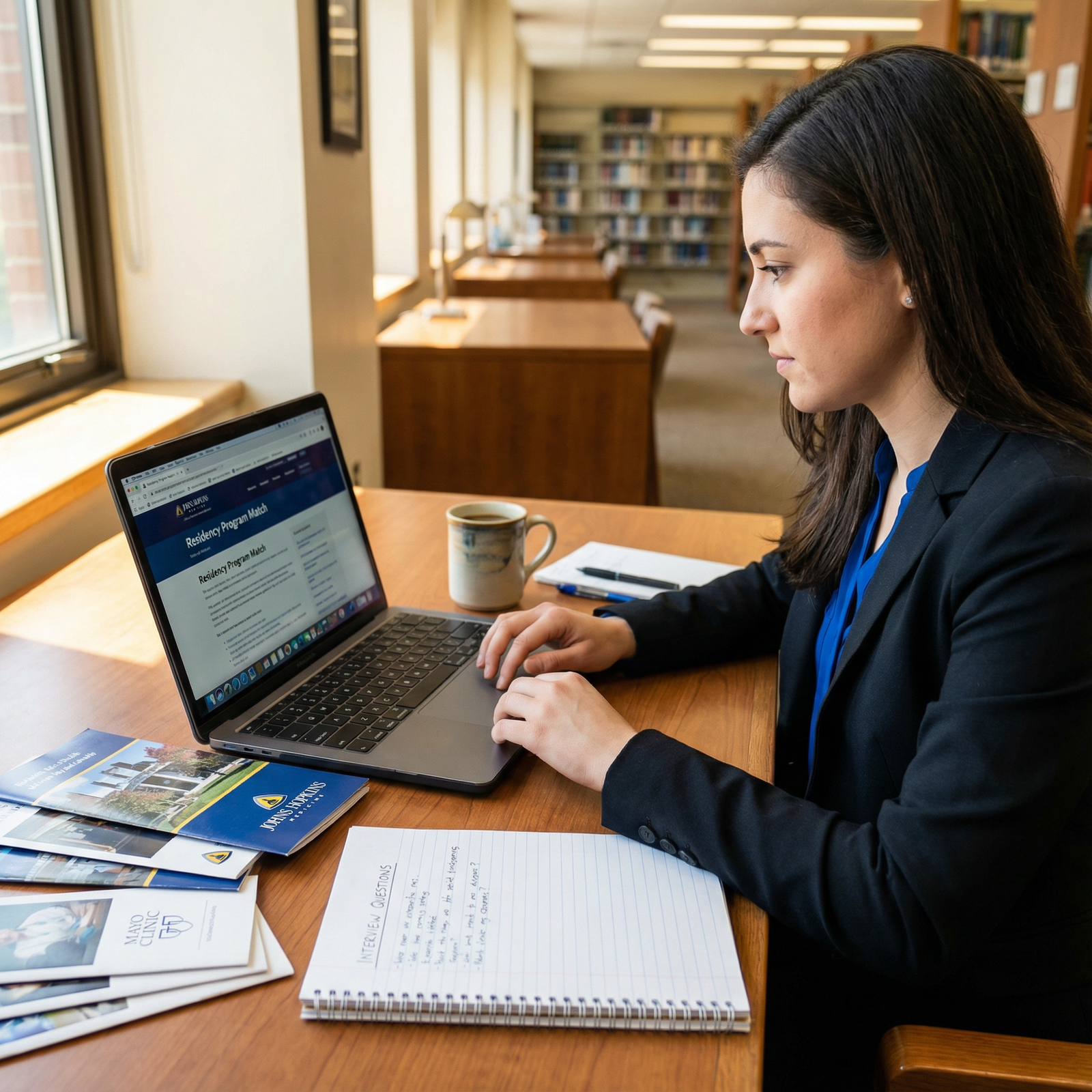
Create a “program dossier” for every interview:
Include:
Case mix and strengths
- Do they have strong brain tumor surgery, skull base, functional neurosurgery, spine, pediatrics, or trauma?
- Do they emphasize complex spine or vascular neurosurgery?
Research profile
- One or two faculty whose work aligns with your interests
- Any NIH funding or participation in multi-center trials
Culture and structure
- Size of the residency and number of residents per year
- Call structure (in-house, home call, night float)
- Notable features: early OR exposure, resident-run clinic, strong mentorship programs
DO friendliness
- Prior or current DO residents
- Any faculty who are DOs (strong bonus)
- Any explicit DO-inclusive language on their website
Action step: For each program:
- Write down 3 specific reasons you’re excited about that program.
- Prepare 1–2 questions that could only be asked about that program (e.g., a specific research initiative, a unique rotation, or a particular clinic setup).
Communication Skills: Crafting Your Narrative as a DO Neurosurgery Applicant
Your answers should tell a consistent story: why neurosurgery, why you, and why now—through the lens of a DO graduate in a highly technical specialty.
Building a Clear and Authentic Neurosurgery “Origin Story”
You will almost certainly be asked:
- “Why neurosurgery?”
- “When did you know you wanted to be a neurosurgeon?”
- “Why did you choose this over other surgical specialties?”
Prepare a 1–2 minute narrative that:
Connects early experiences and values to neurosurgery
- A pivotal patient or clinical interaction
- Exposure during a neurosurgery rotation, shadowing, or research year
- A fascination with brain function, movement, or consciousness
Demonstrates informed choice
- Acknowledges the intensity and duration of training
- Includes examples of long hours, difficult outcomes, or complex cases you’ve seen
- Shows you’ve considered lifestyle and still feel strongly committed
Integrates your osteopathic identity
- Linking structure-function thinking to neurosurgery
- Emphasizing your focus on functional outcomes and quality of life
- Mentioning how OMM training sharpened your physical exam or 3D thinking
Example structure:
“My interest in neurosurgery started during my DO training when I realized how deeply structure and function are intertwined in the nervous system. In my third-year neurosurgery rotation, I took care of a patient with cervical myelopathy who went from being almost chair-bound to walking independently after decompression. That experience, combined with my background in osteopathic structural exam and functional neurology, made me realize I wanted to work at that intersection of anatomy and meaningful recovery. Since then, I’ve pursued research in spine outcomes and spent additional time in the OR and clinic to understand the realities of neurosurgical life. I’m fully aware of the long training and demanding hours, and I find that environment motivating.”
Addressing the DO Degree Proactively and Confidently
Some faculty will be deeply familiar with DO training; others will not. Expect subtle or explicit questions like:
- “Why did you choose a DO school?”
- “How do you think your osteopathic background will affect your career in neurosurgery?”
- “Did you have opportunities to work in large academic centers during medical school?”
Prepare an answer that is:
- Positive, not defensive
- Specific, not vague platitudes about “holistic care”
You might emphasize:
- Early and intensive hands-on clinical training
- Strong musculoskeletal and neuroanatomical understanding
- Development of strong communication and patient rapport
- Exposure to functional and rehabilitative perspectives that complement surgical care
Pitfalls to avoid:
- Apologizing for being a DO
- Comparing DO and MD training in a way that puts either group down
- Over-explaining or sounding insecure
Aim for calm confidence: your degree is part of your story, not something to justify.
Practicing the Interview: Behavioral, Ethical, and Clinical Scenarios
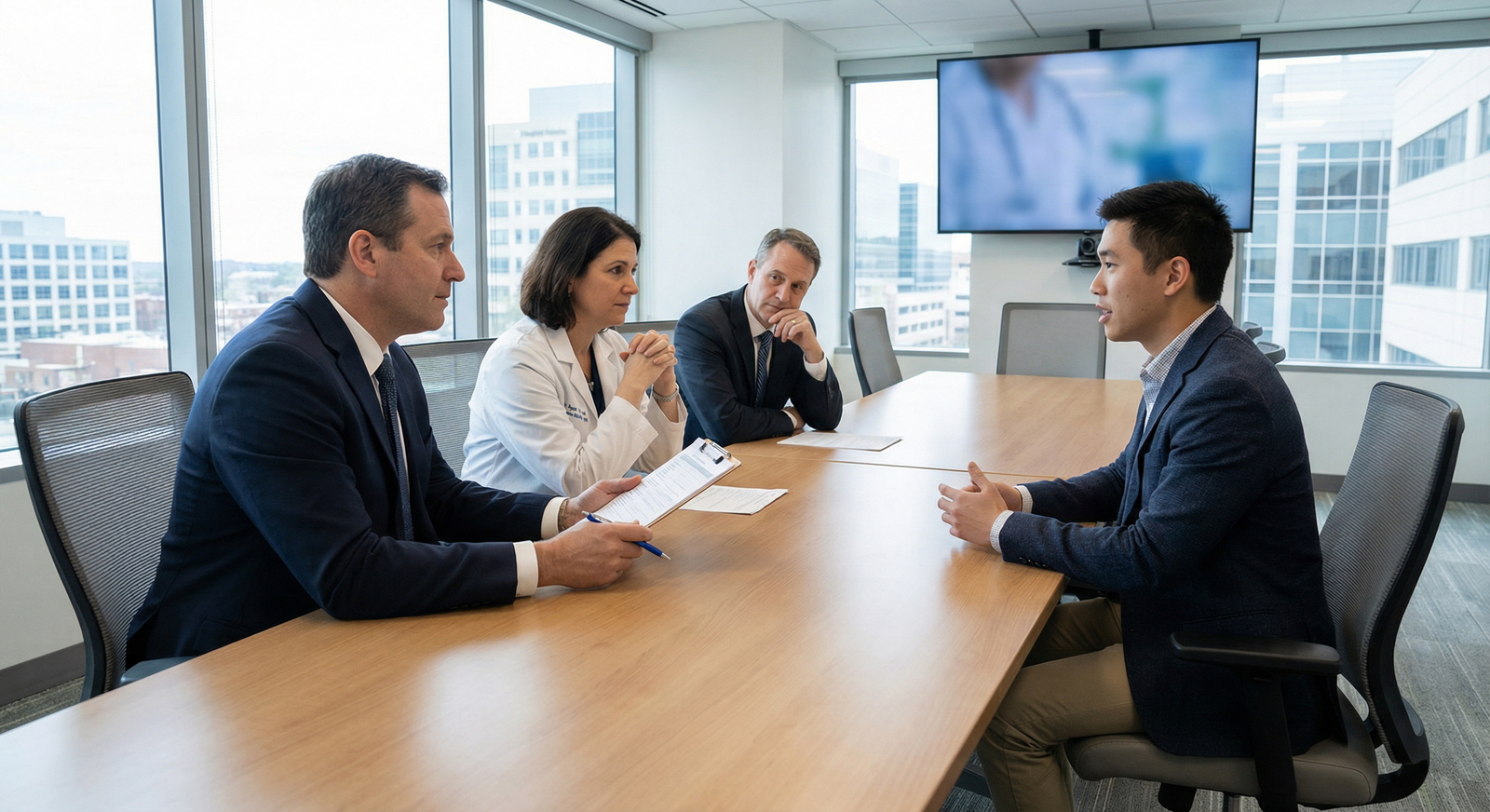
Neurosurgery residency interviews often mix behavioral questions, ethical dilemmas, and sometimes clinical reasoning questions. Structured practice is essential.
Common Behavioral and “Fit” Questions You Should Rehearse
These are classic interview questions residency panels use to gauge your reliability, maturity, and fit:
- “Tell me about yourself.”
- “Walk me through your CV.”
- “What is your greatest strength? Greatest weakness?”
- “Tell me about a time you failed.”
- “Describe a conflict with a colleague or senior and how you handled it.”
- “Tell me about a time you worked on a team under pressure.”
- “What do you do outside of medicine?”
Use the STAR method (Situation, Task, Action, Result) to structure your answers. For neurosurgery:
- Choose examples that highlight:
- Ability to function under pressure
- Growth after failure
- Dependability and integrity
- Respect for hierarchy but capacity for leadership
Action step: Create a one-page list of 8–10 experiences you can use across multiple questions (research challenge, difficult patient, time you made a mistake, etc.). Rehearse out loud.
Ethics and Professionalism Questions
Programs want to know how you’ll behave when no one is watching. Typical questions:
- “You see a resident cutting corners on a pre-op evaluation; what do you do?”
- “You believe an attending is making a decision that endangers a patient. How do you handle it?”
- “What would you do if you observed a co-resident showing up impaired for call?”
Principles to emphasize:
- Patient safety comes first
- Use the chain of command appropriately
- Document objectively if needed
- Seek advice from trusted mentors or program leadership
- Maintain professionalism and avoid public confrontation
You don’t have to give the “perfect” answer; you need to show moral reasoning, accountability, and a structured approach.
Clinical and Technical Questions: How to Approach Them Without Panic
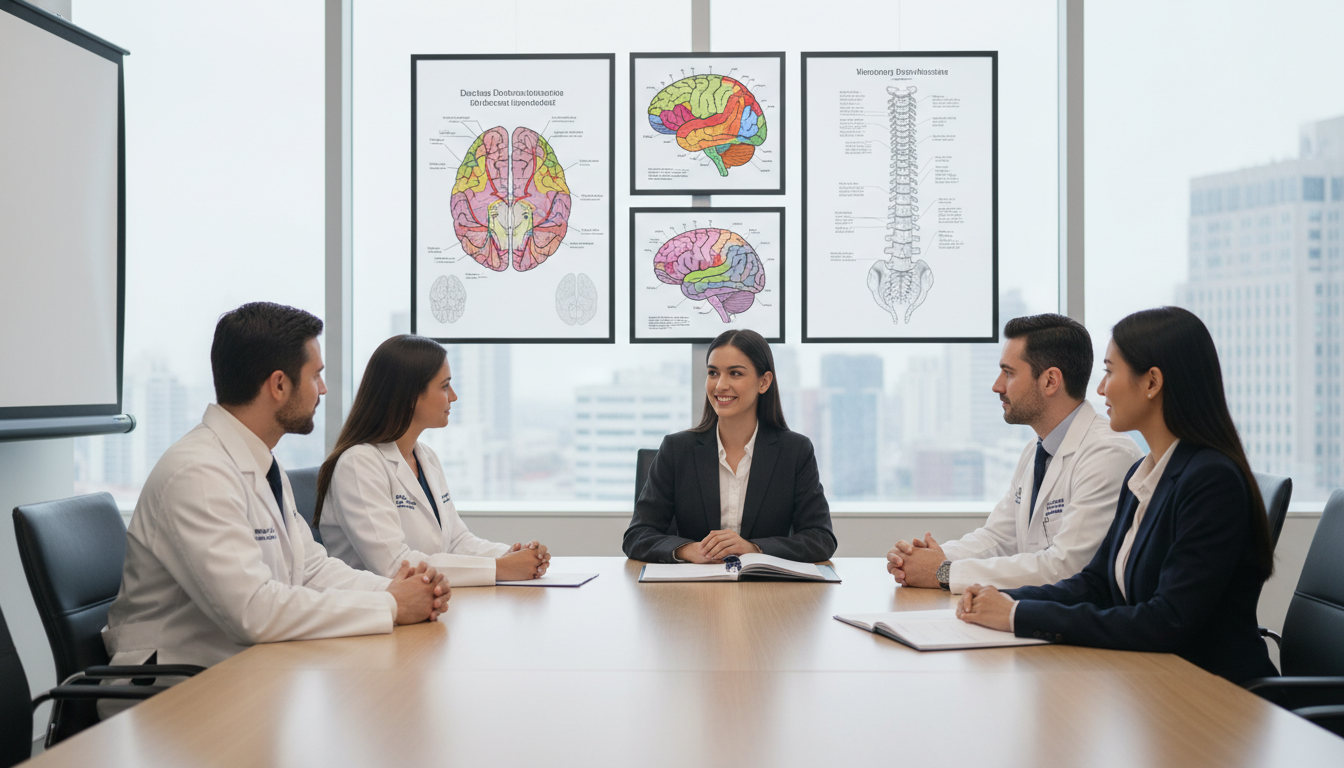
Not all programs will ask technical questions, but many neurosurgery interviews—especially at academic centers—include some clinical reasoning.
Examples:
- “How would you approach a patient with suspected cauda equina syndrome in the ED?”
- “What are your initial steps in a patient with severe traumatic brain injury?”
- “What are the indications for emergent surgical intervention in epidural hematoma?”
Even if you don’t know all the details:
Stay calm and systematic
- Airway, breathing, circulation
- Neurologic exam
- Imaging
- Consult neurosurgery early
- High-level decision-making
Be honest about your level
- “As a medical student/DO graduate, my role would be…”
- Avoid pretending you know a procedure if you do not.
Emphasize safety and asking for help
- “I would immediately contact the neurosurgery resident on call while ensuring the patient is stabilized.”
This demonstrates teachability and awareness of your current scope.
Logistics, Presentation, and Mental Preparation
Pre-interview preparation is not just about knowledge and rehearsed answers; it also includes details that strongly influence how you are perceived.
Professional Appearance and Body Language
Whether your neurosurgery residency interview is in-person or virtual, presentation matters.
For DO graduate residency interviews in neurosurgery:
Attire
- Conservative suit (dark or neutral colors)
- Clean, polished shoes; minimal or simple accessories
- Hair neat, facial hair groomed
- Avoid extravagant jewelry, fragrances, or flashy styles
Body language
- Sit upright, shoulders relaxed
- Maintain steady but non-staring eye contact
- Nod to show engagement and understanding
- Avoid fidgeting, checking your watch or phone
Voice and pacing
- Speak clearly and at a measured pace
- Pause briefly before answering tough questions
- Don’t rush; confident applicants often speak slightly slower
Virtual Interview Setup (If Applicable)
For many applicants, interviews remain at least partially virtual. You should:
Check your tech
- Test internet speed
- Confirm camera and microphone quality
- Verify platform (Zoom, Webex, Thalamus, etc.) in advance
Optimize your environment
- Neutral, uncluttered background
- Good lighting (light source in front of you)
- Quiet, private room (use a sign or schedule to avoid interruptions)
Camera presence
- Look into the camera when speaking, not at your own image
- Keep the camera at eye level to avoid unflattering angles
Scheduling, Time Zones, and Energy Management
Neurosurgery interview days can be long and mentally draining. You may have several in a week.
Know your schedule
- Double-check time zones
- Confirm start/end times, pre-interview socials, and breakout rooms
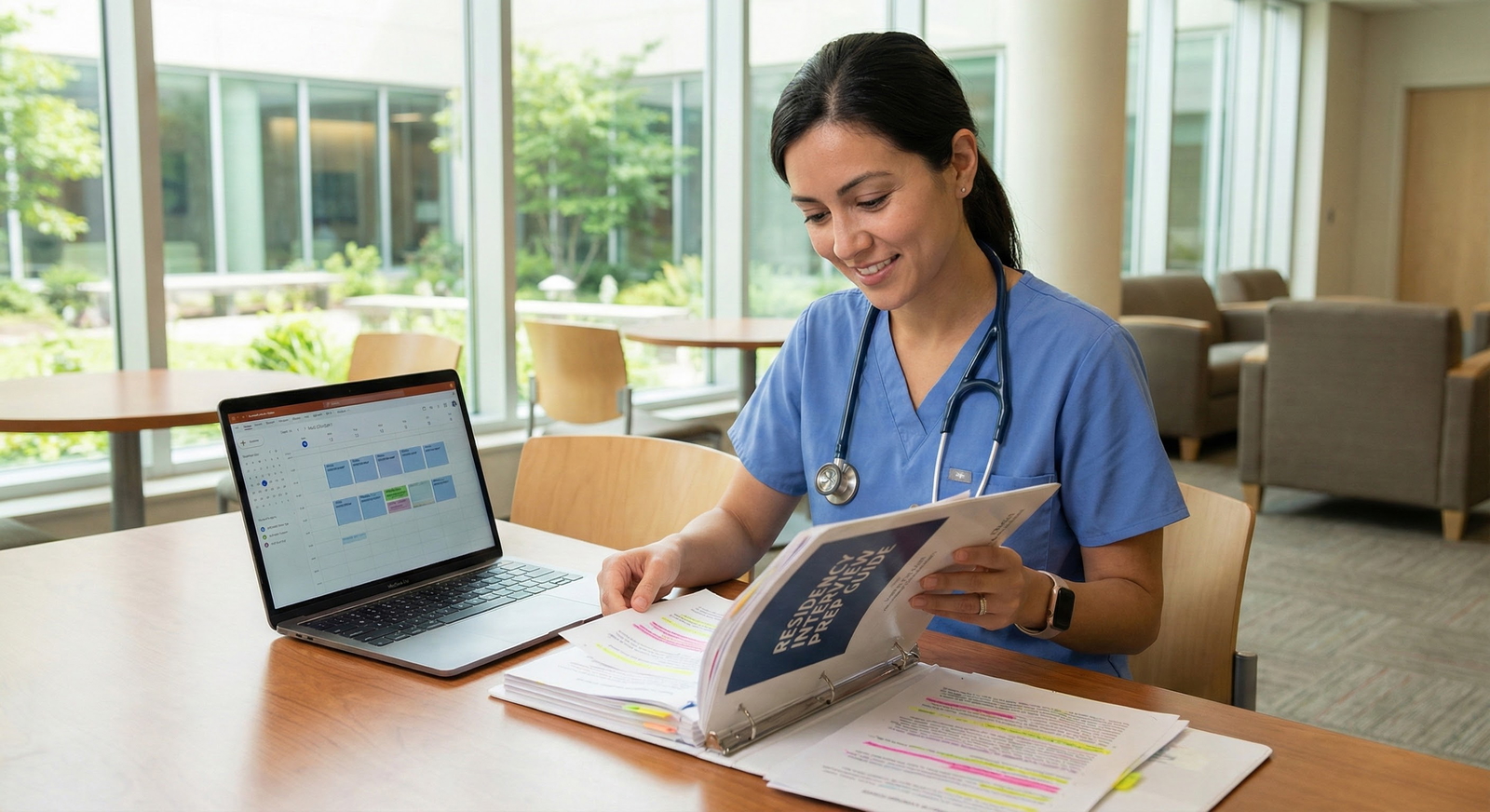
- Keep a calendar with all Zoom links or addresses
Plan rest and nutrition
- Avoid heavy, greasy meals before interview blocks
- Hydrate but avoid too much caffeine that could make you jittery
- Prioritize 7–8 hours of sleep in the nights leading up to interviews
Post-interview reflection
- Immediately after each interview, jot down:
- People you spoke with
- Program-specific strengths/weaknesses
- Your overall impression
- These notes are invaluable for later ranking decisions and thank-you emails (if you choose to send them).
- Immediately after each interview, jot down:
Tailored Strategies: Maximizing Your Competitiveness as a DO Applicant in Neurosurgery
Because neurosurgery residency is so competitive, DO graduates benefit from a few extra strategic layers of preparation.
Highlighting Rotations, Sub-Internships, and Away Experiences
If you completed a neurosurgery sub-internship at the program interviewing you, this is an enormous asset.
Be prepared to:
- Discuss specific cases and attendings you worked with
- Describe how your time there confirmed your interest in neurosurgery
- Mention specific feedback or growth you experienced
If you did not rotate there:
- Highlight any neurosurgery or neuroscience rotations at respected centers
- Emphasize what you learned about high-acuity care, teamwork in the OR, and patient counseling
- Mention how you adapted to new environments quickly
Framing Your Osteopathic Manipulative Medicine (OMM) Background
You likely won’t practice OMM in the OR, but your OMM training is still relevant.
You can say:
- OMM honed your 3D spatial understanding, palpatory skills, and attention to subtle physical findings
- Osteopathic structural exam improved your ability to evaluate gait, posture, and functional deficits—crucial in spine and movement disorders
- The osteopathic emphasis on function and recovery aligns with neurosurgical goals beyond simply “fixing an image”
Avoid overpromising OMM as a neurosurgery tool; instead, present it as a foundation that strengthened your clinical and anatomical thinking.
Anticipating Tough or Uncomfortable Questions
In neurosurgery, you might be asked:
- “Neurosurgery is known for long hours and high burnout. How will you handle this?”
- “What will you do if you don’t match into neurosurgery?”
- “Why should we take a chance on you as a DO applicant in such a competitive field?”
Prepare honest, composed responses:
- Acknowledge the realities of the specialty
- Reference your prior experiences handling demanding schedules
- Describe your support systems and strategies for resilience (exercise, hobbies, mentorship, reflection)
- For backup plans, keep it professional:
- “I am committed to neurosurgery and have structured my training and research around it. If I were to go unmatched, I would likely pursue a research year in neurosurgery or a related field to strengthen my application, reassess and reapply with guidance from mentors.”
This level of thoughtfulness shows maturity and realistic self-assessment.
FAQs: Pre-Interview Preparation for DO Graduates Applying to Neurosurgery
1. As a DO graduate, do I need to prepare differently than MD applicants for neurosurgery interviews?
Your core preparation (clinical knowledge, behavioral answers, program research) is the same as MD applicants, but you should also be ready to:
- Clearly explain the value of your osteopathic training
- Address questions about why you chose a DO school
- Demonstrate that you can thrive in academic, research-oriented environments
- Highlight any DO graduate residency examples in neurosurgery (prior DO residents, DO faculty, osteopathic-friendly rotations)
Ultimately, interviews are about who you are as a physician and future surgeon; your DO identity is one dimension of that, not a barrier.
2. Will I be asked technical “brain surgery residency” questions, and how detailed should my answers be?
Many neurosurgery programs—especially academic ones—will ask some form of clinical reasoning or basic technical questions. You do not need attending-level detail, but you should:
- Demonstrate structured thinking and prioritization
- Show familiarity with common neurosurgical emergencies (e.g., epidural hematoma, cauda equina, SAH, TBI)
- Emphasize patient safety and early involvement of the neurosurgery team
Don’t guess beyond your knowledge. It is acceptable to say, “At my level, I would do X and immediately contact the neurosurgery resident or attending.”
3. How much should I emphasize osteopathic principles and OMM during the interview?
Integrate osteopathic principles strategically, not excessively. Focus on:
- How they sharpened your anatomical and functional understanding
- How they shaped your approach to holistic patient care and functional outcomes
- How your OMM training improved your hands-on exam skills
You don’t need to discuss specific techniques unless asked. The goal is to show how your DO background enhances your capability as a future neurosurgeon.
4. What are the most important steps in residency interview preparation for a neurosurgery DO applicant in the weeks before interviews?
In the final weeks:
- Review neurosurgery fundamentals: neuroanatomy, common pathologies, clinical scenarios.
- Refine your narrative: why neurosurgery, why you, and how your DO background fits.
- Practice out loud: mock interviews focusing on behavioral and ethical questions.
- Research each program: know 3 concrete reasons you’d want to train there and 1–2 specific questions for them.
- Optimize logistics and environment: attire, technology, schedule, rest.
By combining strong content review with a clear personal story and polished communication, you can stand out as a compelling DO applicant in the osteopathic residency match for neurosurgery.